

REVIEW · HANOI
Hanoi: 3-Day Sapa Trek with Homestay
Sapa’s best moments happen away from town, where narrow paths run past Hmong rice terraces, bamboo forest, waterfalls, and homes in mountain villages. This three-day trip gives you time to see that countryside on foot instead of treating Sapa as a quick photo stop.
I like the small group, limited to 10 people, and the chance to cook and eat with a Dzay family in Ta Van. I also like the practical setup: transport from Hanoi, meals, a local guide, a shower at the Sapa hotel before the ride home, and a sandwich for the return journey are all covered. The main caution is physical effort. One section reaches 9 kilometers and is not recommended for older people or children, while winter can bring cold, fog, and damp conditions.
Key points at a glance
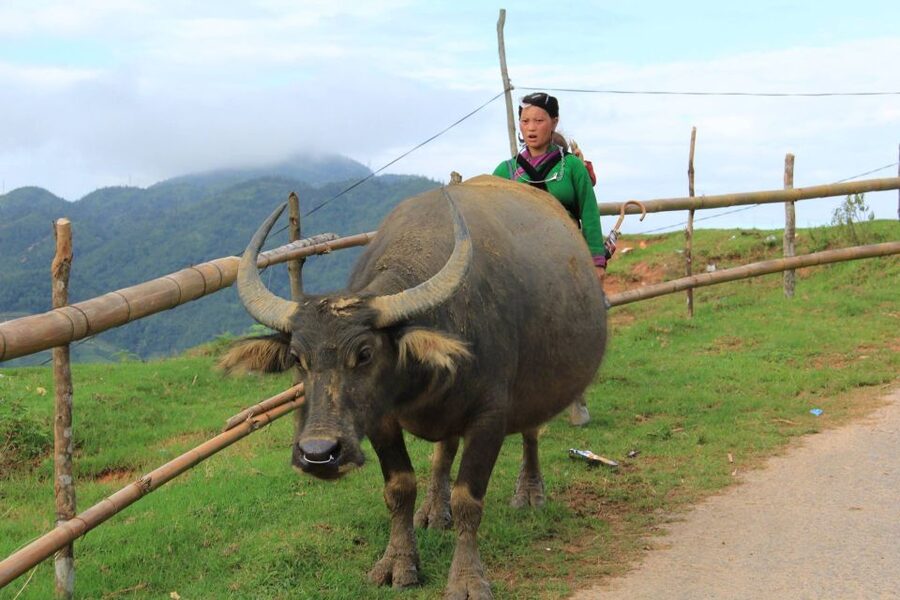
- Three distinct trekking areas: Cat Cat, Y Linh Ho and Lao Chai, then Ta Van and Giang Ta Chai each offer a different setting.
- One night with a Dzay family: You share dinner and take part in preparing the meal, with simpler facilities than a hotel.
- A small group of up to 10: This makes village walks and guide assistance easier than on a large coach tour.
- Hanoi transport is built in: Pickup from the Old Quarter starts around 6:30 to 7 a.m., with a shuttle back after the trek.
- Guide Chu may be part of your experience: He has been praised for his cheerful manner, stamina, local stories, and help around stray dogs.
- Weather matters: December through March can be foggy, and cool months call for warm clothes, a scarf, and a hat.
Why this Sapa trip works best on foot

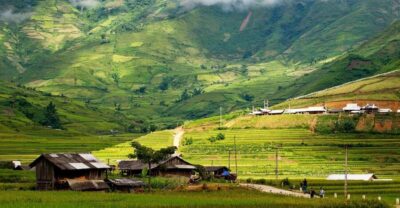
Sapa is often sold as a mountain town, but the town itself is only the starting point. The reason to come this far north is the countryside beyond it: steep hills cut into rice terraces, footpaths between minority villages, and views that change with the weather.
This trip gives you three days rather than one rushed day. You get an easy first afternoon in Cat Cat, a longer village-to-village walk on the second day, and a final trek through bamboo forest before returning to Hanoi. That pace lets you see how different parts of the Sapa area fit together.
The experience is also more personal than a standard sightseeing loop. Your local English-speaking guide leads the walks, explains village life, and helps with the practical parts of the route. The small group limit of 10 is useful here. Paths can be uneven, and a guide can help the group stay together.
The trip costs $182 per person. That is fair value if you want transport from Hanoi, two nights of accommodation, meals, guides, and a full day on foot without arranging each part yourself. It is less attractive if you want a private room throughout, high hotel comfort, or a flexible schedule. Private rooms cost extra, and the homestay is not meant to match a three-star hotel.
More Homestay Treks in Hanoi
- Hanoi – Sapa 2 Days 1 Night Overnight At Homestay
★ 5.0 · 899 reviews - From Hanoi: 2-Day Sapa Trekking Trip with Homestay & Meals
★ 4.8 · 704 reviews - 2-Day Sa Pa Ethnic Homestay Tour & Trek with Limousine Bus
★ 4.8 · 440 reviews
Day 1: Hanoi to Sapa and Cat Cat Village
The trip starts early, with pickup in Hanoi’s Old Quarter around 6:30 to 7 a.m. You can also meet at 6:45 a.m. at 9 Hang Huong, Hang Ma, in Hoan Kiem. The modern shuttle follows the highway toward Lao Cai, with comfort breaks along the way, including one in Lao Cai before the final climb toward Sapa.
This is a long transfer, so think of the first day as a travel-and-walk day rather than a full mountain trek. The bus is a useful part of the price because arranging Hanoi to Sapa transport separately can complicate a short trip. Two bottles of water are included, but you should carry extra cash and any snacks you prefer.
You reach Sapa around midday. After a transfer from the bus office, you have lunch and check in. The schedule then allows some time to settle before leaving the hotel at about 2:30 p.m.
Cat Cat Village is around 3 kilometers from Sapa by foot. The route takes you downhill toward the village, so the return climb can feel harder than the outward walk. Wear proper hiking shoes rather than casual trainers, especially if the path is wet.
Cat Cat is associated with the Hmong people and was identified as a resort area during the French colonial period. The visit includes the village’s hydropower station and waterfall, along with traditional crafts such as weaving, silver carving, and hand-forged farm tools.
This is a good introduction to the area because it combines scenery with daily life and craft traditions. It is also the most developed stop on the route, so do not expect the same quiet feeling as the paths around Y Linh Ho or Giang Ta Chai.
You walk back to Sapa for dinner at roughly 6:30 or 7 p.m. On this first night, the accommodation is the Sapa hotel. The trip description refers to a three-star hotel for this night, while the included accommodation details focus on the shared Dzay homestay for the second night. Confirm the exact room arrangement when booking, especially if hotel comfort matters to you.
Day 2: Rice terraces from Y Linh Ho to Lao Chai

After breakfast, you check out before 8:30 a.m. The main walking day begins at about 8:30, heading down toward Y Linh Ho, a village inhabited by the Hmong.
This section is one of the strongest parts of the trip. The route gives you a close look at rice terraces described as being around 100 years old. Terraces are not just pretty views. They show how farming has been adapted to steep mountain slopes, with level strips cut into hillsides so water and crops can be managed.
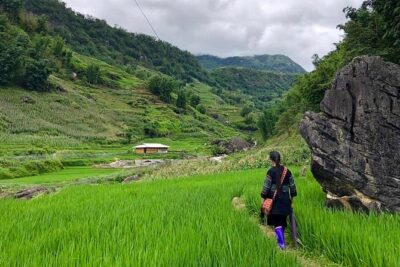
You then continue toward Lao Chai, a Hmong village and home area. The route is scenic, but it is not a flat country walk. The information for the trip warns that a 9-kilometer section is not recommended for older people or children. You should also take the warning about medical conditions seriously, since the activity is not suitable for people with pre-existing medical conditions or for pregnant women.
Lao Chai is the midday stopping point, with about an hour for lunch. The meal is included, as are three lunches across the trip and two dinners. Beverages beyond the listed meals are not included, so bring Vietnamese dong for drinks and personal purchases. US dollars, euros, and Australian dollars are also commonly accepted in Sapa, but Vietnamese dong is the most useful choice.
After lunch, you continue to Ta Van. This is where the trip shifts from walking through villages to spending time with a local family. Ta Van is associated with both Hmong and Giay communities, and the overnight stay is with a Dzay family.
The homestay is the heart of the experience, but it requires the right expectations. You are choosing contact with local hosts over hotel privacy and polished facilities. Shared accommodation is included, while a private room can be added for an extra charge. Bring a warm layer and keep your valuables organized, since this is a simple rural stay rather than a conventional hotel night.
The evening includes preparing dinner with the hosts, then eating together. That shared task matters more than a formal meal in a restaurant. You get a practical look at how the evening is organized and have a natural chance to talk with the family through the guide.
Day 3: Bamboo forest, Giang Ta Chai, and the road home
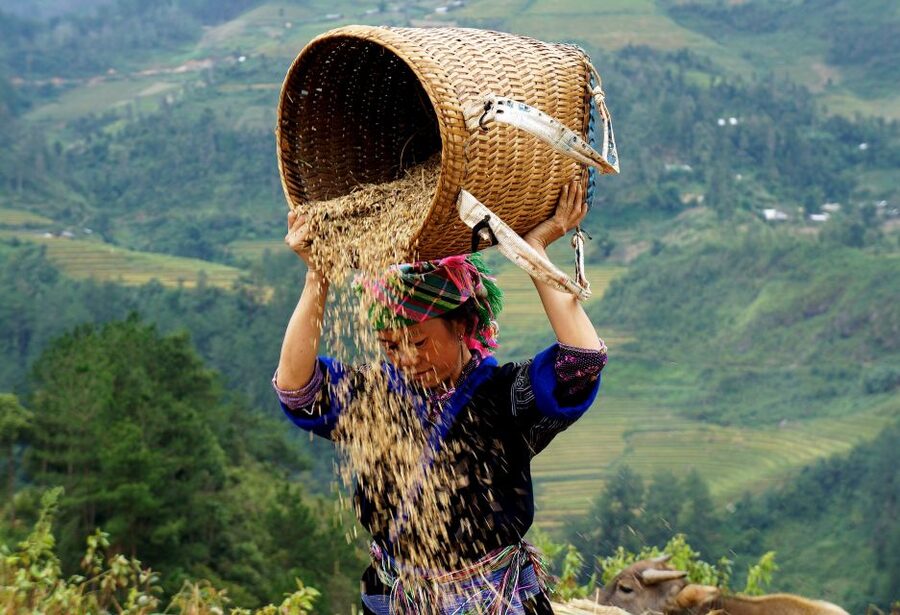
The final morning starts with breakfast outdoors. The meal includes pancakes, hot tea, or hot coffee, with views across the rice terraces. Wake-up time may be influenced by the sounds of the household, including roosters or pigs, so pack a sense of humor along with your hiking shoes.
After saying goodbye to the family, you walk through a bamboo forest toward Giang Ta Chai. The route also includes a silk waterfall. This section gives the trip a different mood from the open terraces of the previous day, with more shade and woodland paths.
After a few hours of walking, you stop for a picnic lunch with scenic views. There is one point worth checking before departure: the stated plan includes a picnic lunch, but one account of the trip described no picnic. It is sensible to treat the meal format as changeable, particularly in poor weather or when operating conditions shift.
You then walk back to the main road and take a car or minivan to Sapa. The return to town is scheduled for around 2 p.m. You get a shower at the hotel, then leave around 3 p.m. for the bus office. The operator prepares sandwiches for the ride back to Hanoi, a small but useful detail after three days of walking.
The bus drops you at the meeting point in Hanoi. The schedule makes this a long final day, and your arrival time will depend on road conditions. Do not plan an important evening appointment immediately after the return.
More Homestay Treks in Vietnam
- Hanoi – Sapa 3 Day 2 Night Trekking With Hotel & Homestay
★ 5.0 · 389 reviews - Hanoi – Sapa 2 Days 1 Night Overnight At Local Homestay
★ 5.0 · 233 reviews - From Hanoi: 2-Day Luxury Sapa Trekking Tour with Homestay
★ 4.4 · 49 reviews - 3-Night Sapa Trek and Homestay with Round Trip Transfer from Hanoi
★ 4.5 · 37 reviews
What the walking is really like
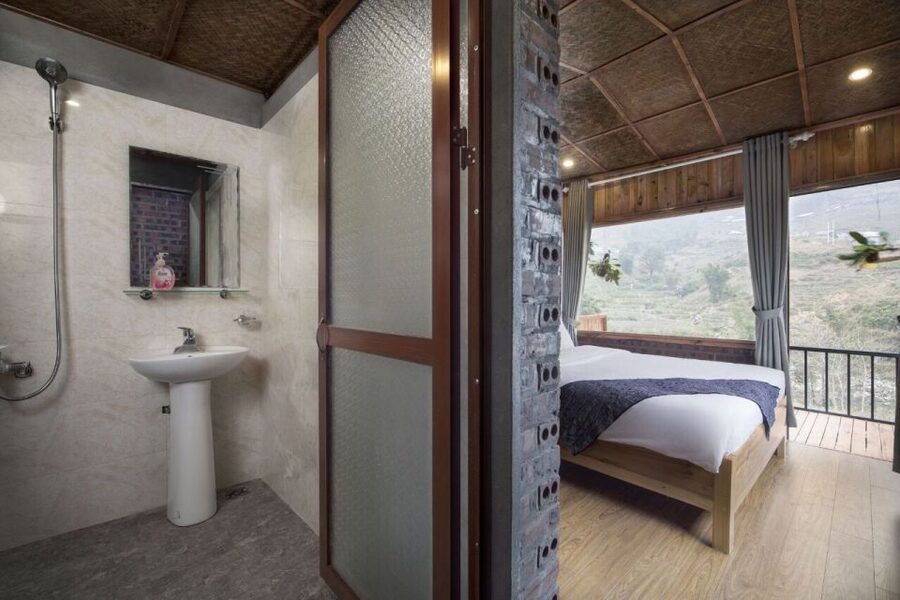
The route mixes village paths, roads, descents, climbs, terraces, bamboo forest, and waterfall areas. That variety is a strength, but it means you need more than comfortable city shoes. Bring hiking shoes with good grip, sunglasses, sunscreen, insect repellent, and clothes suited to the forecast.
Sapa’s altitude can bring fog in December, January, February, and March. Fog may hide the wide terrace views, and cool weather can feel colder during wet walks. Warm clothing, a scarf, and a hat are recommended in the cooler months.
The itinerary can change because of weather and operating conditions. That is especially relevant for mountain paths. A changed route may mean fewer viewpoints or a different lunch arrangement, but it can also be the safer choice.
You should be comfortable walking for several hours and handling uneven ground. The trip is not suitable for pregnant people or anyone with a pre-existing medical condition. The warning about the 9-kilometer section also makes this a poor match for very young children or older people who do not regularly hike.
The guide, group size, and local contact
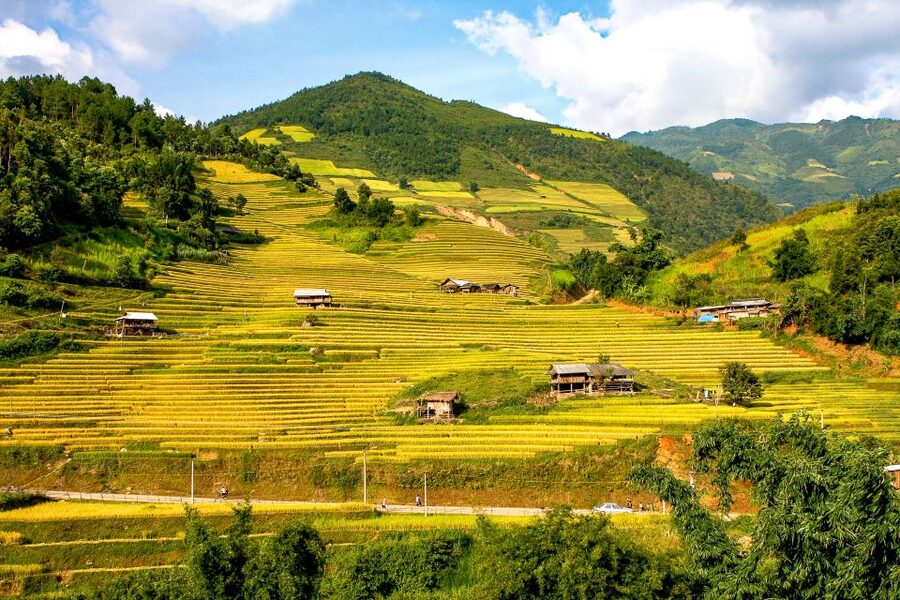
The guide is important here because the value is not only in getting from one village to the next. You need someone who can explain Hmong and Giay village life, help with meals and transport, and manage a mixed-ability group on narrow paths.
A guide named Chu has been praised for being cheerful, tireless, and cordial. He was also credited with explaining Black Hmong life and helping protect the group from stray dogs. You cannot assume Chu will lead every departure, but his example shows the kind of hands-on local support this trip aims to provide.
The group is limited to 10 people. That is small enough for questions and easier communication, though it is not a private tour. If you want complete control over pace, meal timing, and stops, a private arrangement may suit you better.
There is also a social side to village trekking. Local women may approach you repeatedly to buy handicrafts, including during the walk. You can choose to browse or decline, but be ready for this part of the experience rather than expecting every path to feel untouched.
Meals, rooms, and what to pack
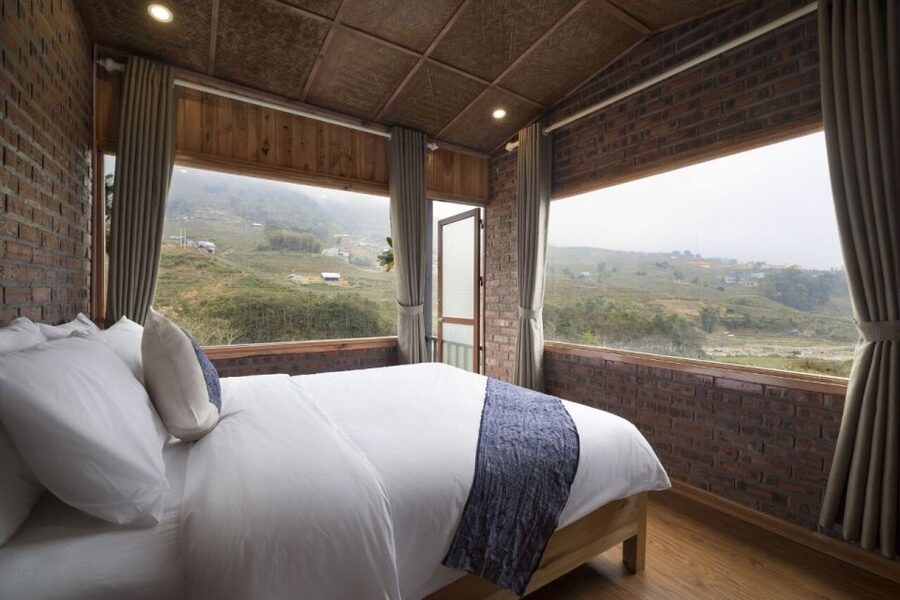
The package includes three lunches, two dinners, and one breakfast. It also includes two bottles of water, but drinks and personal expenses are separate. Special dietary requests should be sent before departure, not raised for the first time at the homestay.
For clothing, pack warm layers even if Hanoi feels mild. Sapa can be cold, damp, or foggy, especially from December through March. A waterproof layer is a sensible addition, though the supplied information specifically calls for weather-appropriate clothing, warm clothes, a scarf, and a hat.
Your basic packing list should include:
- Passport or ID card
- Hiking shoes and comfortable walking clothes
- Warm layers for the homestay and cooler months
- Sunglasses, sunscreen, and insect repellent
- Cash, preferably Vietnamese dong
- Any required personal medication
- A small bag for the walking days
The homestay is not the place to expect hotel-style facilities. You share accommodation unless you pay extra for a private room. The first night is in Sapa, while the second is with the Dzay family in Ta Van.
Is $182 a fair price?
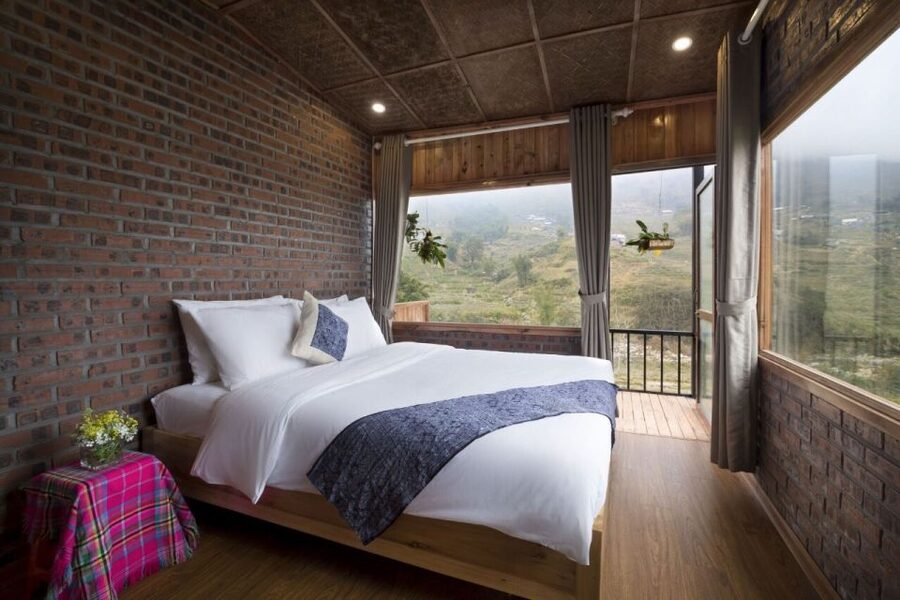
At $182 per person, the price covers more than a guided walk. You are paying for the Hanoi to Sapa shuttle, local transport around Sapa, two nights of accommodation, meals, English-speaking guides, and the return bus.
That package saves planning time. You do not need to coordinate the long road transfer, village walks, dinner, homestay, shower, and return ride yourself. The included meals and small group add practical value.
The price is less compelling for someone who dislikes shared rooms or wants a private guide. You will also need money for drinks, crafts, and other personal expenses. Keep in mind that the homestay is intentionally simple. The value comes from access to village life and a properly organized route, not from luxury.
Should you book this Sapa trip?
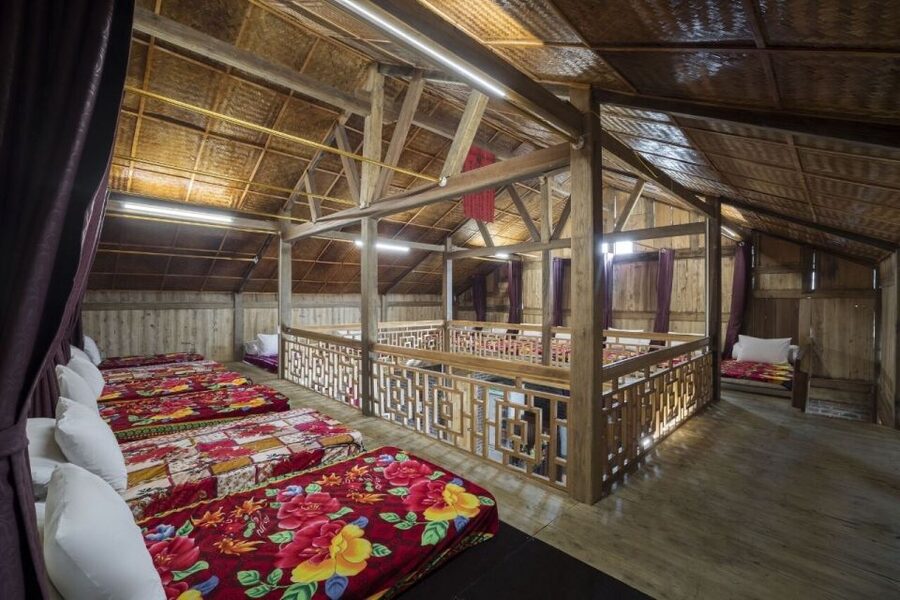
Book it if you want a compact introduction to Sapa that combines serious walking with local contact. The best fit is an active visitor who wants rice terraces, Hmong and Giay villages, a Dzay homestay, and a shared meal rather than a resort-style stay.
Think twice if you need a predictable timetable, private accommodation, or easy walking. Fog, cold weather, long transfers, sales pressure around handicrafts, and possible itinerary changes are all part of the practical picture.
For most reasonably fit visitors, the strongest reason to choose this trip is its balance. You get Cat Cat on the first afternoon, a full terrace walk on the second day, and bamboo forest and Giang Ta Chai on the third. Just pack for the weather, prepare for basic homestay facilities, and confirm the exact accommodation and meal details before paying.
FAQ
Where does pickup take place in Hanoi?
Pickup is available from the Old Quarter area of Hoan Kiem district, usually around 6:30 to 7 a.m. You can also meet at 6:45 a.m. at 9 Hang Huong, Hang Ma, Hoan Kiem, Hanoi.
How long does the experience last?
The trip lasts three days and includes two nights away from Hanoi.
How do I travel from Hanoi to Sapa?
You travel by modern shuttle bus with an experienced driver. The route includes comfort breaks on the way to Sapa.
How large is the group?
The group is limited to 10 participants.
What accommodation is included?
The plan includes one night in Sapa and one night in a shared Dzay homestay in Ta Van. Private rooms are available for an additional cost.
What meals are included?
The package includes three lunches, two dinners, and one breakfast. Drinks are not included.
Is the tour suitable for children?
The 9-kilometer walking section is not recommended for older people or children. The activity is also not suitable for pregnant people or those with pre-existing medical conditions.
What should I bring?
Bring your passport or ID, comfortable shoes, hiking shoes, warm and weather-appropriate clothing, sunglasses, sunscreen, insect repellent, and cash for personal expenses.
Can dietary requests be arranged?
Special dietary requests should be sent before your departure date.
Can the route change?
Yes. The itinerary can change because of weather, tide levels, and operating conditions.
More three-day treks in Hanoi
- Sapa 3 Days 2 Nights Trekking Tour (1 Night In Ta Van Village, 1 Night In Hotel)
★ 5.0 · 699 reviews - 3-Day Trekking Adventure of Sapa from Hanoi – Stay Ta Van Village
★ 5.0 · 611 reviews - From Hanoi: Trek and Stay: 3-Day Sapa Highlands Adventure
★ 4.6 · 152 reviews - Sapa 3 Days 2 Nights Trekking Tour From Hanoi (2 Nights in Hotel)
★ 5.0 · 112 reviews
Latest treks added in Hanoi
- From Hanoi : Sapa Moutain Trek – Halong bay Heritage★ 4.5 · 25 reviews
- Trekking In Ha Giang 5 Days★ 5.0 · 4 reviews
- Trekking around Ha Giang 5 days 4 nights★ 3.0 · 2 reviews
- 8-Days Hanoi, Sapa Trekking And Halong Bay Cruise★ 5.0 · 8 reviews
- 2-Day Trekking in Sa Pa from Ha Noi by sleeping bus★ 5.0 · 4 reviews
- Hanoi: 3D2N Mu Cang Chai Visit All Attractions, Trek, Ethnic Life★ 5.0 · 3 reviews
- Mai Chau – Pu Luong trekking 3 days 2 nights★ 4.5 · 7 reviews
- Sapa trekking 2days by bus from Hanoi ( over night in homestay)★ 5.0 · 21 reviews
Homestay & Village Treks, compared.
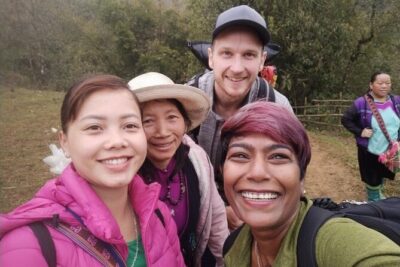
Number one top rated ethical cultural trekking and homestay by ETHOS
Read our review →
2-Day Sa Pa Ethnic Homestay Tour & Trek with Limousine Bus
Read our review →
Sapa 3 Day 2 Night Trekking With Hotel & Homestay
Read our review →
Sapa 2 Days 1 Night Overnight At Local Homestay
Read our review →
2-Day Trekking Trip with Ethnic Minority Homestay
Read our review →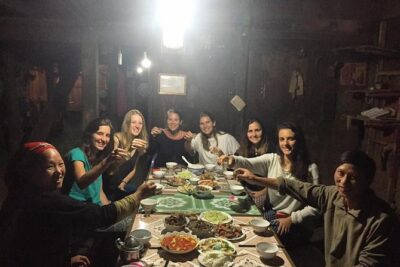
2-Day Trek & Heartwarming Homestay with an Ethnic Family
Read our review →Browse the lists this tour appears in