
REVIEW · SAPA
From Sapa : 1 Day Amazing Sapa Trek To Terrace rice field
Sapa’s best views arrive on foot, beyond the town’s steep streets and souvenir shops. This six-hour walk leads you through terraced rice fields, small ethnic-minority villages, simple homes, and a waterfall, with a local English-speaking guide explaining the customs and daily life along the way. I like the route’s mix of scenery and human contact, especially the time spent in Lao Chai village.
I also like the practical setup: hotel pickup, lunch, entrance fees, and a shuttle back to Sapa are all included for $22. The main catch is the trail. Rain can turn the steep paths into mud, and one account describes a route of roughly 10 kilometers, mostly downhill. You may get dirty, slip, or need a helping hand from local people along the way.
Key points to know before you book
- The walk leaves Sapa town behind: You begin on foot through town, then reach quieter rice, corn, and potato fields.
- Lao Chai is the cultural heart of the day: The village offers a closer look at local homes, family life, and ethnic customs.
- Expect a real trail, not a paved stroll: Wet weather can make the steep ground slippery and muddy.
- The route is mainly downhill: A shuttle bus carries you back uphill to Sapa after lunch.
- A local guide adds context: Your English-speaking guide explains customs, habits, and village life as you walk.
- The price covers the useful basics: Lunch, village entrance fees, hotel transfers within Sapa, and return transport are included.
Leaving Sapa town for the rice terraces
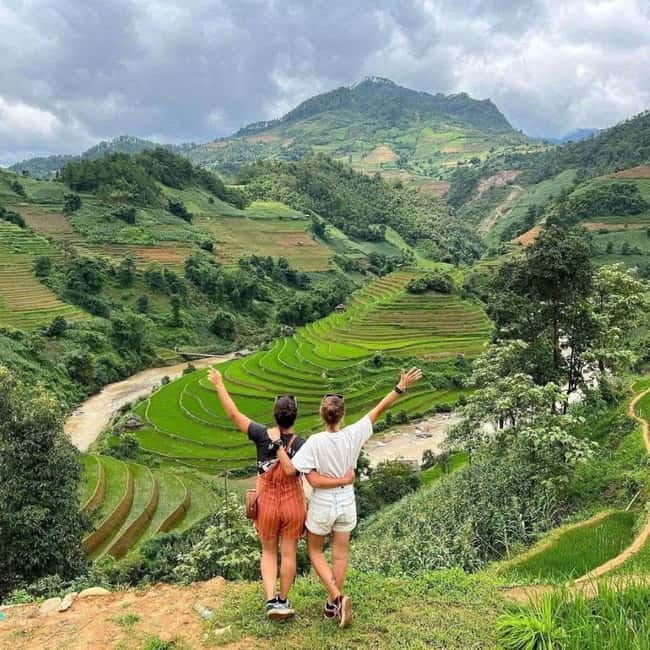
Pickup takes place at your hotel in Sapa between 8:00 and 8:30 in the morning. The walk begins right in town, which gives you a useful change of pace before the hills and fields take over.
At first, you see Sapa as a lived-in mountain town rather than only a base for excursions. The route offers glimpses of local architecture and ordinary daily activity. Then the buildings thin out, and you step onto paths beside rice, corn, and potato fields.
This gradual change is one of the nicest parts of the outing. You do not simply get dropped beside a viewpoint, take a photo, and leave. You walk from the town into the countryside, so the scenery unfolds in stages.
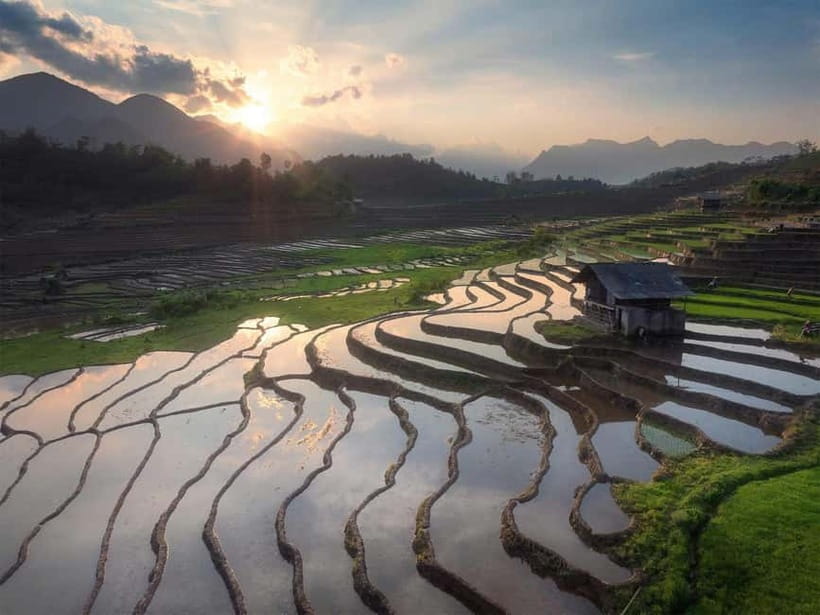
The exact views will depend on the season. Rice terraces may be green, recently harvested, or filled with water at different times of year. Mist and rain can soften the mountains, while clearer weather gives you wider views across the stepped fields. The experience is tied closely to farming, weather, and the condition of the paths.
Your guide walks with you and explains local customs, habits, and ethnic culture. That matters here because the terraces are not just pretty scenery. They are working farmland, shaped by the people who live in the surrounding villages.
More Rice Terrace Treks in Sapa
- Sa Pa: Muong Hoa Valley Trek and Local Ethnic Villages
★ 4.6 · 864 reviews - Explore Sapa by TrekkingAdventures, Mountain,Rice fields
★ 4.9 · 229 reviews - Sa Pa: 6-Hours Muong Hoa Valley Trek with Local Ethnic guide
★ 4.5 · 178 reviews
Lao Chai village and the human side of Sapa
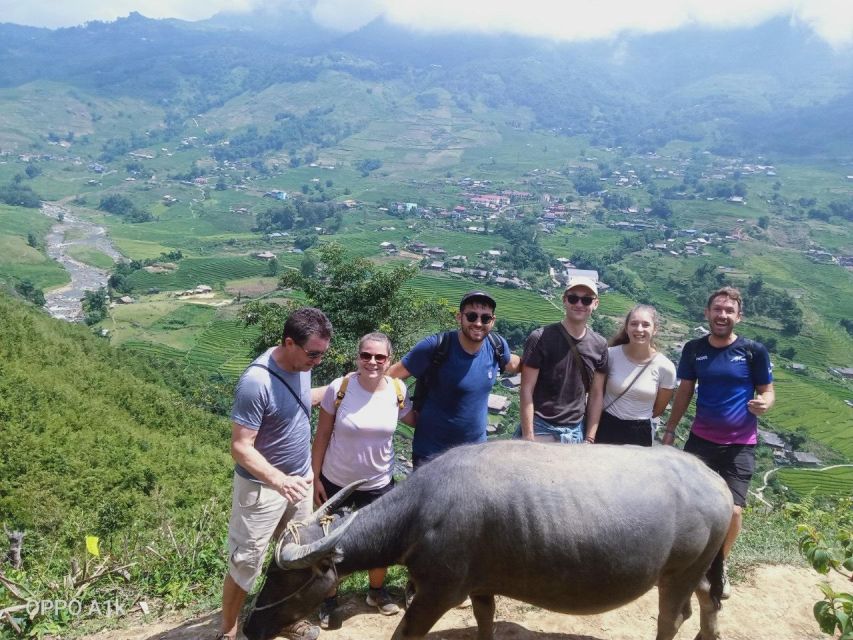
Lao Chai is a small village on the hillside and one of the main cultural points of the route. You pass through village areas where simple houses and daily routines replace Sapa’s visitor-focused streets.
I would treat this part as a chance to look carefully rather than rush from one photo stop to another. Notice how the homes sit among the fields, how paths connect the village, and how much daily life remains tied to the surrounding land.
The guide’s local background can make a real difference. One guide described in the booking information comes from one of the villages visited, allowing her to explain the area from personal experience. No guide name is provided, and the guide assigned to your group can vary, but the local connection is an important part of the experience.
You are not visiting a museum display. You are walking through places where people live and work. Be polite around homes and residents, ask before taking close-up photographs, and let the guide explain what is appropriate.
The tour is limited to 10 participants. That is small enough for questions and conversation without the walk feeling like a large procession. It also gives the guide a better chance to keep an eye on the group when the path becomes narrow or slippery.
The trail conditions: beautiful, muddy, and sometimes steep
The walking is manageable for many people, but this is not a flat countryside stroll. The route can take around six hours in total, and one detailed account describes roughly 10 kilometers of walking. Much of the route goes downhill, which sounds easy until you are dealing with uneven ground, wet soil, and steep sections.
Rain is the key issue. A late-January walk was described as very slippery after wet weather, with a real chance of falling and getting muddy. Another walk in rainy conditions involved muddy mountain paths where some people lost their footing. These conditions did not erase the beauty of the outing, but they changed its physical demands.
I would wear shoes with a strong grip and clothes you do not mind dirtying. Bring a light rain layer, even if the morning looks dry, since Sapa weather can change quickly. Your guide and local people may help you through the worst sections, but you should still be comfortable walking on uneven ground.
The downhill direction is helpful in one way: you do not spend the afternoon climbing all the way back to Sapa. It is still hard on knees and balance, especially when the trail is wet. If you have limited mobility or are uncomfortable on steep paths, ask yourself if this is the right outing before booking.
The route also rewards patience. Mud, mist, and wet rock are part of the mountain setting, not a minor inconvenience that can always be removed. In rain, the colors of the hills and fields may blur together, creating a quieter and more atmospheric view. In dry weather, you may find the walking easier and the terraces clearer from a distance.
Waterfall stops and time for photographs
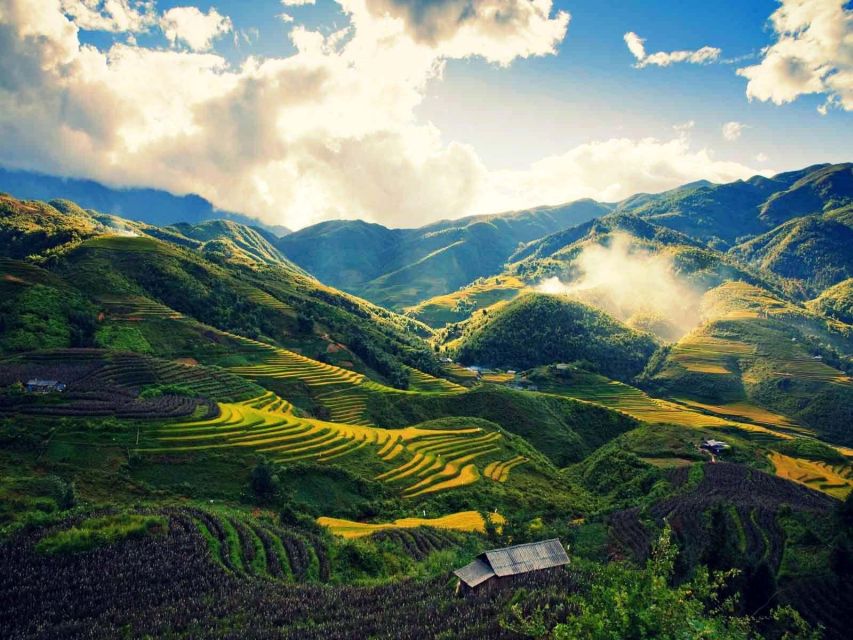
Along the way, a waterfall provides a natural pause. This is a good place to slow down, rest, and take photographs rather than treating the walk as a race to the next village.
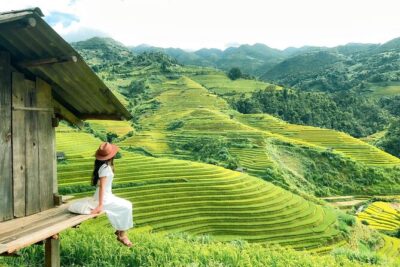
The terrace fields are the main visual prize. Their repeated lines make strong photographs, especially when the paths curve across the hills and the fields stretch away below you. The route also gives you changing angles because you are moving through the terraces rather than viewing them from one fixed platform.
Bring a phone or camera that can handle moisture. If the day is rainy, protect it in a small waterproof bag. If the trail is muddy, keep your hands free when walking over difficult sections instead of carrying loose equipment.
The guide can help you understand what you are seeing, too. A field of rice, corn, or potatoes is not simply a patch of green. It connects the village to food, work, and the seasonal rhythm of the area. That context makes the photo stops more meaningful.
More Rice Terrace Treks in Vietnam
- Sapa Muong Hoa Valley & Ta Van Eco Village Scenic Tour (No Trek)
★ 5.0 · 144 reviews - Daily Tour: Sapa Trekking in Muong Hoa valley, Bamboo forest
★ 5.0 · 121 reviews - 1-Day Sapa Long Trek – Rice Field Terrace, Ethnic Culture
★ 4.9 · 62 reviews - 3-Day Trek in Amazing Muong Hoa Valley & ethnic Homestay
★ 5.0 · 49 reviews
Lunch in a local restaurant
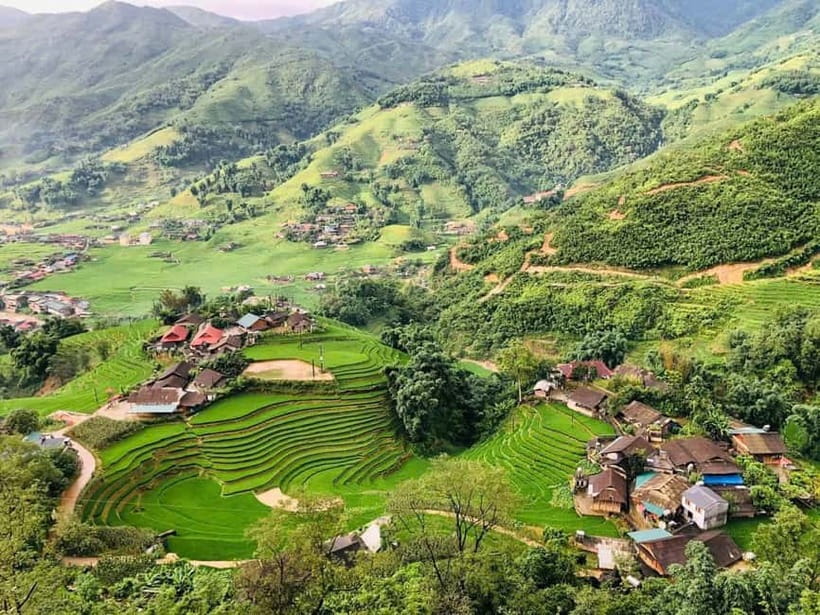
After the walk, lunch is served at a local restaurant before you return to Sapa. The meal includes local foods, although the supplied details do not specify the exact dishes or whether drinks are included.
That uncertainty is worth noting if you have allergies, dietary restrictions, or strong food preferences. The tour covers the listed lunch, but additional meals and beverages are not included. Ask the operator about suitable options before departure if you need a specific diet.
Lunch also gives you a proper break after several hours on the trail. Since the route is mainly downhill, your legs may feel the effort by this point even if you found the scenery easy to admire. Use the stop to dry off, clean muddy shoes as best you can, and drink water.
The meal is part of the value of the tour because you do not need to arrange a separate restaurant stop while navigating unfamiliar villages. Still, do not expect a detailed food-focused tour. The central experience is walking, scenery, and village life, with lunch as a useful local pause.
The shuttle back to Sapa

After lunch, a shuttle bus takes you back uphill to Sapa town. The return by road is a welcome contrast to the morning walk, especially since the route avoids making you climb back through the terraces.
Drop-off at your Sapa hotel is expected around 2:00 to 2:30 in the afternoon. That leaves you with the rest of the day for a rest, a meal, or another activity in town.
Pickup and drop-off apply to hotels in Sapa town. If you are staying outside Sapa, transport is not included, so check the meeting arrangements before paying. This is a small but important point because a low tour price can become less attractive if you need to arrange extra transfers.
What $22 gets you
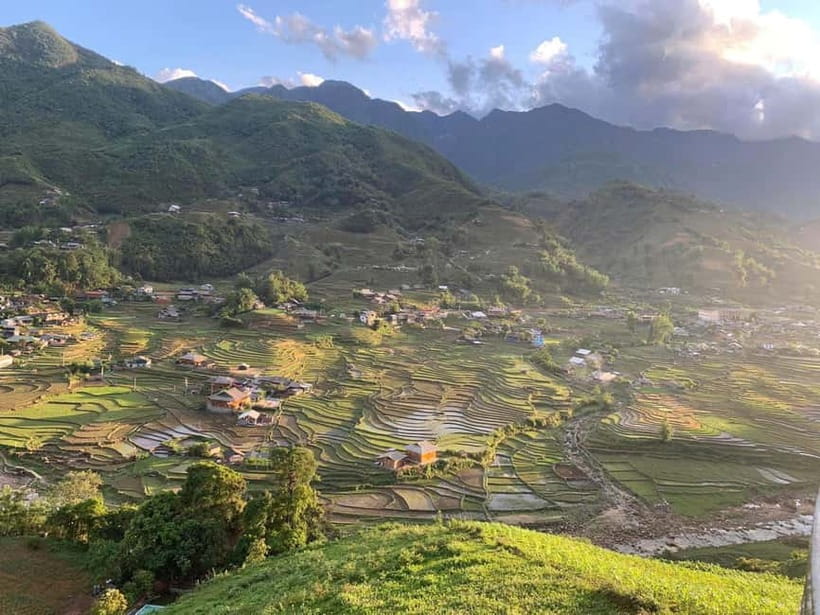
At $22 per person, this is a strong value if you want a guided introduction to Sapa’s villages and terraces in one day. The cost includes hotel pickup and drop-off within Sapa, village entrance fees, an English-speaking local guide, lunch, the walking route, photo stops, and the return shuttle.
The price is especially useful for independent visitors who want more structure than simply following a road out of town. You get transport logistics and a guide without paying for a private full-day excursion.
There are limits. The tour does not include all meals and drinks, travel insurance, visa services, or transportation outside Sapa town. It also does not remove the physical challenge of the trail. You are paying for access, guidance, and convenience, not a soft adventure with controlled ground.
The 4.6 rating from 17 bookings suggests a generally positive experience, but the individual scores also show why expectations matter. Most of the praise centers on the scenery, the guide, the local contact, and the memorable walk. The lower rating gives no useful detail beyond a short neutral comment, so it does not reveal a specific problem. The clearest practical warning comes from the weather and trail conditions.
Who will enjoy this walk most
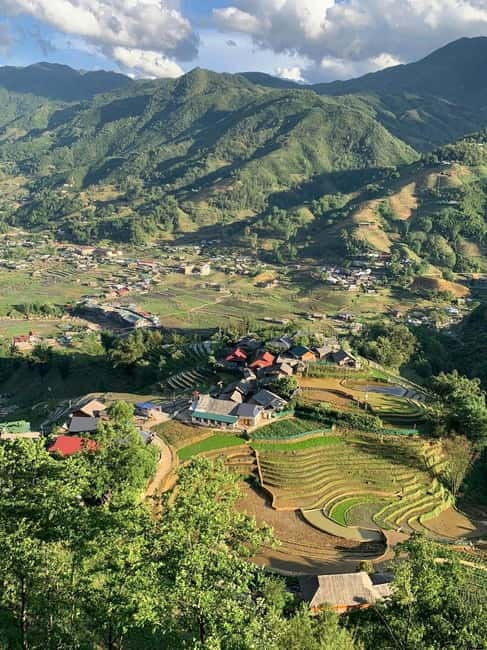
I would recommend this tour to you if you want to see Sapa beyond the town center and prefer an active day with local contact. It suits people who enjoy walking, photography, mountain scenery, and learning about ethnic-minority life from a local guide.
It is also a good choice if you have only one free day in Sapa. Six hours is long enough to reach the terraces and villages without taking up an entire day from dawn until evening. The morning departure and mid-afternoon return leave you some flexibility.
You should think twice if you need flat, dry, or highly predictable walking conditions. Wet-season mud can be serious, and the route may be around 10 kilometers. The fact that local people sometimes help walkers through difficult patches is reassuring, but it also tells you that the trail can demand care.
Families with older children may enjoy it if everyone is used to walking. The supplied details do not give an age limit, child policy, or accessibility information, so ask the provider directly if those points matter to you.
The small-group format works well for solo visitors and couples who want a guide without paying for a private tour. It also keeps the day social while remaining smaller than a large bus excursion.
Booking details worth checking
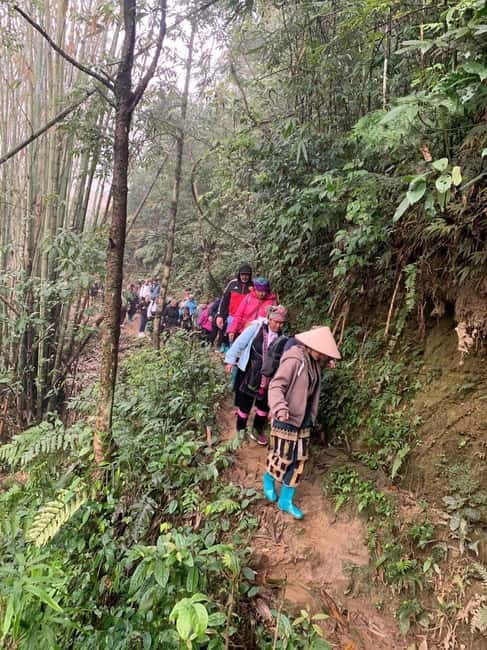
You can cancel up to 24 hours before departure for a full refund, and the reserve-now, pay-later option keeps your plans flexible. Starting times should be checked at booking, although the normal pickup window is 8:00 to 8:30 in the morning.
The tour is conducted in English. Entrance fees for the local villages are included, as is the shuttle back to Sapa. Travel insurance is not included, so arrange your own cover if you want protection for accidents, illness, or disrupted plans.
Bring water, sun protection, a rain layer, and sturdy shoes. Keep your bag light, especially if the trail is wet. A dry change of socks can be useful after several hours on muddy ground.
Should you book the Sapa terrace trek?
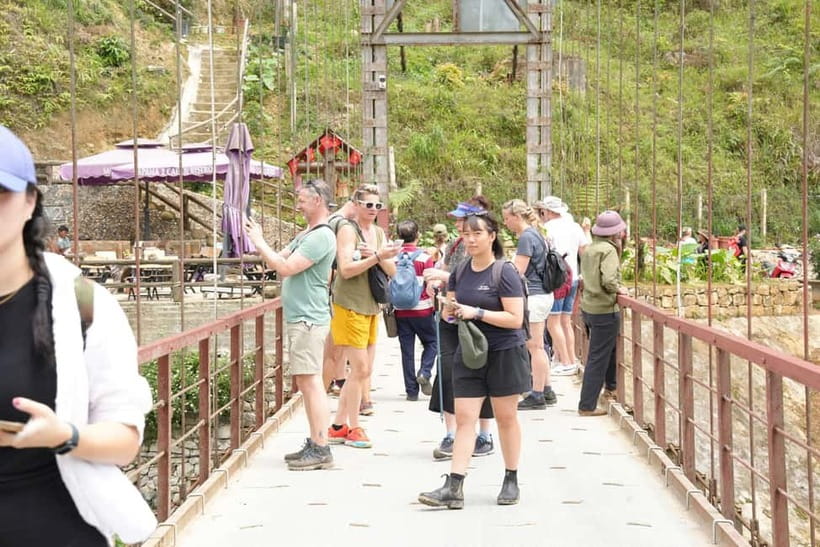
Book it if you want a well-priced, active route through Sapa’s terraces and villages, and you are happy to accept real mountain trail conditions. The strongest parts are the local guide, the walk through Lao Chai, the changing views, and the simple logistics.
Skip it if you are looking for a gentle sightseeing ride or if mud and steep paths would spoil your day. For most reasonably fit walkers, the combination of a small group, local lunch, village access, and return transport makes $22 a fair deal. Just pack for rain, expect dirt, and treat the trail as part of the experience rather than an inconvenience.
FAQ
How long does the Sapa terrace trek last?
The activity lasts about six hours. Pickup is scheduled for 8:00 to 8:30 in the morning, with hotel drop-off expected around 2:00 to 2:30 in the afternoon.
Where does the tour start and finish?
The tour starts with pickup in Sapa town and finishes with drop-off at your hotel in Sapa town. Transport outside Sapa town is not included.
Is lunch included?
Yes. Lunch with local foods at a local restaurant is included. Other meals and beverages are not included.
Is the tour conducted in English?
Yes. The tour includes a local ethnic guide who speaks English.
How large is the group?
The tour is offered as a small group with up to 10 participants.
Is the walking route difficult?
The route includes trekking through rice, corn, and potato terraces and may be around 10 kilometers. It is mainly downhill, but wet weather can make steep paths muddy and slippery.
Are village entrance fees included?
Yes. Entrance fees for the local villages are included in the activity price.
Can I cancel for a refund?
Yes. You can cancel up to 24 hours in advance for a full refund. The activity also offers reserve now and pay later booking.
More one-day treks in Sa Pa
- From Sapa: 1-Day Guided Trek to Lao Chai & Ta Van with Lunch
★ 4.9 · 416 reviews - Sapa 1 Day Long Trek: Trek to Hau Thao and Sa Seng Villages
★ 4.6 · 344 reviews - 1-day Authentik trek & Panorama valley views
★ 5.0 · 189 reviews - 1 day Fansipan Trekking
★ 5.0 · 180 reviews
More Rice Terrace Treks in Sa Pa
- Muong Hoa Valley Trek & Homestay Experience – 4D3N
★ 5.0 · 42 reviews - Sapa: Muong Hoa Mountain Views and Villages Trek with Lunch
★ 4.3 · 28 reviews - Sapa: Muong Hoa Valley View & Villages Trek with Local Guide
★ 5.0 · 25 reviews - From Sapa: Muong Hoa Valley View & Village Trek 1-Day
★ 5.0 · 21 reviews
Latest treks added in Sa Pa
- Soob Sapa Trekking Tour★ 4.3 · 3 reviews
- Sapa: Y Linh Ho – Lao Chai, and Ta Van Trekking Day Tour★ 5.0 · 25 reviews
- Sapa Trekking Private Tour With Ethnic Female Tour Guide★ 4.9 · 24 reviews
- Sapa Trekking – Waterfalls And H’mong Villages★ 5.0 · 2 reviews
- Sapa: Ta Phin Village Trek with Lunch and Bathing Experience★ 4.7 · 13 reviews
- Sapa Trekking Guide Francophone 2 days – 1 night★ 5.0 · 2 reviews
- Sapa: Trekking Through Terraced Rice Fields & Valley 1 Day★ 4.8 · 4 reviews
- Sapa small groupe activities: 1 Day trek – Meet the locals★ 4.7 · 3 reviews
Rice Terrace Treks, compared.
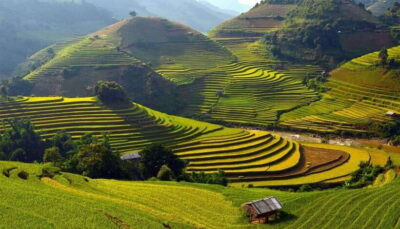
Muong Hoa Valley Trek and Local Ethnic Villages
Read our review →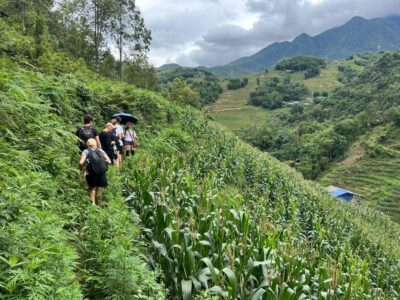
Explore Sapa by TrekkingAdventures, Mountain,Rice fields
Read our review →
Selogriyo Temple and Trekking Java Rice Terraces, hidden waterfall -Nature Java
Read our review →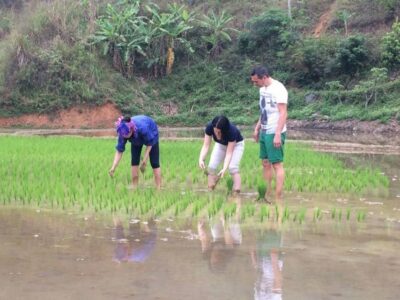
6-Hours Muong Hoa Valley Trek with Local Ethnic guide
Read our review →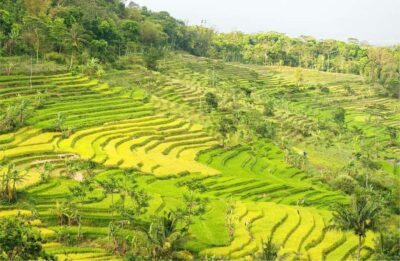
Sapa Muong Hoa Valley & Ta Van Eco Village Scenic Tour (No Trek)
Read our review →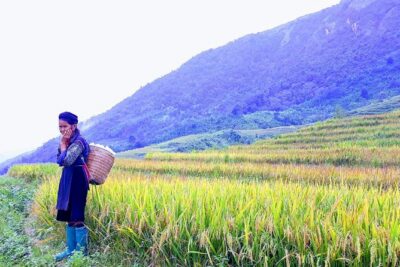
Daily Tour: Sapa Trekking in Muong Hoa valley, Bamboo forest
Read our review →
Rice Terrace, Holy Water Temple & Waterfalls Trek Tour
Read our review →Browse the lists this tour appears in