
REVIEW · KATHMANDU
From Kathmandu: 5-Day Gosaikunda Lake Trek
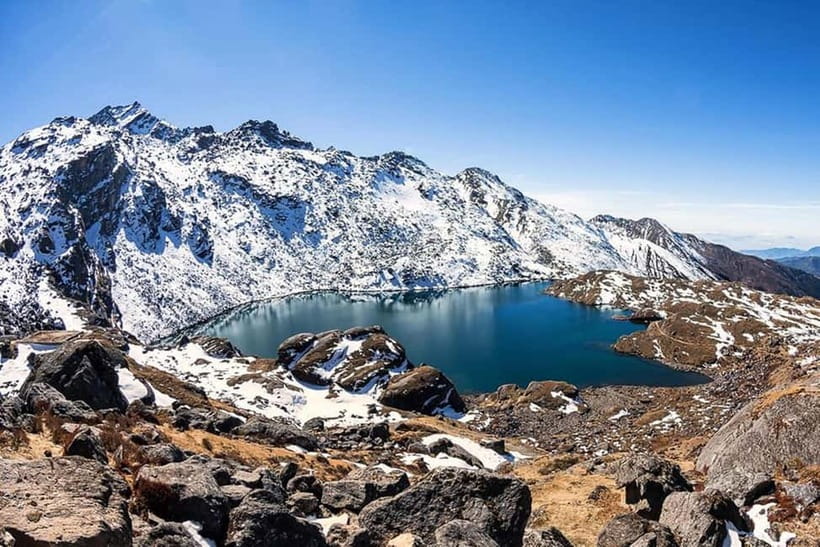
Gosaikunda is the prize here: a sacred, high-altitude lake reached by a short but demanding route from Kathmandu. In five days, you move from terraced hills to pine forest and then to the stark alpine world around 4,380-meter Gosaikunda.
I like the practical setup. The price includes transport, permits, four guesthouse nights, and a licensed guide. I also like the small group limit of 14 and the loan of a sleeping bag, down jacket, and trekking poles. Guides such as Ohm, Terence, and Raj have added humor, clear briefings, and steady safety checks.
The catch is the pace. Day two reaches 3,910 meters, and the next day takes you higher still, so this is not a gentle walk in the hills. The bus ride from Kathmandu to Dhunche can take five or six hours, and the high section may feel tough if you have not spent time at altitude.
Key points to know before you book
- Gosaikunda reaches 4,380 meters: The lake is beautiful and sacred, but the altitude makes day three the trip’s hardest test.
- A useful short route from Kathmandu: You spend five days away from the city without committing to a much longer Himalayan trek.
- Langtang National Park is part of the walk: Expect rhododendron, pine, bamboo, mountain views, and a chance to see local flora and fauna.
- The $179 price covers important basics: Transport, permits, four nights, a guide, and some borrowed gear are included, but check whether you choose the budget or full-board option.
- Small groups help on a steep trail: The group is capped at 14, with guides available in English, Hindi, and Icelandic.
- The lake day is a round trip: You return to Laurebina after visiting Gosaikunda and nearby Bhairav, Chandra, and Saraswati lakes.
Why this five-day trek works
This route suits you if you want a real Himalayan walk but do not have time for a two-week expedition. Kathmandu is your base, Dhunche is the trailhead, and the route spends its best hours in the high country rather than on a long approach through villages.
The appeal is the sharp change in scenery. You begin among green hills, farm terraces, and distant snow peaks. By the second and third days, the trees thin out and the views open toward the Langtang range. Gosaikunda itself is an alpine freshwater lake, frozen during winter, whose meltwater feeds the Trishuli River.
The trek is short on paper, but it is intense. You gain height quickly, especially on the climb to Laurebina at 3,910 meters. The route then goes higher to Gosaikunda. You should see this as a high-altitude trek compressed into five days, not as a casual sightseeing walk.
The overall rating is five out of five from six recorded bookings, and the most consistent praise goes to the guides. Ohm was singled out for keeping the mood light, explaining the region, and helping with video clips. Terence was praised for adapting plans and putting safety first, while Raj was noted for clear communication about the route. Guide quality matters here because the toughest part of the trip is not finding the lake. It is managing the steep climb and altitude with good judgment.
More five-day treks in Kathmandu
- Annapurna base camp trek 5 Days
★ 5.0 · 252 reviews - Kathmandu to Annapurna Base Camp (ABC) 5-Day Trek
★ 5.0 · 102 reviews - 5 Day Private Guided Trekking in Annapurna Base Camp
★ 5.0 · 25 reviews
Day one: Kathmandu to Dhunche, then Deurali
Your morning begins with hotel pickup and a drive to the bus stop. The road to Dhunche takes about five to six hours, so expect this to be a full travel day before the walking really gets going.
The bus ride gives you a useful introduction to Nepal’s hill country. You pass lush slopes, terraced fields, and views toward Manaslu, Ganesh, and Langtang. The scenery is a reason to sit by the window, though the trip will feel long if you are hoping to start hiking early.
Dhunche is the practical gateway to the trek. After a short break, you walk for about two hours to Deurali, at 2,790 meters. This opening walk lets you stretch your legs after the bus ride and brings you to your first mountain guesthouse.
Do not expect luxury. The guesthouses are there to provide a bed, meals if you select the full-board option, and a place to warm up and rest. The inclusion of four nights in mountain guesthouses is important because arranging each night yourself would add work and uncertainty to a short trip.
Day two: The steep climb to Laurebina
After breakfast and a briefing, you head toward Laurebina by way of Chandanbari. This is the day to take your time. The trail rises steeply, and the gain from 2,790 meters at Deurali to 3,910 meters at Laurebina is substantial.
You will notice the altitude more than the distance. Keep your pace steady, drink regularly, and pay attention to the guide’s instructions. The trip information does not promise a slow acclimatization schedule, so you should be honest about how you feel and tell your guide early if something seems wrong.
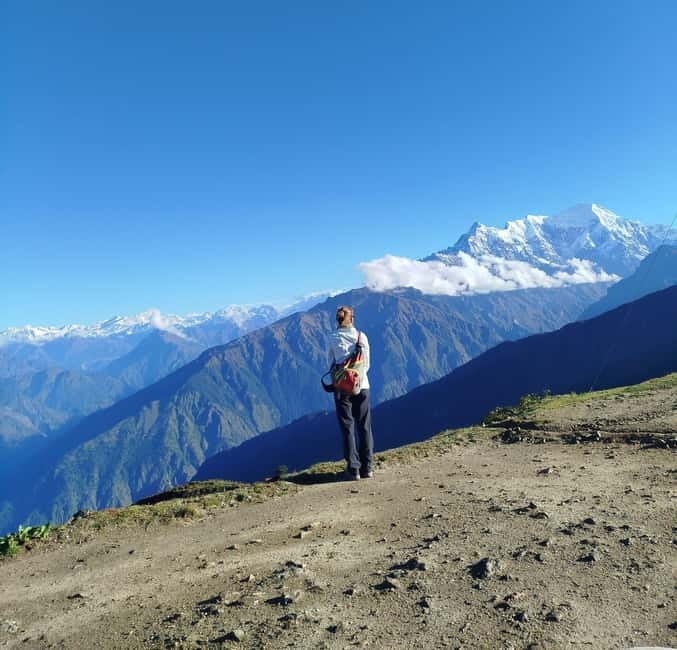
The climb is rewarding because the forest and mountain views become more open as you gain height. It also provides the clearest warning about what lies ahead. If day two feels difficult, day three will require extra care because Gosaikunda sits another 470 meters higher.
Laurebina is your overnight stop. The guesthouse gives you a base for the high point of the trek, and staying there means you do not have to carry everything back down the same day. A sleeping bag is available to borrow, along with a down jacket and trekking poles. Those items can make a real difference in the cold, exposed section, particularly if you did not bring a full set of mountain gear.
Day three: Gosaikunda and the surrounding lakes
This is the reason to book the route. From Laurebina, you walk to Gosaikunda, an alpine lake at 4,380 meters inside Langtang National Park. The trail is high, open, and physically serious, but the setting is the most dramatic part of the five days.
Gosaikunda is sacred, and its religious importance gives the stop more meaning than a photo break at a mountain viewpoint. The lake remains frozen in winter, and its meltwater feeds the Trishuli River. The exact appearance changes with season and weather, so clear skies matter if you want the best view of the Langtang range behind it.
The walk also includes other lakes in the area: Bhairav Kunda, Chandra Kunda, and Saraswati Kunda. This gives the day more variety than a simple out-and-back to one body of water. You can spend time taking in the bare high-country setting before returning to Laurebina for the night.
The round trip is a strength and a weakness. You get to see the high point without carrying your pack to a different overnight stop, but the return comes after you have already reached the day’s maximum altitude. A good guide will help with pace and rest breaks. The accounts of Ohm, Terence, and Raj suggest that clear support is one of this company’s strongest features.
You should not treat 4,380 meters as a minor detail. The itinerary does not state a separate acclimatization day, and the climb happens within a short schedule. This trip is best for people who are comfortable with steep walking and understand that altitude can affect them even if they are fit.
More Trekking Tours in Kathmandu
- Everest Base Camp Trek – 14 Days
★ 5.0 · 1,499 reviews - Everest Base Camp Trek
★ 5.0 · 842 reviews - Everest Base Camp Trekking
★ 5.0 · 485 reviews - Annapurna Circuit Trek with Tilicho Lake
★ 5.0 · 368 reviews
Day four: Descending through forest to Dhunche
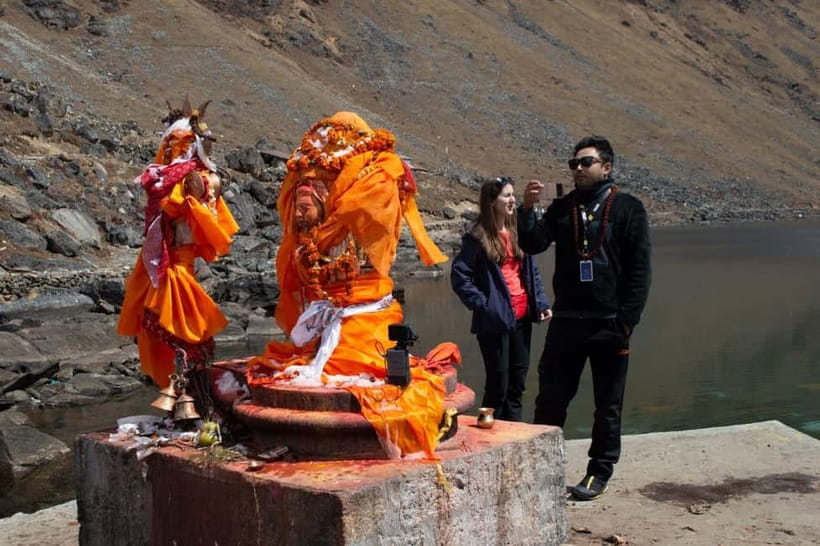
The descent begins through rhododendron, pine, and bamboo forest. After the open country around Gosaikunda, the return to trees feels like a change of world.
You continue toward Deurali, then pass through another forest and cross a river before reaching Dhunche. Descending is often easier on your breathing, but it can be hard on knees and legs after the high lake day. Trekking poles are useful here, and they are included as borrowed equipment when needed.
Dhunche gives you a final night on the trail before the bus journey back. This overnight stop also keeps the last day manageable. Instead of trying to reach Kathmandu after a long high-altitude descent, you have time to rest and prepare for the road.
Day five: The bus back to Kathmandu
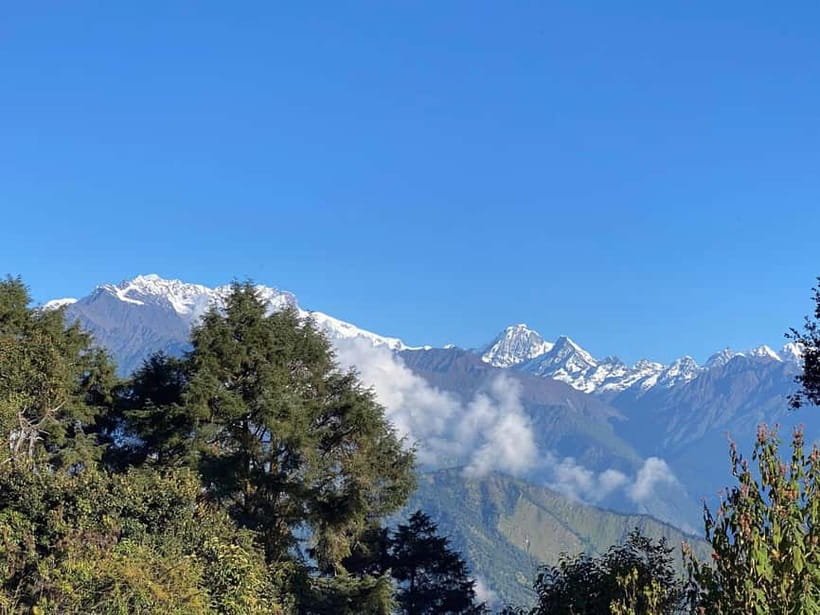
After breakfast, you take the bus from Dhunche to Kathmandu. The same five-to-six-hour estimate applies in reverse, and arrival times can depend on road conditions and traffic.
Hotel transfer is included after you reach the bus station in Kathmandu. That is a small but useful detail after several days on foot. You do not have to arrange your own final ride while carrying trekking gear and a duffel bag.
What the $179 price really covers
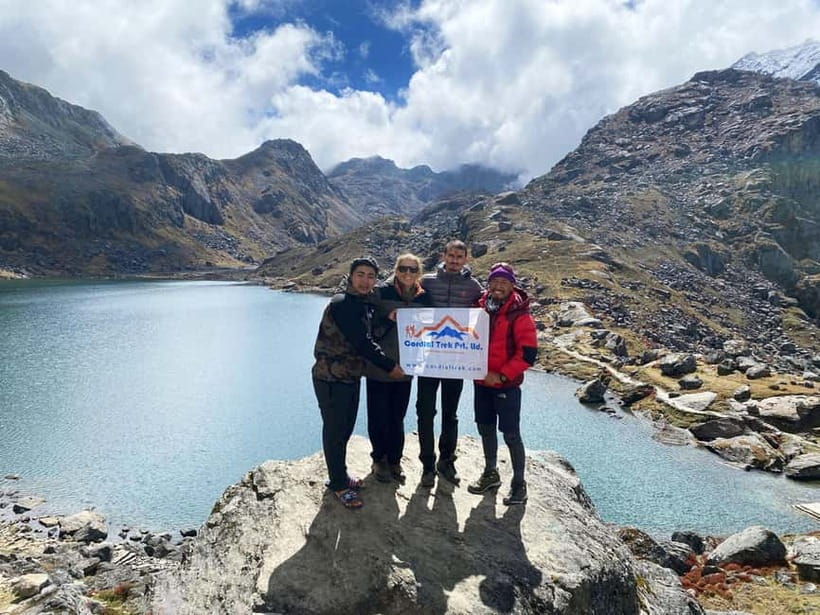
At $179 per person, this trip offers solid value if you want an organized route rather than a do-it-yourself trek. The package includes Kathmandu hotel pickup and drop-off, bus travel between Kathmandu and Dhunche, a licensed guide, four nights in mountain guesthouses, trekking permits, and the TIMS card.
You can also borrow a down jacket, sleeping bag, and trekking poles. A duffel bag is available with the porter option. First aid support, water purification tablets when required, government tax, service charges, and a company T-shirt are also included.
The meal arrangement needs careful attention. The full-board option includes four breakfasts, five lunches, and four dinners. The budget option does not include meals, and personal expenses are excluded. Before paying, confirm which food plan you are selecting so the low headline price does not surprise you later.
Porter service is an add-on, not part of the basic package. If you prefer to walk with a light daypack, ask about that option. If you carry your own gear, remember that the steep climb to Laurebina and the high walk to Gosaikunda will feel harder with a heavy load.
Travel insurance is not included and is recommended. For a trek reaching 4,380 meters, check that your policy covers trekking at the stated altitude and any medical transport you may need. The supplied information does not promise helicopter evacuation or name a particular insurance provider, so this is something you must arrange yourself.
Guides, group size, and the human side
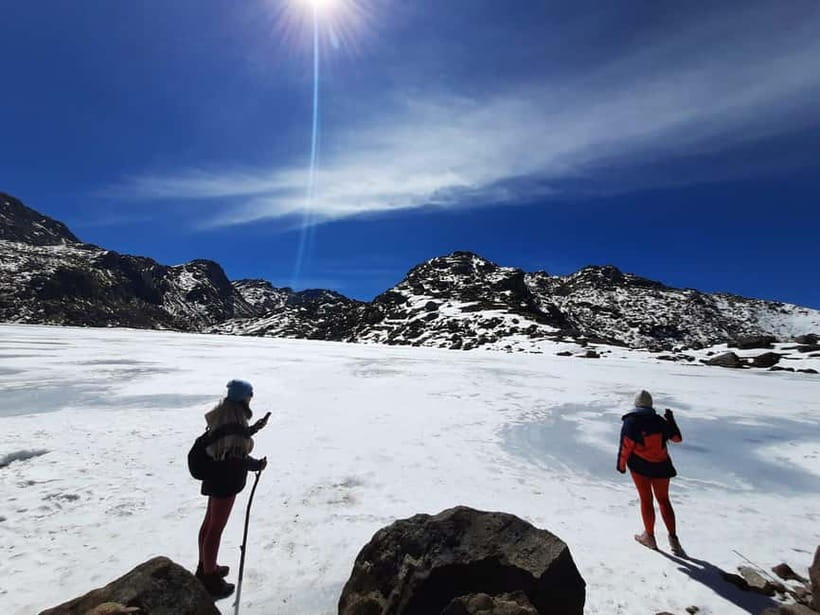
The group limit is 14 people, which is a good middle ground. You get the social feel of a group without the feel of a large procession on the trail.
Guide support is especially valuable on this route. Ohm has been praised for facts about the region, a cheerful manner, and fun videography. Terence has been described as flexible with plans and careful about safety. Raj has been noted for explaining the route clearly and communicating the next steps. The guides may vary by departure, so you should not assume a particular person will lead your trip, but these names show the level of personal attention the operator aims to provide.
English, Hindi, and Icelandic are listed as guide languages. That is an unusual mix and may help you if you speak one of them. You receive briefings before the walking days, which helps you understand the route and what is coming next.
The experience also offers a look at local culture through the mountain communities and guesthouse stays. This is not a cultural tour with scheduled performances or formal village visits. The cultural element comes through the trail, the people who run the lodges, and the guide’s explanations of the area.
When to go and what to pack
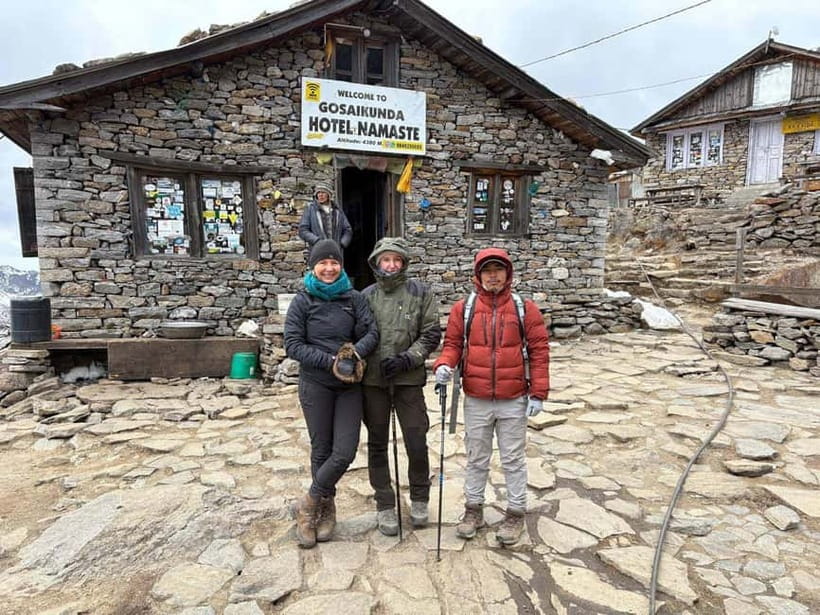
The trek operates throughout the year, but clear skies make a major difference. You want open views of the Langtang range, especially on the high lake day. Winter can bring a frozen Gosaikunda, while other seasons may offer different trail conditions and cloud cover.
Bring your passport, camera, and cash. You will also want sturdy walking shoes, warm layers, rain protection, sun protection, and a small personal kit for the trail. The company can lend a down jacket, sleeping bag, and poles, but borrowed equipment does not replace clothing that fits you properly.
You must send a passport copy and a recent passport-size photo at least one day before the trip so the trekking permits can be processed. This is easy to overlook, so handle it early.
Alcohol and drugs are not allowed. Baby carriages are not suitable for the route, and walking barefoot is not permitted. The trek is not suitable for children under 10, people with mobility impairments, or anyone over 140 kilograms.
Who should book this Gosaikunda route
I would choose this trip if you have five days, want a high Himalayan goal, and prefer having transport, permits, lodging, and a guide arranged in one package. It also suits you if you like a small group and want help with gear rather than buying every cold-weather item.
I would hesitate if you want long acclimatization breaks, private high-end lodging, or a relaxed walking schedule. The 4,380-meter summit point arrives quickly, and the bus ride takes up much of the first and last days.
Fitness matters, but attitude matters just as much. You need to accept steep paths, basic guesthouses, changing weather, and a demanding high point. If you can do that, the reward is a compact route with real mountain scenery, a sacred lake, forest walking, and direct contact with the rhythm of a Nepal trekking trail.
Should you book it?
Book this Gosaikunda trek if you want the strongest mountain experience possible within five days from Kathmandu. The combination of permits, transport, guide support, guesthouses, and borrowed gear makes the $179 starting price attractive, especially for a first organized trek.
Think twice if altitude is a concern or if you need a slow schedule. For the right person, this is a focused and memorable walk. For an easy holiday, it is too steep and too high.
FAQ
How long is the Gosaikunda Lake trek?
The trek lasts five days, including bus travel from Kathmandu to Dhunche and back. Walking begins after reaching Dhunche on day one.
What is the highest point of the trek?
Gosaikunda Lake is the highest point listed, at 4,380 meters. Laurebina, where you stay before the lake visit, is at 3,910 meters.
Is transportation from Kathmandu included?
Yes. Bus transportation between Kathmandu and Dhunche is included, along with hotel pickup and transfer back to your hotel after you return to Kathmandu.
Are meals included?
Meals are included with the full-board option: four breakfasts, five lunches, and four dinners. Meals are not included with the budget option.
Where do you sleep during the trek?
You spend four nights in mountain guesthouses. The itinerary lists overnight stops at Deurali, Laurebina, Laurebina again after the lake visit, and Dhunche.
Is a guide included?
Yes. An experienced, licensed trek guide is included. Guides are listed as speaking English, Hindi, and Icelandic.
Can you borrow trekking equipment?
Yes. A down jacket, sleeping bag, and trekking poles are available to borrow. A duffel bag is available with the porter option.
Do you need a passport copy before the trek?
Yes. You need to provide a passport copy and a recent passport-size photograph at least one day before departure so the trekking permits can be processed.
Can you cancel the booking?
You can cancel up to 24 hours in advance for a full refund. The activity also allows you to reserve now and pay later.
Latest treks added in Kathmandu
- Private Manaslu Circuit Trek at Himalayas★ 5.0 · 3 reviews
- Ghorepani Poonhill Trek★ 5.0 · 5 reviews
- Ghorepani Poon Hill Trek★ 5.0 · 16 reviews
- Upper Mustang Trekking★ 3.0 · 2 reviews
- Amazing 1 Day Trekking Experience in Kathmandu Nepal★ 5.0 · 24 reviews
- Upper Mustang Trekking★ 5.0 · 2 reviews
- Upper Mustang Trek★ 5.0 · 5 reviews
- Upper Mustang Trekking★ 5.0 · 4 reviews
5-Day Experiences, compared.
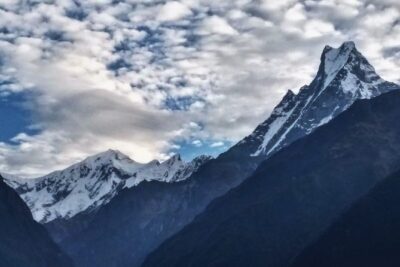
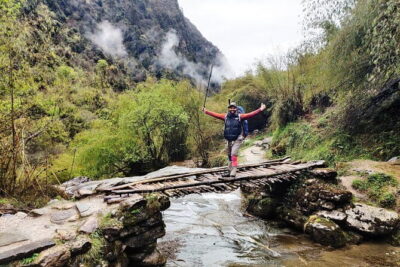
Kathmandu to Annapurna Base Camp (ABC) 5-Day Trek
Read our review →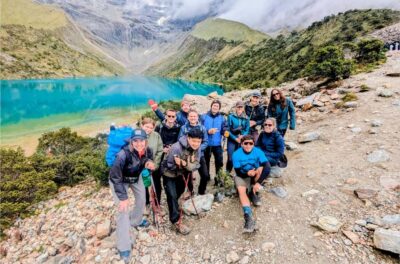
Machu Picchu: 5-Day Salkantay Trek with Panoramic Train
Read our review →
Kathmandu/Pokhara: 5-Day Annapurna Base Camp (ABC) Trek
Read our review →
5-Day Pearl of Africa Chimps and Gorilla Trekking Safari
Read our review →Browse the lists this tour appears in