

REVIEW · HANOI
From Hanoi: 3-Day Sapa Trek with Guide, Homestay and Meals
Sapa’s best moments come on foot, when rice terraces open below you and village paths replace the town’s traffic. This trip gives you three days in the mountains, with Cat Cat Village, the Muong Hoa Valley, and several ethnic-minority communities linked by guided walks.
I like the mix of a hotel night and a local homestay, since you get a little comfort before trading it for a closer look at rural life. I also like that meals, village fees, Sapa transport, and an English-speaking guide are included. The main catch is the walking: one day covers about 12 kilometers, and the trails can be hard going in poor weather.
Key points to know before booking
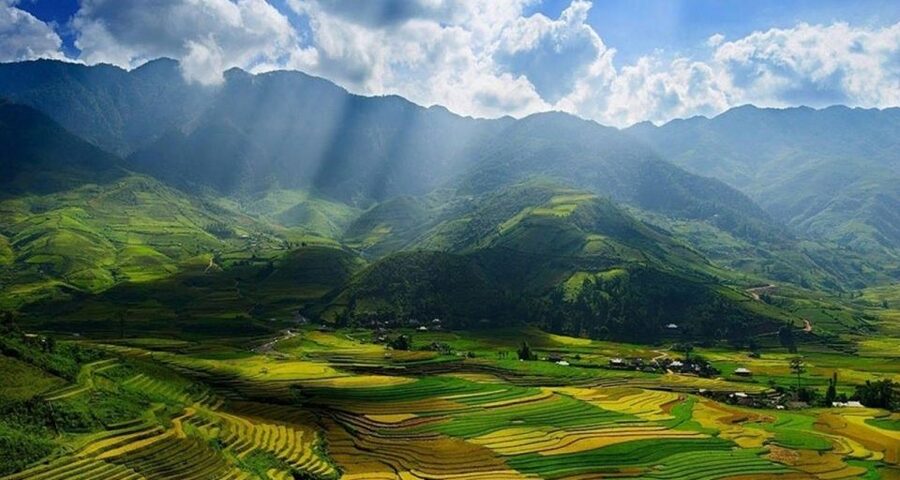
- Cat Cat begins the trip gently: The first walk is about 3.5 kilometers and includes a waterfall and old French-built hydraulic station.
- Muong Hoa Valley is the main event: Day two takes you through rice terraces, Y Linh Ho, Lao Chai, and Ta Van over roughly 12 kilometers.
- You sleep in two different settings: The first night is in a Sapa hotel, followed by one night in a basic bungalow-style homestay.
- Several hill communities shape the route: You learn about Black H’mong, Dzay, and Red Dzao traditions along the way.
- The price is $138 per person: Hanoi bus transport costs extra, from $15 per person for the shuttle bus or $20 per person for a limousine round trip.
- Come prepared for mountain weather: Warm clothes, solid trekking shoes, sun protection, insect repellent, and Vietnamese cash are important.
Why this three-day Sapa route works

Many short Sapa outings rush you to a viewpoint, take a few photos, and return you to town. This trip gives you time to walk between villages and spend a night outside Sapa, which makes the experience feel less like a quick mountain stop and more like a small journey.
You begin with a hotel night, useful after the early bus from Hanoi. The next day takes you into the Muong Hoa Valley, then you sleep at a homestay in Ta Van Village. On the final morning, you walk through bamboo forest and rice paddies before returning to Sapa and Hanoi.
The route has a clear physical demand. The first and third walks are shorter, but day two is a long trek of about 12 kilometers. You should be comfortable walking for several hours on uneven paths, with some uphill and downhill sections. The tour is not recommended for senior citizens, wheelchair users, children under six, or anyone who finds long mountain walks difficult.
The reported rating is 4.6 from five reviews, with special praise for guides Su and Mu. That matters here. A guide does more than point out a rice field. You need help with the route, village customs, weather, and pace, and a good guide can make a basic homestay feel welcoming rather than awkward.
More Homestay Treks in Hanoi
- Hanoi – Sapa 2 Days 1 Night Overnight At Homestay
★ 5.0 · 899 reviews - From Hanoi: 2-Day Sapa Trekking Trip with Homestay & Meals
★ 4.8 · 704 reviews - 2-Day Sa Pa Ethnic Homestay Tour & Trek with Limousine Bus
★ 4.8 · 440 reviews
Day one: Hanoi to Sapa and the Cat Cat waterfall
The day starts early, with pickup from central Hanoi hotels around 6:00 to 6:30 a.m. If you stay in an Airbnb or private accommodation, you need to provide a clear address. The bus follows the highway toward Lao Cai, with rest stops before the climb to Sapa.
You reach Sapa around 1:00 p.m. The timing makes the first day more of an arrival day than a full mountain trek. After lunch, your guide leads a walk of about 3.5 kilometers, lasting roughly two hours.
Cat Cat Village is home to Black H’mong people and sits near the foot of Fansipan, Vietnam’s highest mountain. The route heads down toward the valley floor, where you see a waterfall and a hydraulic power station built during the French period. A bridge near the water gives you one of the better photo stops of the day.
The walk is short compared with day two, but do not mistake it for a flat stroll. You go downhill to the waterfall, then walk uphill to meet the vehicle back to Sapa. That climb can feel sharp after the early start from Hanoi.
Back in town around 4:30 p.m., you have dinner and sleep at a hotel. Sapa has evening activity, but your first night is also a good chance to rest. The long walk through the valley comes early the next morning.
Day two: 12 kilometers through Muong Hoa Valley
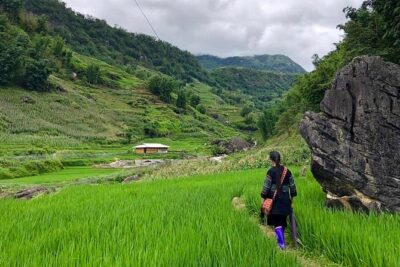
Day two is the heart of the trip. After breakfast, you check out of the hotel and start walking toward Y Linh Ho and Lao Chai. The route follows rice terraces and the Muong Hoa Stream, with the Hoang Lien Son mountains forming the backdrop.
This is where the trip earns its place on a Sapa itinerary. You are not only looking at the terraces from town or from a roadside stop. You are walking beside them, moving through the rural setting and seeing how villages connect with the valley.
The walk to Lao Chai takes about four hours and covers around 12 kilometers. The route is long enough to require sensible footwear and steady pacing. Mud, rain, or fog can change the feel of the trail, so bring layers and do not rely on a city-style sneaker with a smooth sole.
Lunch comes with a local family. Meals are included throughout the tour, and this midday stop breaks up the longest walk. You can expect Vietnamese dishes rather than a restaurant menu, so this suits you best if you are happy eating simple local food.
In the late afternoon, you reach Ta Van Village, home of the Dzay ethnic group. You check into a bungalow-style homestay and have time to meet the family. The schedule also allows time to watch the mountains at sunset and, if you wish, help prepare local dishes.
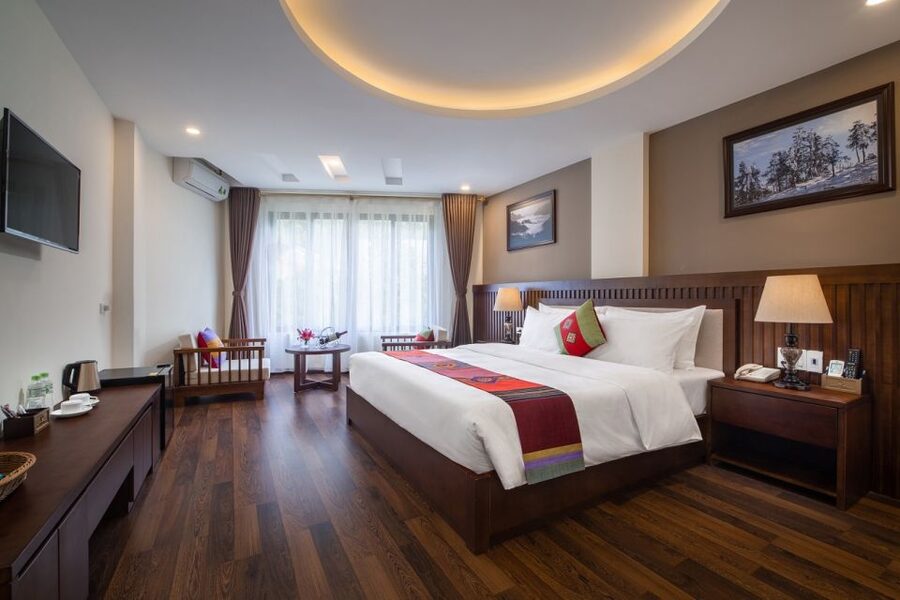
The homestay is one of the most appealing parts of the trip, but you should set your expectations correctly. Facilities are basic and simple. This is not a polished hotel with full private-room comforts. It is a chance to sleep in a rural setting and spend more time around local life.
In the evening, you may visit a nearby local bar with music and socialize with other people on the trip. That option gives the night some energy, but you can also keep things quiet at the homestay after a demanding day outside.
Day three: Giang Ta Chai and the return to Hanoi
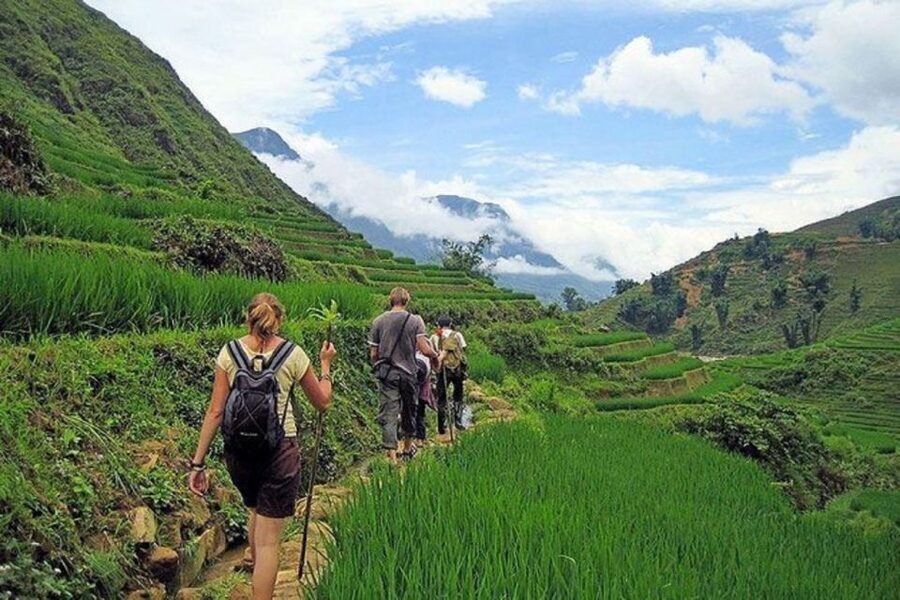
Breakfast is prepared by the family in Ta Van, then you set out for the final walk. This section covers about three kilometers and takes roughly three and a half hours, so the pace is slower and the route includes stops.
You walk through rice paddies and a bamboo forest before reaching a viewpoint over Giang Ta Chai Village. This is associated with the Red Dzao people and adds another community to the cultural side of the trip. The route gives you a different setting from the open terraces of day two, with bamboo and forest sections changing the scenery.
A walk across or near Giang Ta Chai Bridge brings you to the main road, where a bus collects the group. You return to Sapa for lunch around 12:30 to 1:30 p.m., then have time to relax before meeting the group again around 2:45 to 3:00 p.m.
The bus leaves Sapa at about 3:30 p.m. and makes two rest stops on the way to Hanoi. Arrival is expected around 9:30 to 9:45 p.m. You make your own way back to your hotel, so keep your Hanoi accommodation details and a little energy for the final transfer.
The return schedule is workable, but it leaves little room for delay. Mountain roads and weather can affect timing, so I would avoid booking an important late-night connection from Hanoi on the same evening.
More Homestay Treks in Vietnam
- Hanoi – Sapa 3 Day 2 Night Trekking With Hotel & Homestay
★ 5.0 · 389 reviews - Hanoi – Sapa 2 Days 1 Night Overnight At Local Homestay
★ 5.0 · 233 reviews - From Hanoi: 2-Day Luxury Sapa Trekking Tour with Homestay
★ 4.4 · 49 reviews - 3-Night Sapa Trek and Homestay with Round Trip Transfer from Hanoi
★ 4.5 · 37 reviews
The hill communities and what you learn
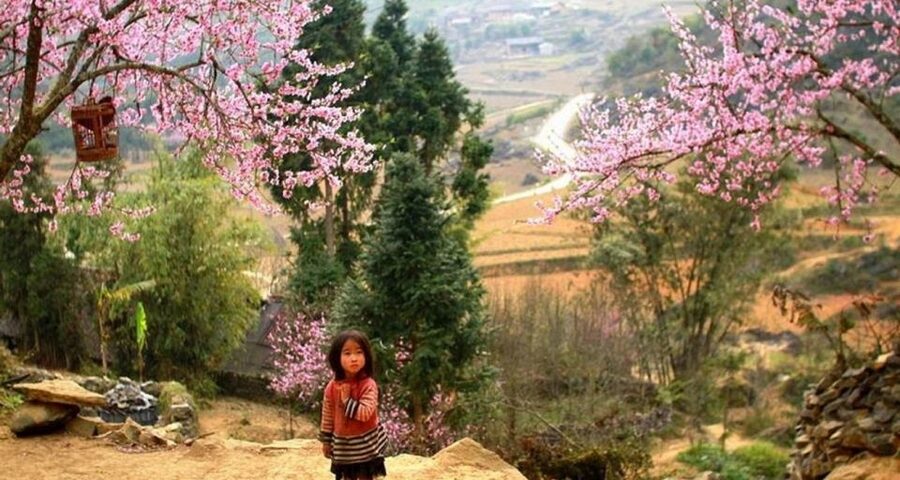
The route introduces you to several ethnic groups, each tied to a different village or part of the journey. Cat Cat is associated with the Black H’mong, Ta Van with the Dzay, and Giang Ta Chai with the Red Dzao.
You should see this as an introduction rather than a full cultural course. The value comes from walking through the communities, meeting a host family, and hearing your guide explain daily life and local traditions. The guide can also provide context that you would miss if you visited only for photographs.
The tour information specifically names English-speaking guides, and Su and Mu received especially strong praise for taking good care of the group. Names can change by departure, but those details suggest that the human side of the trip is important. If you book, pay attention to the guide’s explanations and ask respectful questions rather than treating the villages as scenery.
The route also includes village entrance fees, which keeps the basic cost easier to understand. You are not constantly reaching for your wallet at each stop, though drinks and personal spending remain your responsibility.
What the $138 price really includes
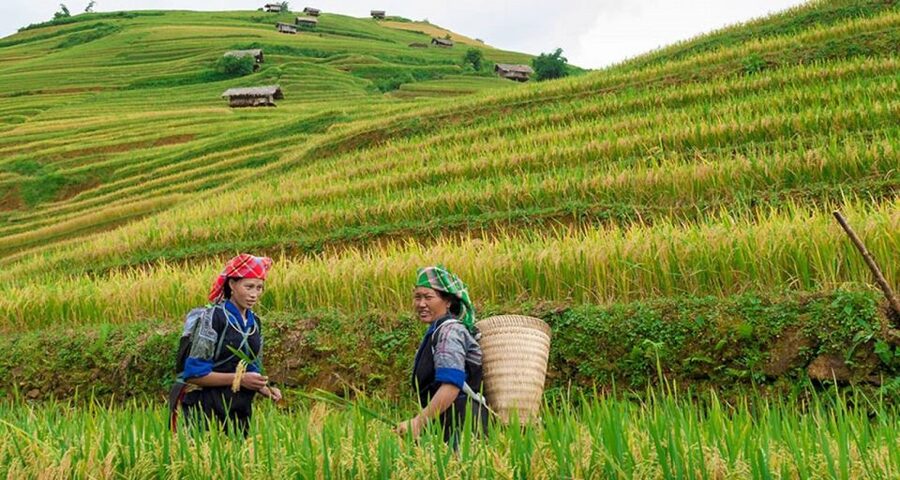
At $138 per person, the price covers a lot for three days: all meals, an English-speaking guide, transportation in Sapa, village entrance fees, one hotel night, and one homestay night.
The Hanoi to Sapa round trip is extra. Add $15 per person for the shuttle bus or $20 per person for the limousine option. That puts the practical transport-inclusive total at about $153 or $158 per person, before drinks and other personal costs.
A solo traveler who wants a private room pays an additional $30. The tour does not state that every room is private, so you should ask about the arrangement if sleeping space matters to you.
The value is strongest if you want one booking to handle meals, local movement, accommodation, and guiding. You would pay separately for these parts on an independent trip, and arranging village transport can be awkward. The tradeoff is less control over the pace and the need to follow a fixed three-day schedule.
Drinks are not included. Bring Vietnamese Dong, since banking services in Sapa can be unreliable. US Dollars, Euros, and Australian Dollars are accepted, but local currency is the safer choice for small purchases.
Packing for a mountain walk

The packing advice is practical and worth taking seriously. Bring warm clothes, a scarf, a hat, trekking shoes, sunglasses, sunscreen, and insect repellent.
Sapa can be foggy from December through March. Fog may reduce long views, but it also makes the weather cooler and damp. A warm layer and something waterproof are sensible additions, even though the standard advice only specifically lists warm clothing and accessories.
Carry your passport or ID card. Bring any prescription or personal medicine with you, since Sapa has pharmacies but not every item may be available when you need it.
You should also pack light for the walking days. A smaller bag is easier on village paths, while valuables and extra clothes can be kept to what you need for three days. Pets are not allowed, and the trip is not suitable for wheelchair users.
The biggest mistake would be treating this as a sightseeing bus tour with a few casual walks. The 9 to 15 kilometer trekking guidance is there for a reason. You need a reasonable level of fitness and comfort on uneven ground.
Who should book this Sapa trek

I would choose this trip if you want a compact introduction to Sapa that combines outdoor activity with local stays. It suits people who prefer walking through villages to spending all day in town, and it works well if you want meals and transport arranged in advance.
It is also a good fit if you like variety. You get a hotel, a homestay, waterfalls, rice terraces, a stream, bamboo forest, several villages, and a long valley route. The three days do not repeat the same walk.
I would think twice if you dislike basic accommodation, long walks, early departures, or group schedules. Day two is the key test. If 12 kilometers in mountain terrain sounds tiring rather than appealing, this is probably not the right Sapa plan.
The trip can also be less comfortable in cold or wet weather. Sapa’s climate changes quickly, and fog between December and March may limit the views. You should book with the understanding that the walking and village contact remain valuable even if the famous mountain outlooks are hidden.
Should you book this three-day Sapa tour?
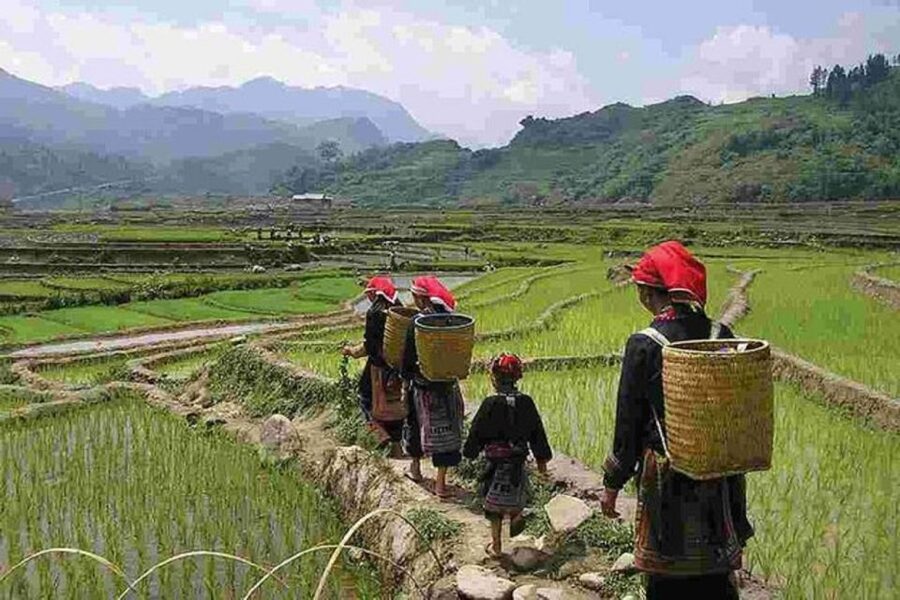
Book it if you want a guided, active Sapa trip with a sensible mix of comfort and local contact. The strongest reasons are the Muong Hoa Valley walk, the night in Ta Van, the included meals, and the guide-led introduction to Black H’mong, Dzay, and Red Dzao communities.
The best practical choice is to add the Hanoi bus transfer unless you have already arranged your own transport. Bring proper shoes, warm layers, cash, and modest expectations for the homestay.
Skip it if you need private hotel standards, a short walking program, or full flexibility. For an active visitor who wants more than a quick photo stop, the three-day route offers good value and a clear look at the countryside around Sapa.
FAQ
Is Hanoi to Sapa transportation included?
No. The Hanoi to Sapa round trip costs an additional $15 per person by shuttle bus or $20 per person by limousine. Transportation within Sapa is included.
How long are the trekking routes?
Day one covers about 3.5 kilometers and takes around two hours. Day two is about 12 kilometers and lasts roughly four hours. Day three covers about three kilometers and takes around three and a half hours.
Where do I sleep during the trip?
You spend the first night in a hotel in Sapa and the second night in a basic homestay or bungalow in Ta Van Village. The homestay has simple facilities.
Are meals included?
Yes. Breakfast, lunch, and dinner are included according to the daily schedule. Drinks are not included.
What should I bring?
Bring your passport or ID card, warm clothes, a scarf, a hat or cap, trekking shoes, sunglasses, sunscreen, insect repellent, and any medicines you need. Vietnamese Dong is also recommended because banking services in Sapa can be unreliable.
Is the trek suitable for children, seniors, or wheelchair users?
The trek is not recommended for senior citizens, wheelchair users, handicapped people, or children under six years old. The longer walking sections require a reasonable level of fitness.
More three-day treks in Hanoi
- Sapa 3 Days 2 Nights Trekking Tour (1 Night In Ta Van Village, 1 Night In Hotel)
★ 5.0 · 699 reviews - 3-Day Trekking Adventure of Sapa from Hanoi – Stay Ta Van Village
★ 5.0 · 611 reviews - From Hanoi: Trek and Stay: 3-Day Sapa Highlands Adventure
★ 4.6 · 152 reviews - Sapa 3 Days 2 Nights Trekking Tour From Hanoi (2 Nights in Hotel)
★ 5.0 · 112 reviews
Latest treks added in Hanoi
- From Hanoi : Sapa Moutain Trek – Halong bay Heritage★ 4.5 · 25 reviews
- Trekking In Ha Giang 5 Days★ 5.0 · 4 reviews
- Trekking around Ha Giang 5 days 4 nights★ 3.0 · 2 reviews
- 8-Days Hanoi, Sapa Trekking And Halong Bay Cruise★ 5.0 · 8 reviews
- 2-Day Trekking in Sa Pa from Ha Noi by sleeping bus★ 5.0 · 4 reviews
- Hanoi: 3D2N Mu Cang Chai Visit All Attractions, Trek, Ethnic Life★ 5.0 · 3 reviews
- Mai Chau – Pu Luong trekking 3 days 2 nights★ 4.5 · 7 reviews
- Sapa trekking 2days by bus from Hanoi ( over night in homestay)★ 5.0 · 21 reviews
Homestay & Village Treks, compared.
Number one top rated ethical cultural trekking and homestay by ETHOS
Read our review →
2-Day Sa Pa Ethnic Homestay Tour & Trek with Limousine Bus
Read our review →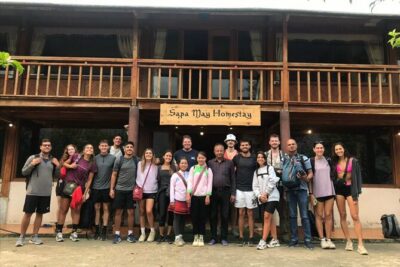
Sapa 3 Day 2 Night Trekking With Hotel & Homestay
Read our review →
Sapa 2 Days 1 Night Overnight At Local Homestay
Read our review →
2-Day Trekking Trip with Ethnic Minority Homestay
Read our review →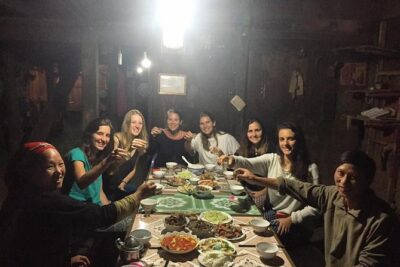
2-Day Trek & Heartwarming Homestay with an Ethnic Family
Read our review →Browse the lists this tour appears in