
REVIEW · PERU
From Cusco: Salkantay trek 5 days/4 nights meals included
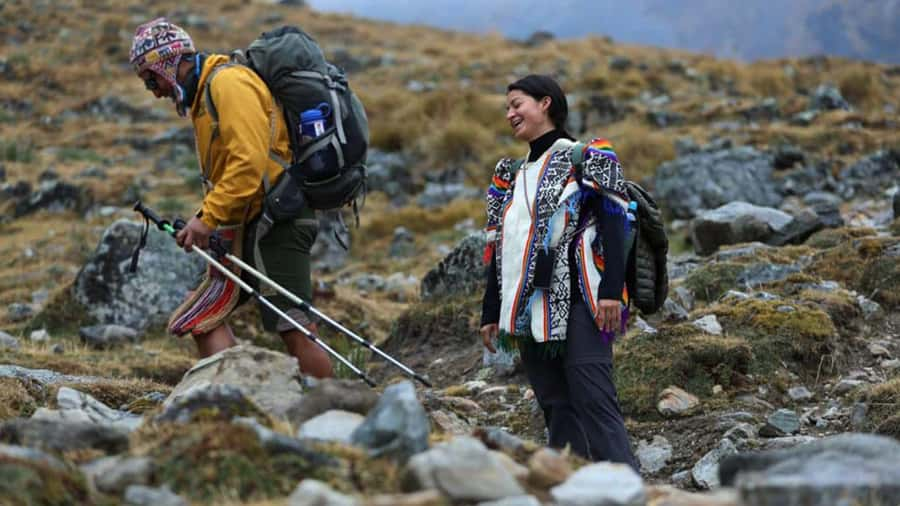
The most striking part of this five-day Salkantay trek is the sharp change in climate. You begin among cold, high mountain peaks near Humantay Lake and the 4,650-meter Salkantay Pass, then walk into warmer valleys, coffee country, and jungle before reaching Machu Picchu. I like the mix of serious mountain walking and local Andean tradition, including a small ritual for the mountain gods.
I also like that meals, a chef, camping equipment, a Machu Picchu ticket, and the return trip are built into the $460 price. The main caution is simple: this is a demanding hike, not a gentle sightseeing tour. Long climbs, high altitude, early starts, and rough footing mean you need good shoes and solid fitness.
Key points to know before you book
- 4,650-meter Salkantay Pass: The highest point comes on day two, after about four hours of uphill walking.
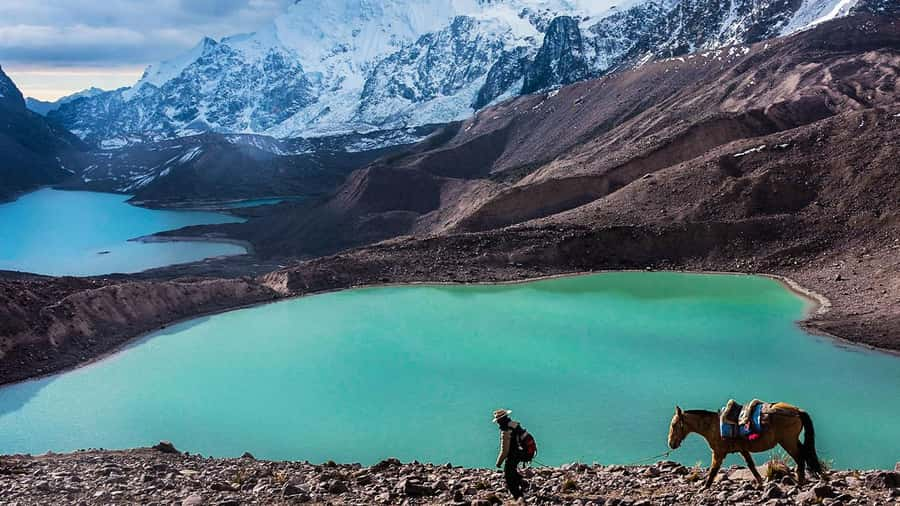
- Humantay Lake at the start: The first morning includes a steep climb to one of the trek’s most memorable mountain views.
- A real climate change: The route moves from cold Andean heights to warmer valleys near Santa Teresa and Aguas Calientes.
- Excellent food support: A professional chef prepares four breakfasts, lunches, and dinners, with vegetarian and vegan meals available at no extra cost when requested.
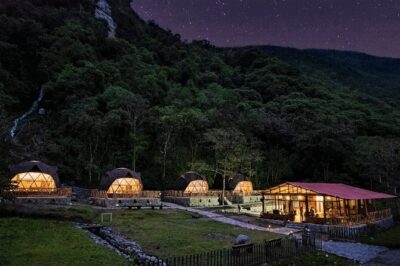
- Three nights under canvas, one night in town: The first two camps use Mountain Sky cabins with thick mattresses, glass doors, and night and panoramic lighting.
- Machu Picchu on foot: After a night in Aguas Calientes, you walk to the checkpoint and climb for about an hour to the citadel entrance.
Why this trek is different from the classic Inca Trail
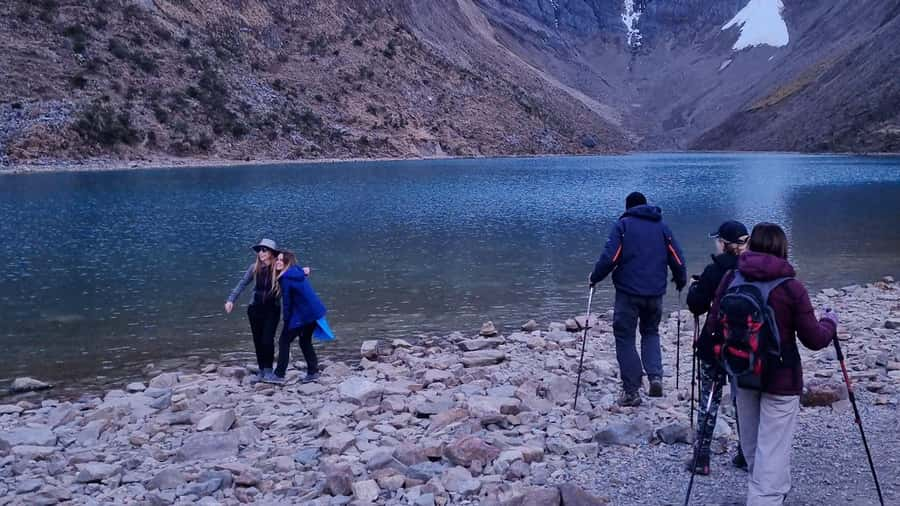
The Salkantay route gives you a wider range of scenery than a single highland trail. You start in the cold, dry Andes, pass below major peaks, then descend beside the Salkantay River toward Santa Teresa. By the time you reach the train tracks near Hidroeléctrica, the air is warmer and the vegetation has changed completely.
That change is the heart of the trip. You are not simply walking toward Machu Picchu. You are crossing several climate zones under your own power, with the mountain scenery gradually giving way to thick jungle valleys and coffee-growing areas.
The route also includes original Inca paths near Llactapata and the final approach to Machu Picchu. Llactapata is especially worthwhile because it gives you views toward Machu Picchu and Huayna Picchu Mountain from across the valley. It is a quieter viewpoint than the citadel itself, and it helps you understand the setting before your main visit.
This is a small-group experience, limited to 18 people, with an English or Spanish-speaking guide. That group size is useful on a route with varied walking speeds and several early departures. Still, the quality of guiding may depend on the individual guide. One verified booking described limited explanations during the first part of the trek because the guide became ill, although the commentary improved from day three onward. I would treat that as a reminder to ask practical questions and stay alert to meeting instructions rather than assuming every section will receive the same level of explanation.
More Inca Trail Treks in Peru
- Salkantay Trek Challenge – 3 Days / 2 Nights
★ 5.0 · 101 reviews - Choquequirao Trek 4 days and 3 nights
★ 5.0 · 81 reviews - Machu Picchu: 5-Day Salkantay Trek with Panoramic Train
★ 5.0 · 79 reviews
Day one: Humantay Lake and the first camp
Your pickup begins around 5:45 am at your Cusco hotel. The two-hour drive to Mollepata gets the day moving early, but it also lets you leave Cusco before the hiking schedule becomes too warm or crowded. Breakfast is served in Mollepata before the vehicle continues for about an hour to Soraypampa.
From Soraypampa, you walk uphill for roughly two hours to Humantay Lake. This is a short section on paper, but the altitude makes it feel harder than the distance suggests. Take a steady pace, keep your water close, and do not treat the first climb as a race. You still have several days ahead.
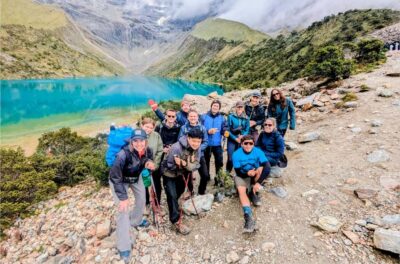
Humantay Lake is the visual prize of the morning, set among high mountain peaks. The contrast between the cold air, bare slopes, and blue-green water gives you an immediate sense of the high Andes. The route then drops for about two hours to Quiswarniyoc, where lunch is served at the private camp.
After lunch, you have free time to explore the area. A small Andean ritual for the mountain gods is part of the cultural side of this trek. It is brief, but it gives the first day more meaning than a simple hike and meal schedule.
The first two nights use Mountain Sky cabins. These are camping accommodations with thick mattresses, glass doors, and night and panoramic lighting. They are still basic outdoor lodging, but the mattress and enclosed design matter after a long day at altitude. A personal double-foam pad, 2.5 inches thick, is also included.
Day two: The hard climb to Salkantay Pass
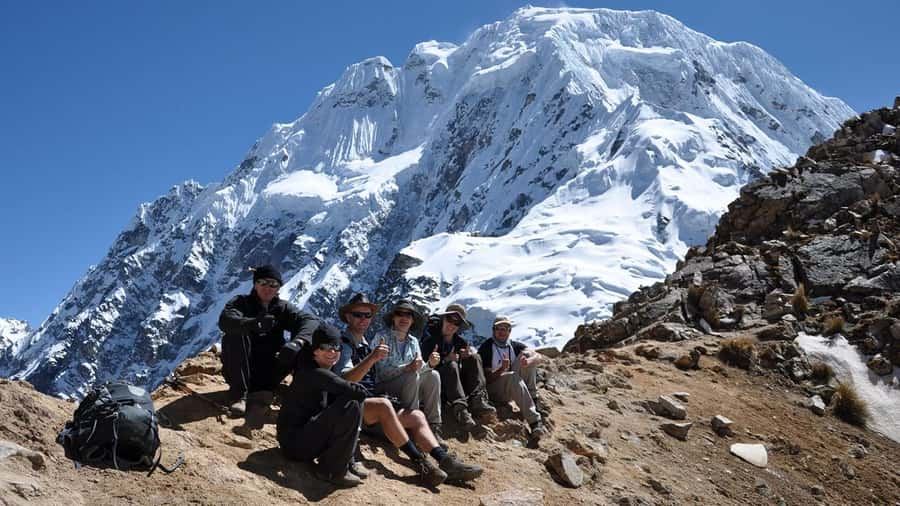
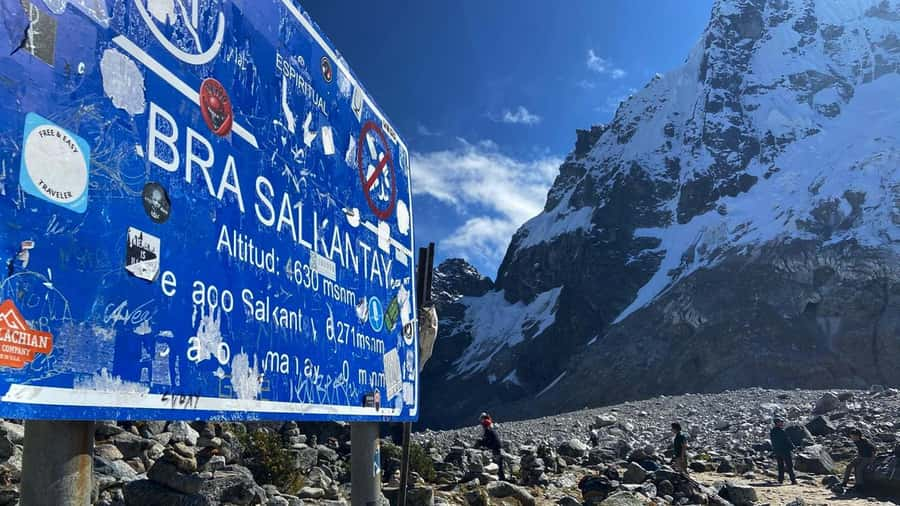
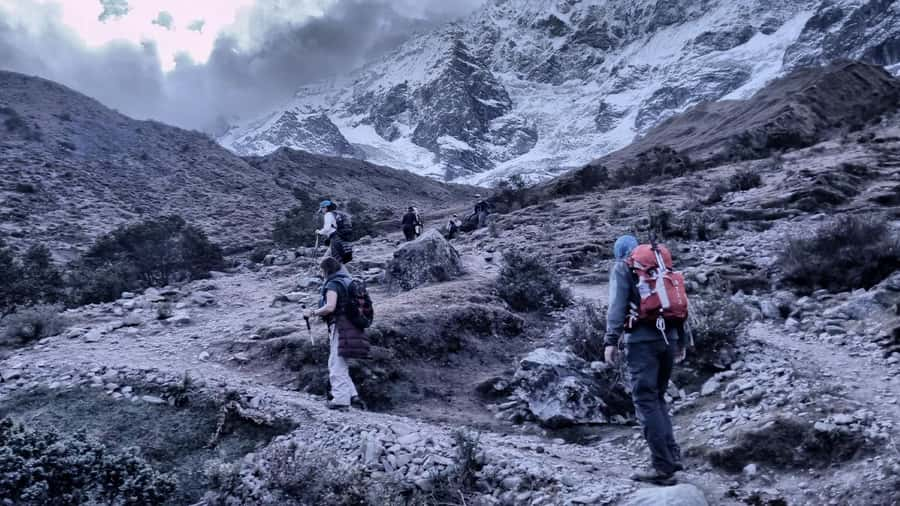
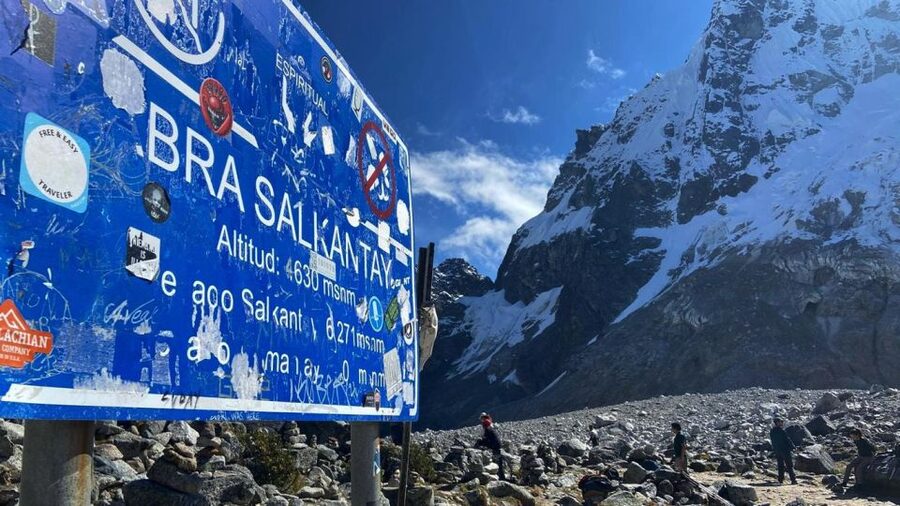
Day two is the physical test. After breakfast, you walk uphill for about four hours to Salkantay Pass at 4,650 meters above sea level. This is the highest point of the trip, and the altitude is the main challenge, not just the incline.
Expect a slow, deliberate morning. Your 7-kilogram duffel bag is transported by horses during the first three days, so you only need to carry a daypack with essentials. That is a meaningful benefit on the pass, where every extra kilogram matters.
At the top, the scale of the mountains is the reward. The pass marks the transition from the high, cold section of the trek to a long descent. After reaching the summit, you walk downhill for roughly four hours to Chaullay, at about 2,900 meters.
The descent can be hard on knees and feet. Good hiking shoes are not optional here. The supplied advice to bring comfortable shoes and hiking pants is practical, but I would add that your shoes should already be broken in before you arrive in Peru.
At Chaullay, the team provides your camping equipment, hot tea, and dinner. This is where the chef becomes especially important. Four breakfasts, four lunches, and four dinners are included, and vegetarian or vegan meals can be arranged at no extra charge. One of the strongest points from the available feedback was the food. A special dessert, even a cake at the end of the trek, may appear, but the more dependable benefit is having hot, filling meals after long days.
Day three: From the Salkantay River to Santa Teresa
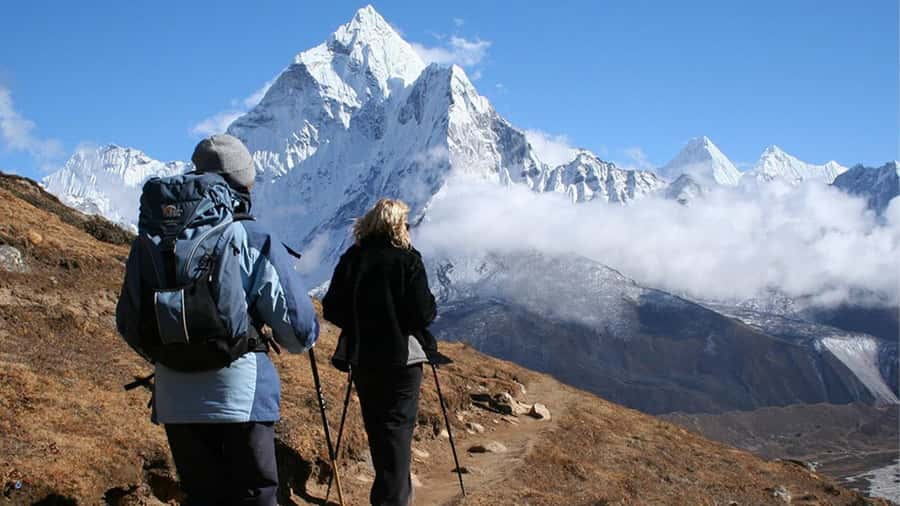
The third day changes the feel of the journey. You walk for about five hours through the Santa Teresa Valley, following the Salkantay River toward Playa Sahuayaco. The altitude drops, the climate warms, and the route begins to feel more like a journey through the upper jungle than a high-mountain expedition.
At Playa Sahuayaco, tourist transport takes you to Santa Teresa. Lunch is served at camp before the optional visit to Colcamayo hot springs. The springs are about 15 minutes from the campsite by car, and admission plus transport costs 10 soles.
I like having this choice on day three. You can use the hot springs to relax after the long walk, or keep the extra cost and activity off your schedule. Since the visit is optional and not included, ask about timing before you commit. You may prefer a quiet evening at camp, especially if your legs are tired from the pass and descent.
Santa Teresa is also where you should think about the climate change. Bring insect repellent and clothes that can handle warmer, more humid conditions. Your jacket is still useful for the colder early mornings, but long pants and a change of dry clothes will make the lower sections more comfortable.
More five-day treks in Peru
- Ausangate Trek 5 Days
★ 5.0 · 74 reviews - Classic Choquequirao Trek – 5 Days / 4 Nights
★ 5.0 · 52 reviews - Ultimate Lares Trek & Inca Trail 5 days
★ 5.0 · 47 reviews - Salkantay Trek To Machu Picchu 5 Days And 4 Nights
★ 5.0 · 44 reviews
Day four: Llactapata, Hidroeléctrica, and the train tracks
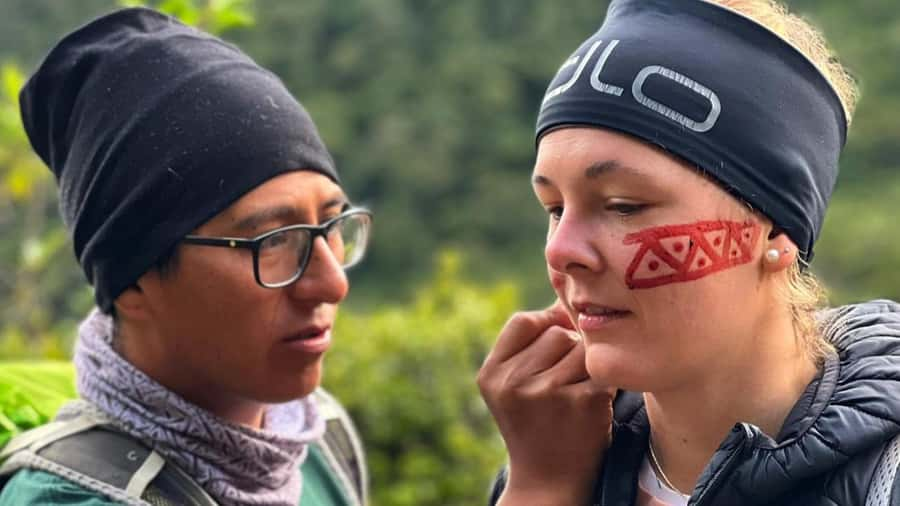
Day four starts around 5:30 am with breakfast. Tourist transport takes you about 45 minutes to Lucmabamba, where the final major hiking day begins.
The first section climbs for about three hours to Llactapata. This is a demanding uphill walk, but the archaeological site earns its place in the route. From Llactapata, you can see Machu Picchu and Huayna Picchu Mountain, giving you a distant view of the destination before you reach it.
You then walk downhill for about two hours to Hidroeléctrica. Lunch is served there, followed by roughly three hours walking beside the train tracks to Aguas Calientes. This final stretch is less dramatic than the pass, but it is a useful part of the experience because you approach Machu Picchu through the valley rather than arriving by train from the start.
The train-track walk also comes at the end of a full day. The surface may feel easier than a steep mountain trail, but tired legs make three hours feel long. Keep your head up, follow the guide, and stay attentive around the railway.
A hotel night in Aguas Calientes is included, along with dinner at about 7:00 pm. This is a welcome change from camping. You can shower, organize your belongings, and prepare your passport and Machu Picchu ticket for the early start.
Day five: Entering Machu Picchu before the crowds build
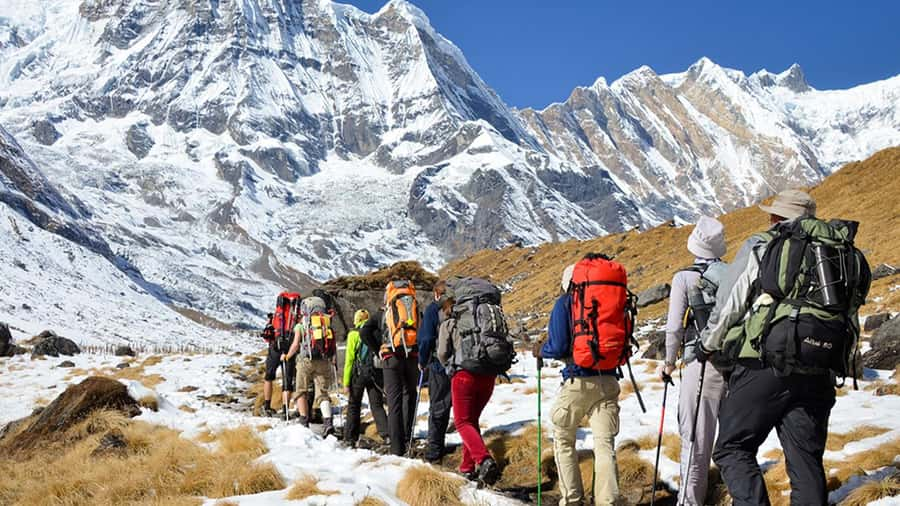
The last day begins around 4:00 am. You receive a packed breakfast and walk for about 30 minutes to the Puente Ruinas checkpoint. At the checkpoint, you must show your passport, Machu Picchu ticket, and student ID if it applies to your booking.
After the checkpoint, you climb stairs for about an hour to the main entrance, aiming to arrive around 6:00 am. This is a demanding finish after four days of walking, but it gives you a more active approach to the citadel. If you want to avoid this climb, bus transport between Aguas Calientes and Machu Picchu costs $24 and is not included.
The guided visit lasts about two and a half hours. The route covers the main square, urban sector, circular tower, solar clock, and Inca cemetery. The guide’s role matters here because the site can be difficult to understand from ruins alone. You get a structured introduction instead of simply walking from one stone wall to the next.
The schedule is tight, so prepare the night before. Keep your passport, ticket, water, sunscreen, camera, and a light jacket where you can reach them quickly. After the visit, you return to Aguas Calientes and then continue to Cusco by train or by walking and car, depending on your choice.
What the $460 price really covers
At $460 per person, this trek offers solid value because many expensive pieces are already bundled together. You receive hotel pickup in Cusco, private transport to the trail, a professional guide, a chef and kitchen team, meals, three camping nights, one hotel night, the Machu Picchu entrance ticket, the guided citadel visit, and a return option from Aguas Calientes.
The food provision is particularly useful. You do not need to plan four trail breakfasts, four lunches, and four dinners yourself, and you can request vegetarian or vegan meals without an added charge. The 7-kilogram duffel service also reduces the burden during the first three days.
The price is not fully all-inclusive. Budget for the following extras:
- Humantay Lake entrance: 20 soles
- Sleeping bag rental, if needed: $10
- Bus transport between Aguas Calientes and Machu Picchu: $24
- Santa Teresa hot springs, including entrance and transport: 10 soles
- Travel insurance
- Other optional activities
The included return trip is by train or by walking and car according to your choice, but confirm which option you want before departure. These small decisions affect both comfort and the final cost.
Packing for altitude, rain, and warm valleys
The packing list is short, but each item has a job. Bring your passport or ID, comfortable hiking shoes, sunglasses, sunscreen, a jacket, long pants, hiking pants, comfortable clothes, insect repellent, swimwear, and a camera.
A sleeping bag is recommended and can be rented for $10. Since the first two nights are in cabins with thick mattresses and a personal foam pad is included, you may not need to buy expensive camping gear for this trip. Still, the sleeping bag is not included, so arrange it before the first night.
Pack your daypack carefully because the horses carry only the separate 7-kilogram duffel during the first three days. Keep medication, documents, water, sun protection, warm layers, and rain protection with you. The route crosses several climate zones, so clothing that works only in cold mountain weather will be uncomfortable later.
The trek is not suitable for pregnant people or people with mobility impairments. That is consistent with the route’s steep climbs, long descents, uneven trails, and many stairs on the final approach to Machu Picchu.
Should you book this Salkantay trek?
Book it if you want a physically demanding route with major scenery, changing climates, camping, good meal support, and Machu Picchu at the finish. It is a strong choice if you like the idea of earning the citadel through several days of walking rather than simply taking the train from Cusco.
Think twice if you want a relaxed holiday, dislike early starts, or have concerns about altitude and long descents. The first two days are serious, and the day five climb to Machu Picchu comes after a full week of exertion.
For the best value, bring proper shoes, use the included duffel service, request dietary needs in advance, and decide about the hot springs and Machu Picchu bus before you leave. At $460, the package covers a great deal, but the real cost is measured in effort. If you are ready for that trade, this route gives you an unusually varied way to reach Machu Picchu.
FAQ
How long is the Salkantay trek from Cusco?
The experience lasts five days and four nights. It includes three nights camping and one night in a hotel in Aguas Calientes.
How high is Salkantay Pass?
Salkantay Pass reaches 4,650 meters above sea level. The walk to the pass takes about four hours uphill on day two.
Is Machu Picchu admission included?
Yes. The Machu Picchu entrance ticket and a guided visit of about two and a half hours are included.
Are meals included on the trek?
Yes. The package includes four breakfasts, four lunches, and four dinners. Vegetarian and vegan options are available at no extra charge when requested.
Do I need to bring a sleeping bag?
A sleeping bag is recommended but not included. You can rent one for $10 if you do not have your own.
Is transport from Aguas Calientes to Machu Picchu included?
The $24 transport between Aguas Calientes and Machu Picchu is not included. You can instead walk between the town and the citadel entrance, as described in the schedule.
Latest treks added in Peru
- Small Group: 4-Day Inca Trail Trek to Machu Picchu★ 5.0 · 33 reviews
- Salkantay Trek: 5 Days to Machu Picchu★ 5.0 · 33 reviews
- 5 Day – Salkantay trek to Machu Picchu – Group Service★ 4.5 · 27 reviews
- Humantay Lake Full-Day Adventure: Scenic Trek and Stunning Views★ 4.5 · 39 reviews
- Inca Trail Trek to Machu Picchu – 2 Days (Small Group or Private)★ 5.0 · 31 reviews
- Salkantay 5-Day Trek To Machu Picchu★ 5.0 · 39 reviews
- 6 day Rainbow Mountain x Ausangate Trek – FlashpackerConnect★ 5.0 · 30 reviews
- Ausangate and Rainbow Mountain Trek – 3 Days / 2 Nights★ 5.0 · 35 reviews
Machu Picchu & Inca Trail Treks, compared.
Machu Picchu: 5-Day Salkantay Trek with Panoramic Train
Read our review →
Ancascocha Trek To Machu Picchu 4 Days And 3 Nights
Read our review →
4 Day Inca Trail Trek to Machu Picchu Multi day tour
Read our review →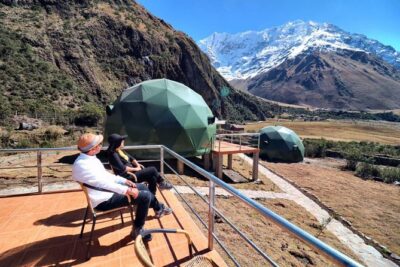
Salkantay Trek 4 Days to Machu Picchu by Glamping Sky Lodge Dome
Read our review →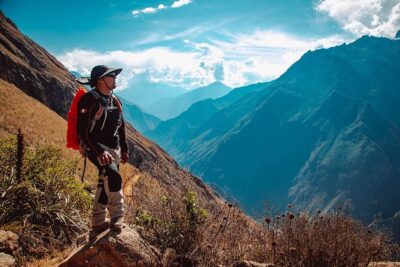
Browse the lists this tour appears in