
REVIEW · CUSCO
Cusco: 5-Day Salkantay Ultimate Trek to Machu Picchu
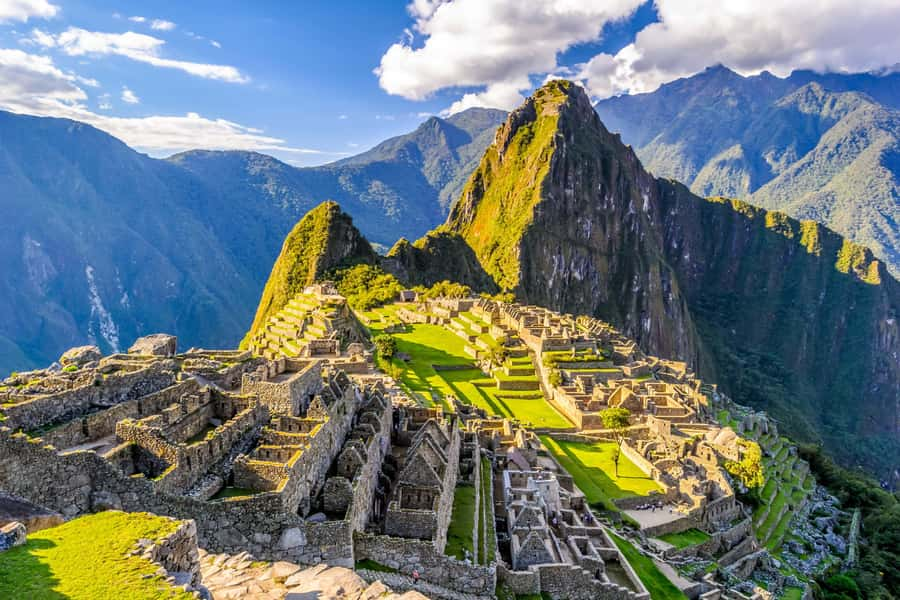
The best part of this five-day trek is the way it keeps changing character. You start among snow-covered Andean peaks, cross the stark Salkantay Pass, then descend through cloud forest and coffee country before reaching Machu Picchu by train. It is a serious hike, not a casual walk with a famous ruin added at the end.
I like the Humantay Lake climb, which gives you a memorable first-day goal, and the stay with a family in Lucmabamba, where the coffee farm adds a human touch missing from many mountain routes. I also like the practical support: horses carry up to 7 kilograms of your gear, while cooks prepare four breakfasts, lunches, snacks, and dinners.
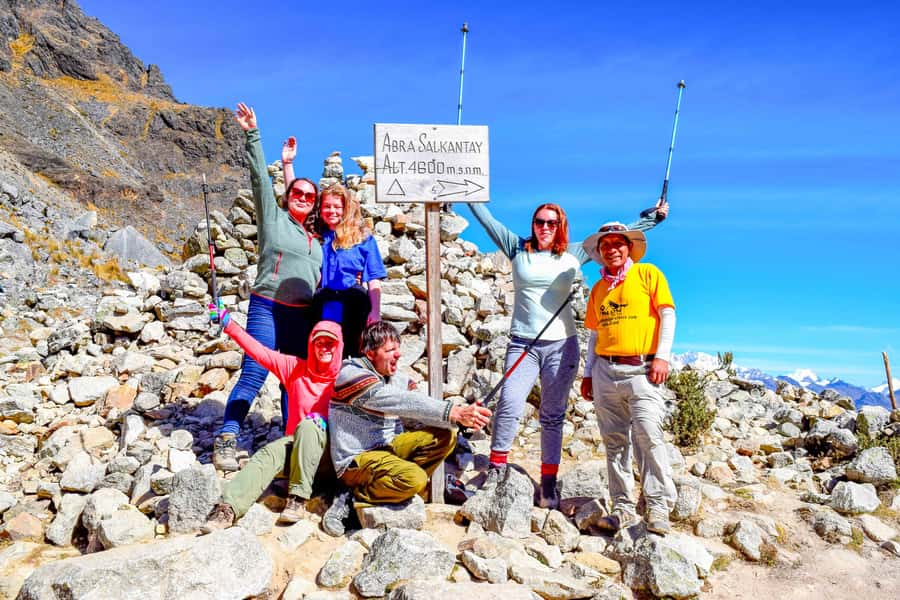
The main caution is the altitude and physical strain. You reach 4,630 meters at Salkantay Pass, and the trip is not suitable for people with altitude sickness, back problems, or anyone over 70. The mountain views are superb, but you need to train, pace yourself, and accept basic camping.
Key points at a glance
- 4,630-meter Salkantay Pass: The trek’s highest point brings huge views of snow-capped peaks, but thin air makes this the hardest day.
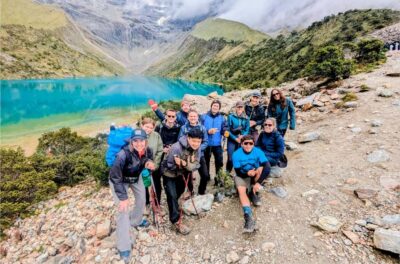
- Humantay Lake at 4,200 meters: A turquoise glacial lagoon gives you a striking first-day destination.
- Lucmabamba coffee country: A family stay and local coffee farm offer a closer look at life below the high Andes.
- Llactapata viewpoint: This lesser-visited Inca site provides an unusual first view of Machu Picchu.
- Small private groups: Groups are limited to 10 people, with an assistant guide for groups of nine or more.
- $669 with major costs covered: Camping, meals, horses, Machu Picchu entry, bus, hotel, and return transport are included, though some extras cost more.
Why this route earns five days
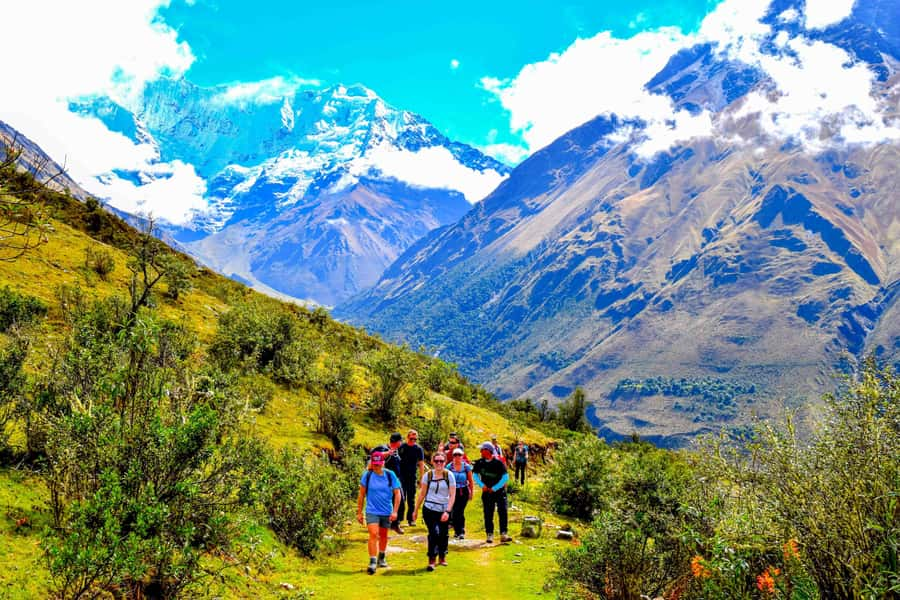
The Salkantay route works because it gives you more than one type of Peru. Instead of spending several days at one altitude, you move from cold high mountain terrain to warmer forest and coffee-growing country. That variety makes the trek visually rewarding, but it also means the days can feel long and the temperature changes are real.
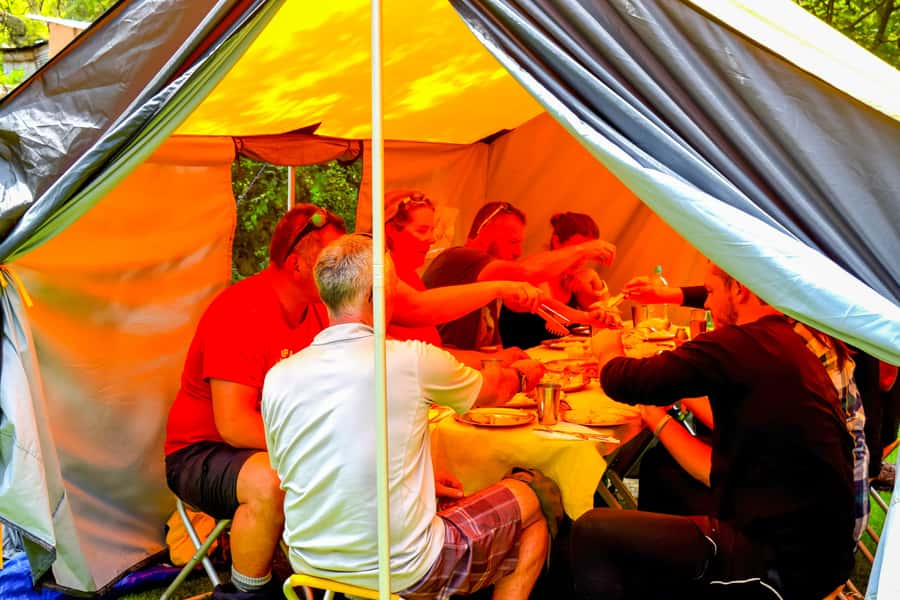
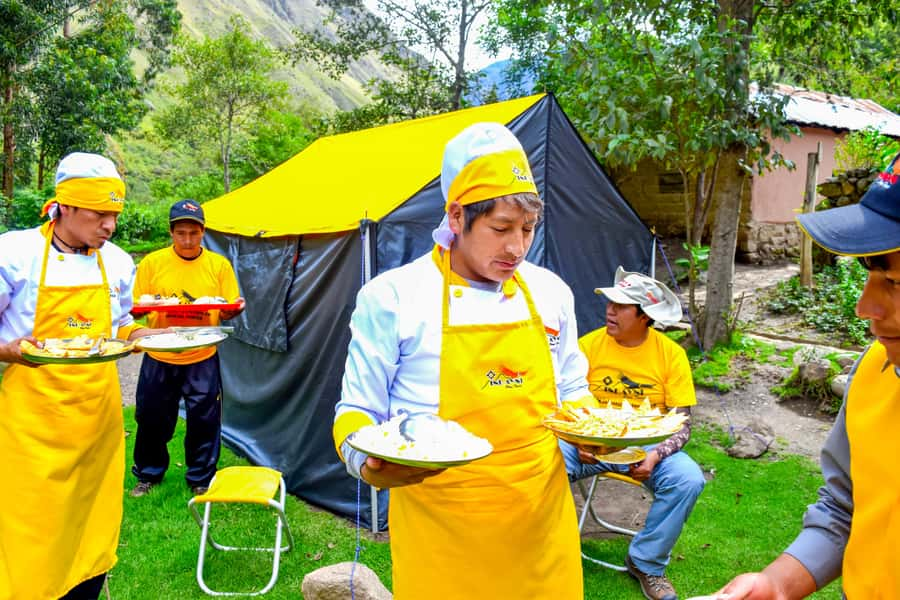
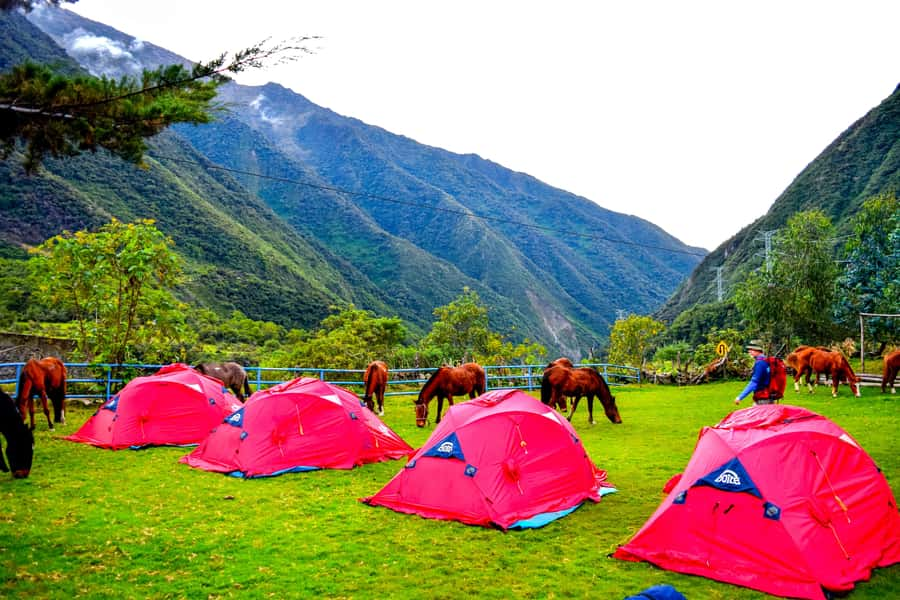
You spend four nights away from home: three nights camping and one night in a hotel in Aguas Calientes. A four-person tent is provided for every two trekkers, along with a double-thickness foam mattress. You also receive wake-up tea each morning, a dining tent with tables and chairs, and a cook.
This is not luxury trekking. It is organized trekking, which is different and more useful here. Your guide, cook, support staff, horses, oxygen bottle, and first-aid kit reduce the amount you need to carry and help the group function in remote mountain country.
The published price is $669 per person. That is a fair value if you use the included support. You would otherwise need to arrange transport from Cusco, camping equipment, meals, a hotel in Aguas Calientes, Machu Picchu entry, the bus to the citadel, and the return trip by train and van. You still need to budget for a sleeping bag, trekking poles, breakfast on Day 1, lunch and dinner on Day 5, travel insurance, and optional mountain tickets.
More Inca Trail Treks in Cusco
- Salkantay Trek Challenge – 3 Days / 2 Nights
★ 5.0 · 101 reviews - Choquequirao Trek 4 days and 3 nights
★ 5.0 · 81 reviews - Machu Picchu: 5-Day Salkantay Trek with Panoramic Train
★ 5.0 · 79 reviews
Day 1: Soraypampa and turquoise Humantay Lake
Your first day points toward Soraypampa at 3,800 meters. The Salkantay and Humantay mountains fill the skyline, and the air is already crisp and thin. The route sets the tone quickly: this is a high-altitude trek from the start.
Breakfast is not included on Day 1, so plan ahead before pickup. During the first four hours, you also need to carry your own water. Those are small details, but they matter on a demanding opening day.
Around midday, you stop for a Peruvian lunch made with local ingredients. The meal break gives you time to refill, eat properly, and prepare for the climb to Humantay Lake. Vegetarian, vegan, and gluten-free meals can be requested, as can meals for allergies. Tell the operator when booking and repeat the request at the pre-departure briefing.
Humantay Lake sits at 4,200 meters. Its turquoise water reflects the surrounding peaks, and the setting feels almost too polished to be natural. The final approach can be tough because of the altitude, so do not treat the lake as a quick photo stop. Walk slowly, keep your breathing steady, and save energy for the return to camp.
After visiting the lake, you head back for dinner and your first night under the Andean sky. The camping is basic, but the sleeping mattress, dining tent, warm food, and morning tea make a practical difference. This is also the night when you learn how your body handles the altitude.
Day 2: Salkantay Pass at 4,630 meters
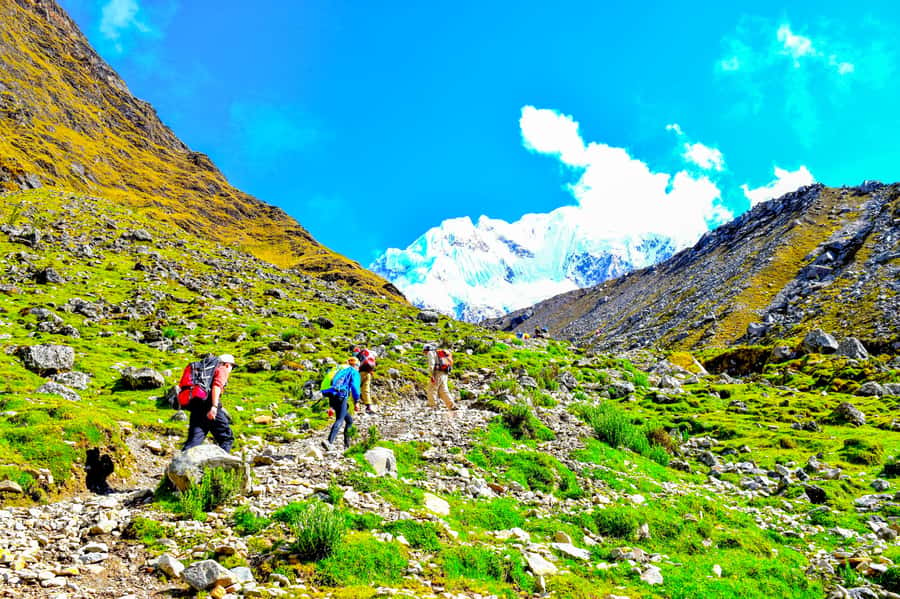
Day 2 is the physical center of the trek. You climb toward Salkantay Pass, the highest point at 4,630 meters. That is about 15,190 feet, high enough for the thin air to turn a normal uphill walk into a slow test of patience.
The reward is a broad view of snow-capped summits, ridges, and valleys. Salkantay Mountain rises to 6,271 meters, and the pass gives you a close look at the powerful mountain setting that gives this route its name. You have time to pause and appreciate the pass before beginning the descent.
I would expect this to be the hardest day, both physically and mentally. The itinerary does not give a distance or exact walking time, so you should not judge the challenge only by the number of days. High altitude adds effort to every step, and weather can change quickly in the mountains. Bring rain gear, sun protection, and clothing that can handle both cold and warmer conditions.
The descent changes the scene dramatically. I like this transition because you move from icy peaks into a high-altitude jungle in the same day. After the stark pass, the return of vegetation feels sudden. You spend the night at camp surrounded by natural sounds, with dinner and a place to sleep after a demanding effort.
The tour provides oxygen and a first-aid kit, but those are safety measures, not guarantees against altitude sickness. If you have a known altitude problem, this may not be the right trek. The stated restrictions also exclude people with back problems and people over 70.
Day 3: From Playa Sahuayaco to Lucmabamba
By Day 3, the route drops into cloud forest. The trail passes waterfalls, fruit trees, and unfamiliar plant life. The weather and feel are different from the high pass, and the route begins to resemble the warm valleys that surround Machu Picchu.
After about five hours, you reach Playa Sahuayaco at 2,200 meters. The lower elevation should feel easier than the pass, though you are still carrying out a long walking day. From here, the route enters the region described as the eyebrow of the Amazon, a lush transition zone between the Andes and the Amazon basin.
You continue to Lucmabamba at 2,000 meters, your final campsite. This is one of the most appealing parts of the trip because the experience moves beyond scenery. You stay with a local family and learn about their coffee farm, giving you a glimpse of daily work and food production in the valley.
That family connection is important. Many treks are built around peaks and ruins, with local life reduced to a passing view. Lucmabamba gives you a reason to slow down and notice the people who live along the route. The information does not specify exactly what coffee activities take place, so expect an introduction to the farm rather than a guaranteed full workshop or tasting program.
Lucmabamba is also the starting point for an old Inca route to Llactapata. The following morning, you leave the warmer valley and climb again toward the ruins.
Another trail to compare in Cusco:
- From Cusco: 7 Lakes Ausangate Trek with Breakfast and Lunch
★ 4.8 · 360 reviews - Cusco: Full-Day Rainbow Mountain & Red Valley Trekking Tour
★ 4.5 · 121 reviews - From Cusco: Rainbow Mountain Trek
★ 4.5 · 98 reviews - Ancascocha Trek To Machu Picchu 4 Days And 3 Nights
★ 5.0 · 77 reviews
Day 4: The Inca trail to Llactapata
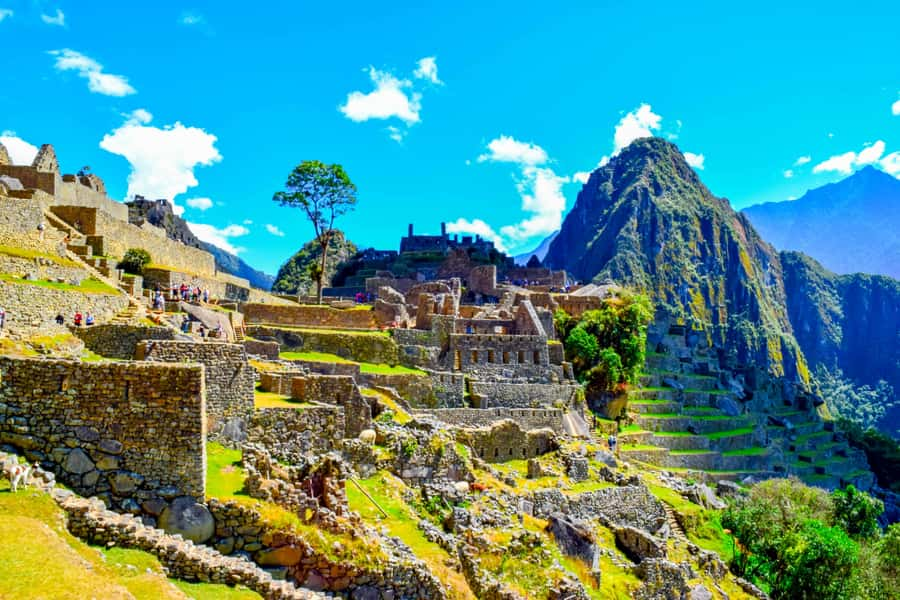
After breakfast, you spend about two hours climbing along an original Inca trail to Llactapata at 2,840 meters. This is a shorter day than the pass crossing, but it is still uphill and comes after three days of walking.
Llactapata is less visited than Machu Picchu, which is part of its appeal. Its terraces offer a first view of Machu Picchu from an angle many visitors never see. That preview builds anticipation without replacing the main visit. You see the famous citadel across the folds of the mountains, then continue toward it by foot and transport.
From Llactapata, you descend through cloud forest for about 1.5 hours to the Hydroelectric Station at 1,890 meters. This section lets you trade mountain climbing for a green, lower-elevation walk. It is also a reminder that the Salkantay route is not one continuous high-altitude corridor. The route keeps changing.
At the station, you travel to Aguas Calientes, also called Machu Picchu town, at 2,040 meters. Your hotel night here is a welcome change after camping. You can shower, sleep in a bed, and prepare for an early start.
The town stop is functional rather than a major sightseeing block. Its value is timing: you are already near Machu Picchu for the morning visit instead of trying to reach the citadel from Cusco on the same day. After several nights outdoors, the hotel also gives you a chance to reset before the final climb and tour.
Day 5: Guided Machu Picchu and the return to Cusco
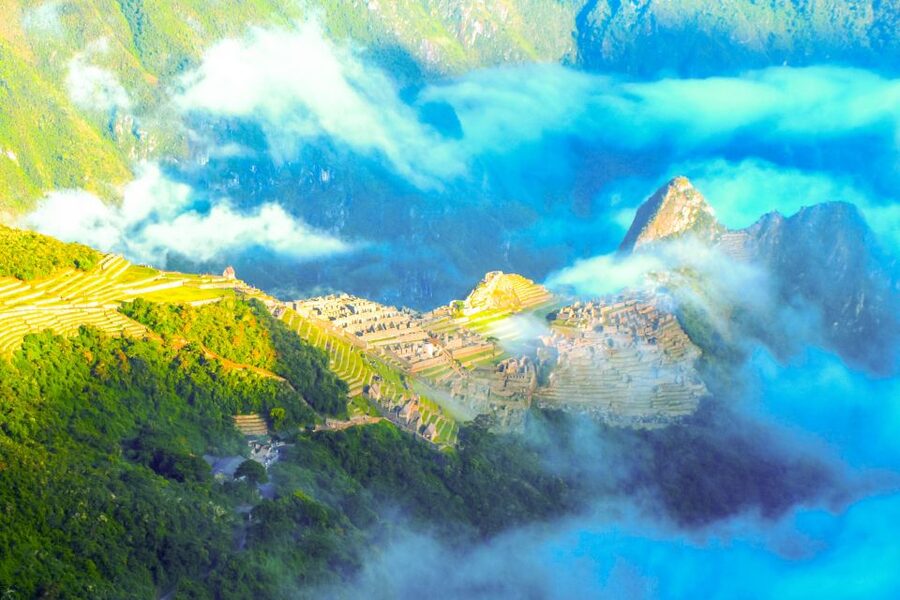
The last day begins with breakfast and a morning bus to Machu Picchu at 2,430 meters. The bus is included, which saves you from adding another long uphill walk after four days on the trail.
Your guide leads the visit through the citadel, explaining temples, ceremonial spaces, terraces, and storage buildings. A guided visit matters here because the site is large and the meaning of its structures is not always obvious from the stonework alone. You get context instead of simply following the crowd from one viewpoint to another.
You can add Huayna Picchu or Machu Picchu Mountain if space and ticket arrangements allow. Huayna Picchu costs an additional $85. The information provided does not give a separate price for Machu Picchu Mountain, so confirm that option before booking if the extra climb is central to your plans.
These mountain hikes are not casual add-ons. You have already completed a demanding trek, and the extra ascent may make the final day much harder. I would choose one only if you want another strenuous climb and are willing to spend less time resting after the main guided visit.
After Machu Picchu, the group returns to Aguas Calientes for a short rest and lunch. Lunch and dinner on Day 5 are not included, so set aside money for both. In the afternoon, you take the train to Ollantaytambo, then a van back to Cusco. The return is included, but it is still a long travel day after the citadel visit.
What the support package really gives you
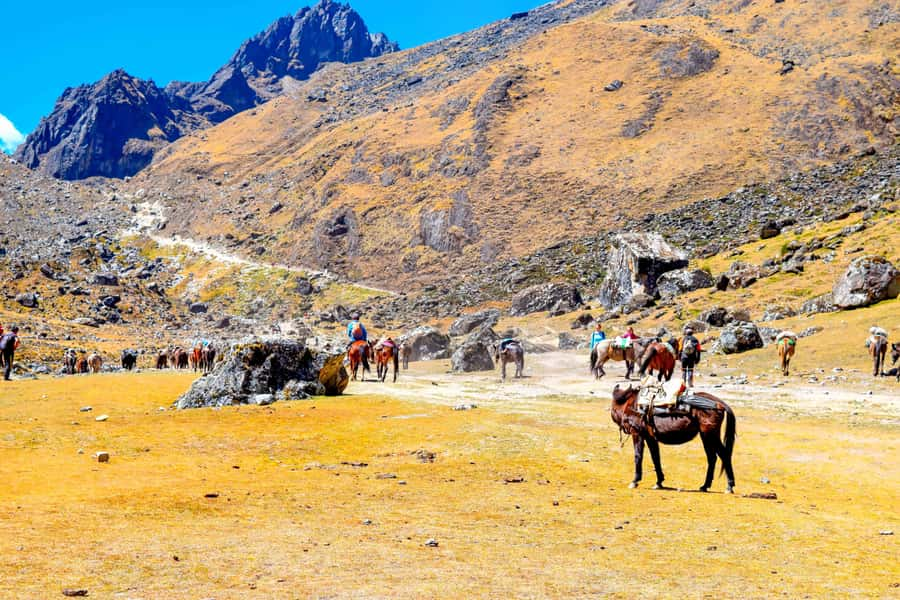
The operator supplies horses to carry equipment and up to 7 kilograms of your personal items. You still need a daypack with water, rain gear, sun protection, and anything you need during the day, but you do not need to carry your full load over the pass.
A professional cook prepares four breakfasts, four lunches, four afternoon snacks, and four dinners. That is a meaningful part of the price on a remote trek. Regular food helps you keep walking, and the afternoon snack is especially useful after a long morning.
The group is limited to 10 people and operates with at least two participants. A professional English- or Spanish-speaking guide leads the trip, and groups of nine or more receive an assistant guide. A small group should make the walking pace and camp routine easier to manage, though the tour is described as a private group rather than a solo departure.
You meet the guide and group at an office briefing one or two days before departure. This is when you receive your duffle bag and get instructions for the gear carried by horse. Use that meeting to confirm food needs, clothing, sleeping equipment, pickup details, and the day’s expectations.
Sleeping bags and trekking poles are available to hire, but the supplied information does not state their rental prices. You need to bring a valid passport or ID card for the activities, along with a sun hat, sunscreen, rain gear, and comfortable clothes. Travel insurance is strongly recommended.
Who should book this Salkantay trek?
I would choose this trip if you want a demanding route with more variety than the classic high mountain approach. The combination of Humantay Lake, Salkantay Pass, cloud forest, coffee country, Llactapata, and Machu Picchu gives you a full picture of the region in five days.
It suits hikers who are comfortable with camping, long uphill sections, changing temperatures, and basic conditions. You do not need to carry all your equipment, but you do need to walk at high altitude and manage four active days before the Machu Picchu visit.
I would look elsewhere if you want a gentle holiday, a private room every night, or a trip with plenty of free time. I would also avoid it if you have altitude sickness, back problems, or are over 70, since the activity specifically excludes those conditions.
The two available booking accounts give the tour a perfect 5 rating, with particular praise for the scenery, guide, and support team. One account describes the trek as physically and mentally difficult but worth the effort. That is the right expectation: this is a well-supported challenge, not an easy shortcut to Machu Picchu.
Should you book it?
Book this Salkantay trek if the journey matters as much as the destination. The $669 price covers the major moving parts, and the horses, cook, guide, camping setup, hotel, entry ticket, bus, train, and Cusco return make the package useful rather than bare-bones.
Do not book it simply because five days sounds short. The pass is high, the first days are strenuous, and Day 5 remains busy. Prepare for altitude, carry the required clothing and water, confirm any optional mountain ticket, and use the pre-trip briefing wisely. If you can handle the effort, this route gives you a memorable way to reach Machu Picchu, with mountain views and local life along the way.
FAQ
How long is the Salkantay trek?
The experience lasts five days and includes hiking, camping, a hotel night in Aguas Calientes, Machu Picchu entry, and transport back to Cusco.
What is the highest point of the trek?
The highest point is Salkantay Pass at 4,630 meters, or about 15,190 feet.
Is Humantay Lake included?
Yes. The itinerary includes a hike to Humantay Lake at 4,200 meters on Day 1.
How many people are in each group?
The maximum group size is 10 people. The tour operates with a minimum of two participants.
Is accommodation included?
Yes. The package includes camping and one hotel night in Aguas Calientes. A four-person tent is provided for every two trekkers.
Are meals included?
Four breakfasts, four lunches, four afternoon snacks, and four dinners are included. Breakfast on Day 1 and lunch and dinner on Day 5 are not included.
Can I request special meals?
Yes. Vegetarian, vegan, gluten-free, and allergy-related requests can be made when booking and should be confirmed again at the briefing.
Is equipment provided?
A double-thickness foam sleeping mattress, dining tent, tables, chairs, first-aid kit, and oxygen bottle are included. Sleeping bags and trekking poles can be hired.
Is the Machu Picchu entrance included?
Yes. Entrance to Machu Picchu and the bus to the citadel are included. Huayna Picchu costs an additional $85.
What language does the guide speak?
The guide service is available in English and Spanish. Groups of nine or more receive an assistant guide.
More five-day treks in Cusco
- Ausangate Trek 5 Days
★ 5.0 · 74 reviews - Classic Choquequirao Trek – 5 Days / 4 Nights
★ 5.0 · 52 reviews - Ultimate Lares Trek & Inca Trail 5 days
★ 5.0 · 47 reviews - Salkantay Trek To Machu Picchu 5 Days And 4 Nights
★ 5.0 · 44 reviews
Latest treks added in Cusco
- Small Group: 4-Day Inca Trail Trek to Machu Picchu★ 5.0 · 33 reviews
- Salkantay Trek: 5 Days to Machu Picchu★ 5.0 · 33 reviews
- 5 Day – Salkantay trek to Machu Picchu – Group Service★ 4.5 · 27 reviews
- Humantay Lake Full-Day Adventure: Scenic Trek and Stunning Views★ 4.5 · 39 reviews
- Inca Trail Trek to Machu Picchu – 2 Days (Small Group or Private)★ 5.0 · 31 reviews
- Salkantay 5-Day Trek To Machu Picchu★ 5.0 · 39 reviews
- Ausangate and Rainbow Mountain Trek – 3 Days / 2 Nights★ 5.0 · 35 reviews
- 6 day Rainbow Mountain x Ausangate Trek – FlashpackerConnect★ 5.0 · 30 reviews
Machu Picchu & Inca Trail Treks, compared.
Machu Picchu: 5-Day Salkantay Trek with Panoramic Train
Read our review →
Ancascocha Trek To Machu Picchu 4 Days And 3 Nights
Read our review →
4 Day Inca Trail Trek to Machu Picchu Multi day tour
Read our review →
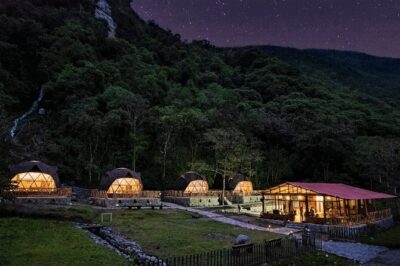
Salkantay Trek 4 Days to Machu Picchu by Glamping Sky Lodge Dome
Read our review →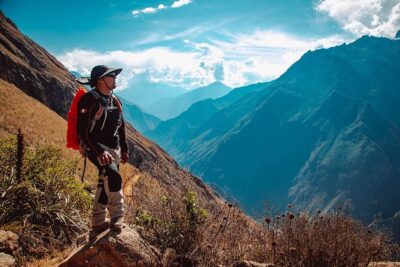
Browse the lists this tour appears in