
REVIEW · CUSCO
Cusco: 4-Day Lares Trek to Machu Picchu with Panoramic Train
The best part of this four-day route is that Machu Picchu comes at the end of a real Andean journey, not as a quick stop reached by train. You cross potato fields, meet weaving families, soak in Lares hot springs, and camp beside a high mountain lake before reaching the Inca citadel.
I like the small-community encounters, especially the weaving cooperative and Canchacancha village. I also like the practical design: cooks prepare three hot camping dinners, muleteers carry your gear, and the return on the Vistadome train gives you big valley views without another long hike.
The catch is altitude. Condor Pass reaches 4,750 meters, and the camps are cold at night. You need good fitness, warm clothing, and a sensible attitude toward slow walking and rest stops.
Key points to know before booking
- Condor Pass reaches 4,750 meters, making this a serious high-altitude trek even though the route is considered manageable for fit hikers.
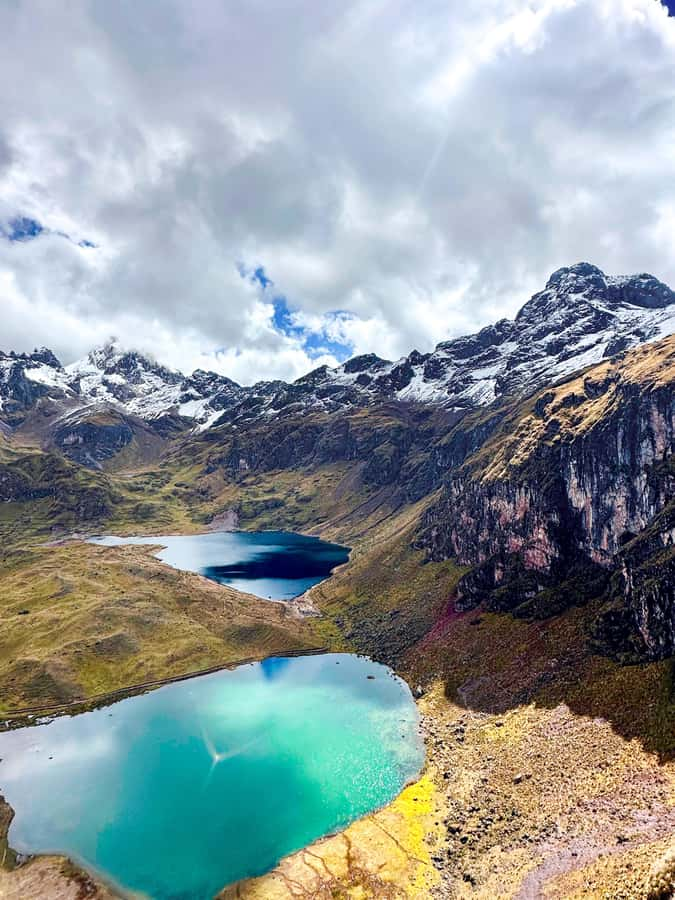
- Two nights are spent camping, including one at about 3,900 meters beside the Blue Lagoon.
- The cooking team handles 4 breakfasts, 3 lunches, and 3 dinners, with special diets accommodated when requested at booking.
- A 7-kilogram duffle is carried by muleteers, so you only need to carry a daypack while hiking.
- The route adds Maras and Ollantaytambo before Machu Picchu, giving you more than a single-purpose trek.
- The return train is the panoramic Vistadome, followed by private transport back to Cusco.
Why the Lares route makes a good Machu Picchu approach
Many Machu Picchu trips focus on the famous ruins and treat the Andes as scenery viewed through a train window. This route gives you two full days on foot before the ruins. The payoff is a stronger sense of place: you see how potatoes are grown at high altitude, pass fields dotted with alpacas, and walk through villages where Quechua remains part of daily life.
The route is also a useful choice if you want a trek with cultural stops built into the schedule. A weaving cooperative is not just a shopping pause. You learn how Andean textile traditions are kept alive and can support women-run work directly. In Canchacancha, you visit homes and the school, meet families, and learn a few Quechua phrases.
There is a practical cost to this variety. You will spend time in vans between trail sections, and the schedule is full. This is not a slow retreat in the mountains. It is a compact four-day trip that combines trekking, transport, archaeology, community visits, and Machu Picchu.
More Inca Trail Treks in Cusco
- Salkantay Trek Challenge – 3 Days / 2 Nights
★ 5.0 · 101 reviews - Choquequirao Trek 4 days and 3 nights
★ 5.0 · 81 reviews - Machu Picchu: 5-Day Salkantay Trek with Panoramic Train
★ 5.0 · 79 reviews
Day 1: Calca, Lares hot springs, and the Blue Lagoon
Your day begins early with pickup in Cusco or the Sacred Valley. The first stops help you adjust to the region before the main hike. In Calca, you explore the local market, then visit Ancashmarca, an old Inca site. These stops add context to the communities and farming areas you will pass later.
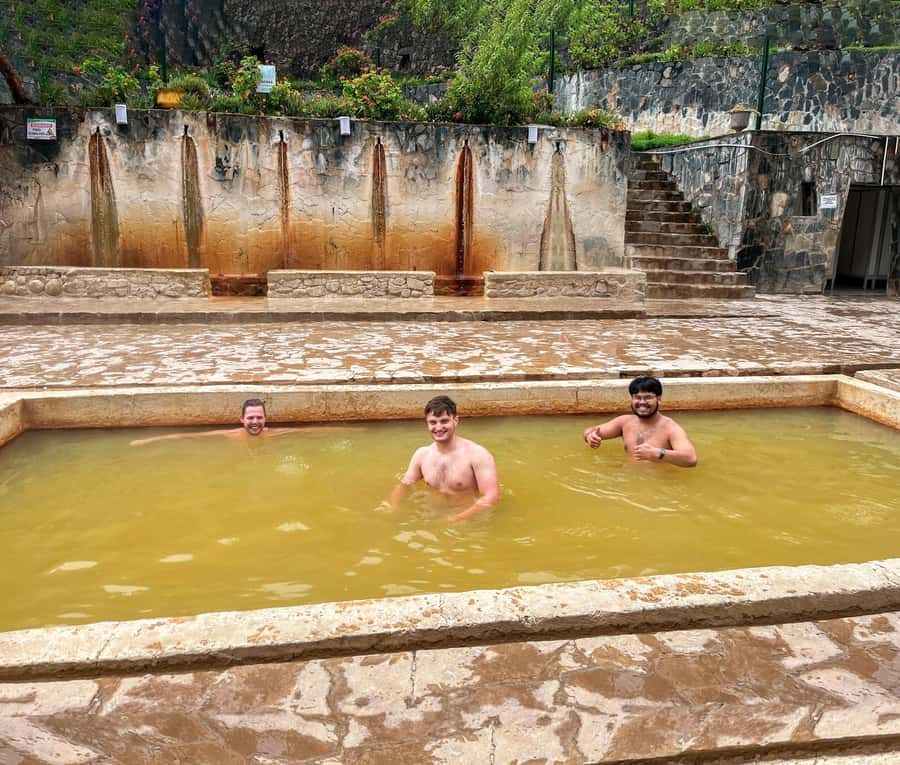
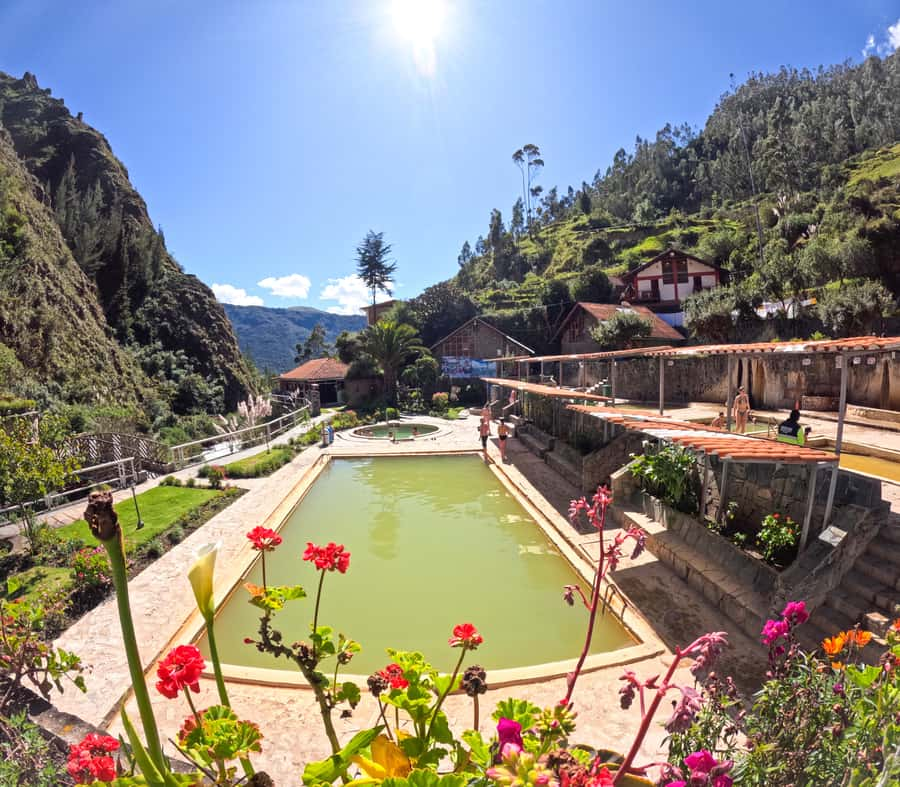
The route continues to a high plateau where you may see Puyas de Raimondi, a rare giant bromeliad found in the Andes. Then comes one of the day’s most welcome pauses: Lares hot springs. You can soak with mountain views and have breakfast before heading onward.
That hot spring stop is particularly well placed. It gives you a warm, quiet start before the more demanding walking begins. Do not mistake it for a full rest day, though. You still need to hike later at altitude.
At a weaving cooperative, you learn about traditional Andean textile work and have a direct way to support local women. I would pay attention here rather than treating it as a quick souvenir stop. The value is in understanding the work behind the cloth, including the link between local income and cultural continuity.
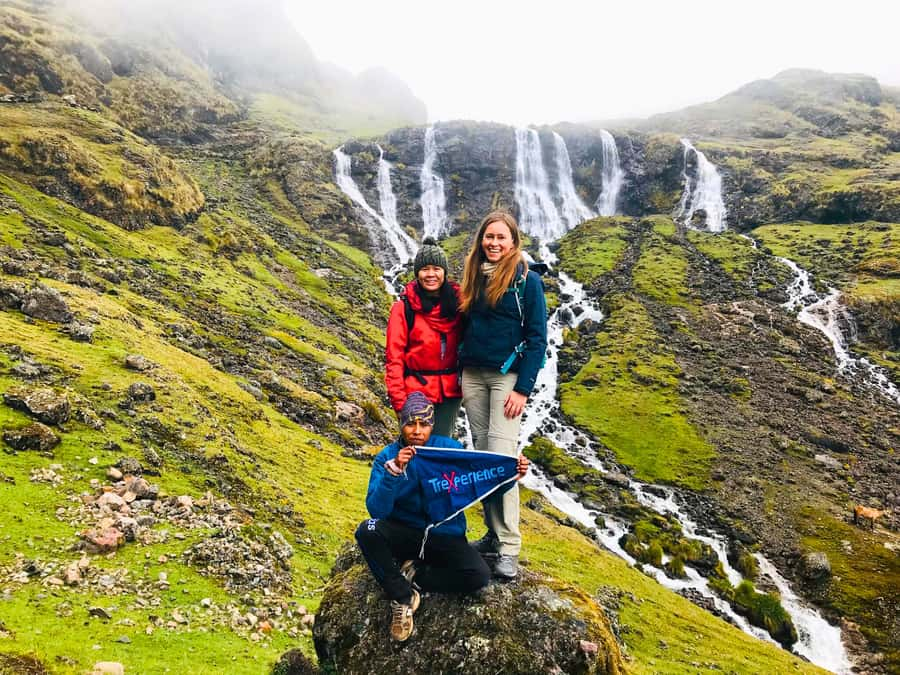
A drive brings you to Pampacorral, where the trek begins. The trail passes alpaca-filled valleys and potato fields before reaching Kiswarani for lunch. From there, you follow a waterfall toward the Blue Lagoon campsite, located at about 3,900 meters.
The first camp combines striking views with basic mountain conditions. Coca tea is served, dinner is prepared by the trekking cooks, and the clear air can make for excellent stargazing. It can also be very cold. Bring thermal layers, a warm hat, and dry socks, even if Cusco felt mild when you left.
Day 2: The hard climb to 4,750-meter Condor Pass
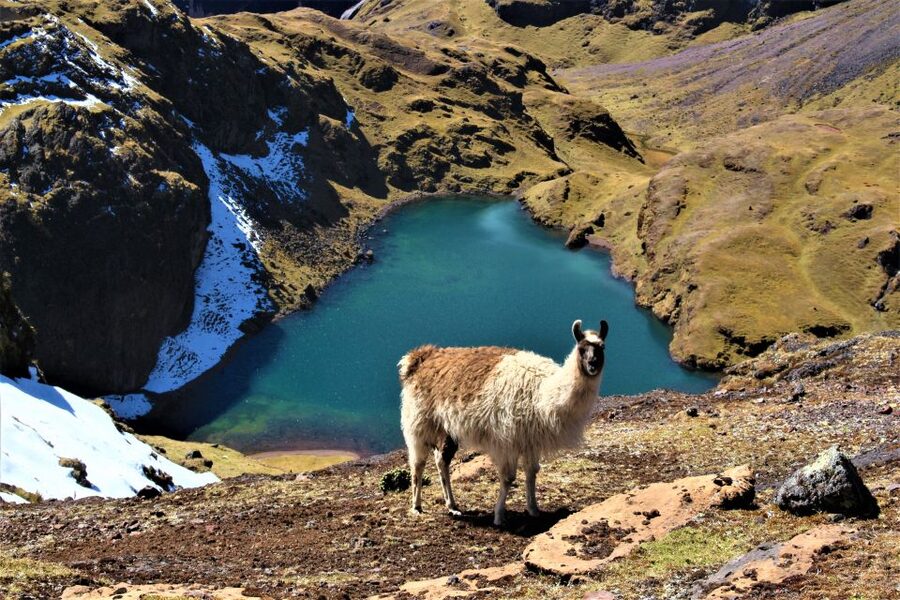
Day two is the physical center of the trip. You wake to coca tea or coffee at your tent, eat breakfast, and begin climbing through high valleys dotted with lakes. The route offers chances to see Andean wildlife, as well as llamas and alpacas near the settlements.
The main goal is Condor Pass at 4,750 meters. At that height, thin air affects nearly everyone. The pace should be steady rather than fast, and frequent pauses are sensible. Previous participants have found the trek manageable, but they also point out that cold and low oxygen reduce your strength. A good baseline of fitness matters.
At the pass, you get broad views of snowy peaks and turquoise lagoons. This is the point to enjoy the achievement, take photographs, and avoid rushing the descent. Your guide can adjust the pace and allow as many breaks as needed, an important benefit on a high route.
A traditional offering ceremony adds meaning to the crossing. It connects the physical act of passing over the mountains with Andean customs and respect for the natural world. The ceremony is brief, but it gives the trek a cultural center beyond simply reaching a high point.
After the pass, you descend for a hot lunch in Acopata. The downhill section is easier on your breathing, though it can still work your knees. Hiking poles are useful here and can be rented if you do not bring your own.
The route continues through open valleys to Canchacancha at about 3,750 meters. You meet local families, learn a few Quechua words, and settle in with dinner and mountain views. This is another cold night, so keep your warm clothing accessible rather than buried in your duffle.
Canchacancha and the meaning of community visits
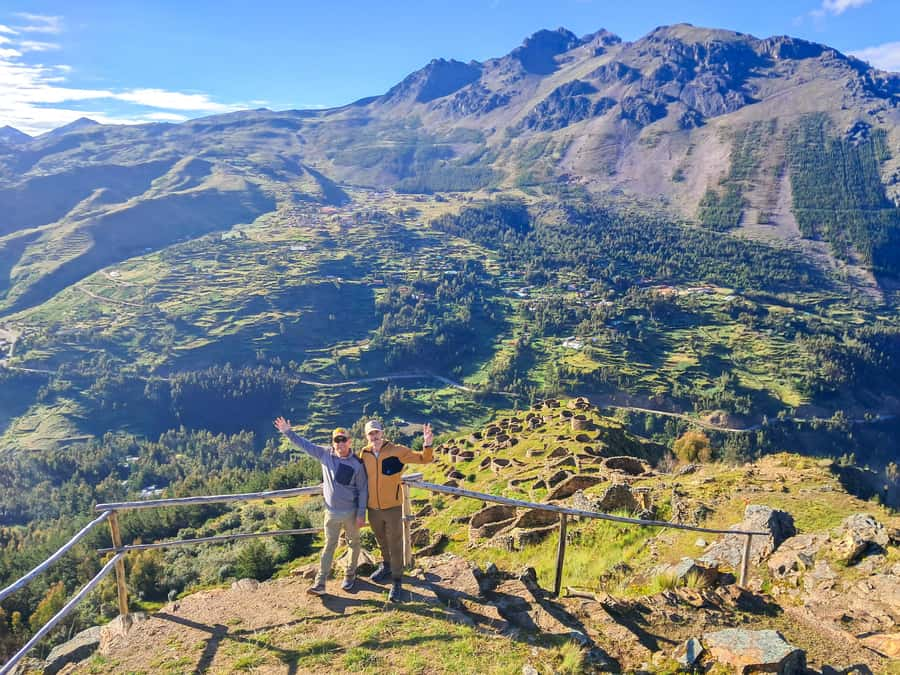
The village visit on day three gives you time to see more than the trail. You can visit homes and the school, and you may donate supplies. If you plan to do that, ask ahead what is useful instead of bringing random items. The supplied information confirms that donations are possible, but it does not specify a required list.
These visits work best when approached with respect and curiosity. You are not seeing a staged attraction. You are entering a working mountain community, so listen to your guide and follow local expectations about photographs and personal space.
The trip also includes muleteers who carry food and equipment. That support makes the high route possible without asking you to carry camping supplies over the pass. You receive a personal duffle with a limit of 7 kilograms, while you carry your daypack with water, rain gear, sun protection, and items needed during the day.
Another trail to compare in Cusco:
- From Cusco: 7 Lakes Ausangate Trek with Breakfast and Lunch
★ 4.8 · 360 reviews - Cusco: Full-Day Rainbow Mountain & Red Valley Trekking Tour
★ 4.5 · 121 reviews - From Cusco: Rainbow Mountain Trek
★ 4.5 · 98 reviews - Ancascocha Trek To Machu Picchu 4 Days And 3 Nights
★ 5.0 · 77 reviews
Day 3: Four hours downhill to Maras and Ollantaytambo
After breakfast, you begin a scenic four-hour descent from Canchacancha into the Sacred Valley. The change in altitude is easy to see in the crops. Potato fields give way to corn and avocado as you descend toward Huaran at about 2,700 meters.
This is a rewarding section, but do not assume downhill means effortless. Long descents can tire your legs, especially after the pass the day before. Comfortable hiking shoes, trekking poles, and careful footing will help.
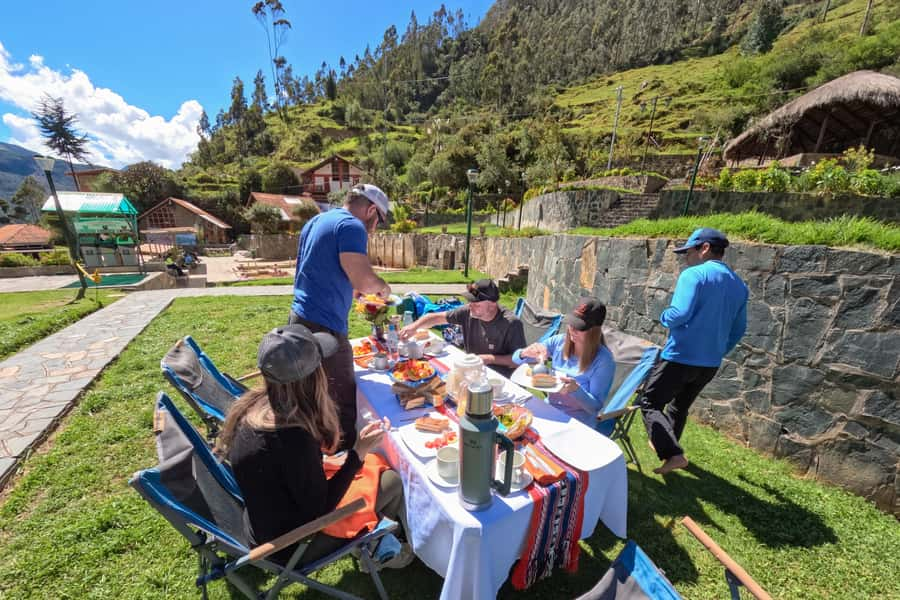
In Huaran, you eat a picnic lunch and say goodbye to the muleteers and chef. Their work is a major part of the trip’s value. You are not carrying a full camping load, and the cooks provide four breakfasts, three lunches, and three dinners across the trip. Special dietary needs can be handled if you give notice when booking. One documented trip included vegan meals, so plant-based eating is possible, but it still needs to be arranged in advance.
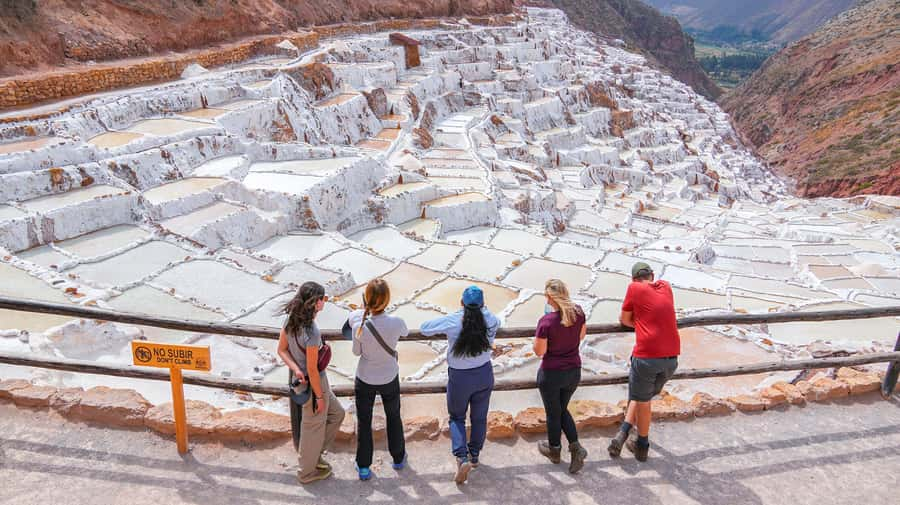
A private van then carries you to the Salineras of Maras. The salt ponds are cut into the mountainside and supplied by a natural saltwater spring. Families have harvested salt here using traditional methods for generations. The visit is short compared with the trek, but it offers a sharp change from the high valleys and a clear look at local production.
Next comes Ollantaytambo, often called the last living Inca town. Its streets and stonework still reflect the old Inca plan, while people continue to live and work there. This stop is more than a photo opportunity. It helps you see how an ancient settlement remains part of modern daily life.
After dinner, you board the train to Aguas Calientes, also called Machu Picchu Pueblo. You spend the night in a comfortable three-star hotel, which is a welcome change after two nights in a tent. The hotel night also means you can reach Machu Picchu early without making a long morning transfer from Cusco.
Day 4: Early entry to Machu Picchu
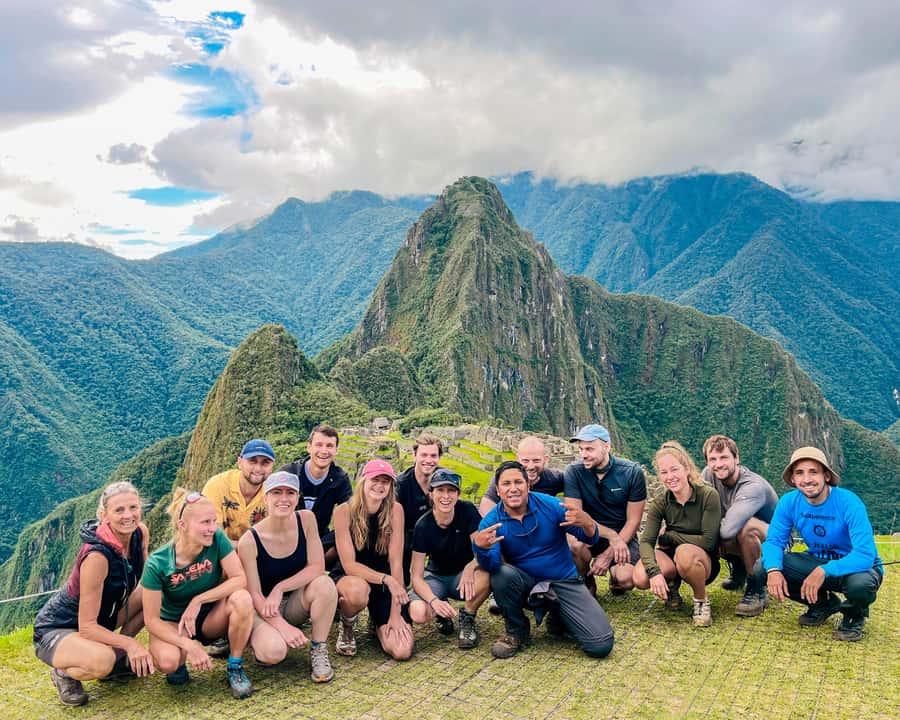
You eat breakfast at the hotel before taking the bus up to Machu Picchu. The plan is to arrive around sunrise, when the morning light begins to reach the citadel. Exact conditions can change with weather, but the early start gives you the best chance to enjoy the site before the day feels crowded.
Your guide leads a two to three-hour walking tour through the major parts of Machu Picchu. You learn about Inca engineering, daily life, construction, and the site’s historical role. The guided visit matters here because the stone terraces, water channels, plazas, and buildings can look like a beautiful puzzle without explanation.
You will have time for the famous viewpoints and panoramic photographs. Follow the site rules carefully, since access routes and movement within Machu Picchu are controlled. The tour includes the standard entrance and the round-trip bus between Aguas Calientes and the citadel.
Lunch in Aguas Calientes is not included, so budget for it separately. You also have leisure time in town before boarding the Vistadome train. The panoramic car adds wide windows and valley views to the ride, making the return journey part of the experience rather than a basic transfer.
At Ollantaytambo, a private vehicle takes you back to Cusco by evening. This final transfer is included, though the full day can feel long after an early start at Machu Picchu.
How good is the $690 value?
At $690 per person, the price is reasonable for what is bundled into four demanding days. You are paying for a certified guide, transport from Cusco, trail and site entrances, two nights of camping, one hotel night, cooks, muleteers, a duffle service, the Machu Picchu bus, and the Vistadome return train.
The train is an important part of the value. A basic return option could cost less, but the panoramic service gives you a more enjoyable final ride through the Sacred Valley. Private transfers also remove several transport decisions from a trip that already has an early start and multiple moving parts.
You should still allow extra money for a sleeping bag, air mattress, and trekking poles if you need to rent them. The final-day lunch is also separate, as are optional tickets for Huayna Picchu or Machu Picchu Mountain. Travel insurance is not included and is sensible for a high-altitude trek.
The non-refundable booking condition makes timing important. Confirm your dates, passport details, dietary needs, and fitness before paying.
Who should choose this trek?
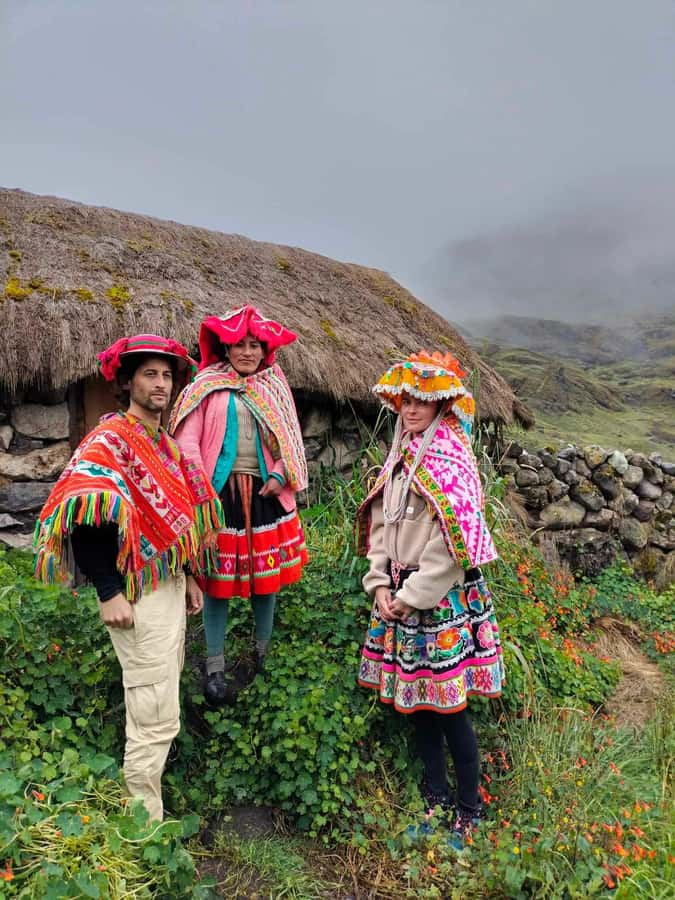
I would recommend it to you if you want Machu Picchu paired with a genuine mountain trek and cultural contact. It suits people who enjoy walking, can handle steep altitude changes, and do not mind two nights in a tent.
It is also a good family or friends option for fit participants. One family group found the difficulty manageable, but even an accessible route can feel tough at 4,750 meters. Children must be accompanied by an adult.
This is not suitable for pregnant people, wheelchair users, people with mobility impairments, or those with heart or serious back problems. If you have a medical concern, get professional advice before booking.
Guide quality can shape the experience. Guides associated with this trip have included Manolo and Filio, and the guide is expected to speak English or Spanish. Your guide can set the walking pace and explain local customs, so use the safety briefing to discuss altitude, food needs, and any concern you have.
Packing advice for cold camps and high sun
Bring your passport, broken-in hiking shoes, hiking trousers, sunglasses, a sun hat, sunscreen, rain gear, insect repellent, toiletries, hand sanitizer or tissues, cash, and clothing suited to changing weather. A camera is useful, but keep it protected from rain and cold.
The most important items are warm layers and nightwear. The camps are high, and the cold can be severe after sunset. Pack a fleece or insulated jacket, thermal layers, gloves, and a warm hat. Since muleteers carry only up to 7 kilograms for your camping gear, keep the daypack light but make sure rain protection and warm layers stay with you.
A sleeping bag, air mattress, and trekking poles are not included, but they can be rented on request. Do not arrive assuming regular city shoes will work. The route includes a high pass, uneven trail, waterfall sections, and a long descent.
Should you book the Lares Trek?
Book this trip if you want your Machu Picchu visit to feel earned through high valleys, local communities, and two days of serious walking. The hot springs, weaving cooperative, Blue Lagoon camp, Condor Pass, Maras salt ponds, Ollantaytambo, and Vistadome train give the four days a lot of variety.
Skip it if you want a relaxed sightseeing holiday, dislike camping, or are unsure how your body will respond to altitude. The strongest reason to choose it is the combination of human contact and mountain scenery. The main warning is simple: high altitude and cold nights are not minor details. Prepare properly, and this is a well-organized route with strong value for an active visit to Machu Picchu.
FAQ
How long is the Lares Trek to Machu Picchu?
The experience lasts four days, beginning with pickup from Cusco or the Sacred Valley and ending with a private transfer back to Cusco.
How high does the trek go?
The highest point is Condor Pass at 4,750 meters. The Blue Lagoon campsite is at about 3,900 meters, and Canchacancha village is at about 3,750 meters.
How many nights do I spend camping?
You spend two nights camping on the trek and one night in a comfortable three-star hotel in Aguas Calientes.
Is food included?
The trip includes four breakfasts, three lunches, and three dinners prepared by trekking chefs. Lunch on the final day in Aguas Calientes is not included. You should provide dietary requirements when booking.
Is equipment included?
A personal duffle bag carried by muleteers is included, with a limit of 7 kilograms. Sleeping bags, air mattresses, and trekking poles are not included, but they can be rented on request.
Is the Vistadome train included?
Yes. The return Vistadome train from Aguas Calientes to Ollantaytambo is included, followed by a private transfer to Cusco.
What languages does the guide speak?
The live guide service is available in English and Spanish.
More four-day treks in Cusco
- 4 Day Inca Trail Trek to Machu Picchu Multi day tour
★ 5.0 · 70 reviews - Salkantay Trek 4 Days to Machu Picchu by Glamping Sky Lodge Dome
★ 5.0 · 68 reviews - Salkantay Trek to Machu Picchu in 4 days
★ 4.5 · 50 reviews - 4-Day Lares Trek to Machu Picchu from Cusco
★ 5.0 · 47 reviews
More train journeys in Cusco
- Cusco: 4-Day Salkantay Trek to Machu Picchu, Panoramic Train
★ 4.3 · 17 reviews - Tour with the Mountain Train, Trek to Mystic Forest and Castle
★ 5.0 · 101 reviews - Sapa: 3-Day, 3-Night Trek and Hotel with Overnight Train
★ 4.2 · 64 reviews - Saint Kitts Train Trek
★ 4.0 · 60 reviews
Latest treks added in Cusco
- Small Group: 4-Day Inca Trail Trek to Machu Picchu★ 5.0 · 33 reviews
- Salkantay Trek: 5 Days to Machu Picchu★ 5.0 · 33 reviews
- 5 Day – Salkantay trek to Machu Picchu – Group Service★ 4.5 · 27 reviews
- Salkantay 5-Day Trek To Machu Picchu★ 5.0 · 39 reviews
- Humantay Lake Full-Day Adventure: Scenic Trek and Stunning Views★ 4.5 · 39 reviews
- Inca Trail Trek to Machu Picchu – 2 Days (Small Group or Private)★ 5.0 · 31 reviews
- Ausangate and Rainbow Mountain Trek – 3 Days / 2 Nights★ 5.0 · 35 reviews
- 6 day Rainbow Mountain x Ausangate Trek – FlashpackerConnect★ 5.0 · 30 reviews
Machu Picchu & Inca Trail Treks, compared.
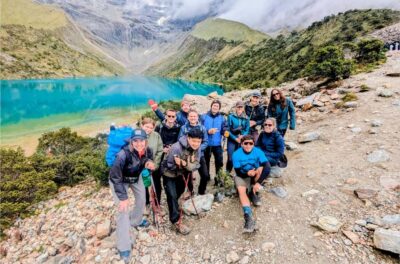
Machu Picchu: 5-Day Salkantay Trek with Panoramic Train
Read our review →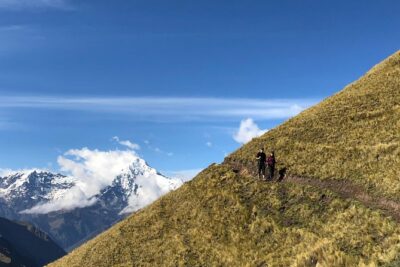
Ancascocha Trek To Machu Picchu 4 Days And 3 Nights
Read our review →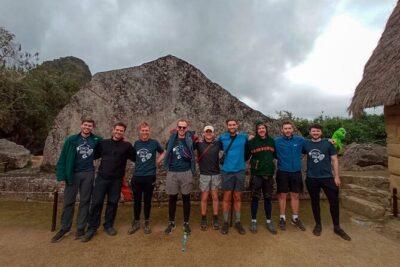
4 Day Inca Trail Trek to Machu Picchu Multi day tour
Read our review →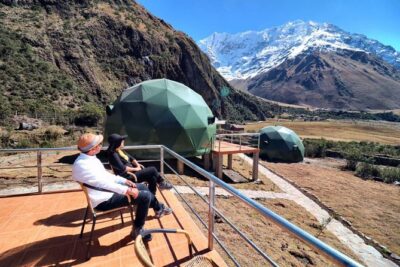
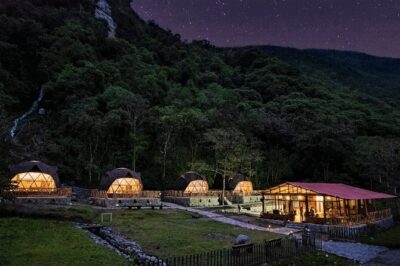
Salkantay Trek 4 Days to Machu Picchu by Glamping Sky Lodge Dome
Read our review →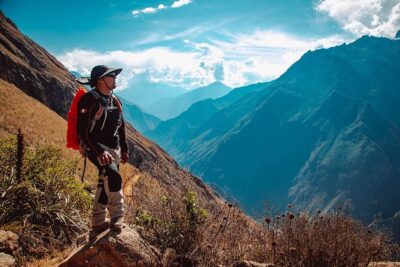
Browse the lists this tour appears in