
REVIEW · KATHMANDU
Comfort in Himalayas-Langtang Valley trek
The best part of this Langtang Valley trek is its steady change of scenery. You leave Kathmandu by road, walk through forest and traditional villages, and finish among snow-capped peaks above 7,000 meters. It offers a real Himalayan trek without the longer approach needed for Everest.
I like that meals, permits, lodging, a guide, and a porter are bundled into the $815 price. I also like the built-in rest day at Kyanjin Gompa, which gives you time to adjust to the altitude instead of rushing straight back downhill.
The main consideration is the transport. The drive between Kathmandu and Syabrubesi takes about eight hours each way, and the trek reaches 3,870 meters. You need moderate fitness, patience for a long road journey, and suitable travel insurance.
Key points to know before booking
- Kyanjin Gompa is the high point: You spend a full day here for rest and a local hike at 3,870 meters.
- The route is private: Only your group takes part, with a government-licensed guide leading the trek.
- A porter carries your baggage: This makes the walking easier, but you still need a daypack with personal essentials.
- The price covers the main trekking costs: Meals, accommodation, permits, TIMS, transport, guide and porter services are included.
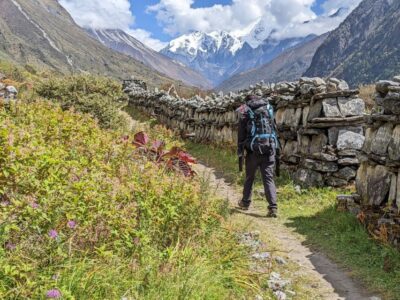
- The mountain views arrive gradually: Expect forests, Tamang and Bhotia villages, open valley scenery, and peaks such as Langtang Lirung and Dorji Lakpa.
- The itinerary supports local recovery: The route passes through communities rebuilding after the 2015 earthquake, so your spending reaches local businesses and staff.
Why Langtang works well for a first Himalayan trek
Langtang is a practical choice if you want serious mountain scenery but do not want to commit to a very long expedition. The trail begins after a drive from Kathmandu, then follows the valley upward through settlements and woodland before reaching Kyanjin Gompa.
The walking is described as moderately challenging. That does not mean effortless. Several days involve about six hours of trekking, with the descent to Lama Hotel listed at seven hours. You should be comfortable walking for much of a day on uneven mountain trails.
The route is appealing because it combines several kinds of Nepal in a short trip. You get a working valley, traditional Tamang and Bhotia villages, forest, high mountain views, and time near a monastery. It is not only a peak-viewing trip. The communities along the route are part of the experience.
The itinerary also has a human purpose. Langtang suffered badly in the 2015 earthquake, and choosing local guides, porters, lodging, food services, and transport helps direct tourism income toward recovery. That does not change the physical demands of the walk, but it gives the trip a useful local connection.
More Langtang Treks in Kathmandu
- Langtang Valley Trek
★ 5.0 · 140 reviews - Langtang Valley Trek
★ 5.0 · 61 reviews - 8 Days Tour in Langtang Valley Trek
★ 5.0 · 45 reviews
Day 1: Arrive in Kathmandu and settle in
Your first day is reserved for arrival, meeting the local staff, and transfer to a Kathmandu hotel. The hotel stay is included according to the itinerary, so you have a base before the mountain road journey begins.
Keep this day simple. You will want to handle any final packing, check your personal trekking equipment, and make sure you have travel insurance. Your insurance is not included in the tour price, and the organizer specifically excludes personal equipment, shopping, laundry, drinks, and tips.
The listed meeting time is 12:15 am, which is unusually early and may refer to an arrival or pickup arrangement rather than a typical daytime meeting. Confirm the exact airport transfer and first-day schedule before departure. That small check can prevent a long night of confusion.
Day 2: The long road to Syabrubesi
The journey to Syabrubesi takes about eight hours by bus. Syabrubesi sits at approximately 1,440 meters in Rasuwa district and acts as the starting point for the walk.
This is the least glamorous part of the trip, but it matters. Nepal’s mountain roads can make short distances take a long time, and your body may feel tired before the first walking day begins. The bus transport is included, which removes one major planning task and keeps the group moving on the intended route.
Do not treat this as a sightseeing day with a strict arrival timetable. The value lies in reaching the trailhead without arranging a separate vehicle, driver, or permit process. Bring water and items that make a long ride easier, though drinks beyond the included trekking meals are your responsibility.
Day 3: Forest walking to Lama Hotel
The first full trekking day takes about six hours and finishes at Lama Hotel, at roughly 2,470 meters. This section introduces the wooded side of Langtang, with pines and other forest growth lining the route.
The gradual gain in altitude is useful. You are not dropped straight into the high valley, and the first walking day gives you a chance to find your pace. The guide handles navigation and local logistics while you focus on steady movement.
Forest sections can feel very different from the open mountain views later in the week. In spring, the rhododendron and magnolia trees are associated with displays of wildflowers. The timing of flowering will affect what you see, so treat it as a seasonal possibility rather than a guarantee.
Lama Hotel is a functional overnight stop on the route, not a luxury retreat. Accommodation is described as the best available during the trek. Expect the convenience of a prepared trekking stop rather than hotel standards found in Kathmandu.
More Trekking Tours in Kathmandu
- Everest Base Camp Trek – 14 Days
★ 5.0 · 1,499 reviews - Everest Base Camp Trek
★ 5.0 · 842 reviews - Everest Base Camp Trekking
★ 5.0 · 485 reviews - Annapurna Circuit Trek with Tilicho Lake
★ 5.0 · 368 reviews
Day 4: Entering Langtang Village
The walk to Langtang Village takes about six hours and rises to approximately 3,430 meters. This is where the valley begins to feel more open and the mountain setting becomes more pronounced.
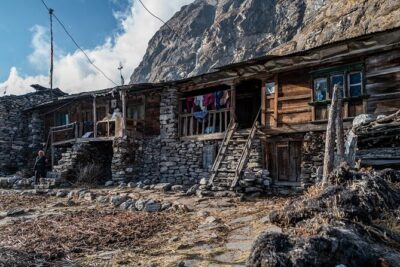
You pass through traditional Tamang and Bhotia communities. These settlements give the trek its local character, and they also make the route feel lived-in rather than like a simple wilderness corridor. Your accommodation and meals are arranged, but drinks such as hot, soft, cold beverages and alcohol are not included.
Altitude becomes a real concern at this point. You should walk at a controlled pace, tell the guide if you feel unwell, and avoid treating the schedule as a race. A licensed guide and first-aid kit are included, but good judgment remains important. The itinerary is organized for you, not for your body.
Day 5: Reaching Kyanjin Gompa at 3,870 meters
The walk to Kyanjin Gompa is shorter, listed at about four hours. That is helpful because you arrive at the highest overnight point with time to rest and absorb the setting.
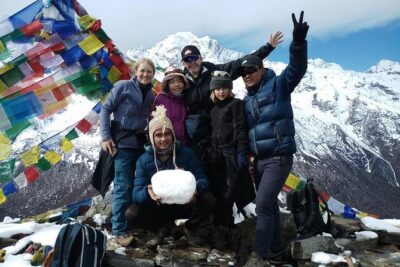
Kyanjin Gompa is the focal point of the trek. The surrounding peaks include Langtang Lirung, Langtang Ri, Ganchenpo, Dorji Lakpa, and views toward the Ganesh and Manaslu Himalayan ranges farther west. Several rise above 7,000 meters, giving you the scale that makes this valley special.
The scenery changes again here. Lower forests give way to a more exposed mountain setting, with snow-covered summits and a broad high valley. The route is also associated with wildlife, including the rare red panda, though seeing one is never promised. You may notice signs of a varied mountain ecosystem, but the mountains themselves are the reliable attraction.
Day 6: A useful rest day at Kyanjin Gompa
The rest day is one of the strongest parts of the plan. You can recover from the climb, walk locally, and spend more time with the high mountain views instead of treating Kyanjin Gompa as a quick overnight stop.
The itinerary says you will rest and hike, but it does not specify the exact hike, distance, or summit. That is worth clarifying if you have a particular goal in mind. The guide can manage the day according to conditions and your group’s fitness, but you should not assume a named peak or a fixed ascent is included.
This day also gives you a better chance to judge how your body is handling 3,870 meters. Rest, hydration, and a slow pace are sensible. If altitude symptoms concern you, tell the guide early rather than waiting until they become severe.
Days 7 and 8: Descending through the valley
Day 7 reverses the route to Lama Hotel, with about seven hours of walking. Descending is often easier on the lungs, but it can be demanding on knees and feet. Trekking poles may be useful, though personal equipment is not included.
The following day continues to Syabrubesi and is listed at about five hours. By now, the same forests and villages may look different because you are walking downhill and carrying memories of the high valley. The return also gives you a final chance to appreciate the communities that support the route.
A porter carries your baggage during the trek, which is a real comfort on the uphill days. You still need a small personal bag for water, clothing layers, medication, and valuables. Ask in advance about luggage weight limits, since the supplied information does not specify them.
Day 9: Return to Kathmandu
The bus ride back to Kathmandu is another long road day. Ground transport between Kathmandu and Syabrubesi is included, so you do not need to arrange a private transfer at the end of the trek.
This day can feel tiring after the descent. It is wise to leave room in your expectations for traffic and road conditions rather than planning an important fixed appointment immediately after arrival. You return to the included Kathmandu hotel, then have a farewell dinner before departure according to the tour inclusions.
Day 10: Departure after a full board trek
The final day is for your onward international flight. Airport pickup and drop-off are included, which is useful after a trip involving several transfers.
The included food package covers breakfast, lunch, and dinner during the trekking period, plus the farewell dinner. Coffee and tea are listed among the included items, but other drinks are not. Lunch and dinner in Kathmandu are excluded, so budget separately for meals in the city.
What the $815 price really covers
At $815 per person, the value depends on whether you would otherwise need to arrange the pieces separately. This package includes Kathmandu hotel stays, trekking accommodation, full board meals during the trek, a licensed guide, a porter, bus transport, permits, the TIMS card, a first-aid kit, government taxes, and service charges.
It also covers the guide and porter’s food, accommodation, insurance, salary, equipment, transport, and local taxes. That is important because staff costs can be easy to overlook when comparing basic trek prices.
The exclusions are just as important. You pay for Nepal’s entry visa, international flights, airport departure tax, personal travel insurance, tips, personal trekking equipment, laundry, shopping, souvenirs, alcohol, and other drinks. You also cover lunch and dinner in Kathmandu.
I see this as a good value for someone who wants one price for the main trekking arrangements. It is less attractive if you already have reliable local contacts, your own transport plan, or a full set of trekking logistics. The private format may also cost more than joining a larger group, though the supplied price is specifically per person and does not explain group-size variations.
Comfort, safety, and the private format
This is a private activity, so only your group participates. That gives you more control than a large fixed group, especially when walking speed, rest needs, or altitude concerns vary.
The government-licensed guide is central to the trip. The guide handles the route, permits, local arrangements, and safety support. A first-aid kit is included, but it is not a substitute for personal medication or travel insurance.
The included porter makes the trek more comfortable. You are still responsible for being fit enough to walk several hours on multiple days. The tour asks for a moderate physical fitness level, which is a useful warning. You should not book this as a casual sightseeing outing.
Two published accounts praise the overall experience, with one couple describing the company as new but impressive and the trek as exceeding expectations. Another couple had chosen a guide because they did not feel comfortable spending a week in the Himalayas without one. That matches my view of this route: the guide is not decorative. For a first Himalayan trek, local support can make the difference between a manageable trip and a stressful one.
Who should book this Langtang trek?
You should consider it if you want:
- A 10-day Nepal itinerary with a real mountain trek
- A route accessible from Kathmandu
- Snow-capped Himalayan scenery without committing to a longer expedition
- Support from a licensed guide and porter
- Meals, lodging, permits, and transport bundled together
- A private trip for your own group
- A moderate challenge rather than a technical climbing trip
You may want another option if you dislike long bus journeys, need high-comfort accommodation, want a precisely defined summit hike, or are not prepared for several six to seven hour walking days. The itinerary also gives only general information about the trekking lodges and the exact rest-day hike, so ask for those details before paying.
Free cancellation is available when you cancel at least 24 hours before the local start time. Changes or cancellations inside that window are not accepted for a refund.
Should you book it?
I would book this trek if your priority is a well-supported introduction to the Langtang Valley, not luxury. The strongest reasons are the private format, porter support, included meals and permits, and the full day at Kyanjin Gompa.
Before booking, confirm the 12:15 am meeting time, airport arrangements, baggage limits for the porter, the exact Kathmandu hotels, and what hike is planned on the rest day. If you accept the long bus rides and the altitude, this $815 package offers a sensible way to experience forests, villages, and major Himalayan peaks while supporting local communities.
FAQ
How long is the Langtang Valley trek?
The full program lasts approximately 10 days, including arrival and departure days, two road journeys between Kathmandu and Syabrubesi, and trekking days in the Langtang Valley.
What is the highest overnight point?
Kyanjin Gompa is the highest overnight point listed, at approximately 3,870 meters.
Are meals included?
Breakfast, lunch, and dinner are included during the trekking period, along with a farewell dinner. Coffee and tea are also listed as included. Lunch and dinner in Kathmandu, alcoholic drinks, and other hot, soft, or cold drinks are not included.
Is accommodation included?
Yes. Accommodation in Kathmandu and the best available accommodation during the trek are included according to the itinerary.
Is a guide provided?
Yes. A government-licensed guide is included, along with a porter to carry your baggage.
Is transportation from Kathmandu included?
Yes. Airport pickup and drop-off are included, as is ground transportation by bus between Kathmandu and Syabrubesi.
Do I need travel insurance?
Yes. Personal travel insurance is not included in the price. The tour does include insurance and related costs for guides and porters, but that does not replace your own policy.
Latest treks added in Kathmandu
- Private Manaslu Circuit Trek at Himalayas★ 5.0 · 3 reviews
- Ghorepani Poonhill Trek★ 5.0 · 5 reviews
- Ghorepani Poon Hill Trek★ 5.0 · 16 reviews
- Amazing 1 Day Trekking Experience in Kathmandu Nepal★ 5.0 · 24 reviews
- Upper Mustang Trekking★ 5.0 · 2 reviews
- Upper Mustang Trekking★ 3.0 · 2 reviews
- Upper Mustang Trek★ 5.0 · 5 reviews
- Upper Mustang Trekking★ 5.0 · 4 reviews
Langtang Valley Treks, compared.

Trekking in Annapurna/Langtang/Everest/Upper Mustang regions
Read our review →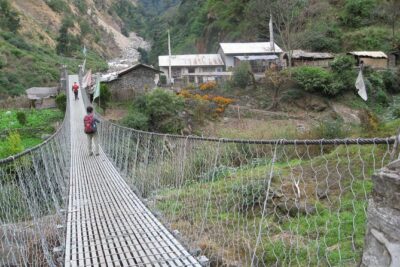
Browse the lists this tour appears in