
REVIEW · KATHMANDU
Kathmandu: 6 Days Langtang Valley Trek with Kyanjin Ri
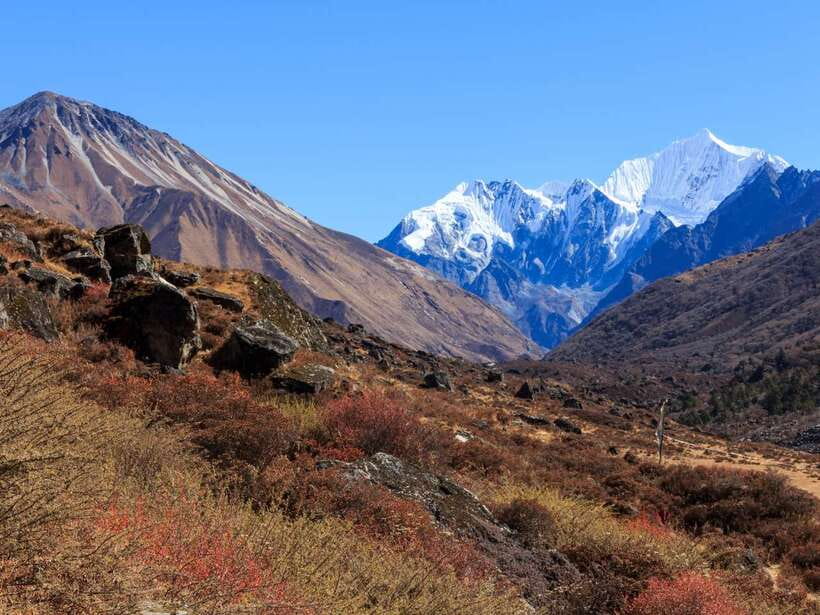
The best part of this trek is the finish: a pre-dawn climb to Kyanjin Ri at 4,770 meters, where the Langtang peaks and glacial valleys open around you. I like that the route mixes mountain scenery with Tamang villages, an old monastery, and a local cheese factory, rather than offering six days of walking with little cultural contact.
I also like the human scale of the trip. Guides such as Ghanshyam and Sudarshan are described as patient, flexible, and careful about pace, which matters on a first Himalayan trek. The main drawback is the brisk altitude gain: you reach Kyanjin Gompa at 3,870 meters on day three, so you need to take altitude symptoms seriously.
Key points to know before booking
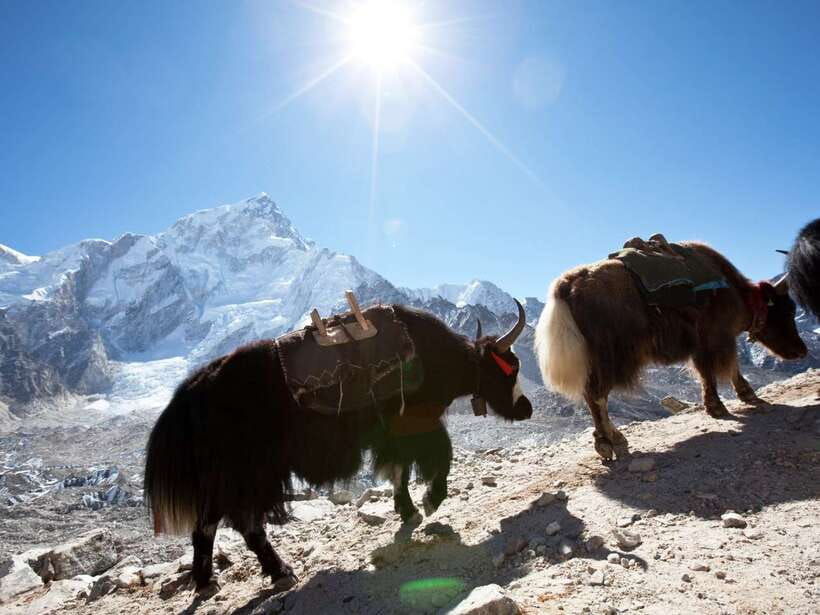
- Kyanjin Ri is the big prize: The optional summit reaches 4,770 meters and is best attempted early, when clear views are more likely.
- The route suits a short Nepal visit: Six days gives you a proper Himalayan trek without committing to a two-week expedition.
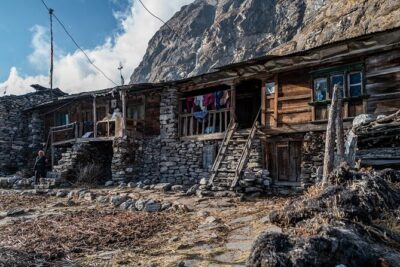
- Tamang culture is part of the walk: Villages, local hospitality, Kyanjin Gompa, and cheese tasting add substance to the scenery.
- Porter service costs extra: A guide is included, but you should arrange and budget for a porter if you do not want to carry your own pack.
- Altitude is the serious issue: The route rises from 1,550 meters to 3,870 meters in three walking days, with an optional climb above 4,700 meters.
- The price is low for a package: At $179 per person, permits, accommodation, meals on the full package, staff costs, and transport are included, but personal extras are not.
Why Langtang works so well in six days
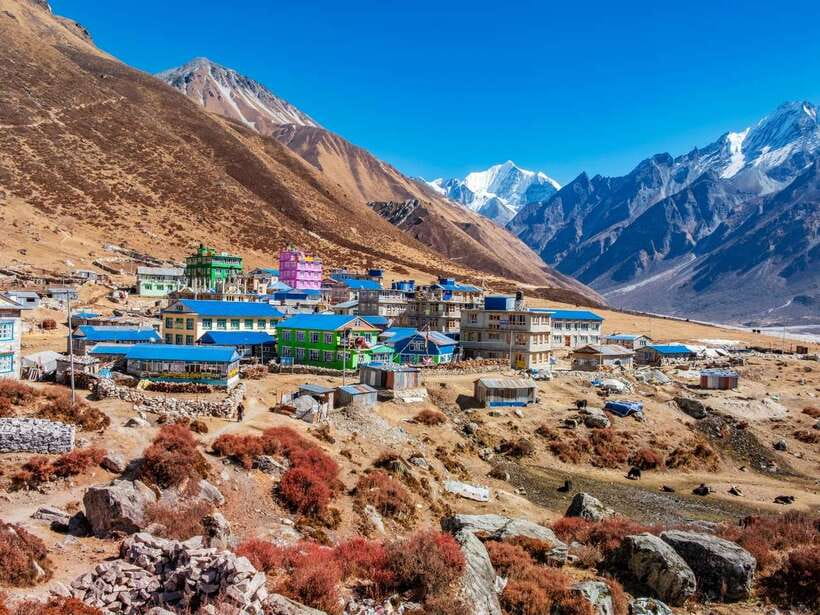
Langtang Valley gives you a useful middle ground in Nepal. You get real mountain walking, high villages, forests, monasteries, and Himalayan views, but the schedule is shorter than many classic Nepal treks.
The route begins with a drive from Kathmandu to Syabrubesi, then follows the valley toward Kyanjin Gompa. You return by the same general route, so this is not a circuit. That means some scenery repeats on the way back, but it also keeps the plan straightforward and limits the number of nights needed.
I would choose this trip if you want to see the high Himalayas but have only one week available. It also suits first-time trekkers who prefer a guide and a private group rather than joining a large walking party.
The word private needs a little care here. The trek itself is arranged for a private group, while transport is described as shared according to the number of people. Ask exactly how your vehicle will be handled before departure, especially if you value a private Kathmandu transfer.
More Langtang Treks in Kathmandu
- Langtang Valley Trek
★ 5.0 · 140 reviews - Langtang Valley Trek
★ 5.0 · 61 reviews - 8 Days Tour in Langtang Valley Trek
★ 5.0 · 45 reviews
Day 1: Kathmandu to Syabrubesi and Pahiro
Your first day starts with a road journey from Kathmandu to Syabrubesi. The drive passes villages, green hills, and winding mountain roads before reaching the trailhead area.
This is not simply a transfer you forget. The road gives you an early look at rural Nepal, though winding conditions can make the trip tiring. Once in Syabrubesi, you begin walking beside the Langtang River and continue through quiet forest paths toward Pahiro at 1,550 meters.
Pahiro is a gentle first night by Himalayan trekking standards. You are not pushed high on day one, which gives your body some time to adjust after the drive and before the steeper sections ahead.
The accommodation is described as private accommodation for five nights during the trek. Since comfort standards can vary in mountain villages, think of private room arrangements rather than a city hotel. Confirm whether your chosen package includes meals, as the details specify meals during the trek for the full package only.
Day 2: Forest trails, waterfalls, and Ghoda Tabela
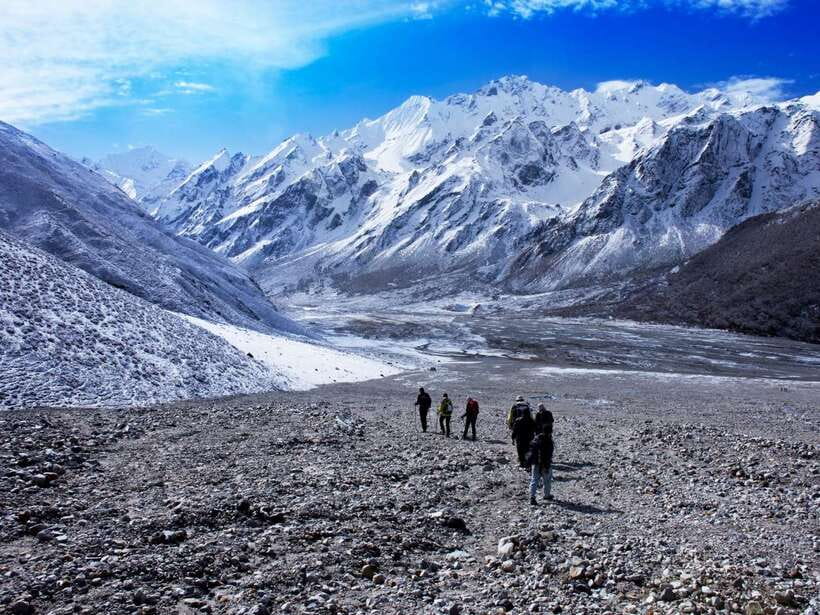
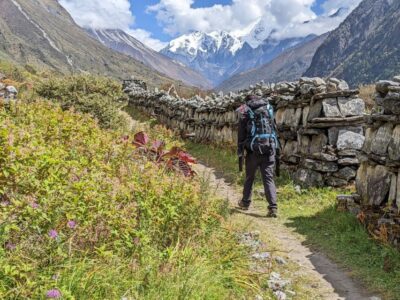
The second walking day takes you from Pahiro to Ghoda Tabela at about 2,900 meters. The path leads through forest, passes villages, and includes views of waterfalls and snow-covered peaks.
This is one of the more scenic sections because the valley begins to feel bigger and wilder as you gain height. Rhododendron forest is part of the route, and in late March and April the lower sections may have colorful blooms.
The distance and elevation gain make day two more demanding than day one. You should walk at a steady pace rather than treating the trek like a race. Guides on this route have been praised for adjusting breaks and walking speed, a practical advantage when the trail begins to climb.
Ghoda Tabela is also the point where altitude becomes a real concern. You may feel perfectly well on arrival, but a headache, nausea, unusual tiredness, or loss of appetite should not be brushed aside. Tell your guide early and allow the schedule to change if needed.
Day 3: Reaching Kyanjin Gompa at 3,870 meters
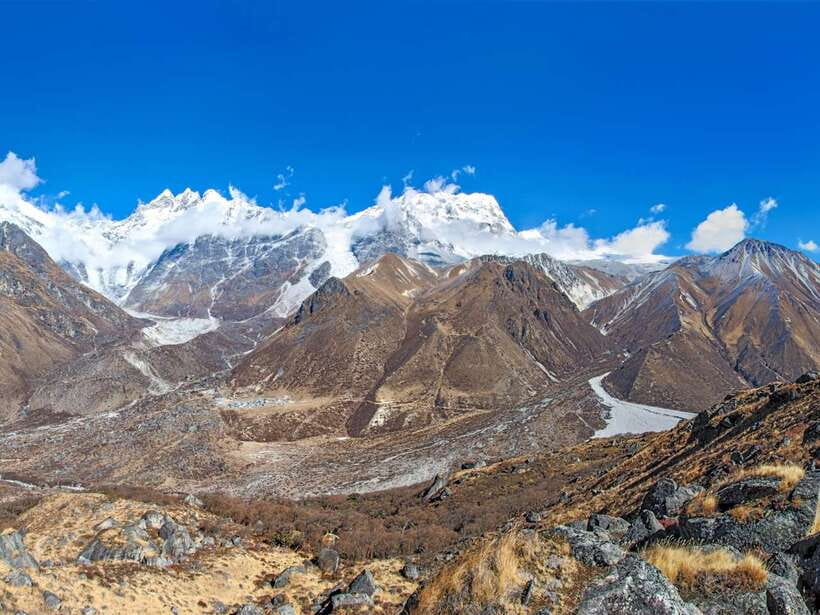
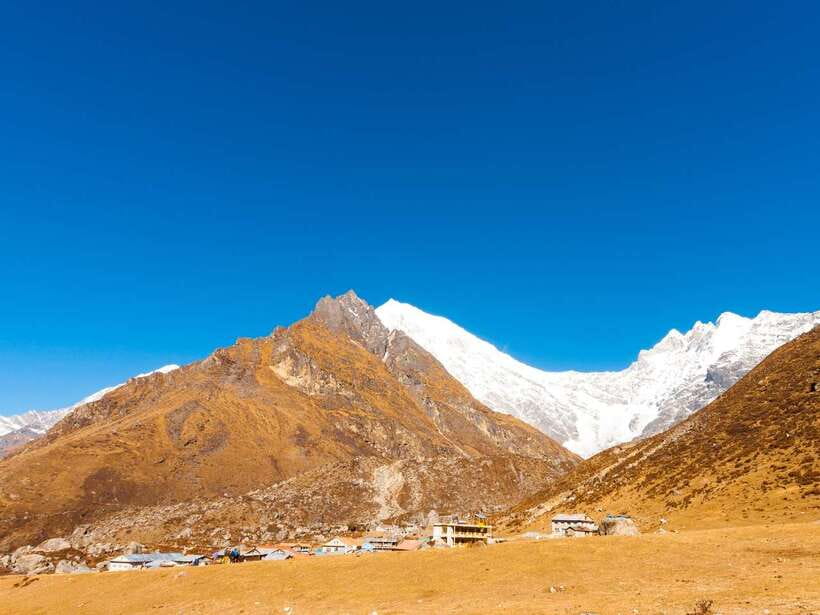
Day three brings the main destination, Kyanjin Gompa. The trail continues through Tamang settlements and open mountain scenery before reaching this high village at 3,870 meters.
Kyanjin Gompa is more than a place to sleep. You can visit the historic monastery, meet local residents, and see the small cheese factory. Cheese tasting adds a welcome local detail to the trek, particularly after two days of walking and simple lodge meals.
The arrival day also brings the biggest scheduled altitude jump. Going from Ghoda Tabela at about 2,900 meters to 3,870 meters is substantial, so do not plan your day around speed. Drink water, eat even if your appetite is low, and keep the afternoon easy.
You may feel tempted to race outside with a camera as soon as you arrive. I would first settle in, speak with your guide about the next morning, and watch for altitude symptoms. Kyanjin Gompa is the place to make a sensible decision about Kyanjin Ri.
More six-day treks in Kathmandu
- Kathmandu: 6-Day Limitless Langtang Trek
★ 5.0 · 21 reviews - 6 Days Poon Hill – Ghandruk Circuit Trek from Kathmandu
★ 5.0 · 10 reviews - Ghorepani Poonhill Trek (6 Days)
★ 5.0 · 6 reviews - Dive into Spirituality: 6 Days Trek to Gosaikunda Lake
★ 4.5 · 3 reviews
Day 4: Kyanjin Ri and the descent to Thangsyap
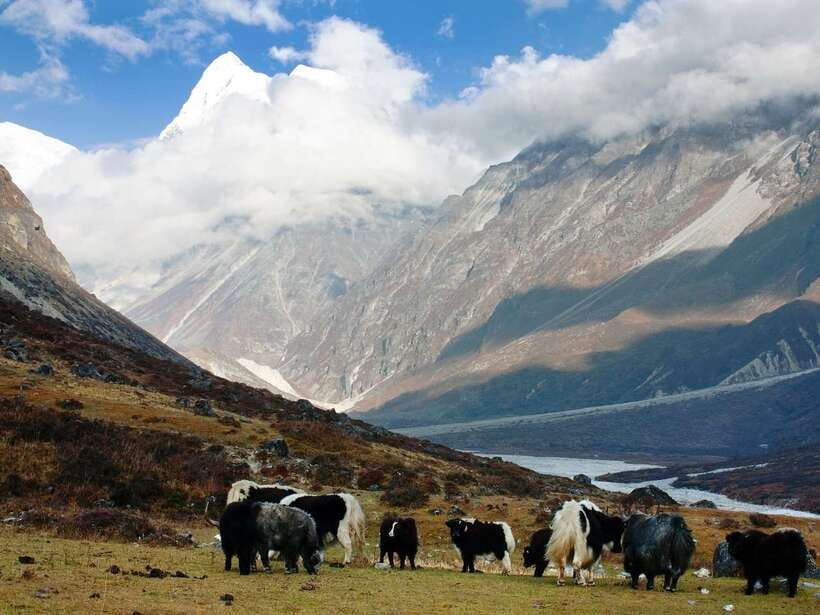
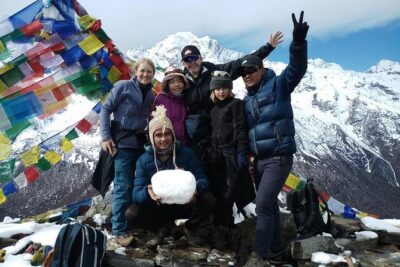
The optional Kyanjin Ri climb is the most demanding and rewarding part of the trip. The summit reaches 4,770 meters, and the route offers broad views of snowy peaks and glacial valleys.
An early start is sensible. Clear skies are more likely in the morning, and sunrise adds a special quality to the mountain views. The climb is challenging, so you should attempt it only if you feel well and your guide agrees that conditions are suitable.
The climb is optional, not a failure point. If you have a headache, nausea, or unusual fatigue at Kyanjin Gompa, staying lower is the right choice. The valley itself remains worthwhile, and no photograph is worth pushing through possible altitude sickness.
After Kyanjin Ri, you retrace your steps and descend to Thangsyap at about 3,200 meters. The lower sleeping altitude should feel easier for some people, though the day can still be tiring because it combines a summit attempt with a descent.
The Kyanjin Ri experience is also where a porter can make the biggest difference. Since porter service costs extra, decide in advance whether you want to carry your own bag. One person specifically found using a porter the right choice, and that is sensible if you want to save energy for the high point.
Day 5: Returning through Langtang Valley
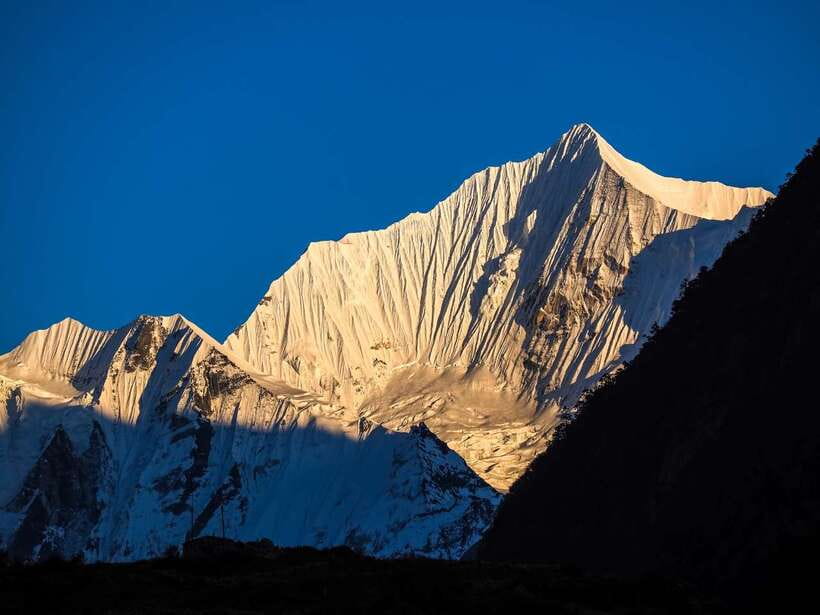
The walk from Thangsyap back to Syabrubesi follows the valley and forest trails toward lower ground. You pass familiar sections of the route, but the scenery can look different when viewed downhill.
This is a long return day for some walkers, especially after the Kyanjin Ri climb. Your knees may notice the descent more than your lungs notice the lower altitude. Good hiking shoes, trekking poles if you use them, and a measured pace will help.
The return also gives you time to appreciate the cultural side of the route. Tamang villages are not decorative stops placed for sightseeing. They are working communities, and walking through them with a local guide gives you a better chance to understand daily life in the valley.
You spend the fifth night in Syabrubesi. That makes the final day simpler, since you are not trying to combine a long trek with the road journey back to Kathmandu.
Day 6: The road back to Kathmandu
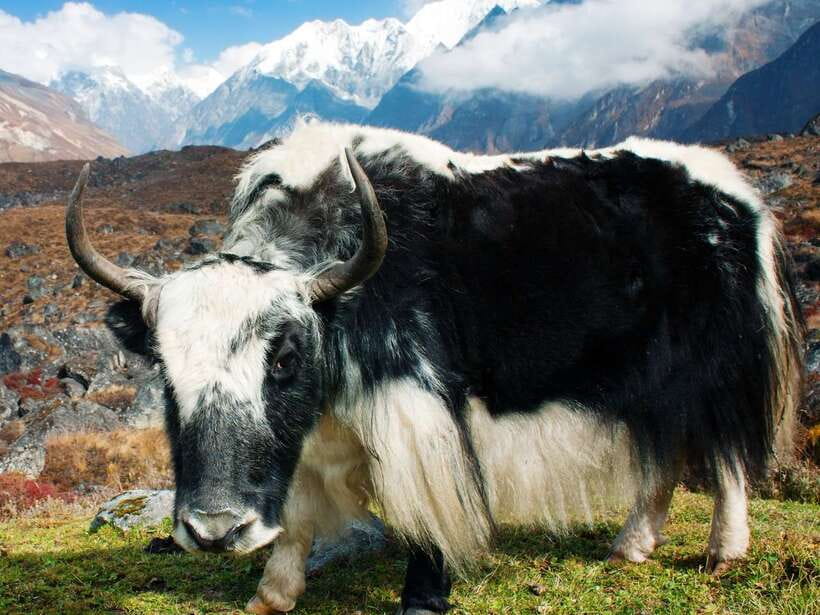
The final morning is reserved for the drive from Syabrubesi to Kathmandu. After several days on foot, the road may feel slow, but it gives you time to look back on the route and the high valley.
Do not assume the return drive will feel effortless. Mountain roads take time, and weather or road conditions can affect the schedule. The operator notes that the itinerary may change because of seasonal factors and weather, so leave flexibility around onward travel if possible.
The trip ends in Kathmandu with hotel drop-off included. If you have an international flight soon after, avoid creating a tight connection. The experience includes scheduled transport, not a guarantee against delays on mountain roads.
Guides, pace, and the human side of the trek
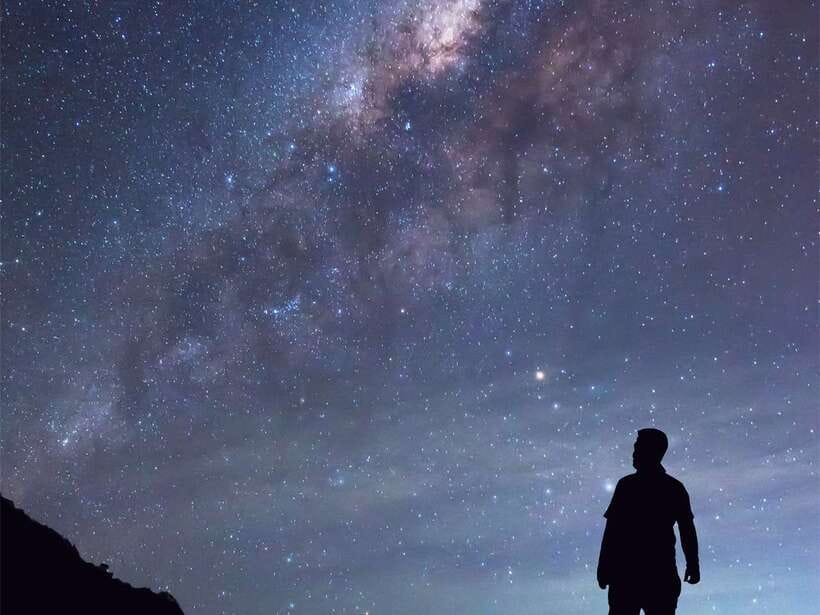
The guide can make or break a short trek, and this operation has several named guides associated with strong service. Ghanshyam is described as friendly, attentive, funny, and careful about health and pace. Sudarshan is also associated with flexible breaks and close attention to how a walker is feeling.
That kind of care is especially useful for first-time trekkers. A guide who speaks more slowly, repeats instructions, and checks your condition can make the difference between an enjoyable climb and a stressful one. English and Hindi guiding are available.
The porter is a separate cost. If you are used to carrying a daypack only, remember that a full trekking load feels different at nearly 4,000 meters. Ask about porter rates, luggage limits, and what you need to carry yourself before the trek begins.
The group format is private, which can make breaks and pacing easier to manage. At the same time, the transport description allows for shared vehicles or buses depending on group size. Clarify this detail if transport privacy matters to you.
What the $179 price really covers
At $179 per person, this is an unusually inexpensive way to arrange a six-day Himalayan trek. The value comes from the number of basics bundled into the price: hotel pickup and drop-off, a guide, trekking permits, required paperwork, the Trekkers Information Management System fee, five nights of accommodation, staff costs, and scheduled transport.
Meals are included for the full-package option, with breakfast, lunch, and dinner during the trek. This is important because food costs add up in remote mountain villages. Check that you are booking the full package if you expect meals to be part of the quoted price.
The price does not cover drinks, bottled or boiled water, showers, battery charging, laundry, phone calls, bar bills, extra porters, insurance, international flights, or the Nepalese visa. You also need to pay for personal gear such as a sleeping bag unless that is arranged separately.
Travel and rescue insurance is not included, and this is not an area to cut corners. The route reaches nearly 4,800 meters with the Kyanjin Ri option, so insurance that covers trekking and emergency rescue is a sensible part of the total budget.
The low price is good value if you already have suitable equipment and choose the included meal plan. It is less of a bargain if you add a porter, extra drinks, gear rental, private transport, and insurance without budgeting for them.
Best months, weather, and what to pack
The strongest seasons are mid-March through April and October through mid-November. Autumn usually brings less wind and warmer conditions, while spring can add rhododendron blooms at lower elevations.
Mountain weather can change quickly in any season. The stated itinerary may shift because of weather or seasonal conditions, so bring patience as well as equipment.
Your basic packing list should include:
- Passport or identification
- Hiking shoes
- Jacket and gloves
- Sunscreen and sunglasses
- Water bottle or water supply
- Flashlight
- Sleeping bag
- Trekking clothing and other personal gear
A sleeping bag is worth taking seriously because temperatures at higher villages can be cold, even when Kathmandu feels warm. Layers work better than one bulky item, since walking uphill can make you hot while rest stops quickly feel chilly.
Strong footwear matters more than stylish clothing. The route includes forest trails, village paths, climbs, and descents, so worn-in hiking shoes are a better choice than new boots taken straight from a shop.
Alcohol and drugs are not allowed. That rule is straightforward, but alcohol is also a poor match for altitude and early starts.
Who should book this Langtang trek?
I would recommend this trek to you if you want Himalayan scenery, cultural contact, and a clear six-day structure. It suits people who are reasonably active, open to basic mountain accommodation, and willing to walk uphill for several hours at a time.
It is also a good introduction to Nepal for someone who wants a guided experience without joining a large group. The route has enough variety to keep it interesting: river paths, forests, Tamang villages, a monastery, cheese tasting, and a high viewpoint.
I would be more cautious if you have no hiking experience, dislike early starts, or need guaranteed comfort and fixed timing. The altitude gain is not trivial, and the road to Syabrubesi can be tiring before the walking even begins.
If you are unsure about Kyanjin Ri, book the trek for the valley rather than treating the summit as compulsory. The viewpoint is a major bonus, but the best decision may be to skip it if your body is not responding well.
Should you book it?
Book this trek if you want a short, affordable route into the Himalayas and you value a guide who can adjust the pace to your needs. The strongest reasons are the Kyanjin Gompa stop, the optional 4,770-meter viewpoint, Tamang village life, and the practical support built into the package.
Before paying, confirm three details: that you are selecting the full package if you want meals, what porter service will cost, and how shared transport will work for your group. Then buy suitable insurance, bring a sleeping bag, and leave room in your schedule for mountain weather.
For a first Nepal trek, this offers a lot in six days. It asks you to accept basic accommodation, a demanding altitude profile, and some road travel, but the reward is a direct route to one of Nepal’s most memorable mountain valleys.
FAQ
How long is the Langtang Valley trek?
The experience lasts six days, including transport from Kathmandu to Syabrubesi, the trek through Langtang Valley, the return to Syabrubesi, and the drive back to Kathmandu.
What is the highest point on the itinerary?
The optional Kyanjin Ri hike reaches 4,770 meters. Kyanjin Gompa, where you spend a night, is at about 3,870 meters.
Is a guide included?
Yes. An authorized English-speaking guide is included, and guiding is also available in Hindi. Porter service costs extra.
Are meals included?
Breakfast, lunch, and dinner during the trek are included with the full-package option. Drinks, bottled or boiled water, and personal refreshments are not included.
What should I bring?
Bring your passport or identification, sleeping bag, flashlight, sunscreen, hiking shoes, gloves, water, jacket, trekking gear, and sunglasses.
When is the best time to go?
The main trekking seasons are mid-March through April and October through mid-November. Weather can still change, and the itinerary may be adjusted because of seasonal or weather conditions.
Latest treks added in Kathmandu
- Private Manaslu Circuit Trek at Himalayas★ 5.0 · 3 reviews
- Ghorepani Poonhill Trek★ 5.0 · 5 reviews
- Ghorepani Poon Hill Trek★ 5.0 · 16 reviews
- Upper Mustang Trekking★ 3.0 · 2 reviews
- Amazing 1 Day Trekking Experience in Kathmandu Nepal★ 5.0 · 24 reviews
- Upper Mustang Trekking★ 5.0 · 2 reviews
- Upper Mustang Trek★ 5.0 · 5 reviews
- Upper Mustang Trekking★ 5.0 · 4 reviews
Langtang Valley Treks, compared.
Trekking in Annapurna/Langtang/Everest/Upper Mustang regions
Read our review →
Browse the lists this tour appears in