
REVIEW · HANOI
Hanoi- SaPa: 3-Day Homestay Trek to Explore Ethnic cultures
From a night bus into the mountains to two nights sleeping in village homes, this three-day Sa Pa trek gives you far more than a quick viewpoint stop. You walk through Hmong, Giay, and Red Dzao communities, follow rice terraces and bamboo trails, and share meals with families in Ta Van and Ban Ho.
I like the chance to meet local people in their own villages, and I like that the small group is limited to 14 people. Guides such as Su and Sang have been praised for their kindness and ability to adjust the pace. The main drawback is the transport: the overnight bus can be dirty and uncomfortable, and the first day may be cold, wet, and physically demanding.
Key points at a glance
- Two village homestays: Spend nights in Ta Van and Ban Ho rather than returning to a town hotel each evening.
- Three ethnic communities: Learn about Hmong, Giay, and Red Dzao customs in the villages where these groups live.
- A real mountain trek: Walk from Lao Cai through Y Linh Ho, Lao Chai, Ta Van, Giang Ta Chai, and Ban Ho.
- Helpful local guides: Guides including Su and Sang have been praised for personal attention, cultural explanations, and flexible pacing.
- Overnight Hanoi transport: The tour leaves Hanoi around 8:45 PM and reaches Sa Pa around 4:00 AM, so you save a separate hotel night but lose some sleep.
- Good value at $139: The price includes round-trip bus travel, two nights of homestay lodging, meals, guiding, and mineral water.
What this Sa Pa trek is really like
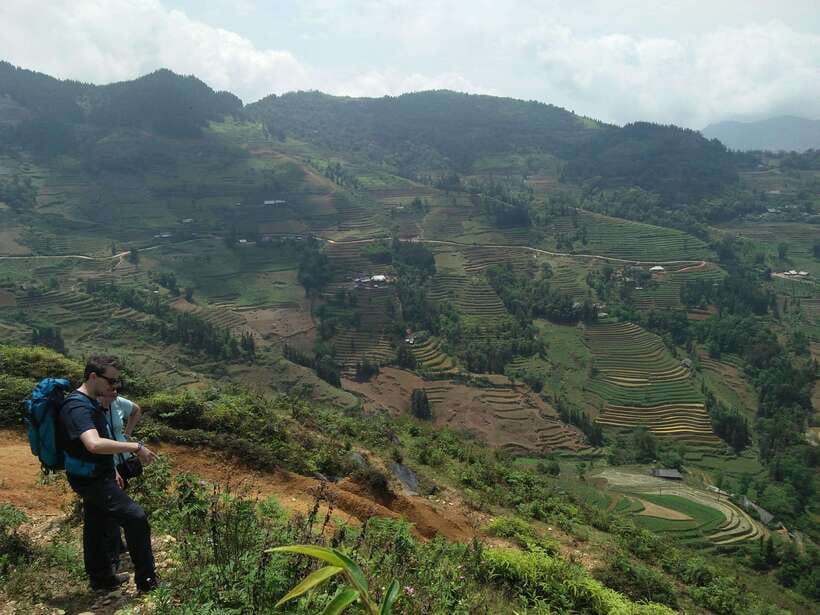
This is an active cultural trip, not a relaxed countryside outing. You spend the first night on a bus, walk for much of the next two days, and sleep in simple homestays. In return, you reach villages and trails that give the trip a stronger local focus than a short Sa Pa sightseeing tour.
The group size matters. With no more than 14 people, your guide can keep an eye on the group and answer questions without turning every stop into a large crowd. The best guides also help bridge the language gap. Su, in particular, has been praised for explaining local customs, telling stories, and changing plans when someone was tired or unwell.
You should also arrive with realistic expectations. The homestays are comfortable enough for a cultural stay, but they are not presented as private boutique accommodation. The bus ride is the weakest part of the trip, especially if you sleep poorly or arrive during cold weather.
More Homestay Treks in Hanoi
- Hanoi – Sapa 2 Days 1 Night Overnight At Homestay
★ 5.0 · 899 reviews - From Hanoi: 2-Day Sapa Trekking Trip with Homestay & Meals
★ 4.8 · 704 reviews - 2-Day Sa Pa Ethnic Homestay Tour & Trek with Limousine Bus
★ 4.8 · 440 reviews
Leaving Hanoi at 8:45 PM
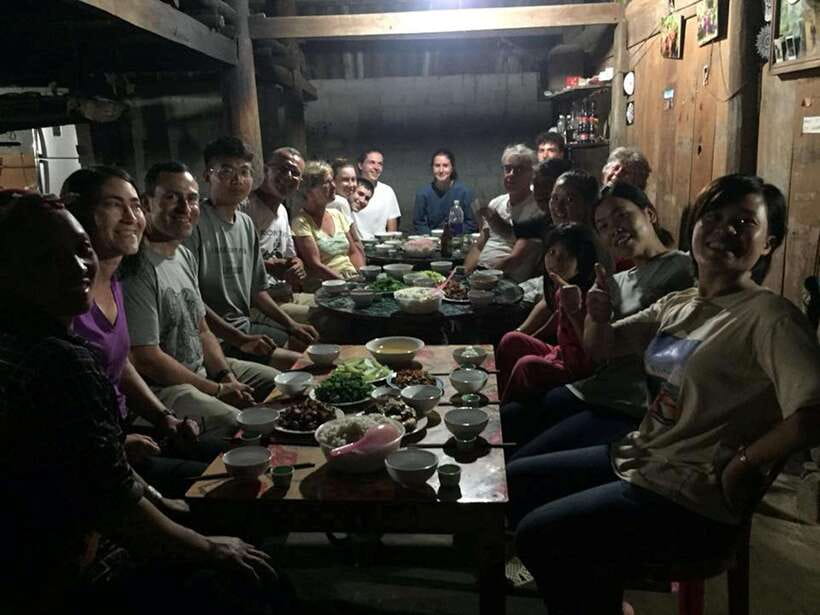
Your evening begins at 30 Hang Muoi Street in Hanoi’s Old Quarter. Pickup is available only from the Old Quarter, so if you are staying elsewhere, you must make your own way to the bus station.
The bus leaves around 8:45 PM and reaches Sa Pa at about 4:00 AM. You can continue sleeping on the bus until roughly 6:00 AM, when you are taken to a boutique hotel for breakfast and a chance to freshen up before the trek.
This schedule is practical but not gentle. You do not need to pay for a separate hotel in Sa Pa, and you arrive ready to start the program on the same morning. Still, the overnight bus is long, and comfort can vary. One useful tip is to carry a warm layer, water, earplugs, and a small bag with toiletries rather than placing everything in your main luggage.
There has been some confusion with transfers during holiday periods, especially Tet. Keep your phone available for messages from the local operator, and confirm the pickup details before departure. The advertised tour date refers to the night you leave Hanoi, not the morning you begin walking in Sa Pa.
Day 1: Lao Cai, Y Linh Ho, and Lao Chai
After breakfast and time to meet your guide and group, pickup from the hotel is planned for 9:00 AM. The trek heads toward Y Linh Ho and Lao Chai, areas associated with the Black Hmong community.
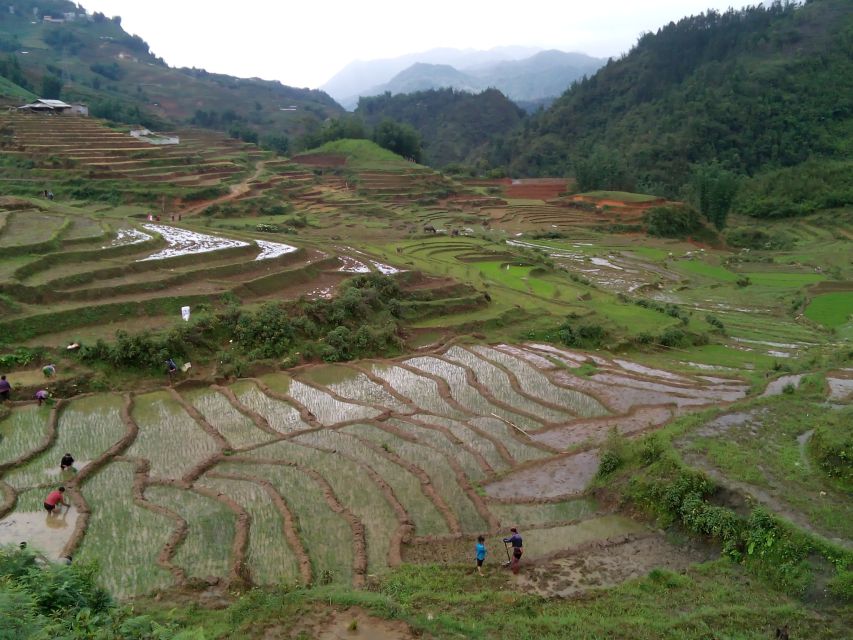
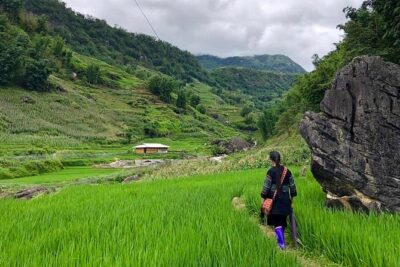
This is where the trip begins to feel distinct from a standard mountain excursion. You are not simply looking at rice terraces from a roadside platform. You walk through the countryside and enter villages where farming, family life, clothing, and craft traditions are part of the setting around you.
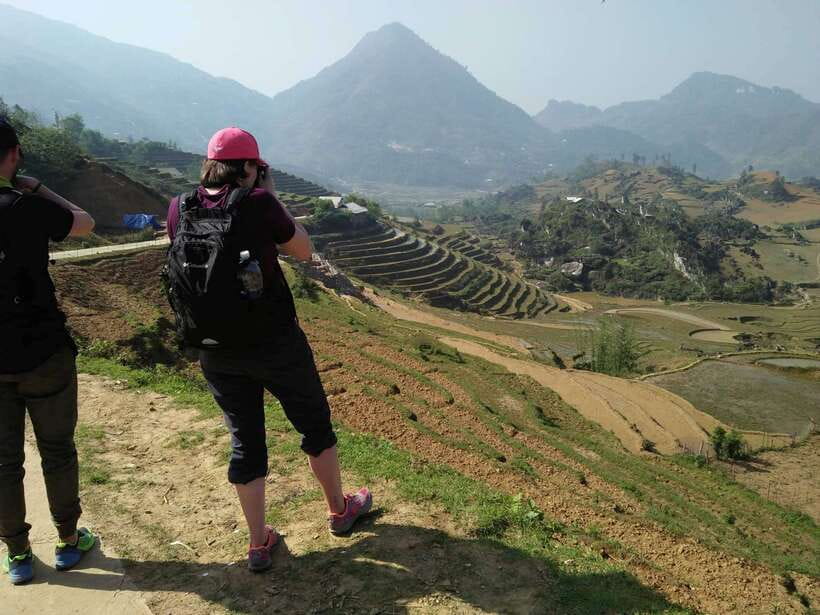
The exact views depend heavily on the weather. On a clear day, the terraces and valleys can be striking. On a wet or misty morning, visibility may shrink to a hundred meters or less. That can hide the famous views, but it also makes the walking more demanding, with muddy paths and cooler conditions.
Lunch is served at a local family’s home in Lao Chai. This is an important part of the day because the meal gives you time to sit down, rest, and ask questions rather than passing through the village with a camera. Food is included, and portions have generally been described as generous. Drinks beyond the included mineral water cost extra.
After lunch, you continue to Ta Van, home to the Giay people. The walk ends with your first homestay. You have dinner with the local hosts, then spend the night in the village while your guide explains aspects of Giay traditions and daily life.
Pack for the first day as if conditions may be poor. Comfortable trekking shoes are essential, and sunscreen, insect repellent, sunglasses, and a sun hat are all listed as useful items. From October through March, bring warm clothing. Wet weather and mountain temperatures can make a simple walk feel much harder.
Night one in Ta Van
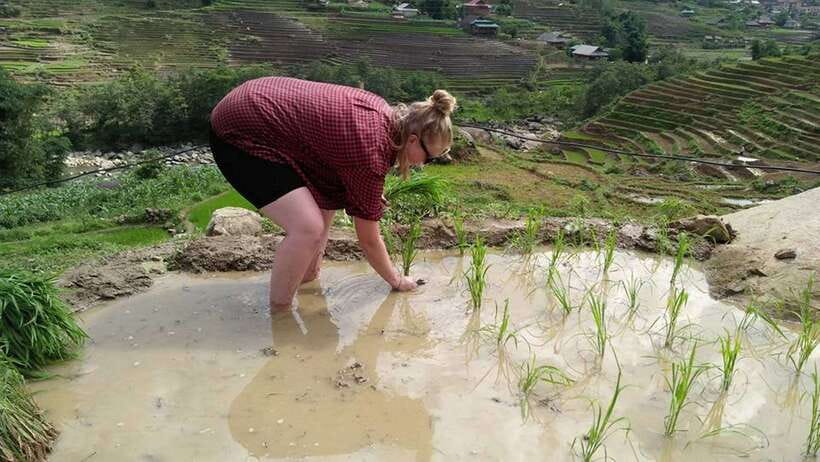
The Ta Van homestay is the first real test of how you feel about simple accommodation. You stay with local people rather than returning to a standard Sa Pa hotel, and the evening centers on food, conversation, and village life.
English ability varies among host families, so your guide becomes important. A good guide can explain customs, translate questions, and help you understand what you are seeing without turning the evening into a formal lecture.
The homestays have been described as clean and suitable, though one person compared them more to a simple home-style hotel than a completely rustic stay. That is a fair way to picture them. You should expect basic comfort, shared spaces, and a social atmosphere rather than hotel-style privacy.
More Homestay Treks in Vietnam
- Hanoi – Sapa 3 Day 2 Night Trekking With Hotel & Homestay
★ 5.0 · 389 reviews - Hanoi – Sapa 2 Days 1 Night Overnight At Local Homestay
★ 5.0 · 233 reviews - From Hanoi: 2-Day Luxury Sapa Trekking Tour with Homestay
★ 4.4 · 49 reviews - 3-Night Sapa Trek and Homestay with Round Trip Transfer from Hanoi
★ 4.5 · 37 reviews
Day 2: Bamboo forest, Giang Ta Chai, and Ban Ho
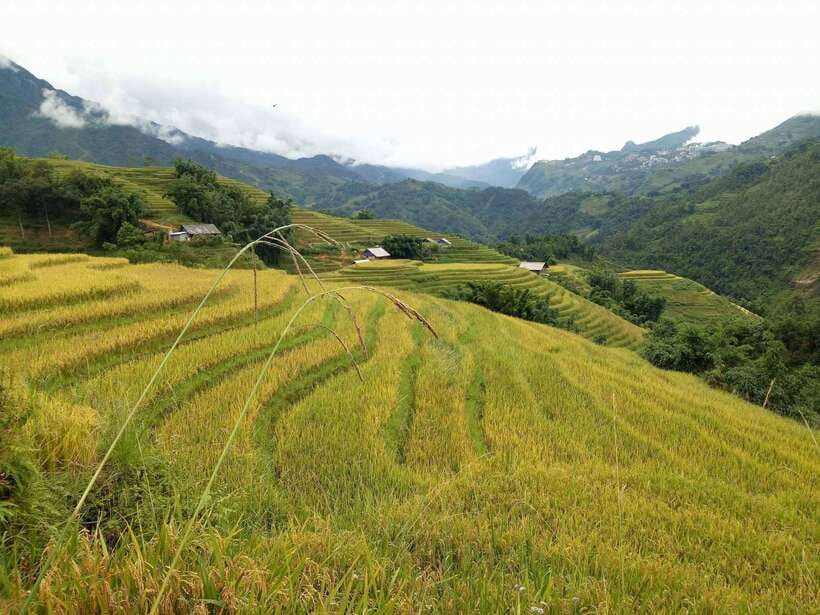
After breakfast, you leave Ta Van and walk through bamboo forest toward Giang Ta Chai. This section changes the feel of the trek. Instead of open terraces alone, you move through greener, more enclosed countryside and continue toward the Red Dzao community.
The route includes a visit to Rattan Bridge and a Red Dzao family home. These stops add cultural context to the walking. You can ask about local customs and see how villages are connected by paths, bridges, and family networks.
Lunch is taken along the trail. This keeps the day moving, but it also means you should not expect a long restaurant break. Take the opportunity to refill your water and adjust your shoes before continuing.
The trek then carries on to Ban Ho. Once you arrive, you have free time to rest or stroll around the village before dinner. This pause is welcome because the middle day can feel like the hardest one, especially if the paths are wet or you are not used to several hours of mountain walking.
Ban Ho provides a different setting from Ta Van and gives you another chance to see village life without rushing from one attraction to the next. In the evening, you eat dinner and spend a second night in a local homestay.
Night two and the best cultural moments
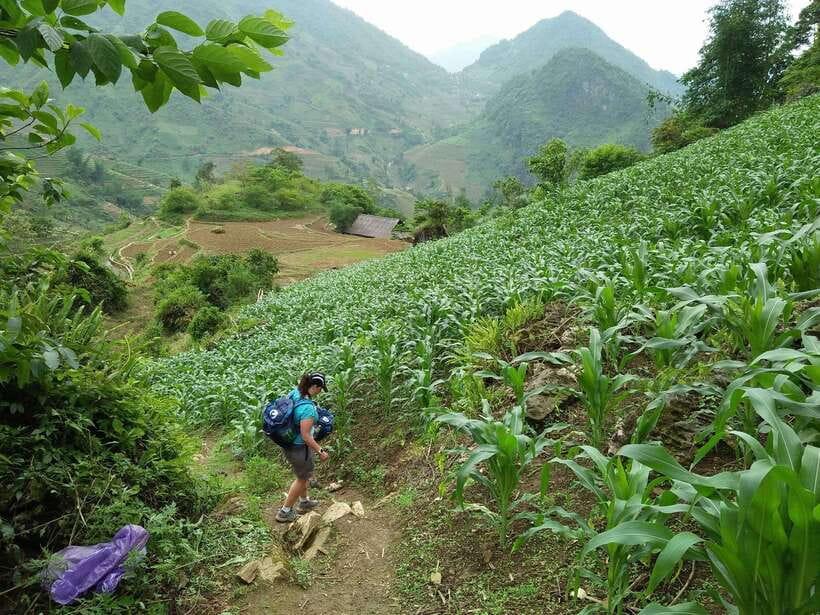
The second homestay may be the most memorable part of the trip because you have more time to settle in. One family invited visitors into the kitchen to help prepare the meal. That kind of shared activity is not guaranteed, but it shows the sort of contact that can happen when you stay in a family home rather than a regular hotel.
Hosts may offer rice wine, and additional drinks are available for purchase. You do not need to accept every offer, but showing respect for local customs matters. Follow your guide’s lead, ask before taking photographs, and avoid treating homes or people as scenery.
This is also a good evening to ask about the differences between the Hmong, Giay, and Red Dzao communities. The tour moves through all three cultural areas, but the value comes from listening carefully rather than trying to collect quick facts at each stop.
Day 3: Sunrise in Ban Ho and Nam Tong
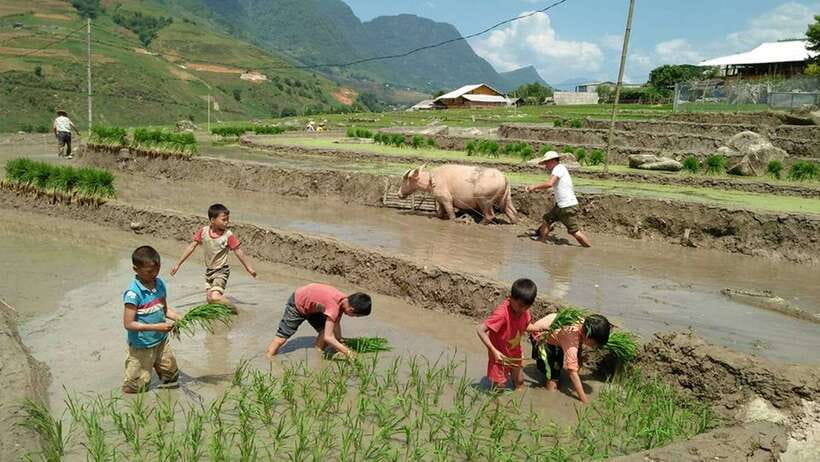
The final morning begins with breakfast and time to see the Ban Ho valley in the early light. If the weather is clear, this may be one of the most rewarding viewpoints of the trip. If clouds settle in, the valley will look more subdued, but the morning still offers a quiet close to the village stay.
You then make a short trek to Nam Tong, where Red Dzao people live. The guide explains local culture and traditions before you return to Ban Ho.
A van collects you in Ban Ho and takes you back to Sa Pa. This transfer is useful after two days of walking and means you do not have to retrace the full route on foot. You have time to relax at the hotel before boarding the bus back to Hanoi at about 4:00 PM.
The return journey reaches Hanoi around 10:00 PM, ending at the original meeting point. In practice, this is a full final day. If you have an early flight or train the next morning, leave enough margin for a late arrival.
What the $139 price includes
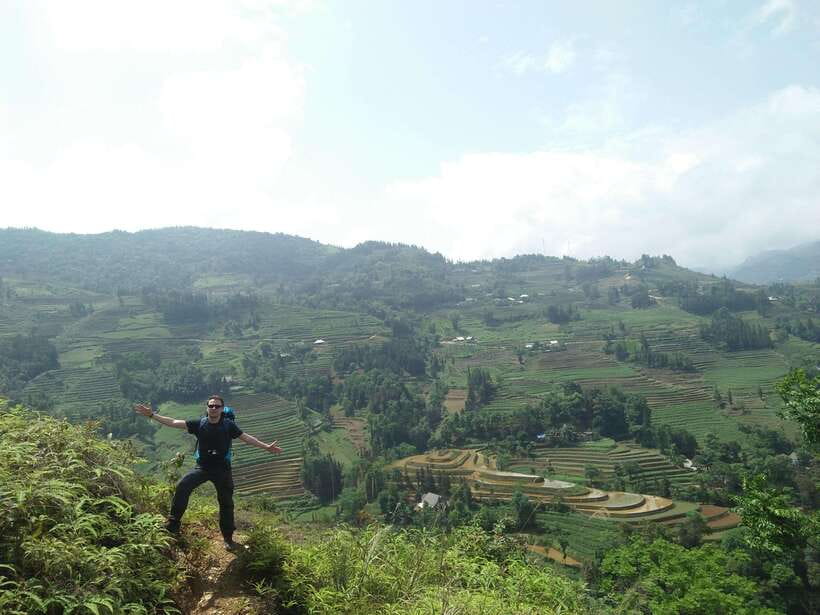
At $139 per person, the package offers solid value if you plan to make full use of the included services. The cost covers:
- Round-trip bus travel between Hanoi and Sa Pa
- An English-speaking guide
- Two nights in homestays
- Three breakfasts, three lunches, and two dinners
- Mineral water
You would pay separately for beverages, travel insurance, VAT, and personal expenses. There is also a $75 per-person Lunar New Year surcharge for departures from January 26 through February 2, 2025, payable at the meeting point.
The biggest value is the combination of transport and accommodation. Buying the bus tickets, arranging two village stays, finding a guide, and organizing food independently could take more time and may not cost much less. The included meals also make budgeting easier, though you should bring extra cash for drinks.
Mineral water is included, but do not assume the supply will last for the whole trek. One practical complaint was that the free water ran out during the first day. Carry a refillable bottle and ask your guide where you can buy more.
The bus, the guide, and the group size
The bus is the part I would approach with the least enthusiasm. It gets you from Hanoi to Sa Pa and back at a useful price, but comfort and cleanliness may not match what you expect from a hotel transfer. The overnight timing also means that your first trekking morning follows a broken night.
The guides are a much stronger part of the arrangement. Su and Sang are two names associated with especially attentive departures. The best qualities to look for are a guide who watches your footing, explains village customs clearly, and adjusts the pace when needed.
Language can occasionally limit detailed conversations. Some host families speak little English, and even guide discussions may require phone translation for complex questions. That is normal for a rural cultural trip, but you should be patient and use simple questions.
A maximum of 14 people keeps the trek manageable. It is still a group tour, not a private walk, so the pace must suit several people. If you need a completely tailored route, ask about private options before booking.
Who should book this experience
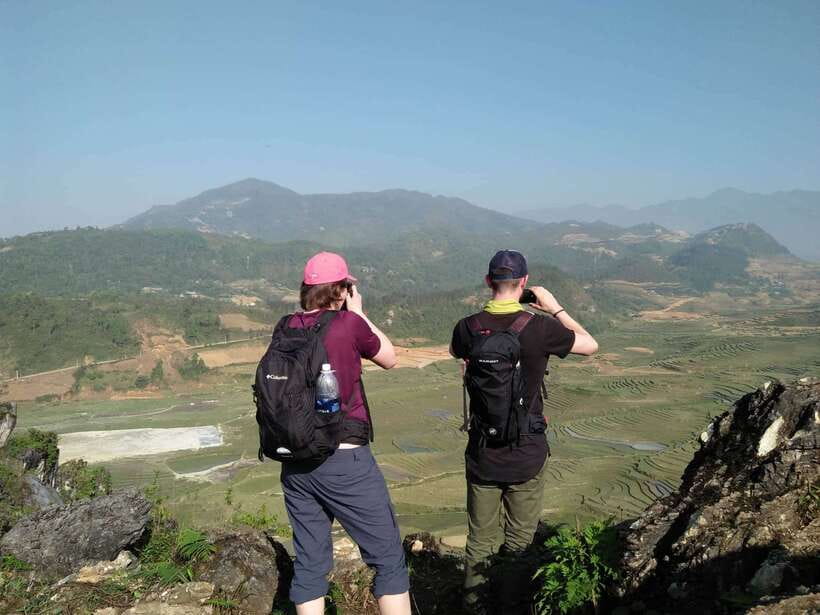
You should consider this trip if you want:
- A physical walk through rural northern Vietnam
- Time with local families instead of two nights in a Sa Pa hotel
- Cultural explanations from an English-speaking guide
- A small group with organized transport and meals
- A trip that includes several ethnic communities rather than one village visit
This is not a good choice if you have limited mobility, use a wheelchair, are pregnant, or are bringing a child under six. The route includes extended walking, uneven paths, bamboo forest, and possible mud. You also need enough stamina for the first two trekking days.
The tour suits people who can accept some uncertainty. Weather may hide the views. Host families may communicate through the guide. The bus may be uncomfortable. In exchange, you get a closer look at rural life and a better chance of meaningful contact than on a short day trip.
Practical advice before you go
Wear proper trekking shoes with good grip. Sandals and smooth-soled trainers are poor choices for wet village paths.
Bring only what you need for three days. A small daypack is easier to manage than a large suitcase, especially when moving between the bus, hotel, trail, and homestays.
Pack layers. Sa Pa can be cold from October to March, and wet weather can make the temperature feel lower. A light rain layer is sensible, even though the listed essentials focus on sun protection and insect repellent.
Respect local culture. Ask before photographing people, homes, kitchens, or religious items. Dress sensibly, listen to your guide, and remember that a homestay is someone’s home, not a staged attraction.
The tour offers free cancellation up to 24 hours before departure and allows you to reserve now and pay later. That helps if your Hanoi plans are still changing, but you should still confirm the bus departure date carefully.
Should you book the Hanoi to Sa Pa homestay trek?
Book it if you want an active, organized introduction to Sa Pa’s ethnic communities and can handle a rough overnight bus plus two demanding walking days. The strongest parts are the small group, local guides, generous meals, and time spent in Ta Van and Ban Ho homestays.
Skip it if comfort, privacy, or guaranteed clear views matter most. The transport is basic, weather can disrupt the scenery, and the route is not suitable for anyone with mobility limits.
For $139, this is a fair package for a cultural trek with transport included. Bring warm layers, sturdy shoes, extra water money, and patience, then you will be better prepared for the parts that are less polished and more likely to feel genuinely local.
FAQ
Where does the tour start?
The tour starts at 30 Hang Muoi, Ly Thai To, Hoan Kiem, Hanoi. Pickup is available only from Hanoi’s Old Quarter. If you stay elsewhere, you must go to the bus station.
What time does the bus leave Hanoi?
Pickup is around 8:45 PM. The bus arrives in Sa Pa at about 4:00 AM, and you can sleep on the bus until approximately 6:00 AM.
How many nights are spent in homestays?
You spend two nights in homestays, one in Ta Van village and one in Ban Ho village.
Which communities do you visit?
The route includes areas associated with the Hmong people around Y Linh Ho and Lao Chai, the Giay people in Ta Van, and the Red Dzao people in Giang Ta Chai and Nam Tong.
Are meals included?
Yes. The price includes three breakfasts, three lunches, and two dinners. Beverages other than the included mineral water are not included.
Is the trek suitable for children or people with limited mobility?
The tour is not suitable for children under six, pregnant women, wheelchair users, people with mobility impairments, or anyone with limited mobility.
What should I bring?
Bring comfortable trekking shoes, sunglasses, a sun hat, sunscreen, insect repellent, and warm clothes from October through March. A refillable water bottle and a small daypack are also practical choices.
More three-day treks in Hanoi
- Sapa 3 Days 2 Nights Trekking Tour (1 Night In Ta Van Village, 1 Night In Hotel)
★ 5.0 · 699 reviews - 3-Day Trekking Adventure of Sapa from Hanoi – Stay Ta Van Village
★ 5.0 · 611 reviews - From Hanoi: Trek and Stay: 3-Day Sapa Highlands Adventure
★ 4.6 · 152 reviews - Sapa 3 Days 2 Nights Trekking Tour From Hanoi (2 Nights in Hotel)
★ 5.0 · 112 reviews
Latest treks added in Hanoi
- From Hanoi : Sapa Moutain Trek – Halong bay Heritage★ 4.5 · 25 reviews
- Trekking In Ha Giang 5 Days★ 5.0 · 4 reviews
- Trekking around Ha Giang 5 days 4 nights★ 3.0 · 2 reviews
- 8-Days Hanoi, Sapa Trekking And Halong Bay Cruise★ 5.0 · 8 reviews
- 2-Day Trekking in Sa Pa from Ha Noi by sleeping bus★ 5.0 · 4 reviews
- Hanoi: 3D2N Mu Cang Chai Visit All Attractions, Trek, Ethnic Life★ 5.0 · 3 reviews
- Mai Chau – Pu Luong trekking 3 days 2 nights★ 4.5 · 7 reviews
- Sapa trekking 2days by bus from Hanoi ( over night in homestay)★ 5.0 · 21 reviews
Homestay & Village Treks, compared.
Number one top rated ethical cultural trekking and homestay by ETHOS
Read our review →
2-Day Sa Pa Ethnic Homestay Tour & Trek with Limousine Bus
Read our review →
Sapa 3 Day 2 Night Trekking With Hotel & Homestay
Read our review →
Sapa 2 Days 1 Night Overnight At Local Homestay
Read our review →
2-Day Trekking Trip with Ethnic Minority Homestay
Read our review →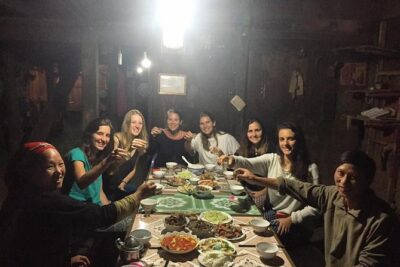
2-Day Trek & Heartwarming Homestay with an Ethnic Family
Read our review →Browse the lists this tour appears in