
REVIEW · SAPA
From Sapa: Terrace Fields and Local Villages Trek with Lunch
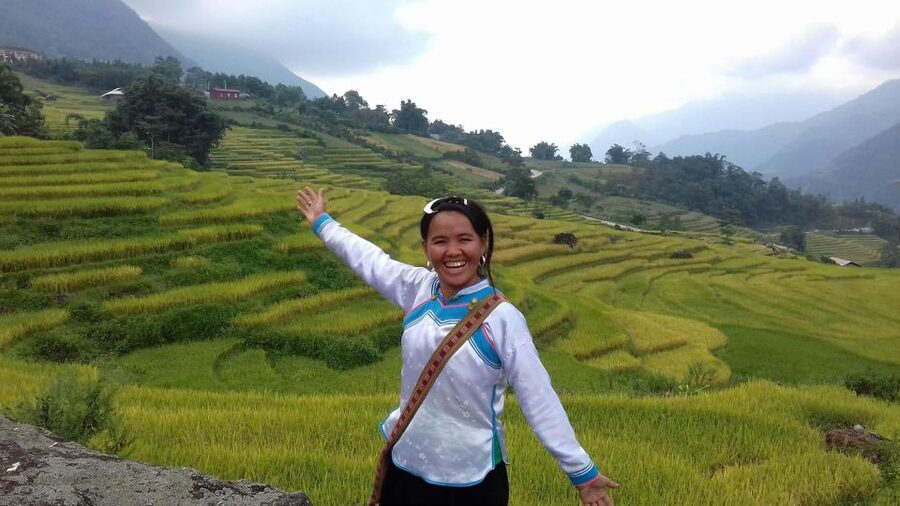
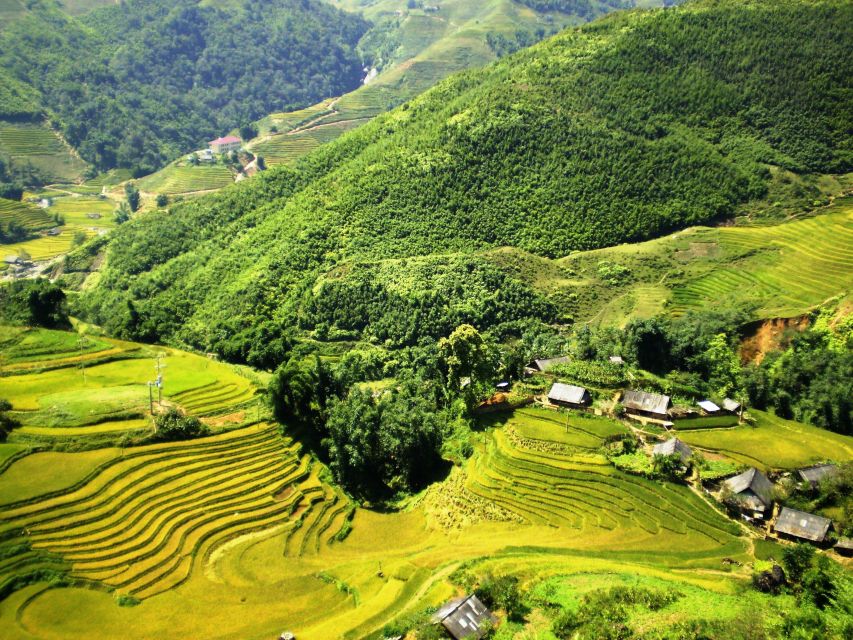
Sapa’s best views begin where the town ends. This seven-hour trek leads you past rice, corn, and potato terraces to Lai Chai village, with a local ethnic guide explaining daily life along the way. The route also includes a waterfall stop and lunch at a local restaurant.
I like the small-village focus and the fact that you walk from your hotel rather than being rushed into a vehicle. I also like the $22 price, which covers the guide, lunch, village fees, and the shuttle back. The main catch is the footing: fog and rain can turn terrace paths into slick mud, so this is not a stroll in city shoes.
Key points at a glance
- A walk that starts in Sapa town: Your guide collects you from your hotel lobby between 8:00 and 8:45 a.m., then walks with you through town before reaching the fields.
- Local guidance from an ethnic minority resident: You learn about customs, habits, and village life from someone with a direct connection to the area.
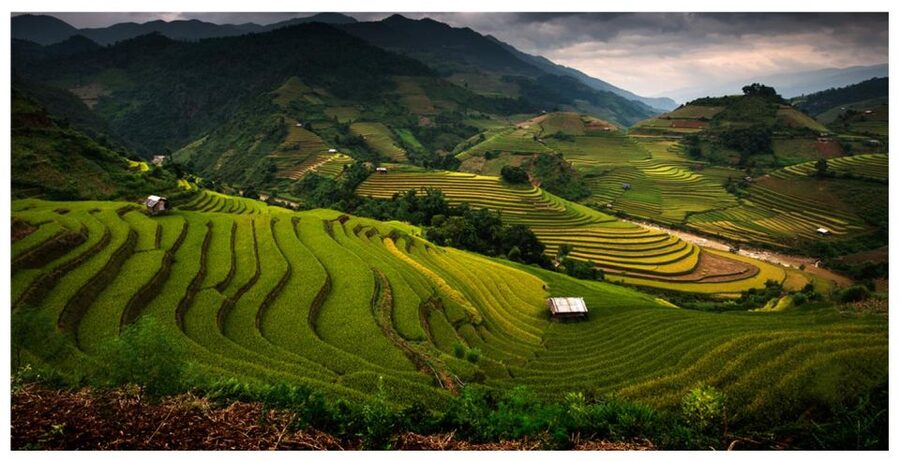
- Lai Chai and the terrace route: Rice, corn, and potato fields replace the town streets, with broad views and a less commercial feel than central Sapa.
- A waterfall pause: You get time to rest and take photos beside a waterfall during the trek.
- Lunch and an easy return: A local restaurant meal is included, followed by a shuttle bus back to your Sapa hotel.
- Mud is part of the bargain: In wet or foggy weather, rubber boots and trekking poles can make the walk much safer.
Leaving Sapa town on foot
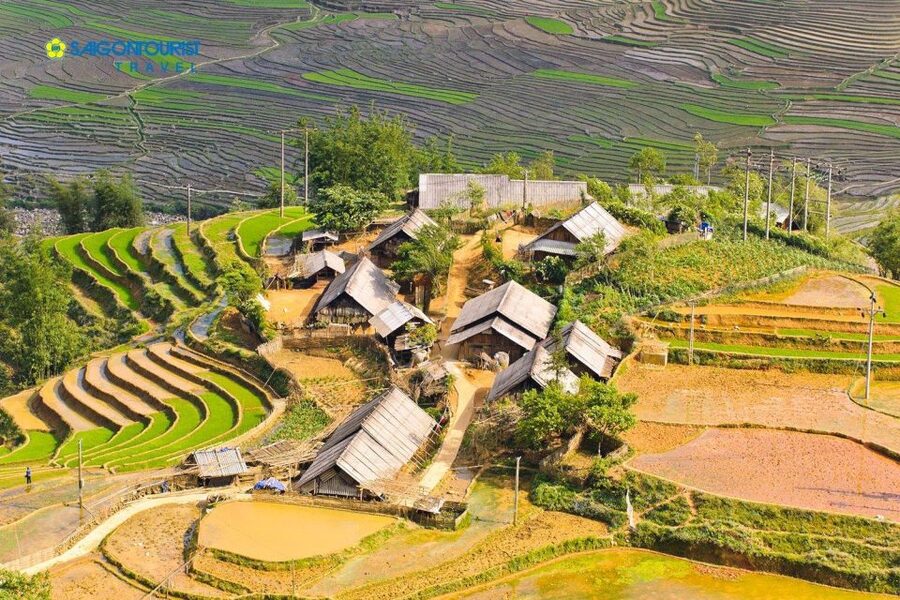
The day begins with hotel pickup between 8:00 and 8:45 a.m. Your guide walks from hotel to hotel through Sapa town, so the exact start time depends on where you are staying. Pickup can take 30 to 45 minutes in total.
That delay is worth understanding before you book. You are not being collected in a private car at exactly 8:00 a.m. Instead, the guide gathers the group on foot. I see this as both a minor inconvenience and a useful start. You get a closer look at Sapa’s streets and everyday routine before the route shifts into the countryside.
The walk through town also means you should wear your trekking shoes from the moment you leave the hotel. Do not save them for the rice fields. Sapa’s pavement can be uneven, and the first part of the outing is already on foot.
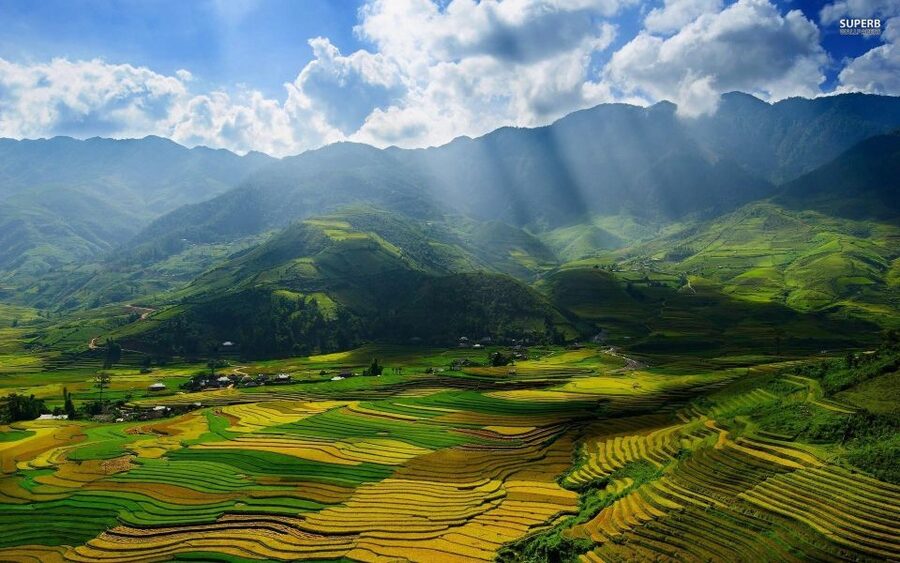
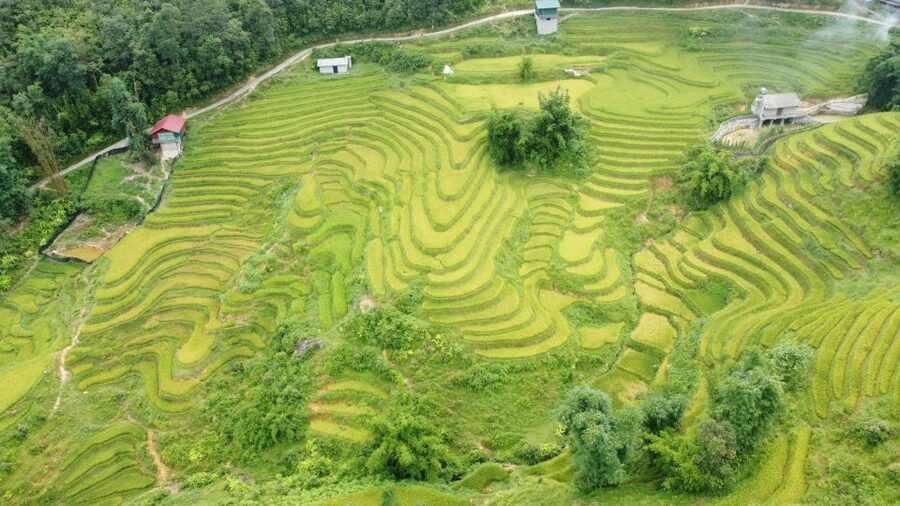
Once you leave the central streets, the pace changes. The town gives way to open fields, mountain views, and small paths between cultivated plots. The route passes rice, corn, and potato terraces, so the scenery changes with the crops and the season.
More Trekking Tours in Sa Pa
- Sa Pa: Muong Hoa Valley Trek and Local Ethnic Villages
★ 4.6 · 864 reviews - Sapa: Eco Adventure Terrace Fields and Local Villages Trek
★ 4.9 · 636 reviews - Number one top rated ethical cultural trekking and homestay by ETHOS
★ 5.0 · 456 reviews
Terrace fields beyond the usual town view
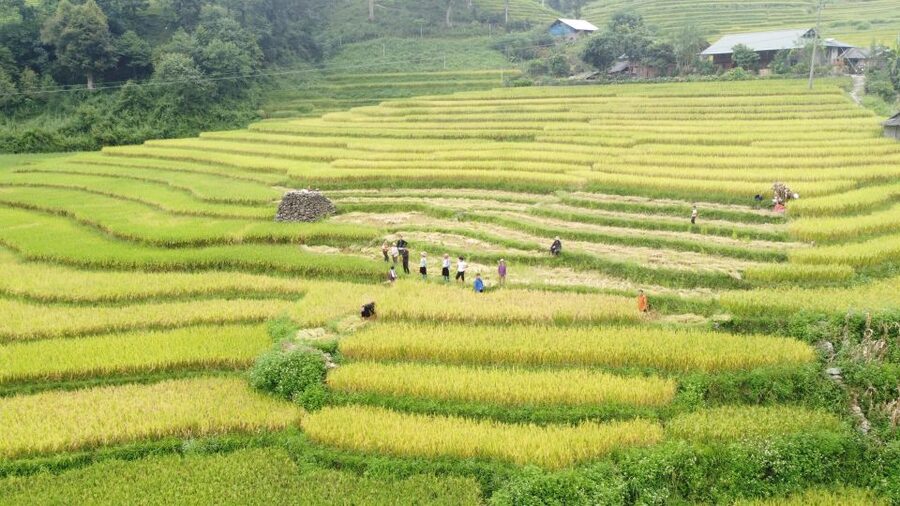
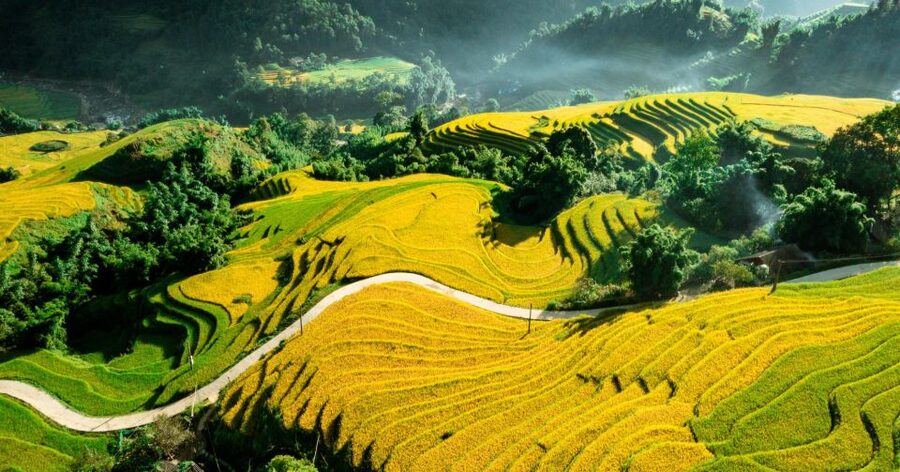
The terraces are the main reason to choose this outing. Sapa is famous for its stepped fields, but the experience is better when you walk among them rather than simply stop at a roadside viewpoint.
You can expect a route with repeated climbs and descents, not a flat country walk. The fields spread across the hillsides, and your guide explains how local people use the land while you move between villages. The supplied route description calls this a less touristy path, though it would be misleading to expect total solitude. One account found parts of the walk too touristy, so your experience may include other walking groups or local sellers.
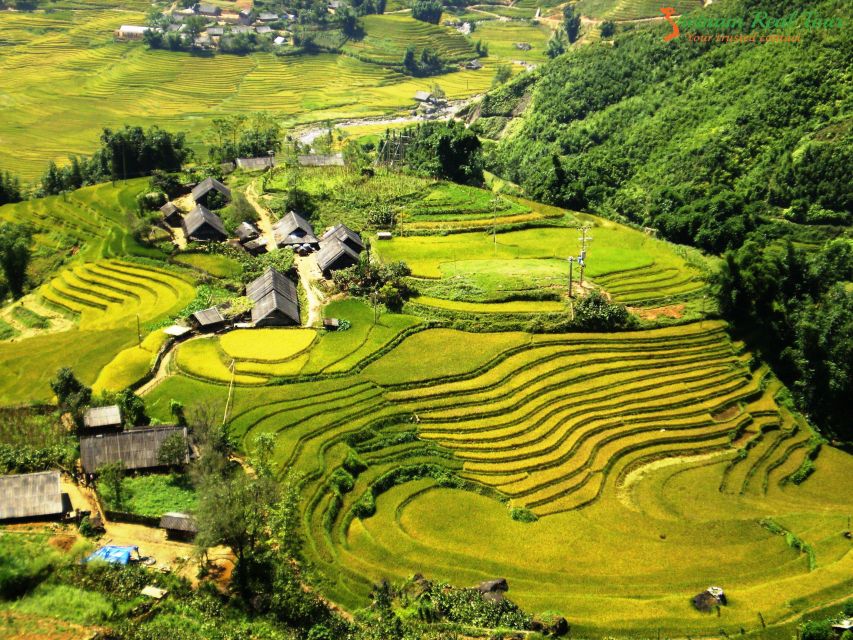
Still, the route offers more contact with village life than a quick photo stop. You walk through working agricultural areas and see how homes, paths, and fields fit together. That makes the scenery more meaningful. You are not only looking at terraces from a distance. You are moving through the places where people live and work.
The views can change sharply with the weather. On a clear morning, you should have the best chance of seeing the layered fields and hills. Fog can make the route atmospheric, but it also hides distant views and makes the ground slippery. Plan for the walk, not for perfect photographs.
Lai Chai village and local stories
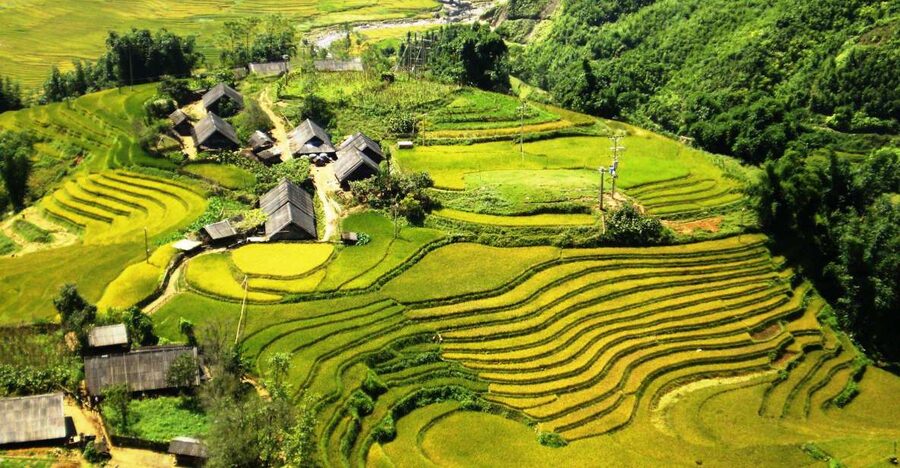
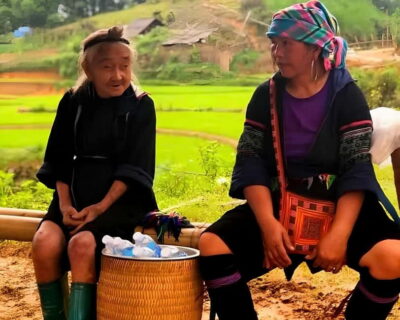
The trek reaches Lai Chai, a small village on the tribal hill. The village section gives the day its human side. Your guide talks about local customs, habits, and ethnic minority life as you walk through the community.
The strength of this part depends heavily on your guide. The activity uses an English-speaking local ethnic guide, and Mao is one guide associated with the experience. A particularly warm part of her guiding style has been showing a visitor her home and family. You should not assume Mao will lead every departure, but that detail gives you a useful idea of what the local connection can look like.
This is not a museum visit or a staged cultural show. The value comes from walking through village spaces and asking questions as you go. If you want the most from the outing, ask about farming, family routines, village customs, and how the terraces are used. The guide is there to interpret what you are seeing, not just point out photo stops.
You should also keep your expectations sensible. A village walk does not mean every part of local life is private or untouched by tourism. Sapa is a major destination, and the route can feel more visitor-oriented in places. Even so, the combination of walking, conversation, and a local guide gives you more context than sightseeing from a vehicle.
The waterfall break
At some point on the route, you stop at a waterfall. This is a welcome pause after the climbs and uneven ground. You can rest, take photographs, and catch your breath before continuing.
The waterfall is not presented as a separate major attraction with facilities or a long visit. Think of it as a natural rest stop within the trek. That makes it useful rather than overhyped. It breaks up the walking and gives you a quieter place to enjoy the surroundings.
The route may also pass through bamboo forest. One recent account described walking about 11 kilometers through bamboo and rice terraces. That distance should be treated as a guide rather than a fixed promise for every group, since pace, weather, and route conditions can affect the day. Still, you should prepare for a serious half-day hike, not a short village stroll.
Another trail to compare in Sa Pa:
- From Sapa: 1-Day Guided Trek to Lao Chai & Ta Van with Lunch
★ 4.9 · 416 reviews - Sa Pa Full Day Trekking Tour
★ 5.0 · 414 reviews - Sapa 1 Day Long Trek: Trek to Hau Thao and Sa Seng Villages
★ 4.6 · 344 reviews - Explore Sapa by TrekkingAdventures, Mountain,Rice fields
★ 4.9 · 229 reviews
Mud, fog, and the right footwear
The most important practical issue is footing. Wet weather can turn the terrace paths into mud, and fog often arrives with damp ground. One walker found the route physically hard because of slippery paths and needed help to avoid falling. Another strongly recommended rubber boots in wet conditions.
You have several ways to prepare:
- Wear shoes with good grip and accept that they may get dirty.
- Use rubber boots if the weather is wet and you are comfortable walking in them.
- Bring trekking poles if you use them regularly.
- Keep your hands free for balance and photography.
- Pack a rain layer and protect anything electronic.
The activity is not suitable for wheelchair users, people with back or heart problems, children under five, people over 70, or anyone weighing more than 275 pounds, or 125 kilograms. Those limits matter here because the path can be muddy, uneven, and physically tiring.
You do not need to be an expert hiker, but you should be comfortable walking for several hours over changing ground. If your idea of a trek is a gentle paved path, choose a different Sapa activity. If you can handle a muddy rural route and enjoy walking at a steady pace, the physical effort is part of the appeal.
A local lunch after the walk
Lunch comes after the trek at a local restaurant. It is included in the $22 price, while drinks are not, so carry money for beverages.
The meal gives you a proper break rather than asking you to finish the route hungry. The description promises varied local flavors, but it does not specify a fixed menu. That means you should view lunch as a convenient local meal, not book this outing for a particular dish.
Timing lunch after the walk makes practical sense. You will have spent the morning on the terraces and village paths, and a seated meal gives you time to recover before the ride back. If you have dietary restrictions, the supplied details do not confirm special meal arrangements, so ask before booking rather than assuming the restaurant can adapt.
Shuttle ride back to Sapa
The final transport is simple: a shuttle bus returns you to your Sapa hotel. This is one of the better design choices in the day. Walking through the countryside is pleasant, but walking the entire route back into town after lunch would add needless fatigue.
Hotel drop-off is included, though the exact order depends on where the group is staying. You finish with transport rather than having to find your own taxi or retrace the route. The ride also lets you enjoy the scenery without worrying about the last uphill stretch.
Keep in mind that the morning pickup is a walking collection from hotel to hotel, while the return uses a shuttle bus. These are different parts of the transport plan. If you want a private vehicle in both directions, this is not that kind of tour.
What $22 really covers
At $22 per person, this is a strong-value day if you want several useful pieces in one booking. The price includes:
- Hotel pickup and drop-off in Sapa Town
- An English-speaking local ethnic guide
- Guided trekking
- Village entry fees
- Lunch at a local restaurant
- Shuttle transport back to Sapa
That package removes several small costs and decisions. You do not need to arrange a local guide, pay village entry separately, find a restaurant after a tiring walk, or organize your own return.
The low price does come with limits. It is not described as a private tour, and the guide’s walking pickup can take up to 45 minutes. The route and meal are set around a shared outing rather than a custom private itinerary. You are paying for a practical introduction to the area, not a luxury experience.
For me, the value is strongest if you are already staying in Sapa and want a full day outside town without spending heavily. It is less suitable if you want precise departure timing, private transport, a short walk, or a highly polished cultural program.
Who should book this trek?
I would choose this experience if you want to combine scenery and local contact in one day. It suits active visitors who enjoy walking through working villages, asking questions, and accepting a bit of mud in exchange for better access to the terraces.
It is also a sensible choice for budget-conscious visitors. The guide, food, entry fees, and return transport are all covered, and the route gives you more than a simple viewpoint visit.
You may want to skip it if you have limited mobility, heart or back concerns, or little tolerance for uneven paths. The age and weight limits are explicit, and the wet-weather conditions can make the walk harder than the distance suggests.
You should also think twice if you need guaranteed clear views. Sapa weather can change quickly. Fog may soften the scenery, but it can also hide the terraces and make the route slippery. A flexible attitude will help.
What to bring for a better day
Pack lightly, but prepare for a rural hike. I would bring grippy footwear, a rain layer, water, cash for drinks, sun protection, and a phone or camera with some protection from rain and mud.
Do not rely on the activity price to cover beverages. Lunch is included, but drinks are not. If the forecast looks wet, rubber boots may be more useful than your best walking shoes.
The walking pickup means you should have your essentials ready in the hotel lobby at the start of the morning. Since you may be out for seven hours, avoid bringing a heavy bag. A small daypack is enough for the basics.
Should you book the Sapa terrace trek?
Book it if you want an affordable, active day that links Sapa town, terrace fields, Lai Chai village, a waterfall, local lunch, and a shuttle return. The best parts are the local guide connection, the amount of scenery covered on foot, and the practical price.
Go in prepared for mud, slippery paths, and a possible 11-kilometer walk. Bring suitable footwear and do not expect a private, perfectly timed outing. For a fit visitor who wants to see more than Sapa’s center, this is a useful and well-priced choice. For anyone needing easy access or dry, level paths, choose another activity.
FAQ
How long does the Sapa terrace fields trek last?
The activity lasts seven hours, including the walking route, lunch, and shuttle return to Sapa.
What time does hotel pickup begin?
Pickup takes place between 8:00 and 8:45 a.m. The guide walks from hotel to hotel in Sapa Town, so the exact time depends on your hotel’s location.
Is hotel pickup included?
Yes. Pickup from the lobby of your hotel in Sapa Town and drop-off are included.
Is lunch included?
Yes. A local lunch at a restaurant is included. Drinks are not included.
Is the return transport included?
Yes. A shuttle bus takes you back to your hotel in Sapa after lunch.
What language does the guide speak?
The live guide speaks English.
Will a local ethnic guide lead the trek?
Yes. The experience includes a local guide from an ethnic minority community.
How far do you walk?
The supplied activity details do not set one official distance. One account described walking about 11 kilometers through bamboo forest and rice terraces, so you should prepare for a substantial trek.
Is the route suitable in wet weather?
You can still walk in wet weather, but the paths may become muddy and slippery. Rubber boots and trekking poles are useful in those conditions.
Who should not take this activity?
It is not suitable for children under five, people with back or heart problems, wheelchair users, people over 70, or people weighing more than 275 pounds, or 125 kilograms.
Latest treks added in Sa Pa
- Soob Sapa Trekking Tour★ 4.3 · 3 reviews
- Sapa: Y Linh Ho – Lao Chai, and Ta Van Trekking Day Tour★ 5.0 · 25 reviews
- Sapa Trekking Private Tour With Ethnic Female Tour Guide★ 4.9 · 24 reviews
- Sapa Trekking – Waterfalls And H’mong Villages★ 5.0 · 2 reviews
- Sapa Trekking Guide Francophone 2 days – 1 night★ 5.0 · 2 reviews
- Sapa: Trekking Through Terraced Rice Fields & Valley 1 Day★ 4.8 · 4 reviews
- Sapa: Ta Phin Village Trek with Lunch and Bathing Experience★ 4.7 · 13 reviews
- Sapa small groupe activities: 1 Day trek – Meet the locals★ 4.7 · 3 reviews
Sapa Trekking Tours, compared.
Muong Hoa Valley Trek and Local Ethnic Villages
Read our review →
Eco Adventure Terrace Fields and Local Villages Trek
Read our review →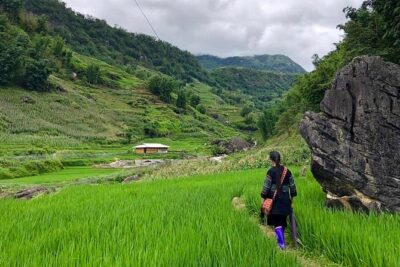
Number one top rated ethical cultural trekking and homestay by ETHOS
Read our review →
1-Day Guided Trek to Lao Chai & Ta Van with Lunch
Read our review →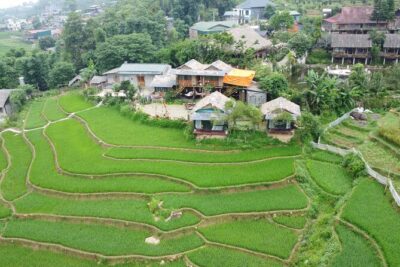
Sapa 1 Day Long Trek: Trek to Hau Thao and Sa Seng Villages
Read our review →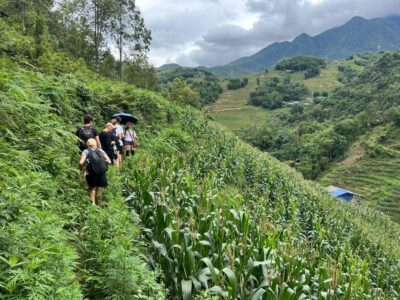
Explore Sapa by TrekkingAdventures, Mountain,Rice fields
Read our review →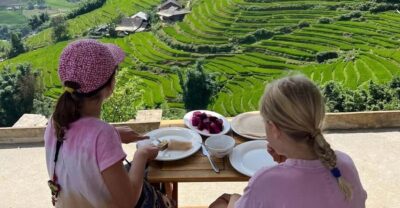
EXPLORE SAPA: 2D1N TREKKING & HMONG CULTURE WITH DINH
Read our review →Browse the lists this tour appears in