
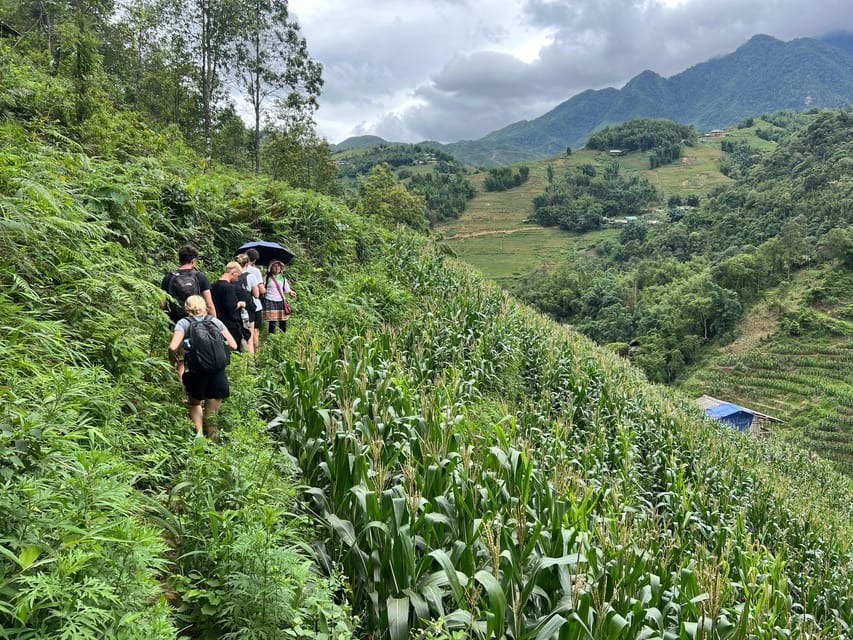
REVIEW · SAPA
Explore Sapa by TrekkingAdventures, Mountain,Rice fields
Sapa’s best moments often begin where the town’s concrete streets end. This trek takes you down into Y Linh Ho, Lao Chai, and Ta Van, where rice terraces, buffalo, bamboo paths, and village homes replace hotel signs and souvenir shops. The local Hmong women guiding the walk do more than point out the scenery. They explain their families, work, customs, and daily life in the mountains.
I like the choice of routes, since you can take an easier road walk or a harder trail across muddy and rocky ground. I also like the direct benefit to the guides and other local women, with income helping women find work and children attend school. The main drawback is weather: fog can hide the views, and rain can turn the steep downhill paths into slippery going.
Key points
- Three villages in one walk: Follow the route from Sapa to Y Linh Ho, Lao Chai, and Ta Van.
- Local Hmong women as guides: Guides such as Sun, Dinh, Khu, and Chuchu share personal stories and cultural details.
- Choose your effort level: Pick an easy to moderate route, a harder trail, or a route that starts hard and finishes easy.
- Lunch with a local view: Stop in Lao Chai for a generous meal, with vegetarian and vegan options available.
- Rain gear is available: Boots and trekking sticks can be provided when wet conditions make the trail difficult.
- Strong value at $23: The price covers the guide, lunch, water, entry fees, and the ride back to Sapa.
Why this Sapa trek feels personal
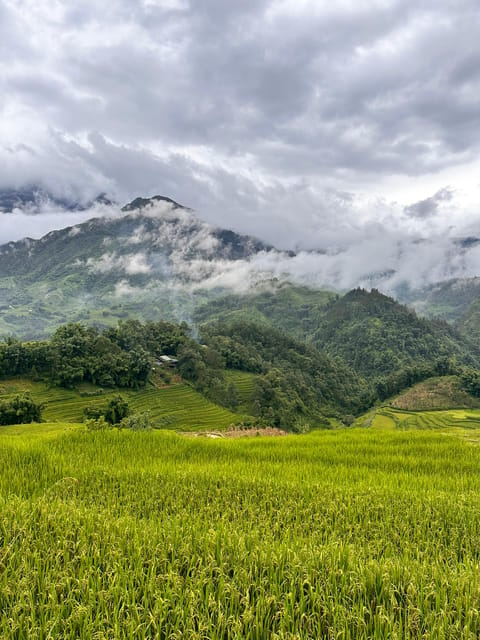
Many Sapa walks show you rice terraces. This one adds a human connection that makes the scenery easier to understand. Your guide may explain how rice is planted and harvested, how indigo dye is used, or how life differs between the Black Hmong and Dzay communities.
The guides work as a family group of three sisters, with other local women involved at parts of the route. Their own stories give the walk a frank, personal tone. The women explain that many girls in their village leave school young and marry early, and that work is limited. Booking the tour supports their guiding jobs and their efforts to help other women and local children.
That does not make the walk a charity visit. You still get a proper mountain trek, a good meal, and a well-used route through some of Sapa’s finest valleys. But your money goes closer to the people you meet than it would on a standard bus excursion.
The guides are a major part of the experience. Sun is often praised for her clear English, humor, steady pace, and ability to keep a group together. Dinh, Khu, Chuchu, Mu, and other guides have also led the walk. The exact guide depends on the day, but you can expect someone from the local communities rather than a distant city guide.
More Rice Terrace Treks in Sapa
- Sa Pa: Muong Hoa Valley Trek and Local Ethnic Villages
★ 4.6 · 864 reviews - Sa Pa: 6-Hours Muong Hoa Valley Trek with Local Ethnic guide
★ 4.5 · 178 reviews - Sapa Muong Hoa Valley & Ta Van Eco Village Scenic Tour (No Trek)
★ 5.0 · 144 reviews
Starting at 9:00 AM in Sapa Town
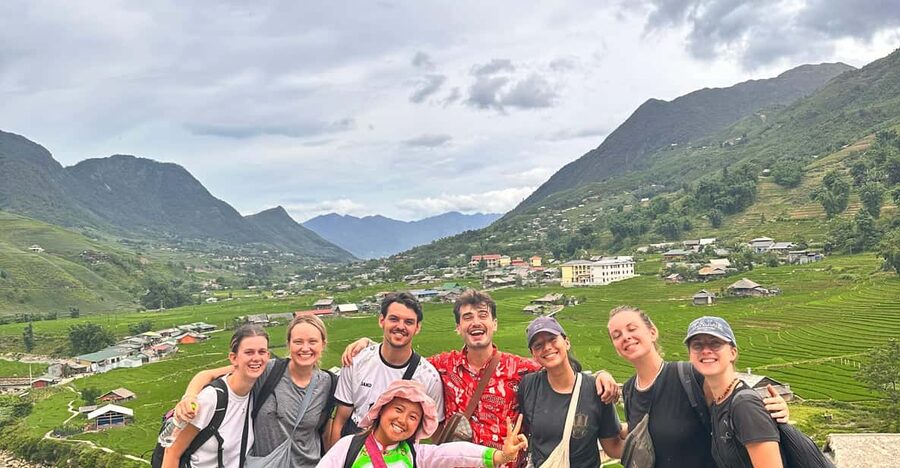
The usual meeting point is your hotel in Sapa or the area near the main church. The standard start is 9:00 AM, though the organizers can arrange another start time if you tell them in advance.
The church area can feel crowded and confusing when several groups gather. Once the guides organize everyone into smaller groups, the outing becomes easier to follow. Group size can vary, and you should expect to walk with other people unless you pay extra for a private trip.
Bring cash, even though the core costs are covered. Local women sometimes accompany groups along parts of the trail and offer handmade goods. You are not required to buy anything, but polite, firm boundaries help. Cash is also useful for extra drinks, since beer and additional bottled water are not included.
The price is $23 per person. For that amount, you receive an English or Vietnamese-speaking local guide, lunch, water, village entry fees, and transportation back to Sapa. That is unusually good value if you want a full morning and afternoon outdoors rather than a short viewpoint stop.
Downhill to Y Linh Ho and the first rice terraces
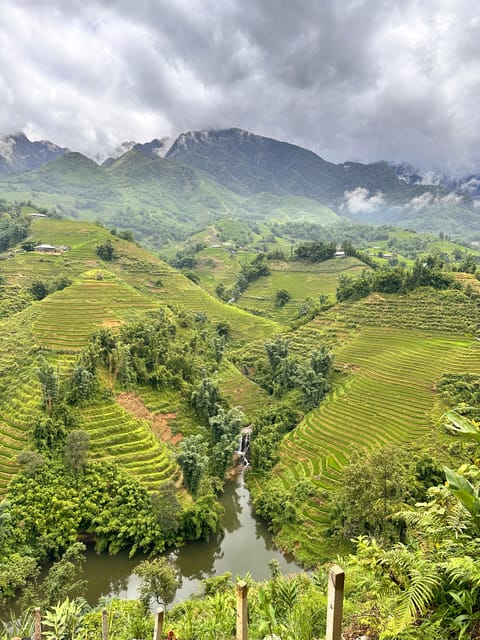
The walk begins by leaving Sapa and heading down toward Y Linh Ho, a Black Hmong village. The first section gives you a quick change of scene, from the high town to steep valleys and terraced fields.
Much of the route is downhill. That sounds easy until you meet mud, loose stones, narrow paths, stream crossings, or low fences. In dry conditions, the walk is manageable for anyone used to ordinary countryside walking. After rain, footing becomes the main challenge rather than fitness.
The guides are attentive on tricky sections. Local women may help people across slippery areas, especially on the rougher part of the trail. Trekking sticks and boots are available in wet weather, but you should still wear shoes with a good grip and clothing that can handle mud.
This is also where the scenery can change quickly. Winter fog may cover the valleys, then lift as you descend. On clear days, you get wide views across the terraces. In wet or cloudy weather, the walk becomes more about village life, vegetation, and the guide’s stories than distant views.
You may see buffalo, pigs, and chickens along the way. These ordinary details matter. They show that the terraces are working farmland and that the villages are lived-in places, not outdoor exhibits arranged for visitors.
Lao Chai, lunch, and a closer look at village life
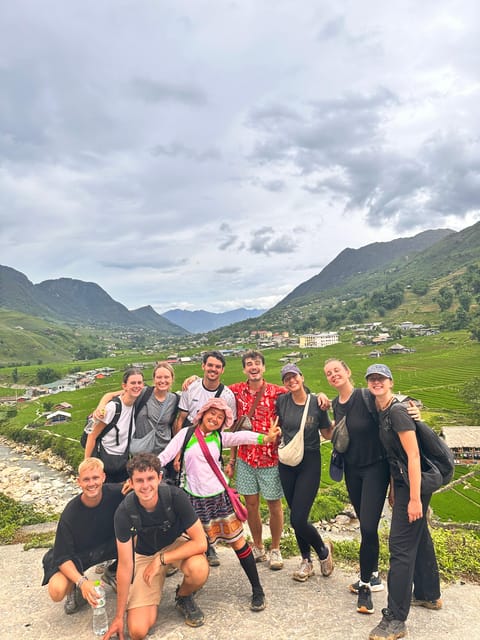
Lao Chai is one of the largest and oldest Hmong communities on the route. It is a natural place to pause after the first long descent and to take in the scale of the valley.
Lunch is served at a local restaurant in or near Lao Chai. The meal is included and is described as generous, with enough food for the whole group. Vegetarian and vegan meals can be provided, but tell the operator in advance so the kitchen can prepare properly.
A good lunch stop does more than refuel you. It gives you time to sit with the guide, ask questions, and compare what you have seen with life in Sapa Town. The food is local rather than an elaborate restaurant tasting menu, so expect a practical meal suited to a walking day.
After lunch, the guide may take you to a traditional Black Hmong house. This is one of the most valuable parts of the outing because it moves the cultural discussion beyond costumes and handicrafts. You can learn about daily routines, family life, local work, and the way houses function in the village.
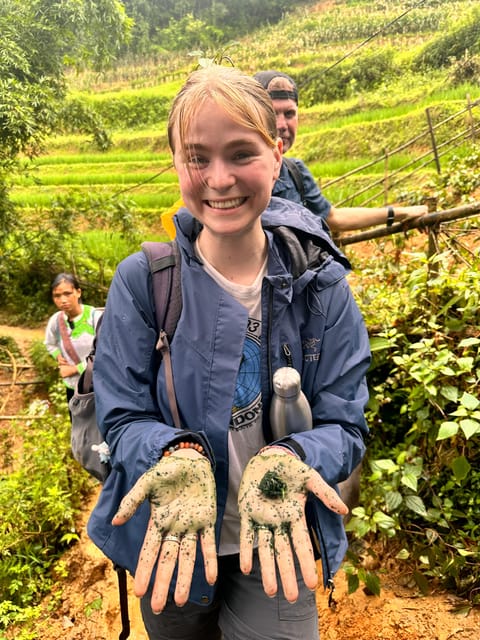
Some guides also explain indigo dyeing and other Hmong traditions. Ask questions as you go. The guides are generally happy to talk about their own families, education, work, and community. The best conversations happen when you treat the walk as a shared afternoon rather than a series of photo stops.
More Rice Terrace Treks in Vietnam
- Daily Tour: Sapa Trekking in Muong Hoa valley, Bamboo forest
★ 5.0 · 121 reviews - 1-Day Sapa Long Trek – Rice Field Terrace, Ethnic Culture
★ 4.9 · 62 reviews - 3-Day Trek in Amazing Muong Hoa Valley & ethnic Homestay
★ 5.0 · 49 reviews - Muong Hoa Valley Trek & Homestay Experience – 4D3N
★ 5.0 · 42 reviews
The final walk to Ta Van and the Dzay community
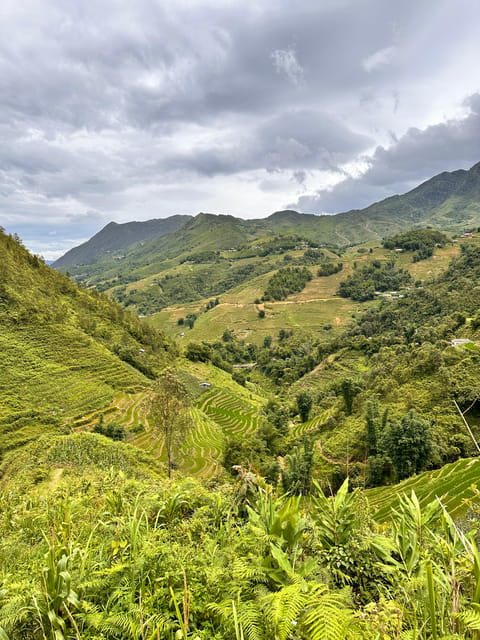
From Lao Chai, the route continues toward Ta Van Village, home to the Dzay people. This section lets you compare two ethnic communities within the same mountain region.
Your guide can point out differences in language, clothing, customs, and village life. The experience works best when you listen for small details rather than expecting a formal museum-style presentation. The guides speak from personal experience, so the information is often practical and direct.
If you visit during planting or harvest season, you may see people working in the rice fields. Timing matters here. Rice terraces look different throughout the year, and mist or cloud can change the views even within a few hours.
The final section may feel repetitive to some people, especially if you choose the longer route or stop frequently. Some walkers finish in around five hours, while others report closer to six hours depending on weather, group pace, and breaks. Plan for a half day with flexibility rather than scheduling a tight connection immediately afterward.
The tour ends in Ta Van at roughly 3:00 PM. A private car then returns you to Sapa Town, usually near the main church. The ride is an important part of the deal because you do not have to walk back uphill or arrange separate transport.
Choosing between the easy and hard routes
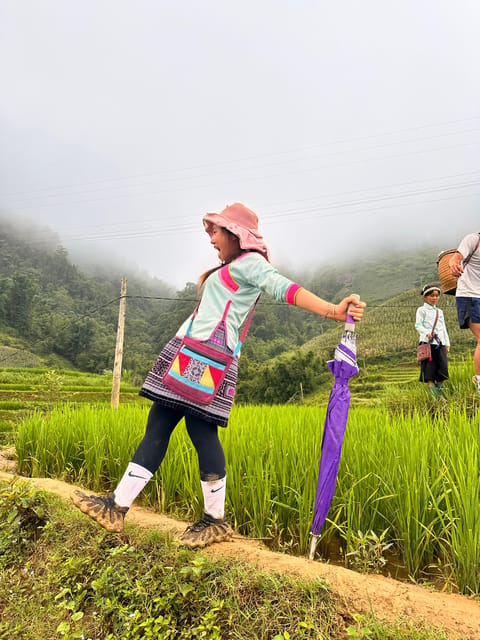
The route options make this trip suitable for a wider range of walkers, but the word easy needs some care. Even the gentler option takes place in mountain terrain and includes a long walk.
You can choose:
- An easy route, usually using more road and firmer walking surfaces.
- A harder route, with steeper, muddier, rockier paths across the fields.
- A hard start followed by an easier finish.
- A shorter walk of about 5 kilometers or a longer route of up to 11 kilometers.
Some people describe the walk as a light workout. Others find the steep descents and slippery footing demanding. Both descriptions can be true. The route is not presented as a technical climb, but you need full mobility, balance, and comfort walking downhill.
This is not a good fit if you have serious mobility limits. The tour is also not suitable for people over 95 according to the stated restrictions. Children under three can join free if you notify the operator in advance.
Wear sturdy walking shoes, not smooth-soled trainers. Pack a raincoat, sun protection, insect repellent, sunglasses, a hat, and a camera. Sapa can be cool, especially in fog, so layers are useful. Rain boots and sticks may be supplied, but they are a backup, not a replacement for sensible clothing.
Weather can decide the quality of the day
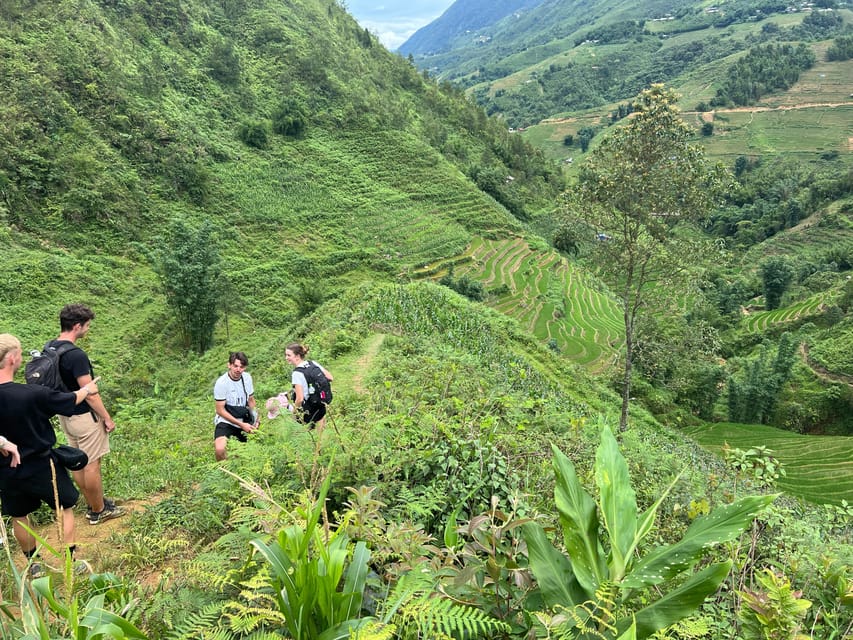
Sapa’s weather deserves serious attention. In winter, heavy fog can hide nearly all the distant views. That does not erase the village experience, but it changes the day from a scenic outing into a more subdued walk.
Rain brings a second problem. The soil becomes slippery, especially on downhill sections, and mud can cover shoes and trousers. The company prepares for this with boots and trekking sticks, and the guides take extra care on difficult ground. Still, you should not book this expecting a dry, polished path in every season.
Clear weather gives you the classic Sapa experience: layered rice terraces, mountain valleys, and broad views from the trail. Summer and autumn can be especially appealing for scenery, though conditions can vary. Check the forecast before choosing your clothing and route.
If the weather is poor, keep your expectations realistic. You can still see animals, houses, fields, and village life, and you may learn more from the guide because the views are less distracting. But if panoramic scenery is your main reason for booking, give yourself some flexibility.
The value of meeting local Hmong women
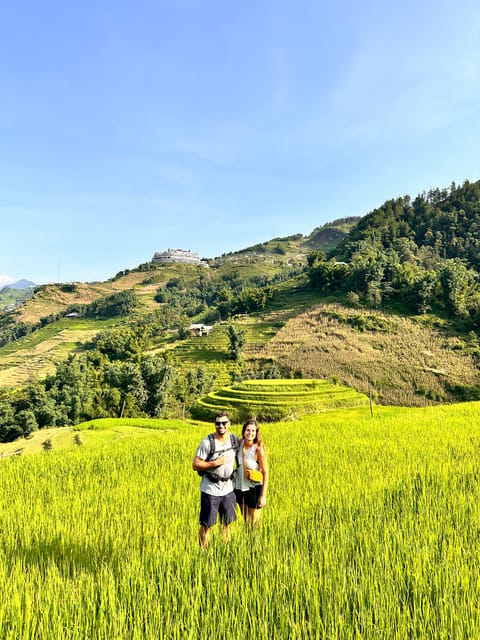
The most important question is not only what you see, but how the visit affects the people showing it to you. This tour is led by local Hmong women who use guiding to create paid work in communities where many women have few choices.
That arrangement gives the outing a stronger local link than a standard sightseeing loop. The guide can explain her own life, not simply repeat a prepared script. You also get a chance to ask how education, marriage, farming, family duties, and employment shape life in the villages.
There is a delicate point here. Other women may join the group for part of the trek and offer handmade goods. Some people enjoy meeting them and buying crafts. Others find the repeated sales approach uncomfortable. Decide in advance what you want to do, and remember that you can decline politely.
The company’s stated aim is to help more women find work and support children going to school. If that local benefit matters to you, the $23 price carries value beyond the included lunch and transport.
Who should book this walk?
I would choose this trip if you want to spend a day outside Sapa Town, enjoy moderate physical activity, and learn about local communities from women who live in the area.
It is especially suitable for:
- First-time visitors who want to see several villages in one outing.
- People who prefer personal stories to a formal city tour.
- Walkers who can manage steep downhill paths and uneven ground.
- Couples, solo visitors, and small groups happy to share the route.
- Anyone looking for a low-cost excursion with lunch and return transport included.
You may want a different plan if you need a fully paved route, dislike mud, want complete privacy, or have only a narrow window before a train or bus. You should also consider a private option if you want to control the pace or ask detailed questions without a larger group around you.
Free cancellation is available up to 24 hours before departure, and you can reserve now and pay later. Last-minute bookings may be possible, but booking two or three hours ahead is recommended.
Should you book the Sapa Hmong women’s trek?
Yes, if your priority is a close look at rural Sapa, local guiding, and good value. The scenery can be remarkable, but the stronger reason to go is the combination of personal stories, working rice terraces, traditional homes, and three different village settings.
Book with realistic expectations. This is not a gentle stroll, the weather may hide the views, and local craft sellers may test your patience. Pick the easier route if footing worries you, bring layers and rain protection, and leave room in your schedule for the return drive.
At $23, with lunch, a guide, village fees, and transport back to Sapa included, it is an efficient way to spend a day in the valleys. If Sun, Dinh, Khu, or another local guide leads your group, ask questions and let the conversation shape the walk. That is where this experience earns its value.
FAQ
How long does the Sapa trekking tour last?
The stated duration is five hours, with a usual schedule from about 9:00 AM to 3:00 PM. The actual time can vary with the route, weather, group pace, and breaks.
Which villages does the trek visit?
The route runs from Sapa to Y Linh Ho, Lao Chai, and Ta Van. Y Linh Ho and Lao Chai are associated with Black Hmong communities, while Ta Van is home to the Dzay people.
What difficulty level can I choose?
You can choose an easy to moderate route, a harder route of about 10 kilometers, or a route that starts hard and finishes easy. The full distance can range from about 5 to 11 kilometers.
Is lunch included?
Yes. A local lunch in Lao Chai is included in the price. Vegetarian and vegan options are available, but you should state your dietary needs in advance.
Is transportation back to Sapa included?
Yes. After the walk ends in Ta Van, transportation is provided back to Sapa Town.
What happens if it rains?
Boots and trekking sticks are available in rainy conditions. You should still bring a raincoat and wear comfortable shoes and clothing that can get muddy.
Are the tours private or shared?
The standard tour is a group outing with other people. A private tour can be arranged for an additional charge.
What does the $23 price include?
The price includes a local English-speaking guide, lunch, water, village entry fees, and transportation back to Sapa. Extra drinks, personal travel insurance, and bottled water or beer bought during the trek are not included.
More Rice Terrace Treks in Sa Pa
- Sapa: Muong Hoa Mountain Views and Villages Trek with Lunch
★ 4.3 · 28 reviews - Sapa: Muong Hoa Valley View & Villages Trek with Local Guide
★ 5.0 · 25 reviews - From Sapa: Muong Hoa Valley View & Village Trek 1-Day
★ 5.0 · 21 reviews - SAPA: 1-DAY TREKKING TOUR WITH LOCALS, LUNCH & RICE FIELDS
★ 4.7 · 18 reviews
Latest treks added in Sa Pa
- Soob Sapa Trekking Tour★ 4.3 · 3 reviews
- Sapa: Y Linh Ho – Lao Chai, and Ta Van Trekking Day Tour★ 5.0 · 25 reviews
- Sapa Trekking Private Tour With Ethnic Female Tour Guide★ 4.9 · 24 reviews
- Sapa Trekking – Waterfalls And H’mong Villages★ 5.0 · 2 reviews
- Sapa: Ta Phin Village Trek with Lunch and Bathing Experience★ 4.7 · 13 reviews
- Sapa Trekking Guide Francophone 2 days – 1 night★ 5.0 · 2 reviews
- Sapa: Trekking Through Terraced Rice Fields & Valley 1 Day★ 4.8 · 4 reviews
- Sapa small groupe activities: 1 Day trek – Meet the locals★ 4.7 · 3 reviews
Rice Terrace Treks, compared.
Muong Hoa Valley Trek and Local Ethnic Villages
Read our review →
Selogriyo Temple and Trekking Java Rice Terraces, hidden waterfall -Nature Java
Read our review →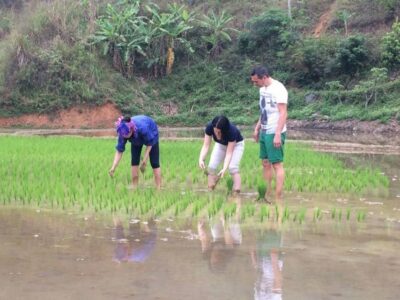
6-Hours Muong Hoa Valley Trek with Local Ethnic guide
Read our review →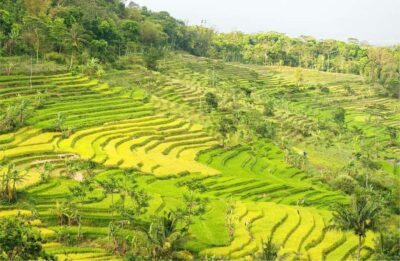
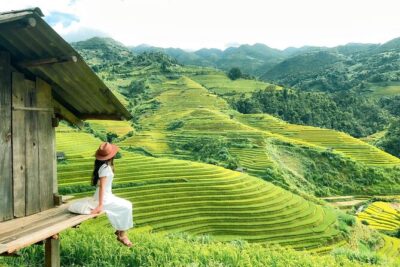
Sapa Muong Hoa Valley & Ta Van Eco Village Scenic Tour (No Trek)
Read our review →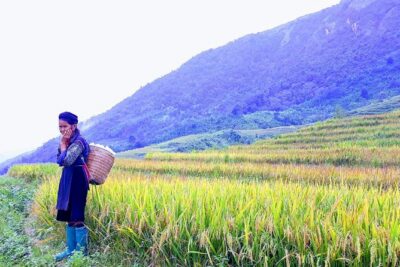
Daily Tour: Sapa Trekking in Muong Hoa valley, Bamboo forest
Read our review →
Rice Terrace, Holy Water Temple & Waterfalls Trek Tour
Read our review →
Mount Batur Sunrise Trekking and Rice Terrace Adventure
Read our review →Browse the lists this tour appears in