
REVIEW · KATHMANDU
Ghorepani Poon Hill Trek
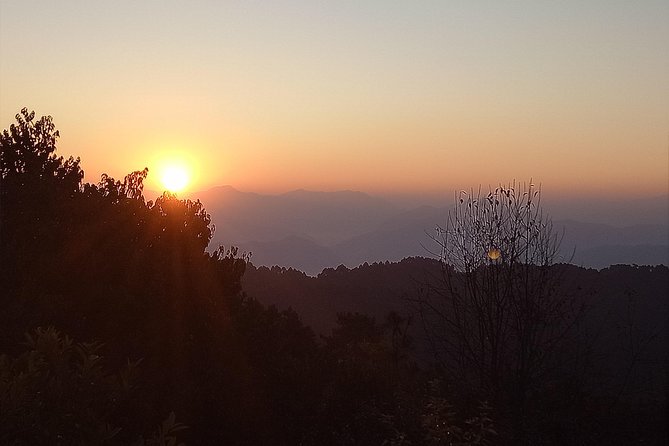
Poon Hill earns its reputation the old-fashioned way: you get up before dawn, climb through the dark, and watch the first light reach the Annapurna and Dhaulagiri ranges. The six-day route also gives you forest paths, stone steps, Gurung villages, and a useful taste of Nepal without committing to a long high-altitude trek.
I like the mix of mountain scenery and village life, and I like that the trek includes a professional English-speaking guide rather than leaving you to sort out the route alone. The main drawback is the travel time: two long tourist-bus journeys connect Kathmandu and Pokhara, and some trekking days are demanding, especially the nine-hour day that includes the sunrise hike and onward walk to Tadapani.
Key points to know before booking
- Poon Hill sunrise: Leave Ghorepani before dawn for the trek’s defining mountain panorama.
- Six days from Kathmandu: The package combines long bus transfers with four active days around Pokhara.
- Stone steps and forest trails: The route is scenic but requires moderate fitness, especially around Ulleri.
- Guide-led private trip: Only your group participates, with Hari or another assigned guide such as Ganesh.
- Local transport included: Transfers use tourist buses between Kathmandu and Pokhara and local buses near the trail.
- Price of $650: Permits, taxes, guide services, meals, and listed transport are included, but porter service is extra.
Kathmandu to Pokhara: a long but useful first day
Your trip begins at 7:00 a.m. with a tourist-bus ride from Kathmandu to Pokhara. The journey takes about six hours and is part of the package, so you do not need to arrange a separate domestic connection for this itinerary.
Look out for terraced fields, village scenes, and distant Himalayan peaks along the road. This is not a quick transfer, though. If you prefer to reach the mountains with minimal time on the road, the bus schedule may test your patience. If you enjoy watching Nepal change outside the window, it gives you a gradual introduction to the country.
Once you reach Pokhara, you stay at a hotel and have time to unwind beside Phewa Lake. That pause matters. The next days involve walking, climbing, early starts, and basic mountain accommodation, so a quiet evening in Pokhara gives you a chance to rest before the trail begins.
More Poon Hill Treks in Kathmandu
- 4 Days Poon Hill Trek
★ 5.0 · 94 reviews - Ghorepani(Poonhill Trek)
★ 5.0 · 81 reviews - 4-day Poon Hill Trek
★ 5.0 · 74 reviews
Ulleri and the first stone-step challenge
Day two starts with a local bus from Pokhara to Nayapul, the gateway for the trekking route. From there, you walk through villages and forest near the Modi Khola River before climbing to Ulleri.
The route takes about seven hours. The biggest point to understand is that this is not a gentle stroll. The stone steps make the climb feel steady and sometimes strenuous, even though the itinerary is designed for people with a moderate fitness level.
Ulleri gives you your first proper mountain-night setting. You spend the evening surrounded by mountain views rather than returning to Pokhara, which makes the trip feel like a real trek from this point onward. Your guide can also help manage the pace. Several people specifically appreciated Hari’s habit of staying with slower members, taking breaks when needed, and helping with bags when someone was struggling.
That kind of support is important on a route where the group may not move at one speed. Porter service is not included, so you should pack carefully and be ready to carry your own luggage unless you arrange a porter separately.
Ghorepani through the rhododendron forests
The third day leads from Ulleri to Ghorepani in about six hours. The trail passes through rhododendron forest, with mountain views opening as you gain height.
This section offers a good balance of walking and scenery. You are not simply marching toward a viewpoint. The forest gives the trail shade and variety, while the higher sections bring views toward Annapurna and Dhaulagiri. In spring, rhododendrons can add strong color to the route, though the exact appearance depends on the season.
Ghorepani is the key overnight stop because it positions you for the pre-dawn climb to Poon Hill. You can expect a mountain village atmosphere and an evening view toward the snow-capped peaks. The schedule describes sunset here, but mountain weather can affect how much you see, so treat that as a welcome possibility rather than a promise.
The lodging is in tea houses or guest houses. Specific room arrangements are not listed, but the experience includes overnight stays along the route. Basic comfort is part of the deal, not hotel-level service. Hot water may be available at some properties, and guide Hari has been praised for helping arrange practical details such as hot showers.
Poon Hill before sunrise, then a full day on foot
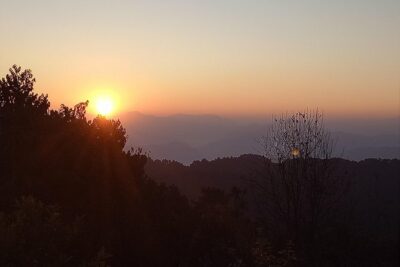
Day four is the highlight and the hardest day. You rise before dawn and walk up to Poon Hill to see sunrise over the Himalayas. After returning to Ghorepani for breakfast, you continue toward Tadapani.
The full walking day is listed at about nine hours. That length includes the early climb, the descent back for breakfast, and the onward trail. You should not book this expecting a relaxed viewpoint visit followed by a free afternoon.
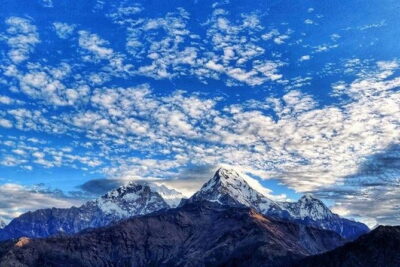
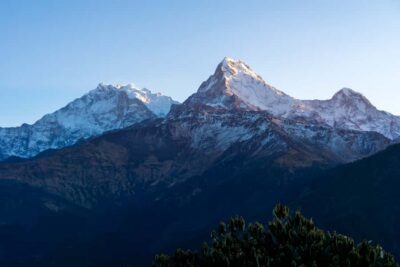
The reward is one of Nepal’s most memorable mountain scenes. From Poon Hill, the sunrise brings changing light across the Annapurna and Dhaulagiri ranges. The viewpoint is the reason many people choose this short trek, but the route is stronger because the view comes after several days of walking through villages and forest.
Your guide matters most here. Early starts are easier when someone handles the timing and keeps the group together. Hari is especially praised for checking on people, offering encouragement, taking photographs, and helping when a group member is tired or injured. Those details do not change the steepness of the trail, but they can make a demanding day feel manageable.
Bring warm layers for the morning and keep your camera accessible. The supplied information does not specify a gear list, so you will need to confirm practical packing details with the provider before departure.
Another trail to compare in Kathmandu:
- Everest Base Camp Trek – 14 Days
★ 5.0 · 1,499 reviews - Everest Base Camp Trek
★ 5.0 · 842 reviews - Everest Base Camp Trekking
★ 5.0 · 485 reviews - Annapurna Circuit Trek with Tilicho Lake
★ 5.0 · 368 reviews
Ghandruk and the return to Pokhara
The next stage takes you toward Ghandruk, a traditional Gurung village known for its culture and mountain views. The route description places the walk at about six hours and includes time to explore the village and stop for lunch.
Ghandruk is one of the most valuable cultural parts of the trip. The mountain views are the headline, but walking through a Gurung village gives you a better sense of daily life in the Annapurna foothills. The plan allows time to look around rather than treating the village as only a lunch stop.
Afterward, you return to Pokhara by public bus. This is practical and authentic, though not necessarily luxurious. Local transport can be slower and less predictable than a private vehicle, but it also keeps the trip connected to ordinary movement around the region. By evening, you can relax in Pokhara and look back on the trek before the return to Kathmandu.
Back to Kathmandu by tourist bus
The final day is another scenic bus journey, this time from Pokhara to Kathmandu. It takes about seven hours and passes villages and countryside along the way.
This return is worth considering when you plan flights or other commitments. The tour does not finish at the end of the Poon Hill walk. You still have a full transfer day, and road conditions or traffic can affect the rhythm of the journey. Give yourself breathing room before an important international departure.
The upside is that the trip begins and ends in Kathmandu, with transport between the capital and Pokhara included. You do not need to coordinate separate bus bookings for the main transfers.
What the $650 price covers
At $650 per person, the value depends on how much help you want arranging a short Himalayan trek. The package includes tourist-bus transfers between Kathmandu and Pokhara, local bus transfers between Pokhara and Nayapul and between Ghandruk and Pokhara, trekking permits, government and local taxes, and an English-speaking professional guide.
Meals are also included: four lunches, five breakfasts, and three dinners. That is a useful amount of coverage, though the meal count means you should check exactly which meals fall outside the package, particularly during transfer days.
The price does not include porter service or anything not listed in the inclusions. You should therefore ask about porter rates, accommodation standards, drinks, snacks, hot showers, and any extra transport before paying. The information provided confirms tea-house and guest-house stays through the route, but it does not give a detailed room category.
The private format improves the value for people who want a trip shaped around their own group. Only your group participates, and the guide can adjust rest stops and walking pace more easily than on a large fixed group departure. Group discounts are offered, so friends traveling together should ask how the reduction applies.
The guide can shape the whole experience
The most consistent strength of this trip is the guide service. Hari is the guide most often associated with these departures, while Ganesh is also named as a guide on one trip. The practical help described includes carrying a tired person’s bag, staying near slower walkers, arranging hot water, taking photographs, and checking that everyone is comfortable.
You should still confirm your assigned guide when booking. A strong guide is especially useful for first-time trekkers because the value goes beyond route finding. You get help with pacing, village etiquette, basic arrangements, and the small decisions that become tiring after several hours on stone steps.
The trek is private, but private does not mean effortless. You still need a moderate fitness level, and the guide cannot remove the climbs or the nine-hour day. Think of the service as support and local direction, not a substitute for preparation.
Who will enjoy this six-day trek
This route suits you if you want a first Himalayan trek with a clear target and manageable duration. It gives you mountain views, forests, village life, and a sunrise viewpoint without requiring the longer commitment of a major high-altitude expedition.
It is also a good fit for friends or couples who want a private departure. The pace can be more personal, and group discounts may help reduce the cost.
You may want a different trip if you dislike long bus rides, early mornings, basic mountain lodging, or carrying your own bag. The route is short by Himalayan standards, but short does not mean easy. Ulleri’s steps and the Poon Hill to Tadapani day demand stamina.
The best times are likely to be those with favorable mountain weather, but the provider specifically notes that the experience requires good conditions. If poor weather cancels the trip, you can choose another date or receive a full refund.
Booking details worth checking first
Confirmation is provided at booking, and cancellation is free if you cancel at least 24 hours before the start time. Cancellations or changes made inside that window are not refunded or accepted, based on the local start time.
Before confirming, ask these practical questions:
- Who will guide your departure, Hari, Ganesh, or someone else?
- What accommodation is planned in Pokhara and on the trail?
- What is the current porter cost?
- Which meals are included on each day?
- What luggage size is sensible for the bus and trek?
- Where exactly is the 7:00 a.m. meeting point?
These questions do not change the route, but clear answers help prevent surprises.
Should you book the Ghorepani Poon Hill Trek?
I would choose this trek if you want a compact introduction to Nepal’s Annapurna region and care about having a guide who pays attention to pace and comfort. The strongest parts are the Poon Hill sunrise, the route through forest and villages, the Gurung culture of Ghandruk, and the private format.
I would hesitate only if you have limited time for road travel or do not feel ready for long walking days. At $650, the package offers solid coverage for transport, permits, meals, and guiding, but you must budget separately for porter service and unlisted extras.
For a first trek, a private six-day route with strong guide support is a sensible choice. Pack lightly, prepare for steps, protect the early morning from the cold, and leave enough time after the return bus to Kathmandu.
FAQ
How long does the Ghorepani Poon Hill Trek take?
The experience lasts approximately six days, including travel between Kathmandu, Pokhara, and the trekking route.
What time does the experience start?
The listed start time is 7:00 a.m.
Is transport from Kathmandu to Pokhara included?
Yes. Tourist-bus transport from Kathmandu to Pokhara and back to Kathmandu is included.
Is transport from Pokhara to the trail included?
Yes. The package includes a local bus from Pokhara to Nayapul and a local bus from Ghandruk back to Pokhara.
Are meals included?
Yes. The package includes four lunches, five breakfasts, and three dinners.
Is porter service included?
No. Porter service is not included and must be arranged separately if needed.
What happens if bad weather cancels the trek?
If poor weather causes cancellation, you will be offered a different date or a full refund.
Latest treks added in Kathmandu
- Private Manaslu Circuit Trek at Himalayas★ 5.0 · 3 reviews
- Ghorepani Poonhill Trek★ 5.0 · 5 reviews
- Upper Mustang Trekking★ 3.0 · 2 reviews
- Amazing 1 Day Trekking Experience in Kathmandu Nepal★ 5.0 · 24 reviews
- Upper Mustang Trekking★ 5.0 · 2 reviews
- Upper Mustang Trek★ 5.0 · 5 reviews
- Upper Mustang Trekking★ 5.0 · 4 reviews
- Upper Mustang Trekking★ 5.0 · 4 reviews
Poon Hill Treks, compared.
4-Day Ghorepani, Poonhill & Ghandruk Mountain Trek
Read our review →
Browse the lists this tour appears in