
REVIEW · KATHMANDU
Langtang Valley Trekking
Langtang Valley gives you a Himalayan trek with Tamang culture and Tibetan Buddhist villages without requiring a long internal flight. You ride from Kathmandu to Syabru Besi, then follow the Langtang River through forest, settlements, monasteries, and high mountain country.
I like the strong mix of village life and serious mountain views, especially around Kyanjin Gompa. I also like that porters, permits, a guide, transport, and basic cold-weather gear are included. The main drawback is the pace: several days involve five to seven hours of walking, and meals, trekking accommodation, drinks, hot showers, and insurance are extra.
Key points to know before booking
- Syabru Besi is the trailhead: Your first and last days involve a six to seven-hour jeep ride between Kathmandu and the trekking route.
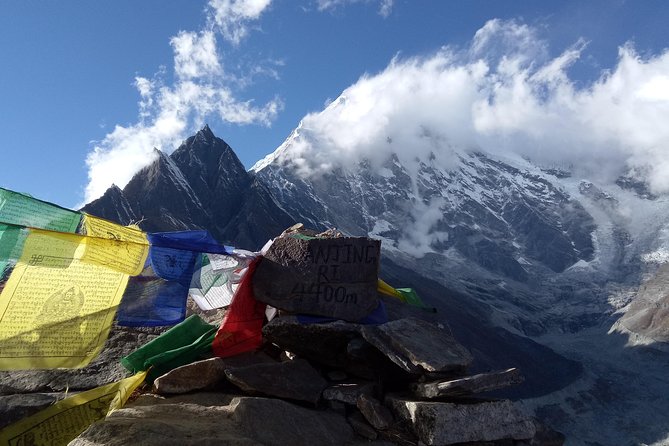
- Kyanjin Gompa is the high point: The village sits at 3,798 meters and provides access to Kyanjin Ri, Chorkari Ri, Langsisa pasture, and a local cheese factory.
- The route suits active hikers: Walking days run from about five to seven hours, with climbs reaching 5,050 meters on Chorkari Ri.
- Tamang and Tibetan Buddhist culture shape the trek: You pass local villages, monasteries, and communities along the Langtang River.
- The $600 price covers important basics: Transport, guide, porters, permits, staff costs, a medical kit, and borrowed gear are included.
- This is a private trip for at least two people: Only your group takes part, but the operator needs a minimum of two participants.
Why Langtang Valley makes a strong short Himalayan trek
Langtang Valley is a good choice if you want Nepal’s mountain country but have only eight days. The route begins with a long road journey rather than a flight, which keeps the price lower and avoids the airport delays and flight uncertainty that can affect other Himalayan routes.
The setting changes quickly. After leaving Kathmandu, you reach Syabru Besi and begin walking beside the Langtang River. Pine and rhododendron forest cover much of the lower route, while the upper valley opens toward glaciers, ridges, and peaks connected with Nepal and Tibet.
The cultural side matters just as much as the scenery. The villages are home to Tamang and Tibetan Buddhist communities, and the route includes monasteries and local settlements rather than only forest camps and mountain passes. You get a chance to see how the valley is lived in, not just photographed.
Still, do not mistake eight days for an easy holiday. The highest walking points listed are Kyanjin Ri at 4,773 meters and Chorkari Ri at 5,050 meters. You need a moderate level of fitness, and you should be comfortable walking for several hours on mountain paths.
More Langtang Treks in Kathmandu
- Langtang Valley Trek
★ 5.0 · 140 reviews - Langtang Valley Trek
★ 5.0 · 61 reviews - 8 Days Tour in Langtang Valley Trek
★ 5.0 · 45 reviews
Day 1: Kathmandu to Syabru Besi by jeep
The trip begins with a six to seven-hour jeep ride from Kathmandu to Syabru Besi. The road distance is given as about 117 kilometers, but mountain roads make time a better guide than mileage.
This is a long opening day, so keep your expectations practical. You are not sightseeing in Kathmandu and then taking a quick transfer to the trail. Most of the day is spent reaching the starting point.
Syabru Besi sits at 1,462 meters, which gives you a relatively low beginning before the route gains height. The town is both the start and finish of the walking section. Your return journey follows the same road on Day 8.
Transport by jeep is included in the stated price. That matters because road transfers can be a major part of the cost on a trek that starts outside the Kathmandu Valley. Confirm the exact pickup time and vehicle arrangements with Global Holidays Adventure before departure.
Day 2: Syabru Besi to Lama Hotel
The first walking day covers about five hours from Syabru Besi to Lama Hotel at 2,500 meters. The route follows the Langtang River and moves through pine and rhododendron forest.
This is where the trek begins to feel like a proper mountain journey. The river gives you a clear line to follow, while the forest provides shade and a gradual introduction to uneven ground and uphill walking.
You gain more than 1,000 meters from the trailhead to Lama Hotel. That is a meaningful climb, even though the day is not the highest part of the trek. Walk steadily and avoid turning the first day into a race.
Lama Hotel is a useful overnight stop because it breaks the ascent into manageable stages. The provided price does not list your own trekking accommodation, so ask exactly which guesthouses are arranged and what you pay directly. The company’s planning notes refer to guesthouse locations and personal needs, but the inclusion details should be confirmed before you book.
Day 3: Lama Hotel to Langtang Village
The route continues for about five hours from Lama Hotel to Langtang Village, reaching 3,307 meters. You remain in the river valley for part of the day, with forest gradually giving way to more open mountain surroundings.
Langtang Village is important as a cultural and geographic point on the route. The local population includes Tamang and Tibetan Buddhist communities, and the settlements provide a closer look at the valley’s traditions than a trek that stays entirely in remote camps.
The altitude gain is again substantial. From 2,500 meters at Lama Hotel to 3,307 meters, you should pay attention to how your body responds. The itinerary does not list an extra acclimatization day, so your guide’s pacing and your own willingness to slow down are important.
An English-speaking trekking guide is included for the entire route. The operator also supplies one porter for every two people. Pack with that arrangement in mind and keep your daily essentials in a small daypack, while the porter carries the larger luggage.
More Trekking Tours in Kathmandu
- Everest Base Camp Trek – 14 Days
★ 5.0 · 1,499 reviews - Everest Base Camp Trek
★ 5.0 · 842 reviews - Everest Base Camp Trekking
★ 5.0 · 485 reviews - Annapurna Circuit Trek with Tilicho Lake
★ 5.0 · 368 reviews
Day 4: Langtang Village to Kyanjin Ri and Kyanjin Gompa
Day 4 is one of the hardest and most rewarding days. You walk for about seven hours, reach Kyanjin Ri at 4,773 meters, and return to Kyanjin Gompa at 3,798 meters.
Kyanjin Gompa is described as an ancient monastery and serves as the base for exploring the upper valley. The route gives you an immediate sense of the altitude, with a large jump from Langtang Village and a high viewpoint on the same day.
Kyanjin Ri is a major scenic goal. From this height, you can look toward the glaciers and mountain ranges of Nepal and Tibet. The route information specifically identifies Dorje Lakpa and Shisapangma, which rises to 8,013 meters and is the highest mountain in Tibet.
You should treat the Kyanjin Ri walk as a serious mountain outing, not a casual stroll from the lodge. The elevation is high, and the seven-hour estimate includes the climb and return. A guide, medical kit, and staff support are included, but your personal fitness and acclimatization still determine how comfortable the day feels.
Day 5: Kyanjin Gompa and Chorkari Ri
The fifth day is set aside for exploring Kyanjin Gompa and climbing Chorkari Ri at 5,050 meters. The walking time is listed as about seven hours.
This is the highest point in the planned route. At 5,050 meters, the climb is not a technical peak climb according to the description, but it is still physically demanding. The route notes also describe non-technical peak climbing opportunities around Kyanjin Gompa.
The reward is a wider view of the upper valley, including glaciers and mountain ranges on both sides of the Nepal and Tibet frontier. If your legs are tired after Kyanjin Ri, you will appreciate having a guide who can help judge the day’s pace.
The upper valley also offers alternatives to the main climb. You might visit the local cheese factory, listed at 4,633 meters, or walk toward Langsisa pasture. Because the exact timing and access for these options are not specified, ask the operator which choices are available on your departure date.
Day 6: Kyanjin Gompa back to Lama Hotel
The return begins with a five to six-hour walk from Kyanjin Gompa to Lama Hotel. You retrace the route through the Langtang Valley.
Descending can feel easier than climbing, but long downhill sections can be hard on knees and ankles. After two demanding days around Kyanjin Ri and Chorkari Ri, keep your pace controlled.
The return route gives you a second look at places passed quickly on the way up. You may notice different details in the villages and forest now that you know the rhythm of the trail.
Lama Hotel is again listed at 2,500 meters. The descent also gives your body a break from the highest altitudes, though you should continue drinking water and following your guide’s advice.
Day 7: Lama Hotel to Syabru Besi
The final walking day covers about five to six hours from Lama Hotel to Syabru Besi. You follow the route back through forest and along the river.
This is a satisfying finish because the trailhead marks the end of the walking section, not just another overnight stop. You can look back on the full change from low forest to the high country around Kyanjin Gompa.
The day is still long enough to require proper footwear and a steady pace. Do not plan a late-night celebration in Syabru Besi unless your schedule allows it, since the next morning includes another long drive.
Day 8: Syabru Besi back to Kathmandu
The last day repeats the six to seven-hour jeep journey to Kathmandu. The tour begins and ends in Kathmandu, with the stated meeting point in the Kathmandu Valley.
This road transfer is one of the less glamorous parts of the experience, but it is built into the eight-day plan and avoids the cost of a domestic flight. If you have an international flight soon after returning, allow plenty of extra time. The supplied schedule does not promise a specific arrival hour.
What the $600 price really covers
At $600 per person, the trek offers good value if you need a private guide, porters, permits, and road transport. The included items are:
- Jeep transport between Kathmandu and Syabru Besi
- An English-speaking trekking guide
- One porter for every two people
- Staff wages, accommodation, equipment, and insurance
- Langtang National Park permit
- TIMS Card
- Medical kit
- Down jacket, sleeping bag, duffel bag, T-shirt, and trekking map
- Taxes and service charges
The down jacket and sleeping bag are loan items and must be returned. That can save you from buying bulky gear for a single trek.
The price does not include international airfare, Nepal’s entry visa, your Kathmandu hotel, meals, drinks, hot showers, personal equipment, or travel and medical insurance. The missing meals are especially important because eight days of food and drinks can add a noticeable amount to your budget.
Accommodation during the trek is not clearly listed among the inclusions. Ask if guesthouse rooms are included, what room standard to expect, and which expenses you pay directly. This is the most important cost question to settle before booking.
What support you receive on the trail
A guide accompanies you for the entire trek, and porters carry shared luggage at a ratio of one porter for two people. Staff costs, equipment, and insurance are included, along with a medical kit.
The company’s named contact is Surya. The available information describes prompt help with planning, guesthouse locations, and personal needs, so Surya is a useful person to contact with questions before you commit.
This is a private activity, meaning only your group participates. That gives you more control over pace and daily decisions than a large group departure. The catch is that at least two people are required to run the trip, so it is not designed for a solo booking.
Physical demands, equipment, and daily comfort
The activity asks for moderate physical fitness, but the figures tell a more precise story. You will walk five to seven hours on several days, gain altitude steadily, and reach 5,050 meters on the Chorkari Ri outing.
The operator supplies a down jacket, sleeping bag, duffel bag, T-shirt, and map. You still need personal trekking equipment and travel or medical insurance. The exact personal equipment list is not supplied, so ask for one before departure.
Hot showers are not included during the trek. Alcoholic drinks and hot or cold drinks are also excluded, and all meals during the trekking period are your responsibility.
The practical lesson is simple: the $600 is a package for access, transport, staff, permits, and some gear, not an all-inclusive holiday. Budget for food, drinks, accommodation if not included, showers, insurance, and personal equipment.
Who will get the most from this trek
I would recommend this route to you if you want a compact Nepal trek with strong cultural content and high mountain views. It suits people who are happy with long road transfers and several demanding walking days.
It is especially appealing if you want to visit Kyanjin Gompa and climb high viewpoints without signing up for technical mountaineering. The route offers non-technical peak options, but the altitude still makes them demanding.
Families may consider the private format, but the supplied information only says that a moderate fitness level is required. It does not give a minimum age or a special family program, so ask the operator before booking for younger participants.
This trip is less suitable if you want an easy walking holiday, included meals, hotel-style comfort, or a flexible schedule with rest days. It also may not suit anyone who dislikes long jeep rides on mountain roads.
Should you book the Langtang Valley Trek?
Book it if you want an eight-day private route that combines Tamang villages, Buddhist monasteries, forest walking, and high Himalayan viewpoints. The included transport, porter support, permits, guide, medical kit, and loan gear make the $600 price attractive.
Before paying, confirm three things: exactly what trekking accommodation costs, how meals are handled, and the personal equipment you must bring. Also make sure your insurance covers trekking at high altitude.
The strongest reason to choose this route is its balance. You get a real high-altitude trek, but the plan stays within one valley and returns by the same trail. The biggest caution is the workload, especially the seven-hour days to Kyanjin Ri and Chorkari Ri.
Free cancellation is available if you cancel at least 24 hours before the local start time. Changes or cancellations made inside that window are not accepted for a refund.
FAQ
How long is the Langtang Valley trek?
The planned duration is eight days, including the jeep journeys from Kathmandu to Syabru Besi and back.
Where does the trek start?
The walking section starts in Syabru Besi, which is reached from Kathmandu by a six to seven-hour jeep ride.
What is the highest point on the route?
Chorkari Ri is listed at 5,050 meters. Kyanjin Ri is listed at 4,773 meters.
Is a guide included?
Yes. An English-speaking trekking guide is included for the entire trek.
Are porters included?
Yes. The arrangement is one porter for every two people, and staff accommodation, salary, equipment, and insurance are included.
Are meals included?
No. Meals during the Kathmandu and trekking portions are not included. Alcoholic drinks and hot and cold drinks are also excluded.
Is this a private tour?
Yes. Only your group participates, but at least two people are required to run the trip.
Latest treks added in Kathmandu
- Ghorepani Poon Hill Trek★ 5.0 · 16 reviews
- Private Manaslu Circuit Trek at Himalayas★ 5.0 · 3 reviews
- Ghorepani Poonhill Trek★ 5.0 · 5 reviews
- Upper Mustang Trekking★ 3.0 · 2 reviews
- Amazing 1 Day Trekking Experience in Kathmandu Nepal★ 5.0 · 24 reviews
- Upper Mustang Trekking★ 5.0 · 2 reviews
- Upper Mustang Trek★ 5.0 · 5 reviews
- Upper Mustang Trekking★ 5.0 · 4 reviews
Langtang Valley Treks, compared.

Trekking in Annapurna/Langtang/Everest/Upper Mustang regions
Read our review →
Browse the lists this tour appears in