
REVIEW · KATHMANDU
Langtang Valley Trek
The Langtang Valley Trek takes you from Kathmandu into a striking mountain valley in just eight days. You pass through oak and rhododendron forest, Tamang villages, yak pastures, Buddhist monuments, and high country beneath the Langtang range. The route reaches Kyanjin Gompa, then climbs to Tserko Ri for the trek’s highest views.
I like the close access from Kathmandu and the strong mix of nature and local culture. I also like that the package includes lodge stays, meals, permits, transport, a guide, and basic trekking gear, so you are not assembling the trip piece by piece. Guides named in guest feedback include Santabir, Sandip Aryal, Yadu, and Madan, with special praise for care and flexibility.
The main consideration is physical effort. The Tserko Ri day lasts about 10 hours, and the road to Syabrubesi takes roughly seven hours each way. A porter is not included, and personal costs, tips, insurance, and the Nepal entry visa are extra.
Key points to know before booking
- Tserko Ri is the big physical test: The summit day takes about 10 hours and reaches the highest point of the trek.
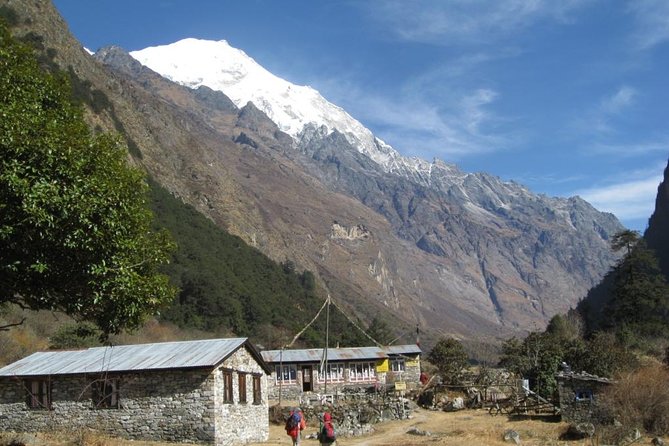
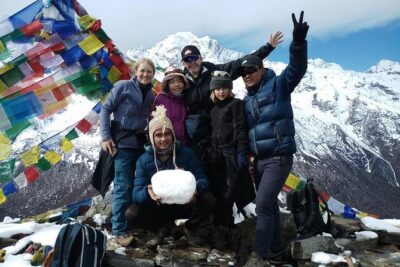
- Kyanjin Gompa is the cultural and scenic center: Prayer flags, wheels, chortens, a monastery, yak pastures, and wide mountain views come together here.
- The drive matters: You spend about seven hours traveling from Kathmandu to Syabrubesi and another eight hours returning.
- Teahouse lodging keeps the trip practical: Accommodation is in trekking lodges, with breakfast, lunch, and dinner included as specified.
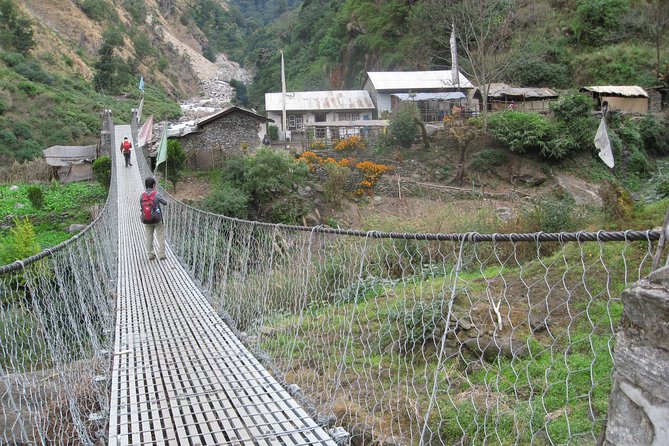
- The route mixes forest and high country: Expect suspension bridges, Langtang Khola river views, rhododendron trees, waterfalls, villages, and open yak pasture.
- The tour is private: Only your own group participates, and group discounts are available.
Why Langtang works well for a short Nepal trip
Langtang is a sensible choice if you want Himalayan scenery but do not have time for a longer trek in the Everest or Annapurna regions. The trail begins after a road journey from Kathmandu, and the walking route reaches high mountain country without requiring a multiweek expedition.
The valley also gives you more than peaks. Tamang villages, Buddhist prayer flags, monasteries, water mills, chortens, and yak pastures make the route feel lived in. You walk through Langtang National Park, where oak and rhododendron trees line much of the lower trail. Keep your eyes open for birds and langurs in the forest.
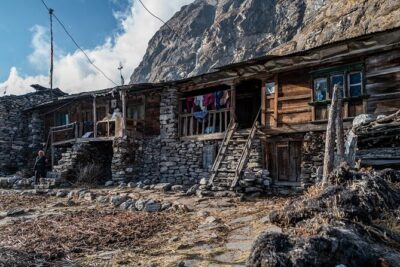
The area suffered severe damage in the 2015 earthquake and has been rebuilding. That history is visible in the contrast between older village houses and newer lodges and homes. At Mundu, older buildings offer a reminder of the valley’s earlier appearance, while much of the current accommodation uses more modern construction.
This is not a wilderness trip with no contact with local life. You stay in lodges and pass through settlements each day. That means basic comfort and regular meals, but it also means you should not expect resort-style rooms or a polished mountain road.
More Langtang Treks in Kathmandu
- Langtang Valley Trek
★ 5.0 · 140 reviews - Langtang Valley Trek
★ 5.0 · 61 reviews - 8 Days Tour in Langtang Valley Trek
★ 5.0 · 45 reviews
Day 1: Kathmandu to Syabrubesi by road
The first day is mostly transportation. You leave Kathmandu and follow the Prithvi Highway through villages, terraced farms, green hills, and occasional mountain views. The route passes Galchi and Trishuli Bazaar before reaching Dhunche, the administrative center of Rasuwa District.
Syabrubesi is the gateway town for much of the Langtang region. It has hotels, guesthouses, restaurants, shops, ATMs, and other useful services. You can walk around town after arrival and get a first look at the local pace of life before the trail begins.
The drive is listed at about seven hours, though road conditions can affect the day. I would treat this as a full travel day, not a relaxed transfer. If you are sensitive to long road journeys, carry water, snacks, and anything you need close at hand.
Day 2: Forest trails from Syabrubesi to Lama Hotel
After breakfast, you cross a small suspension bridge over the Ying Yang Khola and leave the main road. The path follows the Langtang Khola, with gradual switchbacks through oak and rhododendron forest.
The trail passes small teahouse settlements including Tiwari Gaon, Bamboo, and Rimche. Bamboo is a useful name to remember because the vegetation and river corridor make this section feel very different from the open valley farther ahead.
The walking time is about six hours. Much of the route is manageable, but the section after Rimche becomes steeper before Lama Hotel. This is your first real test of the legs, especially after the road journey on day one.
You might spot exotic birds or langurs along the way. The forest is not simply scenery between points. It gives the early trek shade, sound, and a slower rhythm before the valley opens up.
Day 3: Lama Hotel to Langtang village and Mundu
The trail continues uphill beside the Langtang River. Waterfalls appear along the rocky slopes, and you may catch views of Langtang Lirung through openings in the trees.
At Ghoda Tabela, the route reaches broad yak pastureland. This is one of the day’s scenic highlights because the forest begins to give way to more open views of the Langtang range. The walking time is about seven hours, so pace yourself and use the lunch stop wisely.
You continue through villages and monasteries before reaching Langtang village, a Tamang settlement set against a rocky hillside. Mundu is about 30 minutes farther. The older houses around Mundu provide a useful sense of how the valley looked before the earthquake and rebuilding changed much of the built environment.
This day gives you a better feel for the cultural side of the trek. The route is not only a climb toward mountains. It passes through communities with their own architecture, religious customs, and working pastureland.
More Trekking Tours in Kathmandu
- Everest Base Camp Trek – 14 Days
★ 5.0 · 1,499 reviews - Everest Base Camp Trek
★ 5.0 · 842 reviews - Everest Base Camp Trekking
★ 5.0 · 485 reviews - Annapurna Circuit Trek with Tilicho Lake
★ 5.0 · 368 reviews
Day 4: Mundu to Kyanjin Gompa
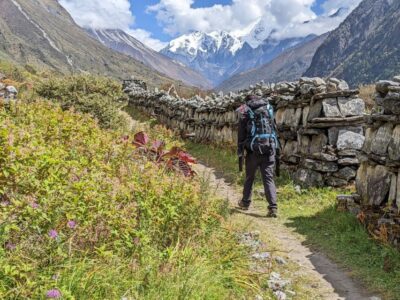
The walk to Kyanjin Gompa is shorter, at about five hours, and the trail climbs gently through yak pastures. The valley opens wider as you gain height, bringing larger views and a sense that the main mountain country is close.
Along the way, you pass villages, water mills, chortens, prayer wheels, and lines of prayer flags. Kyanjin Gompa is a major Buddhist site for local people, and its religious presence gives this part of the route a distinctive character.
Once you arrive, you have an afternoon to rest or explore. The itinerary suggests Langshisha Kharka for those who want more walking, but you should only add it if you still feel strong and the guide agrees that conditions are suitable. After several consecutive walking days, rest can be the smarter choice.
Kyanjin Gompa is the natural center of the trek. You have reached the high valley, but the biggest physical challenge is still ahead. Use the afternoon to eat, drink, organize your daypack, and prepare for the early start to Tserko Ri.
Day 5: The long climb to Tserko Ri
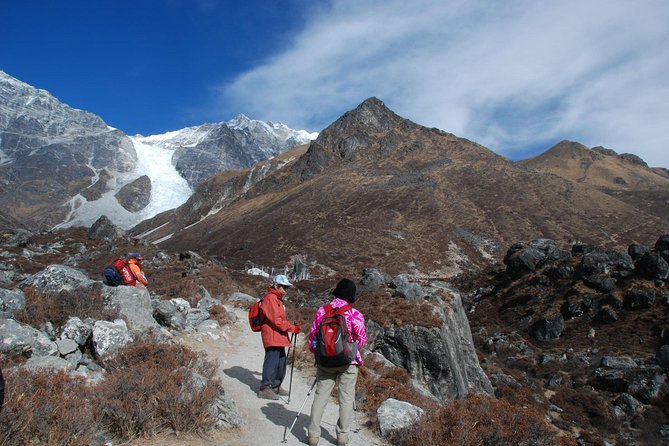
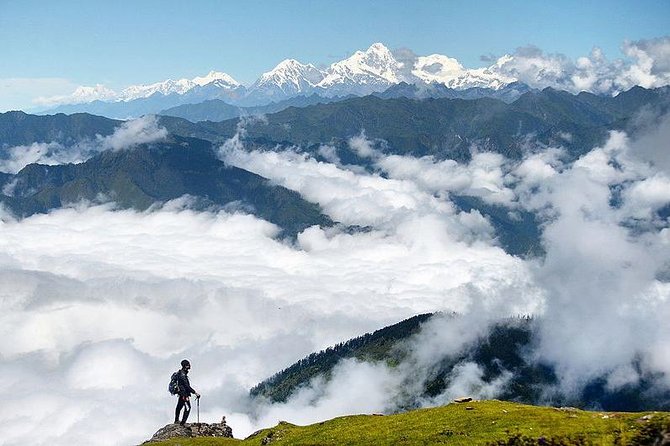
This is the hardest day. The hike to Tserko Ri takes about 10 hours, passes through yak pasture, and reaches the highest altitude of the trek. The reward is a broad view of the Langtang range and, with the right conditions, a memorable sunrise.
The length matters more than the simple distance. You climb, spend time at the high point, and then return to Kyanjin. I would not treat this as a casual viewpoint walk. You need steady pacing, warm clothing, water, food, and enough energy for the descent.
The itinerary also allows time to explore Kyanjin after returning. A visit to the local yak cheese factory gives the day a useful local touch, and you can try or buy cheese there. It is a small detail, but it helps connect the high mountain setting with the everyday work of the valley.
Some guest experiences mention a hike to Kyanji Ri rather than Tserko Ri. Those are different viewpoints, so confirm the exact high point with your guide before setting out. The published route here identifies Tserko Ri as the highest point.
Day 6: Retracing the valley to Lama Hotel
You return along the Langtang Khola, passing Mundu and Ghoda Tabela before continuing to Lama Hotel. The walking time is about seven hours.
The descent should be quicker than the climb, but downhill walking can be tough on knees and ankles. Trekking poles may help, though the supplied equipment list only specifically includes a sleeping bag and duffel bag.
This day has less novelty because you are using the same trail in reverse. Still, the scenery changes with your direction, and you may notice details missed during the uphill walk. Keep some energy for the final stretch after lunch.
Day 7: Lama Hotel to Syabrubesi
The final walking day takes about five hours. You descend steeply to Rimche, then follow a more gradual trail toward Syabrubesi through oak and rhododendron forest.
The route again offers views of the Langtang Khola, forest wildlife, and small villages. Near Syabrubesi, you cross a suspension bridge and reconnect with the motorway. That moment makes the change from trekking route to road travel quite clear.
You return to the same town where the trek began, but it feels different after several days on foot. Syabrubesi now marks the end of the mountain section rather than the start of an unknown route.
Day 8: Syabrubesi back to Kathmandu
The return drive follows the same route toward Kathmandu and takes about eight hours. You can watch the countryside pass again, but this is another long road day and should be planned with patience.
After arriving in Kathmandu, you are transferred to your hotel. The program identifies Thamel as the Kathmandu stop and includes the return transfer. Breakfast is included, while the meal schedule lists eight breakfasts, eight lunches, and seven dinners.
The transport is valuable because arranging a reliable vehicle from the trailhead can be one of the less convenient parts of a Nepal trek. At the same time, the road journey is not a minor detail. You spend a significant share of this eight-day trip in transit.
What the $860 price includes
At $860, the package offers useful value if you want one organized price covering the major building blocks of the trek. It includes lodge accommodation, airport transfers, permits, transportation from the trek’s starting and ending points, a professional trekking guide, a first aid kit, and trekking gear supplied by Nepal Social Treks.
The gear listed includes a sleeping bag and duffel bag for use during the trip. That reduces the amount of equipment you need to bring from home, though you still need your own clothing, footwear, personal items, and daypack supplies.
Meals are included according to the stated schedule: eight breakfasts, eight lunches, and seven dinners. Alcohol, snacks, shopping, and other personal purchases are extra. Tips for the guide and porter are also extra.
A trekking porter is not included. This is important. You may need to carry your own main luggage unless you arrange and pay for porter service separately. Ask about this before booking, especially if you are not used to carrying gear on steep trails.
The international flight, Nepal entry visa, travel insurance, and medical insurance are not included. The tour also requires a current passport name, number, expiry date, and country at booking. The experience is listed as a private activity, so only your group participates.
Guides, service, and the human side
The strongest service detail is the care shown by the guides. Santabir is described as attentive, while Sandip Aryal is praised for professionalism. Yadu is noted for adapting to changing needs and making people feel at home, and Madan guided a longer route that included Langtang.
You should not assume a particular guide unless the company confirms the assignment. Still, these names give you useful questions to ask before departure. Confirm who will lead your group, whether a porter can be added, and how the guide handles changes caused by weather or personal pace.
The operator also arranged last-minute changes involving transport, dates, times, food, and guides. That flexibility is useful in Nepal, where road conditions and weather can affect plans. It is not a promise that every change will be free, so get any revised cost or schedule in writing.
Who should choose this trek
This route suits you if you have moderate physical fitness, enjoy walking several days in a row, and want a taste of Himalayan trekking without committing to a very long trip. It also fits visitors with limited time in Nepal because the route is close to Kathmandu compared with many other mountain itineraries.
You should be comfortable with basic lodge accommodation, long drives, steep sections, and changing weather. The Tserko Ri day is the key question. If a 10-hour mountain day sounds beyond your limits, ask about a shorter alternative before you book.
The private format works well for people who want their own pace and direct communication with a guide. It is also useful for couples, families with suitable fitness, and small groups that want to adjust the schedule.
Should you book the Langtang Valley Trek?
I would choose this trek for its balance: mountain scenery, local culture, and a manageable eight-day format. The route reaches a proper high point at Tserko Ri, but it also gives you time in villages, monasteries, forest, and yak country.
The $860 price is reasonable when you value included permits, meals, lodge accommodation, transport, a guide, airport transfers, and basic gear. The value is weaker if you need a porter, private vehicle upgrades, extensive insurance, or extra services, because those costs sit outside the package.
Book it if you want a guided private trek and accept two long road days. Before paying, confirm the guide, porter arrangements, transport type, exact high point, meal schedule, and what emergency support is covered. Free cancellation is available up to 24 hours before the start time, but cancellations within 24 hours are not refunded.
FAQ
How long is the Langtang Valley Trek?
The trek takes approximately eight days, including transportation from Kathmandu to Syabrubesi, the walking route, and the return drive to Kathmandu.
What is the highest point of the trek?
Tserko Ri is identified as the highest point. The hike to the summit and back to Kyanjin takes about 10 hours.
Is transportation from Kathmandu included?
Yes. Transportation from the starting and ending points of the trek is included, along with airport transfers. The drive to Syabrubesi takes about seven hours, and the return to Kathmandu takes about eight hours.
Is accommodation included?
Yes. Accommodation is provided in lodges during the trek. A Kathmandu hotel stay is also included in the itinerary.
Are meals included?
Yes. The package lists eight breakfasts, eight lunches, and seven dinners. Snacks and alcoholic drinks are not included.
Is a trekking porter included?
No. Trekking porter service is not included. You should ask the provider about arranging one separately if you do not want to carry your own luggage.
Do I need travel insurance?
Yes, you should arrange suitable travel and medical insurance yourself. Emergency travel and medical insurance is not included in the package.
Can I cancel for a full refund?
You can receive a full refund if you cancel at least 24 hours before the experience start time. Cancellations or changes made within 24 hours are not accepted or refunded.
Latest treks added in Kathmandu
- Private Manaslu Circuit Trek at Himalayas★ 5.0 · 3 reviews
- Ghorepani Poonhill Trek★ 5.0 · 5 reviews
- Ghorepani Poon Hill Trek★ 5.0 · 16 reviews
- Upper Mustang Trekking★ 3.0 · 2 reviews
- Amazing 1 Day Trekking Experience in Kathmandu Nepal★ 5.0 · 24 reviews
- Upper Mustang Trekking★ 5.0 · 2 reviews
- Upper Mustang Trek★ 5.0 · 5 reviews
- Upper Mustang Trekking★ 5.0 · 4 reviews
Langtang Valley Treks, compared.

Trekking in Annapurna/Langtang/Everest/Upper Mustang regions
Read our review →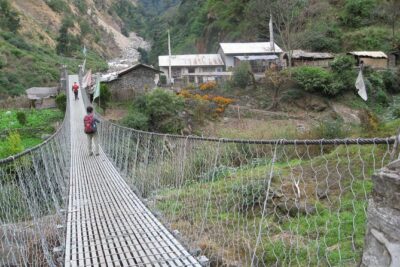
Browse the lists this tour appears in