
REVIEW · KATHMANDU
7 Days Langtang Valley Trek from Kathmandu
The best part of this Langtang Valley trek is the way it moves from river valleys and bamboo forests to high yak pastures, glaciers, and snow peaks in only a week. You reach Kyanjin Gompa at about 3,870 meters, where the scenery feels far removed from Kathmandu and the road traffic you left behind.
I like the Tamang village visits and the steady change in scenery. I also like that the $895 price includes a licensed guide, porter, ground transport, park fees, and meals, so the main costs are clear before you start.
The main caution is the schedule. You spend just one night at Kyanjin Gompa, and the high-altitude viewpoint is described as both Kyanjin Ri and Tserko Ri in the tour details. Confirm the exact summit plan with your guide before setting out.
Key points to know before booking
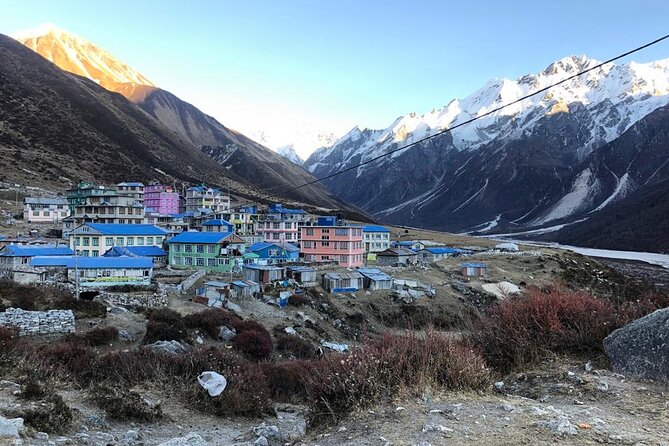
- Kyanjin Gompa at 3,870 meters: Reach a small monastery, yak pastures, a cheese factory, and wide views of Langtang Lirung and nearby peaks.
- A real village-to-village trek: Sleep in guesthouses and pass Tamang settlements, prayer wheels, water mills, forests, and mountain lodges.
- Meals and transport are included: The package covers Kathmandu to Syabrubesi transport, the return trip, park fees, a guide, a porter, and listed breakfasts, lunches, and dinners.
- A high viewpoint is part of the plan: The route information refers to Tserko Ri and Kyanjin Ri, with the latter listed at about 4,773 meters.
- Wildlife is possible, not promised: Langtang National Park offers a chance to see langur monkeys, Himalayan tahr, and perhaps a red panda.
- Private activity with moderate fitness required: Only your group participates, but five to six hours of walking on several days calls for steady preparation.
Why this seven-day route works
The Langtang Valley offers a satisfying mountain trek without requiring a long stay in the Himalayas. You begin near Syabrubesi at roughly 1,500 meters and gradually gain height through forests and villages before reaching the alpine terrain around Kyanjin Gompa.
That gradual climb matters. You are not driven straight to a high trailhead and asked to walk hard at altitude on the first day. The trek gives you several walking days to adjust, although the schedule still becomes demanding near Kyanjin.
The route also has a useful balance of scenery and local life. You follow the Bhote Koshi and Langtang Khola, cross bridges, pass waterfalls, and walk through rhododendron, bamboo, oak, and pine forests. Between those natural features, you see Tamang villages, prayer wheels, yak pastures, traditional water mills, and simple tea houses.
I would choose this trip if you want mountain scenery with cultural contact, rather than a route made only of viewpoints. It is also a practical choice if you have one week available from Kathmandu and prefer having transport, meals, permits, and staff arranged together.
More Langtang Treks in Kathmandu
- Langtang Valley Trek
★ 5.0 · 140 reviews - Langtang Valley Trek
★ 5.0 · 61 reviews - 8 Days Tour in Langtang Valley Trek
★ 5.0 · 45 reviews
Day 1: Kathmandu to Syabrubesi by mountain road
Your meeting time is listed as 6:15 in the morning, with the drive beginning around 7. The first leg takes about six hours by bus from Kathmandu to Syabrubesi. Your guide helps you reach the bus from the Machhapokhari area.
This is not a smooth highway transfer. The road follows the Prithvi Highway at first, then continues through the Trishuli River valley on winding mountain roads. You see terraced fields, villages, forested hills, and the turquoise river below. On a clear day, distant Himalayan peaks begin to appear.
The bus ride is part of the experience, but it is also one of the less comfortable sections. You should expect a long day of sitting and road movement before the walking begins. The reward is arriving in Syabrubesi with the first mountain atmosphere already in place.
At about 1,500 meters, Syabrubesi is a useful starting point. You have time to stroll through the village, meet local residents, and prepare for the trail. Your first night is in a guesthouse.
Because pickup is offered but the meeting point and bus departure are also specified, confirm the exact pickup arrangement before the morning of departure. That small check can save confusion at an early hour.
Day 2: Syabrubesi, Bamboo, Rimche, and Lama Hotel
The first walking day follows the Bhote Koshi and then the Langtang Khola. You cross rivers and climb gradually through dense stands of bamboo, rhododendron, and oak.
The trail passes a landslide area before reaching Bamboo at about 1,960 meters. From here, you continue toward Rimche at around 2,400 meters, with the river often running below or beside the path. The forest gives shade and keeps the day visually interesting, even when the walking feels steady rather than dramatic.
This section is a good introduction to the character of the trek. You hear rushing water, pass small waterfalls, and walk through forest where birds and monkeys may appear. Red pandas and Himalayan bears are mentioned as possible sightings, but you should treat wildlife as a bonus rather than an expectation. A red panda sighting would be rare and depends on luck.
The walking time is about five hours. You can stop for lunch at Rimche, then continue toward Lama Hotel. The trail is not a flat stroll, and the repeated climbs and descents can feel harder than the distance suggests.
You sleep in a guesthouse at Lama Hotel. Facilities on this route are simple, and the tea house system is part of what makes the trek feel local. Meals are generally based around practical mountain dishes, including traditional Nepali food listed among the experience highlights.
Day 3: Lama Hotel into the wider Langtang Valley
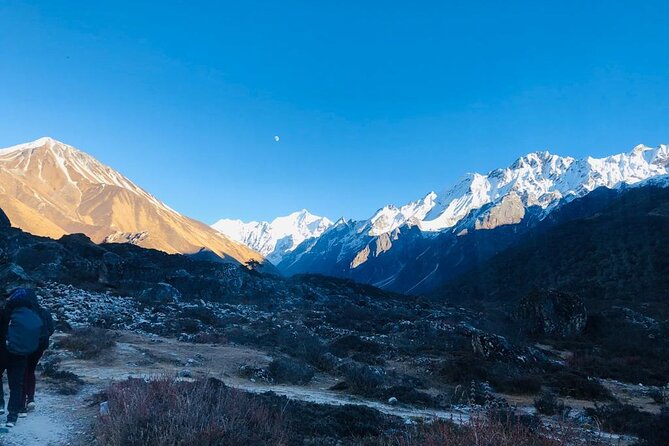
From Lama Hotel, the trail continues above the Langtang Khola. The climb becomes steeper at points, and the forest begins to open. One of the first major mountain rewards is the growing view of Langtang Lirung, which rises to 7,246 meters.
You pass a log bridge and continue to the meadows of Ghoda Tabela at approximately 2,992 meters. There are lodges and a police check post here, giving the route a more settled feel before the valley opens farther ahead.
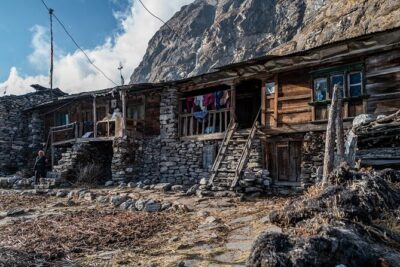
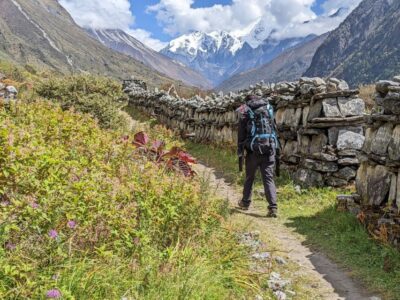
The scenery changes noticeably after Ghoda Tabela. Dense trees give way to wide yak pastures and scattered Tamang settlements. Prayer wheels, water-driven mills, and village buildings offer reminders that this is a lived-in valley, not simply a mountain corridor for hikers.
After crossing a stream, you reach Langtang village at about 3,430 meters. The walking time is about five hours, but the altitude makes this day more demanding than the number suggests. Walk slowly, drink regularly, and tell your guide if you feel unwell.
This is one of the most meaningful days on the route because the natural scenery and local culture appear together. You see the Langtang River and waterfalls, but you also pass through places where mountain life continues at a demanding altitude.
More week-long treks in Kathmandu
- Short Annapurna Base Camp Trek – 7 Days
★ 5.0 · 22 reviews - Kathmandu to Langtang Valley 7-Day Trek
★ 5.0 · 11 reviews - 7 Days Langtang Valley Private Trek From Kathmandu
★ 5.0 · 10 reviews - Langtang Trek from Kathmandu 7 Days
★ 5.0 · 5 reviews
Day 4: Langtang village to Kyanjin Gompa
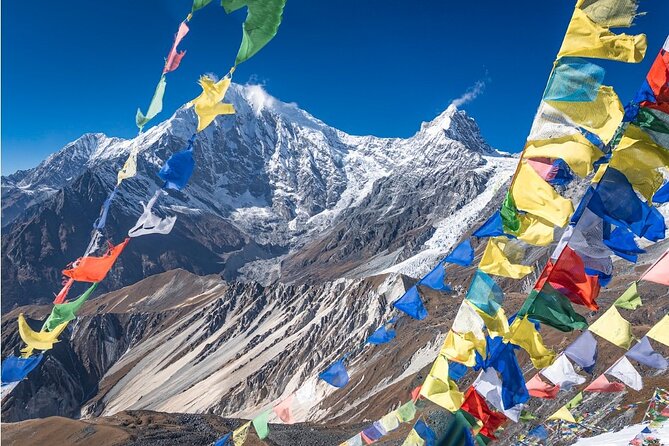
The fourth day is shorter, at roughly four hours, but it takes you to the trek’s highest overnight point. You pass the settlements of Mundu and Singdun, walk through yak pastures, cross a wooden cantilever bridge, and climb over moraine terrain.
Kyanjin Gompa sits at about 3,870 meters. It is a small mountain settlement with a monastery, guesthouses, prayer flags, and striking views of the surrounding peaks. Langtang Lirung and Yala Peak are among the prominent names connected with this area.
A government-operated cheese factory adds an unusual local detail. It is a reminder that the valley’s economy is not built only around trekking. Yak herding and dairy production remain part of life at high altitude.
You have a short walking stop listed around Kyanjin Gompa, including a glacial lake area described as Kyanjin Ri. The exact naming in the schedule is not fully consistent, so ask your guide what the day’s viewpoint or lake walk includes.
This is the point where the trip feels most alpine. Snow peaks, moraine slopes, glaciers, and open mountain spaces replace the warmer forests below. You should still pace yourself. At nearly 3,900 meters, even a short uphill walk can leave you breathing hard.
Day 5: High viewpoint plans and the return toward Lama Hotel
The high viewpoint is the most important planning detail to clarify. The experience description highlights Tserko Ri, while the day-by-day schedule lists Kyanjin Ri at approximately 4,773 meters. Both names are associated with high viewpoints in the Kyanjin area, but the schedule places the viewpoint information alongside the descent to Lama Hotel.
That wording suggests the exact order may vary. You might make an early high-altitude walk near Kyanjin before descending, or your guide may adjust the plan according to weather, fitness, and trail conditions. Confirm this before the trek so you know how much uphill walking is expected.
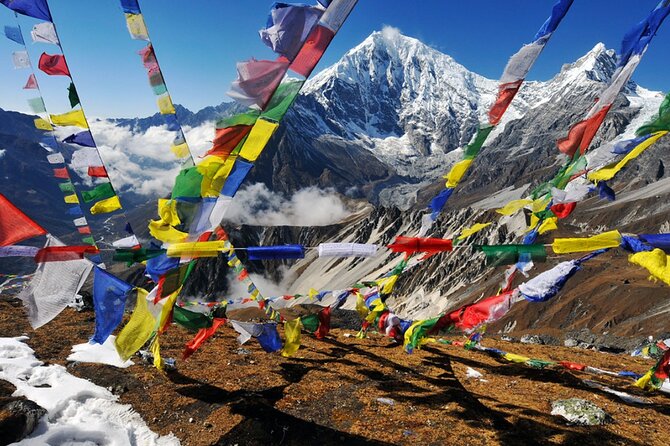
The listed viewpoint walk is described as challenging but rewarding, with views toward Langtang Lirung, Langshisha Ri, Dorje Lakpa, glaciers, snow-covered summits, and the valley below. Prayer flags add a visual and spiritual touch to the climb.
After leaving Kyanjin, the route descends through rhododendron and pine forest toward Lama Hotel. You pass waterfalls and see the valley from a different angle than during the ascent. The walking time is about six hours, making this a substantial day if a high viewpoint is included.
This is also the day when altitude and fatigue can combine. If the summit walk is important to you, discuss your pace with the guide. If you prefer a calmer day, you should ask whether the high viewpoint can be shortened or skipped.
Day 6: Lama Hotel to Syabrubesi
You have two route options for the descent. One follows the familiar trail back toward Syabrubesi. The other passes through Rimche and includes a stop in Sherpa Gaon for lunch.
The Sherpa Gaon option adds variety to the return journey. You see more village life instead of simply retracing every step. Another version takes you through oak and rhododendron forest before returning to Syabrubesi.
The walking time is listed as about four hours, though one portion of the schedule also describes two hours for the descent from Lama Hotel to Syabrubesi. Your exact time will depend on the route chosen and the pace of your group. Ask your guide which option is planned.
The final descent follows the river and passes waterfalls, forest, and Tamang villages. This is a good time to notice details you may have missed while climbing. You can also walk through the local market in Syabrubesi before your final night in a guesthouse.
The day has a reflective quality. You are leaving the high valley, but the return is not just a transfer back to the road. The villages and forests give the trek a proper ending.
Day 7: Syabrubesi to Kathmandu
After breakfast, you take an early coach back to Kathmandu. The drive takes about six hours and follows the winding mountain roads through terraced hills, villages, river valleys, and greener lower elevations.
The return ride can feel long after several days of walking. Still, it gives you time to watch the scenery change from high Himalayan terrain to the lower hills around the capital.
A farewell dinner in a traditional Nepalese restaurant is planned for the evening, with cultural performances. That closing meal gives the trip a social finish instead of ending abruptly at the bus stop.
The schedule lists six breakfasts, seven lunches, and seven dinners. Since meal arrangements can differ by departure, check what is served each day and whether the final dinner is part of the organized evening program.
What the $895 price really covers
At $895 per person, the package offers solid value if you want a guided trek with the major shared costs handled. It includes a licensed guide and porter, ground transport from Kathmandu to Syabrubesi and back, Langtang National Park entry, government fees and taxes, and the listed meals.
The guide and porter are especially useful on a route with changing altitude and several long walking days. The guide can help with trail decisions, village arrangements, and the choice between descent options. Guide Raj is identified with the trip, and the available feedback describes him as professional and attentive.
The price does not include personal equipment, personal expenses, or tips for the guide and porter. You should budget separately for those items. The package also does not remove the need to prepare your own clothing, footwear, and other trekking equipment.
For a private activity, the value depends partly on group size. Only your party participates, so you are not assigned to a large public group. That can make it easier to set a comfortable pace, though the price may feel less attractive for a solo participant than for a small private group.
Who should book this Langtang trek
This trip suits you if you have a moderate level of fitness and can handle five to six hours of walking on several days. You should be comfortable with uneven mountain trails, forest climbs, long descents, and a high overnight stay at Kyanjin Gompa.
It is a good fit for someone who wants mountains and village culture together. The route does not rush from one photo stop to another. You pass working settlements, prayer wheels, yak pastures, water mills, and tea houses along with the major peaks.
It may not suit you if you want hotel-style comfort, short walking days, or a fully fixed high viewpoint schedule. The guesthouses are part of the appeal, but they also mean a simpler standard of accommodation. The summit details should be confirmed because the plan uses both Tserko Ri and Kyanjin Ri.
The trip also suits first-time Himalayan trekkers who want help with permits, transport, meals, and staff. You still need to take responsibility for your fitness and equipment, but the major route arrangements are in place.
Practical details before you go
The activity is private, offers pickup, and has a listed start time of 6:15 in the morning. Confirmation is provided when you book, and the meeting area is near public transport.
Free cancellation is available if you cancel at least 24 hours before the local start time. Cancellations or changes made inside that 24-hour period are not accepted for a refund.
Pack for changing conditions. The trip begins in lower, warmer valleys and reaches cold, high terrain around Kyanjin. Personal equipment is not included, so you need to arrange your own trekking clothing and gear.
You should also clarify three items before departure:
- The exact pickup point and bus departure time
- Whether the high viewpoint will be called Kyanjin Ri or Tserko Ri
- Which route will be used between Lama Hotel and Syabrubesi
Should you book it?
Book this trek if you want a compact Himalayan route with genuine village contact, forest walking, glacier views, and a strong mountain finish at Kyanjin Gompa. The included transport, meals, guide, porter, and park fees make the $895 price easy to assess.
I would be more cautious if your main goal is a guaranteed summit of a particular peak or viewpoint. The itinerary needs clarification on that point, and the high-altitude walk may be adjusted.
For a private seven-day trip from Kathmandu, the mix is appealing: scenic variety, Tamang culture, tea house nights, and a professional guide such as Raj. Prepare for basic accommodation and demanding walking, confirm the viewpoint plan, and this can be a well-balanced introduction to the Langtang Valley.
FAQ
How long is the Langtang Valley Trek from Kathmandu?
The experience lasts seven days, including the bus journeys between Kathmandu and Syabrubesi.
What is included in the $895 price?
The price includes a licensed guide and porter, transport from Kathmandu to Syabrubesi and back, Langtang National Park entry, government fees and taxes, six breakfasts, seven lunches, and seven dinners.
Is the tour private?
Yes. Only your group participates in the activity.
What level of fitness is required?
A moderate level of physical fitness is required. Several walking days last about five to six hours, and the route reaches Kyanjin Gompa at approximately 3,870 meters.
Does the trip include a high mountain viewpoint?
Yes. The experience information refers to Tserko Ri and Kyanjin Ri. The schedule lists Kyanjin Ri at approximately 4,773 meters, so you should confirm the exact viewpoint plan with your guide.
Can I cancel for a full refund?
Yes, if you cancel at least 24 hours before the experience start time. Cancellations or changes made less than 24 hours before the start are not eligible for a refund.
Latest treks added in Kathmandu
- Private Manaslu Circuit Trek at Himalayas★ 5.0 · 3 reviews
- Ghorepani Poonhill Trek★ 5.0 · 5 reviews
- Ghorepani Poon Hill Trek★ 5.0 · 16 reviews
- Upper Mustang Trekking★ 3.0 · 2 reviews
- Amazing 1 Day Trekking Experience in Kathmandu Nepal★ 5.0 · 24 reviews
- Upper Mustang Trekking★ 5.0 · 2 reviews
- Upper Mustang Trek★ 5.0 · 5 reviews
- Upper Mustang Trekking★ 5.0 · 4 reviews
Langtang Valley Treks, compared.

Trekking in Annapurna/Langtang/Everest/Upper Mustang regions
Read our review →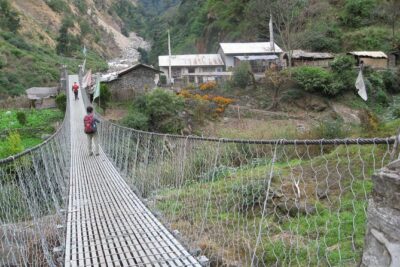
Browse the lists this tour appears in