
REVIEW · KATHMANDU
Kathmandu to Langtang Valley 7-Day Trek
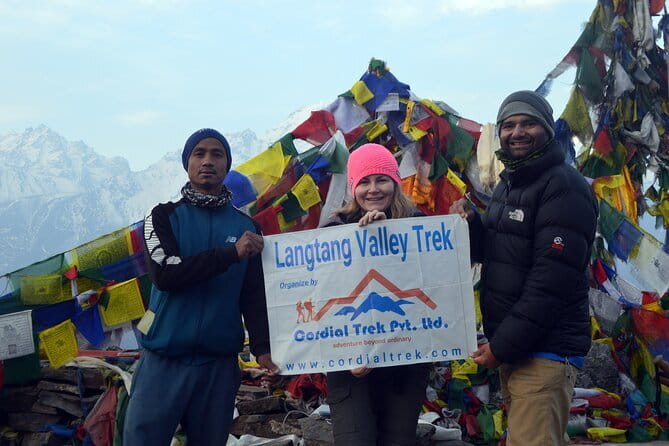
The best part of this trek is the quick change from Kathmandu traffic to rhododendron forests, waterfalls, old villages, and glacier-framed peaks. You reach Kyanjin Gompa, then climb Kyanjin Ri at 4,773 meters for wide views of Langtang Ri, Dorje Lakpa, and Langtang Lirung.
I like the sensible route and the strong value: transport, mountain guesthouses, the national park permit, and TIMS card are included for $300. I also like that this is a private trip for your own group, with guides such as Raj Tamang, Pratip, and Raju praised for careful support. The catch is that meals are not included, and long bus rides and several six-hour hiking days demand decent fitness.
Key points to know before you book
- Kyanjin Ri reaches 4,773 meters, giving you the trek’s biggest mountain views but also its hardest climb.
- The route uses guesthouses, so you get simple mountain lodging rather than a hotel-style stay.
- Shared bus or jeep transport is included between Kathmandu and Syapru Besi, saving you a major extra cost.
- Guides are a real part of the experience, with Raj Tamang, Pratip, Raju, and others praised for care, motivation, and cultural explanations.
- Meals are extra, so keep room in your budget for food throughout the week.
- The seven-day schedule is active, with 5 to 7 hours of hiking on several days and a long return drive.
Why this seven-day Langtang route works
Langtang offers a fine middle ground for you if the Everest region feels too long or expensive, but a short outing near Kathmandu feels too tame. The trail reaches a high Himalayan valley within a week, and the route gives you forests, mountain settlements, a monastery, a high viewpoint, and time in Langtang National Park.
The valley lies in Rasuwa district, about 80 kilometers north of Kathmandu, near the border with China’s Tibet Autonomous Region. The park protects forests of oak, maple, pine, and rhododendron, along with more than 250 bird species. You might also find signs of Himalayan wildlife such as Himalayan tahr, yak, Himalayan black bear, red panda, and snow leopard, though sightings are never promised.
This is not a luxury trek. You sleep in mountain guesthouses, travel by shared bus or jeep, and buy your own meals. That simple setup is part of the appeal, but you should know what you are paying for. At $300 per person, the package covers the expensive practical basics: transport from Kathmandu, lodging, the national park permit, TIMS card, and hotel pickup and return.
More Langtang Treks in Kathmandu
- Langtang Valley Trek
★ 5.0 · 140 reviews - Langtang Valley Trek
★ 5.0 · 61 reviews - 8 Days Tour in Langtang Valley Trek
★ 5.0 · 45 reviews
Day 1: The long road from Kathmandu to Syapru Besi
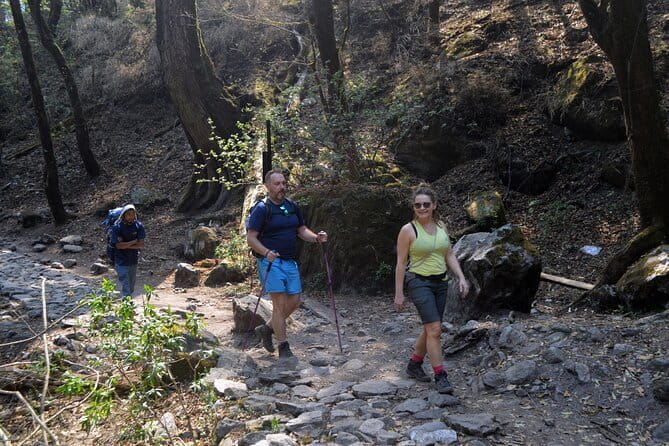
Your day begins with pickup at about 6:45 am from your hotel or residential apartment in Kathmandu. You are taken to the local bus station at Balaju, then spend roughly six to seven hours heading north toward Syapru Besi.
This is the least glamorous part of the trip, but it matters. Syapru Besi is the roadhead for the trek, and reaching it by shared bus or jeep keeps the price down. The ride can take most of the day, so do not think of the first day as a gentle sightseeing morning followed by a short transfer.
The included transport is useful, especially because you do not have to arrange the Kathmandu to Syapru Besi connection yourself. On the other hand, shared road travel can be tiring, and the itinerary describes a full 16-hour day block. Pack water, snacks, and anything you need close at hand.
You spend the night in Syapru Besi before the trail begins. The package includes a guesthouse stay, but meals remain your responsibility.
Day 2: Waterfalls and forest trails to Lama Hotel
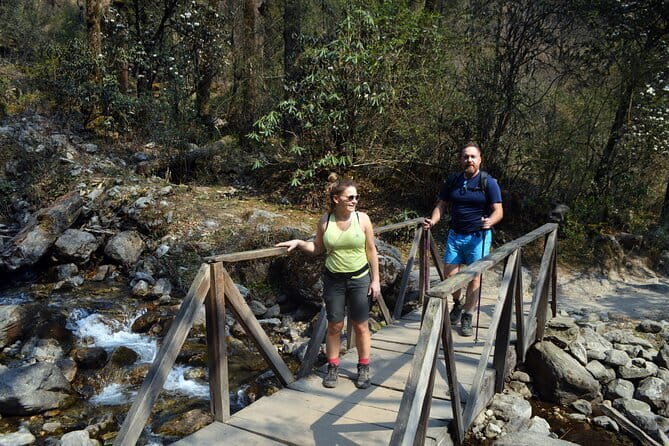
The first hiking day takes you from Syapru Besi to Lama Hotel in about five to six hours. The trail enters Langtang National Park and follows a scenic route with waterfalls, traditional villages, and forest.
This is where the trip starts to feel like a proper Himalayan walk. The route is not simply a mountain staircase. You move through changing woodland and village country, with the park’s plant life becoming part of the experience. Rhododendrons are especially important here, and during their flowering season they can add bright color to the trail.
Lama Hotel is your night stop. The name may suggest more than it delivers, so keep your expectations practical. This is a mountain guesthouse, not a full-service hotel. Your guide helps with the route and daily rhythm, while you need to handle meals and personal supplies from your own budget.
A five to six-hour hike is manageable for many people with moderate fitness, but it is still a serious day after the long road journey. Comfortable walking shoes, layers, and a small day pack will make the transition easier.
Day 3: Pine and rhododendron forest toward Langtang village
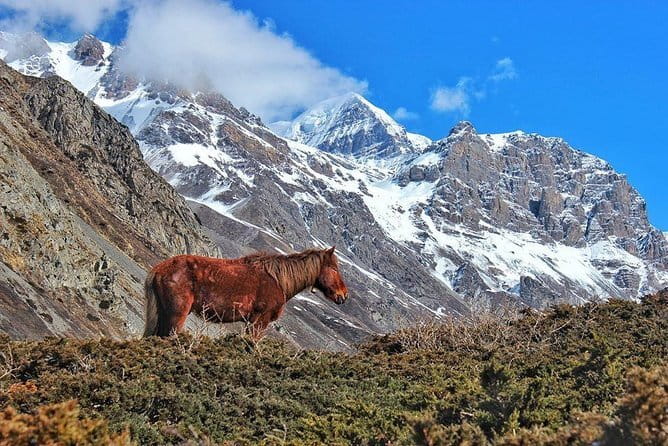
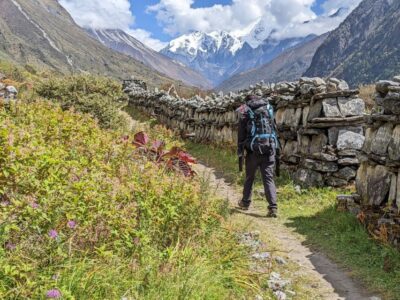
Day three covers about six to seven hours from Lama Hotel to Langtang village. The trail continues through dense pine and rhododendron forest before opening toward the higher valley.
I like this day because it gives you a clear sense of how the route changes with altitude. The lower forest begins to give way to a more open mountain setting, and the peaks become a stronger part of the view. You are also moving toward the cultural center of the trek, rather than simply climbing through empty wilderness.
The length is the main concern. Six to seven hours on foot can feel long, especially if the trail is uneven or you are still adjusting to the pace. A private group helps here because your guide can focus on your party instead of managing a large mixed group, but the published schedule is still fixed enough that you need to keep moving.
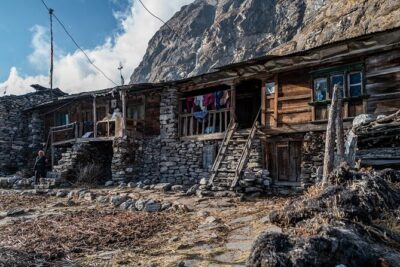
Langtang village is an important overnight stop before the route reaches Kyanjin Gompa. The village setting gives the trek more human character than a route made only of forests and viewpoints. Guides such as Pratip and Raju have been praised for being attentive and good company, while Raj Tamang is noted for motivation and explanations. Guide quality matters most on days like this, when steady pacing makes the difference between an enjoyable walk and a grind.
More week-long treks in Kathmandu
- Short Annapurna Base Camp Trek – 7 Days
★ 5.0 · 22 reviews - 7 Days Langtang Valley Private Trek From Kathmandu
★ 5.0 · 10 reviews - Langtang Trek from Kathmandu 7 Days
★ 5.0 · 5 reviews - Everest View Trek – 7 Days
★ 5.0 · 4 reviews
Day 4: The short climb to Kyanjin Gompa
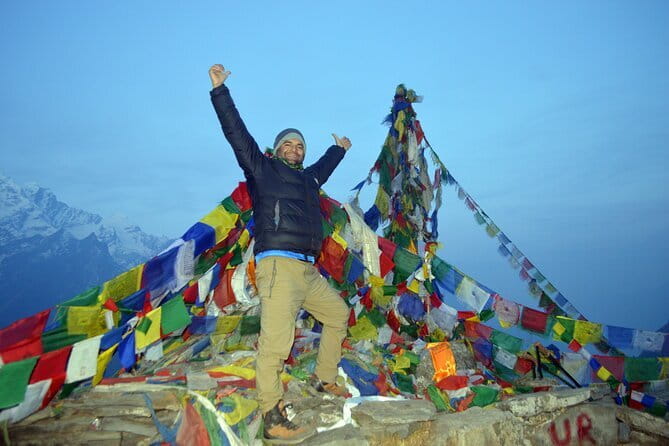
The fourth day is shorter, with a three to four-hour trek from Langtang village to Kyanjin Gompa. Kyanjin Gompa is one of the oldest monasteries in the area and one of the trip’s main destinations.
The shorter walking time gives you a needed breather after the previous day. It also lets the mountain setting take center stage. Kyanjin Gompa offers broad views of the surrounding peaks, and the valley here feels more open and exposed than the lower forest sections.
This is a good place to slow down and pay attention to the setting. The monastery is not just a name on a route plan. It marks the point where the trek reaches its high valley, with mountains and glaciers forming the backdrop. You have made the long approach from Kathmandu, and now the reward is a closer view of the high country.
The itinerary includes the admission cost at Kyanjin Gompa. Lodging remains in a mountain guesthouse, and food is still extra. Because the next day includes the high climb to Kyanjin Ri, this is the night to rest, organize your layers, and make sure you have enough water and snacks.
Day 5: Kyanjin Ri at 4,773 meters
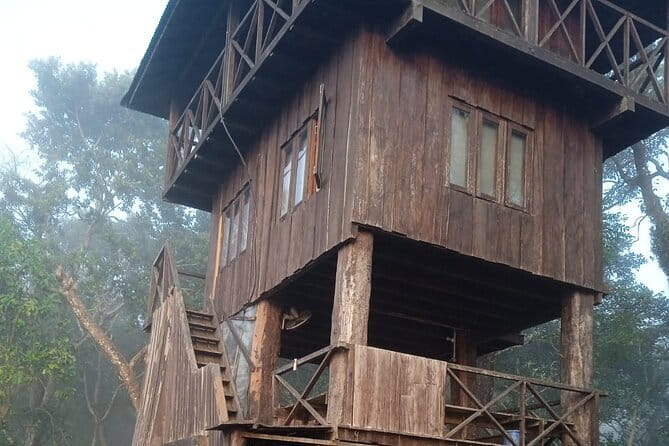
The main physical challenge comes on day five. You make a three to four-hour round trip from Kyanjin Gompa to Kyanjin Ri, which reaches 4,773 meters.
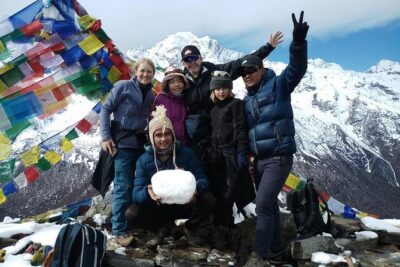
From the summit, the route offers views toward Langtang Ri, Dorje Lakpa, and Langtang Lirung. This is the high point of the experience, both in elevation and in scenery. The climb is not a casual stroll, even though the stated round-trip time is relatively short. At this height, the effort can feel greater than the clock suggests.
You should treat this morning as a real mountain ascent. Move at a steady pace, follow your guide’s advice, and do not mistake the short duration for an easy outing. The tour is described as suitable for people with no prior trekking experience, but moderate fitness is still required. Experience helps, yet it cannot replace preparation for a climb to nearly 4,800 meters.
After Kyanjin Ri, you hike back down toward Lama Hotel for the night. This makes day five unusually demanding: a high viewpoint in the morning, followed by a long descent and continued walking. The return to Lama Hotel also means you do not spend a second night at Kyanjin Gompa, so the schedule favors efficiency over a slow high-valley stay.
Day 6: Retracing the trail to Syapru Besi
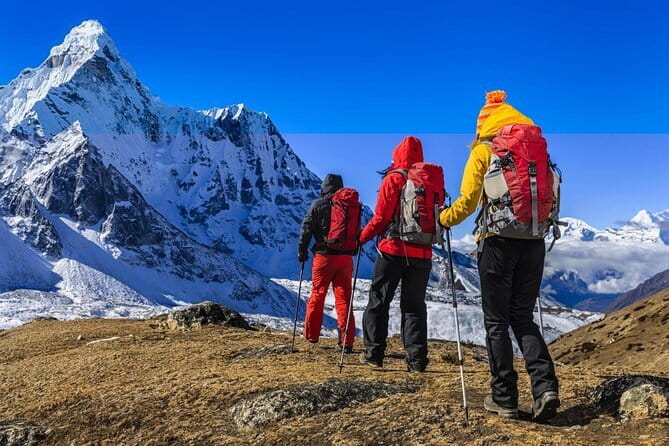
Day six takes five to six hours as you hike from Lama Hotel back to Syapru Besi. You retrace part of the route, but the direction changes how the trail feels. The forest, waterfalls, and villages now appear from a different angle, and the descent is generally easier on the lungs than the climb.
It is still a tiring day. After the Kyanjin Ri ascent and the long descent from the high valley, you may be ready for a quiet evening. A guesthouse in Syapru Besi is included for the night, which is practical because the return to Kathmandu comes the next day.
This is another point where the private format helps. Your group has already developed a rhythm with the guide, and a guide such as Raj Tamang or Pratip can keep the return organized while watching the pace. The package includes the overnight stay, but you continue to pay separately for meals.
Day 7: The long return to Kathmandu
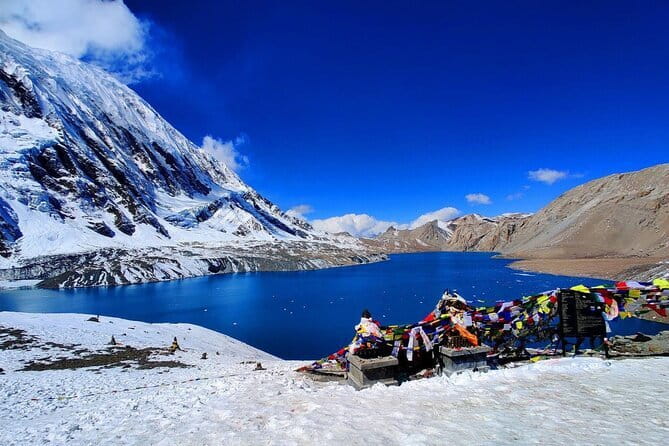
The final day is a seven to eight-hour bus or shared jeep ride from Syapru Besi to Kathmandu. Once you arrive, the company escorts you back to your hotel.
Do not schedule an important evening commitment in Kathmandu unless you have plenty of spare time. Road travel is a large part of this day, and the published duration already makes it clear that the transfer can fill most of your schedule.
The return drive is not a scenic finale in the same way as Kyanjin Ri, but it completes the practical loop. You started with a road journey from Kathmandu, walked through the national park, reached Kyanjin Gompa and Kyanjin Ri, and return by the same general transport corridor.
What the $300 price really covers
The $300 rate is strong value for a guided seven-day trek, mainly because it includes several costs that can add up quickly:
- Shared bus or jeep transport between Kathmandu and Syapru Besi
- Mountain guesthouse accommodation
- Langtang National Park permit
- TIMS card
- Pickup and drop-off at your Kathmandu hotel
- Guide support for your private group
The important omission is food. Meals are not included, and gratuity for your guide is optional. You should budget for breakfast, lunch, dinner, drinks, and snacks separately.
The price also depends on your comfort level with shared transport and basic lodging. If you want private vehicles, upgraded rooms, or meals included, this package may feel too bare-bones. If you want the main paperwork, route support, transport, and lodging handled at a modest price, it makes good sense.
Guides, group size, and the human side of the trek
This is a private activity, meaning only your group participates. That is a useful detail, not just a marketing label. You do not have to match the pace of strangers, and your guide can focus on the needs of your party.
Several guide names appear in the experience record. Raj Tamang is praised for motivation, care, and explanations from pickup through Kyanjin Ri. Pratip is described as highly attentive, with strong support from porters Dup and Maila. Raju is noted for being cheerful and attentive, while Acharya is praised for clear explanations of Nepalese history and the differences between Hindu and Buddhist deities.
You cannot assume a particular guide unless the company confirms one, but these names give you a useful idea of the team’s strengths. Ask who will lead your departure, how porter support works, and what is included before you set out.
The personal service can extend beyond the trail. One account describes the company locating shoes left in the van and returning them to a hotel. That sort of follow-up is small, but it matters when a week of travel includes shared road transport and several moving parts.
Best times and who should choose this trek
The trek is available throughout the year except during the monsoon season. That broad window gives you flexibility, but weather still affects trail conditions and mountain views. If your priority is clear scenery, ask for current conditions before booking rather than relying only on the season label.
This trip suits you if you want:
- A one-week Himalayan trek from Kathmandu
- A route with forests, villages, a monastery, and high mountain views
- A private group rather than a large shared tour
- Basic guesthouse lodging
- A package price that includes permits and transport
- A challenge that does not require prior trekking experience, provided you have moderate fitness
It is less suitable if you dislike long road journeys, shared vehicles, simple accommodation, or paying separately for every meal. It is also a poor fit if you want a slow itinerary. The schedule has several long days and only one relatively short hiking day before the Kyanjin Ri climb.
Should you book the Langtang Valley trek?
I would book this trek if you want a compact, well-supported introduction to Nepal’s high valleys and you are comfortable with basic lodging and long travel days. The route gives you more than a quick mountain walk: you get Langtang National Park, traditional villages, rhododendron and pine forest, Kyanjin Gompa, and the serious viewpoint of Kyanjin Ri.
The strongest reasons to choose it are the included permits, transport, guesthouses, and private guide support at $300. The main warnings are equally clear: meals cost extra, the road transfers are long, and the climb to 4,773 meters should not be treated lightly.
Before paying, confirm the guide’s name, the exact transport arrangement, what guesthouse standard to expect, and your expected meal budget. If those details suit you, this is a practical way to reach a high Himalayan valley without committing to a much longer expedition.
FAQ
How long is the Kathmandu to Langtang Valley trek?
The experience lasts approximately seven days, including transport from Kathmandu to Syapru Besi and the return journey.
What time does the trek begin?
Pickup begins at about 6:45 am from your hotel or residential apartment in Kathmandu.
Is hotel pickup and drop-off included?
Yes. Hotel pickup in Kathmandu and return drop-off are included.
Is transportation between Kathmandu and Syapru Besi included?
Yes. The package includes shared bus or jeep transportation from Kathmandu to Syapru Besi and back to Kathmandu.
Are meals included in the $300 price?
No. Meals are not included, so you pay separately for food and drinks during the trek.
Is accommodation included?
Yes. Mountain guesthouse accommodation is included, including a guesthouse stay in Syapru Besi on day six.
Are the Langtang National Park permit and TIMS card included?
Yes. Both the national park permit and TIMS card are included.
Do I need previous trekking experience?
No prior trekking experience is required, but you should have a moderate level of physical fitness.
Can I cancel for a full refund?
You can receive a full refund if you cancel at least 24 hours before the experience starts. Cancellations or changes made less than 24 hours before the start time are not accepted for a refund.
Latest treks added in Kathmandu
- Private Manaslu Circuit Trek at Himalayas★ 5.0 · 3 reviews
- Ghorepani Poonhill Trek★ 5.0 · 5 reviews
- Ghorepani Poon Hill Trek★ 5.0 · 16 reviews
- Upper Mustang Trekking★ 3.0 · 2 reviews
- Amazing 1 Day Trekking Experience in Kathmandu Nepal★ 5.0 · 24 reviews
- Upper Mustang Trekking★ 5.0 · 2 reviews
- Upper Mustang Trek★ 5.0 · 5 reviews
- Upper Mustang Trekking★ 5.0 · 4 reviews
Langtang Valley Treks, compared.

Trekking in Annapurna/Langtang/Everest/Upper Mustang regions
Read our review →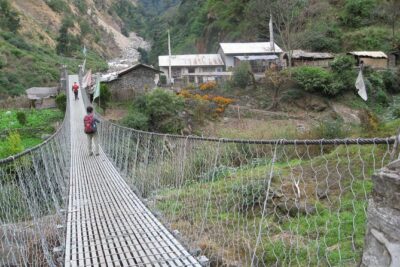
Browse the lists this tour appears in