
REVIEW · KATHMANDU
Langtang Trekking
Langtang gives you a fine three-part Himalayan journey: high mountain scenery around Kyanjin Ri, the icy blue waters of Gosaikunda, and village life on the Chisapani route. I like the mix of Tibetan Buddhist culture and long walking days, since this is not just a mountain-view holiday. You pass monasteries, traditional settlements, and viewpoints that feel far removed from Kathmandu.
I also like that this is a private trek, so your group can work with the guide on pace and daily needs. Guides named Kumar and Pradip have been praised for humor, patience, photography, and clear explanations. The main caution is cost clarity: the $699 price excludes accommodation, meals, drinks, insurance, flights, tips, and visa fees, so your final budget will be much higher.
Key points to know before booking
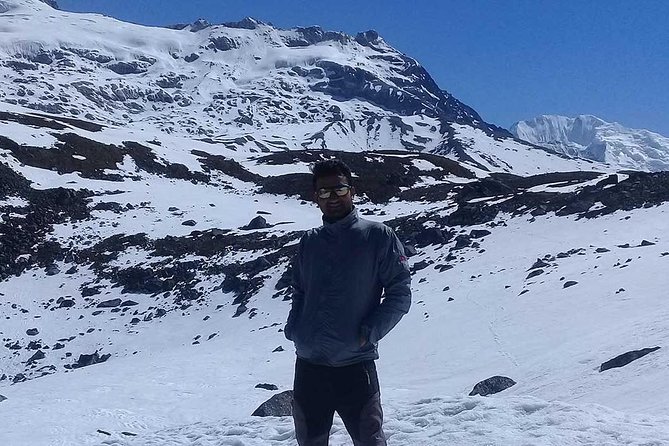
- Kyanjin Ri and Langtang Valley: Expect dramatic views of the Langtang range, with Ganesh Himal and possibly the Annapurna range visible from suitable viewpoints.
- Gosaikunda Lake: The trek reaches a high, cold lake surrounded by smaller sacred lakes and steep Himalayan terrain.
- Cultural stops: Kyanjin Gompa and Shin Gompa bring Tibetan Buddhist traditions into the walking route.
- Private guiding: Only your group takes part, with a government-licensed English-speaking guide.
- Long walking days: You need moderate fitness and comfort with extended walks over rough, high-altitude ground.
- $699 starting price: Permits, guiding, and an air-conditioned vehicle are included, but accommodation and all meals are not.
Why this route is more than a Langtang Valley walk
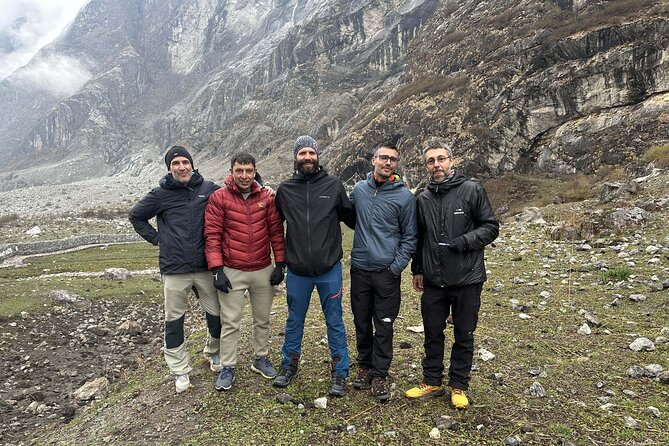
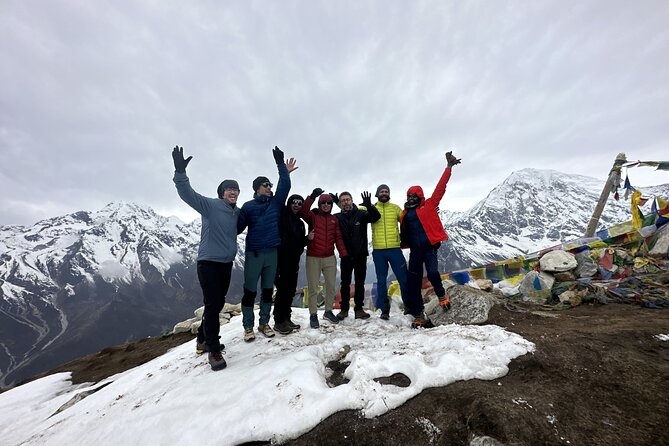
Langtang is often chosen for its mountains, but this route adds two very different finishes. Gosaikunda brings cold, high-altitude lake country. Chisapani brings forested ridges and village scenery closer to Kathmandu. That range makes the trip feel like a proper tour of northern Nepal rather than a single out-and-back valley trek.
You also get a useful cultural thread. Tibetan Buddhism shapes the monasteries, prayer traditions, and settlements along the route. Kyanjin Gompa is described as the largest monastery in Langtang Valley, while Shin Gompa gives you another important religious stop later in the journey.
I would choose this itinerary if you want scenery with some cultural meaning attached to it. You will not simply walk from one viewpoint to another. You will pass through communities where old customs still matter, and you can use the guide to ask about local history, beliefs, and daily life.
The route is listed at about 13 days. That is a serious commitment, but it also allows time for several separate areas rather than rushing through one valley. The exact day-by-day schedule is not supplied, so ask Trek Mania Nepal to confirm the order of stops, walking hours, overnight villages, and altitude gains before paying.
More Langtang Treks in Kathmandu
- Langtang Valley Trek
★ 5.0 · 140 reviews - Langtang Valley Trek
★ 5.0 · 61 reviews - 8 Days Tour in Langtang Valley Trek
★ 5.0 · 45 reviews
Reaching Langtang and settling into the trek
The tour begins at 7:15 am, with pickup offered and an air-conditioned vehicle included. That matters in Nepal, where the road portions can be tiring before the walking even begins. You should confirm the pickup location and the length of the first drive, since those details are not specified.
Once the walking starts, the character of the trip changes quickly. Langtang is known here for steep mountain terrain, cold air, turquoise water, and scattered cultural settlements. You should expect long days outside rather than a gentle sightseeing program.
A government-licensed English-speaking guide is included. That is useful for route decisions, cultural interpretation, and communication in the villages. The company has used guides named Kumar, Pradip, and Pralad on different treks. Kumar is described as funny, consistent, and flexible, while Pradip is noted for explaining natural and cultural sights and taking photographs. These names give you a sense of the company’s guiding style, but you should ask who will lead your own departure.
The private format is one of the stronger features. You are not tied to an unknown group’s walking speed, and a guide can respond more easily if your pace changes. Still, private does not mean easy. The route requires a moderate fitness level, and the information specifically warns that you will walk for long hours.
Kyanjin Gompa and the high views near Kyanjin Ri
Kyanjin Gompa is one of the central stops on the trip. The monastery gives the Langtang Valley section a clear cultural focus, while the surrounding peaks provide the visual reward. The route also includes Kyanjin Ri, a viewpoint with wide mountain scenery.
This is where I would expect the most dramatic mountain days. You are looking toward the Langtang range, with views that may also include Ganesh Himal and the Annapurna range from suitable points. The description calls out the scale of the mountains and the changing scenery, but it does not give a guaranteed visibility schedule. Weather will decide how much you see.
Kyanjin Ri should not be treated as a casual photo stop. You need to be ready for steep, exposed, or tiring walking in cold conditions, although the precise trail details are not provided. Ask the operator about the planned viewpoint, elevation, walking time, and whether the Kyanjin Ri visit is a separate outing or part of the main route.
The reward is variety. From the monastery, you get a sense of Tibetan Buddhist life. From the viewpoint, you get the large-scale Himalayan panorama. I like that combination because it gives the scenery a human setting rather than reducing the day to mountain photography.
Sherpa Gaon and the cultural side of Langtang
Sherpa Gaon is another named highlight. The village portion of the trek is important because it slows the trip down in a good way. You see how the route links settlements rather than treating them as anonymous places between climbs.
Use this part of the journey to ask questions. The package specifically presents the trek as a chance to learn about local culture and traditions. Your guide can help explain the communities you pass through, and the private arrangement gives you more freedom to pause for conversation where appropriate.
I would keep expectations realistic. The information does not promise formal village visits, performances, or arranged meals with families. What you do get is the chance to walk through classic settlements and speak with local people in a respectful way. That is often more useful than a staged cultural stop.
The pace may also feel more relaxed here than around the higher viewpoints, but you should not assume an easy day. The route includes long walks and changing terrain throughout the trek.
More Trekking Tours in Kathmandu
- Everest Base Camp Trek – 14 Days
★ 5.0 · 1,499 reviews - Everest Base Camp Trek
★ 5.0 · 842 reviews - Everest Base Camp Trekking
★ 5.0 · 485 reviews - Annapurna Circuit Trek with Tilicho Lake
★ 5.0 · 368 reviews
Shin Gompa, Mangengoth, and the road toward Gosaikunda
Shin Gompa marks another major cultural point. Like Kyanjin Gompa, it connects the scenery with Tibetan Buddhist practice. It is also part of the transition toward Gosaikunda, where the route becomes more focused on high mountain terrain and cold conditions.
Mangengoth is listed as one of the important places on the trek. The supplied information does not describe its exact facilities or walking time, so you should ask about overnight arrangements there and at the other villages. This is especially important because accommodation is not included in the advertised price.
The higher route can be demanding. The description refers to icy air above Gosaikunda and extreme climate and terrain, so warm clothing, sturdy walking shoes, and sensible preparation matter. The package does not list equipment rental or porter service as included. Porters are specifically excluded unless arranged separately, and guide tips are also outside the price.
I would ask several practical questions before leaving Kathmandu: how your bags will move between stops, what happens if weather affects the route, and which nights are in lodges or other accommodation. These are not minor details on a 13-day trek.
Gosaikunda and its family of sacred lakes
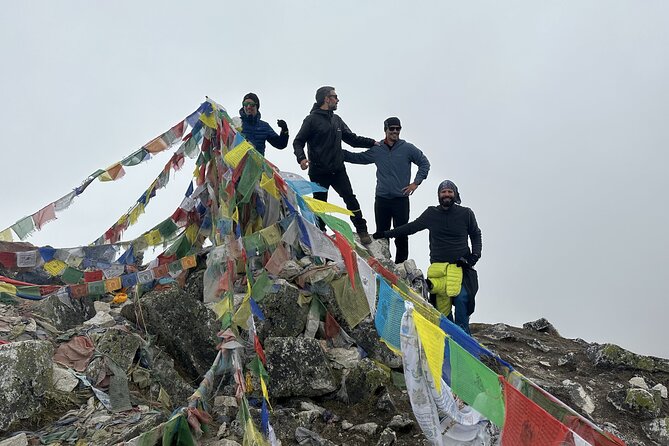
Gosaikunda is the route’s great natural feature. The lake is known for its turquoise color and cold, high setting, and the trek also includes its smaller neighboring lakes. The sight should feel very different from the green lower valleys and monastery villages.
The approach is part of the experience. You are not being driven to a lakeside viewpoint. You walk through increasingly severe mountain conditions, with cold air and difficult ground adding to the sense of arrival. That makes the lake more satisfying, but also makes fitness and weather planning more important.
The listing says the trek can be attempted by anyone with enough fitness to walk for long hours. I would read that as a basic requirement, not a promise that the route is suitable for beginners with no mountain walking experience. If you have concerns about altitude, ask the guide company to explain the planned acclimatization pattern and the options if you need a slower pace. The supplied information does not provide medical or altitude-safety details, so do not assume they are covered.
Gosaikunda is also a strong place for quiet observation. Its value is not only the color of the water. The surrounding lakes, cold air, and religious importance make it one of the most distinctive stops on the entire route.
Mul Kharka and Chisapani: a gentler final chapter
Mul Kharka and Chisapani bring a different mood after the high route. Chisapani is a well-known walking destination near Kathmandu, and here it acts as the closing section of a much larger trek. The scenery shifts away from the stark high-lake setting and back toward lower ridges, settlements, and broad views.
The company also operates shorter Chisapani and Nagarkot walks, and a guide named Pralad has been praised for patience when a group walked slowly. That suggests this section can work well for people who prefer a steady pace, though your own guide and exact itinerary should be confirmed.
Chisapani is useful as a final stop because you can finish with mountain and hill views without the same severe feel as Gosaikunda. Still, do not assume the final days are effortless. Descending and walking for hours can be hard on knees and feet, especially after a high-altitude section.
I like the route’s ending for practical reasons too. You finish closer to Kathmandu than you would on a remote expedition, while still having covered monasteries, villages, a high lake, and major viewpoints.
What the $699 price really covers
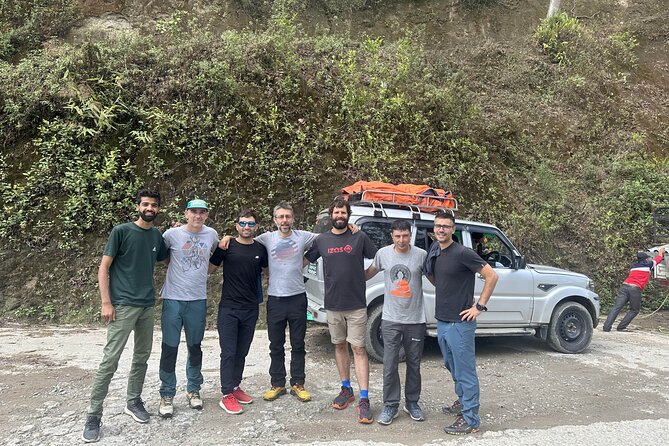
At $699 per person, the package looks attractive for a private 13-day trek, but the headline price is not your total trip cost. It includes a government-licensed English-speaking trekking guide, permits, and an air-conditioned vehicle.
The exclusions are extensive:
- Accommodation during the trek
- Breakfast, lunch, and dinner
- Bottled water
- Coffee and tea
- Snacks
- Alcoholic drinks
- International flights
- Nepal visa fees
- Travel insurance
- Guide and porter tips
- Bicycle use
- All fees and taxes
The terms also list all fees and taxes as excluded, while permits are included. Ask the operator to explain exactly which permits are covered and which taxes or local charges may still be added. That single question could prevent an unpleasant surprise.
You should budget separately for lodges, food, drinks, insurance, visa costs, tips, and any porter arrangement. Since all meals and accommodation are excluded, the price is best understood as a guiding and transport package, not an all-inclusive trek.
The value is strongest if you want a private guide and organized route support, and if you are comfortable arranging daily living costs yourself. It is less attractive if you want one simple price covering every essential expense.
Seasons, fitness, and what to pack
Spring and autumn are identified as the best seasons for this trek. Monsoon is possible but not ideal, while winter is excluded from the recommended trekking window. That seasonal advice matters because rain can affect views and trail conditions, while winter brings colder and harder conditions.
A moderate fitness level is required. The route involves long hours of walking, steep Himalayan terrain, and cold conditions near Gosaikunda. You do not need to be an elite athlete based on the information provided, but you should be comfortable walking for extended periods before booking.
Your preparation should focus on warm layers, reliable footwear, rain protection outside the dry seasons, and personal water and snack planning. Bottled water, snacks, tea, and coffee are not included, so ask how supplies are handled between villages.
Service animals are allowed, and the activity is near public transportation, though those points are less important than the physical demands. This is a private walking trip, not a vehicle-based sightseeing tour.
Who should book this Langtang trek?
I would recommend it to you if you want a broad northern Nepal route with mountain viewpoints, monasteries, villages, and a high lake. It suits people who enjoy long walking days and who value having one guide with them rather than joining a large group.
It is also a good fit if you want cultural context alongside scenery. Kyanjin Gompa, Shin Gompa, Sherpa Gaon, and the other settlements give the route more substance than a simple mountain circuit.
I would hesitate if you want guaranteed comfort, fully paid meals and lodging, or a tightly published day-by-day schedule. The package leaves several practical details open, and the high-altitude sections require careful preparation.
Booking comes with free cancellation up to 24 hours before the start time for a full refund. Changes or cancellations inside that window are not accepted, and the local start time controls the deadline.
Should you book it?
Book this trek if the combination of Langtang’s mountain views, Tibetan Buddhist sites, Gosaikunda’s cold turquoise water, and Chisapani’s lower ridges matches what you want from Nepal. The private format, licensed guide, permits, and vehicle provide a useful base.
Before committing, ask for the full day-by-day plan and a written total-cost estimate. Confirm accommodation, meal prices, porter options, guide assignment, altitude planning, and the exact transport arrangements. If those answers are clear and you are ready for long walks, this is a strong route for seeing several sides of northern Nepal in one trip.
FAQ
How long is the Langtang, Gosaikunda, and Chisapani trek?
The trek lasts approximately 13 days.
Where does the experience begin?
The tour is based in Kathmandu and has a listed start time of 7:15 am. Pickup is offered.
Is this a private trek?
Yes. Only your group participates in the activity.
What is included in the price?
The package includes a government-licensed English-speaking trekking guide, permits, and an air-conditioned vehicle.
Are accommodation and meals included?
No. Accommodation during the trek, breakfast, lunch, and dinner are excluded.
What fitness level do I need?
You should have a moderate physical fitness level and be able to walk for long hours over Himalayan terrain.
Which seasons are recommended?
Spring and autumn are listed as the best seasons. Monsoon trekking is possible but not ideal, and winter is not recommended.
Can I cancel for a full refund?
Yes. You can cancel at least 24 hours before the local start time for a full refund. Cancellations or changes made less than 24 hours before the start are not accepted.
Latest treks added in Kathmandu
- Private Manaslu Circuit Trek at Himalayas★ 5.0 · 3 reviews
- Ghorepani Poonhill Trek★ 5.0 · 5 reviews
- Ghorepani Poon Hill Trek★ 5.0 · 16 reviews
- Amazing 1 Day Trekking Experience in Kathmandu Nepal★ 5.0 · 24 reviews
- Upper Mustang Trekking★ 5.0 · 2 reviews
- Upper Mustang Trekking★ 3.0 · 2 reviews
- Upper Mustang Trek★ 5.0 · 5 reviews
- Upper Mustang Trekking★ 5.0 · 4 reviews
Langtang Valley Treks, compared.
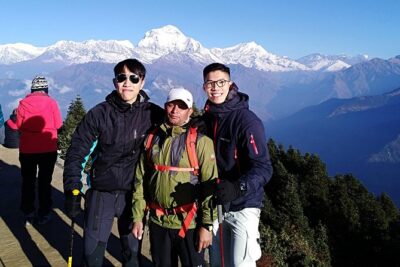
Trekking in Annapurna/Langtang/Everest/Upper Mustang regions
Read our review →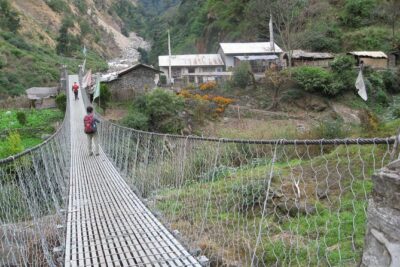
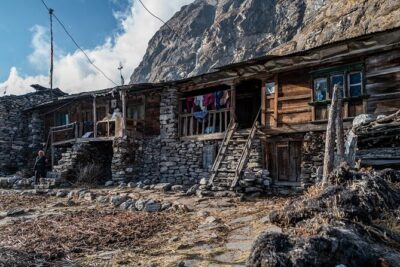
Browse the lists this tour appears in