
REVIEW · CUSCO
5-Day: Salkantay Trek to Machupicchu and Humantay Lake
The best part of this five-day trek is the change in scenery. You begin beside snow peaks and turquoise Humantay Lake, cross the stark Salkantay Pass at 4,600 meters, then drop through warm jungle to Machu Picchu. I especially like the small maximum group of 15 and the practical support from horses carrying up to 5 kilograms of your gear.
I also like that the price includes four breakfasts, four lunches, four dinners, camping equipment, a hostel night, a guide, Machu Picchu entry, and return transport. The main caution is the altitude and long walking days. You’ll need a solid fitness base, and the final return to Cusco can run until about 10 p.m.
Key points to know before booking
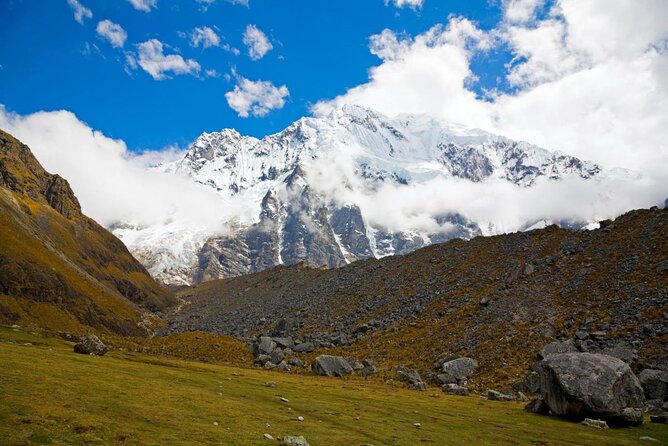
- Humantay Lake comes on day one: You reach 4,200 meters after a long morning transfer and a climb from camp.
- Salkantay Pass reaches 4,600 meters: This is the trek’s toughest altitude test, with a three-hour climb from Soraypampa.
- Your luggage support is limited but useful: Horses carry up to 5 kilograms per person during the first three days.
- The route shifts from ice to jungle: Expect cold nights near Soraypampa, warm conditions around La Playa, and waterfalls near the railway.
- Machu Picchu begins very early: You leave around 4 a.m. and enter the citadel near 6 a.m. for a two-hour guided visit.
- Return choices affect the final day: The included bus takes you back to Cusco late, while an optional train gives you more time at Machu Picchu.
Why this Salkantay route feels different
The Salkantay Trek is a strong choice if you want Machu Picchu to be the finish line of a real walking journey rather than a quick visit from Cusco. Over five days, the route moves through several climate zones. You start high in the Andes, pass beneath snow-covered peaks, descend through forest, and finish along the railway to Aguas Calientes.
That variety is the route’s main reward. You are not looking at one type of scenery for five days. The mountains feel broad and severe near the pass. Farther down, streams, orchids, bromeliads, trees, and waterfalls take over.
The pace is active, not relaxed. The first two days involve high altitude and long walks. Day four is also substantial, especially if you walk from Santa Teresa to Aguas Calientes rather than choosing the zip line option. You should be comfortable walking for several hours on uneven mountain paths.
The group size helps. With a maximum of 15 people, the guide can keep the outing more personal than a large coach-based tour. Roger is named as an especially helpful and friendly guide, though you should confirm who will lead your departure.
More Inca Trail Treks in Cusco
- Salkantay Trek Challenge – 3 Days / 2 Nights
★ 5.0 · 101 reviews - Choquequirao Trek 4 days and 3 nights
★ 5.0 · 81 reviews - Machu Picchu: 5-Day Salkantay Trek with Panoramic Train
★ 5.0 · 79 reviews
Day one: Humantay Lake and a cold night at Soraypampa
The day begins early, with pickup listed between 4:30 and 6 a.m. The exact information gives slightly different times, so confirm your pickup before departure. From Cusco, the bus takes roughly four hours to reach the Mollepata area, where you get a short break at about 2,900 meters.
The road continues to Challacancha. This is where you meet the porters and horses that carry equipment and the first portion of your group’s gear. From there, you walk about four hours toward Soraypampa at 3,900 meters.
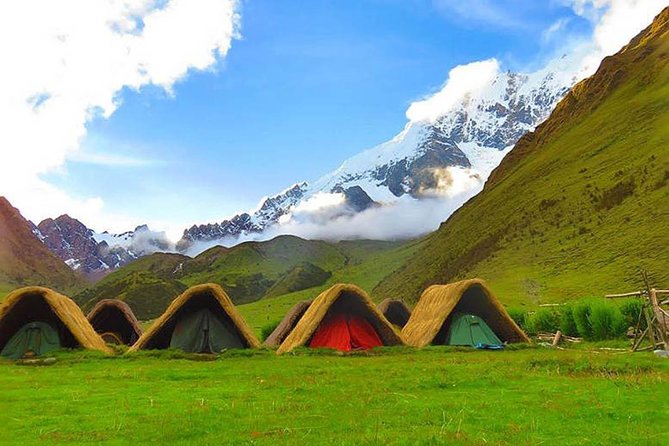
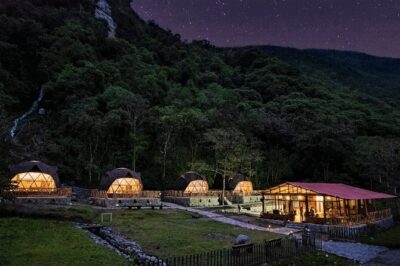
Soraypampa is a serious first camp. The air is thin, and temperatures are listed around 10°C during the day and 2°C at night. Your accommodation is a four-season tent with an added straw roof, a useful detail in a place where cold and weather can shape the whole evening.
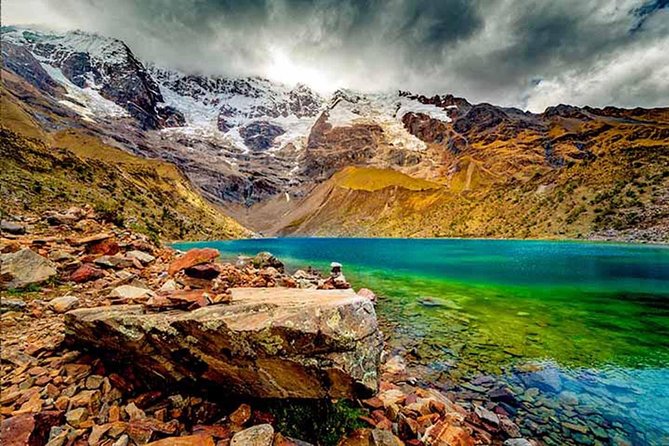
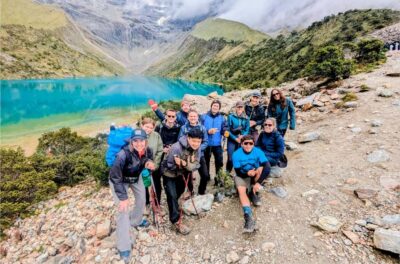
After lunch, you climb to Humantay Lake at about 4,200 meters. The walk from camp takes roughly 1.5 hours, with about an hour available at the lake. This is not a casual lakeside stroll. The altitude makes the climb harder than the distance suggests, especially on the first day.
Humantay Lake is the visual payoff. It sits beneath the mountain peaks, and the setting gives you an early sense of the scale of the Andes. Take the climb slowly. The best strategy is to keep a steady pace, drink regularly, and avoid treating the first day like a race.
You return to camp for dinner and a cold night. I would pack warm layers, gloves, a hat, and dry socks where you can reach them quickly. The sleeping bag is not included, so arrange one before setting out.
Day two: Salkantay Pass at 4,600 meters
Day two starts with tea and breakfast before the climb to the highest point of the route. The ascent from Soraypampa to Salkantay Pass takes about three hours. At 4,600 meters, the pass is high enough to challenge even fit walkers who are not accustomed to altitude.
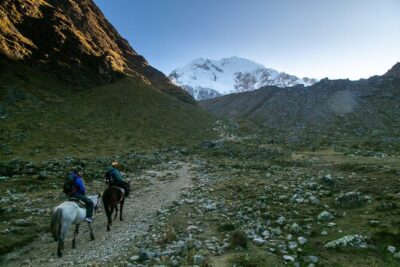
The scenery here is stark and powerful. The route faces large Andean peaks, and the open surroundings make the pass feel exposed. The itinerary includes a short Andean ritual, asking permission from the Apus, or mountain gods, before continuing. It is a small cultural detail, but it gives the crossing more meaning than simply reaching a high point and taking a photograph.
After the pass, you descend toward Wayracpunku, also called Huayra Pampa, for lunch. The descent changes the feel of the day. You leave the cold, open high country and move toward the warmer forest.
The afternoon continues for about five hours toward Chaullay at 2,900 meters. This is a long day, but the drop in altitude can make the walking feel easier for some people. The vegetation changes along the way, with large trees, streams, bromeliads, and orchids.
This is the day when proper pacing matters most. You are climbing to the trip’s highest point after only one night at altitude, then walking for hours on the descent. The horses carry up to 5 kilograms of your backpack during the first three days, but you still need a small daypack with water, rain protection, warm layers, snacks, and personal items.
Day three: From La Playa to Santa Teresa
After breakfast around 6:30 a.m., you continue toward Sahuyaco, also called La Playa, at about 2,000 meters. The route now feels much warmer, with daytime temperatures listed around 25°C and nights around 14°C.
The change from high mountain to jungle is one of the best features of the trek. The air becomes warmer, the plants become thicker, and the walk takes on a different rhythm. You stop for lunch at La Playa before continuing by vehicle to Santa Teresa at 1,550 meters.
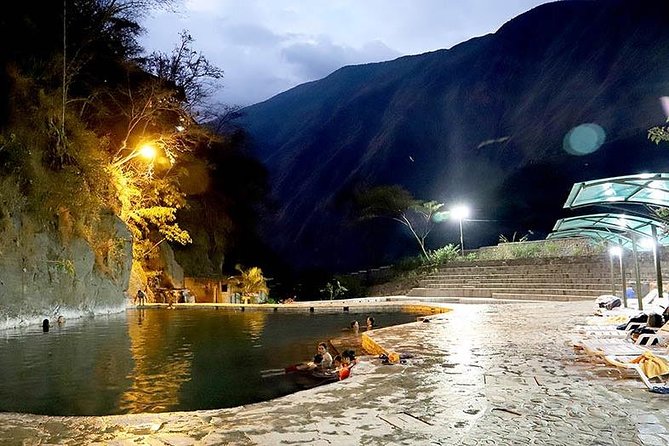
Santa Teresa is the place to loosen your shoulders and enjoy a slower afternoon. The package includes a campsite there, and you can visit the Cocalmayo hot springs for an additional $6. The springs are not included, so carry some cash or confirm the payment arrangement.
I consider Cocalmayo a smart optional add-on after two demanding days. It gives you a chance to rest before the final approach to Machu Picchu. Just remember that the hot springs are not part of the $360 price.
You have a traditional Peruvian dinner and prepare for the next morning. This evening also gives you a useful break from the high-altitude conditions of the first two days.
Another trail to compare in Cusco:
- From Cusco: 7 Lakes Ausangate Trek with Breakfast and Lunch
★ 4.8 · 360 reviews - Cusco: Full-Day Rainbow Mountain & Red Valley Trekking Tour
★ 4.5 · 121 reviews - From Cusco: Rainbow Mountain Trek
★ 4.5 · 98 reviews - Ancascocha Trek To Machu Picchu 4 Days And 3 Nights
★ 5.0 · 77 reviews
Day four: Zip lines, the railway, and Aguas Calientes
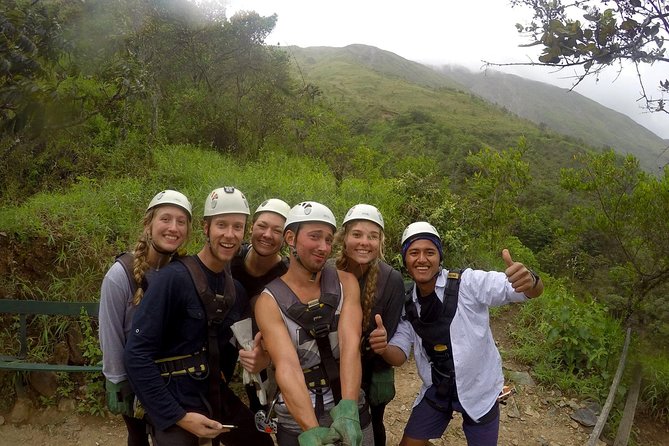
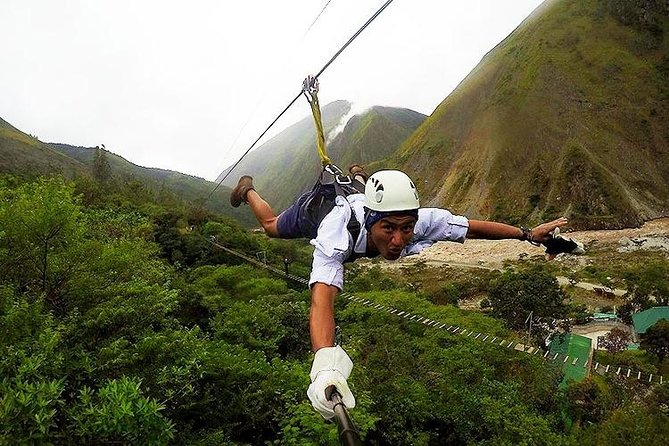
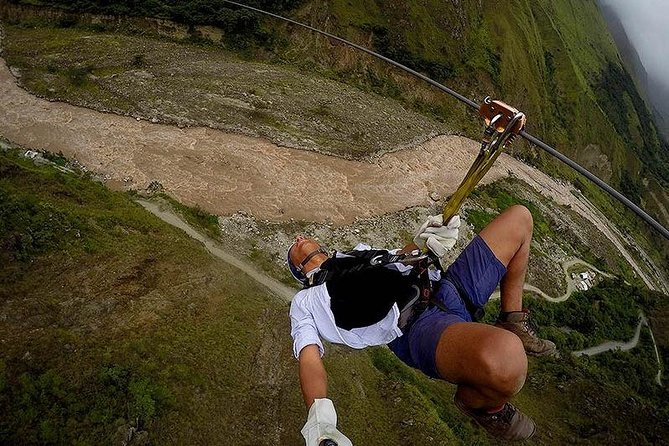
Day four offers a choice. You can book a zip line activity, or you can walk from Santa Teresa to the hydroelectric station. The zip line lasts about 2.5 hours and includes more than six cables, with the longest stretching about 1 kilometer. The activity also includes a climbing rock and suspension bridge, with a listed top speed of 70 kilometers per hour.
If you skip the zip line, you walk about two hours to the hydroelectric station. The group meets there for lunch, then continues along the railway toward Aguas Calientes. The railway walk takes about three hours and passes waterfalls, ecological farms, and jungle vegetation. You might also spot local wildlife, though sightings are not promised.
This section is less about dramatic altitude and more about reaching Machu Picchu by foot. The railway provides an easy-to-follow route, but it does not mean the day is effortless. You have already spent three days walking, and the combined approach to Aguas Calientes takes several hours.
You arrive around 5 p.m. and spend the night in a hostel. Private accommodation is listed for couples, which is a useful comfort after three nights camping. At dinner, the guide explains the next day’s Machu Picchu visit.
The hostel night also solves a practical problem. Instead of trying to enter Machu Picchu immediately after a long transfer, you are already in Aguas Calientes and can set out early.
Day five: Sunrise at Machu Picchu
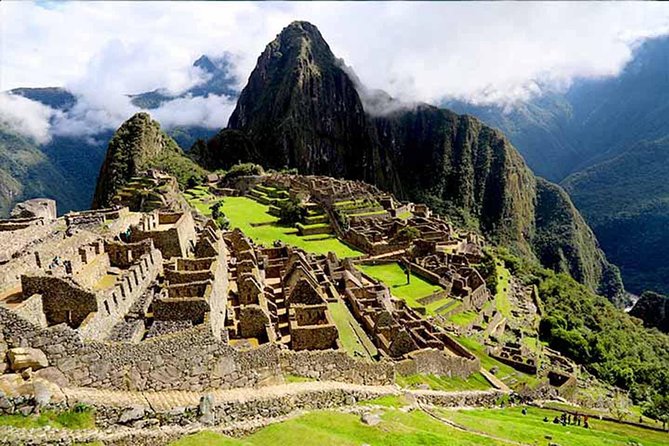
The final morning begins around 4 a.m. You climb from Aguas Calientes through the high jungle to Machu Picchu, aiming to arrive around the opening period and see the sunrise. The climb is about 1.5 hours, and the group passes entrance control near 6 a.m.
Inside, you receive a private guided tour lasting about two hours. This is valuable because Machu Picchu can feel confusing without context. The guide helps explain what you are seeing before you have free time to explore on your own.
The schedule gives you free time after the guided portion, but the included return plan is demanding. At about 11:30 a.m., you begin walking back toward the hydroelectric station, a journey listed at roughly 3.5 hours. The bus waits there until 3 p.m. and then takes you back toward Cusco, with arrival around 10 p.m.
That final return is the biggest practical drawback. You get the Machu Picchu visit, but the day is long and includes more walking after the ruins. If you prefer comfort and more time at the site, a train return is available at an extra cost. You can remain at Machu Picchu until 5 p.m., take the train from Aguas Calientes to Ollantaytambo in about 1 hour and 40 minutes, and then meet a vehicle back to Cusco.
There is also an option to spend an additional night in Machu Picchu town for $30. This makes sense if you want to climb Huayna Picchu or Machu Picchu Mountain, subject to availability. It also breaks up the exhausting final day.
What the $360 price really covers
At $360 per person, this is a low-cost, full-service trek by the standards of a five-day route to Machu Picchu. The price includes a bilingual professional guide, private transport, Machu Picchu entry for bookings made two months ahead, three nights of camping, one hostel night, camping equipment except a sleeping bag, and meals from breakfast on day two through breakfast on day five.
You also receive four breakfasts, four lunches, and four dinners. The horses carry up to 5 kilograms of your belongings during the hardest first three days. That support can make a real difference on the pass and the Humantay Lake climb.
The price does not include breakfast on day one, lunch or dinner on the final day, sleeping bag rental, the Cocalmayo hot springs, the optional zip line, a train return, or extra mountain permits. Huayna Picchu costs an additional $30, with availability to be checked after booking.
The value is strongest if you want an active route with basic lodging and included meals. It is less suitable if you want polished hotels, short walking days, or a flexible final visit to Machu Picchu.
Who should book this trek?
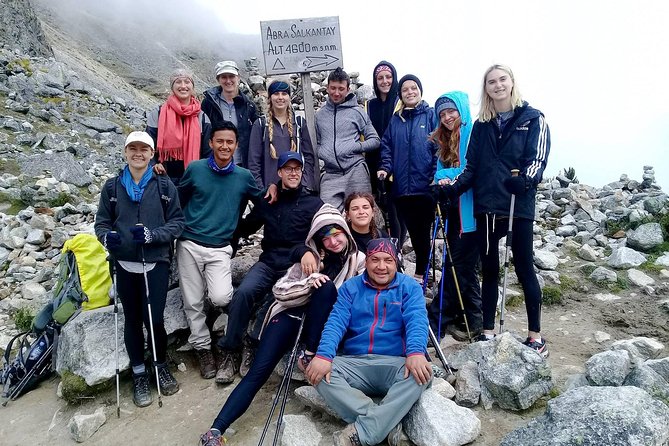
I would choose this route if you want a physically demanding path to Machu Picchu and enjoy seeing the environment change from high Andes to jungle. It suits fit adults with a moderate fitness level who are ready for early starts, thin air, cold camping, and long days on foot.
It also works well for couples who like the idea of private hostel accommodation and a small group. The guide, horses, meals, and private transport remove some of the planning burden while keeping the price down.
I would think twice if you dislike camping, struggle with altitude, or want plenty of unplanned time at Machu Picchu. The route reaches 4,600 meters, and the return to Cusco by bus is late. The train or an extra night costs more, but both can make the final day much easier.
The experience is non-refundable and cannot be changed after booking. Since the route requires good weather, a cancellation caused by poor conditions leads to a different date or a full refund. Confirm Machu Picchu entry timing, pickup time, sleeping bag arrangements, and any Huayna Picchu request before paying.
FAQ
How long is the Salkantay trek to Machu Picchu?
The experience lasts approximately five days and includes four nights of accommodation, with three nights camping and one night in a hostel.
What is the highest point on the route?
The Salkantay Pass reaches 4,600 meters, or about 15,091 feet.
Is Humantay Lake included?
Yes. The first day includes the hike to Humantay Lake at about 4,200 meters, with roughly 1.5 hours of walking from the Soraypampa camp.
Are meals included?
Four breakfasts, four lunches, and four dinners are included. Breakfast on the first day and lunch and dinner on the final day are not included.
Is a sleeping bag provided?
No. Camping equipment is included except for the sleeping bag, which you must arrange separately.
Can I take the train back from Machu Picchu?
Yes. A train return can be added for an extra cost. It allows you to stay at Machu Picchu until 5 p.m., take the train to Ollantaytambo, and then continue by vehicle to Cusco.
Can I visit Huayna Picchu?
Yes. Huayna Picchu is available for an additional $30, subject to availability. You can request it after booking or arrange it in Cusco.
Should you book it?
Book this trek if you want big mountain scenery, real walking, and a budget-friendly route to Machu Picchu. The combination of Humantay Lake, Salkantay Pass, jungle paths, hot springs, and an early citadel visit gives you far more variety than a simple Machu Picchu transfer.
Skip it if you need comfortable lodging, mild walking days, or a relaxed return to Cusco. For the right person, the $360 package offers strong value, especially with meals, horses, a guide, entry, and transport included. Just prepare for altitude, cold nights, a 4 a.m. finish, and a very long ride home.
More five-day treks in Cusco
- Ausangate Trek 5 Days
★ 5.0 · 74 reviews - Classic Choquequirao Trek – 5 Days / 4 Nights
★ 5.0 · 52 reviews - Ultimate Lares Trek & Inca Trail 5 days
★ 5.0 · 47 reviews - Salkantay Trek To Machu Picchu 5 Days And 4 Nights
★ 5.0 · 44 reviews
Latest treks added in Cusco
- Small Group: 4-Day Inca Trail Trek to Machu Picchu★ 5.0 · 33 reviews
- Salkantay Trek: 5 Days to Machu Picchu★ 5.0 · 33 reviews
- 5 Day – Salkantay trek to Machu Picchu – Group Service★ 4.5 · 27 reviews
- Humantay Lake Full-Day Adventure: Scenic Trek and Stunning Views★ 4.5 · 39 reviews
- Inca Trail Trek to Machu Picchu – 2 Days (Small Group or Private)★ 5.0 · 31 reviews
- Salkantay 5-Day Trek To Machu Picchu★ 5.0 · 39 reviews
- Ausangate and Rainbow Mountain Trek – 3 Days / 2 Nights★ 5.0 · 35 reviews
- 6 day Rainbow Mountain x Ausangate Trek – FlashpackerConnect★ 5.0 · 30 reviews
Machu Picchu & Inca Trail Treks, compared.
Machu Picchu: 5-Day Salkantay Trek with Panoramic Train
Read our review →
Ancascocha Trek To Machu Picchu 4 Days And 3 Nights
Read our review →
4 Day Inca Trail Trek to Machu Picchu Multi day tour
Read our review →
Salkantay Trek 4 Days to Machu Picchu by Glamping Sky Lodge Dome
Read our review →
Browse the lists this tour appears in