
REVIEW · CUSCO
Choquequirao Trek 4 days and 3 nights
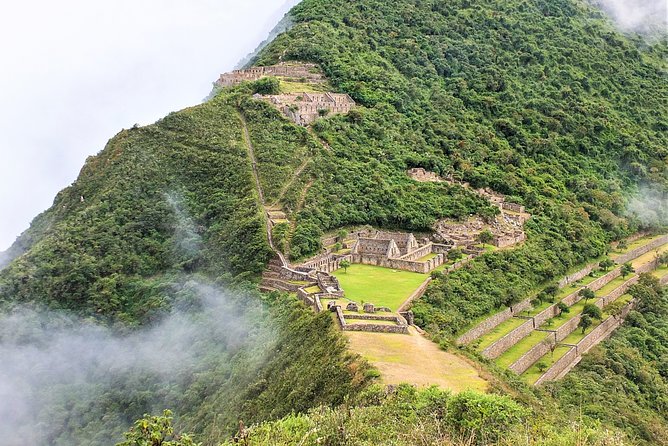
Choquequirao is the kind of Inca site you earn. The trek drops from the high Andes into the Apurimac Canyon, climbs through warmer forest, and reaches a remote citadel where you may have long stretches of quiet. The solitude is the main prize. You work hard for it, but you do not share the site with the crowds found at Machu Picchu.
I like the practical support here: a cook prepares four breakfasts, four lunches, and three dinners, while a porter carries up to 7 kilograms of your personal gear. I also like the small-group plan, with a stated limit of 12 people in the highlights, although the additional information gives a maximum of 16, so confirm the actual group size before paying.
The catch is simple: this is a serious hike, not a sightseeing tour with a bit of walking. The published schedule also contains duplicate and conflicting details, so ask TreXperience to confirm the exact route, camps, and daily distances during the pre-departure briefing.
The essential points before you book
- Choquequirao without the usual crowds: The remote Inca citadel is the focus, with canyon scenery and forest views along the way.
- A demanding four-day route: Expect steep descents and climbs, with about six to eight hours of walking on the stated days.
- Support from camp to camp: A professional English-speaking guide, chef, and porter are included.
- Meals are a real strength: The cooks prepare four breakfasts, four lunches, and three dinners, including vegetarian meals if requested in advance.
- Early morning departure: Pickup begins around 4:30 am to 5:00 am from your Cusco hotel or the airport.
- Good value for a supported trek: At $698 per person, the price includes transport, food, guiding, camping support, and a 7-kilogram personal porter allowance, but not a sleeping bag, mattress, or trekking poles.
Why Choquequirao is worth the effort
Choquequirao is often called a lost city of the Incas, though the site is known and excavated. The real sense of discovery comes from its location. You reach it on foot through the Apurimac Canyon rather than by train, road, or a short shuttle ride.
That approach gives the trip its character. On day one, you begin high at Capuliyoc, then descend for hours toward Chiquiska and Santa Rosa. You see the Andes change as you lose altitude, from high mountain country toward thicker vegetation and warmer conditions. The views are not a backdrop added to the trek. They are the trek.
The citadel itself is the reward, but the quiet matters just as much. The supplied trip details describe Choquequirao as a place to explore with very few other people around. That makes it a fine choice if you want ancient stonework, open views, and time to look closely instead of being moved along in a crowd.
You should not pick this trip because it is an easy alternative to Machu Picchu. It is harder in a different way. The route includes long downhill sections that can punish knees, followed by uphill sections that test your lungs and legs. A moderate fitness level is requested, but I would prepare for a demanding mountain hike rather than an ordinary day walk.
More Inca Trail Treks in Cusco
- Salkantay Trek Challenge – 3 Days / 2 Nights
★ 5.0 · 101 reviews - Machu Picchu: 5-Day Salkantay Trek with Panoramic Train
★ 5.0 · 79 reviews - Ancascocha Trek To Machu Picchu 4 Days And 3 Nights
★ 5.0 · 77 reviews
Day one: Capuliyoc to Santa Rosa
Your day begins before sunrise, with pickup in Cusco between 4:30 am and 5:00 am. The drive crosses the Andes toward Capuliyoc, where you have breakfast before starting on foot. The early departure is tiring, but it is necessary if you want to reach the first camp after a full day on the trail.
Capuliyoc sits at about 2,911 meters, or 9,550 feet. From there, the route drops for around four hours to Chiquiska, at about 1,893 meters. This is a major descent, not a gentle warm-up. Trekking poles can be useful here, especially if your knees dislike long downhill stretches.
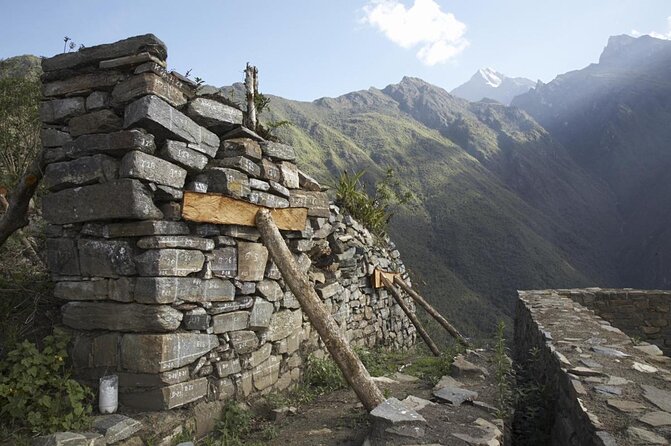
The reward is your first look into the Apurimac Canyon, one of Peru’s deepest. You also move through several types of scenery in a single day, from highland views toward cloud-forest vegetation. The changing climate gives you a clear reason to pack layers and keep water easy to reach.
After lunch at Chiquiska, you continue downhill for another two hours to Santa Rosa, where you camp at about 1,478 meters. The stated distance is 10.8 kilometers, or 6.7 miles, with roughly six hours of walking.
That sounds manageable on paper, but downhill walking can be deceptively hard. You may finish the day more tired from the descent than from a similar distance on flat ground. Pace yourself early. The goal is not to race the first section.
Day two: the climb toward Marampata and Choquequirao
The day two information needs clarification. The published description repeats the day one route from Cusco to Capuliyoc, Chiquiska, and Santa Rosa, yet the heading refers to Marampata and Choquequirao. It also repeats the same distance, elevation, and six-hour walking estimate.
I would not ignore this before booking. Ask TreXperience for a corrected day-by-day plan, including where you sleep on the second night and how many hours you actually walk. The general route is clear, but the written schedule is not.
The natural expectation is that day two includes the major climb from the lower canyon area toward Marampata, the settlement near the citadel. That section is usually the part you need to respect most. After a day of descent, your legs must reverse direction and climb. The change from dry canyon country toward higher ground can feel sharp.
The great advantage of having a guide here is not just historical information. A good guide controls the pace, watches how you are coping, and helps you avoid turning the first steep climb into a bad decision. Guides named in the supplied feedback include Elias, Sebastian, and Gary, but names depend on the departure. The consistent picture is of guides who explain Inca and Quechua culture, encourage people on steep slopes, and help when someone is struggling.
Your support crew matters on this day, too. The porter allowance means you can hand over up to 7 kilograms of personal belongings, leaving you with a lighter daypack. Remember that this is personal gear, not an excuse to bring everything you own. You still need to carry your own daily essentials unless the operator tells you otherwise.
Day three: time at the Inca citadel
The third day is described as the Choquequirao citadel day, and this is the emotional center of the trip. You wake to sunrise near the site, have breakfast, and spend time in an archaeological setting that is remote, spacious, and quiet.
The details supplied for this day are confusing. They describe a downhill walk to Santa Rosa, lunch, then two hours downhill and two hours uphill to a campsite at Chiquiska. The heading and stated high point suggest Choquequirao is part of the day, but the sequence and elevations do not line up neatly. The distance is also written as 8 kilometers and 11.32 miles, which are not equivalent. Ask for the corrected version before departure.
Regardless of the exact camp arrangement, the day is presented as an eight-hour hiking day. You should expect more than a relaxed archaeological visit. The route includes downhill and uphill walking, with flowers, birds, and distant waterfalls along the way.
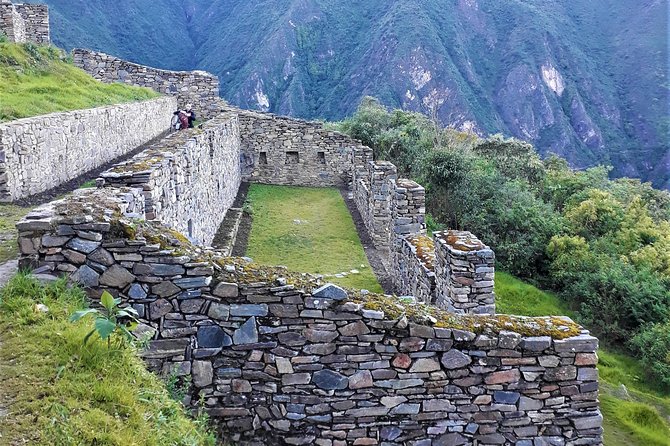
Give yourself time at Choquequirao. The value of arriving at a remote site is being able to look. Study the terraces, stonework, and setting. Listen to the guide, but do not let the explanations fill every minute. A good guide such as the named Elias or Sebastian can add useful context while still allowing you space to take in the place.
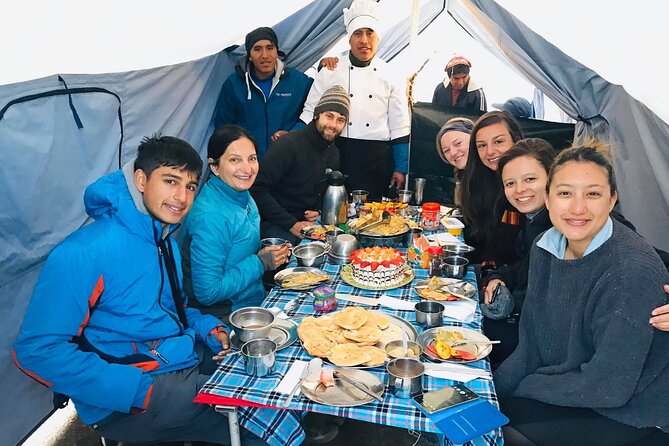
This is also where the food service earns its keep. The cooks named in the supplied feedback include Leandro, Balbino, Oscar, and Julio Cesar. Your cook may be someone else, but the operation includes a dedicated chef and meals cooked at camp. Food described in the supplied material ranges from varied trail meals to dishes that hikers did not expect to find in the mountains. Do not mistake this for restaurant dining, but you can reasonably expect more care than basic packaged food.
Another trail to compare in Cusco:
- From Cusco: 7 Lakes Ausangate Trek with Breakfast and Lunch
★ 4.8 · 360 reviews - Cusco: Full-Day Rainbow Mountain & Red Valley Trekking Tour
★ 4.5 · 121 reviews - From Cusco: Rainbow Mountain Trek
★ 4.5 · 98 reviews - Ausangate Trek 5 Days
★ 5.0 · 74 reviews
Day four: climbing back to Capuliyoc and Saywite
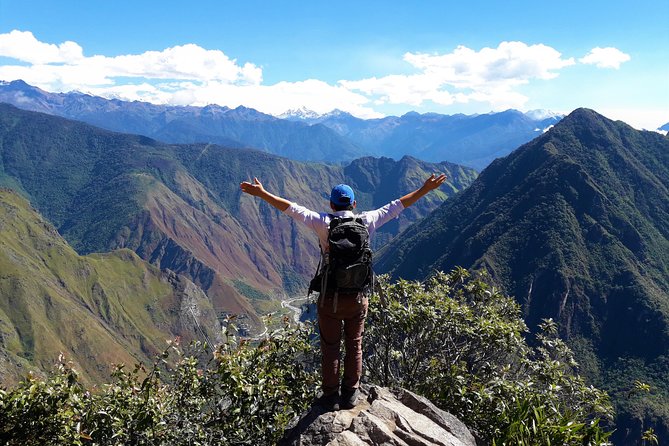
The final morning begins with breakfast and the last four-hour climb to Capuliyoc. After several days of descending and climbing, this uphill finish may feel like a final exam. It is also useful to know that the trek does not end at the citadel. You need enough energy for the exit.
Lunch at Capuliyoc is followed by private transport to Saywite, an archaeological site known for its mysterious carved rock. This is a worthwhile addition because it changes the mood of the day. After a strenuous walk, you get time to explore another site without immediately returning to a hotel.
The published day four details also contain an error: they give 8 kilometers and 11.32 miles as matching figures, which they do not. The walking time is shown as eight hours, while the written description says four hours uphill before lunch, followed by transport. Get the operator’s final timing at the briefing.
Hotel drop-off is expected around 5:00 pm. That makes this a long final day, especially if you are tired or if the road journey is slow. Do not schedule an important evening activity in Cusco unless you are comfortable with a late change.
What the $698 price really covers
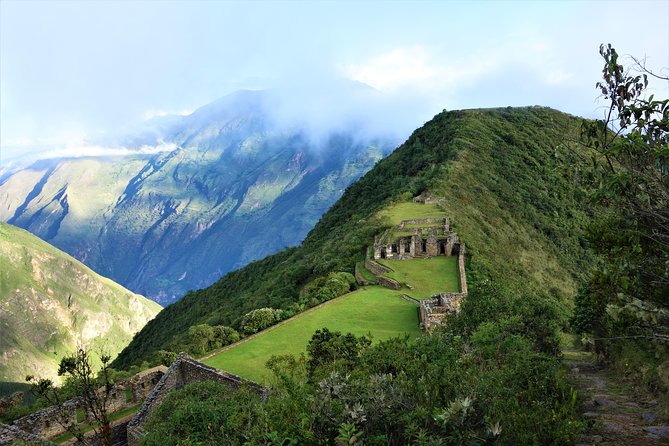
At $698 per person, this is not a bare-bones hike. The price includes transport from start to finish, hotel pickup, a pre-departure briefing, an English-speaking guide, a chef, camping support, and a personal porter for up to 7 kilograms.
It also includes four breakfasts, four lunches, and three dinners. That matters because food and transport can add up quickly on a remote trek. You are paying for a small moving support system, not just admission to an archaeological site.
The strongest value is convenience in a difficult setting. You do not need to organize a private vehicle to Capuliyoc, arrange food at isolated camps, or carry all your belongings. The team handles the practical work while you focus on walking.
There are extra costs and equipment questions. A mattress, sleeping bag, and trekking poles are optional add-ons rather than included items. If you do not own suitable gear, ask what TreXperience rents and at what price. Do this before the trip, not at 4:30 am on departure morning.
The price is less attractive if you want a soft adventure with short walks and comfortable lodging. There is no hotel stay described during the trek, and the route involves camping. The value makes sense for someone who wants the remote setting and needs a handled logistics package.
The people who make camp work
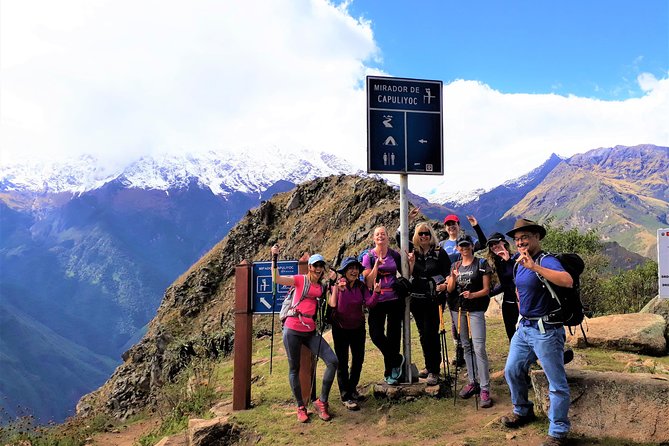
The guide is the public face of the trip, but the cooks and porters shape your comfort. Names associated with departures include Elias, Gary, Sebastian, Sergio, Leandro, Balbino, Oscar, Boris, and others. These names are not a promise that one particular person will lead your group, so treat them as examples of the kind of team assigned.
The strongest praise is directed at the full crew. Guides are described as patient, positive, funny, and attentive when the hills become difficult. Cooks are credited with varied meals and with handling dietary preferences. Porters and mule handlers are described as cheerful, efficient, and central to moving gear from camp to camp.
That division of work is important. A remote trek depends on people you may not see working behind the scenes. If you book, pack with respect for the 7-kilogram limit and follow your guide’s instructions. Your comfort depends on the support crew carrying out a demanding job.
Vegetarian meals are available, and specific dietary needs should be provided when booking. The supplied information does not promise every special diet, so be precise about what you cannot eat.
Who should choose this trek
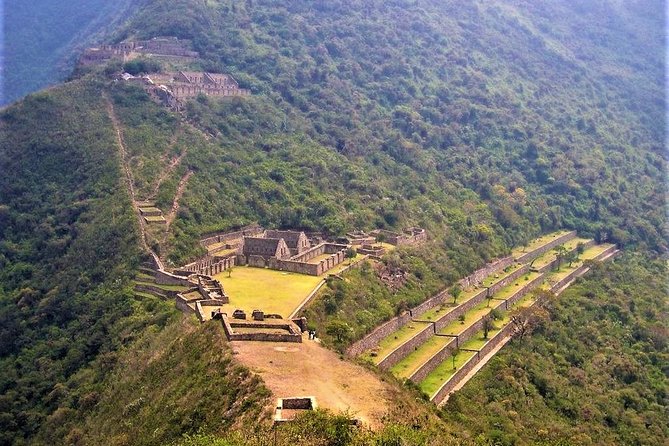
I would choose this trip if you want a demanding route to a quiet Inca site and prefer having transport, food, and camp support arranged. It suits hikers who are comfortable with long days, steep terrain, early starts, and a basic camp routine.
It also suits you if Machu Picchu feels too crowded or too easy to reach. Choquequirao offers a different kind of satisfaction. The journey itself is part of the visit, and the remote setting gives the archaeological site more breathing room.
I would think twice if you have limited hiking experience, knee trouble, or little tolerance for steep downhill walking. The stated fitness level is moderate, but the six-to-eight-hour days and repeated climbs deserve serious preparation.
Children must be accompanied by an adult. The group size is unclear in the supplied details: the highlights say 12 people, while the additional information says a maximum of 16. Confirm this point if a smaller group is important to you.
Practical details that matter
Pickup starts between 4:30 am and 5:00 am from your Cusco hotel or the airport. You need a current passport on the day of the trek, and passport name, number, expiration date, and country are required at booking.
A pre-departure briefing is scheduled for 6:00 pm the night before. Use it to ask about the inconsistent day two, three, and four details, the exact camps, the group size, and equipment rentals.
Free cancellation is available up to 24 hours before the experience begins. Cancellations inside that window are not refunded. Poor weather or failure to meet the minimum number of people can lead to a new date, a different experience, or a full refund.
Should you book the Choquequirao Trek?
Book it if you want the hard-earned quiet of Choquequirao and appreciate having a guide, cook, porter, meals, and transport working together. At $698, the package offers solid value for a remote four-day trek, especially if you would otherwise have to arrange every part yourself.
Do not book it simply because it lasts four days. The route is physically demanding, and the published schedule needs clarification. Confirm the final itinerary, equipment costs, group size, and sleeping arrangements before you commit.
If those points are settled, this is a strong choice for an active visitor who wants Peru beyond the standard circuit. The canyon views, changing climates, camp meals, Saywite visit, and quiet citadel give the trip substance from the first descent to the final climb.
FAQ
How long is the Choquequirao Trek?
The trek lasts four days and three nights, with approximately six to eight hours of hiking on the stated days.
Where does the trek start?
Pickup begins in Cusco between 4:30 am and 5:00 am. Pickup is available from your hotel or the airport, and the drive continues to Capuliyoc.
What is the price per person?
The price is $698 per person.
Is transportation included?
Yes. Transportation is included from the beginning of the tour through the end, including the private transfer to Saywite and the return to your hotel.
Are meals included?
Yes. The package includes four breakfasts, four lunches, and three dinners. Vegetarian meals are available if requested when booking.
Is a porter included?
Yes. A personal porter is included for up to 7 kilograms of your personal belongings.
Are sleeping bags and trekking poles included?
No. A mattress, sleeping bag, and trekking poles are optional items and are not included in the stated price.
What level of fitness do I need?
You should have a moderate level of physical fitness. The trek includes steep descents and climbs, with walking days listed at roughly six to eight hours.
Can I cancel for a full refund?
You can cancel at least 24 hours before the experience start time for a full refund. Cancellations made less than 24 hours before the start time are not refunded.
More four-day treks in Cusco
- 4 Day Inca Trail Trek to Machu Picchu Multi day tour
★ 5.0 · 70 reviews - Salkantay Trek 4 Days to Machu Picchu by Glamping Sky Lodge Dome
★ 5.0 · 68 reviews - Salkantay Trek to Machu Picchu in 4 days
★ 4.5 · 50 reviews - 4-Day Lares Trek to Machu Picchu from Cusco
★ 5.0 · 47 reviews
Latest treks added in Cusco
- Small Group: 4-Day Inca Trail Trek to Machu Picchu★ 5.0 · 33 reviews
- Salkantay Trek: 5 Days to Machu Picchu★ 5.0 · 33 reviews
- 5 Day – Salkantay trek to Machu Picchu – Group Service★ 4.5 · 27 reviews
- Salkantay 5-Day Trek To Machu Picchu★ 5.0 · 39 reviews
- Humantay Lake Full-Day Adventure: Scenic Trek and Stunning Views★ 4.5 · 39 reviews
- Inca Trail Trek to Machu Picchu – 2 Days (Small Group or Private)★ 5.0 · 31 reviews
- Ausangate and Rainbow Mountain Trek – 3 Days / 2 Nights★ 5.0 · 35 reviews
- 6 day Rainbow Mountain x Ausangate Trek – FlashpackerConnect★ 5.0 · 30 reviews
Machu Picchu & Inca Trail Treks, compared.
Machu Picchu: 5-Day Salkantay Trek with Panoramic Train
Read our review →
Ancascocha Trek To Machu Picchu 4 Days And 3 Nights
Read our review →
4 Day Inca Trail Trek to Machu Picchu Multi day tour
Read our review →
Salkantay Trek 4 Days to Machu Picchu by Glamping Sky Lodge Dome
Read our review →
Browse the lists this tour appears in