
REVIEW · SAPA
Sapa: Trekking Sapa One Day With Group Tour
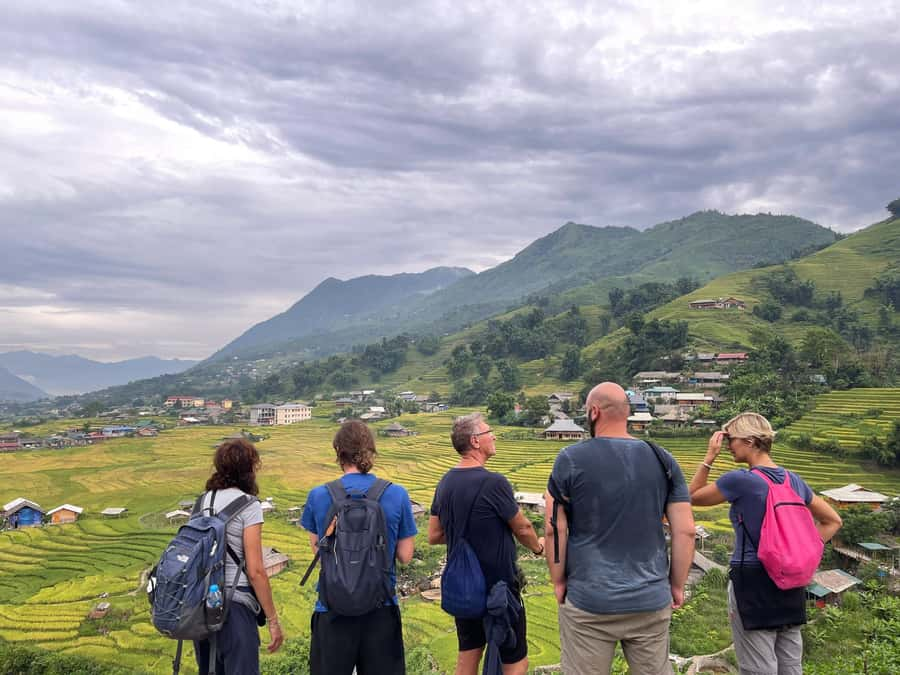
Sapa’s best moments often come away from the town center, where a muddy footpath leads through bamboo, rice terraces, and Hmong villages. This five-hour group trek takes you from Sapa Cathedral to Y Linh Ho, Lao Chai, and Ta Van, with a local guide explaining village life along the way.
I like the personal cultural connection, especially when guides such as May Sieu, May Pham, or Chi share stories from their own communities. I also like the simple value: for $26, you get a guide, entrance fees, lunch, water, rain protection, and a ride back to Sapa.
The main catch is the trail. The first section can be steep, muddy, and slippery, particularly after rain. This is a real countryside walk, not a gentle pavement stroll, and the scenery depends on the weather.
Quick Takeaways
- Walk through three mountain villages: Visit Y Linh Ho, Lao Chai, and Ta Van, each with its own ethnic community and village setting.
- Expect 3 to 4 hours on foot: The complete activity lasts about five hours, including lunch, stops, and the return drive.
- Meet local guides with personal ties: Guides including May Sieu, May Pham, Du, Chi, and Pang Chau have been praised for explaining culture in warm, personal terms.
- Prepare for changing trail conditions: Bamboo paths may be steep and muddy, while the rice-field sections are generally easier.
- Lunch and transport are included: You receive a village meal, a large bottle of water, rain protection if needed, and transport from Ta Van back to Sapa.
- Best for active visitors: The tour suits walkers who can manage uneven ground, but it is not suitable for wheelchair users, people with heart problems, or people over 70.
Why This Sapa Trek Works So Well
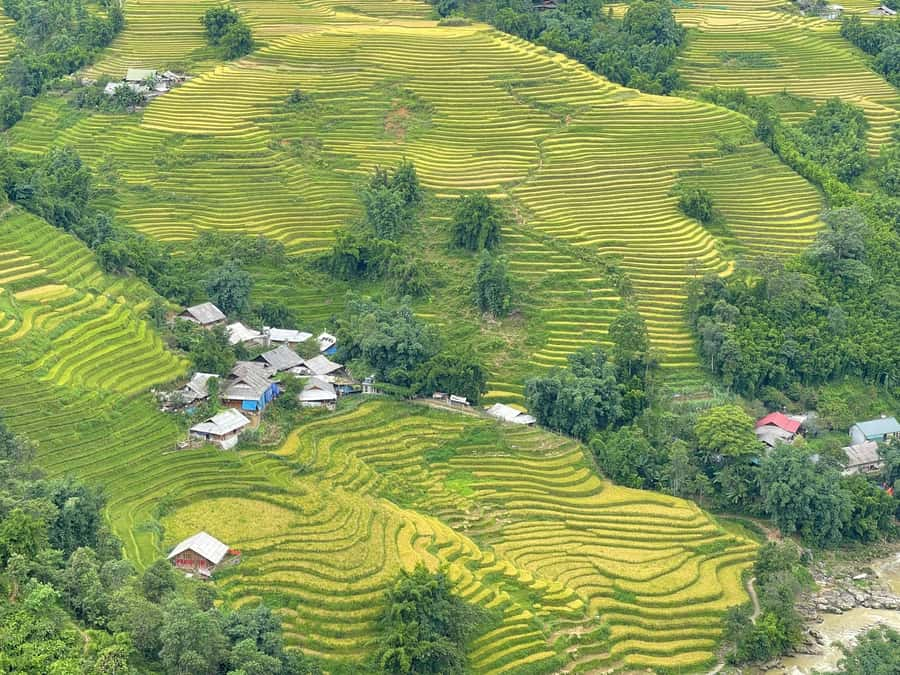
Sapa is surrounded by famous rice terraces, but the real pleasure is seeing how the scenery fits into daily life. Farmers work the fields, homes sit along the hillsides, and footpaths connect villages that feel far removed from Sapa’s busy center.
This tour gives you that connection without requiring a complicated transfer. You meet at Sapa Cathedral at 9:30 AM, walk into the valley with a local English-speaking guide, eat lunch in a village, and return by private car around 3:30 PM.
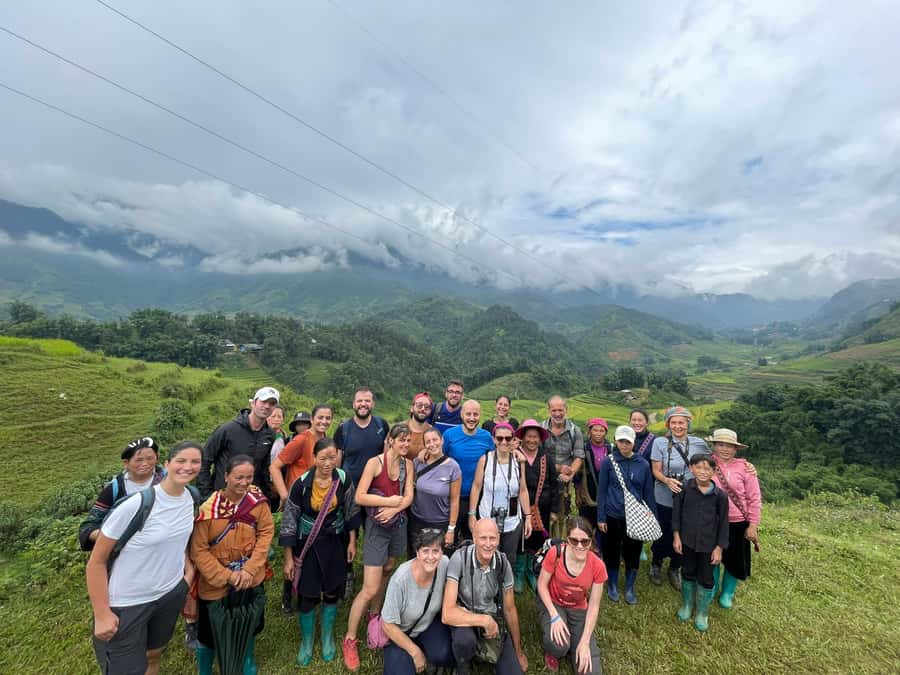
I like that the tour is not only about taking photos. The guide explains Hmong customs, homes, textiles, family life, and the differences between communities. Several guides come from the villages or nearby ethnic communities, which can make the conversation more personal than a standard sightseeing walk.
The group format also keeps the price low. At $26 per person, the tour offers strong value if you want a guided introduction to Sapa’s countryside without paying for a private trek. If five people book together, a private tour can be arranged at the group price. Smaller groups of two or three may face an additional $5 per person if no other participants join that day.
More one-day treks in Sa Pa
- From Sapa: 1-Day Guided Trek to Lao Chai & Ta Van with Lunch
★ 4.9 · 416 reviews - Sapa 1 Day Long Trek: Trek to Hau Thao and Sa Seng Villages
★ 4.6 · 344 reviews - 1-day Authentik trek & Panorama valley views
★ 5.0 · 189 reviews
Meeting at Sapa Cathedral at 9:30 AM
The day begins in front of Sapa Church, also called Notre Dame Cathedral. Plan to arrive 10 to 15 minutes early. Sapa is compact, but giving yourself a little time helps avoid a rushed start, especially if you need to find the guide among other tour groups.
The guide gives a short safety briefing before you set off. This is useful because the first part of the walk may be the hardest. You should listen closely to advice about footing and pace, particularly if the ground is wet.
The activity is advertised as a five-hour experience, from roughly 9:30 AM to 3:30 PM. The actual walking time is usually around three to four hours, with pauses for photos, village visits, lunch, and rest. That makes the day manageable for many reasonably fit walkers, but it is still a proper trek.
Bamboo Forests and the First Steep Paths
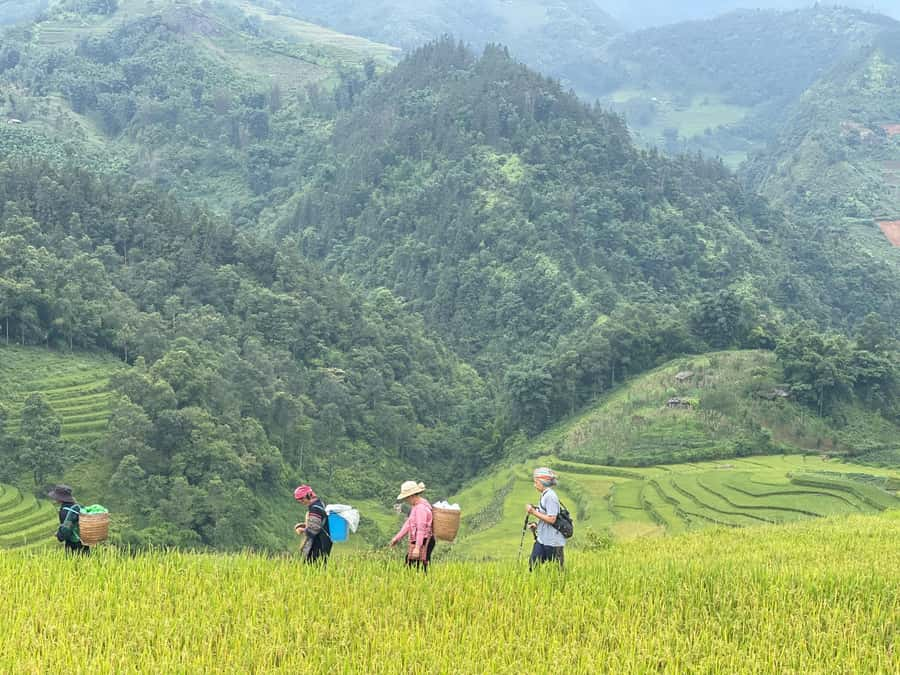
Soon after leaving Sapa, the route moves into bamboo forest and countryside. The forest section is short, but it gives the walk a pleasing change of mood. You leave the town behind and enter a quieter setting where the path, vegetation, and mountain air become the focus.
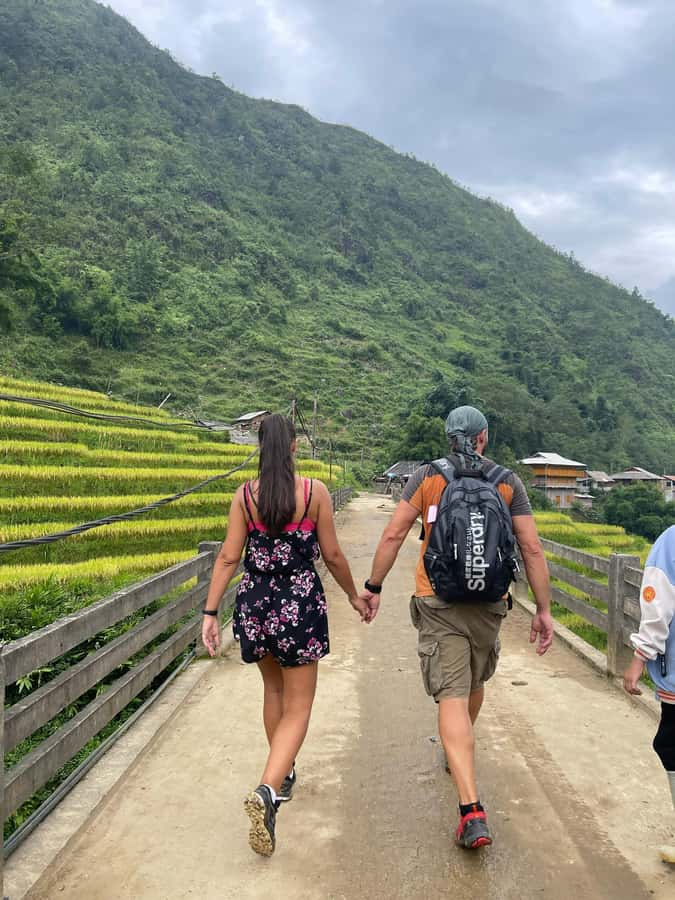
This is also where conditions can test you. The trail may be steep, rocky, or muddy. Several people have found walking poles or a helping hand useful on slippery sections, but poles are not listed as included, so bring your own if you normally use them.
Good shoes matter more than fashionable clothes here. Wear sturdy footwear with reliable grip, quick-drying or older trousers, and layers that can handle changing weather. A hat, sunscreen, and a small amount of cash are also recommended.
Rain can change the character of the route. Fog may hide some of the wider views, while wet ground makes the walk slower. The tour still offers bamboo forest and village life in poor weather, but you should not book it expecting clear mountain views every day.
Y Linh Ho and Black Hmong Village Life
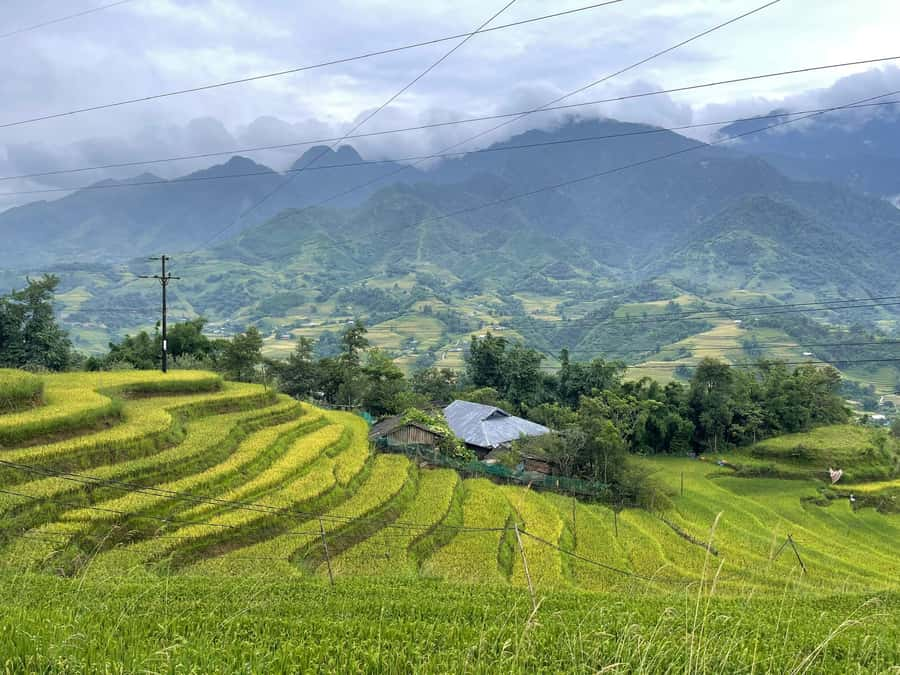
Around 11 AM, the group reaches Y Linh Ho, a quiet Black Hmong village in the valley. This is one of the most useful stops for understanding the purpose of the trek. Instead of passing through the countryside as a backdrop, you get time to look at homes, textiles, and everyday routines.
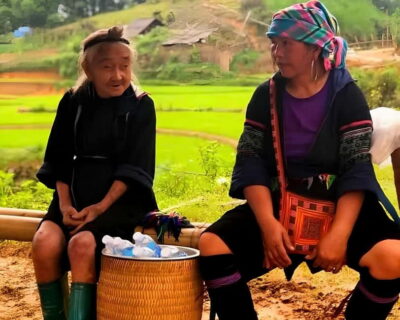
The Black Hmong are known in Sapa for their traditional clothing and textile work. Your guide may explain customs, family life, and local ways of making or wearing clothing. The exact conversation depends on the guide, but this is where a local guide can add far more than a map or a photo stop.
You may also be offered handmade goods along the route. One account describes Hmong women walking with the group for part of the early trail and later inviting people to buy items. Purchases are optional. It is wise to carry cash only if you genuinely want something, and to decide in advance how you want to handle sales conversations.
Y Linh Ho is especially rewarding when your guide has a direct connection to the area. May Sieu, May Pham, and other guides have been praised for sharing family stories and explaining culture in a friendly, open way. Guide assignments vary, so you should not book on the assumption that one particular person will lead your group.
More Trekking Tours in Sa Pa
- Sa Pa: Muong Hoa Valley Trek and Local Ethnic Villages
★ 4.6 · 864 reviews - Sapa: Eco Adventure Terrace Fields and Local Villages Trek
★ 4.9 · 636 reviews - Number one top rated ethical cultural trekking and homestay by ETHOS
★ 5.0 · 456 reviews - Sa Pa Full Day Trekking Tour
★ 5.0 · 414 reviews
Lao Chai, Rice Terraces, and Village Lunch
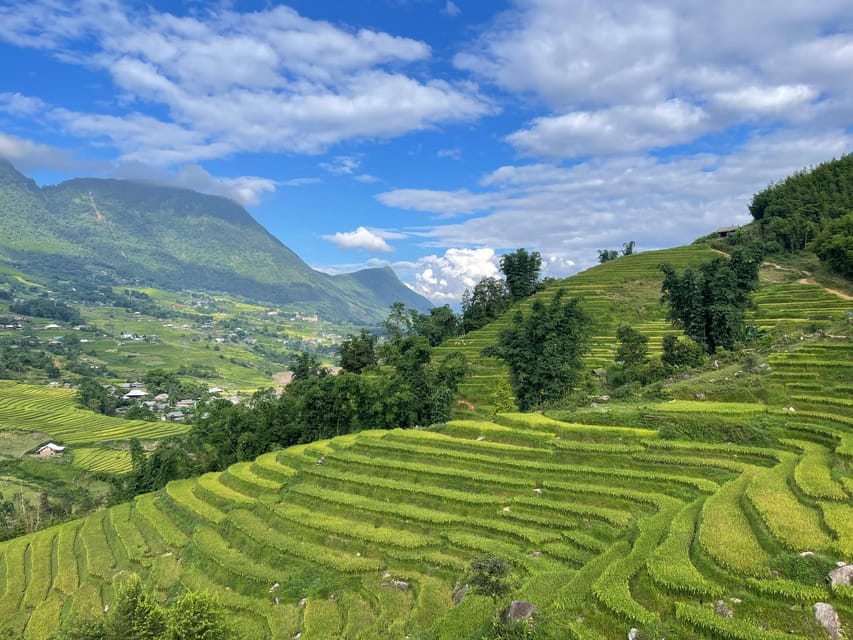
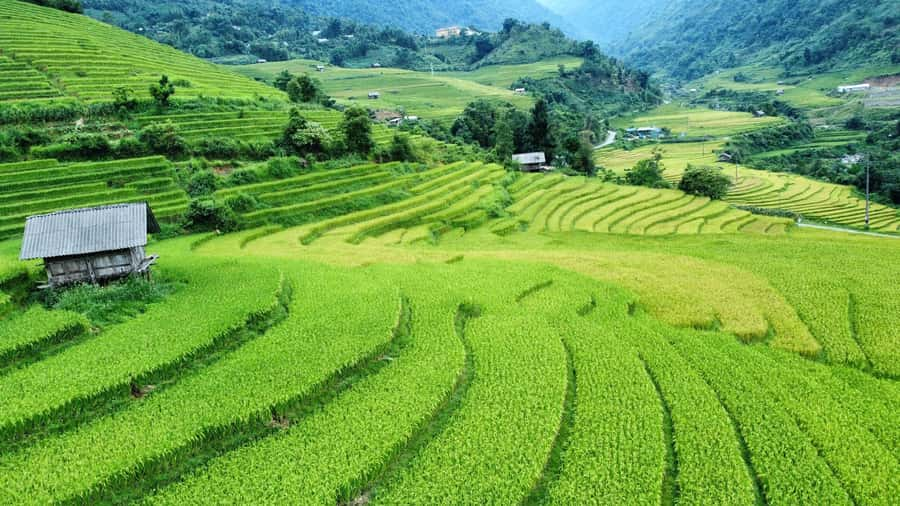
The route continues toward Lao Chai, described as the largest Hmong village in Sapa. Here, the path opens into broader views of rice fields and terraced hills. The terrain becomes easier in places after the steeper bamboo section, giving you more time to look around without concentrating on every step.
The rice terraces are the visual highlight for many people. Their appearance changes with the season and weather. In clear conditions, you get wide mountain views and layers of fields. In fog, the terraces appear in pieces, but the mist can give the valley a quiet, atmospheric feel.
Around 12:30 PM, you stop for lunch at a village restaurant. The meal is included and is made with local ingredients. Vegetarian food is available, according to the tour information and experience described by participants.
Do not expect a long restaurant meal with a wide menu. This is a practical village lunch that breaks up the walk and gives you time to rest. Extra drinks and personal purchases are not included, so keep some cash with you.
The lunch stop is also a useful buffer in the schedule. If the trail has been muddy or the group has paused often for photos, you can recover before the final section. Guides have been described as patient with slower pacing and frequent stops, which helps if your main goal is enjoying the valley rather than covering ground quickly.
Ta Van and the Giay Community
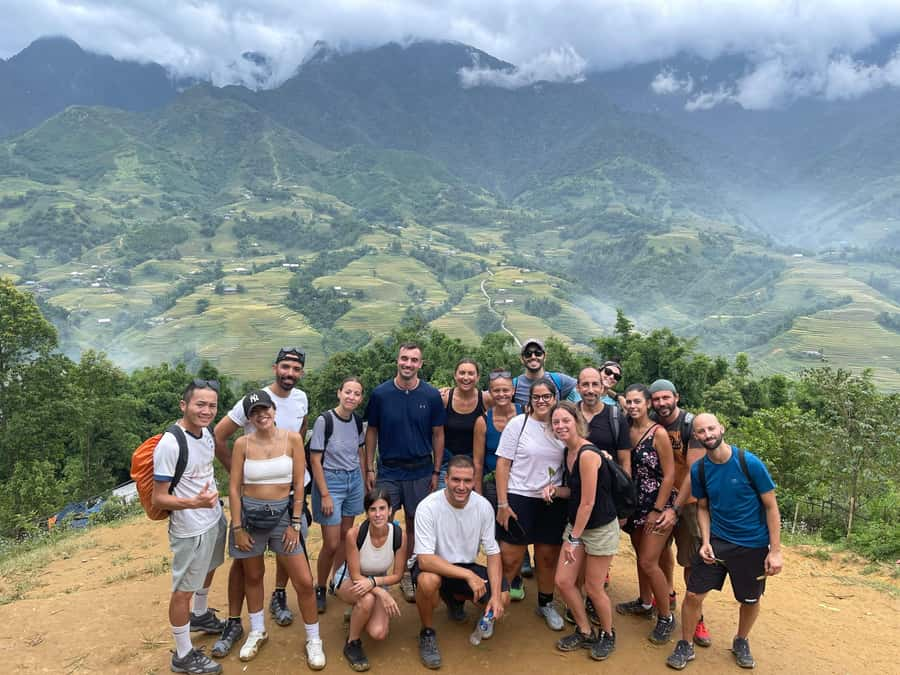
After lunch, the walk continues toward Ta Van, home to the Giay people. This section takes about an hour and passes through more rice paddies and rural paths. The village provides a chance to compare different ethnic communities in the same valley.
You may see traditional stilt houses and get a sense of how homes, fields, and footpaths fit together. The guide explains how local groups live alongside one another and how customs differ. This comparison is one of the strongest parts of the route because it keeps the visit from reducing Sapa to a single cultural label.
Ta Van is also the point where the walking portion ends. If you are tired by this stage, that is normal. The final hour is not meant to be a second major climb, but the ground can still be uneven, and you should keep your shoes on until the walk is finished.
Returning to Sapa by Car
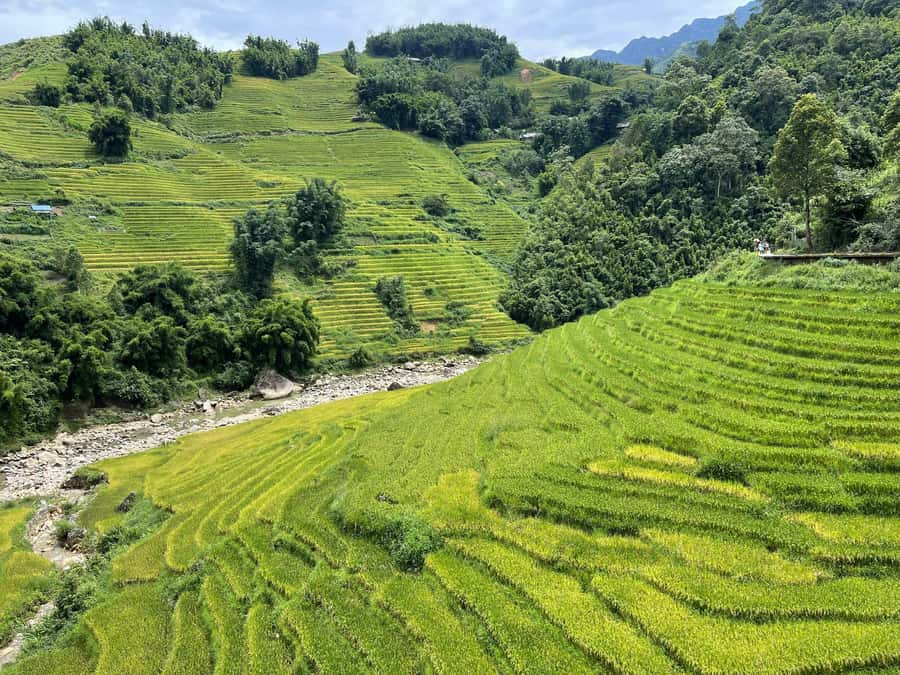
At about 2:30 PM, you leave Ta Van by car and return to Sapa Cathedral. The drive takes roughly 30 minutes, with arrival around 3:30 PM.
Including transport is a real advantage. You do not have to retrace the route on foot, arrange a separate taxi, or negotiate transport from the last village. After several hours outside, sitting down in a private car is a welcome finish.
The drop-off is at the same place as the meeting point. That makes the tour easy to fit into a Sapa itinerary, especially if you have plans in town later that afternoon. Still, allow some flexibility. Mud, fog, group pace, and trail conditions can affect the timing.
The Guides Make the Difference
The strongest part of this experience is the guiding. Names associated with the tour include May Sieu, May Pham, May Phan, Du, Chi, Zu, Pang Chau, and Mrs Ghenh. You cannot guarantee a particular guide unless the operator confirms it, but the consistently warm feedback about the guiding style is worth noting.
Guides have been praised for clear English, patience, humor, and a willingness to answer questions. Some have personal links to the villages or ethnic communities visited, allowing them to discuss family, clothing, customs, and village life from experience rather than from a memorized script.
That matters because the route itself is easy to find with a map. The guide’s job is to help you understand what you are seeing and to make respectful contact possible. A good guide also knows when to slow down, where to rest, and how to help on a slick patch.
The small-group setup can make these conversations easier. Group size is not fixed in the information provided, but several outings have had only a few people. If five people book together, the operator says it can arrange a private trip at the group price.
Price, Pace, and What You Get for $26
At $26, this is a very good-value introduction to Sapa’s villages. The price includes an English-speaking local guide, entrance fees, lunch, one large bottle of water, a raincoat in bad weather, and return transport from Ta Van.
You are paying for more than a walk. You are also getting local interpretation, access to village areas, a meal, and a simple transport plan that removes the need to organize the return yourself.
The trade-off is that this is a group experience with a set route. You have less control over the pace and stops than you would on a private trek. The route may also feel strenuous at the beginning, especially in wet conditions.
Free cancellation is available up to 24 hours before departure, and you can reserve now and pay later. Cancellations within 24 hours do not receive a refund. That policy is worth remembering because Sapa weather can shift quickly, and you should decide early if rain makes you unwilling to walk.
Who Should Book This Trek
I would choose this tour if you want a straightforward way to see Sapa’s rural side in one morning and afternoon. It works well for first-time visitors who want culture, scenery, lunch, and transport without planning every detail.
It is also a good fit if you prefer a guide who can answer questions about local life. The route offers more than a photo stop at a rice terrace, especially when the guide explains Hmong and Giay customs or invites you to look inside a traditional home.
You should think twice if you dislike mud, uneven ground, steep paths, or changing weather. The route is not suitable for wheelchair users, people with heart problems, or people over 70, according to the activity information. Short skirts are not allowed, and comfortable clothing is the sensible choice anyway.
Bring a hat, sunscreen, water if you want more than the included bottle, and cash for extra drinks or personal purchases. A rain jacket or umbrella is also useful, even though a raincoat is supplied if bad weather arrives.
Should You Book It?
Book this Sapa trek if you want strong value and genuine village contact in a compact day. The best reasons are the local guides, the combination of Hmong and Giay communities, the bamboo forest and rice terraces, and the included lunch and return car.
Skip it if you need a flat, dry, fully accessible walk or if you want complete control over the route. For most active visitors who can handle a muddy start, this is an affordable and thoughtful way to see the countryside beyond Sapa town.
FAQ
Where does the Sapa trek begin?
The tour begins in front of Sapa Cathedral, also called Notre Dame Cathedral. You should arrive 10 to 15 minutes before the 9:30 AM meeting time.
How long does the activity last?
The complete activity lasts about five hours, from around 9:30 AM to 3:30 PM. Walking takes roughly three to four hours, with time for stops, lunch, and transport.
Which villages does the tour visit?
The route includes Y Linh Ho, Lao Chai, and Ta Van. Y Linh Ho and Lao Chai are associated with the Black Hmong, while Ta Van is home to the Giay people.
Is lunch included?
Yes. Lunch at a village restaurant is included, and a vegetarian option is available. Extra drinks and personal restaurant purchases are not included.
What is included in the price?
The price includes an English-speaking local guide, village entrance fees, lunch, one large bottle of water per person, a raincoat in bad weather, and transport back to Sapa from the final village.
Is the trek difficult?
The first part can be steep, muddy, and slippery, especially after rain. Later sections through the rice fields may be easier, but you still need comfortable clothing and suitable walking shoes.
What should I bring?
Bring a hat, sunscreen, comfortable clothes, and cash. Good shoes are especially important because the trail can become slippery.
Can I cancel the tour?
You can cancel up to 24 hours before departure for a full refund. Cancellations made within 24 hours of departure are not refunded.
Latest treks added in Sa Pa
- Soob Sapa Trekking Tour★ 4.3 · 3 reviews
- Sapa: Y Linh Ho – Lao Chai, and Ta Van Trekking Day Tour★ 5.0 · 25 reviews
- Sapa Trekking Private Tour With Ethnic Female Tour Guide★ 4.9 · 24 reviews
- Sapa Trekking – Waterfalls And H’mong Villages★ 5.0 · 2 reviews
- Sapa: Ta Phin Village Trek with Lunch and Bathing Experience★ 4.7 · 13 reviews
- Sapa Trekking Guide Francophone 2 days – 1 night★ 5.0 · 2 reviews
- Sapa: Trekking Through Terraced Rice Fields & Valley 1 Day★ 4.8 · 4 reviews
- Sapa small groupe activities: 1 Day trek – Meet the locals★ 4.7 · 3 reviews
Sapa Trekking Tours, compared.
Muong Hoa Valley Trek and Local Ethnic Villages
Read our review →
Eco Adventure Terrace Fields and Local Villages Trek
Read our review →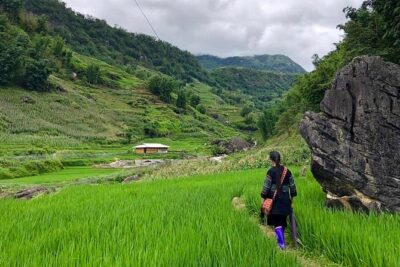
Number one top rated ethical cultural trekking and homestay by ETHOS
Read our review →
1-Day Guided Trek to Lao Chai & Ta Van with Lunch
Read our review →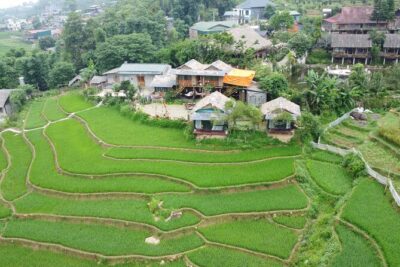
Sapa 1 Day Long Trek: Trek to Hau Thao and Sa Seng Villages
Read our review →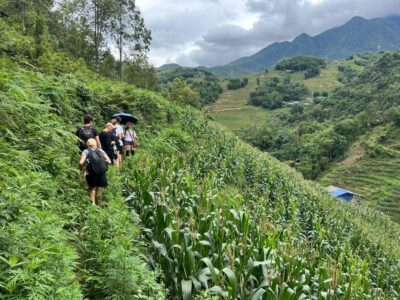
Explore Sapa by TrekkingAdventures, Mountain,Rice fields
Read our review →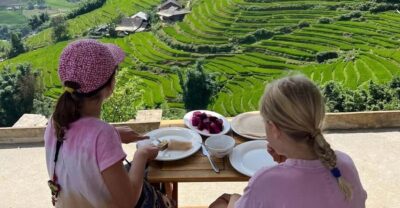
EXPLORE SAPA: 2D1N TREKKING & HMONG CULTURE WITH DINH
Read our review →Browse the lists this tour appears in