
REVIEW · SAPA
SAPA: 1-DAY TREKKING TOUR WITH LOCALS, LUNCH & RICE FIELDS
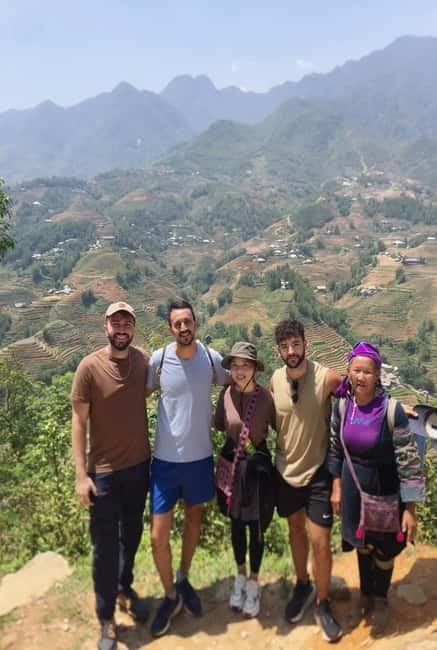
Sapa’s best scenery arrives on foot, and this route gives you a fine introduction to it. You leave town by car, start among the Black Hmong rice terraces at Y Linh Ho, walk through Lao Chai beside the Muong Hoa stream, then finish in Ta Van, home of the Giay people. The views are the headline, but the village life gives the walk its meaning.
I like the small-group format, which should make it easier to set a pace that suits you. I also like the local touch: guides such as Linh have welcomed walkers into family homes, adjusted routes to match fitness and interest, and provided Wellington boots when rain turned the paths to mud.
The main thing to check is the duration. The title and main route describe a one-day trek of about 19 kilometers, while the practical notes and several guest accounts describe two days and one night with a homestay. Ask VietNam Venture to confirm exactly what your booking includes before you pay.
Key points to know before you book
- Y Linh Ho to Ta Van: Walk from a Black Hmong village through rice terraces, Lao Chai, bamboo paths, and Giay country.
- Local family contact: Guides and families such as Linh’s offer a more personal look at food, farming, textiles, and daily life.
- Mud is part of the deal: Rain can make the trails slippery, and Wellington boots may be available, but bring spare socks.
- Lunch in a stilt house: The included meal gives you a real break from the trail and a chance to see a local home.
- Moderate physical effort: Expect steep, uneven ground, with the advertised route covering about 19 kilometers.
- Check the itinerary: The supplied details mix a one-day trek with a two-day, one-night homestay version.
Rice terraces, village paths, and a useful itinerary check
I would choose this outing for the walk itself, not for a checklist of village names. Sapa’s central streets can feel busy, but the route quickly moves into steep valleys, terraced fields, and quieter paths. You get the views that brought you to northern Vietnam, then add contact with the Black Hmong and Giay communities.
At the same time, you need to read the timing carefully. The core description says your guide meets you at Sapa Stone Church at 9:00 AM, drives you for about 30 minutes, and begins at Y Linh Ho. After roughly three hours of trekking, you reach Lao Chai for lunch. The afternoon continues through fields and bamboo forest to Ta Van, where a car returns you to Sapa.
That is a full one-day program. Yet the practical information says two days and one night, and several accounts describe an overnight homestay, dinner, breakfast, and a second day of walking. The $20 price also makes more sense for the shorter route than for a two-day trip, though prices and inclusions can change. Confirm the exact version, overnight arrangements, and meals before you book.
More Rice Terrace Treks in Sapa
- Sa Pa: Muong Hoa Valley Trek and Local Ethnic Villages
★ 4.6 · 864 reviews - Explore Sapa by TrekkingAdventures, Mountain,Rice fields
★ 4.9 · 229 reviews - Sa Pa: 6-Hours Muong Hoa Valley Trek with Local Ethnic guide
★ 4.5 · 178 reviews
Starting at Sapa Stone Church at 9:00 AM
The meeting point is Sapa Stone Church in the town center. This is simple to find and gives you a clear starting place, but you should arrive ready to leave on time. The included transport takes you from town toward the valley and the start at Y Linh Ho.
Your guide is an English-speaking local guide, with Vietnamese and English listed as the available languages. The information does not assign one guide to every departure. However, Linh is named in the accounts, and the family-led version includes local women guiding walkers along the mountain paths. Treat that as useful background, not a promise that Linh will lead your particular date.
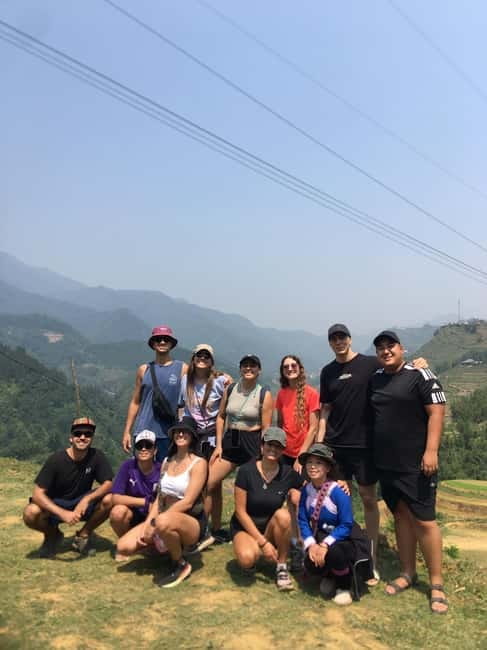
A small group matters here. Mountain trails are more enjoyable when you are not part of a large procession, and a smaller party gives the guide more room to adjust the pace. The route has also been changed for personal preferences in the past, including taking more adventurous paths for people who wanted extra challenge. You should discuss your comfort level at the start.
Y Linh Ho and the Black Hmong rice terraces
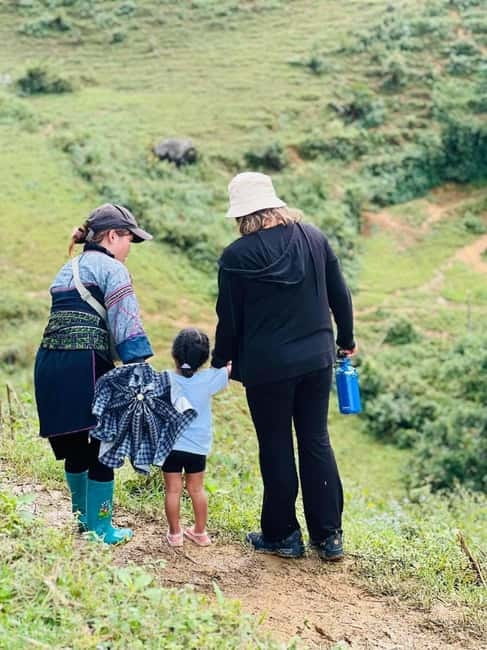
Y Linh Ho is where the walk gets serious and scenic. The Black Hmong village sits among steep hills covered with rice terraces. As you walk, the guide can explain how families farm sloping ground, where flat fields are scarce and every terrace matters.
The first section can be the hardest. One account describes the first hour as challenging, with the best views appearing after the climb. That is a fair warning for anyone expecting a flat country stroll. You need sturdy shoes, a steady pace, and enough water for the morning.
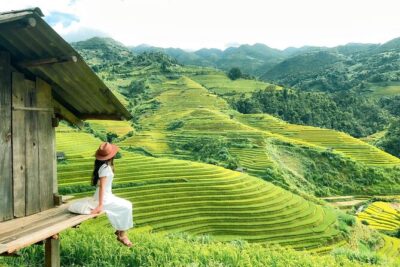
The setting changes with the season and the weather. On a clear day, you can expect broad views over mountain valleys and layered fields. In fog or rain, the scenery becomes more muted, and the trail becomes more demanding. Several walkers found the muddy conditions enjoyable once they had the right footwear, but that does not make the mud less slippery.
This is also where cultural details add value. The guide may discuss traditional Hmong textiles and the old indigo dyeing process. That turns the walk from a photo stop into a lesson in how local clothing, farming, and household work fit together.
Lao Chai lunch beside the Muong Hoa stream
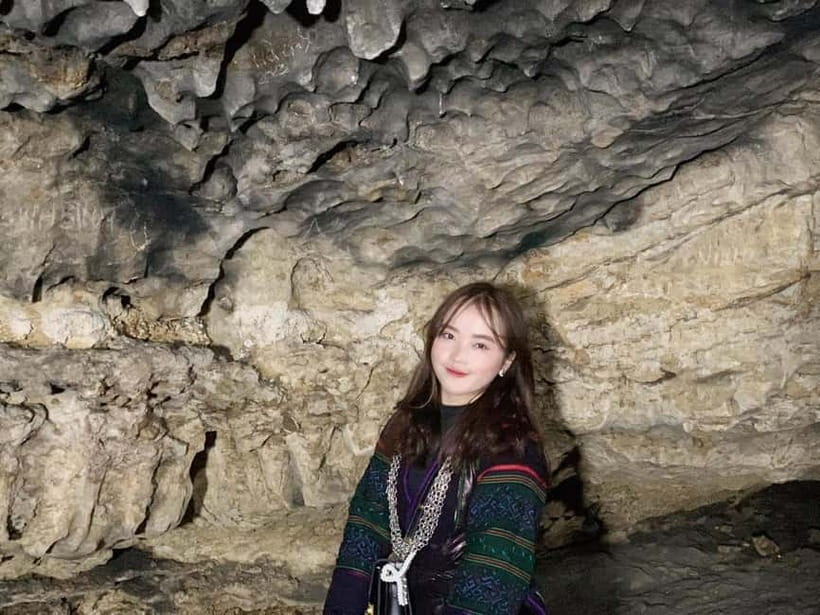
After about three hours, the route reaches Lao Chai, a Black Hmong village beside the Muong Hoa River. The plan calls for a homemade lunch in a traditional stilt house, with views across the valley.
I like this pause because it gives the day a human center. You are not simply walking through scenery. You sit in a local home, eat food prepared by a family, and get time to ask questions or watch daily life at close range. The meals on the overnight version are described as hearty, and dinner and breakfast received especially warm praise. Pancakes were a particular favorite.
Lunch is included, but additional drinks are not. Carry water and some small cash for drinks, snacks, or souvenirs. Small shops appear along parts of the route, so you may be able to buy supplies, but do not count on every section having a shop nearby.
The stilt house should be understood as simple and local, not polished hotel dining. That is part of the appeal, but it also means basic facilities and a less formal meal. If you want a private restaurant, this is not the right outing.
More Rice Terrace Treks in Vietnam
- Sapa Muong Hoa Valley & Ta Van Eco Village Scenic Tour (No Trek)
★ 5.0 · 144 reviews - Daily Tour: Sapa Trekking in Muong Hoa valley, Bamboo forest
★ 5.0 · 121 reviews - 1-Day Sapa Long Trek – Rice Field Terrace, Ethnic Culture
★ 4.9 · 62 reviews - 3-Day Trek in Amazing Muong Hoa Valley & ethnic Homestay
★ 5.0 · 49 reviews
The afternoon walk to Ta Van
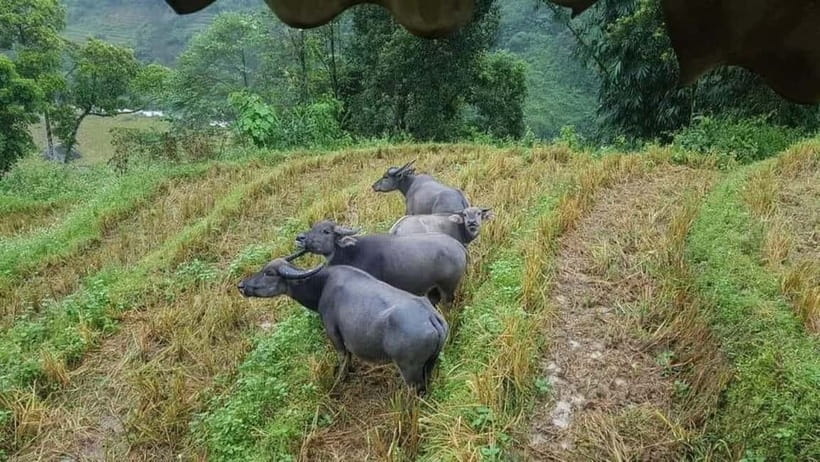
After lunch, you continue through rice fields and bamboo forest toward Ta Van. The pace should feel calmer than the morning, though the ground remains uneven. Bamboo paths and field tracks can be slippery after rain, and some slopes may call for careful footing.
Ta Van is associated with the Giay people and offers a different cultural setting from Y Linh Ho and Lao Chai. The point is not a staged performance. You see a quieter village environment and learn about another local community within the same valley.
The route ends at Ta Van, where a car takes you back to Sapa. Transport back to town is included, as are village entrance fees and the activities listed in the plan. That makes the day easier than trying to arrange a separate ride from the valley.
If you are taking the two-day version, the story changes. The supplied details describe a homestay with basic but cozy rooms, double beds, homemade dinner and breakfast, and time with a local family. Guests helped in the kitchen, shared meals, sang karaoke, and sampled happy water. Those details point to a more social evening, but they belong to the overnight format, so confirm that you are booking it rather than the day trip.
What the local family element adds
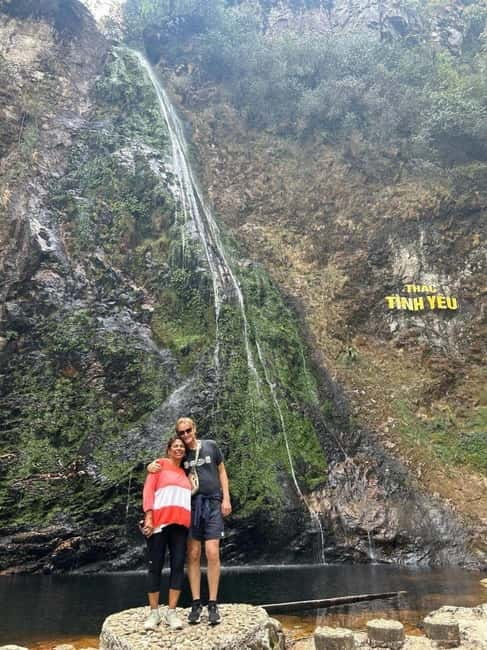
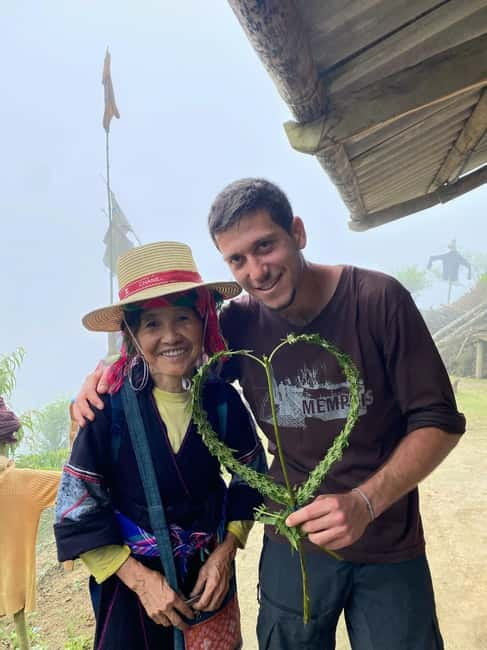
The strongest part of the experience is the human contact. Linh and her family are described as warm and attentive, with visitors welcomed into the home and well fed. The family setting can make the trip feel less like a packaged hike and more like a short visit to rural northern Vietnam.
You should keep your expectations realistic. A homestay is simple, authentic, and equipped with basic facilities. It is not a resort, and the supplied information does not promise private bathrooms, hotel-style services, or luxury bedding. The appeal is the meal, the conversation, and the chance to see how a household works.
Food is another strong point. Homemade meals are included in the overnight version, and the accounts describe substantial dinners, breakfast, and a comfortable sense of being looked after. If you have dietary needs, tell the organizer before departure. The supplied details do not specify vegetarian, allergy, or other menu arrangements.
The local guides may also adapt the route. That can be a real benefit if you want a gentler walk, or if you want more demanding paths. Do not assume every group will follow the same line exactly. Tell the guide what you want, but respect the guide’s judgment when weather or trail conditions make a path unsafe.
How difficult is the 19-kilometer walk?
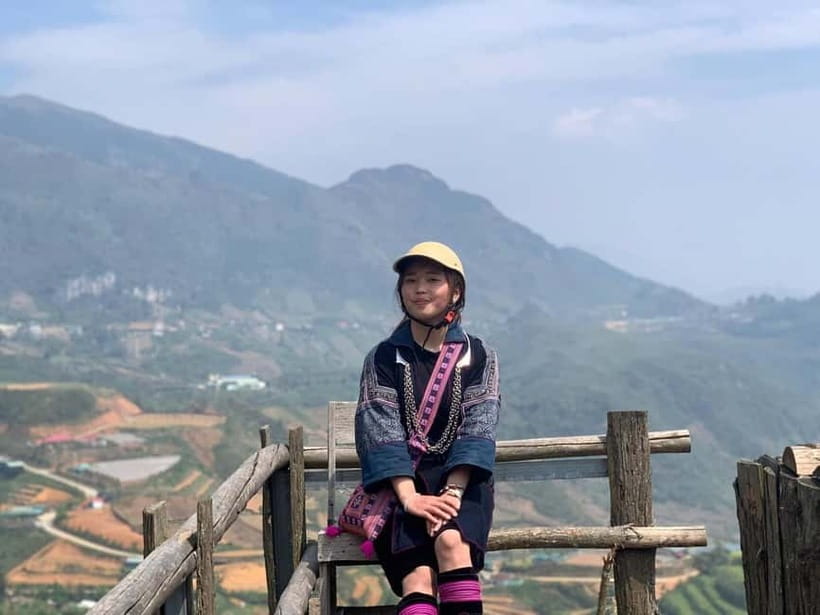
The stated fitness level is moderate, but the word moderate can hide a lot in Sapa. The route includes steep and uneven terrain, and the total distance is listed as 19 kilometers over two days in the practical notes. The one-day outline also describes a substantial day on foot.
You do not need to be an experienced mountaineer, based on the supplied description, but you should be comfortable walking for several hours on rough ground. This is not a paved promenade. Wear shoes with good grip, and avoid bringing a heavy bag.
Rain changes everything. A wet path can become thick mud, especially around the rice terraces. Wellington boots were provided on rainy departures and proved very useful. Still, bring extra socks. The boots may have thin soles, so an extra pair of socks can add comfort and warmth.
Pack a light raincoat or jacket, sunscreen, a hat, sunglasses, mosquito repellent, and a change of clothes. The change of clothes is especially useful if you are doing the overnight option or if the forecast looks wet. Comfortable trekking clothes matter more than looking smart in Sapa town.
Children under four are free if you inform the organizer in advance. Babies under one year are not considered suitable for this activity, and the stated upper age limit is 95. Those limits do not replace your own judgment about fitness.
What the $20 price really covers
At $20 per person, this is an appealing price for a guided Sapa valley walk. You are getting an English-speaking local guide, transport back to Sapa from Ta Van, lunch in a local house, village entrance fees, and the activities in the stated plan.
That is good value if your booking is the one-day version. You avoid arranging a return vehicle, and the lunch and entry costs are already handled. You also get local guidance on trails that would be difficult to understand from a town map alone.
The value is harder to judge until the duration is clear. The two-day version includes a homestay, dinner, and breakfast according to the supplied accounts, but the main inclusion list does not clearly spell out the overnight package. Ask what the $20 price includes before booking, especially if you expect a room, extra meals, or transport at both ends.
There is also a discount for booking a following trip to Cat Ba Island or the Ha Giang Loop. That may help if your Vietnam route already includes one of those destinations. Do not let the discount decide for you, though. First confirm the Sapa itinerary, then compare the combined price with your plans.
Group size, weather, and the right expectations
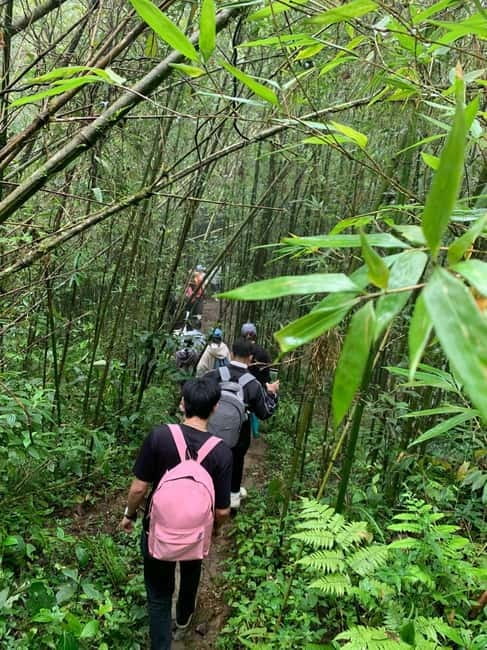
This is described as a group tour, even though it is promoted as small-group. The exact number is not provided. You will walk with other people, so the day will not be completely private. If you want a custom route or a private pace, ask about a private departure before paying.
Weather is a major part of the experience. Fog can hide the mountain views, and rain can make the paths wet and muddy. That is not a reason to cancel automatically. It is a reason to bring the right clothing and understand that Sapa’s scenery is not guaranteed to look like a sunny postcard.
The tour is best for you if you want rural scenery, local food, moderate exercise, and direct contact with village families. It suits people who prefer a simple home meal to a polished restaurant and who do not mind basic facilities.
I would choose something else if you need a short, easy walk, guaranteed clear views, luxury lodging, or a fixed private itinerary. I would also pause if you have limited mobility or dislike steep, wet, uneven paths.
Booking requires at least 48 hours in advance. You can cancel or reschedule up to 24 hours before departure for a full refund, according to the supplied policy. You can reserve and pay later, which is useful while building a Vietnam itinerary.
Should you book this Sapa trek?
Yes, if you want a good-value walk through Sapa’s terraces with a local guide, a home-cooked meal, and a real chance to meet Hmong and Giay families. The human side, especially the welcome from families such as Linh’s, gives the route more character than a simple scenic hike.
Book with one condition: confirm whether you are buying the one-day Y Linh Ho to Ta Van trek or the two-day, one-night homestay. Once that point is settled, pack for mud, allow for steep ground, and bring spare socks. At $20, the one-day version offers a strong mix of scenery, transport, food, and local contact.
FAQ
Where does the Sapa trek begin?
The guide meets you at Sapa Stone Church in Sapa town center at 9:00 AM.
How far is the drive to the trailhead?
The drive from Sapa to Y Linh Ho takes about 30 minutes.
Which villages does the route visit?
The stated route runs from Y Linh Ho through Lao Chai and ends in Ta Van.
Which ethnic communities do you meet?
The route introduces you to Black Hmong people in Y Linh Ho and Lao Chai, then to the Giay people in Ta Van.
Is lunch included?
Yes. The planned lunch is a traditional meal in a local stilt house. Additional drinks are not included.
Is transport back to Sapa included?
Yes. A car picks you up in Ta Van and returns you to Sapa town.
How difficult is the trek?
The activity is rated moderate and includes steep, uneven terrain. The practical notes describe about 19 kilometers over two days, while the main route is presented as a one-day trek, so confirm the exact schedule before booking.
Is this a one-day or two-day tour?
The supplied information gives both versions. The main outline describes a one-day route, while the practical notes and some family-stay details describe two days and one night. Ask VietNam Venture to confirm the itinerary attached to your booking.
What should you bring?
Bring comfortable trekking shoes and clothes, a light raincoat or jacket, sunscreen, a hat, sunglasses, mosquito repellent, and a change of clothes. Extra socks are especially useful in wet weather.
More one-day treks in Sa Pa
- From Sapa: 1-Day Guided Trek to Lao Chai & Ta Van with Lunch
★ 4.9 · 416 reviews - Sapa 1 Day Long Trek: Trek to Hau Thao and Sa Seng Villages
★ 4.6 · 344 reviews - 1-day Authentik trek & Panorama valley views
★ 5.0 · 189 reviews - 1 day Fansipan Trekking
★ 5.0 · 180 reviews
More Rice Terrace Treks in Sa Pa
- Muong Hoa Valley Trek & Homestay Experience – 4D3N
★ 5.0 · 42 reviews - Sapa: Muong Hoa Mountain Views and Villages Trek with Lunch
★ 4.3 · 28 reviews - Sapa: Muong Hoa Valley View & Villages Trek with Local Guide
★ 5.0 · 25 reviews - From Sapa: Muong Hoa Valley View & Village Trek 1-Day
★ 5.0 · 21 reviews
Latest treks added in Sa Pa
- Soob Sapa Trekking Tour★ 4.3 · 3 reviews
- Sapa: Y Linh Ho – Lao Chai, and Ta Van Trekking Day Tour★ 5.0 · 25 reviews
- Sapa Trekking Private Tour With Ethnic Female Tour Guide★ 4.9 · 24 reviews
- Sapa Trekking – Waterfalls And H’mong Villages★ 5.0 · 2 reviews
- Sapa: Ta Phin Village Trek with Lunch and Bathing Experience★ 4.7 · 13 reviews
- Sapa Trekking Guide Francophone 2 days – 1 night★ 5.0 · 2 reviews
- Sapa: Trekking Through Terraced Rice Fields & Valley 1 Day★ 4.8 · 4 reviews
- Sapa small groupe activities: 1 Day trek – Meet the locals★ 4.7 · 3 reviews
Rice Terrace Treks, compared.
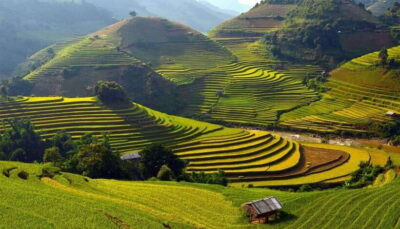
Muong Hoa Valley Trek and Local Ethnic Villages
Read our review →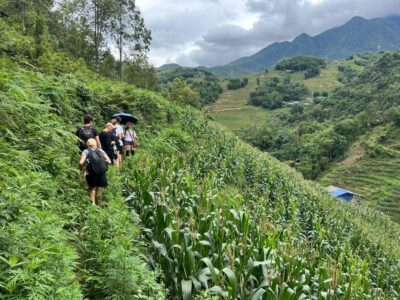
Explore Sapa by TrekkingAdventures, Mountain,Rice fields
Read our review →
Selogriyo Temple and Trekking Java Rice Terraces, hidden waterfall -Nature Java
Read our review →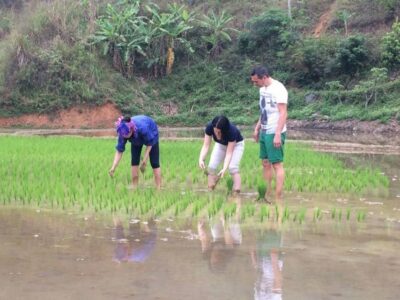
6-Hours Muong Hoa Valley Trek with Local Ethnic guide
Read our review →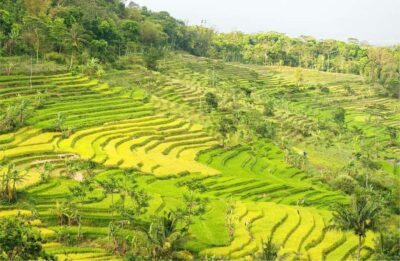
Sapa Muong Hoa Valley & Ta Van Eco Village Scenic Tour (No Trek)
Read our review →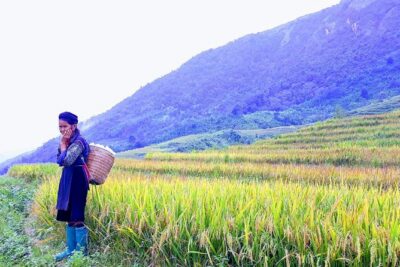
Daily Tour: Sapa Trekking in Muong Hoa valley, Bamboo forest
Read our review →
Rice Terrace, Holy Water Temple & Waterfalls Trek Tour
Read our review →Browse the lists this tour appears in