
REVIEW · SAPA
Sapa: 1-Day Trek to Mountain, Local Villages & Rice Terraces
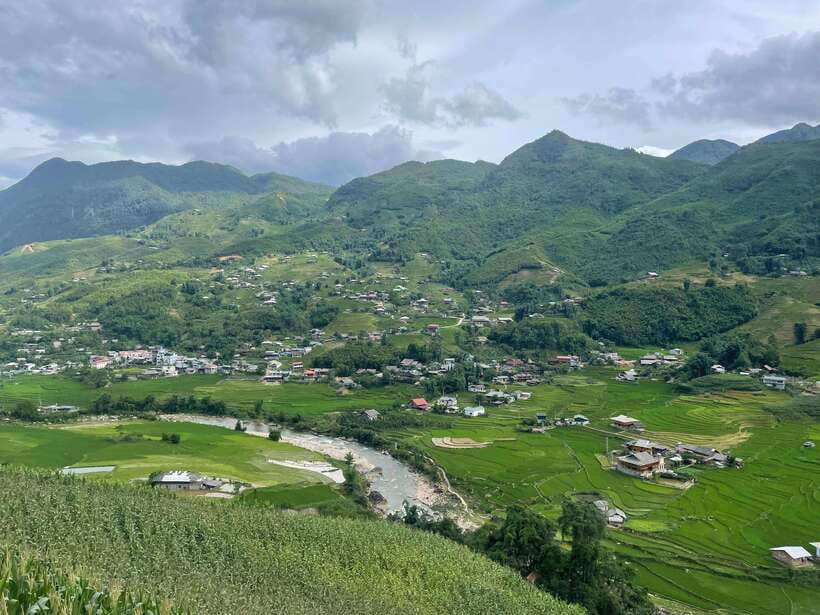
The best part of this six-hour trek is the climb to Dragon Jaw Mountain, where Sapa town, the Muong Hoa rice valley, and Fansipan can open up below you. I like that the route quickly leaves the town behind and uses narrow farm, forest, and hill trails instead of sticking to the main roads.
I also like the stop for local food in Hang Da village and the museum visit in Ban Bo, where your guide explains clothing, customs, and daily life. The main concern is the route itself: steep and slippery sections make this a moderate to challenging hike, especially after rain.
Key points at a glance
- Dragon Jaw at 1,900 meters: Look across Sapa and Muong Hoa valley, with a chance of seeing Fansipan and a sea of clouds.
- Hmong village lunch: Stop in Hang Da for about an hour and eat simple local dishes.
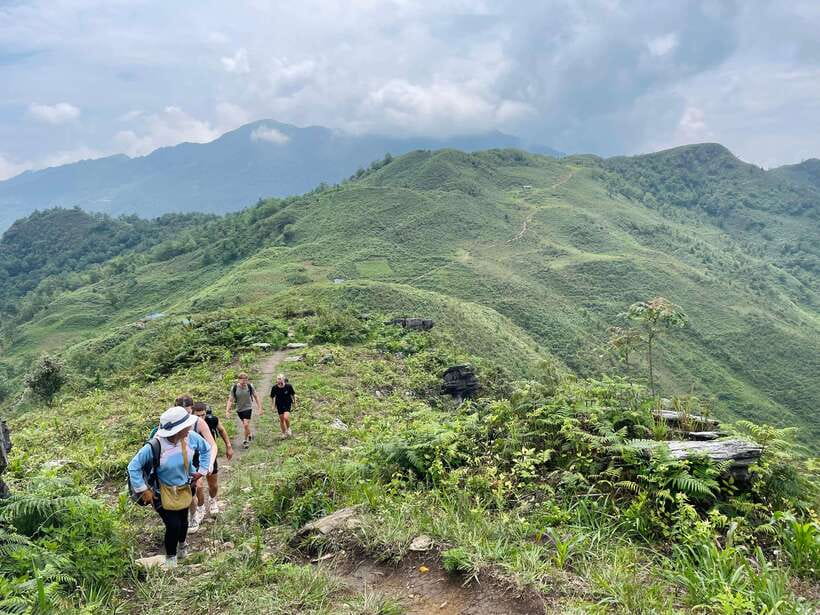
- Narrow mountain trails: Walk through cornfields, small bamboo forests, hills, and a trail described as a dinosaur’s spine.
- Practical village access: Pickup is available around central Sapa, with a meeting point at Sapa Church if needed.
- Cultural finish: Visit a museum in Ban Bo to see traditional clothing and learn about local customs.
- Good value at $24: Lunch, water, entrance fees, a guide, and the ride back to Sapa are included.
Why this Sapa trek is worth your time
Sapa is easy to admire from town, but the better views begin once you climb above it. This route gives you a full day of mountain scenery without requiring an overnight stay in a village. At $24 per person, it also covers the parts that can quietly add up on an independent outing: a local guide, lunch, entrance fees, drinking water, and transport back to Sapa.
I like the shape of the day. You start with a climb, reach the high viewpoint before continuing through villages, then finish with a museum and a ride back. That means the hardest walking comes early, when you still have time and energy for the rest of the route.
The tour is not a gentle stroll. You should expect uneven paths, slopes, and slippery ground if the weather has been wet. One recent outing involved a choice between an easier and harder route, so it is worth telling your guide clearly what kind of day you want. Good grip on your shoes matters more than fancy hiking gear.
The guide is a major part of the experience. English-speaking guides associated with this tour include Nhu, Tung Jacob, and Keyni, though the person assigned to you is not guaranteed. Keyni is described as patient and physically fit, while Tung Jacob checked the group’s preferred difficulty when rain made the route harder. The level of cultural explanation may vary, so ask questions as you walk rather than waiting for a formal talk.
More Rice Terrace Treks in Sapa
- Sa Pa: Muong Hoa Valley Trek and Local Ethnic Villages
★ 4.6 · 864 reviews - Explore Sapa by TrekkingAdventures, Mountain,Rice fields
★ 4.9 · 229 reviews - Sa Pa: 6-Hours Muong Hoa Valley Trek with Local Ethnic guide
★ 4.5 · 178 reviews
Starting from Sapa at 9:00
Pickup begins at about 9:00am from a hotel around Sapa Center. If you have not booked a hotel or your accommodation is outside the pickup details, meet the guide in front of Sapa Church, the main church in the town center.
This meeting point is useful because it removes a common bit of morning confusion. You do not need to find a distant trailhead on your own. Your guide gives a short briefing before the walk, including the basic program and route.
Bring water even though one bottle is included. Wear warm layers, since Sapa weather can change quickly at higher elevations. A camera is worth carrying, but keep it secure on the steeper parts of the path. Hiking shoes with solid traction are the most important item in your bag.
Climbing through farms to Dragon Jaw Mountain
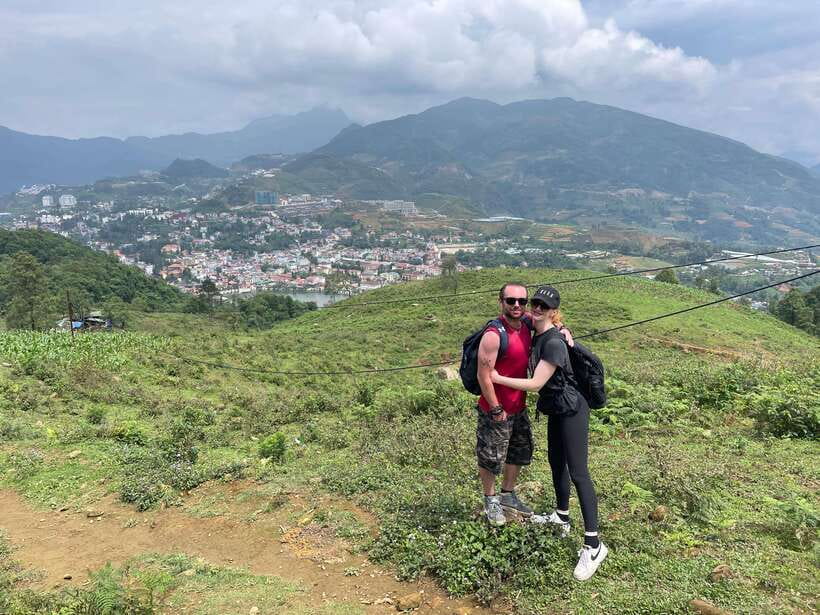
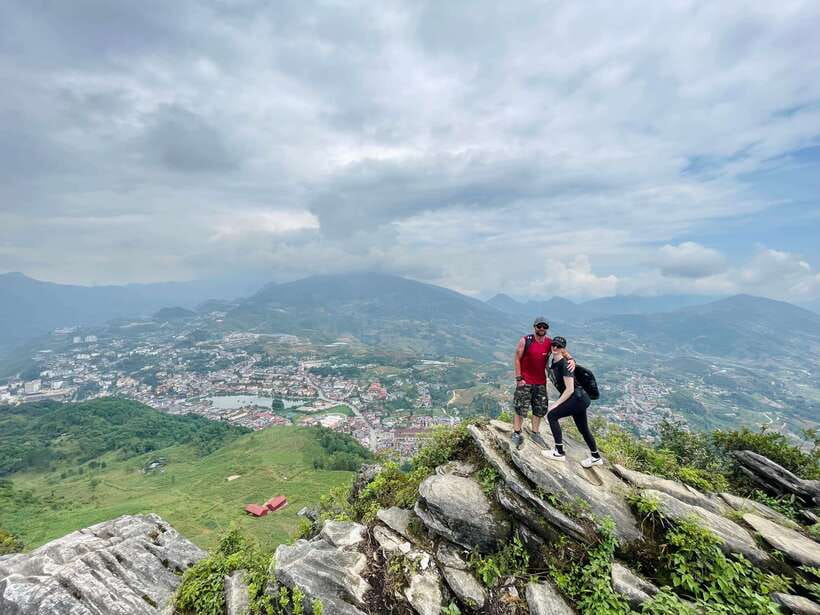
The trek begins in Sapa and soon follows a smaller trail through corn farms toward the mountain. This first section is a steady uphill walk, not a flat warmup. After about an hour and a half, you reach Dragon Jaw Mountain at roughly 1,900 meters above sea level.
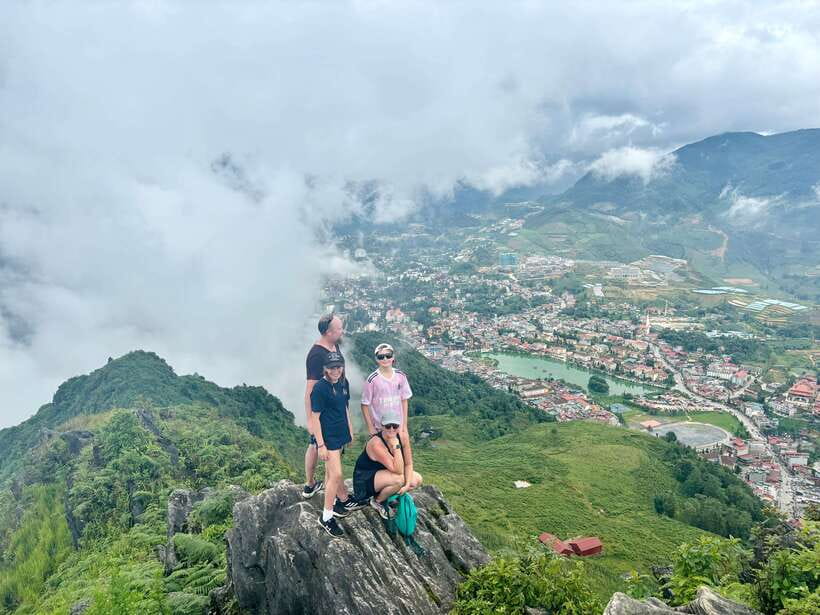
This is the visual high point of the route. From here, you can look over Sapa town and the Muong Hoa rice valley. The view changes with the weather. On a clear day, the valley and terraces should be easy to see. In cloudier conditions, you might catch a sea of clouds moving across the hills, while mist may also block much of the view.
Fansipan, the highest mountain in Indochina, may be visible from Dragon Jaw. That sight is weather dependent, so treat it as a welcome possibility rather than a promise. The viewpoint gives you a sense of how high you have climbed and how small the town looks below.
Plan to pause here for photos and a short rest. The route description allows about three hours for the Dragon Jaw section, including the guided walk, sightseeing, and hiking. That is a substantial portion of the day, so pace yourself. If you are not used to steep mountain paths, tell the guide early rather than pushing until your legs are worn out.
Following the ridge toward Hang Da
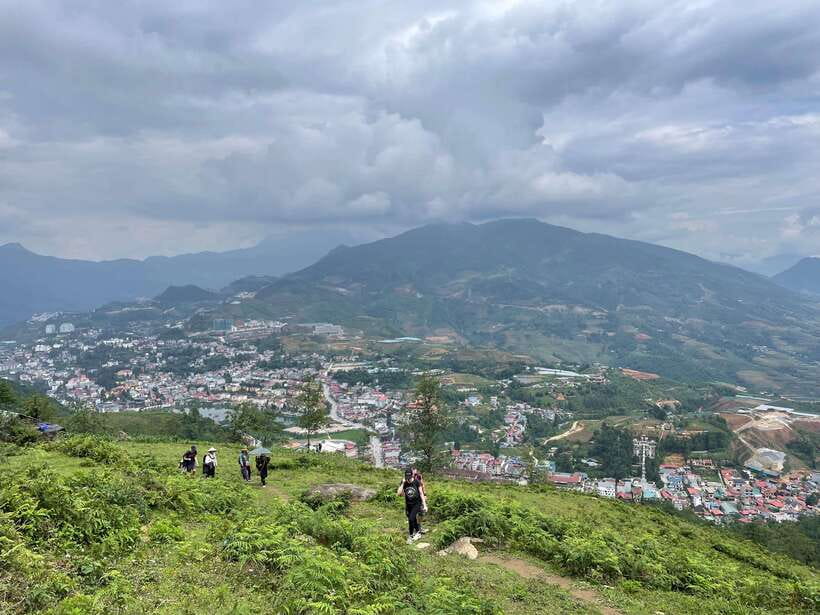
After the break, the route continues along a narrow trail toward Hang Da, home to Black Hmong communities. The path is compared to a dinosaur’s spine, which gives you a good idea of the uneven ridge walking involved. You will move through small forests and hills rather than following a wide paved road.
On the descent, you may see buffalo, cows, horses, and pigs near the villages and farms. These ordinary details are part of the appeal. You are not just crossing scenery for photographs. You are passing through places where animals, houses, fields, and footpaths all fit into daily village life.
Hang Da is a useful stop because it brings the walking together with a meal and a closer look at traditional homes. The village section is scheduled for about an hour, including a break, photographs, lunch, and the guided visit.
More Rice Terrace Treks in Vietnam
- Sapa Muong Hoa Valley & Ta Van Eco Village Scenic Tour (No Trek)
★ 5.0 · 144 reviews - Daily Tour: Sapa Trekking in Muong Hoa valley, Bamboo forest
★ 5.0 · 121 reviews - 1-Day Sapa Long Trek – Rice Field Terrace, Ethnic Culture
★ 4.9 · 62 reviews - 3-Day Trek in Amazing Muong Hoa Valley & ethnic Homestay
★ 5.0 · 49 reviews
Lunch in Hang Da village
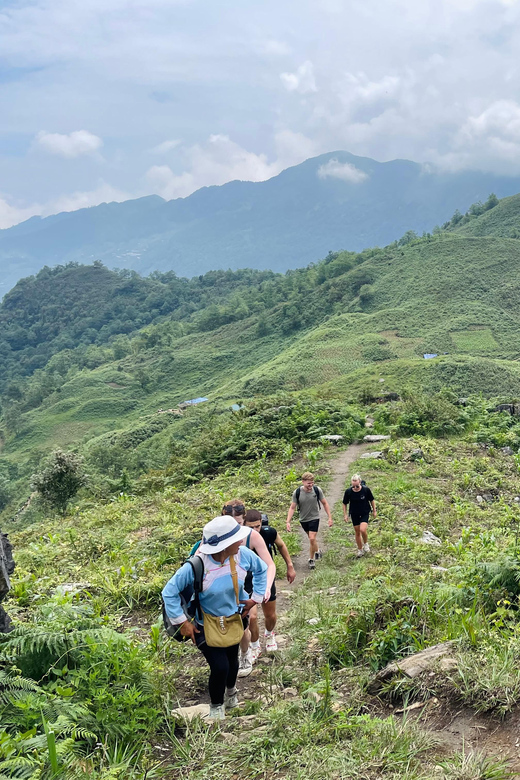
Lunch is included, and the food is described as local dishes. One meal was reported as simple fried noodles or rice, with water provided. You should not expect a long restaurant meal or a large menu. Think of it as practical mountain food served during a walking day.
If you have dietary restrictions, tell the operator in advance. The available meal is not described in detail, so early notice is the sensible way to avoid problems. The hour-long stop gives you time to eat, rest, and look around before the second part of the trek.
This break matters more than it may seem. The first climb and ridge walk can be demanding, and the afternoon route still includes village roads and bamboo trails. Eat enough, refill when possible, and do not rush back onto the path simply to save a few minutes.
From Hau Chu Ngai to the bamboo trails
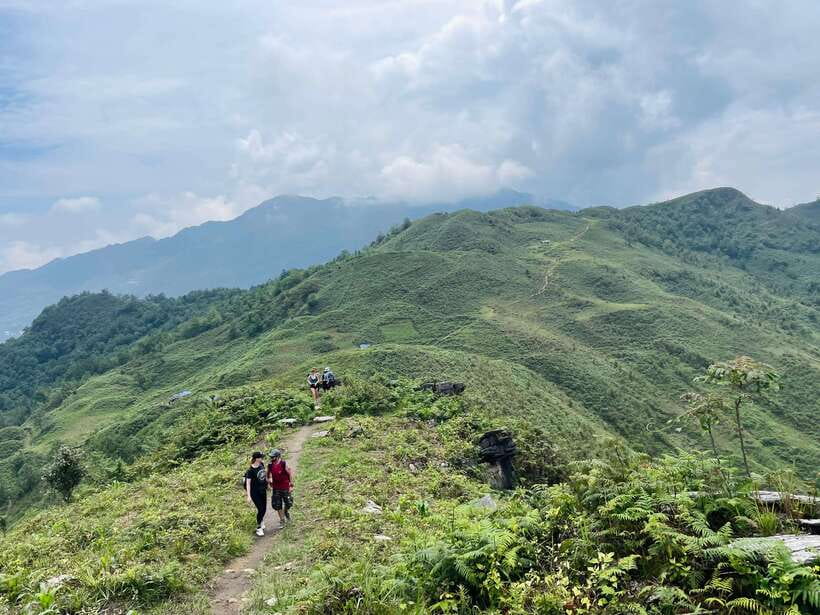
After lunch, the route continues toward Hau Chu Ngai village on attractive village roads and short trails through bamboo forest. The program also includes stops around Hau Thao and Giang Ta Chai, with sightseeing and photographs along the way. The exact sequence may depend on the local route and conditions, but this is the quieter half of the day.
You will see houses scattered around the valley and terraced fields from above. Rice terraces are especially striking when viewed from a hillside because you can follow their curves across the slopes. The appearance changes with the season, and the supplied information does not specify a particular planting or harvest period, so do not book expecting one fixed color or crop stage.
The bamboo sections add variety after the more open mountain views. They are short trails rather than a long forest expedition, but they give the walk a more secluded feel. Rain can make this part slick, and downhill sections may require careful foot placement.
A helpful guide should adjust the pace and point out safe places to step. Tung Jacob’s approach of checking the group’s preferred difficulty is useful here. If the weather turns wet, ask whether a less demanding option is available. You do not win a prize for turning a scenic day into a test of stubbornness.
The museum and the final cultural stop
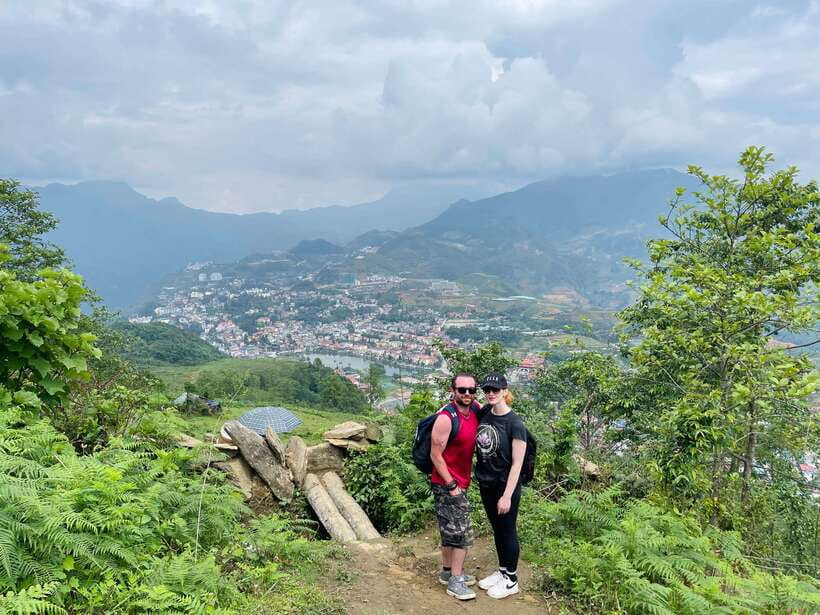
The final cultural stop is a museum in Ban Bo village. Your guide explains traditional clothing, local customs, and aspects of community life. This gives the day some context beyond the views and photographs.
The museum visit is short compared with the trek, but I like having it at the end. After seeing homes and village paths from the outside, you get a more direct explanation of local traditions. It is also a good chance to ask about clothing, customs, and the villages you have just passed.
Cultural stops are only as useful as the conversation around them. One guide may offer more background than another, so ask direct questions about the Black Hmong communities, local dress, houses, farming, and village customs. A previous group found Tung Jacob’s English clear enough for conversation but wished for more unprompted explanation. That is fair advice: be active in the exchange.
A local Hmong woman may also walk with your group for part of the mountain route and share small pieces of information. You should understand that she may later offer items for sale. If you are comfortable buying something, that can be a friendly way to support her, but you should not feel pressured. Ask your guide at the start if anyone else will be accompanying the walk and how that arrangement works.
Returning to Sapa by car
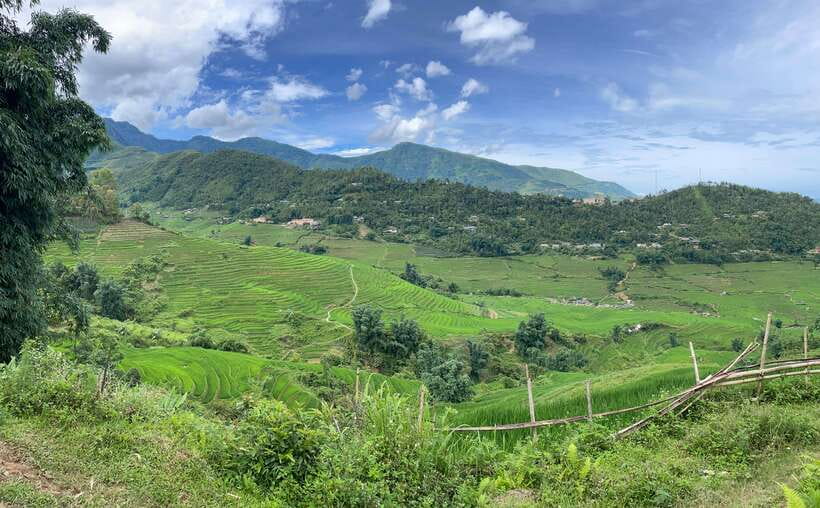
Once the museum visit is finished, the walking program ends. A car takes you back to Sapa town or your accommodation. This is a welcome inclusion after several hours on steep and uneven trails.
The return ride also makes the route practical. You do not have to retrace your steps, and you finish in a different part of the Sapa area from where you started. The full activity lasts about six hours, including stops, lunch, sightseeing, and transport.
Starting at 9:00am leaves you with time before and after the tour, though the exact return time can shift with walking speed, weather, and trail conditions. Keep the rest of your day reasonably open rather than booking a tight connection or fixed evening plan.
How difficult is the walking?
The route is described as moderate to challenging, and that is the right way to approach it. You will climb to 1,900 meters, walk on narrow mountain paths, descend toward villages, and cross uneven or slippery ground. Rain can make the harder sections much more demanding.
You should be comfortable walking for several hours and managing slopes without wheelchair access. The tour is not suitable for wheelchair users or people with heart problems. If you have another medical concern, use your own judgment and ask the provider before booking.
Your footwear matters. Comfortable shoes are listed as essential, but ordinary soft trainers may not offer enough grip on wet slopes. Wear hiking shoes if you have them. Warm clothing is also important because conditions can change between Sapa town, the high viewpoint, and the lower villages.
A poncho may be available if you ask, but it is wise to bring your own rain protection when the forecast looks unsettled. The supplied information does not promise dry conditions or a fixed weather alternative.
What is included for $24?
The $24 price is strong value for a guided mountain day. It includes:
- English-speaking guide
- One bottle of water
- Lunch
- Entrance fees
- Transport back to Sapa town or your accommodation
The price does not include personal expenses or travel insurance. You may want a little extra money for personal purchases in the villages, especially if you choose to buy something from a local seller.
The biggest saving is not the food. It is the return transport and route support. Sapa’s trails can be confusing, and the guide helps connect the mountain, villages, and museum into one outing. You are paying for access to a route that would be harder to organize alone, not just for a viewpoint.
The four published ratings are all five out of five, but the more useful point is the pattern behind the praise: guides were patient, encouraging, physically capable, and attentive to walking ability. The weaker point is also clear: cultural information may be limited unless you ask for it.
Who should book this experience?
I would choose this trek if you want a physically active day with several different parts: a high viewpoint, village walking, a local meal, bamboo trails, and a small cultural museum. It suits people who want more than a short photo stop near Sapa but do not want to spend a night away from town.
It is also a good fit if you are watching your budget. Lunch, water, fees, a guide, and transport are included at a low price. The route gives you a lot of scenery and walking time for the money.
I would think twice if you want a relaxed, easy hike or a detailed cultural lecture. The path can be steep and slippery, and the amount of explanation depends partly on your guide. Ask questions, state your preferred difficulty, and be honest about your fitness.
Free cancellation is available up to 24 hours before the start for a full refund, and you can reserve now and pay later. Those terms help if your Sapa plans are still changing, but they do not remove the need to prepare for the physical demands.
Should you book the Sapa Dragon Jaw trek?
Book it if you want a lively six-hour outing that combines big mountain views with ordinary village life. Dragon Jaw offers the headline scenery, while Hang Da, Hau Chu Ngai, Hau Thao, Giang Ta Chai, and Ban Bo provide the walking, food, homes, animals, bamboo, and cultural context.
Do not book it expecting a soft walk or a guaranteed view of Fansipan. Weather may cover the peaks, and wet ground can make the route tough. But if you bring shoes with good grip, warm layers, and a willing attitude, this is a very good-value way to see more of Sapa than the town center allows.
FAQ
Where does the trek start?
Pickup is available from hotels around Sapa Center at about 9:00am. If you do not have a hotel pickup location, meet the guide in front of Sapa Church in central Sapa.
How long does the activity last?
The activity lasts about six hours, including hiking, sightseeing, lunch, the museum visit, and transport back to Sapa.
What is the highest point on the route?
Dragon Jaw Mountain is reached at about 1,900 meters above sea level.
Can I see Fansipan?
Fansipan may be visible from Dragon Jaw Mountain when weather conditions are clear. The view is not guaranteed.
Is lunch included?
Yes. Lunch in Hang Da village is included, along with one bottle of water. Tell the provider about dietary restrictions in advance.
What should I wear?
Wear comfortable hiking shoes or hiking shoes with good grip, plus warm clothing. Weather can change at higher elevations, and trails may be slippery after rain.
Is the trek difficult?
The trek is described as moderate to challenging. It includes uphill walking, steep sections, mountain trails, village roads, and bamboo forest paths.
Is the tour available in English?
Yes. The tour includes a live English-speaking guide.
What happens after the museum visit?
After visiting the museum in Ban Bo village, transport takes you back to Sapa town or your accommodation.
More one-day treks in Sa Pa
- From Sapa: 1-Day Guided Trek to Lao Chai & Ta Van with Lunch
★ 4.9 · 416 reviews - Sapa 1 Day Long Trek: Trek to Hau Thao and Sa Seng Villages
★ 4.6 · 344 reviews - 1-day Authentik trek & Panorama valley views
★ 5.0 · 189 reviews - 1 day Fansipan Trekking
★ 5.0 · 180 reviews
More Rice Terrace Treks in Sa Pa
- Muong Hoa Valley Trek & Homestay Experience – 4D3N
★ 5.0 · 42 reviews - Sapa: Muong Hoa Mountain Views and Villages Trek with Lunch
★ 4.3 · 28 reviews - Sapa: Muong Hoa Valley View & Villages Trek with Local Guide
★ 5.0 · 25 reviews - From Sapa: Muong Hoa Valley View & Village Trek 1-Day
★ 5.0 · 21 reviews
Latest treks added in Sa Pa
- Soob Sapa Trekking Tour★ 4.3 · 3 reviews
- Sapa: Y Linh Ho – Lao Chai, and Ta Van Trekking Day Tour★ 5.0 · 25 reviews
- Sapa Trekking Private Tour With Ethnic Female Tour Guide★ 4.9 · 24 reviews
- Sapa Trekking – Waterfalls And H’mong Villages★ 5.0 · 2 reviews
- Sapa: Ta Phin Village Trek with Lunch and Bathing Experience★ 4.7 · 13 reviews
- Sapa Trekking Guide Francophone 2 days – 1 night★ 5.0 · 2 reviews
- Sapa: Trekking Through Terraced Rice Fields & Valley 1 Day★ 4.8 · 4 reviews
- Sapa small groupe activities: 1 Day trek – Meet the locals★ 4.7 · 3 reviews
Rice Terrace Treks, compared.
Muong Hoa Valley Trek and Local Ethnic Villages
Read our review →
Explore Sapa by TrekkingAdventures, Mountain,Rice fields
Read our review →
Selogriyo Temple and Trekking Java Rice Terraces, hidden waterfall -Nature Java
Read our review →
6-Hours Muong Hoa Valley Trek with Local Ethnic guide
Read our review →
Sapa Muong Hoa Valley & Ta Van Eco Village Scenic Tour (No Trek)
Read our review →
Daily Tour: Sapa Trekking in Muong Hoa valley, Bamboo forest
Read our review →
Rice Terrace, Holy Water Temple & Waterfalls Trek Tour
Read our review →Browse the lists this tour appears in