
REVIEW · KATHMANDU
7 Days Langtang Valley Trek from Kathmandu
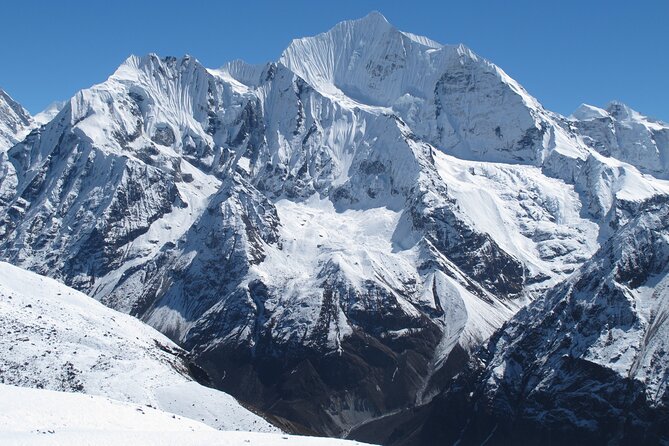
Langtang gives you a real Himalayan trek without spending several days just getting to the trailhead. In seven days, you travel from Kathmandu to Kyanjin Gompa, walking through forests, Tamang villages, yak pastures, and high mountain country beneath Langtang Lirung and other snowy peaks.
I like two things right away: the route packs serious mountain scenery into a short schedule, and the private format lets your own group travel with an English-speaking guide. The guide team, including Biru and Amrit on past trips, has earned praise for warmth, safety, and steady support.
The tradeoff is comfort. Guesthouse accommodation and food are basic, and the road to Syabrubesi takes about seven hours each way. You also need moderate fitness for several days of walking and a high-altitude morning climb.
Key points to know before you book
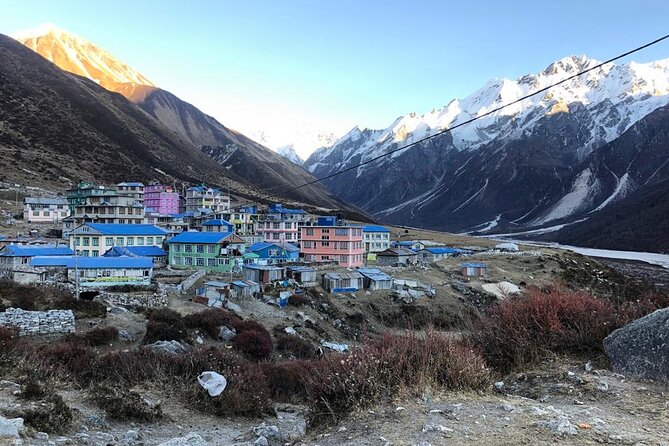
- Kyanjin Gompa is the high point of the route: You reach this mountain settlement on Day 4, surrounded by peaks, glaciers, yak pasture, and alpine terrain.
- The 4,800-meter viewpoint is a serious morning outing: Day 5 begins early for sunrise views from Kyanjin View Point, at about 16,404 feet.
- The route begins near Kathmandu by Himalayan standards: A seven-hour shared bus ride takes you to Syabrubesi, leaving more of your holiday for walking.
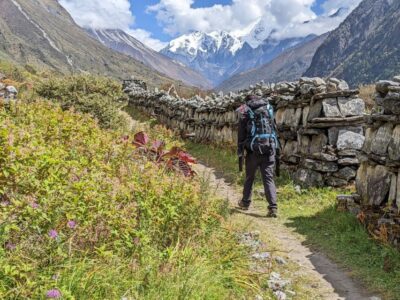
- Tamang and Tibetan culture shapes the journey: You pass chortens, water mills, monasteries, Mani walls, and villages with strong local traditions.
- This is a private trip with practical inclusions: Permits, TIMS, guesthouse accommodation, guide service, first-aid supplies, and transport are included.
- The $410 price is strongest for independent-minded trekkers: You receive the main trek services in one package, but personal expenses, tips, and basic comforts cost extra.
Why Langtang works so well in seven days
Langtang is one of Nepal’s more efficient classic treks. You do not need a flight to a remote mountain airstrip, and you do not lose a week reaching the start and returning from it. The road from Kathmandu is long, but the walking begins after the first day.
That makes this route a good choice if you want snow peaks, mountain villages, and a taste of high-altitude trekking without committing to a two-week trip. You still get a proper progression: forest trails first, then open valley, then high pasture and mountain views.
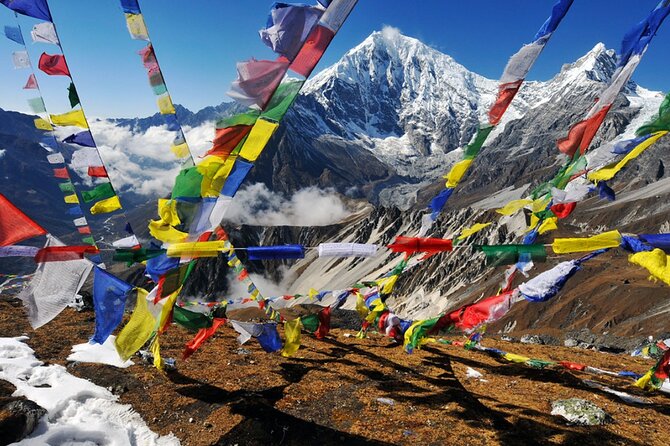
The route also has a strong cultural side. Tamang villages and Tibetan-influenced customs appear throughout the walk. Chortens, Mani stones, prayer features, water mills, monasteries, and village guesthouses make the route feel like a lived-in Himalayan valley, not simply a path to a viewpoint.
I would not choose this trip expecting luxury or an easy walk. The accommodation is in guesthouses, and the food and rooms can be plain. That is part of the price advantage, but it also means you should pack with simple mountain conditions in mind.
More Langtang Treks in Kathmandu
- Langtang Valley Trek
★ 5.0 · 140 reviews - Langtang Valley Trek
★ 5.0 · 61 reviews - 8 Days Tour in Langtang Valley Trek
★ 5.0 · 45 reviews
Day 1: Seven hours by road to Syabrubesi
Your day begins with hotel pickup in Kathmandu at 6:30 a.m. The drive heads through green hills and forest on winding roads toward Syabrubesi, the main gateway for the Langtang Valley trek.
The schedule lists Hotel Garden Inn in Syabrubesi for the first night. The journey takes about seven hours, so this is mainly a transport day rather than a walking day. The road trip can feel long, particularly if you are tired from an international arrival, but it saves you from using another full day to reach the trail.
Shared bus transport keeps the cost down. It also means you should expect a practical, local form of travel rather than a private luxury transfer. Hotel pickup and drop-off are included, which removes one useful bit of planning in Kathmandu.
I like this opening because it gets you directly to the trail area. The drawback is clear: mountain roads take time, and the first day may feel more tiring than its lack of trekking suggests.
Day 2: Forest, bridges, and the Langtang Khola
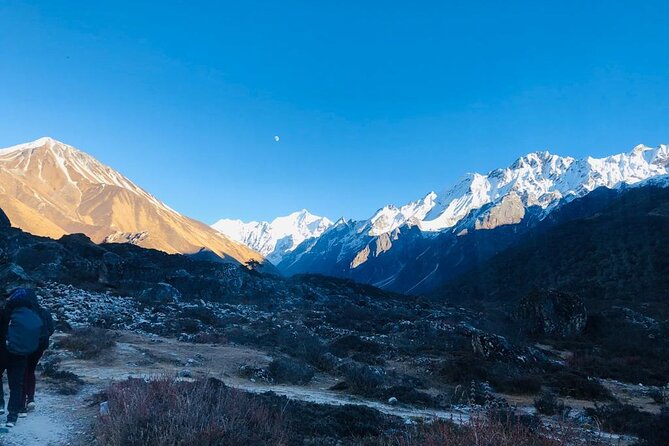
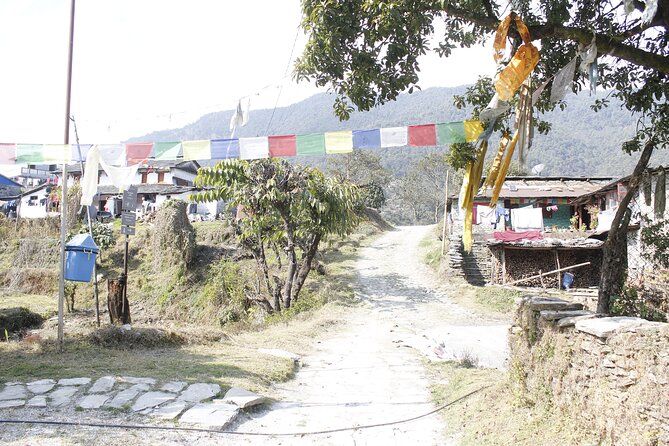
The first trekking day follows the Langtang Khola, a river that guides much of the route. You walk through thick woodland, cross suspension bridges, and pass tea houses before reaching Lama Hotel.
The walk lasts about six hours. The trail can look steep in places, but the planned description presents it as manageable rather than punishing. Even so, you should treat this as a proper hiking day, especially after the road journey the day before.
This section is appealing because it eases you into the route through varied scenery. The forest provides shade, the river gives the walk a clear rhythm, and the bridges add a little Himalayan drama without requiring technical climbing.
Lama Hotel is a functional overnight stop, not a grand destination. That is fine. The value here comes from being on the trail and allowing your body to adjust gradually as you move higher.
Day 3: Entering the Langtang Valley
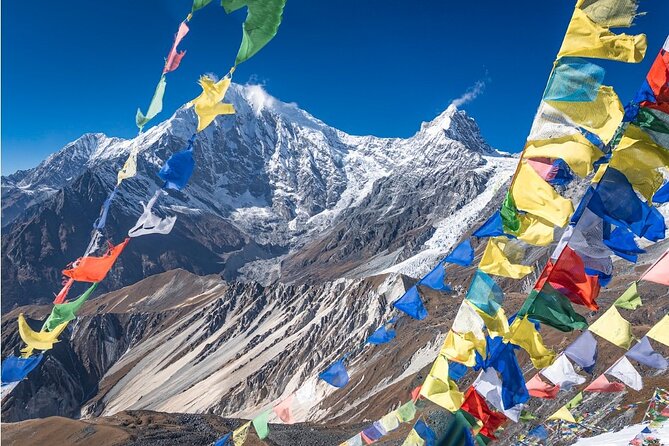
On the next walking day, the route continues through woodland and opens toward larger mountain views. You pass water mills and chortens, with Langtang Lirung appearing as one of the major visual rewards.
The walk takes about six hours. The details along the trail matter: water mills show how local communities have used the valley’s streams, while chortens and other Buddhist features connect the route to the area’s religious traditions.
This is where the trek begins to feel more than a forest hike. The valley’s mountains become a constant presence, and the combination of village life, religious markers, and snow-covered peaks gives the day real character.
You may find the repeated uphill sections tiring, especially if you are not used to walking several hours on mountain paths. The advantage of a private trip is that your own group can discuss pace and rest needs with the guide instead of being tied to a large group schedule.
More week-long treks in Kathmandu
- Short Annapurna Base Camp Trek – 7 Days
★ 5.0 · 22 reviews - Kathmandu to Langtang Valley 7-Day Trek
★ 5.0 · 11 reviews - 7 Days Langtang Valley Private Trek From Kathmandu
★ 5.0 · 10 reviews - Langtang Trek from Kathmandu 7 Days
★ 5.0 · 5 reviews
Day 4: Yak pasture and Kyanjin Gompa
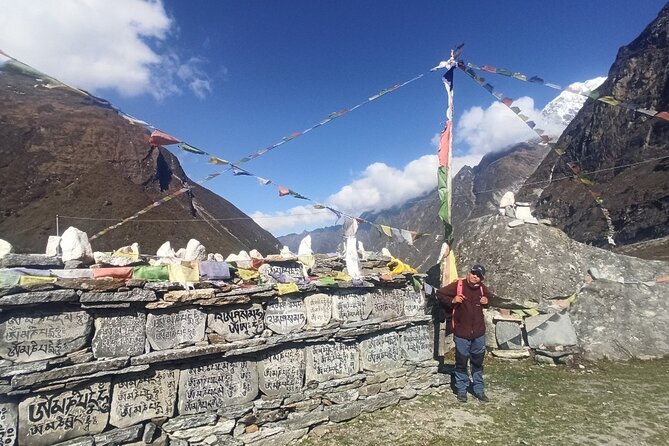
Day 4 brings you to Kyanjin Gompa, the trek’s high mountain base. You leave the main settlement behind, cross yak pastures, pass wooden bridges, and reach the largest Mani wall in Nepal, according to the tour description.
The walking time is about five hours, shorter than the previous two days, but the altitude makes this an important day. You are now moving into higher terrain, and the scenery changes from wooded valley to open mountain country.
Kyanjin Gompa is the place where the route gathers its biggest rewards. From here, you are surrounded by peaks such as Langtang Lirung, Dorje Lakpa, and Yala Peak. The area also offers views of glaciers, waterfalls, and high alpine ground.
The name Gompa refers to a Buddhist monastery, and the stop gives the trek a cultural focus as well as a scenic one. You are not simply sleeping at the end of a trail. You are staying near a spiritual site in a mountain community shaped by Tibetan influence.
Because the next morning includes a climb to 4,800 meters, take this afternoon steadily. A short walk and rest may serve you better than trying to see everything at once.
Day 5: Sunrise from 4,800 meters
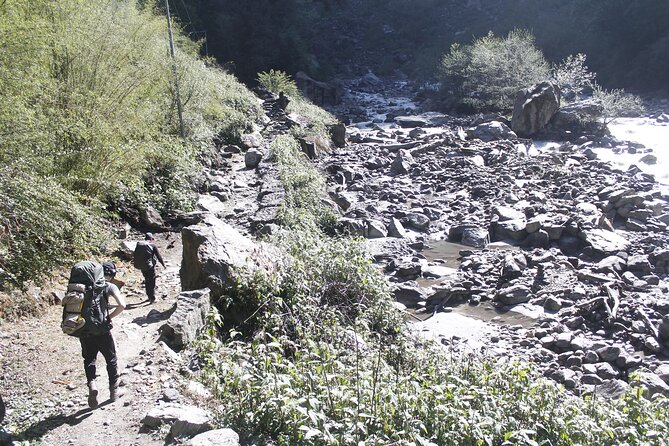
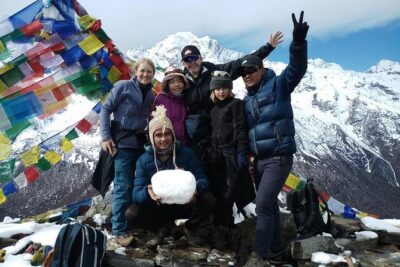
Day 5 is the most demanding and rewarding part of the schedule. You leave early for Kyanjin View Point, listed at 4,800 meters, or about 16,404 feet, to see the sunrise.
That altitude is not a casual lookout. You need moderate physical fitness, and you should follow your guide’s advice about pace and conditions. The early start also means you may be walking before breakfast, with the reward of first light on Langtang’s snowy peaks.
After returning for breakfast, you begin the long descent to Lama Hotel. The walk from Kyanjin Gompa to Lama Hotel takes about four to five hours downhill, and the full day is listed at around six hours.
Downhill does not always mean easy. It can be hard on knees and legs, especially after the early climb. Good footwear matters, and walking poles may be useful, though the tour information does not state that they are supplied.
I like the way this day makes full use of the high point. You do not simply reach Kyanjin Gompa and turn around. You get a chance to see the valley from above, at a height that gives the trek its real sense of scale.
Day 6: Five hours back to Syabrubesi
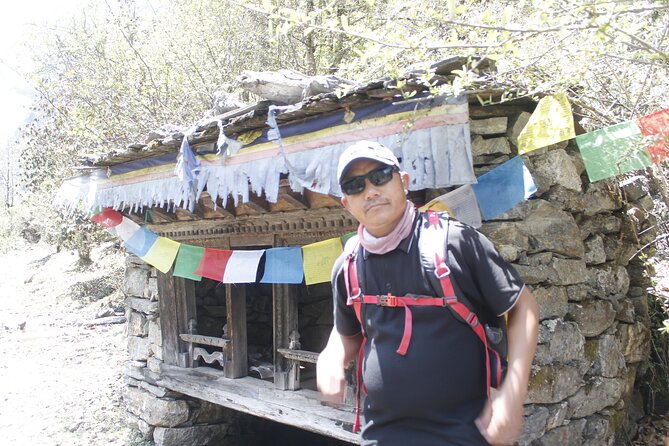
The final walking day takes you down to Syabrubesi in about five hours. The route passes through lush vegetation and follows a simpler downhill rhythm than the higher sections.
Lunch is planned after arrival in Syabrubesi. If time remains, you may have some free time in the town, though the supplied schedule does not promise a specific activity.
This is a useful buffer before the long return drive. You finish the walking portion at a manageable pace rather than combining a major mountain descent with the road back to Kathmandu.
The word downhill can sound effortless, but do not underestimate it. After several days on uneven trails, your legs may be tired. Keep your final day of walking steady, drink regularly, and save some energy for the next morning’s road journey.
Day 7: Returning to Kathmandu
The last day is another roughly seven-hour drive, this time from Syabrubesi to Kathmandu. You are transferred to your hotel in Thamel, with the rest of the day free for rest.
This arrangement is practical. It gives you a clear end point and avoids squeezing a final trek into a rushed departure schedule. Still, road conditions and traffic can affect how the day feels, so I would not plan an important flight immediately after this transfer without checking your wider schedule carefully.
The tour ends when you reach your Kathmandu hotel. Any meals, shopping, or personal activities after that point are your responsibility.
What the $410 price really covers
At $410 per person, the cost is attractive for a private seven-day trek, provided you are comfortable with basic conditions. The package includes hotel pickup and drop-off, shared transport to and from Syabrubesi, an English-speaking professional guide, guesthouse accommodation, Langtang National Park or conservation permits, the TIMS Card, and a first-aid kit carried by the guide.
Those inclusions matter. Permits and transport can be a nuisance to arrange on your own, and having one guide responsible for the route, safety, and daily plan simplifies the trip.
The trip is described as private, so only your group participates. That is a strong feature if you want a more personal pace or prefer not to walk with strangers. It may also make the experience feel more connected to your guide and the places you pass through.
The price does not include personal expenses or gratuities. Food is not separately listed among the inclusions, so you should clarify meal arrangements before departure and budget for meals, drinks, snacks, and any extra purchases. The simple accommodation and average food noted in the available comments suggest that you should judge this package by its access and guiding, not by hotel comfort.
The guide can shape the whole experience
A mountain guide does more than point out the trail. The guide helps manage pace, watches the group as altitude increases, explains cultural details, and gives you a steady point of contact when conditions feel unfamiliar.
Two guides named in past comments are Biru and Amrit. Biru was singled out for local knowledge, a warm manner, and constant support. Amrit was praised for being kind, safety-focused, and attentive to comfort, with the mountain views and lush lower sections adding to the appeal of the trek.
You should not assume that either guide will lead your departure unless the provider confirms it. Still, these names are useful when you contact Nomad Mountain Club. Ask who will guide your group and how many people are in it, even though the trip itself is private.
Who should book this Langtang trek?
I would recommend this route to you if you want a short Himalayan trek with a strong mix of nature and culture. It suits someone who has moderate fitness, can walk for five to six hours on mountain trails, and is willing to accept guesthouse conditions.
It also works well for a private group that wants flexibility without paying for a luxury operation. Couples, friends, and families with suitable fitness may appreciate having the guide focused on their own group.
I would hesitate if you want polished hotels, short transfer days, or a low-effort holiday. The road journey is long, the food and lodging are basic, and the 4,800-meter viewpoint requires a serious early climb.
Practical details worth checking
The start time is 6:30 a.m., with hotel pickup offered in Kathmandu. Confirmation is provided at booking, and the activity is marked for people with moderate physical fitness.
Cancellation is free up to 24 hours before the start time. Cancel at least 24 hours ahead for a full refund. Changes or cancellations within 24 hours are not accepted for a refund, and the cut-off follows local time.
Before paying, I would confirm the exact hotel pickup point, meal arrangements, guide’s name, group size, and what personal equipment you need. The package includes a first-aid kit, but it does not list trekking gear, clothing, walking poles, or personal medical supplies.
Should you book it?
Book this trek if your priority is high mountain scenery in one efficient week, with local villages, Buddhist sites, and a private guide rather than resort comfort. The combination of Kyanjin Gompa, Langtang Lirung views, yak pasture, and the 4,800-meter sunrise point gives the route plenty of substance for its length.
Skip it if you dislike long bus rides or basic guesthouses. For the right walker, though, $410 is a sensible price for permits, transport, guiding, accommodation, and a complete return route from Kathmandu. Ask a few practical questions before departure, then expect a demanding but rewarding week in one of Nepal’s most accessible mountain valleys.
FAQ
Where does the Langtang Valley trek start?
The experience starts with hotel pickup in Kathmandu at 6:30 a.m. You travel by shared bus to Syabrubesi, where the trekking section begins.
How long does the experience last?
The trip lasts approximately seven days. The schedule includes four main trekking days, two road-transfer days, and the return to Kathmandu on Day 7.
Is this a private tour?
Yes. Only your group participates in the activity, and a professional English-speaking guide accompanies you.
What accommodation is included?
Accommodation during the trek is provided in guesthouses. The available information describes the food and accommodation as average, so you should expect simple rather than luxury conditions.
Is transport included?
Yes. Hotel pickup and drop-off are included, along with shared bus transportation to and from the starting point.
Are permits included in the price?
Yes. The package includes the Langtang National Park or conservation area permit and the TIMS Card.
Can I cancel for a full refund?
You can cancel for a full refund if you do so at least 24 hours before the experience begins. Cancellations or changes made within 24 hours are not refunded.
Latest treks added in Kathmandu
- Private Manaslu Circuit Trek at Himalayas★ 5.0 · 3 reviews
- Ghorepani Poonhill Trek★ 5.0 · 5 reviews
- Ghorepani Poon Hill Trek★ 5.0 · 16 reviews
- Upper Mustang Trekking★ 3.0 · 2 reviews
- Amazing 1 Day Trekking Experience in Kathmandu Nepal★ 5.0 · 24 reviews
- Upper Mustang Trekking★ 5.0 · 2 reviews
- Upper Mustang Trek★ 5.0 · 5 reviews
- Upper Mustang Trekking★ 5.0 · 4 reviews
Langtang Valley Treks, compared.
Trekking in Annapurna/Langtang/Everest/Upper Mustang regions
Read our review →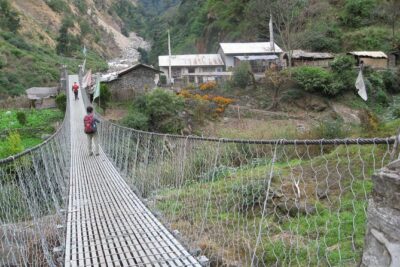
Browse the lists this tour appears in