REVIEW · MADAGASCAR
Trekking, Hiking And Tours Madagascar
Ambondrombe is no ordinary mountain walk. In Malagasy belief, this sacred peak is the final sanctuary of wandering souls, and reaching its bare summit means crossing forest, steep slopes, and two lower summits first. The route also brings you into Ambohimahamasina, where local meals, silk work, and village hospitality matter as much as the climb.
I like the strong local connection and the fact that your spending supports rainforest protection, community education, and better living standards. I also like the three-day shape: you have time for the mountain rather than rushing up and back in one long day. The main caution is simple: this is a demanding trek, not a gentle sightseeing tour, and you must bring your own sleeping bag.
- Sacred Ambondrombe: Reach a bare summit tied to Malagasy spiritual tradition.
- Three days in Ambohimahamasina: Travel beyond the usual road stops and spend time in a rural community.
- Steep mountain walking: Day two includes three summits and is described as the hardest section.
- Local food and lodging: Meals are provided, with one night spent in a local home.
- Private departure: Only your group takes part, with pickup offered from Fianarantsoa.
- Useful inclusions: Transport, camping equipment, entrance fees, breakfasts, lunches, and dinners are covered.
Why Ambondrombe Makes This Trek Different
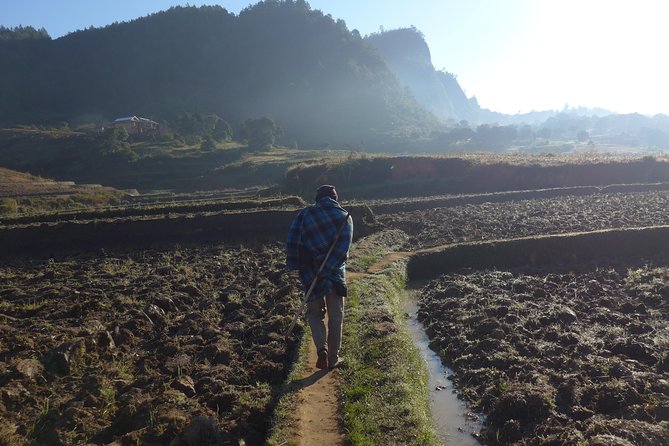
Many mountain trips are mainly about height, distance, and a good photograph. This one adds a spiritual layer. Ambondrombe is regarded as a sacred mountain and the last refuge of the wandering souls of the Malagasy people. You do not need to share that belief to understand why the climb carries more weight than an ordinary summit walk.
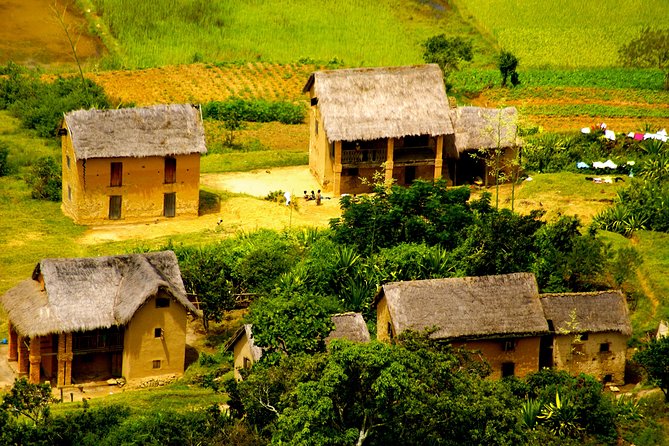
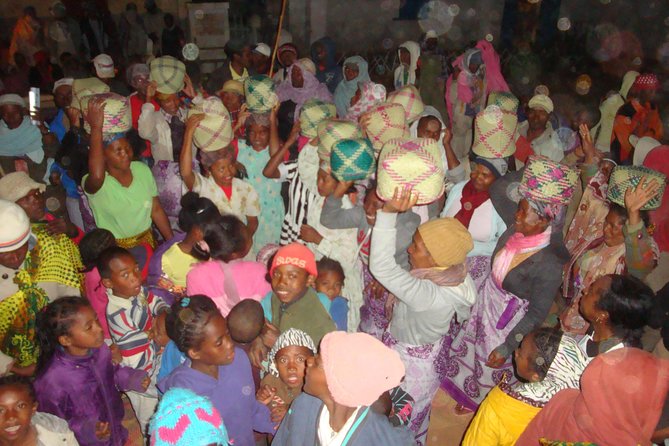
The route takes you through the province of Ambohimahamasina, a rural area south of Ambalavao. That setting is important. You are not simply being driven to a trailhead, climbing for a few hours, and returning to a hotel. You are spending several days around a community whose customs, food, forest, and religious traditions shape the trip.
I would choose this experience for its sense of place. The cultural side is not added as a short performance for visitors. It appears in the walk through the village, the silk-making tradition, the overnight stay, the rice-based meals, and the visit to the remains of the old Hova kingdom.
Day One: From Ambalavao to Vohimarina Andepo
The first day begins with transport from Fianarantsoa, with the route heading toward Ambalavao and then south toward Ambohimahamasina. The distance from Ambalavao is only about 45 kilometers, but the journey takes more than three hours round trip. In Madagascar, a short distance on the map does not always mean a quick transfer, so you should allow plenty of time.
From the upper town, the route descends for about an hour and a half toward Vohimarina Andepo. This first section gives you a feel for the rural setting before the harder mountain work begins. The stated walking time for the day is about five hours, with roughly 400 meters of height gained.
One of the most interesting stops is connected to local textile work. A small number of women in Vohimarina Andepo have woven silk for generations. The older practice used wild silk, but that tradition has faded and cotton is now more common. Craft workshops in Ambalavao are trying to bring the older technique back, so this part of the route offers a useful look at a local skill that is still changing.
The schedule also includes Anja Reserve. The supplied details do not explain the exact length or focus of the reserve visit, so you should confirm with Sudmadatrek Voyages how it fits into your particular departure. Do not assume the day is only a reserve visit, since the main description centers on the journey toward Ambohimahamasina and the village textile stop.
The first day is a good test of your pace. Five hours of walking with a 400-meter climb is manageable for someone with moderate fitness, but it is not a casual stroll. You will want sturdy footwear, water, sun protection, and a small day pack that does not strain your shoulders.
More Trekking Tours in the world
- Mount Etna: Trek to 3000m with cable car and 4×4
★ 4.6 · 3,823 reviews - Bali: Mount Batur Sunrise Trek With Guide and Breakfast
★ 4.8 · 3,461 reviews - From Chania: Full-Day Samaria Gorge Trek Excursion & Guide
★ 4.6 · 3,191 reviews
Day Two: The Hard Climb to Ambondrombe
Day two begins at dawn, which is a sensible choice for the most demanding section. You enter the forest again, walking for about three hours before the summit push begins. The climb involves crossing two summits to reach the third and highest point, which is described as bare of vegetation.
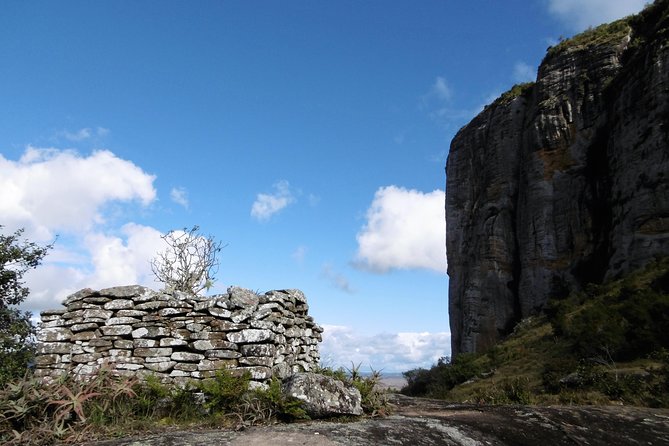
That exposed summit is the payoff. From the top, you can look across the Andringitra mountain range, toward Tanala territory, and over the province of Ambohimahasina. The views are one of the strongest reasons to accept the difficult ascent, but the cultural meaning of the mountain gives the day its character.
The route is also physically serious. The details do not give a total distance, a precise elevation gain, or a return time, but they clearly describe this as the toughest day. You should be comfortable walking uphill for several hours and handling uneven forest paths. Moderate fitness is the stated minimum, though I would personally treat good hill-walking fitness as the safer standard.
The stories connected with Ambondrombe include strange sounds and unusual phenomena. Those accounts belong to the mountain’s spiritual tradition, not to a guaranteed part of the itinerary. You should approach them with respect and curiosity, while keeping practical expectations about what you will actually encounter.
Because this is a private experience, your group has more flexibility than a large scheduled departure would usually allow. Still, the mountain itself sets the pace. A private trip does not make a steep summit easier, and your guide may need to adjust timing for weather, trail conditions, or the pace of the group.
A Local Night, Rice-Based Meals, and Basic Camping
The included meals are a real part of the experience, not just a line on the booking page. Breakfast is provided each morning, along with two lunches and two dinners. One breakfast is described as especially local and rice-based, which gives you a direct taste of everyday Malagasy food.
The trip includes camping equipment, but not a sleeping bag. That distinction matters. You need to arrive with your own sleeping bag, and you should not assume that every item needed for a comfortable night outdoors is supplied. Drinks are also excluded, so plan to pay for or carry your own beverages according to the arrangements made with the operator.
One night is spent with a local host. This is likely to feel more basic than a hotel stay, which is part of the point. You trade private comfort for closer contact with village life. If you need predictable rooms, private bathrooms, and restaurant meals, this trek may frustrate you. If you value a simpler stay tied to the community, it is one of the strongest features.
Tips are not included. The price also excludes drinks and sleeping bags, so add those costs before deciding how good the value is for you.
Day Three: Angovoa and the Old Hova Kingdom
After breakfast, day three begins with another climb to Angovoa, described as another sacred mountain. The summit sits at about 1,400 meters and offers views over the southern banks and surrounding mountains. After the previous day’s major ascent, this second mountain makes the final day more than a gentle walk back to the vehicle.
The wording suggests that the climb may still feel tough, but the summit gives the effort a clear purpose. You can look back across the area you have crossed and gain a better sense of the rural province around Ambohimahamasina.
The descent leads toward the remains of the ancient Hova kingdom and then to the starting point among eucalyptus trees. This closing section adds historical context to the natural setting. The experience is not limited to peaks and forest. It also touches on older political and cultural structures in the area.
The journey ends with a final meal at a local home in Ambohimahamasina. That shared dinner provides a fitting finish, especially after three days built around walking, local food, and village contact. It is also a reminder that the community is not merely scenery around the trail. Local people are part of the experience and part of the reason the tour supports conservation and improved living standards.
Another trail to compare in the world:
- Mount Etna: Summit Crater Trek with Cable Car
★ 4.8 · 1,875 reviews - La Palma: Tajogaite Volcano Guided Trek
★ 4.8 · 1,810 reviews - Etna: summit craters trekking with volcano guide 3350mt
★ 4.7 · 1,712 reviews - From Rethymno: Samaria Gorge Full-Day Trek, Pickup & Guide
★ 4.5 · 1,610 reviews
What the $364.11 Price Covers
At $364.11 per person, the cost is easiest to judge as a package rather than as a simple mountain admission fee. You receive private transportation, all listed fees and taxes, breakfast, two lunches, two dinners, camping equipment, and one night with a local host.
You are also paying for organization in a remote rural setting. The long transfer from the Ambalavao area, the private format, meals, and local arrangements would be difficult to assemble on your own without spending time finding transport, accommodation, food, and a guide.
The value is strongest if you want a complete three-day outing rather than a self-guided walk. It is weaker if you already have transport, camping equipment, and local contacts. Remember to add the cost of a sleeping bag, drinks, and tips.
Sudmadatrek Voyages also handles longer journeys around Madagascar. Tiana is associated with planning an extensive RN7 route from Antananarivo through Fianarantsoa, Isalo, Tulear, Ifaty, Ankasy, and Anakao, and the agency has organized longer trips that include the Tsiribihina, Tsingy, baobab areas, and Ifaty. That broader planning experience is useful if you want to connect this trek with a larger Madagascar itinerary, though it does not replace asking for exact details about your own departure.
Fitness, Timing, and What to Pack
The tour requires a moderate level of physical fitness, but I would prepare for more than an easy moderate hike. Day one lasts about five hours and gains 400 meters. Day two includes three summits and is identified as the hardest day. Day three adds another sacred mountain at roughly 1,400 meters.
Pack light, but do not cut the essentials:
- Your own sleeping bag
- Strong walking shoes
- A refillable water container
- Warm layers for early starts and nights
- Rain protection
- Sun protection
- A small personal first-aid kit
- Cash for drinks and tips
The supplied information does not state the exact sleeping arrangements, trail conditions, daily mileage, or seasonal weather. Ask Sudmadatrek Voyages those questions before departure. You should also clarify how the Anja Reserve visit fits into the walking schedule and where the private vehicle meets you.
Pickup is offered, and the stated starting point is Fianarantsoa. The activity ends back at the meeting point. Confirmation is provided at booking, and service animals are allowed. The activity is near public transportation, though the mountain route itself is rural.
Who Will Enjoy This Experience Most
I would recommend this trek to someone who wants rural Madagascar, cultural contact, and a physically demanding mountain route in one package. It suits people who are comfortable with basic accommodation and who see a local meal or homestay as part of the trip rather than a compromise.
It is also a good fit if you are building a longer route through southern Madagascar. The agency’s work on RN7 and multi-region journeys may make it easier to connect this three-day outing with other stops, though you should discuss the full plan directly.
I would hesitate to recommend it to anyone looking for a relaxed walking holiday. The second day is hard, the third day still includes a climb, and the sleeping bag requirement signals a basic outdoor setup. The spiritual traditions may also be less meaningful if you want a purely athletic hike.
Booking, Cancellation, and Group Size
This is a private activity, so only your group takes part. That can make the experience more personal and may help with pacing, but it does not remove the need for fitness or preparation.
Free cancellation is available if you cancel at least 24 hours before the local start time. Changes or cancellations made within 24 hours are not accepted for a refund. The experience requires a minimum number of participants, and if the operator cancels because that number is not reached, you are offered another date or experience, or a full refund.
Should You Book the Ambondrombe Trek?
Book it if you want a mountain journey with real cultural weight, local meals, a village stay, and a clear conservation purpose. The three-day format gives you time to connect the forest, sacred peaks, textile traditions, old Hova remains, and Ambohimahamasina community.
Before paying, confirm the exact sleeping arrangements, the role of Anja Reserve, the equipment supplied, and the sleeping bag requirements. If you are fit for steep multi-hour walks and comfortable with simple conditions, the $364.11 package offers a strong way to experience a less familiar part of Madagascar. If you prefer soft beds, short walks, and predictable schedules, choose a gentler route instead.
FAQ
Where does the trek start?
The stated meeting point is Fianarantsoa, Madagascar.
Where does the activity end?
The activity ends back at the meeting point.
How long does the experience last?
The experience lasts approximately three days.
What mountains are included?
The route includes the sacred mountain of Ambondrombe and another sacred mountain called Angovoa, which reaches roughly 1,400 meters.
Is transportation included?
Yes. Private transportation is included, and pickup is offered.
Are meals included?
Yes. Breakfast, two lunches, and two dinners are included.
Is camping equipment included?
Camping equipment is included, but sleeping bags are not.
What fitness level is required?
A moderate level of physical fitness is required. Day two is described as the most difficult section, with a long forest walk and climbs over three summits.
Latest treks added in the world
- 5 Days Desert Trekking from Marrakech★ 5.0 · 16 reviews
- 3 days Toubkal Trek from Marrakech★ 5.0 · 4 reviews
- Elite Experience Atlas Mountains Day Trekking★ 5.0 · 7 reviews
- Morocco Desert Trek 4 Days: 2 days on foot in Morocco★ 5.0 · 2 reviews
- Atlas Mauntains and 3 Valleys Trek★ 5.0 · 6 reviews
- 3 Days Berber Villages Trek – Authentic Atlas Mountain Experience★ 5.0 · 4 reviews
- Atlas Mountains Valley Trek – 3 Days★ 5.0 · 29 reviews
- 5-day Jebel M’goun trek★ 5.0 · 2 reviews
Tours, compared.
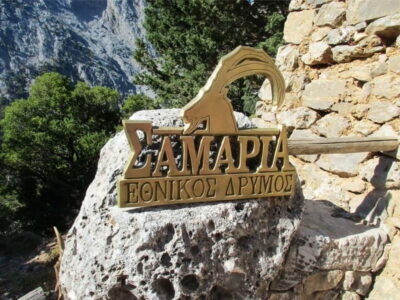
From Chania: Full-Day Samaria Gorge Trek Excursion & Guide
Read our review →
Mount Etna Trekking Tour Beyond the Tourist Trails
Read our review →
Etna Sunset Tour: Volcano trek, Cave & tasting from Catania
Read our review →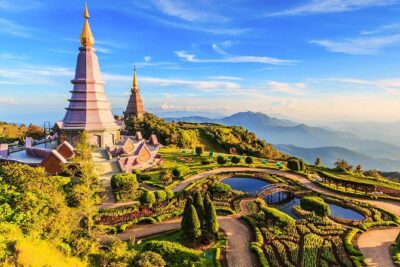
3-in-1: Doi Inthanon Tour, Elephant Sanctuary, and Trekking Trail
Read our review →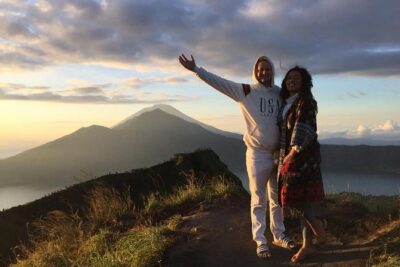
Mount Batur Sunrise Trekking Private Tour with Breakfast and Hotel Transfer
Read our review →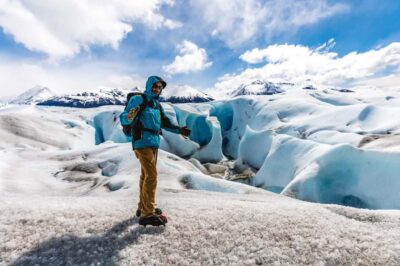
Perito Moreno Glacier Trekking Tour and Cruise
Read our review →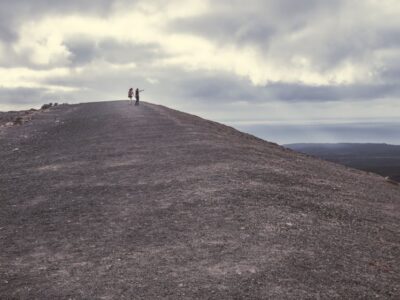
Lanzarote: Timanfaya Natural Park Trekking Tour
Read our review →