
REVIEW · DARJEELING
Singalila Ridge Trek, Darjeeling
The Singalila Ridge Trek gives you one of the finest high-mountain views in eastern India: Kanchenjunga, Everest, Makalu, and other Himalayan peaks lined up from a single ridge. The walking is just as appealing, with rhododendron and bamboo forest, open meadows, small villages, and stretches where the India-Nepal border is marked only by modest pillars.
I like the warm village contact, especially the home lunch in Jaubari, and the changing scenery from tea gardens to forest, ridge, river, and mountain summit. I also like that the $550 price includes accommodation, meals, permits, private transport, and a guide. The catch is the physical demand: you’ll walk as much as 21 kilometers in one day, and some trail sections have been reported as damaged or partly washed away.
Key points to know before you book
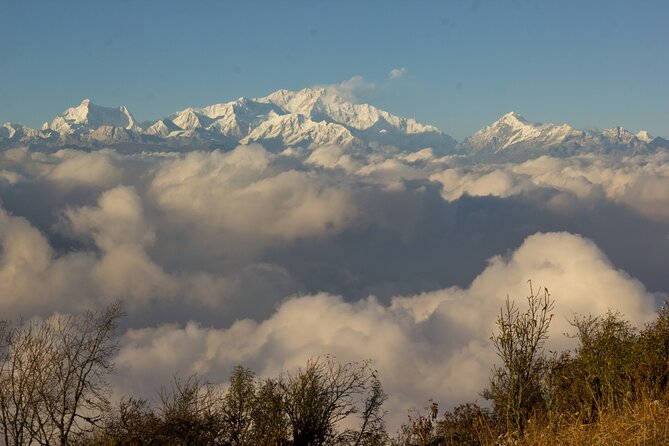
- Four major Himalayan peaks from one ridge: Clear weather can reveal Kanchenjunga, Everest, Makalu, and other high summits.
- The border is part of the walk: Several sections pass between India and Nepal without fencing, with only boundary pillars marking the route.
- The longest day covers 21 kilometers: The walk from Sandakphu toward Phalut is long, though much of it follows a scenic ridge and meadow.
- Village life is central to the trip: You eat lunch at a local home in Jaubari and stay near places such as Gorkhey, Rammam, and Srikhola.
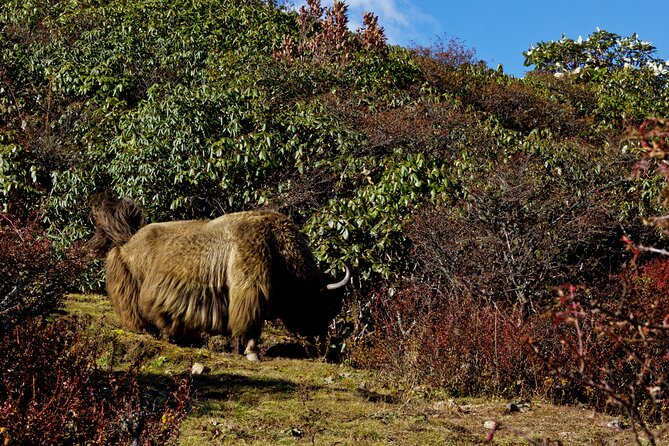
- Red panda sightings are possible, not promised: The forest between Kaiyakata and Kalapokhri offers one of the better chances.
- The package covers the basics: Meals, lodging, guide, permits, taxes, and private transportation are included, but insurance and personal gear are not.
Why the Singalila Ridge is worth eight days
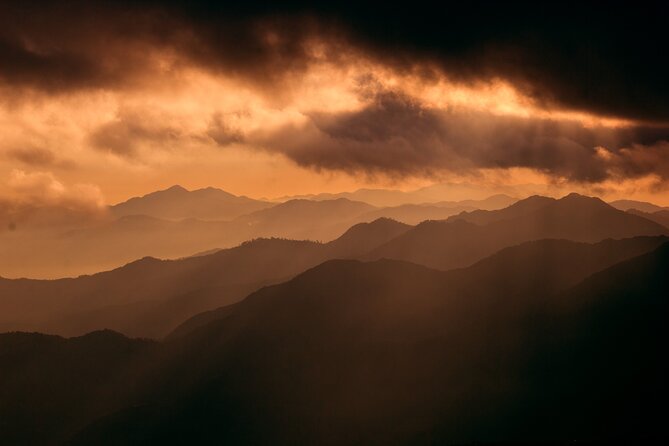
This trek is not only a march toward a summit. It is a gradual change of scenery, with each day offering a different reason to keep walking.
You begin among Darjeeling’s tea gardens and hill villages. Then the route enters forest, crosses the open ridge near Sandakphu and Phalut, and finishes beside streams and traditional villages. That variety makes the trip feel larger than its modest price suggests.
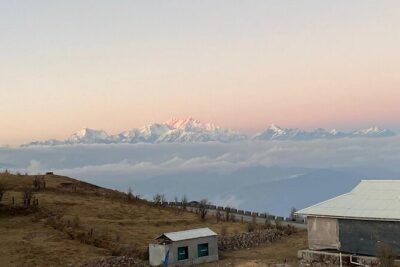
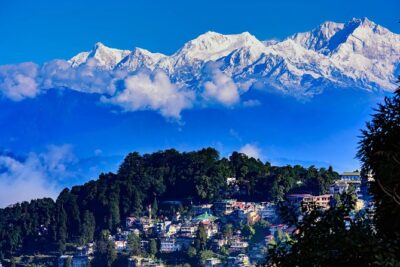
The mountain views are the headline attraction. On a clear morning, Kanchenjunga appears in its familiar Sleeping Buddha shape, while Everest and Makalu become visible from the high ridge. Clouds can erase all of this, so you should come for the walk itself rather than treat the peaks as guaranteed scenery.
The price is $550 per person. For eight days, that is a solid package if you value having transport, meals, accommodation, permits, and a guide arranged together. You still need to budget for travel to the starting point, personal equipment, insurance, camera fees, and any porter you hire to carry your pack.
The group can reach 20 people. That is large enough to affect the pace and the feel of the walk, so ask about the expected group size before paying. Confirmation is provided at booking, and pickup is available, although the stated trek start is Mane Bhanjang.
More Trekking Tours in India
- Half day trekking (munnar valley Trekking & Tours )
★ 5.0 · 310 reviews - Nag Tibba 2 Days Trek (Pantwari to Pantwari)
★ 5.0 · 274 reviews - Bhrigu Lake and Alpine Meadow Trek
★ 5.0 · 121 reviews
Day 1: Tea gardens, Mirik, and the Sleeping Buddha view
The opening day is mainly about reaching the mountain country and getting your bearings.
A stop at Gopaldhara Tea Estate offers a pleasant introduction to the Darjeeling hills. You have about 30 minutes for a tea break and views across one of the area’s scenic tea gardens. It is a short stop, but it helps set the tone: this is a mountain trip shaped by both agriculture and high-altitude walking.
At Simana View Point, you may see the Kanchenjunga massif in its Sleeping Buddha formation if the air is clear. The stop lasts about 20 minutes, so do not expect a long walk or a full sightseeing visit. It is more of a quick lookout before continuing.
The route also includes Mirik, a small hill town known for Sumendu Lake. The supplied schedule gives no fixed duration here, so treat it as part of the transfer day rather than a full lake excursion. The practical question is how much time is spent on the road, since the start of the actual trek comes later at Mane Bhanjang.
Day 2: Mane Bhanjang and lunch in Jaubari
Mane Bhanjang is a memorable place to begin because the village sits on the India-Nepal border. One side of the village is in India and the other in Nepal, giving you a simple, visible lesson in how the border works here.
After breakfast, you visit a Buddhist stupa with a bird’s-eye view of the settlement. You then walk through a small forest area to Jaubari, where farming is an important part of local life.
The home-cooked lunch is one of the most valuable parts of the trip. It gives you a chance to meet residents in a setting that is less formal than a restaurant or hotel. The schedule allows about six hours for the outing, with a return to the homestay afterward and free time in the afternoon.
This day is gentler than the high-ridge sections, but do not dismiss it as filler. It lets you adjust to the walking, meet the local community, and see how close daily life remains to the border. You should use the afternoon to organize your pack and rest your legs before the longer trail days.
Day 3: Chitrey, Lamaydhura, and the first forest climb
The trek begins in earnest inside Singalila National Park.
The trail climbs steeply through dense forest at first. After roughly 45 minutes, you reach Chitrey, marked by Buddhist prayer flags and a large chorten. This is your first strong mountain viewpoint, with the Sleeping Buddha formation of Kanchenjunga and another group of peaks visible in good conditions.
From Chitrey, the route enters thick malingo forest. This local bamboo creates a narrow, shaded trail and gives the day a very different feel from the open view points. You continue toward Lamaydhura, a small hamlet, walking at times on the Indian side and at times on the Nepali side.
There is no continuous border fence here. Instead, boundary pillars mark the change. You should follow your guide closely and avoid treating the border as a casual place to wander off route.
The full day takes about seven hours. The combination of steep climbing, forest footing, and changing weather makes this a real trek day, not a scenic stroll. A guide matters here, both for navigation and for explaining the border villages and forest route.
Another trail to compare in India:
- Har Ki dun Trek by Himalaya Shelter
★ 5.0 · 102 reviews - Wild Elephant Anakulam & Waterfalls Tour(munnar valley Trekking)
★ 5.0 · 98 reviews - Friendship Peak Trek
★ 5.0 · 94 reviews - Half Day Hiking in Munnar Trekking Tour
★ 5.0 · 89 reviews
Day 4: Tumling, Kalapokhri, and the hard climb to Sandakphu
This is one of the most demanding days because it combines an early start, a long walk, and a steep final climb.
The route passes through Tumling, described as a beautiful hamlet, before continuing toward Gairibas on the India-Nepal border. From there, the trail rises to Kaiyakata, then continues gradually through dense forest toward Kalapokhri.
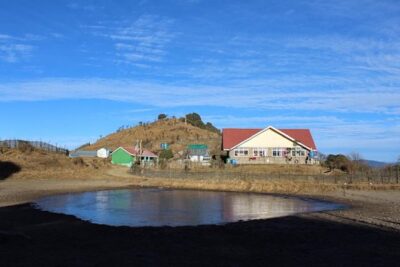
Kalapokhri is recognizable by a small pond at the start of the settlement. The forest section between Kaiyakata and Kalapokhri is also the place where red panda sightings are considered more likely. Keep your expectations sensible. Wildlife is never guaranteed, and the better reward may simply be the quiet forest.
After Kalapokhri, the first two kilometers toward Bikeybhanjan follow a steady gradient. Then comes the steep four-kilometer climb to Sandakphu. You may have already walked downhill from the morning’s starting point, but the final ascent can still feel tough.
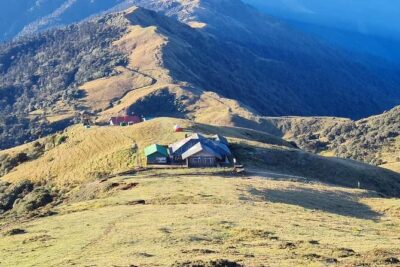
Sandakphu is the highest point in West Bengal and the trip’s major summit stop. The schedule gives seven hours for this day. Accommodation at this height is likely to be basic, so pack warm clothing and prepare for a simple mountain night. The exact lodging standard is not specified, which is worth confirming before departure.
Day 5: The 21-kilometer ridge walk to Phalut
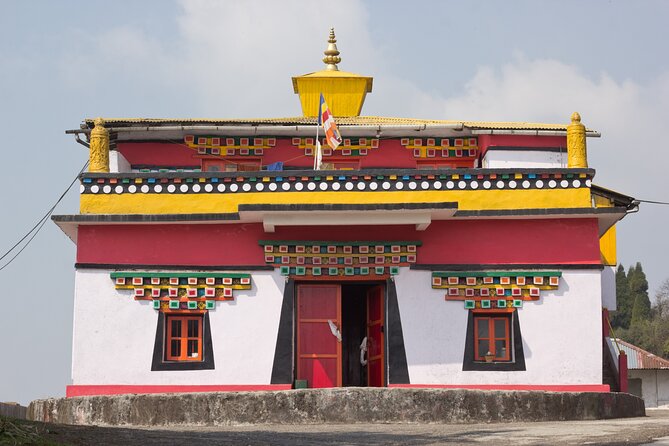
The morning begins with a sunrise view from Sandakphu. Kanchenjunga is the main attraction, but the first sunlight touching Everest is also part of the appeal. Clear skies matter greatly, so keep your camera ready but do not count on a perfect display.
After breakfast, you set out for Phalut. At 21 kilometers, this is the longest walking day. The good news is that much of the route follows the ridge through open meadow, so you are not climbing continuously through forest.
For long stretches, Kanchenjunga, Everest, Makalu, and other peaks remain visible. This is the day when the trek’s main promise becomes most convincing. You are walking high above the villages, with broad views instead of enclosed paths.
The route later enters rhododendron forest and reaches Sabargram, where a forest check post marks the area. In spring, blooming rhododendrons can add strong color to the walk. Even without flowers, the change from open ridge to forest provides welcome variety.
You should take this day seriously. Twenty-one kilometers can be tiring even on a moderate trail, and the schedule allows about eight hours. Carry water and snacks as directed by your guide, keep your pace steady, and avoid racing early in the day.
Day 6: Phalut sunrise and the forests around Gorkhey
Phalut top is about 20 minutes from the overnight area, so another early start allows time for sunrise before breakfast.
The day then turns downhill toward Gorkhey, a scenic village in the park. Much of the route passes through malingo forest, bringing you back into the cool, enclosed setting that shaped the earlier part of the trek.
Gorkhey is one of the most appealing village stops because two streams meet here: Gorkhey Khola and Rammam Khola. After several strenuous days, the water and village setting give you a natural chance to slow down.
The schedule allows about six hours. You can take a village walk in the afternoon or sit beside one of the rivers. That free time is useful. This trek contains several long days, and a quiet afternoon can help you recover without giving up the sense of place.
Day 7: Samanden, Rammam, and Srikhola
You wake to the sound of the two rivers before setting out toward Sepi.
The route passes through Samanden, another picturesque village, then descends to a stream and climbs toward Rammam. Rammam is singled out as one of the prettiest villages in this part of the park, and the walk gives you another look at settled mountain life after the higher, wilder ridge sections.
Beyond Rammam, the trail becomes flatter before descending to Srikhola, a beautiful river in the area. The day takes about six hours, making it a more manageable finish after the long walk to Phalut.
The schedule includes the same Rammam and park segment twice, but the practical route is clear: Gorkhey to Samanden, Rammam, Srikhola, and onward toward Sepi. Confirm the exact overnight stop with the operator because the supplied timings and stop labels are not perfectly consistent.
Day 8: Rimbik and the return to Darjeeling
The final walking section takes about two hours.
After breakfast, you walk toward Rimbik. About 30 minutes into the route, you cross a river bridge and reach the vehicle road. Rimbik is then roughly another hour on foot.
The trek ends at Rimbik Bazaar, the largest village in the area. Private onward transport can be arranged, and the schedule also includes Darjeeling, known as the queen of the hills. You may spend additional nights there exploring local sights, but those extra nights are not part of the $550 trek package.
This ending is practical rather than dramatic. You finish with a short walk, reach a road, and can continue your journey without retracing the entire route.
What the $550 package covers, and what it does not
The included services are useful because this is a point-to-point trek with several border and park sections. Your price covers:
- Private transportation
- Accommodation
- All fees and taxes
- Trekking permit
- Experienced mountain guide
- Seven lunches
- Seven breakfasts
- Eight dinners
That combination gives the package fair value, especially if you would otherwise need to arrange separate transfers, meals, permits, and village lodging.
You pay separately for still and video camera fees, personal expenses, extra porter hire, travel insurance, and personal trekking gear. The extra porter cost matters if you do not want to carry your own backpack, since porter hire is not included.
The operator lists a moderate fitness requirement. I would treat that as a minimum, not a guarantee that the walk will feel easy. The steep climb to Sandakphu, the 21-kilometer day to Phalut, and the possibility of rough trail sections all call for regular walking practice before you arrive.
Trail conditions, weather, and booking caution
One available account describes attractive views and an exceptional guide, but also notes trail sections that were damaged or partly washed away. That is useful advice. Mountain paths can change after rain, and you should expect uneven footing rather than a maintained sidewalk.
The trek requires good weather. If poor conditions cancel the experience, you are offered another date or a full refund. You can cancel for a full refund up to three full days before the start time. Changes made inside that period are not accepted.
There was also a serious payment complaint connected to a different company, which the provider identified as a mix-up and denied having in its records. The practical lesson is simple: confirm the company name, payment instructions, and booking contact before sending a deposit. Keep written proof of what you have paid.
Who should book the Singalila Ridge Trek?
You should consider this trek if you want big Himalayan views without committing to a much longer expedition. It suits people who enjoy village stays, forest paths, basic mountain accommodation, and a steady physical challenge.
It is especially good for you if the following sound appealing:
- Walking across sections of an unfenced India-Nepal border
- Eating lunch in a village home
- Watching sunrise from Sandakphu and Phalut
- Looking for red pandas in bamboo forest
- Spending time beside streams in Gorkhey and Srikhola
- Seeing four major Himalayan peaks from a single high ridge
You may want a different trip if you need fixed hotel standards, short walking days, or a guaranteed wildlife sighting. The group limit of 20 is also worth considering if you prefer a small private trek.
Should you book it?
I would book this trek for the combination of views and village life, provided you are comfortable with basic accommodation and long walking days. The $550 cost is reasonable because it includes the major practical pieces, not just a guide and a route.
Before paying, confirm the expected group size, lodging at Sandakphu and Phalut, pickup details, current trail conditions, porter costs, and the exact payment process. If you prepare for the 21-kilometer day and accept that clouds may hide the peaks, the Singalila Ridge can give you a strong, varied Himalayan experience with plenty of time away from the usual tourist circuit.
FAQ
How long does the Singalila Ridge Trek take?
The trek lasts approximately eight days, beginning at Mane Bhanjang and ending at Rimbik, with Darjeeling included in the final schedule.
Where does the trek start?
The stated starting point is Mane Bhanjang, West Bengal, India. Pickup is offered, but you should confirm the exact pickup arrangement when booking.
Where does the trek end?
The walking route ends at Rimbik Bazaar. The operator can arrange onward transportation from there.
What is included in the $550 price?
The price includes private transportation, accommodation, taxes and fees, a permit, an experienced mountain guide, seven breakfasts, seven lunches, and eight dinners.
What is not included?
Camera fees, personal expenses, extra porter hire, travel insurance, and personal trekking gear are not included.
How fit do I need to be?
A moderate level of physical fitness is required. The trek includes steep sections and one day of about 21 kilometers.
Can I see Mount Everest and Kanchenjunga?
On clear days, the ridge offers views of Kanchenjunga, Everest, Makalu, and other Himalayan peaks. Weather can affect visibility.
Is the trek suitable for a large group?
The maximum group size is 20 people. Confirm the expected number in your departure before booking if group size matters to you.
What happens if bad weather cancels the trek?
Because the experience requires good weather, you will be offered another date or a full refund if poor weather causes cancellation.
Latest treks added in India
- Jogini Waterfall Trek from Manali★ 5.0 · 2 reviews
- Prashar Lake Trek★ 5.0 · 7 reviews
- Kasol + Kheerganga Trek 3D/2N, all inclusive with BanBanjara★ 3.5 · 3 reviews
- 8 Days Markha Valley Trek: Shared Tour with Meals Included★ 5.0 · 3 reviews
- Ladakh Sham Valley Trek★ 5.0 · 7 reviews
- Ladakh One Day Trek- Gyamtsa to Phyang Village★ 5.0 · 4 reviews
- 1 Day Activity Adventure Trekking Kerala★ 5.0 · 5 reviews
- Kolukkumalai Trekking with Night stay in Tent★ 5.0 · 2 reviews
Darjeeling Trekking Tours, compared.
Tiger Hill Darjeeling Nature Walk (3 Hours Guided Trekking Experience)
Read our review →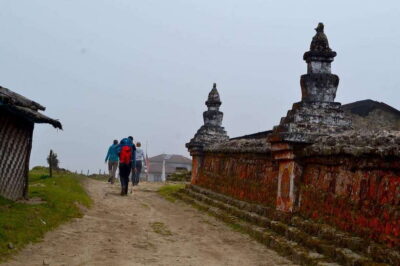
Browse the lists this tour appears in