
REVIEW · INDIA
Friendship Peak Trek
Friendship Peak is not a gentle introduction to the Himalaya. At 17,348 feet, it demands strong fitness, previous high-altitude trekking, and a willingness to spend long days in snow and thin air. The reward is a broad mountain panorama, with views toward the Pir Panjal, Dhauladhar, and Great Himalayan ranges.
I like the way this eight-day trip combines a hotel stay in Manali with a fully supported camp trek. I also like the practical gear package, which includes tents, sleeping bags, snow boots, helmets, gaiters, and an ice axe. The main drawback is clear: you carry your own personal bag, and the summit is not suitable for beginners.
Key points to know before booking
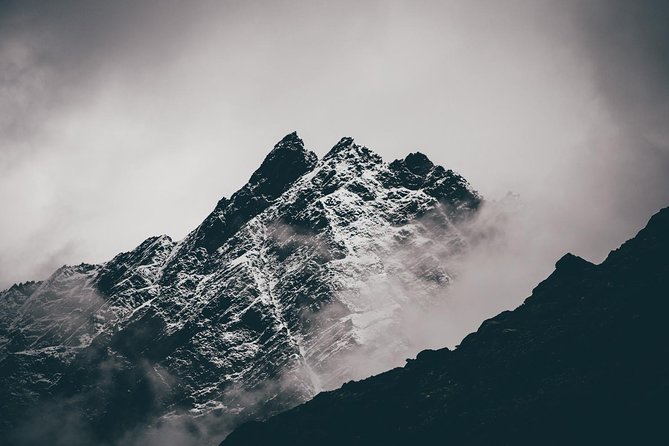
- Friendship Peak reaches 17,348 feet, with a demanding summit attempt and high-altitude conditions.
- The trek runs through forests, streams, and alpine meadows in the Pir Panjal range.
- Your private group travels with a trek leader, guide, cook, helpers, and support staff, rather than joining a large mixed group.
- Tents, sleeping equipment, snow boots, helmets, gaiters, and ice axes are provided, which cuts down on specialist gear costs.
- Meals are cooked during the trek, beginning with lunch on Day 2 and continuing through dinner on the final day in Manali.
- You should already have two or three challenging treks and 20 to 25 Himalayan trekking days, or similar experience in another mountain range.
Why Friendship Peak is a serious undertaking
This is a trekking expedition with a summit goal, not simply a scenic walk near Manali. You gain altitude in stages, sleep at two high camps, carry personal equipment, and reserve a full day in case weather or mountain conditions disrupt the summit schedule.
The fitness guidance is unusually specific. You should be able to jog or run 5 kilometers in 25 to 30 minutes, or walk 10 kilometers on mostly level ground with three or four short breaks. That test does not replace mountain experience, but it gives you a useful starting point.
Previous experience matters just as much as cardio fitness. The recommended background is two or three challenging treks and 20 to 25 total trekking days in the Himalaya or a similar range. If your experience is limited to easy day hikes, I would choose a lower and less technical route first.
The best periods are May to June and September to October. Conditions can still change quickly at altitude, so the summit attempt depends on weather and mountain safety. The operator includes a reserve day, a valuable part of any high-altitude itinerary.
More Trekking Tours in India
- Half day trekking (munnar valley Trekking & Tours )
★ 5.0 · 310 reviews - Nag Tibba 2 Days Trek (Pantwari to Pantwari)
★ 5.0 · 274 reviews - Bhrigu Lake and Alpine Meadow Trek
★ 5.0 · 121 reviews
Manali gives you a useful start and finish
Day 1 begins in Manali, where you spend the night in a hotel or guesthouse. This is more than a soft landing. It gives you time to arrive, meet the expedition team, organize equipment, and sleep before the road transfer and first camp day.
The final night in Manali is also included. After several nights under canvas, a hotel room gives you a place to wash, rest, and reset before leaving the area. The package includes accommodation on both the first and last nights, but it does not describe the exact property or room standard, so ask for those details before paying.
Pickup is offered, and the route is near public transportation. The trek itself is private, meaning only your group participates. That matters if you want to move at your own pace or prefer not to be tied to a large group, though your speed will still be limited by altitude, weather, and the safety plan.
Day 2: Manali to Solang, then Bakarthatch
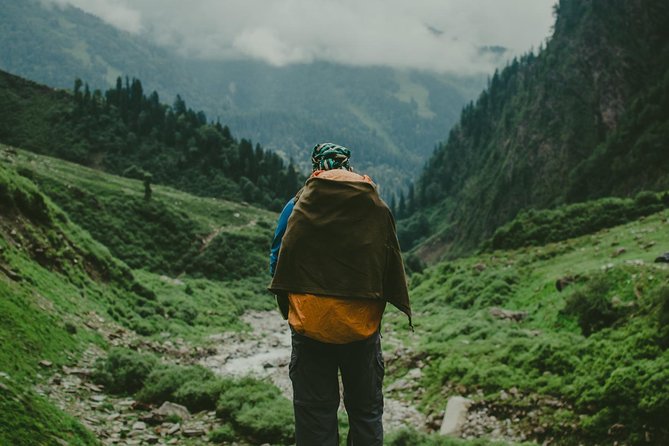
The trek proper begins with a drive from Manali to Solang. From there, you walk toward Bakarthatch, your first camp.
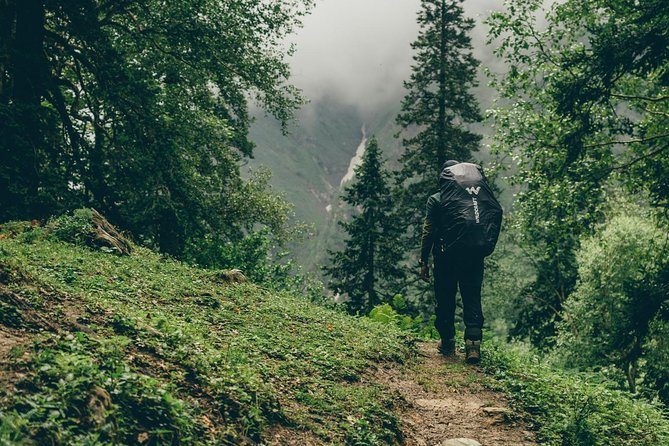
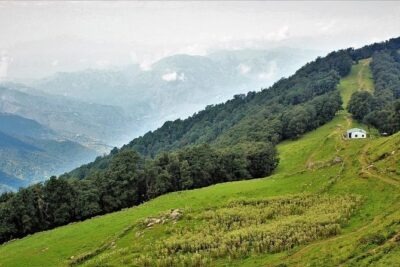
This opening stage introduces the setting gradually. The route passes through dense forest, open alpine meadows, and numerous streams. The scenery changes as you gain height, and the varied plant and animal life adds interest beyond the mountain views.
Bakarthatch is your first night under canvas. Tents are shared on a twin basis, and sleeping bags and mats are provided. A camp cook prepares the trek meals, beginning with lunch on this day. Food is one of the stronger parts of the package because you do not need to plan, carry, or prepare your own camp menu.
You should still expect a demanding first day. The itinerary does not list distance or walking hours, so ask for the current schedule before booking. The absence of those details makes it harder to judge the daily workload, especially for anyone unfamiliar with Himalayan trekking.
Day 3: Bakarthatch to Advance Base Camp
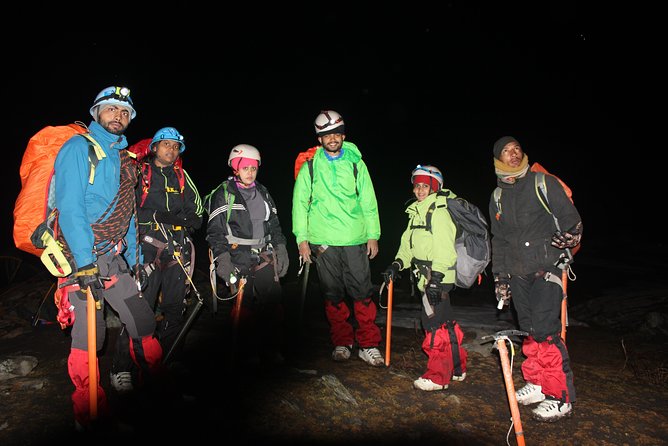
On Day 3, you move from Bakarthatch to Advance Base Camp. By now, the route is likely to feel more exposed and physically demanding, although the exact trail conditions depend on the season.
This stage is important because you are not simply walking toward a viewpoint. You are positioning yourself for the summit attempt while allowing the support team to establish a safe camp system. The route continues through high mountain terrain, with snow and stream crossings possible as conditions change.
Your group has a certified expedition guide, a mountaineering-course-certified trek leader, and first-aid support. Safety equipment includes static rescue rope, a seat harness, carabiners, pulleys, snow stakes, and a deadman or snow anchor system. That list suggests the team is equipped for more than ordinary trail walking.
Still, equipment does not make the climb easy. You must listen to the trek leader, report symptoms early, and accept a slower pace when needed. At this height, pushing through a headache or unusual fatigue can turn a hard day into a dangerous one.
Another trail to compare in India:
- Har Ki dun Trek by Himalaya Shelter
★ 5.0 · 102 reviews - Wild Elephant Anakulam & Waterfalls Tour(munnar valley Trekking)
★ 5.0 · 98 reviews - Half Day Hiking in Munnar Trekking Tour
★ 5.0 · 89 reviews - Singalila Trek from Darjeeling
★ 5.0 · 79 reviews
Day 4: Load ferry to Camp 1 and back
Day 4 uses a load-ferry system. You carry equipment up to Camp 1, then return to Advance Base Camp.
This is not a glamorous day, but it has real value. Carrying supplies ahead allows the summit camp to be stocked without forcing you to move all the way upward in one jump. The return to Advance Base Camp also gives your body more time to adjust before sleeping higher.
You should understand the phrase load ferry before arriving. Personal bag portage is not included, so you carry your own belongings during the trek. Porters carry common supplies, but your own clothing, water, and personal kit remain your responsibility.
Pack with restraint. The operator provides tents, sleeping bags, mats, snow boots, helmets, gaiters, and an ice axe, so you do not need to bring every piece of specialist mountaineering equipment. You should confirm the exact personal packing list and weight limit before departure.
Day 5: Acclimatization and the move to Camp 1
Day 5 combines acclimatization with moving to Camp 1. This is one of the most important stages of the week.
Acclimatization days can feel slow when you are eager to reach the top, but they help your body handle reduced oxygen. The plan gives you time to adjust rather than rushing from Manali to the summit. Camp 1 becomes your launch point for the following day.
The support team also becomes especially useful here. A first-aid-certified trek leader can watch the group, and the guide and helpers manage the camp routine. The cook continues preparing meals, which keeps your energy focused on walking, recovery, and sleep.
Camp life is basic. You sleep in twin-sharing tents, not a lodge, and the information provided does not promise showers, charging facilities, or private tents. Bring the mindset of a mountain camp: comfort comes from good equipment and good preparation, not hotel-style amenities.
Day 6: The summit attempt on Friendship Peak
The summit attempt is the high point of the expedition, both literally and physically. From Camp 1, you aim for Friendship Peak at 17,348 feet, then return to base camp.
The route can include snow and technical sections, which explains the supplied snow boots, helmet, gaiters, and ice axe. The operator also lists ropes, harnesses, carabiners, pulleys, and snow anchors. You should view this gear as part of a safety system, not as a promise that the climb will be easy or that everyone will reach the top.
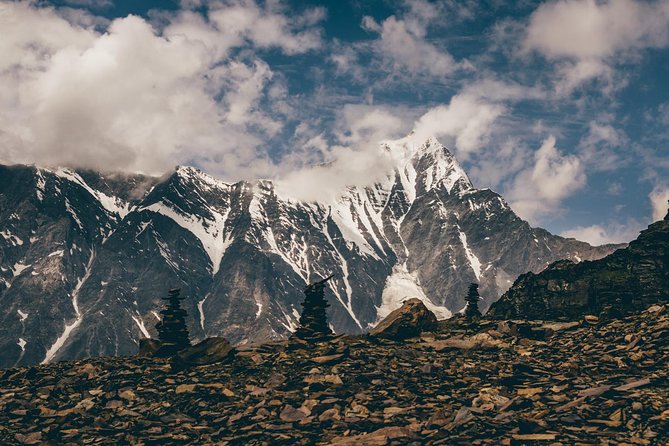
The summit reward is a wide view across several major mountain ranges. You may see Hanuman Tibba, Shitidhar, Indra Asan, and Deo Tibba, along with the Pir Panjal, Dhauladhar, and Great Himalayan ranges. At this height, the view is the reason for the effort, but the weather can limit visibility.
A summit attempt is not the same as a guaranteed summit. The guide may turn the group around if conditions, timing, snow, or a climber’s health make continuation unsafe. That is the right decision, even after several days of effort.
The return to base camp makes Day 6 particularly tough. You need enough stamina not only to climb but also to descend after the summit push. Several people who have enjoyed this trip have singled out the supportive trek leaders during the hardest part of the climb, along with the food and orderly camp management.
Day 7: The reserve day matters
Day 7 is held as a reserve day. It can be used for the summit attempt if weather or mountain conditions prevent a safe climb on Day 6.
This extra day is one of the better features of the schedule. High mountains do not follow a fixed timetable, and a single storm or poor visibility window can change the plan. A reserve day gives the team more flexibility than an itinerary that allows only one summit morning.
The information does not specify exactly how the day is used if the summit succeeds on Day 6. It may function as a weather buffer or a rest day, depending on the expedition plan. Ask the operator how the reserve day is handled for your departure.
Day 8: Back to Solang and Manali
The final day takes you from base camp to Solang, followed by a drive back to Manali.
After the summit effort, the descent should feel rewarding, but it may not feel easy. Tired legs, a personal pack, and uneven mountain paths can make the return demanding. The drive back to Manali completes the active portion of the trip, followed by the included final hotel or guesthouse night.
Dinner on the final day in Manali is included. That small detail is useful because it means the meal plan continues through the end of the program rather than stopping when you leave base camp.
Meals, equipment, and support
The price includes food according to the trek menu, starting with lunch on Day 2 and ending with dinner on the last day in Manali. The cook prepares meals at camp, and past participants have especially praised the food, snacks arriving on time, and the kitchen staff’s response to small requests.
You receive:
- Twin-sharing tents
- Sleeping bags and sleeping mats
- Snow boots
- Helmet and gaiters
- Ice axe
- Forest permits and camping charges, when applicable
- First-aid support
- A certified trek leader and expedition guide
- Cook, helpers, and porters for common supplies
- Safety gear for rope and snow work
- IMF fees for foreign nationals
The equipment list saves you from buying or renting several costly items. Still, you should ask how sizes are assigned and whether you need to bring personal trekking poles, clothing, gloves, sunglasses, or other items not named in the package.
The support team is a major part of the value. The experience includes not only route guidance but also camp cooking, shared-load porters, first-aid capacity, and technical safety gear. You remain responsible for your own personal bag, so this is supported trekking rather than a fully porter-carried expedition.
What the $898.79 price really covers
At $898.79 per person, this is a substantial purchase, but the figure includes far more than guiding. You receive two nights of Manali accommodation, several nights of camping, food during the trek, permits and camping charges where applicable, specialist gear, a cook, support staff, and a private group arrangement.
If you already own snow boots, an ice axe, a helmet, and suitable high-altitude camping equipment, the price may feel less attractive. If you would otherwise need to rent or buy that equipment, the package becomes easier to justify.
The private format also affects value. You are not paying for a large group departure, and only your group participates. That can make the experience more flexible, but the listing does not state the maximum group size, so ask how many people will be in your private party.
Travel insurance is not included. The trip is non-refundable and cannot be changed for personal reasons after booking. If poor weather forces cancellation, you are offered another date or a full refund. Because the summit depends on conditions, insurance remains an important separate cost to consider.
Who should book this Friendship Peak expedition?
I would recommend it to fit hikers who already understand high-altitude trekking and want a structured summit attempt without arranging every camp and permit themselves. It suits someone who enjoys a private trip, can carry a personal bag, and is comfortable sleeping in tents for several nights.
You should not book it as your first Himalayan trek. The altitude, snow equipment, technical safety kit, and demanding summit day all point to a serious mountain objective. A previous high-altitude background is not a formality here.
The trip may also suit international climbers who want a supported route near Manali, since IMF fees for foreign nationals are included. Exact border, permit, and equipment procedures should still be confirmed before departure.
Should you book the Friendship Peak Trek?
Book this trek if you want a demanding Himalayan challenge, have the required trekking background, and value a trained support team, cooked meals, and supplied mountaineering equipment. The strongest reasons are the careful acclimatization plan, reserve day, private format, and broad summit views.
Think twice if you are new to altitude, dislike carrying your own bag, or want a relaxed mountain holiday. Friendship Peak asks for preparation and stamina. For the right person, the $898.79 package offers a practical way to attempt a major summit from Manali without managing the entire operation alone.
FAQ
How high is Friendship Peak?
Friendship Peak is 17,348 feet high.
How long is the trek?
The program lasts approximately eight days.
Where does the trek begin?
The trip begins in Manali. On Day 2, you drive from Manali to Solang before trekking to Bakarthatch.
Is this trek suitable for beginners?
No. Previous high-altitude trekking experience is required. The recommended background is two or three challenging treks and 20 to 25 total trekking days in the Himalayas or similar mountain ranges.
What fitness level is required?
You should be able to jog or run 5 kilometers in 25 to 30 minutes, or walk 10 kilometers continuously on plain or slightly inclined terrain with three or four short breaks.
Are tents and snow equipment included?
Yes. The package includes twin-sharing tents, sleeping bags, sleeping mats, snow boots, a helmet, gaiters, and an ice axe. It also includes technical safety equipment such as ropes, harnesses, carabiners, pulleys, and snow anchors.
Do porters carry personal bags?
No. Portage of personal bags is not included. Porters carry common supplies, but you carry your own personal bag during the trek.
What happens if bad weather cancels the trip?
If poor weather causes cancellation, you are offered a different date or a full refund. The experience is otherwise non-refundable and cannot be changed for personal reasons.
Latest treks added in India
- Jogini Waterfall Trek from Manali★ 5.0 · 2 reviews
- Prashar Lake Trek★ 5.0 · 7 reviews
- Kasol + Kheerganga Trek 3D/2N, all inclusive with BanBanjara★ 3.5 · 3 reviews
- 8 Days Markha Valley Trek: Shared Tour with Meals Included★ 5.0 · 3 reviews
- Ladakh Sham Valley Trek★ 5.0 · 7 reviews
- Ladakh One Day Trek- Gyamtsa to Phyang Village★ 5.0 · 4 reviews
- 1 Day Activity Adventure Trekking Kerala★ 5.0 · 5 reviews
- Kolukkumalai Trekking with Night stay in Tent★ 5.0 · 2 reviews
India Trekking Tours, compared.
Wild Elephant Anakulam & Waterfalls Tour(munnar valley Trekking)
Read our review →
Browse the lists this tour appears in