
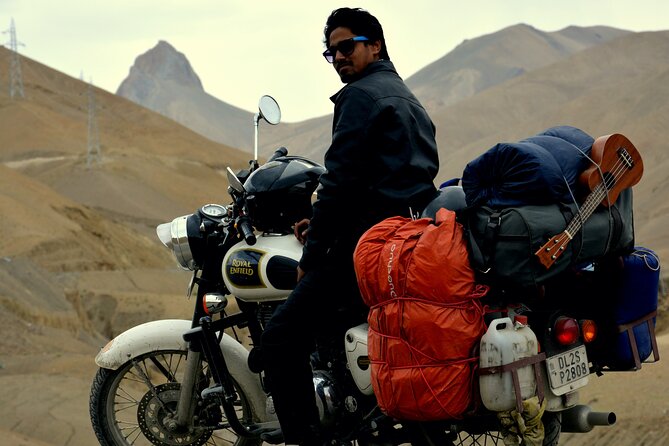
REVIEW · INDIA
Ladakh Sham Valley Trek
The Sham Valley trek gives you a real taste of Ladakh in only three days. You walk from Likir to Ang across dry mountain country, then sleep in village homestays rather than returning to a city hotel each night. The route is called the Baby Trek, but the altitude makes it a proper physical outing.
I like the small private format and the chance to stay in Yangthang and Hemis Shukpachen, where streams, willows, barley fields, and cedar groves soften the rocky surroundings. I also like that transport, meals, a guide, walking sticks, and homestays are included. The main catch is altitude: this is an easier Ladakh trek, not an effortless walk, and the exposed first day can be hot and tiring.
Sham Valley Trek at a Glance
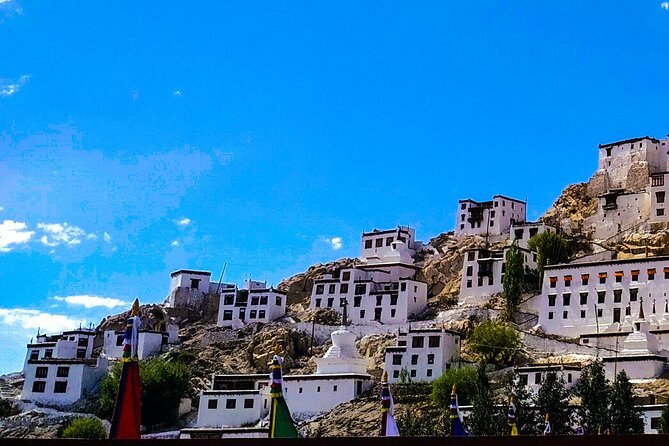
- Three days from Likir to Ang: You cross Phobe La, Chagatse La, Tsermangchen La, and Mebtak La before returning to Leh by vehicle.
- Village homestays: Spend nights in Yangthang and Hemis Shukpachen instead of using large hotels.
- Private trip: Only your own group takes part, with transport arranged for the start and return.
- Meals included: Breakfast, dinner, and packed lunches are provided.
- Beginner-friendly, not beginner-proof: The trail is considered one of Ladakh’s easier treks, but altitude and strong sun still demand moderate fitness.
- $400 per person: The price covers the main services, while water, tips, porters, ponies, insurance, and medical emergencies cost extra.
Why This Short Trek Works So Well
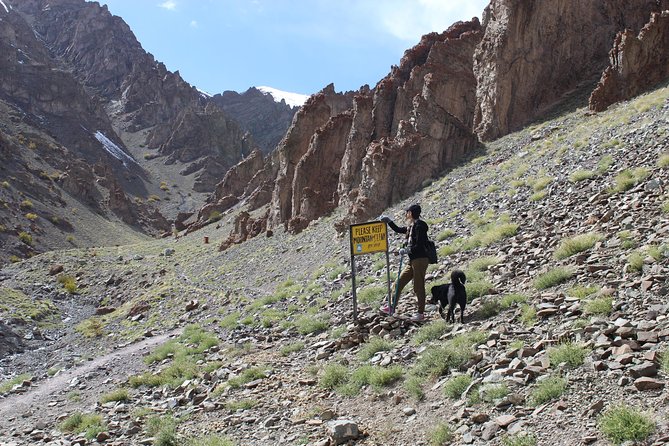
If you want to see Ladakh on foot but do not have a week or more for a mountain route, this is a sensible choice. The Sham Valley trail links several villages and passes without requiring a long expedition. You get changing scenery each day, yet the trip remains short enough to fit into a wider Ladakh holiday.
I especially like the way the route combines hard-edged mountain views with small signs of village life. Ladakh can look stark and almost empty, but Hemis Shukpachen brings streams, willow trees, barley fields, and cedar growth into view. Those touches make the walking feel less like a march through bare rock and more like a journey between living communities.
The trip also gives you a local setting for the night. Homestays are usually more basic than hotels, but they connect the trek to village life and keep the route grounded. The available feedback places particular emphasis on the quality of the homestays and on friendly, patient guiding. Sonam is one guide named in connection with this route, while Fida Hussain Tangrong is the main contact associated with arranging the wider service.
More Trekking Tours in India
- Half day trekking (munnar valley Trekking & Tours )
★ 5.0 · 310 reviews - Nag Tibba 2 Days Trek (Pantwari to Pantwari)
★ 5.0 · 274 reviews - Bhrigu Lake and Alpine Meadow Trek
★ 5.0 · 121 reviews
Day One: Likir, Two Passes, and Yangthang
Your morning begins at 8:00 a.m., with pickup arranged from the stated meeting point at Kushok Bakula Rimpochee Airport in Leh. A private taxi takes you about 58 kilometers to Likir, at roughly 3,650 meters. That drive matters because it saves your legs for the trail and places you directly at the walk’s starting point.
Likir is more than a transport stop. It marks the shift from road travel to foot travel, and from urban Leh to the smaller settlements of Sham Valley. Once you begin walking, the route heads west toward Phobe La at about 3,580 meters.
The first day deserves respect. The route is described as warm, exposed, and short on both shade and water. You also cross two passes, so the distance alone does not tell the full story. At this altitude, a modest uphill stretch can feel surprisingly demanding. Take your time, use the walking sticks if they help, and do not treat the Baby Trek label as permission to rush.
From Phobe La, the trail continues toward Sumdo village and then rises steadily to Chagatse La, around 3,630 meters. The passes are not extreme by Himalayan trekking standards, but they give you a clear taste of Ladakh’s high, dry terrain. Prayer flags and open mountain views mark the route, while the lack of shade makes sun protection important.
The Ridzong Monastery is about an hour south of Yangthang. The stated route does not include a separate monastery visit, so you should ask your guide whether there is time to see it or whether you will continue straight to the homestay. This is a useful point to clarify before setting out, especially if the monastery is a priority for you.
You spend the night in Yangthang. A homestay gives the day a more local finish than a hotel in Leh, but it also means you should expect simple accommodation rather than resort comforts. Dinner is included, and the overnight stop breaks the route into manageable sections.
Day Two: A Gentler Pass and Green Hemis Shukpachen
The second day is described as easier, even though you still cross a pass. The trail first descends for a short stretch, crosses a stream, and then climbs again toward Tsermangchen La at roughly 3,750 meters. The approach and descent are gentle, which makes the day less taxing than the opening walk.
That change in rhythm is valuable. After the exposed climbs around Likir, a quieter day lets you settle into the pace of the trek. You still need to work uphill, but the route does not ask for the same effort as a steep, sustained climb.
After a rest at the pass, you descend to Hemis Shukpachen. This village is one of the most attractive points on the route because its setting differs from the bare rock and dry slopes around it. Cedar groves give the village its name, while streams, willows, and barley fields add patches of shade and green.
I would give yourself time to notice those details. The appeal here is not a single dramatic viewpoint. It is the contrast between cultivated village ground and the dry mountains around it. You see how water supports settlement in a part of Ladakh that can otherwise look severe and empty.
Your second night is in a homestay at Hemis Shukpachen. The accommodation is included, as are dinner and the other listed meals. Feedback about the route specifically praises the homestay standard, but you should still pack with simple mountain lodging in mind. The information provided does not specify private bathrooms, room arrangements, or heating, so ask the operator if those details matter to you.
Day Three: Mebtak La and the Descent to Ang
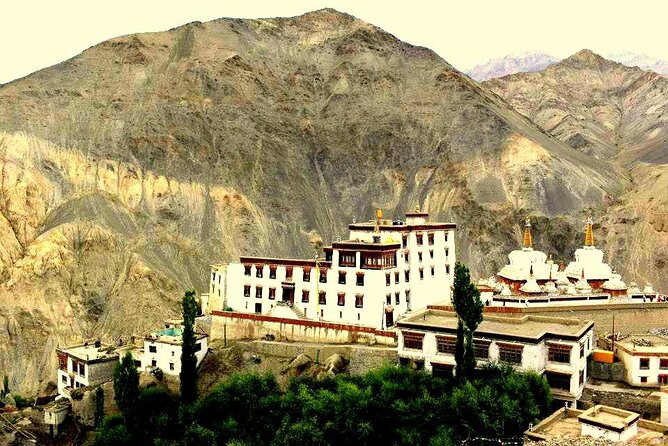
The final day is again considered fairly easy, though it begins with another climb. The trail rises between two hillocks west of Hemis Shukpachen, then turns south and climbs more steeply to Mebtak La at about 3,750 meters.
Mebtak La is marked by prayer flags, giving the pass a clear visual goal. The climb is short enough to fit into a final trekking day, but the steep section can still test your legs. By this point you have already spent two days walking at altitude, so a steady pace is more useful than trying to finish quickly.
From the pass, you descend through a gorge toward Ang village. The route changes character again as you lose height and leave the pass behind. At Ang, your driver meets you for the return journey to Leh, ending the trek back at the stated meeting point.
This final vehicle transfer is a practical advantage. You do not need to retrace the trail or arrange a separate return. It also means the trek ends with a clear handoff from walking to road travel, rather than leaving you to find your own way back after the descent.
Another trail to compare in India:
- Har Ki dun Trek by Himalaya Shelter
★ 5.0 · 102 reviews - Wild Elephant Anakulam & Waterfalls Tour(munnar valley Trekking)
★ 5.0 · 98 reviews - Friendship Peak Trek
★ 5.0 · 94 reviews - Half Day Hiking in Munnar Trekking Tour
★ 5.0 · 89 reviews
The Scenery: Dry Mountains, Water, and Village Life
The Sham Valley route works because the scenery keeps changing even within a short distance. You start among dry slopes and open passes, then move through settlements where water supports trees and crops. The contrast gives the trek more variety than a simple sequence of rocky climbs.
The first day is the most exposed. You may find the heat and lack of shade harder than the technical walking. The second day brings streams and cultivated fields, while the third offers prayer flags at Mebtak La and a gorge descent to Ang.
This is not a route for dramatic alpine lakes or huge glaciers based on the information provided. Its appeal is more immediate and human: paths between villages, high passes, stream crossings, and homestay nights. If you want a short introduction to rural Ladakh, that mix is a strong reason to choose it.
Fitness, Altitude, and What to Pack
The operator asks for a moderate level of physical fitness. That is the right way to read the Baby Trek label. You do not need to be an expert mountaineer, but you should be comfortable walking uphill for several hours and doing so in thin, dry mountain air.
Altitude is the main issue. The passes range from about 3,580 to 3,750 meters, and even the starting village of Likir sits high. The supplied information does not give a separate acclimatization schedule, so ask how the operator expects you to prepare before the 8:00 a.m. departure.
The first day has no reliable shade or water along the route, and bottled water is not included. Bring enough drinking water for the walking day, along with sun protection and practical layers. Tips, porters, ponies, insurance, and medical emergencies are also excluded.
Walking sticks are included, which is useful on descents and uneven ground. Packed lunches are provided, so you do not need to arrange trail food separately. Breakfast and dinner are also included, simplifying the two nights away from Leh.
Homestays and the Private Group Format
The private format is one of the strongest parts of this trip. Only your group takes part, so the pace can be more personal than on a large scheduled departure. That matters on a high-altitude route, where people may need different rest periods.
A private trip can also help if you have particular preferences. One available account describes arrangements being adapted to specific requests, and another describes a solo participant being fitted into the organization. Do not assume every request is automatic, but the setup appears suited to direct planning with the operator.
The named guide Sonam is described as experienced, kind, and patient in the available material. That combination matters more here than a fast pace. A guide who watches the group and explains the route can make the passes feel manageable, especially if this is your first trek at altitude.
Homestays bring a local feel, but they are not a substitute for a city hotel. You trade some privacy and predictability for a closer connection to the villages. If you value a polished room, confirm the facilities in advance. If you prefer a simple stay and a closer look at village life, the arrangement fits well.
Is $400 a Good Value?
At $400 per person, the price covers private transportation, a trek guide, walking sticks, two homestay nights, breakfast, dinner, and packed lunches. For a private three-day service with both road transfers and trail support, that is a reasonable package to compare with other Ladakh options.
The value improves if you are traveling with a small private group and make use of the included transport and meals. Group discounts are offered, though the exact reduction is not stated. Ask for the total price for your party rather than assuming the per-person rate will remain unchanged.
You also need to budget for the exclusions. Bottled water, tips, porters, ponies, insurance, and medical emergencies are not covered. The route does not appear to require porters or ponies for every group, but those services are available as separate considerations rather than part of the quoted price.
The strongest financial advantage is convenience. You are not piecing together a taxi to Likir, a guide, two nights of accommodation, meals, and a return vehicle on your own. If you prefer to arrange each part independently, you may find cheaper options, but you will also take on more planning.
Who Should Book This Trek?
I would choose this trek if you want a compact introduction to walking in Ladakh. It suits people with moderate fitness who want passes, village stays, and mountain scenery without committing to a long expedition.
It is also a good warm-up for a harder route. The three days give you a chance to see how your body handles the altitude, exposed sun, and daily walking before you take on a longer trek.
You may want a different experience if you need low-altitude walking, guaranteed hotel comforts, or an itinerary with no exposed climbs. The name Baby Trek can sound gentle, but the first day in particular can be hot and tiring. This is an easier route by Ladakh standards, not a casual sightseeing walk.
The high rating attached to the experience, based on seven reviews, fits the main strengths: careful organization, friendly guiding, good homestay standards, and strong value for the cost. Those qualities matter most when the route is short and the logistics need to work without fuss.
Should You Book the Sham Valley Trek?
Book it if you want three active days, village homestays, and a private route through some of Ladakh’s most accessible trekking country. The combination of Likir, four high passes, Hemis Shukpachen, Ang, and included transport gives you a lot within a short schedule.
Before paying, confirm your pickup point, the homestay facilities, water arrangements, and any personal meal or accommodation needs. Also be honest about your fitness and altitude experience. If you can handle steady uphill walking and come prepared for sun and thin air, the Sham Valley trek offers a practical, well-supported first step into Ladakh’s mountains.
FAQ
How long is the Sham Valley Trek?
The trek lasts approximately three days. It begins at Likir and ends at Ang, where a driver takes you back to Leh.
Where does the trek start?
The stated meeting point is Kushok Bakula Rimpochee Airport in Leh. The scheduled start time is 8:00 a.m., followed by a drive of about 58 kilometers to Likir.
Where do I sleep during the trek?
You stay in homestays in Yangthang on the first night and Hemis Shukpachen on the second night.
Which passes does the route cross?
The route includes Phobe La, Chagatse La, Tsermangchen La, and Mebtak La. Their stated elevations range from about 3,580 to 3,750 meters.
What is included in the $400 price?
The price includes private transportation, breakfast, dinner, packed lunches, a trek guide, walking sticks, and homestay accommodation.
What is not included?
Bottled water, tips, porters, ponies, insurance, and medical emergencies are not included.
Can I cancel for a full refund?
Yes. You can cancel at least 24 hours before the experience start time for a full refund. Changes or cancellations made less than 24 hours in advance are not accepted for a refund. If bad weather or an insufficient number of participants causes cancellation, you are offered another date or a full refund.
Latest treks added in India
- Jogini Waterfall Trek from Manali★ 5.0 · 2 reviews
- Prashar Lake Trek★ 5.0 · 7 reviews
- Kasol + Kheerganga Trek 3D/2N, all inclusive with BanBanjara★ 3.5 · 3 reviews
- 8 Days Markha Valley Trek: Shared Tour with Meals Included★ 5.0 · 3 reviews
- Ladakh One Day Trek- Gyamtsa to Phyang Village★ 5.0 · 4 reviews
- 1 Day Activity Adventure Trekking Kerala★ 5.0 · 5 reviews
- Kolukkumalai Trekking with Night stay in Tent★ 5.0 · 2 reviews
- Gokarna Beach Trek★ 5.0 · 9 reviews
India Trekking Tours, compared.
Wild Elephant Anakulam & Waterfalls Tour(munnar valley Trekking)
Read our review →
Browse the lists this tour appears in