
REVIEW · INDIA
8 Days Markha Valley Trek: Shared Tour with Meals Included
Markha Valley is one of Ladakh’s classic treks for good reason: it links Buddhist monasteries, remote villages, river crossings, high pasture, and the 5,260-meter Kongmaru La Pass in one compact journey. The plan gives you time in Leh first, which matters because altitude is the main challenge here.
I like the small group limit of 10 and the practical support system, including pack-horse assistance, one carried bag per client, meals, permits, emergency oxygen, and airport transport. I also like the mix of trekking and culture, with Stakna, Leh Palace, Shanti Stupa, Leh Market, and Hemis Monastery built around the hiking days.
The main consideration is altitude. Nimaling reaches 4,900 meters and Kongmaru La rises to 5,260 meters, so this is not a casual walk. The itinerary asks for moderate fitness, but you should prepare for long days, cold conditions, and the possibility that weather may change the plan.
Key points to know before booking
- Kongmaru La reaches 5,260 meters: This is the trek’s highest and hardest point.
- Two full days help with acclimatization: You spend the first part of the trip around Leh before hiking high.
- Meals are included: The package covers seven breakfasts, seven dinners, and six lunches.
- The group is capped at 10 people: That keeps the shared format fairly manageable.
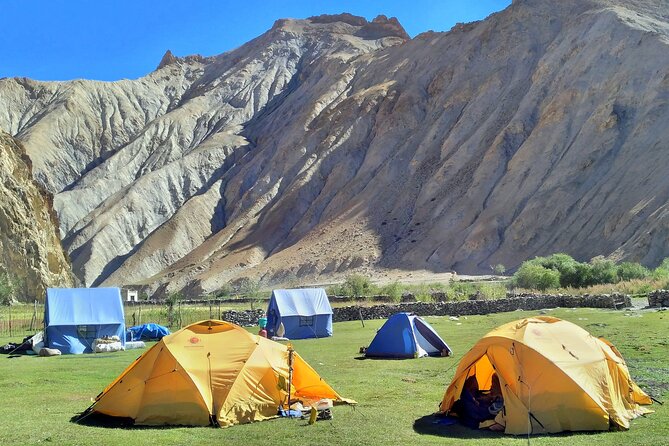
- Camping support is built in: Pack horses carry trekking equipment, and one bag per client is supported.
- Monument fees cost extra: Set aside about $20 per person for monastery and monument admission.
Starting in Leh at 3,500 meters
Your trip begins at Kushok Bakula Rimpochee Airport, where airport pickup is included. If you fly into Leh, the mountain views from the plane are an early hint of what lies ahead, but the first day should still be treated gently. Leh sits at high altitude, and even simple walking can feel harder than expected.
The first afternoon includes time around Thiksey. You meet the trekking guide at your hotel for a briefing about the days ahead. This meeting is useful because it gives you a chance to ask about walking times, personal gear, food, and how the group will handle the high passes.
You should not expect a packed arrival day. The smartest use of the first day is to drink water, rest, eat lightly, and notice how your body feels. The tour includes an experienced trekking guide and acclimatization support, but no guide can remove the effects of altitude. Take the adjustment seriously.
More Trekking Tours in India
- Half day trekking (munnar valley Trekking & Tours )
★ 5.0 · 310 reviews - Nag Tibba 2 Days Trek (Pantwari to Pantwari)
★ 5.0 · 274 reviews - Bhrigu Lake and Alpine Meadow Trek
★ 5.0 · 121 reviews
Day 2: Monasteries, royal Leh, and market time
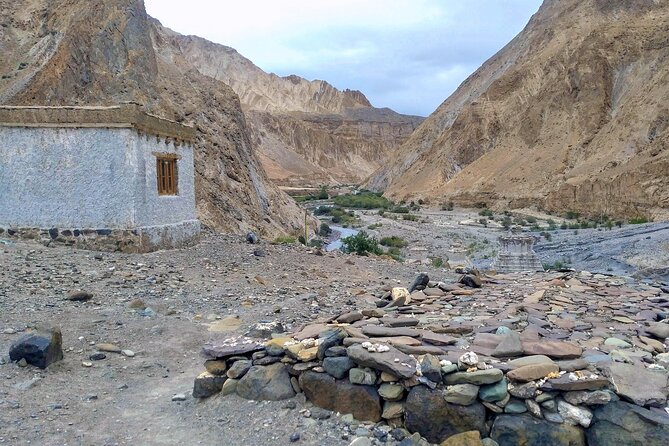
The second day keeps you in and around Leh while adding several cultural stops. Stakna Monastery sits on a hill near the town and offers a quiet start, with painted interiors, Buddhist statues, and a strong sense of place. Admission is not included, so keep some cash available for entry fees.
Leh Palace gives you a different view of Ladakh. The 17th-century palace rises above the town and has nine stories, making it one of the most useful places for understanding Leh’s royal past and its relationship with the surrounding mountains. The visit is listed for a long stretch of the day, so confirm the exact timing with your guide.
Shanti Stupa is the day’s clearest viewpoint. The white-domed monument was built in 1991 by Japanese Buddhists and holds Buddha relics. It is a calm place to look across Leh and get a sense of the town’s setting before you leave for the trekking route.
Leh Market gives the day a more ordinary, local rhythm. You can walk among shops and stalls, pick up snacks, and buy anything you forgot for the trail. This is the right moment to find chocolates, favorite snack foods, and non-alcoholic drinks, all of which the tour recommends carrying during the trek.
The day involves several visits and may feel full. That is useful for orientation, but do not turn it into a late night. Your body is still adjusting, and the hiking begins soon.
Day 3: Following the Zanskar River to Chilling
After breakfast, you take an approximately 2.5-hour drive beside the Zanskar River to Chilling Village. The drive is more than a transfer. It changes the setting from the streets and monasteries of Leh to a quieter mountain route.
Chilling is described as a day of both adventure and calm, with time to prepare for the walking section. The itinerary gives this day about seven hours, though the exact balance of driving, preparation, and walking should be confirmed locally.
This transition matters. You are not dropped straight into the highest pass on the first morning. Instead, the route builds gradually, giving you time to settle into the group and understand how the equipment and support animals are handled.
Day 4: Sara to Markha Village
The first main trekking stage runs from Sara toward Markha Village. One memorable detail is watching pack horses being loaded with trekking gear. This is not just a practical service. It shows how people have moved supplies through these valleys for generations, and it means you do not need to carry all the camping equipment yourself.
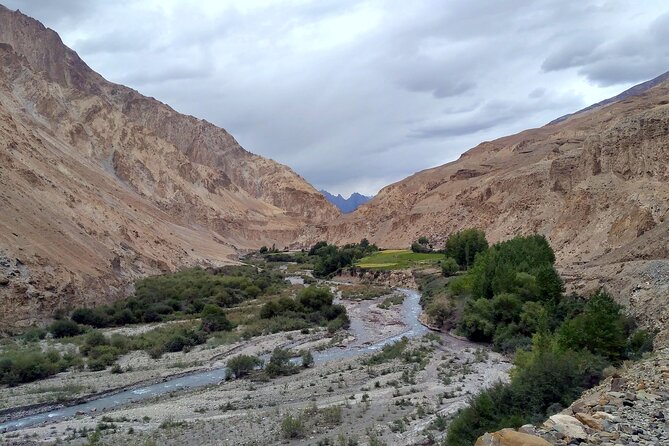
The route brings you into the Markha Valley, where the appeal lies in the changing scenery, mountain villages, and the steady rhythm of walking between settlements. Camping and trekking fees are included, along with the support system and one bag per client.
The daily stop is listed at about four hours, making this one of the lighter trekking days compared with the longer stage that follows. That is welcome early in the trek. You can focus on pace, hydration, and getting used to the routine without spending every daylight hour on the trail.
Another trail to compare in India:
- Har Ki dun Trek by Himalaya Shelter
★ 5.0 · 102 reviews - Wild Elephant Anakulam & Waterfalls Tour(munnar valley Trekking)
★ 5.0 · 98 reviews - Friendship Peak Trek
★ 5.0 · 94 reviews - Half Day Hiking in Munnar Trekking Tour
★ 5.0 · 89 reviews
Day 5: Fifteen kilometers from Markha to Thachungtse
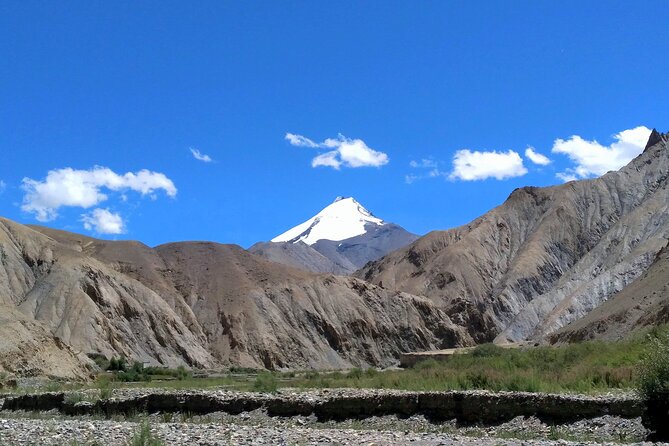
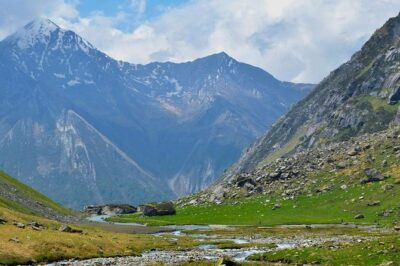
Day 5 is a more demanding section, covering about 15 kilometers from Markha to Thachungtse. The route follows the river, and the setting changes as you walk through a mix of open valley, mountain slopes, and Himalayan scenery.
The listed duration is about seven hours. That makes this a full walking day, not a brief stroll between camps. You should have proper hiking shoes, personal layers, sun protection, and enough small snacks to keep your energy steady.
Lunch is included on six days, while breakfast and dinner are included for all seven nights of the trekking program. Meals remove a major planning task, but you should still bring personal favorites. The tour specifically recommends snacks, chocolates, and non-alcoholic drinks, which can make a long day easier.
You also carry your own personal essentials. The support system covers camping gear and one bag per client, but it does not mean every item is transported for you. Ask before departure about the size and weight allowed for the supported bag.
Day 6: Climbing to Nimaling at 4,900 meters
The route to Nimaling covers about 10 kilometers and takes roughly four to five hours. The distance may sound modest, but the climb to 4,900 meters changes the effort completely.
Nimaling is one of the trip’s high points before the final pass. You are moving into a more exposed mountain setting, and cold, wind, and altitude can matter more than the number of kilometers. The guide’s role in pacing and acclimatization becomes especially important here.
This is where a moderate fitness rating needs a practical reading. You do not need to be an elite athlete, but you do need to be comfortable walking for several hours, managing uneven ground, and coping with a slower pace at high altitude.
Bring your own necessary medication and toiletries. Emergency oxygen and a first aid kit accompany the guide, which is sensible support, but they are not a substitute for travel insurance. Insurance is essential because medical care, evacuation, hospital stays, and related costs are not included.
Day 7: Kongmaru La and Hemis Monastery
The biggest physical test comes on Day 7, with the climb to Kongmaru La at 5,260 meters. This is the highest pass on the route and the point that should shape your decision to book.
The approach is challenging, and the altitude can make each step feel slow. You should expect the guide to set the pace and the group to stay together. The reward is a wide high-mountain view from the pass, followed by the satisfaction of reaching the trek’s main objective.
After the pass, the itinerary includes Hemis Monastery. Founded in the 17th century, Hemis is the largest monastery in Ladakh and is known for its annual masked-dance festival. Its cultural importance adds a strong final note to the walking days.
Hemis admission is not included, just like the other monastery and monument visits. The estimated total for entries is about $20 per person, though the amount may vary. The visit is listed for about three hours, so this is not merely a quick photograph stop.
The combination of a 5,260-meter pass and a major monastery makes this the most rewarding and most tiring day. If you are looking for a soft adventure with easy walking, this is the wrong trip. If you want a serious high-altitude trek with cultural stops, it is the defining day.
Day 8: Returning to Leh
The final morning is based in Leh. After breakfast, you have time to pack, reflect on the trek, and take a last walk through town before departure.
Airport drop-off is included, along with the initial pickup and sightseeing transport by car or minivan. Having these transfers arranged is valuable after several days of walking, especially when you are tired and managing luggage.
The schedule is listed for an approximate two-hour stop, so do not assume you have a full free day. Confirm your departure timing and airport transfer details with the provider before the final morning.
What the $1,298.86 price covers
At $1,298.86 per person, this is not a bare-bones walking trip. The price includes seven breakfasts, seven dinners, six lunches, permits, environmental fees, camping support, transport for sightseeing, airport transfers, parking fees, GST, and a professional trekking guide.
It also includes emergency oxygen and a first aid kit. Those items may never be used, but carrying them is important on a route that reaches more than 5,000 meters.
The shared format helps explain the value. You are not paying for a private trip, but the group limit of 10 keeps it smaller than a large coach-style outing. You also avoid arranging transport, permits, meals, pack support, and camp logistics separately.
Several costs remain outside the price. Flights to and from Leh, travel insurance, train tickets, personal laundry, WiFi, and monument fees are excluded. Fuel surcharges, airport taxes, landing fees, and facility charges are also not included.
The package is strongest for someone who wants a managed trek but does not need luxury. It gives you the main practical services and meals, while leaving personal equipment and insurance to you.
What to pack and what to plan for
Personal hiking and camping gear is recommended. The supplied information does not list a full packing checklist, so ask the provider for current guidance before you travel.
At minimum, plan around high-altitude walking, cold nights, sun, and changing weather. Bring your own medications and toiletries, along with favorite snacks, chocolates, and drinks.
Travel insurance is not optional in practical terms. It should cover medical emergencies, evacuation, hospital treatment, and medical fees. The package does not cover costs caused by illness, injury, natural disasters, or political disruption.
The tour is for people aged 18 and older. Service animals are allowed, and the starting point is Leh Airport. The advertised operating period runs from May 1 through October 31, 2026, with daily arrival pickup between 9:00 and 10:00 a.m.
The cancellation terms are fairly strict near departure. Cancel at least six full days before the start for a full refund, two to six days before for a 50 percent refund, and less than two days before with no refund. Once the trek has begun, leaving early does not bring a refund.
Who should book this Markha Valley trek?
I would choose this trip if you want a structured introduction to Ladakh trekking, prefer a shared group, and value having permits, meals, transfers, and support animals arranged for you. It also suits solo hikers who want company without joining a huge group.
It is a good match for people who enjoy cultural stops as much as physical challenges. Leh’s monasteries, palace, stupa, and market give the trip more range than a route focused only on scenery.
I would hesitate if you have no interest in high-altitude walking, if you need a flexible private schedule, or if the price leaves no room for insurance and personal gear. The highest days are serious, and the weather policy allows for schedule changes when conditions are poor.
The small group, organized logistics, and careful acclimatization plan make this a sensible choice for a prepared hiker. The key is not athletic ambition. It is respect for altitude, patience on long days, and willingness to carry your own essentials.
FAQ
Where does the trek start?
The tour starts at Leh Airport in Leh, India, with airport pickup included.
How long is the Markha Valley trek?
The program lasts approximately eight days.
What is the highest point of the trek?
Kongmaru La Pass is the highest point, reaching 5,260 meters.
How high is Nimaling?
Nimaling is at approximately 4,900 meters.
How many people can join the group?
The tour has a maximum of 10 participants.
Are meals included?
Yes. The package includes seven breakfasts, seven dinners, and six lunches.
Are flights to Leh included?
No. Flights to and from Leh are not included.
Are monastery and monument entry fees included?
No. These fees are separate, with an estimated cost of about $20 per person.
Is travel insurance included?
No. You must arrange your own travel insurance, including cover for medical emergencies, evacuation, hospital stays, and medical fees.
What is the minimum age?
The minimum age is 18.
What happens if bad weather cancels the tour?
If poor weather causes cancellation, you are offered a different date or a full refund.
Latest treks added in India
- Jogini Waterfall Trek from Manali★ 5.0 · 2 reviews
- Prashar Lake Trek★ 5.0 · 7 reviews
- Kasol + Kheerganga Trek 3D/2N, all inclusive with BanBanjara★ 3.5 · 3 reviews
- Ladakh Sham Valley Trek★ 5.0 · 7 reviews
- Ladakh One Day Trek- Gyamtsa to Phyang Village★ 5.0 · 4 reviews
- 1 Day Activity Adventure Trekking Kerala★ 5.0 · 5 reviews
- Kolukkumalai Trekking with Night stay in Tent★ 5.0 · 2 reviews
- Gokarna Beach Trek★ 5.0 · 9 reviews
India Trekking Tours, compared.
Wild Elephant Anakulam & Waterfalls Tour(munnar valley Trekking)
Read our review →
Browse the lists this tour appears in