
REVIEW · CUSCO
Salkantay Trek to Machu Picchu 5D/4N or 4D/3N by glamping
The best part of this Salkantay trek is the sharp change in scenery. You begin among high Andean peaks and turquoise water, cross the 4,630-meter Salkantay Pass, then descend into warmer coffee country before reaching Machu Picchu. It is a hard walk, but the route feels more remote and less crowded than the classic Inca Trail.
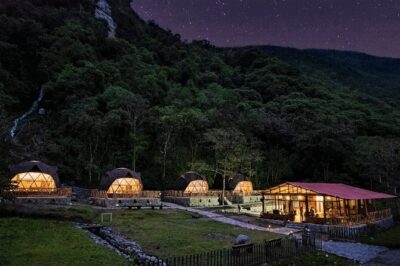
I like the excellent mountain cooking and the unusual camps, from glass-roof cabins to jungle domes. I also like the mix of serious hiking and small side experiences, including a coffee tour, Cocalmayo hot springs, and the old Inca route to Llactapata.
The main caution is the price and inclusions. The advertised cost is only $35 per person, but Machu Picchu admission, several local fees, water, hot showers, the return journey, and optional activities cost extra. Confirm the full price before paying.
Key points to know before you book
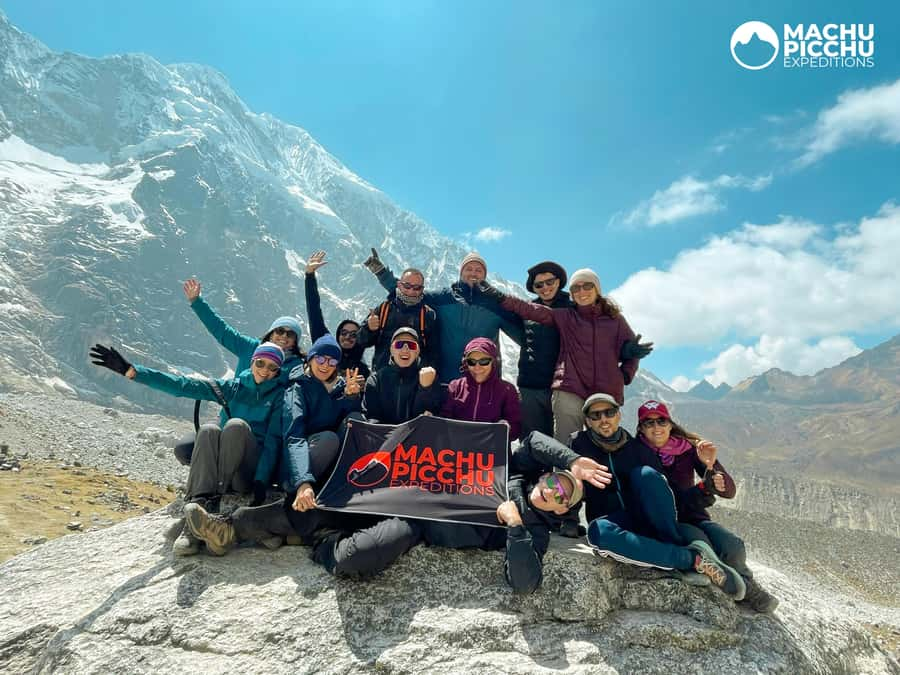
- Humantay Lake and Salkantay Pass provide the trip’s biggest mountain views, but both require strong legs and careful pacing at altitude.
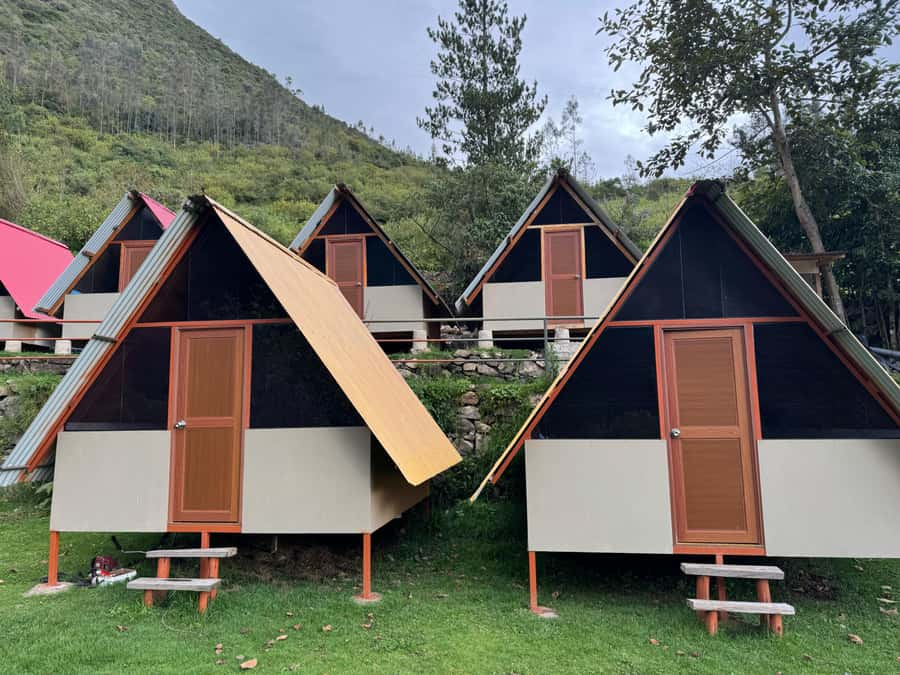
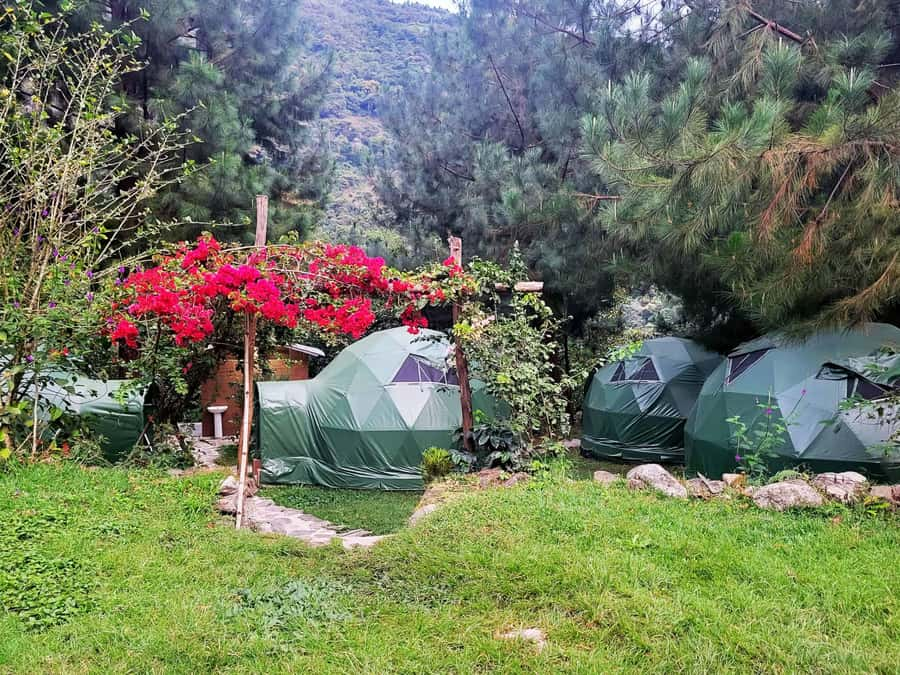
- Three different glamping camps make the trek more comfortable than a standard tent trip, though hot showers and Wi-Fi are extra.
- Fresh meals are a major strength, with a chef preparing breakfast, lunch, dinner, snacks, and afternoon tea.
- Llactapata offers a quieter view toward Machu Picchu before you reach Aguas Calientes by foot.
- The railway walk near Hidroeléctrica is long and dull for some people, and there is no included train option on that section.
- The small group limit of 15 can help the guide manage the pace, but mixed fitness levels may still mean some waiting.
Why choose Salkantay instead of the Inca Trail
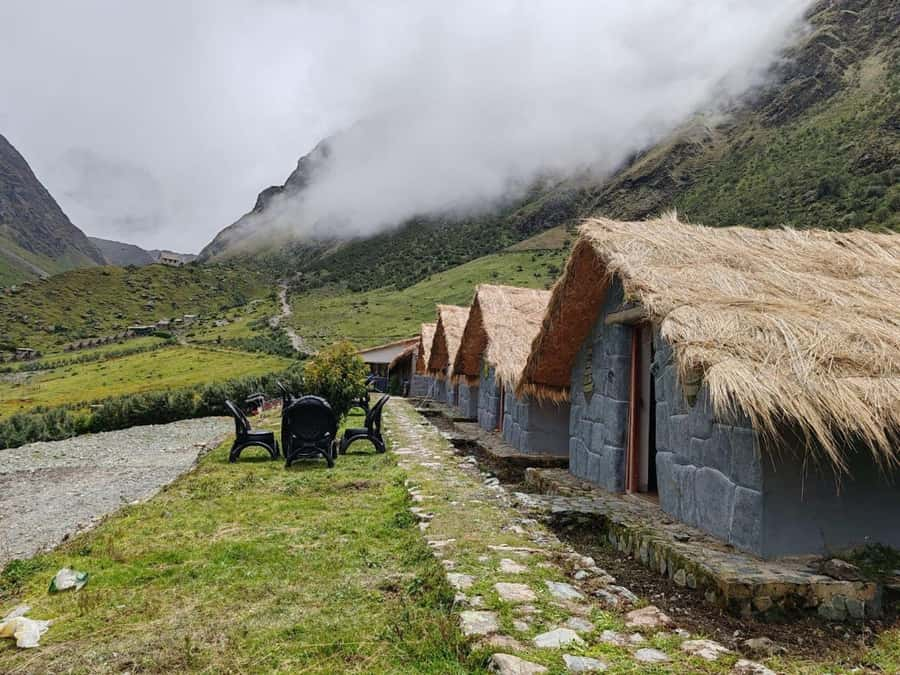
The Salkantay route is a strong choice if you want mountain scenery first and archaeological sites second. The classic Inca Trail is famous for its stone paths and ruins, while Salkantay gives you a wider range of natural settings: glacial peaks, high grasslands, cloud forest, waterfalls, coffee farms, and subtropical valleys.
You also avoid much of the heavy foot traffic associated with the Inca Trail. That does not mean you will have the mountains to yourself, but the route is generally valued for its more open, remote feel.
This is not an easy shortcut. The highest point is Salkantay Pass at 4,630 meters, and the first two days include demanding climbs. You need a reasonable level of fitness, good hiking shoes, and a sensible attitude toward altitude. The operator does not recommend the trek for people with heart, respiratory, back, or mobility problems, pregnant people, children under 18, people with epilepsy, or people over 70.
The standard schedule described here lasts five days and four nights. A four-day, three-night version is also advertised, but the supplied day-by-day plan is the five-day route. Ask exactly which version you are booking, since the shorter trip may change the walking hours, camps, or included services.
More Inca Trail Treks in Cusco
- Salkantay Trek Challenge – 3 Days / 2 Nights
★ 5.0 · 101 reviews - Choquequirao Trek 4 days and 3 nights
★ 5.0 · 81 reviews - Machu Picchu: 5-Day Salkantay Trek with Panoramic Train
★ 5.0 · 79 reviews
Day 1: A 4 a.m. start, Soraypampa, and Humantay Lake
Your day begins very early with pickup from your hotel in Cusco’s historic center. Private transportation takes you toward the trailhead, with a breakfast stop in Mollepata. This early departure is necessary, but you should expect a sleepy ride and bring something warm for the first hours.
The trek begins at Challacancha and continues toward Soraypampa. After arriving at the private camp, you have lunch and time to settle in before walking up to Humantay Lake at about 4,200 meters.
Humantay Lake is one of the trip’s major rewards. The water sits beneath steep Andean peaks, and the climb gives you an immediate sense of how thin the air is. The walk to the lake is shorter than some of the following days, but the altitude makes it feel serious. Go slowly, drink water, and do not treat the first afternoon as a race.
The night’s accommodation has a glass roof, so you may be able to watch the sky from bed. It is a memorable change from a basic tent, though the cold at this elevation still matters. Warm layers and a sleeping bag are essential. You can rent a sleeping bag for $10 for the full trek, and walking sticks cost another $10.
Day 2: Salkantay Pass and the long descent to Sky Huts
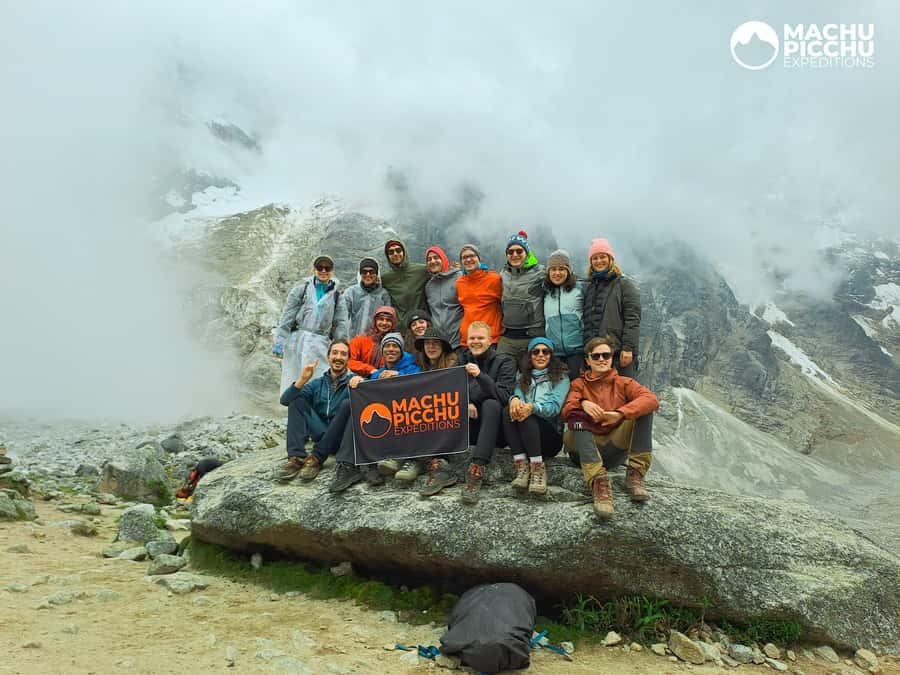
You are woken with coca tea before breakfast, then begin the hardest walking day. The route climbs through the Trail of the 7 Snakes toward Salkantay Pass, reaching 4,630 meters.
This is the day to measure the trek honestly. The view from the pass toward Salkantay Mountain, which rises to 6,271 meters, is dramatic, but you earn it with a long uphill effort. If you have never hiked at altitude, the guide’s pacing and your willingness to take breaks will matter more than speed.
After the pass, the route drops toward Collpapampa at about 2,950 meters. The change in temperature and vegetation makes the descent feel like a new part of Peru. It is also easier on the lungs, though the downhill walking can be hard on knees.
The Sky Huts provide a more sheltered night than ordinary camping. The package includes a personal pad and pillow, but not every comfort is included. Hot showers cost extra, and Wi-Fi is available for a separate fee. Electricity is provided at the camps for charging devices, though bringing a power bank remains wise.
Day 3: Coffee country, hot springs, and jungle domes
Day three starts around 6 a.m. with tea and breakfast. You walk from Collpapampa through the Santa Teresa Valley toward La Playa. After the high pass, this section feels warmer and more relaxed, with a clear shift into coffee-growing country.
The coffee tour adds local flavor to what could otherwise be just another walking day. It gives you a closer look at one of the products associated with the region and breaks up the physical effort with a hands-on stop.
After lunch, you can choose the Cocalmayo hot springs or rest at camp. The springs cost PEN 10 to enter, with transportation listed at PEN 40. Bring swimwear, a towel, and sandals if you plan to go. The soak is especially welcome after two demanding days, but remember that the transport and entrance fee are not part of the basic package.
A zipline is another optional activity, priced at $28. It is not essential to the trek, but it gives you something active to do if you want a break from walking without simply sitting around.
That evening you sleep in a jungle dome at Lucmabamba. The setting is quieter and warmer than the high camps, and the sound of nature becomes part of the experience. The dome is one of the more distinctive accommodation choices on the route, but do not confuse glamping with a hotel. Wi-Fi, hot showers, and other extras cost more, and conditions remain basic compared with a city room.
Another trail to compare in Cusco:
- From Cusco: 7 Lakes Ausangate Trek with Breakfast and Lunch
★ 4.8 · 360 reviews - Cusco: Full-Day Rainbow Mountain & Red Valley Trekking Tour
★ 4.5 · 121 reviews - From Cusco: Rainbow Mountain Trek
★ 4.5 · 98 reviews - Ancascocha Trek To Machu Picchu 4 Days And 3 Nights
★ 5.0 · 77 reviews
Day 4: Llactapata, Hidroeléctrica, and the railway walk
After breakfast, the route returns to an old section of Inca trail. The climb to Llactapata takes about two hours and reaches roughly 2,700 meters.
Llactapata is important because it gives you an early view toward Machu Picchu. Seeing the citadel from a distance, before the main visit, adds useful scale. You are still outside the famous ruins, but you can begin to understand how the surrounding mountains frame Machu Picchu.
The route then descends for about two hours to Hidroeléctrica, where lunch is served. From there, you walk beside the railway toward Aguas Calientes. This section takes about two hours and is the least appealing part for many people. The path is relatively straightforward, but the railway setting is not as scenic or satisfying as the mountain trails.
The train is not included for this stretch. Ask the operator if any alternative is available before departure, especially if you have knee problems or simply dislike long walking on a flat railway route.
In Aguas Calientes, you check into a three-star hotel and have dinner at about 7 p.m. The hotel gives you a proper bed before Machu Picchu, but standards may vary. One reported problem was a noisy room with no hot water, so keep expectations practical and pack earplugs.
Day 5: Machu Picchu and the return to Cusco
The final morning is devoted to Machu Picchu. The package includes a guided visit lasting about 1.5 hours, followed by free time inside the site.
The standard guided access is limited to Circuit 2B, with the exact circuit and entry time subject to availability. The stated option is generally around 7 or 8 a.m. and requires a separate Machu Picchu entrance ticket. The listed price is $45, but official ticket availability and prices can change, so confirm before booking.
You may also be able to add Huayna Picchu, Machu Picchu Mountain, the Sun Gate, or the Inca Bridge, depending on the ticket type and availability. These are not automatic parts of the basic guided visit. Ask which circuit and mountain access are included in your specific booking.
The return journey is also extra. You can walk back from Aguas Calientes to Hidroeléctrica, then take a bus to Cusco for $12. The train option costs about $90 and travels from Machu Picchu town to Ollantaytambo in roughly 1 hour and 50 minutes, followed by a bus to Cusco for about two hours.
Food, camps, and what the price really covers
The food may be the strongest practical feature of this trip. A professional chef prepares four lunches, four dinners, and five breakfasts, along with three snacks and three afternoon tea services featuring popcorn, cookies, chocolate, and coffee.
The meals are cooked fresh in camp rather than treated as an afterthought. Vegetarian and vegan choices are available at no extra charge if requested ahead of time. This matters on a strenuous trek, since a proper hot meal can make the next climb much easier.
Your main luggage is limited to six kilos in a duffle bag carried by horses. You still carry a daypack with water, rain gear, warm clothing, sunscreen, and personal items. Pack with discipline. A heavy daypack makes the first two days much harder.
The $35 price is attractive, but it does not represent the full cost of the holiday. Add Machu Picchu admission, Humantay Lake’s PEN 20 fee, hot springs and transport if desired, drinking water, showers, Wi-Fi, the zipline, and your return journey. The low advertised price may also make it especially important to confirm what your booking includes, since different departures can involve different local operators.
Guides, group size, and the pace of the walk
The group is limited to 15 people, with English and Spanish-speaking guides. Names associated with recent departures include Ruben, Roger, Reynaldo, Tupac, and Nidia. You may not receive a particular guide, so request a name only if the operator confirms it in writing.
The guiding team also carries first-aid equipment, walkie-talkies, and an oxygen bottle for emergencies. These supplies are reassuring, but they do not remove the need to prepare for altitude. Spend time acclimatizing in Cusco if possible, walk slowly, and tell the guide early if you feel unwell.
A small group does not guarantee a perfectly even pace. If people with different fitness levels share a departure, you may wait at stops or move in smaller clusters. That is normal on a route with such large changes in altitude.
What to pack for five demanding days
Bring a passport or identity card, warm clothes, gloves, a hat, sunglasses, sunscreen, and a long-sleeved shirt. You also need hiking shoes, hiking trousers, a daypack, a reusable bottle, a flashlight, cash, a charged phone, and a power bank.
For the hot springs, pack swimwear, a towel, and sandals. Use biodegradable sunscreen and insect repellent, especially after the route drops into warmer country.
Drinking water is not included, so plan to buy or refill it along the way. The operator also recommends a sleeping bag, though you can rent one for $10. A rain layer is sensible for a route that passes through several climate zones, even though it is not specifically listed among the inclusions.
Who should book this trek
I would recommend this route to you if you want a physically demanding path to Machu Picchu, prefer mountain scenery to a steady stream of ruins, and like the idea of sleeping in unusual camps instead of basic tents.
It suits people who appreciate support from a chef, horses carrying some luggage, and a guide-led small group. The coffee tour and hot springs also make it a good fit if you want more than a nonstop march.
I would hesitate if you need reliable hot showers, quiet hotel rooms, a fixed level of comfort, or a simple all-inclusive price. The railway walk may frustrate you, and the altitude is not a minor detail. Confirm every extra charge and the exact Machu Picchu circuit before you commit.
FAQ
How long is the Salkantay trek?
The standard plan described here lasts five days and four nights. A four-day, three-night version is also offered, but you should confirm the exact schedule and included services before booking.
Is Machu Picchu admission included?
No. The Machu Picchu entrance ticket is listed separately at $45, subject to availability on the official Peruvian government ticket system.
What is the highest point on the trek?
The highest point is Salkantay Pass at 4,630 meters. Humantay Lake is at about 4,200 meters.
How much luggage can the horses carry?
The included duffle service carries up to 6 kilos of your personal belongings. You carry your daypack yourself.
Are meals included?
Yes. The five-day plan includes five breakfasts, four lunches, four dinners, three snacks, and three afternoon tea services. Vegetarian and vegan meals are available on request without an extra charge.
Are the hot springs included?
No. Cocalmayo hot springs entrance costs PEN 10, and transportation is listed at PEN 40.
Is the zipline included?
No. The zipline on day three is optional and costs $28.
How do you return to Cusco after Machu Picchu?
You can walk from Aguas Calientes to Hidroeléctrica and take a bus to Cusco for $12. A train and bus combination is also available for about $90, with the train going to Ollantaytambo before the bus continues to Cusco.
Should you book it?
Book this Salkantay trek if the promise of high mountain scenery, strong food, and unusual glamping camps appeals more than a polished resort-style trip. The route gives you Humantay Lake, Salkantay Pass, coffee country, hot springs, Llactapata, and Machu Picchu in one demanding package.
Before paying, get the total cost in writing. Confirm the five-day or four-day version, Machu Picchu circuit, return transport, hotel details, and all optional fees. If you are fit, prepared for altitude, and comfortable with a few rough edges, this can be a memorable and good-value way to reach Machu Picchu.
Latest treks added in Cusco
- Small Group: 4-Day Inca Trail Trek to Machu Picchu★ 5.0 · 33 reviews
- Salkantay Trek: 5 Days to Machu Picchu★ 5.0 · 33 reviews
- 5 Day – Salkantay trek to Machu Picchu – Group Service★ 4.5 · 27 reviews
- Salkantay 5-Day Trek To Machu Picchu★ 5.0 · 39 reviews
- Humantay Lake Full-Day Adventure: Scenic Trek and Stunning Views★ 4.5 · 39 reviews
- Inca Trail Trek to Machu Picchu – 2 Days (Small Group or Private)★ 5.0 · 31 reviews
- Ausangate and Rainbow Mountain Trek – 3 Days / 2 Nights★ 5.0 · 35 reviews
- 6 day Rainbow Mountain x Ausangate Trek – FlashpackerConnect★ 5.0 · 30 reviews
Machu Picchu & Inca Trail Treks, compared.
Machu Picchu: 5-Day Salkantay Trek with Panoramic Train
Read our review →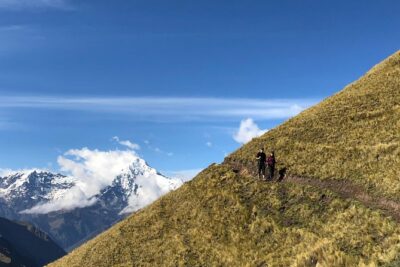
Ancascocha Trek To Machu Picchu 4 Days And 3 Nights
Read our review →
4 Day Inca Trail Trek to Machu Picchu Multi day tour
Read our review →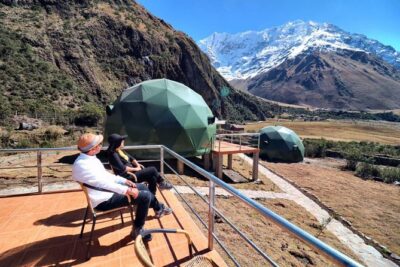
Salkantay Trek 4 Days to Machu Picchu by Glamping Sky Lodge Dome
Read our review →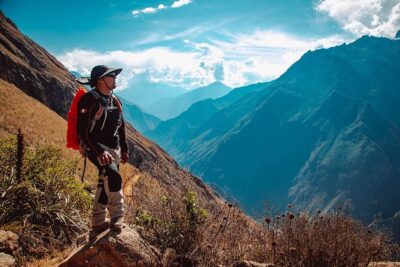
Browse the lists this tour appears in