
REVIEW · KATHMANDU
Kathmandu: Langtang Valley 6-Day all inclusive Guided Trek
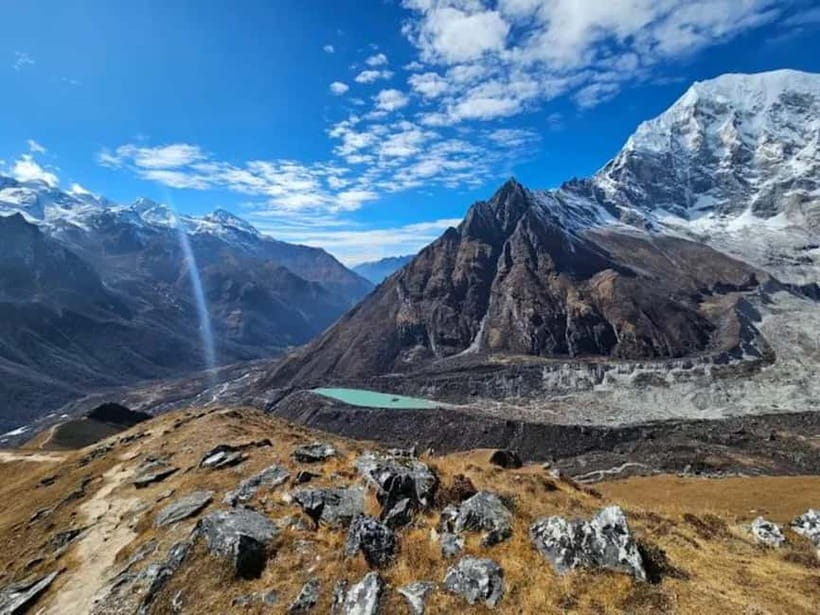
Langtang gives you a lot of Nepal in six days: a long mountain drive, forest trails, Tamang villages, high meadows, monasteries, and snowy peaks. The best part is reaching Kyanjin Gompa, where the route opens into a high valley beneath Langtang Lirung and Dorje Lakpa.
I like the mix of local culture and mountain scenery, and I like that the trail is moderate rather than an extreme mountaineering trip. The main drawback is the six-hour local bus ride from Kathmandu, followed by a trek on the first day, so you should arrive ready for a full day on the move.
The experience has received two verified five-star ratings. Maria Jesus Santos of Spain praised her guide and the overall experience, while Svatoslava of the Czech Republic singled out the beautiful route, local guide, and stops at local points of interest. No guide name is provided, so confirm that detail when booking.
Key points to know before you book
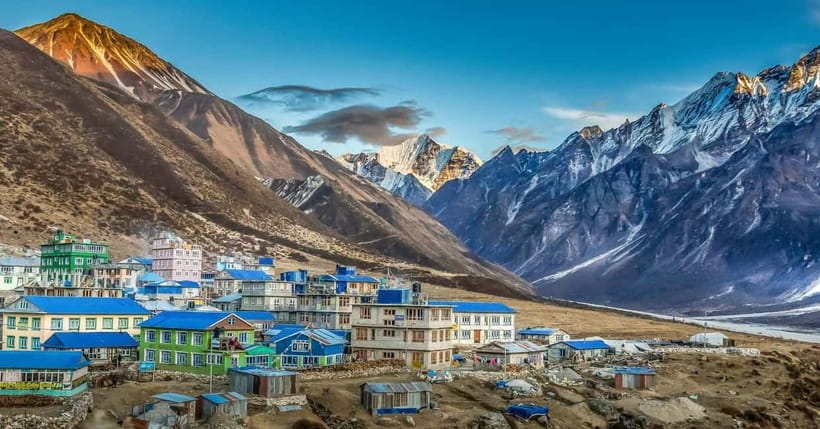
- Kyanjin Gompa is the high point of the route: You spend the third night at 3,870 meters, close to monasteries, mountain views, and a yak cheese factory.
- The route changes quickly: You walk from subtropical forest and river valleys into alpine meadows and high mountain country.
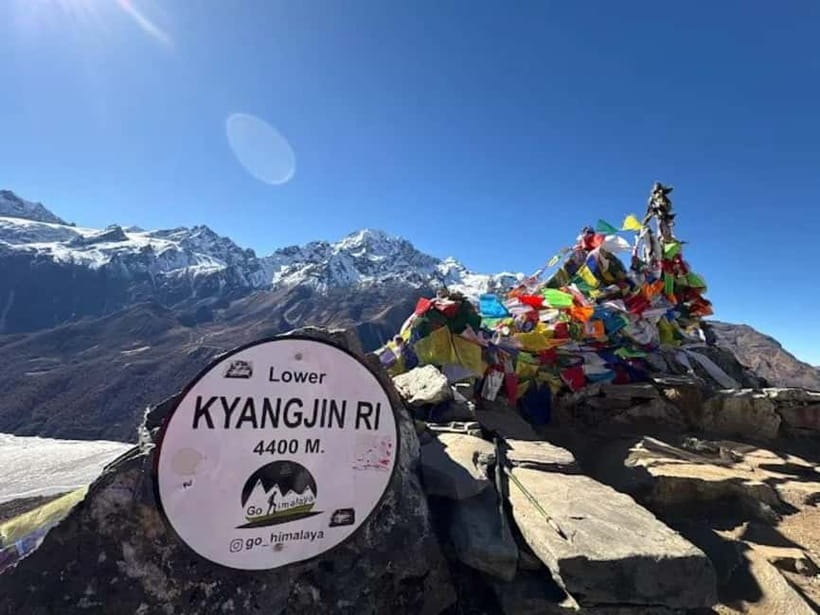
- Kyanjin Ri is optional: The climb reaches 4,770 meters and adds a serious uphill challenge, so you can skip it if altitude or fatigue becomes a concern.
- The trip uses local transport: The Kathmandu to Syabrubesi journey takes about six hours by local bus, with the return by the same general route.
- The package has important options: Full-board meals apply if that option is selected, and porter service requires an added purchase.
- You need reasonable fitness: The trek is rated moderate, with gradual ascent intended to help with acclimatization.
Why Langtang works for a six-day Himalayan trip
Langtang is a practical choice when you want a real mountain trek but cannot spend two weeks on the trail. The route begins near Kathmandu and reaches a high valley with major peaks, yet it does not require technical climbing.
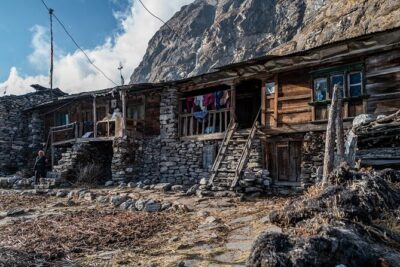
You’ll pass through areas shaped by Tamang and Tibetan traditions. That gives the walk more depth than a simple point-to-point hike. Local villages, monasteries, traditional cheese-making, and teahouse stays help you see how mountain communities live.
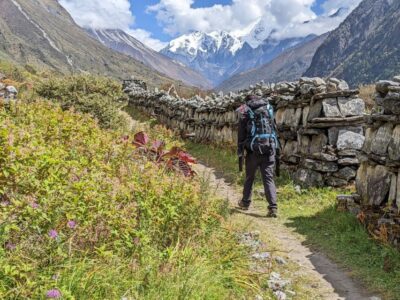
The scenery also changes in a satisfying way. Lower sections bring forests, waterfalls, and the Langtang River. Higher sections open into alpine meadows and broad views of Langtang Lirung, Dorje Lakpa, and other peaks.
This is not a luxury mountain holiday. Teahouses provide basic amenities, Wi-Fi and charging can be limited, and hot showers or bar purchases cost extra. If you pack with those limits in mind, the simple lodging becomes part of the experience rather than a surprise.
More Langtang Treks in Kathmandu
- Langtang Valley Trek
★ 5.0 · 140 reviews - Langtang Valley Trek
★ 5.0 · 61 reviews - 8 Days Tour in Langtang Valley Trek
★ 5.0 · 45 reviews
Day 1: Kathmandu to Syabrubesi and the walk to Pahiro
The first day starts with a scenic drive from Kathmandu to Syabrubesi, the main gateway for the Langtang Valley. The trip takes about six hours by local bus, so the transport itself is a major part of the day.
Local bus travel can be less polished than a private vehicle. That is the tradeoff for a lower-cost trip and a more everyday view of the journey into the mountains. You’ll want water, snacks, and patience close at hand.
At Syabrubesi, you begin walking for roughly two hours. The path follows forests and the Langtang River before reaching Pahiro at 1,550 meters.
Pahiro is a sensible first overnight stop because the altitude remains moderate. Still, you are combining a long drive with a hike, so this is not a day for arriving at the bus station with no plan for food or water.
Day 2: Forests, waterfalls, and the climb to Ghoda Tabela
The second day takes you from Pahiro toward Ghoda Tabela at 2,900 meters. You walk through green forest, pass small villages, and encounter waterfalls along the route.
This section offers some of the most varied walking of the trip. The river, trees, and village life keep the trail interesting even before the large mountain views become the main attraction.
The altitude gain matters. Moving from 1,550 meters to 2,900 meters in one day requires steady pacing, regular water breaks, and attention to how you feel. The route is described as moderate, but moderate does not mean effortless.
Ghoda Tabela provides a quieter mountain setting surrounded by nature. Since the information does not specify the exact walking time for this day, ask the operator for the expected start and arrival times before you go.
Day 3: Reaching Kyanjin Gompa at 3,870 meters
The third day is the central day of the trek. You continue from Ghoda Tabela to Kyanjin Gompa, a mountain village at 3,870 meters.
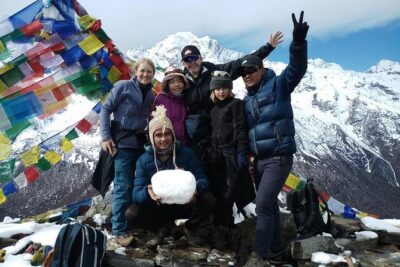
As you climb, the forest gives way to more open country and larger mountain views. This is where Langtang Lirung, Dorje Lakpa, and nearby peaks begin to feel like the main characters of the trip.
Kyanjin Gompa is more than a place to sleep. You can visit local monasteries and a traditional yak cheese factory, giving the stop a useful cultural and food-related angle. These details make the high valley feel lived in, not just scenic.
Altitude is the key issue here. You should keep your pace controlled, drink plenty of water, and tell your guide about any discomfort. Headache, unusual tiredness, or other symptoms should not be brushed aside simply because the itinerary is short.
The local guide is especially valuable on this day. The route provides the scenery, but the guide can help explain Tamang customs, Tibetan-influenced traditions, monasteries, and local points of interest. Svatoslava’s five-star rating specifically praised the local guide and the attention given to these details.
More six-day treks in Kathmandu
- Kathmandu: 6-Day Limitless Langtang Trek
★ 5.0 · 21 reviews - 6 Days Poon Hill – Ghandruk Circuit Trek from Kathmandu
★ 5.0 · 10 reviews - Kathmandu: 6 Days Langtang Valley Trek with Kyanjin Ri
★ 5.0 · 7 reviews - Ghorepani Poonhill Trek (6 Days)
★ 5.0 · 6 reviews
Kyanjin Gompa and the yak cheese factory
Kyanjin Gompa is the most distinctive stop on the itinerary. The village sits high in the valley, surrounded by mountain views and open alpine country.
The monastery visit gives you a chance to connect the scenery with local religious life. The yak cheese factory adds a down-to-earth stop that is easy to remember. It shows how food production fits into life at altitude, rather than treating the valley as a backdrop for photographs only.
You should not expect a large attraction with a formal visitor center. This is a small mountain community, and facilities are basic. That is precisely why the stop works for people who want a quieter Himalayan experience.
The overnight stay here also gives your body time at altitude before the descent. The itinerary does not list a separate acclimatization day, so use the evening to rest instead of trying to pack every possible activity into the schedule.
Day 4: Optional Kyanjin Ri and the descent to Thangsyap
Day four offers the trip’s biggest physical choice. You may climb Kyanjin Ri, which reaches 4,770 meters, for broad views of the Langtang peaks. The climb is optional, so you can choose the main valley walk and protect your energy for the descent.
Kyanjin Ri is the right add-on for fit hikers who want a high viewpoint and are comfortable with a steep day at altitude. It is not a casual stroll. At 4,770 meters, cold, thin air, and fatigue can change the character of the hike quickly.
After returning from the viewpoint, you continue down to Thangsyap at 3,200 meters. The descent reduces altitude, but downhill walking can still be tiring on knees and legs.
This day is one reason I like the route for a range of abilities. The optional summit gives stronger hikers an extra goal, while others can skip it without losing the core experience of Kyanjin Gompa and the valley.
Day 5: Following the Langtang River back to Syabrubesi
The fifth day takes you from Thangsyap back to Syabrubesi at 1,550 meters. You follow the Langtang River and retrace sections of the route through forests and mountain villages.
Walking the return route can feel familiar, but the direction changes what you notice. The river, forest cover, and mountain views appear from a different angle, and the descent should feel easier on the lungs than the climb toward Kyanjin Gompa.
This is also your last full trekking day. It is worth slowing down for final views rather than treating the trail as a race to the bus stop. You’ll spend the night in Syabrubesi before the drive back to Kathmandu.
Day 6: The return drive to Kathmandu
The final day is a drive from Syabrubesi to Kathmandu. The route provides one last look at the mountain scenery, but it is primarily a transport day rather than another hiking day.
Since the first and last days rely on local bus travel, the trip is best for people who care more about value and an authentic route than about private transfers. If you need maximum comfort and precise departure times, ask about transport arrangements before paying.
Private airport transfers are included, which is useful at the beginning or end of a Nepal trip. Pickup is included within the stated area, and you should contact the operator if you are staying outside it so you can receive meeting-point details.
What the $179 price really covers
At $179 per person, this is an inexpensive way to organize a six-day Himalayan trek. The price includes private airport transfers, local bus transport between Kathmandu and Syabrubesi, the Langtang National Park permit, the TIMS card, teahouse accommodation, an English-speaking licensed guide, a first aid kit, and government taxes and service charges.
The phrase all inclusive needs a close look. Full-board breakfast, lunch, and dinner during the trek apply if you select that option. Porter service is also an add-on, with one porter assigned for two trekkers if purchased.
That distinction can change the final cost. Check the booking choices carefully before comparing this trip with another package that includes meals and porter support by default.
You still pay for international airfare, visa fees, travel insurance, meals in Kathmandu, Wi-Fi, bar bills, hot showers, and other personal expenses. Travel insurance is mandatory, and it should cover trekking at the elevations on this route.
For the base price, the package offers strong value if you are comfortable with simple lodging, local buses, and carrying your own gear unless you add a porter. It is less appealing if your priority is private transport, high-comfort rooms, or a fully staffed trekking arrangement.
Teahouses, connectivity, and what to pack for comfort
Teahouse accommodation keeps the trip affordable and gives you a direct connection with mountain communities. Amenities are basic, so think of the rooms as practical places to sleep rather than hotel-style accommodation.
Wi-Fi and charging facilities are limited. Carry a power bank and avoid assuming that you can charge every device whenever you want.
Personal expenses add up in small ways. Hot showers, Wi-Fi, drinks, and bar bills are not included, so keep some money available for the trail.
A sensible packing list should include warm layers, rain protection, sturdy walking shoes or boots, a reusable water bottle, a power bank, personal medications, and a small amount of cash for extras. The supplied information does not specify a porter baggage limit, so confirm that before deciding what to carry.
Fitness, altitude, and the best time to go
The trek is rated moderate and is suitable for people with good physical fitness. You do not need technical climbing skills based on the information provided, but you should be ready for several days of uphill and downhill walking at increasing altitude.
The gradual route toward Kyanjin Gompa helps with acclimatization, but no schedule removes altitude risk. Drink water, walk steadily, rest when needed, and report discomfort to your guide.
Spring, from March through May, and autumn, from September through November, are the recommended seasons. These months generally offer clear skies and pleasant temperatures for walking.
Weather can still shift in the mountains. The best season improves your odds of clear views, but it does not turn the route into a guaranteed sunny holiday.
Who should book this Langtang trek
I would choose this trip if you have six days, want meaningful mountain scenery, and prefer a guided route with basic teahouse accommodation. It fits couples, solo trekkers, families with good fitness, and first-time hikers who want a structured Himalayan experience.
The route is also a good match for you if cultural stops matter as much as photographs. Tamang villages, local monasteries, the yak cheese factory, and the presence of a local guide give the journey a stronger sense of place.
I would think twice if you dislike long bus rides, need private transport, or expect polished lodging. I would also avoid treating the optional Kyanjin Ri climb as a must-do if you are not comfortable with high altitude.
The two available five-star ratings highlight the guide-led experience, local points of interest, and the beauty of the route. Those are the parts to prioritize when booking: ask who your guide will be, confirm meal and porter options, and make sure the pickup location is clear.
Should you book it?
Book this Langtang trek if you want a short, affordable route with real mountain culture, and you are comfortable with local buses, basic teahouses, and moderate hiking. The price is appealing, but only after you check whether full-board meals and porter service are included in your selected option.
Skip it if you want a private vehicle, luxury accommodation, or a relaxed schedule with little physical effort. For a fit first-time trekker who wants Kyanjin Gompa, dramatic peaks, forest trails, and Tamang village life in six days, this is a strong practical choice.
FAQ
How long is the Langtang Valley trek?
The trek lasts six days, including the drives between Kathmandu and Syabrubesi.
Is the trek suitable for first-time trekkers?
Yes. It is rated moderate and is suitable for people with good physical fitness, including first-time trekkers.
Is Kyanjin Ri included?
Kyanjin Ri is an optional hike on day four. The viewpoint reaches 4,770 meters.
What accommodation is provided?
The trek uses teahouse accommodation with basic amenities.
Are meals included?
Full-board breakfast, lunch, and dinner during the trek are included if that option is selected. Meals in Kathmandu are not included.
Is a porter included?
Porter service requires an added purchase. If selected, one porter is assigned for two trekkers.
Latest treks added in Kathmandu
- Private Manaslu Circuit Trek at Himalayas★ 5.0 · 3 reviews
- Ghorepani Poonhill Trek★ 5.0 · 5 reviews
- Ghorepani Poon Hill Trek★ 5.0 · 16 reviews
- Amazing 1 Day Trekking Experience in Kathmandu Nepal★ 5.0 · 24 reviews
- Upper Mustang Trekking★ 5.0 · 2 reviews
- Upper Mustang Trekking★ 3.0 · 2 reviews
- Upper Mustang Trek★ 5.0 · 5 reviews
- Upper Mustang Trekking★ 5.0 · 4 reviews
Langtang Valley Treks, compared.

Trekking in Annapurna/Langtang/Everest/Upper Mustang regions
Read our review →
Browse the lists this tour appears in