
REVIEW · INDIA
Kashmir Great Lakes Trek
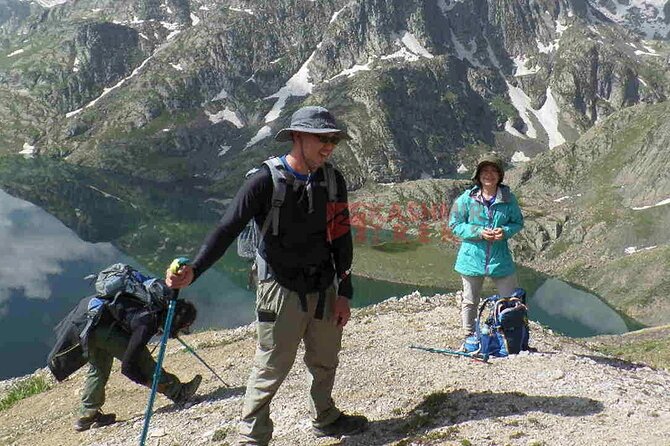
Kashmir’s Great Lakes Trek is a proper mountain journey, not a string of quick viewpoints. Over six walking days, you cross high passes, sleep beside rivers and lakes, and finish at Naranag, a Hindu pilgrimage site below the mountains. Vishansar, Gadsar, and Gangabal lakes give the trek its name and its finest scenery.
I like the practical setup: horses carry the tents and cooking gear, so you need only a day pack, and the price includes permits, equipment, meals, and transport. I also like the private format, which gives your group a guide and a pace suited to your ability. The main caution is the physical demand. You will walk up to 15 kilometers in a day, cross passes above 4,000 meters, and deal with changing mountain weather.
Key points to know before booking
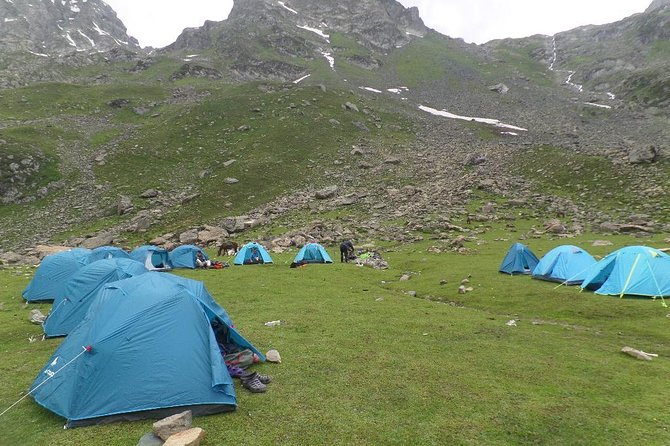
- Three major alpine lakes: Vishansar, Gadsar, and Gangabal are the clearest highlights, with smaller lakes and broad meadows along the route.
- High passes require stamina: Nichnai, Gadsar, and Zajibal passes reach roughly 4,080 to 4,180 meters.
- Your heavy gear goes by horse: Tents, sleeping bags, mats, blankets, poles, and cooking equipment are included and offloaded by horses.
- Six nights under canvas: Camps provide breakfast, lunch, dinner, tea or coffee, bottled water, and stove-cooked vegetarian food.
- A comfortable start and finish: You get one night in a deluxe Srinagar hotel or houseboat, with road transfers from Srinagar to Sonamarg and Naranag back to Srinagar.
- Weather affects the route: The trek requires suitable conditions, and monsoon weather can make rocky sections harder to cross.
Why the Kashmir Great Lakes Trek is worth your time
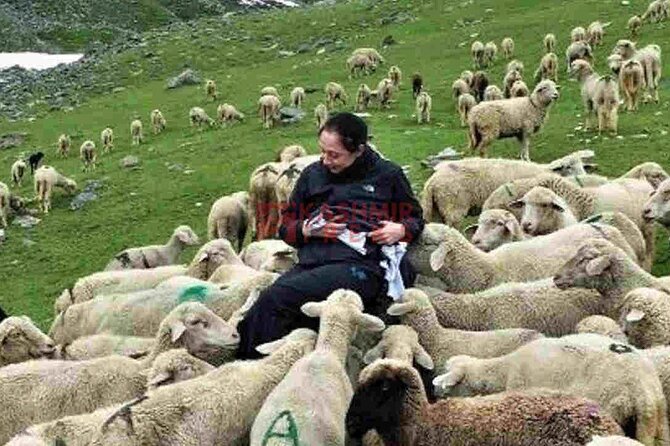
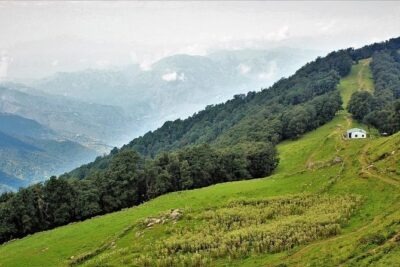
This trek takes you through a side of Kashmir that you cannot see from Srinagar’s roads or from a houseboat on Dal Lake. The route moves from Sonamarg’s river valley into open alpine country, where meadows, snow-covered peaks, and clear mountain lakes replace traffic and town life.
The walking is the heart of the trip. You do not simply arrive at Vishansar or Gangabal for a photo. You earn each lake by climbing through passes and crossing long stretches of high ground. That makes the scenery feel more rewarding, but it also means you should not treat this as a gentle sightseeing holiday.
At the listed price of $112, the package offers strong value on paper. Six nights of full-board camping, horses for equipment, permits, trekking gear, private transport, a guide, and one deluxe night in Srinagar are all included. You still need to pay for your flights or other travel to Kashmir, insurance, personal clothing, and staff tips. Since the price can depend on dates and arrangements, confirm the final inclusions before payment.
The private format matters. You are not tied to the pace of a large group, and the guide can help manage rest stops, difficult sections, and daily timing. The operator’s guide team includes people named Wajid, Ali, and Mudasir in trip arrangements, so it is sensible to ask who will lead your departure.
More Trekking Tours in India
- Half day trekking (munnar valley Trekking & Tours )
★ 5.0 · 310 reviews - Nag Tibba 2 Days Trek (Pantwari to Pantwari)
★ 5.0 · 274 reviews - Bhrigu Lake and Alpine Meadow Trek
★ 5.0 · 121 reviews
Day 1: Srinagar to Sonamarg and the first camp
Pickup begins at about 8:00 a.m. in Srinagar. The drive to Sonamarg covers roughly 100 kilometers and takes around three hours, with the road climbing from Srinagar’s altitude of about 1,600 meters to Sonamarg at approximately 2,610 meters.
Your first camp is beside the Sind River. This is a useful first night because you are not asked to start walking at once after arriving in Kashmir. You can settle into camp, meet the support team, have tea, and prepare for the higher route ahead.
The included meals begin here with tea and dinner. You sleep in a tent, not a hotel, unless your package arrangement places the Srinagar houseboat or hotel night elsewhere. Ask the operator to confirm the exact order of the hotel and camping nights.
Day 2: Sonamarg to Nichnai
The first full walking day covers about 11 kilometers and takes around seven hours. The route climbs from 2,610 meters to the Nichnai camp at roughly 3,450 meters.
This is where you begin to feel the altitude. The distance is manageable for someone with moderate fitness, but the climb and the rough mountain path can make the day tiring. Walk slowly, drink regularly, and do not use the private format as a reason to rush.
Nichnai is more than a place to sleep. It marks your move into the high mountain zone. The camp routine is simple: dinner cooked on a gas stove, tea or coffee, and a tent shared according to your booking arrangement. The food is vegetarian, so tell the operator about any dietary needs when you reserve.
Day 3: Nichnai Pass and Vishansar Lake
The route from Nichnai to Vishansar Lake covers about 12 kilometers and takes roughly seven hours. You climb over Nichnai Pass at around 4,080 meters before descending toward the lake at approximately 3,650 meters.
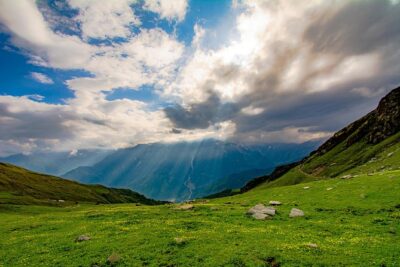
This is one of the key days of the trek. The pass gives you a broad mountain view, while Vishansar brings the first major lake reveal. Snow-covered peaks, open meadows, and still water create the kind of setting people come to Kashmir’s high country to find.
The descent is not automatically easy. After gaining height, you lose some of it, and the ground can be uneven. Keep your day pack light, but make sure it holds water, personal clothing, and anything you need during the walking day. Your larger equipment travels with the horses.
One of the trip accounts described a brief light display near Nichnai in the late afternoon. That kind of moment depends entirely on weather and timing, so treat it as luck rather than part of the schedule.
Another trail to compare in India:
- Har Ki dun Trek by Himalaya Shelter
★ 5.0 · 102 reviews - Wild Elephant Anakulam & Waterfalls Tour(munnar valley Trekking)
★ 5.0 · 98 reviews - Friendship Peak Trek
★ 5.0 · 94 reviews - Half Day Hiking in Munnar Trekking Tour
★ 5.0 · 89 reviews
Day 4: Vishansar to Gadsar over the highest pass
The fourth day is the longest and one of the hardest. You walk about 14 kilometers in approximately eight hours, moving from Vishansar at 3,650 meters to Gadsar at 3,550 meters by way of Gadsar Pass, which reaches about 4,180 meters.
The day asks for steady effort. You climb high, cross the pass, and then descend toward the Gadsar area. The reward is a chain of changing views, with the lake country opening and closing as the trail rises and falls.
This is also a good point to judge how well you are adapting to altitude. A moderate fitness level is required, but fitness alone does not prevent altitude trouble. Follow your guide’s advice, report headaches or unusual weakness, and do not hide symptoms to keep the group moving.
At camp, the full-board plan becomes especially useful. You do not need to cook, search for food, or carry several days of provisions. The support team handles the stove and camp kit while you focus on eating, resting, and preparing for the next day.
Day 5: Gadsar to Satsar
The fifth day is shorter, covering about nine kilometers in roughly five hours. You climb slightly from 3,550 meters to around 3,650 meters and reach Satsar.
This shorter stage gives your legs a break after the long Gadsar Pass crossing. It also leaves more time to enjoy the camp rather than arriving just before dark. The exact character of Satsar depends on the day’s conditions, but the route continues through the high meadows and lake country that define the trek.
Do not assume the shorter distance makes the day effortless. At this altitude, nine kilometers can still feel substantial, especially if the ground is wet or rocky. Good footwear matters, and personal clothing is your responsibility. Trekking poles are included, which can help on both climbs and descents.
Day 6: Satsar to Gangabal Lakes
The route from Satsar to Gangabal covers about 11 kilometers and takes roughly six hours. You climb from 3,650 meters over Zajibal Pass at about 4,080 meters, then descend toward Gangabal at approximately 3,580 meters.
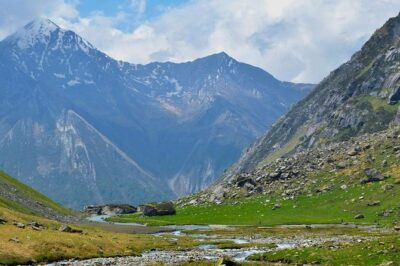
Gangabal is one of the trip’s major rewards and one of the best places to slow down. The lake sits among high peaks and open mountain country, giving you a strong final impression of the route before the descent to Naranag.
The descent matters. Going downhill for hours can be hard on knees and ankles, so use the supplied poles and take measured steps. Your guide can set a suitable pace because this is a private departure, but you should still be honest about how you feel.
The scenery here has drawn particular praise from people who have completed the route, including views toward snowy peaks and the Harmukh area. If conditions are clear, keep your camera ready. If clouds arrive, enjoy the mood rather than expecting a fixed postcard view.
Day 7: Gangabal to Naranag and back to Srinagar
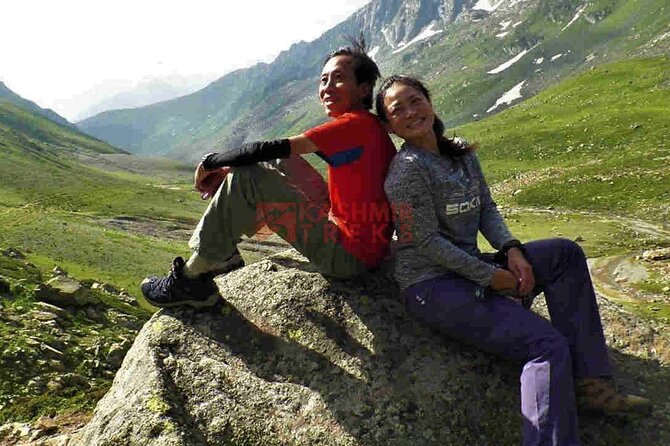
The last walking day covers about 15 kilometers and takes around six hours. You descend from Gangabal at 3,580 meters to Naranag at about 2,250 meters.
This is a long finish, but the direction is mostly downward. Naranag gives the trek a cultural ending, not just a transport stop. The village is known as a Hindu pilgrimage site, and the Naranag Temple is one of the listed stops. After days in remote mountain camps, reaching a settled place with religious importance gives the journey a clear sense of arrival.
After the trek, transport takes you back to Srinagar. The package includes breakfast, lunch, dinner, and transport on this day, though the exact return timing can vary with walking speed and road conditions. Keep some flexibility in your evening plans.
Day 8: Srinagar departure transfer
The final day is short and practical. You receive breakfast and a transfer to either the bus stand or Srinagar Airport.
The stated drive is about five kilometers and 20 minutes to the bus stand, or about 12 kilometers and 30 minutes to the airport. Those times are estimates, so do not schedule a tight onward connection without checking your pickup time with the operator.
Camping, food, horses, and equipment
The package includes six nights of tented accommodation in mountain camps. You receive tents, sleeping bags, mats, blankets, and trekking poles, plus the cooking utensils and LPG stove needed for camp meals.
Meals are cooked on the route and are vegetarian. Breakfast, lunch, dinner, tea or coffee, and bottled water are included. You should still bring personal snacks if you prefer familiar food during long walking days, though food beyond the listed package is not specified.
The horses are one of the most useful inclusions. They carry the tents and other heavy camp supplies, allowing you to walk with a day pack rather than a full expedition load. You still need to bring your own clothing and personal equipment, including whatever you need for cold, wet, or changing conditions.
Permits and wildlife permits are included, as is first aid. That reduces the amount of planning you need to do before arrival. It does not replace travel insurance, which remains your responsibility.
Who should book this trek
I would recommend this trip to you if you want a serious week of mountain walking with organized support. It suits people who enjoy long days outdoors, basic tented nights, high passes, and scenery that changes with every climb.
It is also a good fit if you want to reduce the burden of logistics. The operator handles road transfers, permits, camp equipment, food, and horse support. The private setup is useful for couples, families with suitable fitness, and small groups that prefer their own schedule.
I would not choose it for a relaxed Kashmir holiday. The 14-kilometer and 15-kilometer days are long, and three passes rise above 4,000 meters. You should be comfortable with sustained walking and should understand that the weather can affect the route.
Timing deserves care. One account noted that early March and April can be favorable, while monsoon conditions can make rocky sections difficult. Another successful trek took place in October, although that was late in the season and depended on good weather. Ask about current trail conditions before you book rather than relying on a single ideal month.
Booking details and final advice
A passport is required on the day of the trip, and you must provide each participant’s passport name, number, expiry date, and country at booking. Confirmation is issued when you reserve, and pickup begins around 8:00 a.m. The activity is private, and mobile tickets are accepted.
Cancellation is free up to 24 hours before the start time for a full refund. If poor weather forces cancellation, you are offered another date or a full refund. Changes made within 24 hours are not accepted, so keep the local cutoff time in mind.
Should you book the Kashmir Great Lakes Trek?
Book it if your priority is high-altitude scenery with the practical support of horses, camp cooks, permits, and private guiding. The combination of Vishansar, Gadsar, and Gangabal, followed by Naranag Temple, gives you a varied route with both natural and cultural interest.
Before paying, confirm the assigned guide, the exact hotel or houseboat night, the departure date, the current trail conditions, and what personal equipment you must supply. If you are fit enough for six long mountain days and are comfortable sleeping in tents, the $112 package offers an unusually full set of inclusions. If you want soft beds, short walks, or guaranteed clear skies, choose a different Kashmir plan.
FAQ
How long does the Kashmir Great Lakes Trek last?
The experience lasts approximately eight days, including transport from Srinagar to Sonamarg, six trekking days, the return to Srinagar, and the final departure transfer.
Where does the trek begin and end?
The walking route begins at Sonamarg and ends at Naranag. Transport is provided from Srinagar to Sonamarg at the start and from Naranag back to Srinagar after the trek.
Which lakes are visited?
The stated route includes Vishansar Lake, Gadsar Lake, and Gangabal Lakes. These are the main named lake stops on the trek.
How high are the mountain passes?
Nichnai Pass reaches about 4,080 meters, Gadsar Pass reaches about 4,180 meters, and Zajibal Pass reaches about 4,080 meters.
What is included in the price?
The package includes private transportation, one deluxe hotel or houseboat night in Srinagar, six nights of full-board tented camping, trekking gear, cooking equipment, horses to carry camp gear, permits, first aid, meals, tea or coffee, and bottled water.
Do I need to carry all my own equipment?
No. Horses carry the camp equipment and other heavy gear. You still need to bring your own personal clothing and equipment, and you carry a day pack while walking.
What kind of food is provided?
The trek provides stove-cooked vegetarian meals, including breakfast, lunch, and dinner. Tea or coffee and bottled water are also included. Dietary requirements should be provided when booking.
How fit do I need to be?
You should have a moderate level of physical fitness. Daily walks range from about nine to 15 kilometers, and the route crosses passes above 4,000 meters.
Can I cancel if the weather is poor?
If the experience is canceled because of poor weather, you are offered a different date or a full refund. For your own cancellation, you must cancel at least 24 hours before the start time to receive a full refund.
Latest treks added in India
- Jogini Waterfall Trek from Manali★ 5.0 · 2 reviews
- Prashar Lake Trek★ 5.0 · 7 reviews
- Kasol + Kheerganga Trek 3D/2N, all inclusive with BanBanjara★ 3.5 · 3 reviews
- 8 Days Markha Valley Trek: Shared Tour with Meals Included★ 5.0 · 3 reviews
- Ladakh Sham Valley Trek★ 5.0 · 7 reviews
- Ladakh One Day Trek- Gyamtsa to Phyang Village★ 5.0 · 4 reviews
- 1 Day Activity Adventure Trekking Kerala★ 5.0 · 5 reviews
- Kolukkumalai Trekking with Night stay in Tent★ 5.0 · 2 reviews
India Trekking Tours, compared.
Wild Elephant Anakulam & Waterfalls Tour(munnar valley Trekking)
Read our review →
Browse the lists this tour appears in