
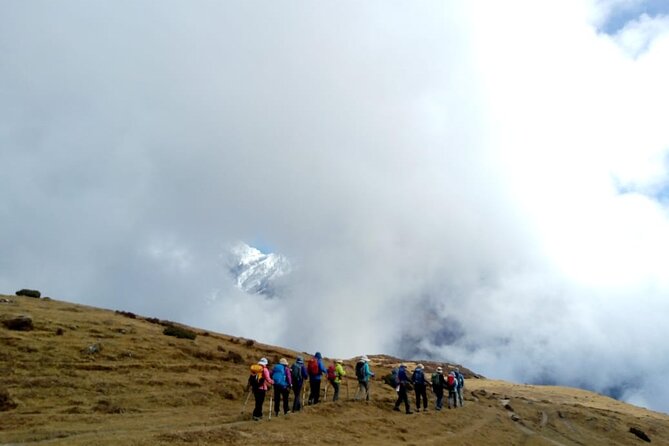
REVIEW · INDIA
Darjeeling Singhalila Sandakphu Trek
Sandakphu is the prize here: at 11,929 feet, it is the highest point in West Bengal and the Singalila Ridge. The route mixes Darjeeling sights with demanding ridge walking, forest trails, small settlements, and big Himalayan views. I especially like the sunrise start at Tiger Hill and the chance to camp along the India-Nepal border.
I also like that the price includes private transport, meals, park fees, porters, and several nights of camping. The main caution is physical effort: steep climbs, rough tracks, high altitude, and basic camp conditions make this a poor fit for anyone seeking an easy holiday.
Key points to know before booking
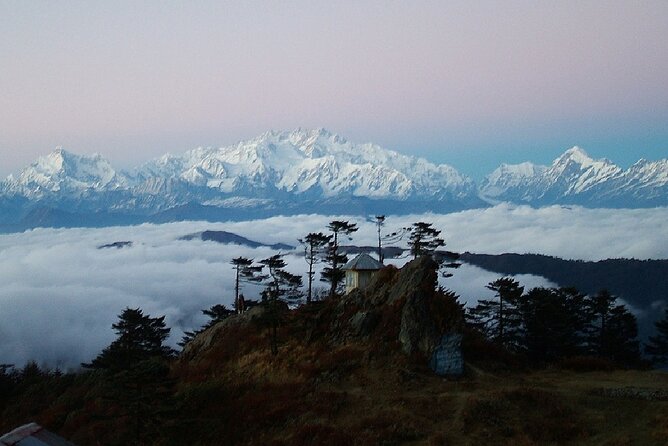
- Sandakphu reaches 11,929 feet, with possible views toward Kanchenjunga, Everest, Lhotse, and Makalu.
- Tiger Hill begins at about 4:00 AM, followed by Darjeeling’s monastery, mountaineering institute, and high-altitude zoo.
- The trek crosses the Singalila Ridge, where you may walk on both the Indian and Nepalese sides of the border.
- Four nights are spent in camps, with one lodge night during the trek and hotel nights in Darjeeling and Kalimpong.
- The private package includes an English-speaking guide, porters, assistants, transport, meals, snacks, water, and entrance fees.
- The route is demanding and weather-sensitive, so the schedule can change for safety, comfort, road conditions, or fitness levels.
What makes this Darjeeling and Sandakphu trip special
This is not just a peak climb. It is a two-part journey. The first part gives you Darjeeling’s classic viewpoints and cultural sights. The second moves into the Singalila Ridge, where the road gives way to forest paths, small villages, rough jeep tracks, and camps with wide mountain views.
Sandakphu is famous because it offers an unusual Himalayan panorama. On a clear day, you can look toward Kanchenjunga and also see Everest, Lhotse, and Makalu in the distance. Clear weather is never guaranteed, so you should treat the views as a reward rather than a promise. Clouds can change the experience quickly.
The route also has a strong borderland character. The Singalila Ridge forms part of the boundary between India and Nepal, and the trek sometimes moves from one country to the other. That detail gives the walk a sense of place that a standard Darjeeling sightseeing trip cannot provide.
More Trekking Tours in India
- Half day trekking (munnar valley Trekking & Tours )
★ 5.0 · 310 reviews - Nag Tibba 2 Days Trek (Pantwari to Pantwari)
★ 5.0 · 274 reviews - Bhrigu Lake and Alpine Meadow Trek
★ 5.0 · 121 reviews
Days 1 and 2: Bagdogra arrival and Darjeeling’s early starts
Your trip begins with a pickup at Bagdogra Airport, also called IXB. The drive to Darjeeling takes about three hours, followed by hotel check-in and free time. This first day is useful for settling in, but it is not a full sightseeing day.
Day 2 starts very early, around 4:00 AM, with a drive to Tiger Hill. At about 8,442 feet, Tiger Hill is known for sunrise views over Kanchenjunga. The higher peaks can appear gradually as the light changes, and the viewpoint may also reveal Everest, Makalu, Lhotse, Kabru, and Pandim when conditions are clear.
This early departure is worth noting. You will need to sleep early, and the mountain air can feel cold before sunrise. Still, it is a smart opening to the trip because it gives you a major view before the trek begins.
After Tiger Hill, you visit Yiga Choling Monastery in Ghoom. The stop adds a cultural element to a morning otherwise focused on scenery. After breakfast, the day continues to the Himalayan Mountaineering Institute and Padmaja Naidu Himalayan Zoological Park.
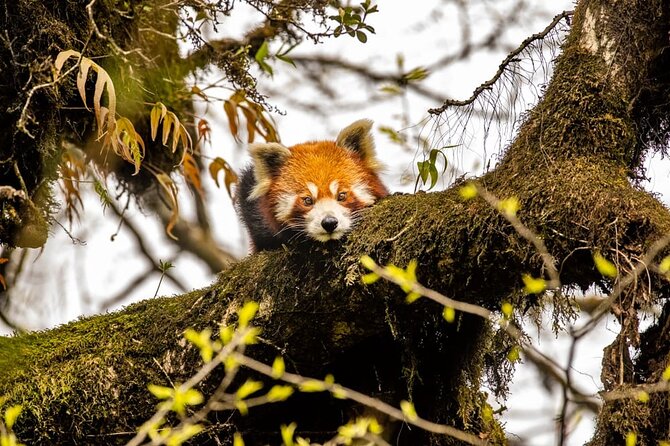
The zoo is known for its high-altitude breeding work, including snow leopards and red pandas. I like this pairing because it gives you some context for the region’s mountain environment rather than treating Darjeeling as only a viewpoint town. The full day lasts about seven hours, and the early start makes it a tiring one.
Day 3: From Srikhola to Gurdum
After breakfast, you drive toward Srikhola and begin walking to Gurdum. The drive and hike together take about seven hours. Gurdum is described as the starting point for the Sandakphu trek, so this is where the trip shifts from sightseeing to trail life.
The overnight stop in Gurdum gives you a village-based beginning rather than dropping you directly into a high camp. You should expect a simple mountain setting and a change in pace. Road time is still part of the day, so do not assume every hour is spent walking.
This is also a good point to judge how your body feels. The next day brings the hardest sustained ascent of the route. Use the evening to organize your daypack, check your footwear, and keep the items you need close at hand.
Day 4: The hard climb to Sandakphu
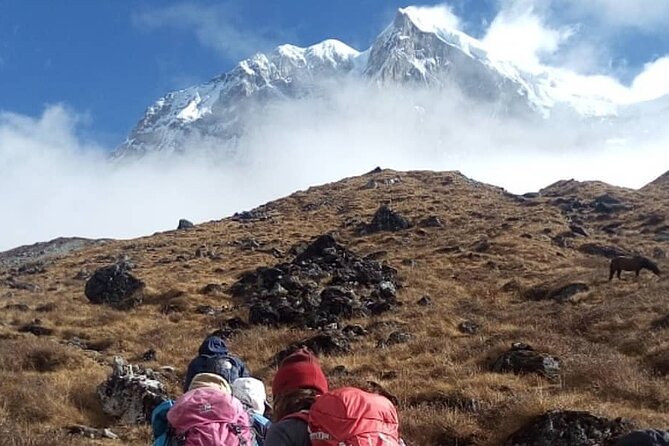
Day 4 is the physical center of the tour. The trail climbs steeply in places through forest before reaching the Singalila Ridge. It then continues through rhododendron forest toward Sandakphu, the highest point of the trek.
The walking day is listed at about six hours, but the altitude and uphill sections matter more than the clock. Sandakphu reaches 11,929 feet, so even a moderate distance can feel slow. You should be ready for a steady pace, short breaks, and changing weather.
At the summit, a small village has a few hotels. After lunch, the route continues on a rough jeep track toward Chandu, where you camp at about 11,715 feet. This is not a polished mountain resort experience. The value is in the setting, the altitude, and the views, not in comfort.
On a clear day, Sandakphu gives you the trip’s most impressive mountain outlook. Kanchenjunga rises ahead, while Everest, Lhotse, and Makalu appear farther away. If cloud covers the peaks, the climb still reaches the highest point of the trip, but the visual payoff will be reduced.
Another trail to compare in India:
- Har Ki dun Trek by Himalaya Shelter
★ 5.0 · 102 reviews - Wild Elephant Anakulam & Waterfalls Tour(munnar valley Trekking)
★ 5.0 · 98 reviews - Friendship Peak Trek
★ 5.0 · 94 reviews - Half Day Hiking in Munnar Trekking Tour
★ 5.0 · 89 reviews
Day 5: Ridge walking, Sabargam, and the India-Nepal border
The next day follows the Singalila Ridge toward the Phalut area. The trail rises and falls rather than climbing in one long push. You walk through chestnut, oak, and silver fir trees, with dwarf rhododendrons and primulas adding color in spring.
The border is part of the experience. At times, your path crosses from India into Nepal and back again. This is one of the route’s most distinctive features, and it gives the day a stronger sense of place than a standard out-and-back climb.
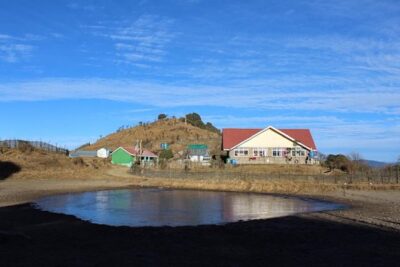
The overnight camp is described at Sabargam, around 11,601 feet. It is a high, exposed camping stop with wide views and hopes for sunset and sunrise over the Himalayan peaks. Conditions at this height can be cold, windy, or cloudy, so pack for basic camping rather than assuming mild spring weather.
The schedule labels this day with Phalut, while the overnight details name Sabargam. That may reflect a route point and a camp location, but I would confirm the exact walking plan and sleeping place before departure.
Day 6: Phalut, Samaden, and a long descent
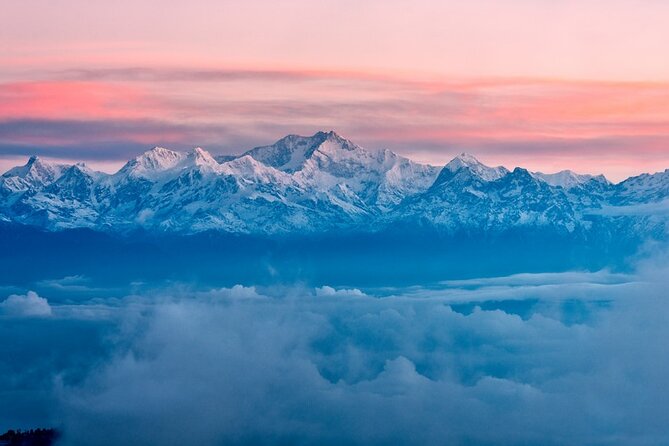
Day 6 continues along the ridge toward Phalut, which sits at about 11,810 feet. A viewpoint behind the lodge gives broad views toward Kanchenjunga and other Himalayan peaks. The Everest range is farther away, while Kanchenjunga remains the dominant sight.
After Phalut, the trail descends toward Samaden through oak, conifer, pine, and rhododendron forest. The descent is described as especially scenic, but downhill walking can be hard on knees and ankles after several days on the trail.
The overnight camp is in Samaden, a small settlement at around 8,135 feet. This lower sleeping altitude should feel easier than the high camps, although the day still includes about six hours of walking.
The itinerary also uses the name Gorkhey for this stage. Since the day description refers to both Gorkhey and Samaden, ask the operator to confirm the actual overnight village. This is a small planning detail, but it helps you know where your bag and sleeping arrangements will be.
Day 7: Farmland, villages, and the end of the trek
The final trekking day runs from Gorkhey or Samaden to Rimbick. The route passes through small hamlets and farmland before reaching the lodge in Rimbick. After the high ridge, this lower village section gives you a gentler look at daily life in the hill country.
The listed walking time is about six hours. It is still a full day on foot, even though the major ascent and highest point are behind you. At night, the team holds a trek closing ceremony. That provides a clear finish to the walking portion before the trip returns to road travel.
Accommodation changes from camp to lodge here. That usually matters after several nights outdoors, especially if you want a more settled evening before moving on to Kalimpong.
Day 8: Rimbick to Kalimpong and Durpin Monastery
After breakfast, you leave by vehicle for Kalimpong. The drive takes about five hours, so this is mainly a transfer day with a cultural stop.
The visit is to Zang Dhok Palri Monastery on Durpin Hill. The monastery was consecrated by the Dalai Lama and is known for Buddhist architecture and its outside row of prayer wheels. Its hilltop setting gives the stop a different feel from the forests and ridge camps of the previous days.
You then check into a hotel and have the rest of the day free. That pause is useful. After the trek, you may prefer a quiet evening rather than another packed sightseeing schedule.
Day 9: The road back to Bagdogra
The final transfer goes from Kalimpong to Bagdogra Airport. The drive covers about 80 kilometers and takes roughly three to four hours.
Do not schedule a very tight onward flight without allowing room for road delays. The tour includes a private air-conditioned luxury vehicle, but mountain and hill roads can still affect timing. The activity ends back at Bagdogra Airport.
What the $1,031.51 price includes
At $1,031.51 per person, this is not a budget walk, but the price covers a great deal for a private nine-day package. You get airport pickup and transfers, an air-conditioned private vehicle, hotel stays, four nights of camping, one lodge night during the trek, meals, entrance fees, parking, fuel surcharge, and GST.
The trekking support is also important. The package includes one English-speaking tour and trek guide, plus porters and assistants according to group size. The guide information names Jo in the formal arrangements, while Kunal, Rajesh, and Robin are also associated with the service and trek support. If a particular guide matters to you, confirm who will lead your dates.
Food coverage is broad: eight breakfasts, seven lunches, and eight dinners are included. Lunches are taken at local restaurants when appropriate, and the trek portion includes water, juice, and small snacks such as cake, biscuits, fruit, and chocolate.
That means the price is easier to justify if you value planning and support. You are not arranging separate mountain transport, park permits, porters, camps, and meals. On the other hand, the package does not include every possible extra, so anything outside the stated inclusions is your responsibility.
Camping, fitness, and what to pack for mentally
The tour calls for moderate physical fitness, but I would read that as a real requirement rather than a casual suggestion. The route includes steep climbs, high altitude, six-hour walking days, rough jeep tracks, and several nights in camps. It is specifically not recommended for senior citizens.
Comfort is basic once you leave the hotels. You should expect camp accommodation rather than hotel rooms, and the information does not promise onboard restrooms or WiFi. The absence of onboard WiFi is less important in the mountains than the lack of guaranteed convenience, so be ready for simple facilities.
The operator supplies a bottle of mineral water and juice each day, plus trek snacks. You should still confirm your own packing list before leaving, especially for warm layers, rain protection, personal medication, and suitable walking gear. Those items are not listed as supplied.
Weather, road conditions, and fitness can change the plan. The operator reserves the right to adjust the schedule for safety, comfort, and general well-being. That flexibility is sensible on a high mountain route, but you should avoid making rigid plans around every exact overnight stop.
Guide support and the private format
This is a private activity, so only your own group participates. That can be a major advantage on a physically demanding trek. You can discuss pace, rest stops, and route changes with your own support team instead of matching an unfamiliar large group.
Kunal is described as patient during the planning stage, especially when different versions of the trek were considered. That matters because the route can be adjusted before the trip, and the four-day Sandakphu option has apparently been discussed as an alternative.
During the trek, Kunal and Rajesh are associated with attentive support, while Robin is named as a guide who helped with the walking experience. The formal package also identifies Jo as an English-speaking tour and trek guide. Because several names appear in the arrangements, confirm the final team and roles before you pay.
The activity has only two recorded ratings, but both are five-star ratings. That is encouraging, especially alongside the specific praise for planning patience, friendly support, and information about Darjeeling’s history, plants, and animals. The small number of ratings means I would treat this as useful evidence, not a guarantee.
Booking rules and practical checks
A minimum of two people per booking is required. You need a current passport or visa and four passport-size photographs at least one month before the tour date.
Confirmation is normally sent at booking, though reservations made within nine days of travel may take up to 48 hours and remain subject to availability. The operator also notes that satellite phones and GPS devices are not allowed in protected and restricted areas in parts of Sikkim and Darjeeling Himalayan regions.
The cancellation terms are strict close to departure. Cancel at least six full days ahead for a full refund. A cancellation two to six full days before the start may receive a 50 percent refund, while cancellation less than two full days before the start receives no refund. Cutoff times use local time.
Should you book the Sandakphu trek?
Book this if you want a supported Himalayan trek with a private vehicle, a guide team, included meals, and a route that combines Darjeeling, high ridge camps, village paths, and Kalimpong. The Sandakphu viewpoint and the India-Nepal border walking give it more character than a simple Darjeeling sightseeing package.
Think twice if you need comfortable accommodation, reliable connectivity, or an easy walking holiday. I would also confirm the exact guide, camp locations, and daily route before booking, since the schedule uses several names for the same trekking stages.
For a fit pair or small private group ready for basic camping and steep mountain days, the price offers solid coverage and strong scenery. For everyone else, Darjeeling without the trek may be the wiser choice.
FAQ
Where does the tour begin and end?
The tour begins at Bagdogra Airport in India and ends back at Bagdogra Airport after the transfer from Kalimpong.
How long is the experience?
The trip lasts approximately nine days, including Darjeeling, the Sandakphu trek, Kalimpong, and airport transfers.
What is the highest point of the trek?
Sandakphu is the highest point at about 11,929 feet. It is the highest point in West Bengal and on the Singalila Ridge.
Is this a private tour?
Yes. Only your own group participates, and a minimum of two people per booking is required.
What accommodation is included?
The package includes hotel accommodation in Darjeeling and Kalimpong, four nights in camps, and one lodge night during the trek.
Are meals and trekking support included?
Yes. The package includes breakfast, lunch, dinner, an English-speaking tour and trek guide, porters, assistants according to group size, daily water and juice, and supplementary trek snacks.
Latest treks added in India
- Jogini Waterfall Trek from Manali★ 5.0 · 2 reviews
- Prashar Lake Trek★ 5.0 · 7 reviews
- Kasol + Kheerganga Trek 3D/2N, all inclusive with BanBanjara★ 3.5 · 3 reviews
- 8 Days Markha Valley Trek: Shared Tour with Meals Included★ 5.0 · 3 reviews
- Ladakh Sham Valley Trek★ 5.0 · 7 reviews
- Ladakh One Day Trek- Gyamtsa to Phyang Village★ 5.0 · 4 reviews
- 1 Day Activity Adventure Trekking Kerala★ 5.0 · 5 reviews
- Kolukkumalai Trekking with Night stay in Tent★ 5.0 · 2 reviews
India Trekking Tours, compared.
Wild Elephant Anakulam & Waterfalls Tour(munnar valley Trekking)
Read our review →
Browse the lists this tour appears in