
REVIEW · KENYA
Conquer Mount Kenya: Mt Kenya Trekking via Chogoria 4-5 days
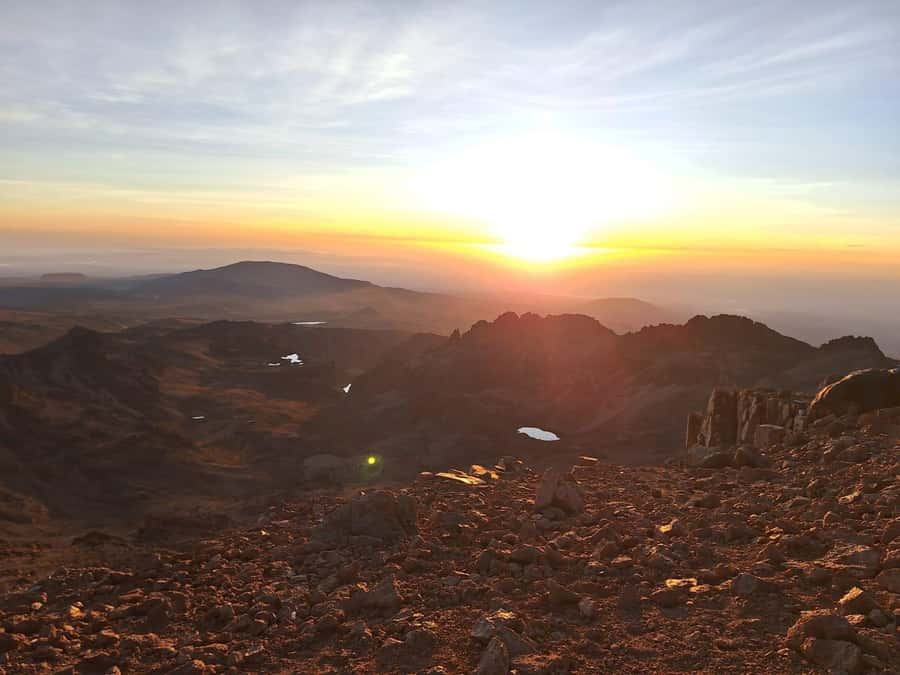
Mount Kenya saves its best trick for the early morning: after a hard climb in the dark, you reach Point Lenana at 4,985 metres just as the sun lifts over central Kenya. The Chogoria route adds a fine approach, with Nithi Falls, Lake Ellis, high moorland, and a crossing to the Sirimon side.
I like the private-group format, which gives you more control over pace and support, and I like that a cook and porters are part of the team rather than an afterthought. The main caution is altitude and cost: the advertised $847 price excludes Mount Kenya National Park fees, adding $280 for four days or $350 for five days if the daily $70 charge applies throughout.
Key points to know before you book
- Point Lenana sunrise: Reach Mount Kenya’s highest trekkable summit point at 4,985 metres.
- Chogoria’s scenic approach: See Nithi Falls, forest, moorland, and Lake Ellis before the summit push.
- High camp at Minto’s Hut: Sleep at about 4,200 metres before the most demanding day.
- A full support team: A professional guide, cook, and porters handle much of the practical work.
- A one-way mountain crossing: The example route begins at Chogoria Gate and ends at Sirimon Gate.
- A real altitude challenge: This trip is for fit adults, not a casual hill walk or family outing.
Why the Chogoria route makes Mount Kenya special
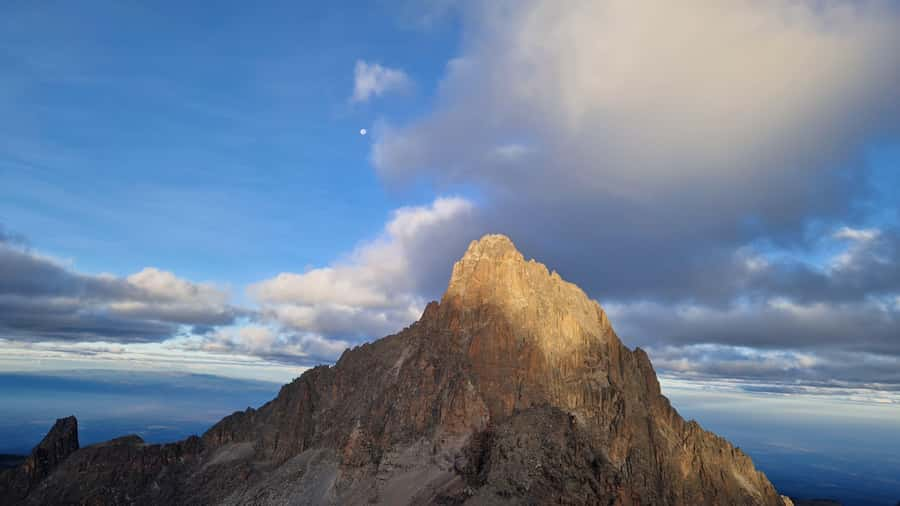
Mount Kenya is Africa’s second-highest mountain, but you do not need technical climbing equipment to reach Point Lenana on this route. The reward comes through steady walking, cold mornings, thin air, and a long summit day.
Chogoria gives the trip a pleasing sense of progress. You begin among montane forest, pass the power of Nithi Falls, and continue toward open moorland and rocky high country. The scenery changes as you gain height, so the walk feels like a proper crossing rather than a single uphill slog.
The route ends at Sirimon Gate, giving you a different descent from your approach. That matters because a one-way route keeps the scenery changing and makes the mountain feel larger. You will not simply walk up and turn around on the same path.
The supplied plan is a four-day journey, while the operator also offers a five-day option. The extra day is intended to help with acclimatization, but the exact five-day schedule is not provided, so ask for the detailed route before paying. At this altitude, one additional day can make the difference between enjoying the summit and merely surviving it.
More five-day treks in the world
- Annapurna base camp trek 5 Days
★ 5.0 · 252 reviews - Kathmandu to Annapurna Base Camp (ABC) 5-Day Trek
★ 5.0 · 102 reviews - Machu Picchu: 5-Day Salkantay Trek with Panoramic Train
★ 5.0 · 79 reviews
Day 1: Chogoria Gate, Nithi Falls, and Lake Ellis
Your first day starts with transport from Chogoria town to Chogoria Gate. Round-trip transport to and from Nairobi is included, with hotel pickup and drop-off available as part of the arrangement. Pickup details should be confirmed directly, since the information describes pickup as optional.
After lunch, you begin walking toward Nithi Falls. This is an excellent first feature because it gives you a memorable sight before the highest sections begin. Water drops through thick vegetation, and the falls provide a refreshing contrast to the exposed heights ahead.
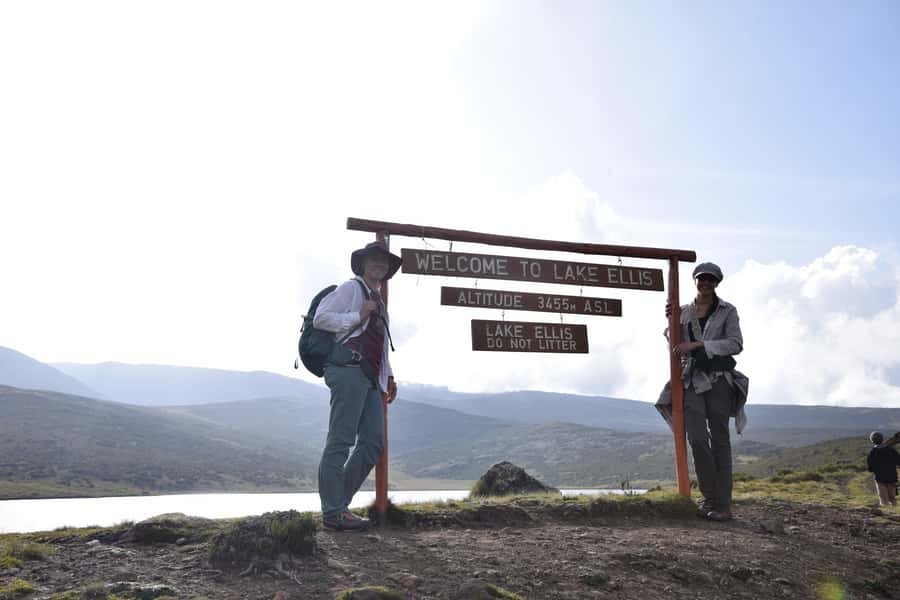
From Nithi Falls, the trail continues toward Lake Ellis camp at about 3,550 metres. This is not a gentle stroll in the usual holiday sense. Even on day one, you are gaining height, and your body may begin to notice the thinner air.
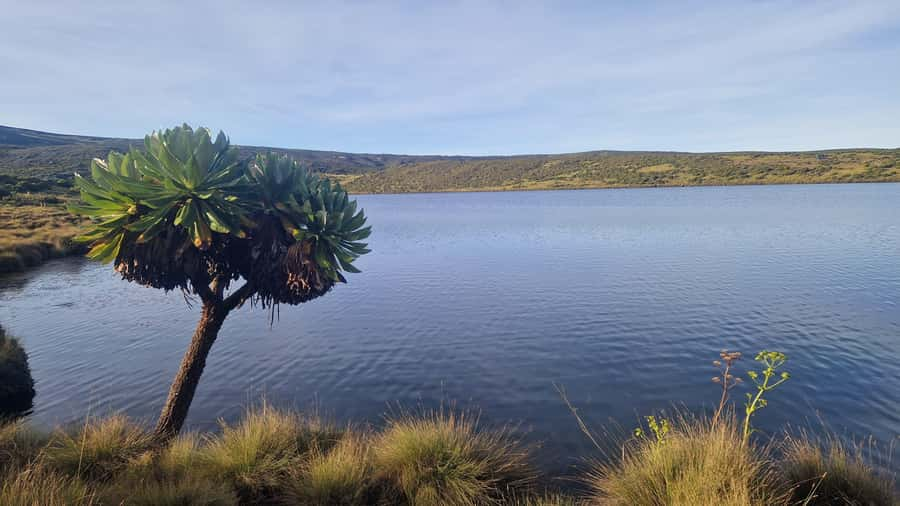
Lake Ellis is one of the trip’s strongest overnight settings. You camp beside a mountain lake with broad views and a quiet evening under the stars. The combination of water, high country, and open sky gives this night a real sense of place.
Your support team prepares breakfast, lunch, dinner, snacks, tea, and coffee. That is useful here because you can focus on walking and resting instead of carrying a full supply of food or trying to prepare meals after a tiring climb.
Bring warm clothing even if Nairobi feels hot when you leave. Temperatures change sharply with altitude, and the provided packing advice is sensible: warm layers, hiking shoes, sunglasses, sunscreen, comfortable clothing, and a change of clothes.
Day 2: Climbing to Minto’s Hut at 4,200 metres
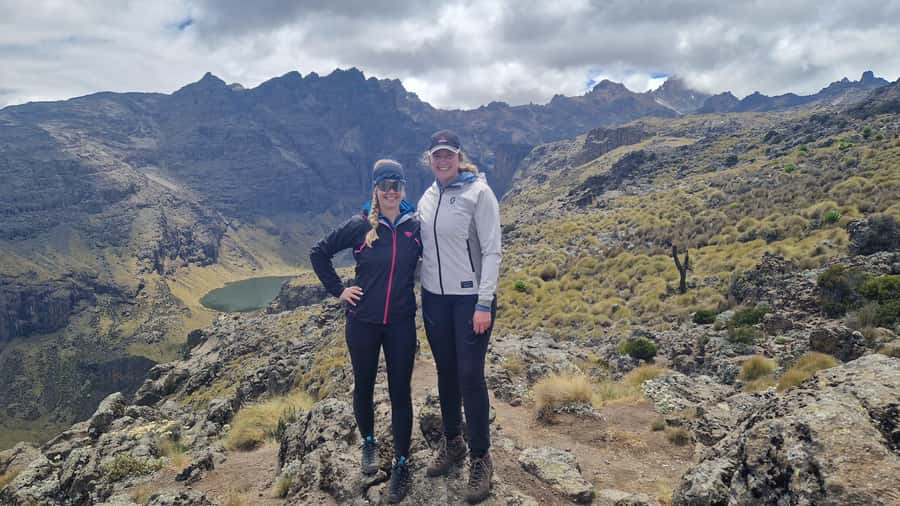
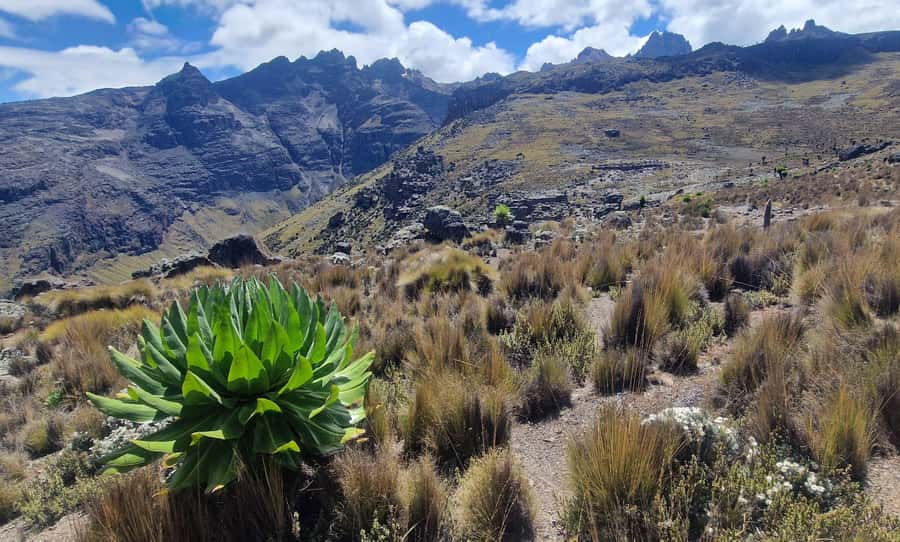
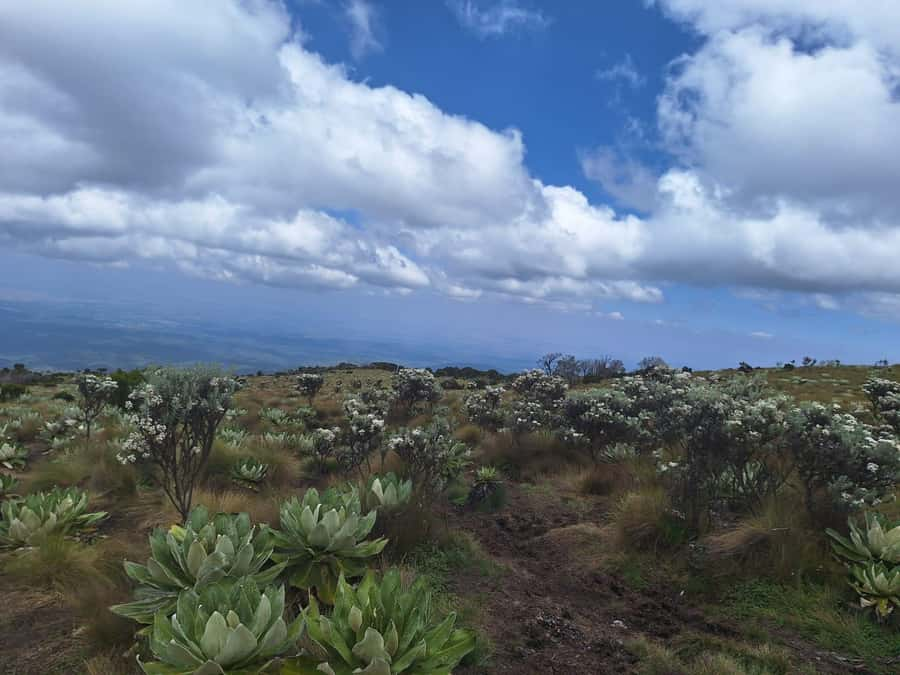
Day two takes you higher, toward Minto’s Hut at about 4,200 metres. The forest gives way to moorland, and the character of the walk changes. You have fewer trees for shelter, more open views, and a stronger sense that the summit is now the main objective.
This is a challenging day. The distance is not supplied, so I would avoid judging it by kilometres alone. At altitude, a moderate climb can feel slow, and your guide will be important in setting a sensible pace.
Minto’s Hut marks a major point in the trip. Reaching it means you have already climbed well above Lake Ellis and are close to the summit zone. The sunset views are described as a highlight, giving you a chance to pause and take in the high mountain setting before an early night.
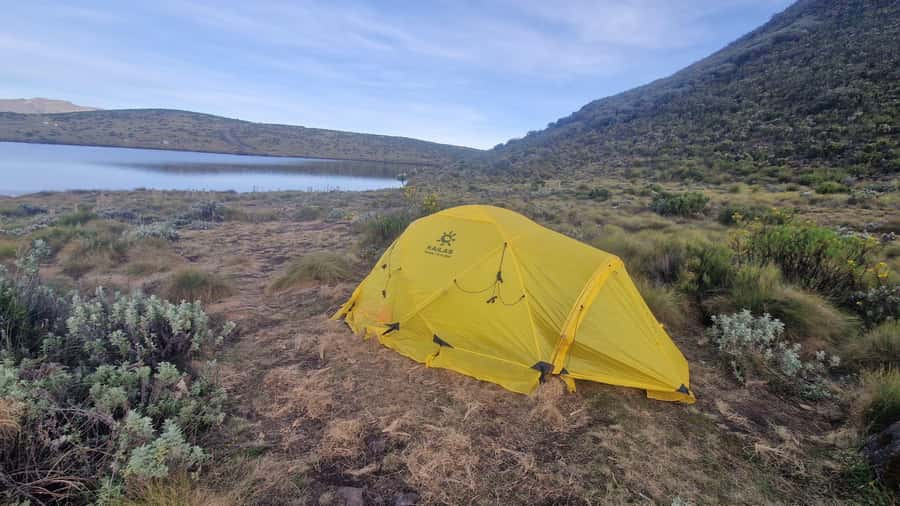
The camp or cabin arrangement depends on the exact plan and conditions. Accommodation is listed as mountain cabins or camping in the park. Ask what is planned for your departure date, and ask what personal sleeping equipment you need to bring.
The altitude deserves respect. You should tell your guide promptly if you feel unwell, rather than trying to hide symptoms to keep up with the group. The package includes emergency support, basic first aid, and transport to a hospital in an emergency, but those services are a safety net, not a substitute for honest communication.
Day 3: The pre-dawn climb to Point Lenana
The summit push begins before dawn. You climb in darkness toward Point Lenana, the highest point included in this trekking itinerary. Reaching the top at 4,985 metres in time for sunrise is the emotional center of the trip.
The timing is demanding. You leave a warm sleeping place, walk in the cold, and climb when your body is already tired from two days on the mountain. The payoff is the changing sky as daylight spreads across the summit area.
Point Lenana is not described as a technical climbing peak, but it is still a serious high-altitude goal. You need sturdy hiking shoes, warm clothing, sunglasses for the strong light, and sunscreen for the exposed sections. Keep your pack practical and light, since porters carry the camping equipment and food.
After celebrating at the summit, you descend to Shipton Camp for breakfast. This order is helpful: you make the hard climb first, then eat properly once you are back at camp. From there, the route continues down through changing mountain country to Old Moses Camp.
Day three is likely the toughest day because it combines an early start, the summit ascent, and a long descent. Do not judge the day only by the joy of reaching Point Lenana. You still need energy, patience, and care in your legs for the hours afterward.
Old Moses Camp provides the final night on the mountain in the four-day plan. It is a practical stopping point after the summit, allowing you to rest before the walk out to Sirimon Gate.
More Trekking Tours in the world
- Mount Etna: Trek to 3000m with cable car and 4×4
★ 4.6 · 3,823 reviews - Bali: Mount Batur Sunrise Trek With Guide and Breakfast
★ 4.8 · 3,461 reviews - From Chania: Full-Day Samaria Gorge Trek Excursion & Guide
★ 4.6 · 3,191 reviews - Mount Etna: Summit Crater Trek with Cable Car
★ 4.8 · 1,875 reviews
Day 4: Descending to Sirimon Gate
The final day is a scenic walk down Mount Kenya’s slopes toward Sirimon Gate. After the exposed high country, the descent gives you time to notice the changing vegetation and breathe more easily as you lose altitude.
Downhill walking is often underestimated. Your lungs may feel better, but tired knees and feet can make the final hours uncomfortable. Trekking poles are not listed among the required items, so ask the operator if they are available or permitted, especially if you know descents are hard on your joints.
Sirimon Gate completes the crossing from the Chogoria side. You finish with the satisfaction of having seen different parts of Mount Kenya, rather than returning along the same route.
The included transport arrangements should take you back toward Nairobi, with hotel drop-off included in the package. Confirm the expected return timing before the trek, since a four-day mountain schedule can be affected by walking pace, weather, and the group’s condition.
What the guides, cook, and porters add
The support team is one of the strongest reasons to consider this trek. You receive the services of a professional guide and cook, along with porters who carry camping equipment and food.
The guide’s role is especially important on the summit morning. You need someone to manage pace, route decisions, and safety while the group is moving in darkness and dealing with altitude. The English-language tour is operated as a private group, so you should have a more direct relationship with the guide than on a large shared departure.
The cook changes the daily rhythm for the better. Three freshly cooked meals are included each day, along with snacks, tea, and coffee. At altitude, regular food and hot drinks are not luxuries. They help you maintain energy and morale when the walking becomes hard.
The porter service also affects how the trip feels. You still carry your personal daypack, but you are not expected to haul the full camping setup and food supply. Pack respectfully and keep your own luggage reasonable. The provided information does not specify porter weight limits or tipping arrangements, so ask about both before departure.
A verified February 2025 booking praised the mountain team and the organization, while also pointing out that price changes should be passed on clearly and that the route plan should be explained before booking. That is useful advice. Ask for the exact five-day itinerary, the current park fee, and any possible extra charges in writing.
Is $847 good value for this mountain trek?
The base price is $847 per person. At first glance, that is a substantial amount, but it covers several costly and useful elements: professional guiding, cooking, porters, three meals a day, park accommodation or camping, transport from Nairobi, and emergency support.
The major extra is the Mount Kenya National Park entry fee, listed at $70 per person per day. If that fee applies for all four days, add $280, bringing the practical total to at least $1,127 per person. For five days, the park fee would add $350, bringing the minimum to at least $1,197.
That calculation should be confirmed before booking because the fee structure and final duration may affect the total. Personal expenses are not included either. The information does not list equipment rental, tips, extra drinks, or other possible costs, so ask what you need to supply yourself.
I see the value in the package if you want a private crossing with a dedicated support team and Nairobi transport. It is less attractive if you already have camping equipment, local transport, and a qualified mountain guide arranged separately.
The reserve-now, pay-later option gives you some flexibility, and cancellation is free up to 24 hours before departure for a full refund. Still, flexible payment does not remove the need to check the final price and route details.
Who should choose the four-day or five-day option?
The four-day route suits a fit adult who is comfortable with long uphill walks and a demanding summit day. It is the faster option, but the schedule leaves less time for acclimatization.
The five-day option is the safer choice for someone who wants a slower rise in altitude. Since its exact itinerary is not supplied, request the day-by-day plan before choosing it. Ask where the additional night is spent and how much extra walking it adds.
This trek is not suitable for children under 18, pregnant women, wheelchair users, people with heart problems, or people who are afraid of heights. Those restrictions are sensible given the altitude, uneven ground, and remote mountain setting.
You should also be comfortable with basic camping or mountain cabin conditions. The package provides accommodation, but it is not a hotel-based holiday. Nights at 3,550 metres and 4,200 metres require warm clothing and a willingness to accept simple facilities.
What to pack for Mount Kenya
Start with the essentials listed for the trip: passport or ID card, warm clothing, sunglasses, a change of clothes, hiking shoes, sunscreen, and comfortable clothes.
Your warm clothing matters most. The summit start is before dawn, and the high camps are cold. Bring layers that you can add or remove as the temperature changes.
Wear hiking shoes that are already comfortable. This is not the place to test new footwear. Sunglasses and sunscreen are also important because high-altitude light can feel harsh, especially on open ground.
Ask the operator what sleeping gear is supplied and what you must carry. The package includes camping equipment as part of the porter service, but it does not spell out every personal item. The same applies to water arrangements, trekking poles, and any technical clothing.
Keep your personal load modest. The porters carry shared camping equipment and food, but you still need to manage your own daily items during the walk.
Final verdict: should you book it?
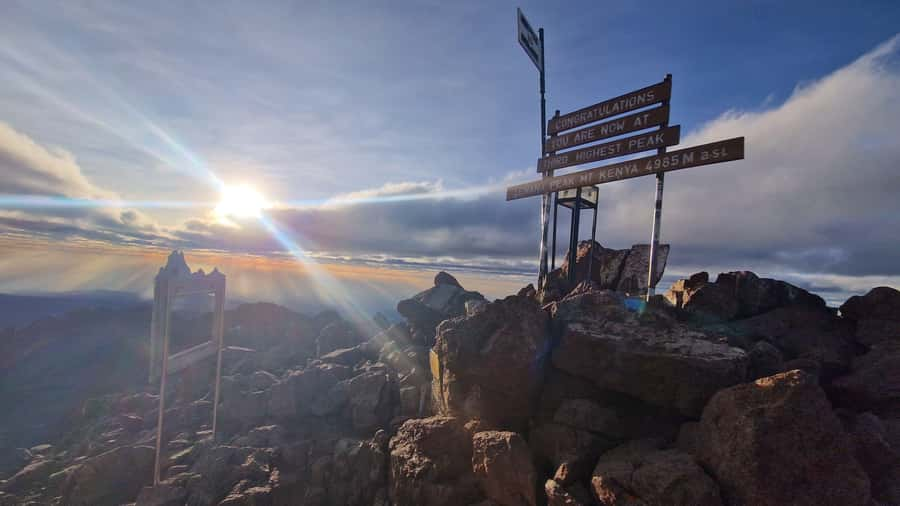
Book this Mount Kenya trek if you want a serious but supported mountain challenge, especially if the idea of reaching Point Lenana at sunrise appeals to you. The Chogoria approach is the real strength: Nithi Falls, Lake Ellis, moorland, high camps, and a descent through the Sirimon side give the trip variety.
I would choose the five-day option if you are uncertain about altitude or prefer a steadier pace. I would choose the four-day route only if you are fit and ready for the pre-dawn summit climb followed by a long descent.
Before paying, confirm the exact route, the five-day schedule, park fees, pickup arrangements, sleeping equipment, and any possible price changes. With those details settled, the $847 base price can offer fair value for a private, fully supported crossing of Mount Kenya.
FAQ
How long is the Mount Kenya trek?
You can choose a four-day or five-day trek. The detailed schedule provided describes a four-day route from Chogoria Gate to Sirimon Gate.
What summit point does the trek reach?
The route reaches Point Lenana at 4,985 metres above sea level.
Is transport from Nairobi included?
Yes. Round-trip transport to and from Nairobi, including hotel pickup and drop-off, is included. Pickup is described as optional, so confirm the details with the provider.
Are meals included?
Yes. The package includes three freshly cooked meals per day, including breakfast, lunch, dinner, snacks, tea, and coffee.
Are Mount Kenya National Park fees included in the price?
No. The park entry fee is listed separately at $70 per person per day.
Who is the trek not suitable for?
The trek is not suitable for pregnant women, people with heart problems, wheelchair users, people afraid of heights, or children under 18.
Latest treks added in the world
- 5 Days Desert Trekking from Marrakech★ 5.0 · 16 reviews
- 3 days Toubkal Trek from Marrakech★ 5.0 · 4 reviews
- Elite Experience Atlas Mountains Day Trekking★ 5.0 · 7 reviews
- 3 Days Berber Villages Trek – Authentic Atlas Mountain Experience★ 5.0 · 4 reviews
- Morocco Desert Trek 4 Days: 2 days on foot in Morocco★ 5.0 · 2 reviews
- Atlas Mauntains and 3 Valleys Trek★ 5.0 · 6 reviews
- Atlas Mountains Valley Trek – 3 Days★ 5.0 · 29 reviews
- 5-day Jebel M’goun trek★ 5.0 · 2 reviews
5-Day Experiences, compared.
Kathmandu to Annapurna Base Camp (ABC) 5-Day Trek
Read our review →
Machu Picchu: 5-Day Salkantay Trek with Panoramic Train
Read our review →
Kathmandu/Pokhara: 5-Day Annapurna Base Camp (ABC) Trek
Read our review →
5-Day Pearl of Africa Chimps and Gorilla Trekking Safari
Read our review →Browse the lists this tour appears in