
REVIEW · MARRAKECH
Climb Mount Toubkal – trekking – 3 days
Mount Toubkal gives you a serious mountain day without forcing you to organize every moving part. From Marrakech, you reach Imlil, walk past Aremd and the shrine of Sidi Chamarouch, sleep at a high refuge, then make your summit attempt in the High Atlas. At 4,167 meters, this is North Africa’s highest peak, and the views stretch from the Marrakech Plain toward the Anti-Atlas and Sahara.
I like the private format, since your guide can adjust the pace to your group. I also like the mule support and included meals, which let you focus on walking rather than hauling every bag uphill. Guides such as Mohamed Tsiou, Ibrahim Agafay, Hamed, Mustafa, and Mohamed Sarkuzi have been singled out for patience, route knowledge, and safety-minded support.
The catch is simple: this is not a gentle sightseeing trip. You need moderate fitness, the summit day includes scree and altitude, and the operator has sometimes been slow to answer questions before departure. Plan your kit and questions early.
The climb at a glance
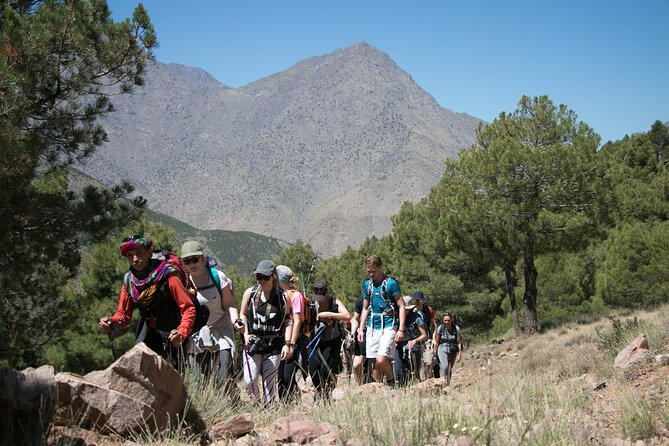
- Reach 4,167 meters: The summit of Jebel Toubkal is the high point of the three-day route and the main physical test.
- Start in Marrakech: Hotel pickup and drop-off are included, with the activity beginning at 8:00 am.
- Walk from Imlil: The mountain route passes Aremd, Sidi Chamarouch, the Mizane Valley, and high rocky slopes.
- Sleep at 3,206 meters: The refuge is your overnight base before the summit attempt.
- Travel light on foot: Mules carry your gear between the village and mountain refuge.
- Eat along the way: Breakfast, lunch, and dinner are included on the first two days, with breakfast and lunch on the final day.
Why Mount Toubkal works as a three-day challenge
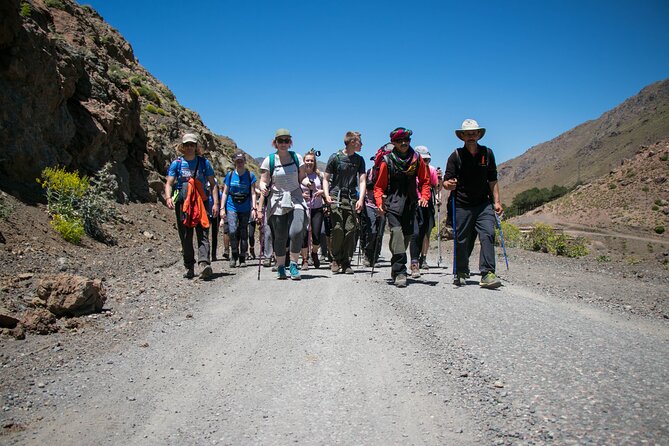
This trip is built around a clear rhythm: transfer from Marrakech, climb to the refuge, go for the summit, then return to Imlil. You do not need to arrange separate transport, lodging, food, or a porter-style gear system. That matters in the Atlas Mountains, where a small planning mistake can make a long walking day much harder.
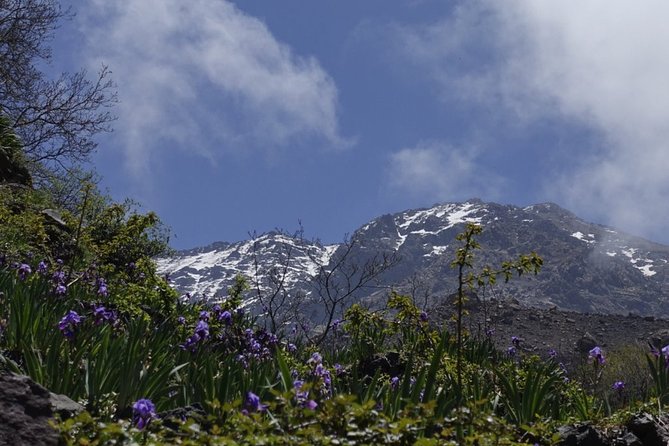
The route also gives you more than a summit photo. The first day moves through villages and a valley used by local people, then into harsher mountain country. By the time you reach the refuge at 3,206 meters, the scenery has changed from settled valley paths to rocky high-altitude terrain.
Your guide stays with the group throughout the trek. That is especially useful on the summit route, where the walking is described as straightforward in places but harder across scree and at altitude. Guides named in past bookings include Mohamed Tsiou, Ibrahim Agafay, Hamed, Mustafa, and Mohamed Sarkuzi. The strongest praise has focused on guides who set a sensible pace, offer encouragement, and keep an eye on safety.
This is listed as a private activity, so only your group participates. That gives you more room to stop, slow down, or ask questions than a large shared departure would. A child rate is available only when sharing with two paying adults, and the minimum age is 12.
More Atlas Mountains Treks in Marrakech
- Marrakesh: 2-Day Mt. Toubkal Trek with 1-Night Stay & Meals
★ 4.7 · 795 reviews - Marrakech: 2-Day Atlas Mountains Trek with Village Stay
★ 4.8 · 717 reviews - From Marrakech: 3-Day Mount Toubkal Climbing Trek
★ 4.7 · 597 reviews
Day one: Marrakech to Imlil and the 3,206-meter refuge
Pickup begins at 8:00 am in Marrakech. The stated meeting point is Jemaa el-Fna, though hotel pickup and drop-off are included, so confirm the exact pickup arrangement when you book. From the city, you transfer to Imlil, the mountain village where the walking begins.
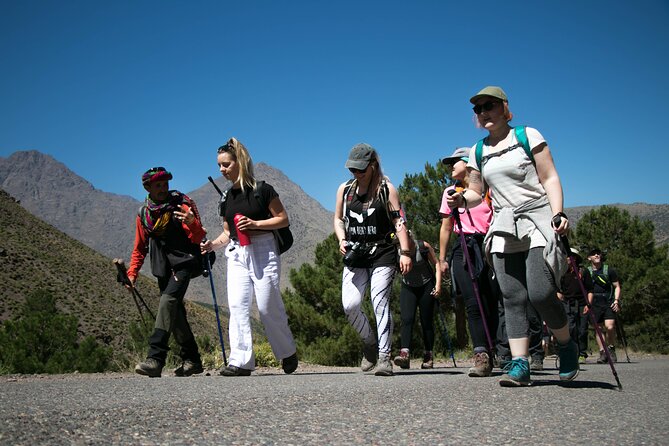
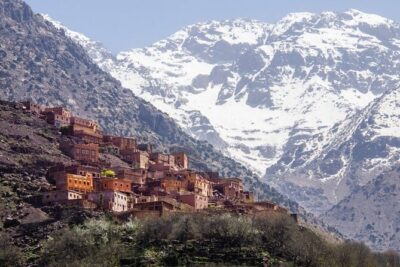
The early section follows the Mizane Valley and passes through Aremd. This is a useful start because you gain height gradually while seeing how the High Atlas is lived in, rather than being dropped straight onto a barren ridge. The route then continues toward Sidi Chamarouch, a shrine that draws both visitors and pilgrims.
From there, the path crosses flood plains, follows mule tracks, and climbs into the high rocky cliffs above the valley. You cross the river before the trail turns upward again, zigzagging toward the snowline and the refuge. The published walking time for this day is about eight hours, so you should treat it as a full mountain day, not a warm-up stroll.
The mule support is particularly useful here. You can carry a daypack while the animals take the heavier gear toward the refuge. That does not remove the effort, but it leaves you less burdened during a long ascent.
Overnight accommodation is included at the refuge. You also receive lunch and dinner on day one, along with breakfast the next morning. The food is a practical part of the package, not a minor extra. Past groups have praised the cooking, with dishes including tagines, couscous, pasta, and rice-based meals. Bottled water is included, though drinks beyond the stated inclusions are not.
Day two: the summit push on Jebel Toubkal
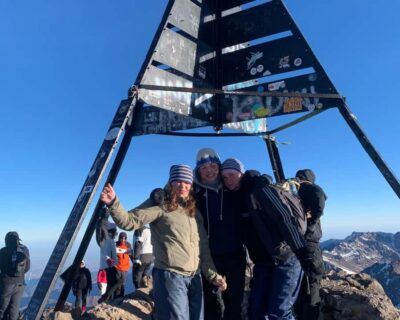
The second day begins early for the attempt on Jebel Toubkal. An early departure gives your group the chance to reach the summit around sunrise, as has happened on past trips. That timing can make the effort feel worthwhile, with broad views opening across the High Atlas and beyond.
The route climbs through the south cirque and crosses the stream above the refuge. The walking is not presented as technical climbing, but loose scree and altitude make the going difficult in parts. You should expect a slow, steady effort rather than a fast march. Your guide’s job is not only to point out the route, but also to help you keep a pace you can maintain.
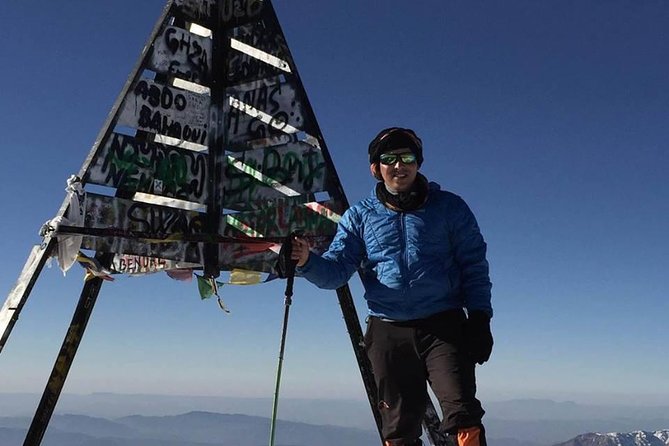
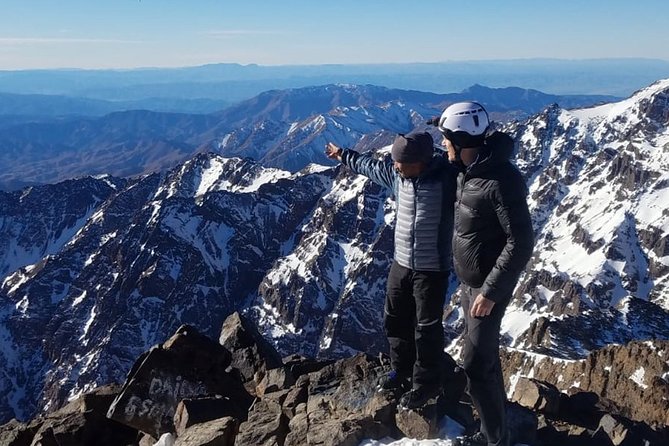
At the summit, the views reach toward the Marrakech Plain, the High Atlas, the Anti-Atlas, and the Sahara. The open outlook is one of the strongest reasons to accept the hard day. It is also the point where the height becomes most noticeable, so do not judge your ability by how easy the first morning feels.
You retrace your route back to the refuge and spend the night there again. Breakfast, lunch, and dinner are included on this day. The itinerary’s listed duration for day two appears inconsistent, showing only a few minutes, so do not use that figure for planning. The summit attempt is clearly intended as a major mountain day, and you should confirm the expected timing with the operator before departure.
The summit is not guaranteed by the booking. The route, weather, snow, and how your group feels at altitude can all affect the day, and the supplied information does not promise a successful summit. That is normal for a mountain trip. A responsible guide should put safety before the summit photo.
Day three: return to Imlil and Marrakech
After the second night at the refuge, you head back toward Imlil. The descent gives your legs a different test from the climb, especially after the summit day. Mules continue to help with gear, and breakfast and lunch are included.
Once you arrive in Imlil, transport takes you back to Marrakech. The activity ends at the original meeting point. Hotel drop-off is included, which is helpful after three days of walking, though you should confirm the final timing if you have evening plans.
The return day is simpler than the first two, but it should not be treated as free time. You are coming off a high summit attempt, and the descent can still take energy. Keep your schedule in Marrakech loose.
More three-day treks in Marrakech
- 3 Day Trek in the Atlas Mountains and Berber Villages from Marrakech
★ 4.5 · 85 reviews - Marrakech: 3-Day High Atlas Mountains and Three Valleys Trek
★ 4.8 · 63 reviews - Climb Mount Toubkal: 3-Day Trek from Marrakech
★ 4.4 · 58 reviews - MERZOUGA DESERT TREK – 3 DAYS From Marrakech
★ 5.0 · 42 reviews
Food, refuge stays, and what the price covers
The price is listed at $337.31 per person. For three days, that includes accommodation, meals specified in the program, a local guide, Marrakech pickup and drop-off, bottled water, and mule support for gear. It is a strong value if you would otherwise need to arrange transport to Imlil, a mountain guide, lodging, meals, and baggage support separately.
The important point is that the price covers the practical backbone of the trip. You are not paying only for a guided walk. You are also buying a simpler logistics plan, which can be worth a lot when you are unfamiliar with the area.
Drinks are not included, so carry enough water for the walking day and budget for anything beyond the supplied meals and bottled water. The accommodation is at a mountain refuge, not a city hotel. Expect the basic character that comes with staying high on the mountain. The information provided does not specify room arrangements or sleeping conditions, so ask before booking if that matters to you.
Food has been one of the most praised parts of the experience. A cook may travel with the group or support the mule team, and past menus have included Moroccan staples as well as pasta and rice dishes. That is welcome after eight hours on the trail.
Guides, pacing, and private-group advantages
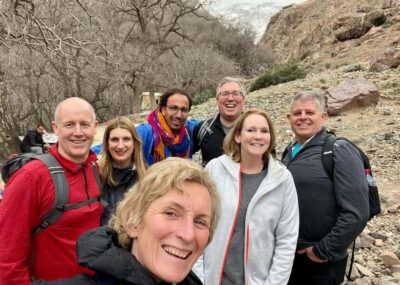
A private trip is a good match if your group has mixed fitness levels or if you want more control over breaks. Your guide can keep the day moving without forcing your group to match strangers. You can also ask for more explanation about the villages, shrine, passes, and mountain routes.
Several guides have received strong personal praise. Mohamed Tsiou has been described as accommodating and focused on group safety. Ibrahim Agafay has supported less experienced hikers with humor and steady help. Hamed and Mustafa have been praised for keeping a three-day climb organized, while Mohamed Sarkuzi has guided inexperienced women hikers with care.
Those details matter because a guide can change the feel of a high-altitude trip. You want someone who notices when the pace is too fast, explains what lies ahead, and does not turn the summit into a race. At the same time, guide assignments may vary, so do not book on the assumption that one particular person is guaranteed unless the operator confirms it.
Communication before departure is the main weak point to watch. Some bookings have involved slow replies to questions, while others received quick, clear answers. Send your key questions well ahead of time, especially about pickup, refuge arrangements, equipment, guide assignment, and the expected summit schedule.
Who should book this trek
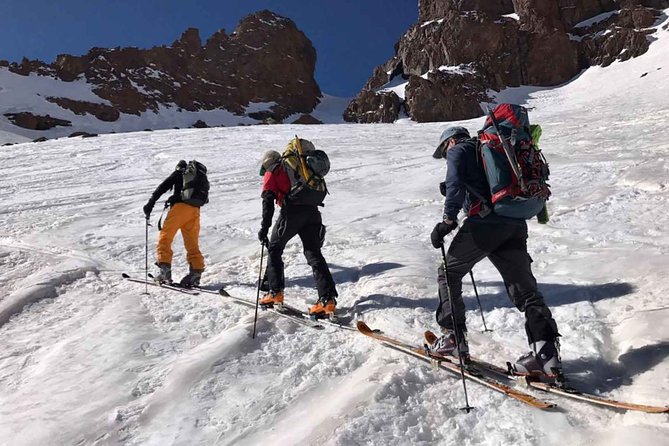
I would recommend this for an active adult or teenager aged 12 or older who is comfortable with long uphill walks and wants a proper mountain challenge. You do not need to be an expert mountaineer based on the route description, but you do need moderate fitness and a willingness to walk on steep, rocky ground.
It also suits a first 4,000-meter mountain attempt if you understand that the altitude makes the effort harder. Several past groups included inexperienced hikers who valued the support of their guides. That does not make the trek easy, but it shows why a guide-led itinerary can help.
This is less suitable if you want a relaxed Atlas Mountains visit with short walks and plenty of spare time. The first day is about eight hours, the summit day is demanding, and the refuge stay is part of the deal. You should also think carefully before booking if you need detailed pre-trip communication or fixed accommodation standards.
Practical details before you go
The tour is booked on average 89 days in advance, so popular dates may fill early. Group discounts are available, and the booking includes a mobile ticket. Confirmation is received at booking, but I would still contact the operator with any important questions before the 24-hour cancellation window closes.
You can cancel for a full refund up to 24 hours before the local start time. Changes or cancellations inside that period are not accepted for a refund. The experience ends back in Marrakech, and free cancellation gives you some useful flexibility when planning around weather or other Morocco arrangements.
Pack for a change from warm city conditions to cold, exposed mountain conditions. The exact equipment list is not provided here, so ask Toubkal Guide what they supply and what you must bring. Keep a small daypack with essentials while the mules carry the main load.
Should you book the Mount Toubkal trek?
Book it if you want a well-supported three-day push from Marrakech to a real North African summit. The strongest reasons are the private guide, mule support, included meals, local transport, and the chance to see sunrise from Toubkal if your group and conditions allow it.
I would hesitate only if your fitness is uncertain, you dislike basic refuge accommodation, or you need instant answers from the operator before departure. Ask clear questions early, accept that the summit depends on conditions, and leave your Marrakech schedule flexible.
For an active group seeking a serious but organized Atlas Mountains challenge, the $337.31 package offers good practical value. You get the mountain, not just a quick viewpoint, and the three-day pace gives the climb room to feel like an experience rather than a rushed day trip.
FAQ
Where does the Mount Toubkal trek start?
The listed meeting point is Jemaa el-Fna in Marrakech, and the activity starts at 8:00 am. Hotel pickup is included, so confirm the exact pickup details after booking.
How long does the experience last?
The trek lasts approximately three days. You travel from Marrakech to Imlil, spend time at the mountain refuge, attempt the summit, and return to Marrakech.
What is the highest point reached?
The summit attempt is on Jebel Toubkal, listed at 4,167 meters and described as the highest peak in Northern Africa.
Is accommodation included?
Yes. Overnight accommodation is included, with the main mountain stay at a refuge located at approximately 3,206 meters.
Are meals included?
Yes. Breakfast, lunch, and dinner are included on the first two days. Breakfast and lunch are included on the third day. Drinks are not included.
Are transfers from Marrakech included?
Yes. Hotel pickup and drop-off in Marrakech are included. The route includes a transfer to Imlil and a return transfer after the trek.
What level of fitness is required?
You should have a moderate level of physical fitness. The first day is listed at about eight hours, and the summit route includes scree and altitude that can make walking difficult.
Can children join the trek?
The minimum age is 12. A child rate applies only when the child shares with two paying adults.
Latest treks added in Marrakech
- 5 Days Desert Trekking from Marrakech★ 5.0 · 16 reviews
- 3 days Toubkal Trek from Marrakech★ 5.0 · 4 reviews
- Elite Experience Atlas Mountains Day Trekking★ 5.0 · 7 reviews
- 3 Days Berber Villages Trek – Authentic Atlas Mountain Experience★ 5.0 · 4 reviews
- Morocco Desert Trek 4 Days: 2 days on foot in Morocco★ 5.0 · 2 reviews
- Atlas Mauntains and 3 Valleys Trek★ 5.0 · 6 reviews
- Atlas Mountains Valley Trek – 3 Days★ 5.0 · 29 reviews
- 5-day Jebel M’goun trek★ 5.0 · 2 reviews
Atlas Mountains Treks, compared.
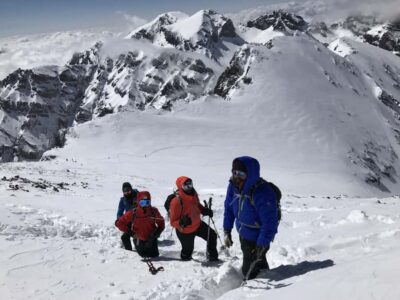
Mt Toubkal Ascent Express Trek 2 Days 1 Nights
Read our review →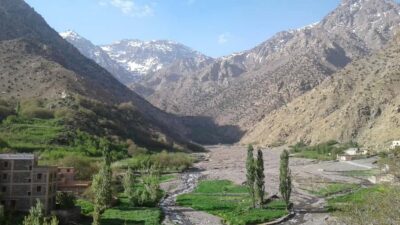
2-Day Mt. Toubkal Trek with 1-Night Stay & Meals
Read our review →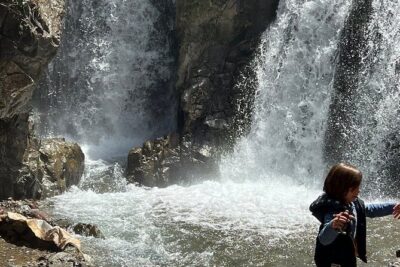
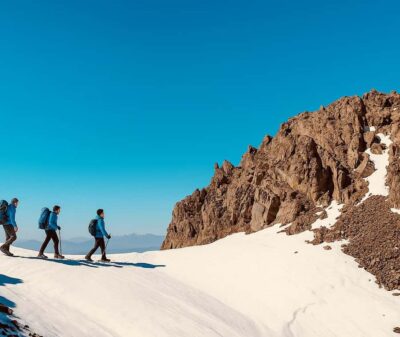
Summiting and Hiking the Atlas Mountains Day Trek from Marrakech
Read our review →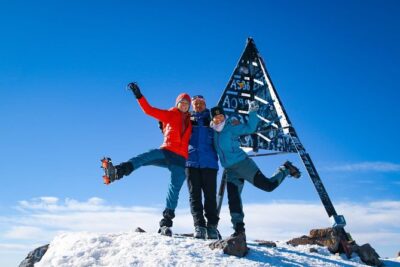
Browse the lists this tour appears in