
REVIEW · CHIANG RAI
Akha & Lahu village trekking 1 day
The most memorable part of this Chiang Rai day is not simply reaching an Akha or Lahu village. It is learning how the forest works as a kitchen, garden, and source of useful materials. Your local guide, identified as Acha or Achra, shows you bamboo, coffee, cocoa, lemon, lemongrass, and other plants before helping prepare lunch inside bamboo tubes.
I like the small-scale village setting, which has not been shaped around mass tourism, and I like the mix of activities: jungle walking, a waterfall stop, bamboo cooking, and time in both Akha and Lahu communities. The main caution is that some sections are challenging, and the scenery may be more about forest and farmland than wide valley views.
Key points at a glance
- Bamboo cooking is the day’s signature activity: You help prepare a meal using bamboo sticks, then eat food cooked in the jungle.
- Two hill-tribe communities in one day: The route focuses on an Akha village and includes a stop at a neighboring Lahu village.
- Acha or Achra guides the walk: Expect explanations about plants, customs, farming, and village life rather than a simple hike.
- The route passes through working countryside: Rice fields and pineapple plantations give you a look at daily rural life.
- Mae Sai waterfall offers a cool break: Bring swimming clothes if you want to take a dip.
- Good shoes matter: Some parts of the trek are demanding, with uneven jungle paths and slopes.
A one-day route with more than a village photo stop
This is a private trekking experience near Chiang Rai, priced at $87 per person. The route gives you a quick but varied introduction to northern Thailand’s hill-country communities. In one day, you walk through jungle and farmland, learn about Akha customs, prepare a bamboo meal, visit a waterfall, and stop in a Lahu village.
That variety is the real value. Many short cultural trips give you a brief village visit and a few staged demonstrations. Here, the cultural side is tied to the walk itself. You see where food grows, how bamboo is used, and how the surrounding forest supports everyday life.
The day is best understood as a guided outdoor experience, not a museum visit. You will be moving for much of the day, and the guide’s explanations are central to what you get from it. The English-language guiding helps you connect the plants, farms, food, and customs rather than simply passing through them.
More Homestay Treks in Chiang Rai
- Hanoi – Sapa 2 Days 1 Night Overnight At Homestay
★ 5.0 · 899 reviews - From Hanoi: 2-Day Sapa Trekking Trip with Homestay & Meals
★ 4.8 · 704 reviews - Number one top rated ethical cultural trekking and homestay by ETHOS
★ 5.0 · 456 reviews
Meeting the Akha community near Chiang Rai
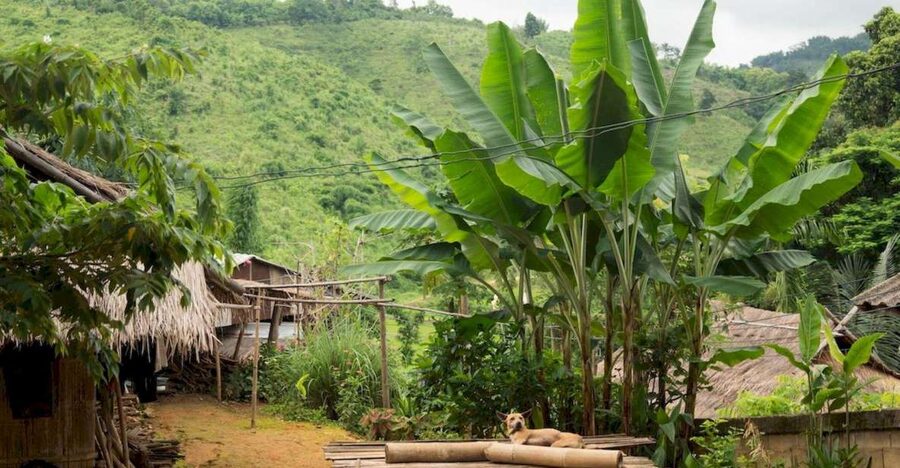
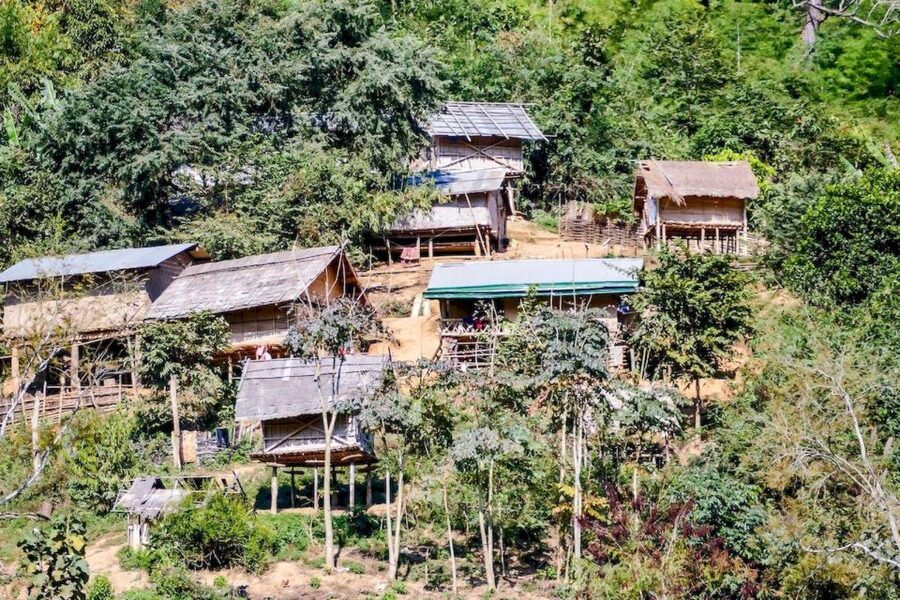
The first main focus is the Akha way of life. The village is described as being away from heavy tourist traffic, which gives the visit a quieter feel. You are not being taken through a large commercial attraction with crowds, souvenir rows, or a fixed stage show.
That does not mean the encounter is completely untouched. Any organized visit to a village affects the place in some way, and you should approach with respect. Ask before taking photos, listen carefully, and remember that the community is not a backdrop for your holiday pictures.
The warm welcome is part of the experience, but the stronger feature is the chance to see village life in relation to the land. You pass rice fields and pineapple plantations around the settlement, so the visit has a practical setting. The crops are not just scenery. They help explain how people live and work in the area.
Your guide provides the bridge between what you see and what it means. Acha, also written as Achra in the tour information, is described as explaining customs, plants, and the countryside along the way. That matters because a forest walk without context can become a blur of green trees and muddy paths.
Walking through bamboo forest and jungle
The trek is not presented as a gentle stroll. Some sections are challenging, and you should expect uneven ground, slopes, and a proper walk through the jungle. Wear sturdy shoes with good grip, especially if the trail is damp.
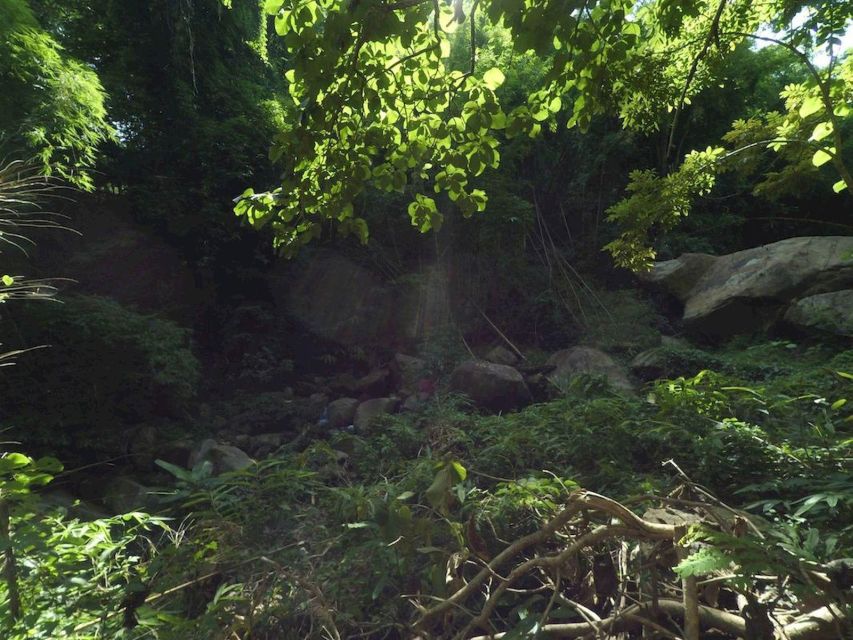
The route passes through bamboo forest, one of the most interesting parts of the day. Bamboo is useful for far more than building fences or making decorations. Your guide demonstrates how it can help provide cooking vessels and other practical materials, giving you a closer look at local resourcefulness.
This section also brings the best educational value for people who enjoy plants. The guide may point out coffee, cocoa, lemon, lemongrass, fruit trees, and other useful growth along the route. The point is not to memorize a long list of species. It is to see how the forest and cultivated land blend into daily life.
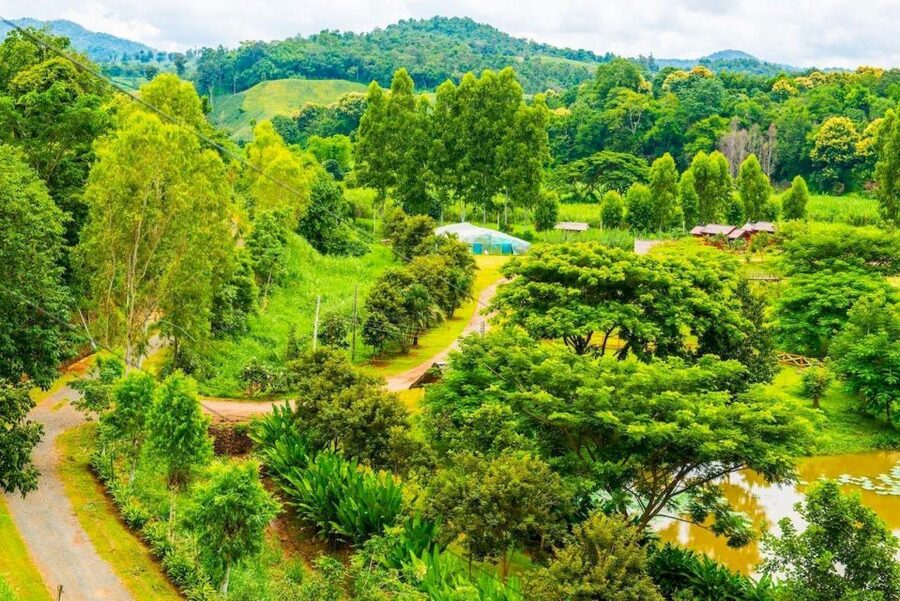
I would not book this trip expecting a long series of dramatic viewpoints. One person found the views less impressive because they did not open across broad valleys. That is a fair warning. The scenery is mainly jungle, plantations, rice fields, and mountain countryside. If you prefer close-up nature and rural life, that is a strength. If you want sweeping mountain panoramas, it may feel modest.
Cooking lunch inside bamboo
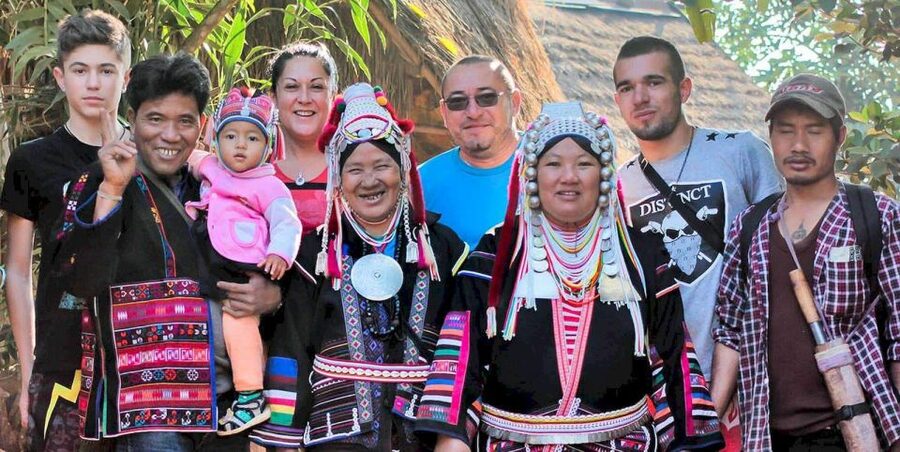
Lunch is the heart of the experience. You take part in preparing bamboo meals, rather than simply receiving a packed lunch at a roadside stop. The guide shows how food can be cooked inside bamboo, turning a plant from the forest into part of the kitchen.
This hands-on element gives the day its strongest sense of place. You are not only told that bamboo is useful. You see it cut and used in a practical way, then eat the result. The meal has been described as delicious and unusual, but the bigger lesson is how much the jungle can provide when you know what to look for.
The exact menu is not specified, so you should not expect a named dish or a restaurant-style spread. What is included is lunch prepared through the bamboo cooking activity, along with water. Morning coffee and tea are also included.
If you have food allergies or dietary restrictions, ask about the meal before booking. The available information does not state that special diets can be accommodated. It is sensible to carry a small snack as backup on any active day, although lunch is provided.
More one-day treks in Chiang Rai
- 1 Day Trekking in Chiang Rai forest (walk only)
★ 4.9 · 95 reviews - Chiang Rai: 1-Day Trekking and Longtail Boat Trip
★ 4.9 · 53 reviews - 1 Day Trekking Group Tour With Bamboo Cooking / Chiang Rai
★ 5.0 · 51 reviews - 1 Day trekking : Chiang Rai popular activity,Fun in Nature.
★ 4.8 · 18 reviews
Cooling off at Mae Sai waterfall
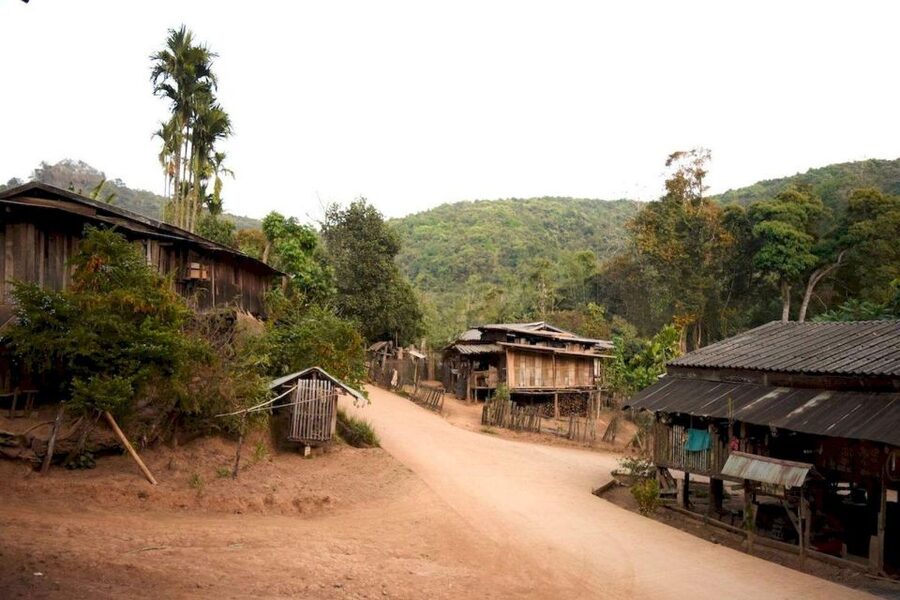
A waterfall stop adds a welcome change of pace after the forest walking. Mae Sai waterfall is mentioned as a place where you can cool off, so pack swimming clothes if you want to get into the water.
This is a simple but useful tip. Do not assume you will have time to return to your hotel before swimming. Keep a swimsuit and perhaps a light towel where they are easy to reach, rather than buried in your main luggage.
The waterfall is not described as a major sightseeing monument, and you should not build the whole day around it. Its value is the break: water, shade, and a chance to relax in a natural setting after trekking. If you prefer not to swim, you can still enjoy the stop as a pause in the route.
Visiting the Lahu village later in the day
The trip does not end with the Akha community. On the return journey, you stop at a nearby Lahu village. Seeing both groups in one day gives you a broader view of the area’s hill-tribe cultures, though it is naturally only an introduction to each.
The Lahu visit is shorter than the main Akha focus. Think of it as a second community stop, not a full cultural study. You may have a chance to see handmade items, meet local people, and compare the setting with the Akha village.
There is one practical concern here. One participant felt pressured to buy a handmade pouch from a local person who welcomed the group. That kind of moment can make a cultural visit feel commercial, even when the rest of the day feels personal and sincere.
You can handle this politely by deciding in advance how you want to respond to sales. Buying something can support local makers if you genuinely want the item, but you should not feel that a purchase is required for respectful participation. A friendly no is enough.
What the $87 price gets you
At $87 per person, this is not the cheapest way to take a walk outside Chiang Rai. The price makes more sense if you value a private experience, an English-speaking guide, lunch, water, morning coffee and tea, and the chance to visit two hill-tribe communities in one day.
The bamboo cooking is important when judging the value. You are paying for access and interpretation, not only transport to a trailhead. The guide’s knowledge of plants and customs turns an ordinary walk into a lesson about food, farming, and forest life.
The price is less convincing if your main goal is a strenuous hike or big mountain views. The route has some difficult sections, but its purpose is cultural and practical as much as physical. You are paying for contact with local life and a guided experience in the countryside.
The tour provider is listed as Tourist Information Center Co., Ltd. The experience is offered in English and Thai. Private trekking also means the day is more personal than a large group outing, though the exact group size is not stated, so ask if that detail matters to you.
Who should book this day
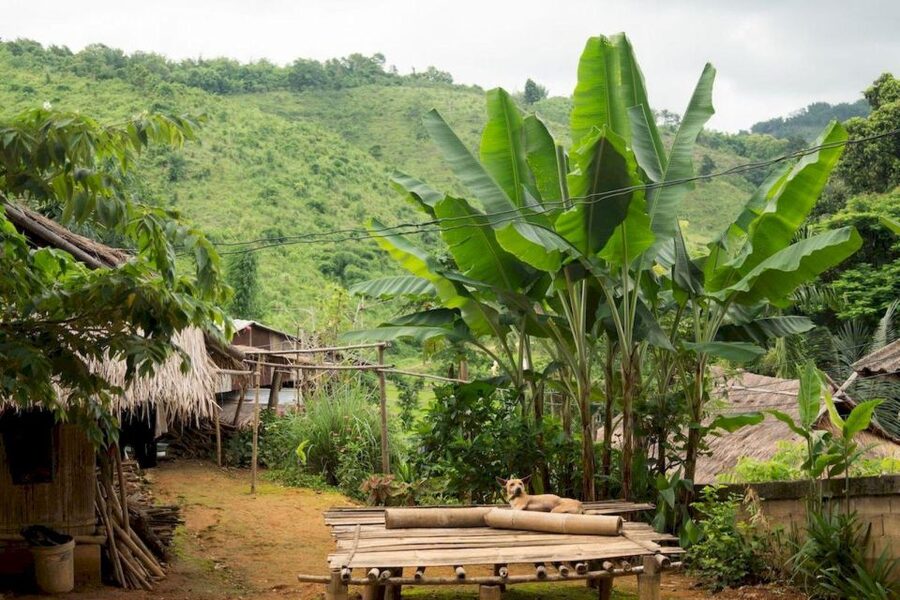
I would recommend this tour to you if you have only one free day in Chiang Rai and want more than a standard temple or city excursion. It suits people who like walking, local food, plants, and direct cultural contact.
It is especially good for curious eaters and amateur naturalists. The bamboo meal, plant explanations, and jungle setting give the day a clear theme. You do not need specialist knowledge. You only need to be interested in how people use the land around them.
The tour also suits visitors who prefer a private experience. You can ask questions as you walk, and the guide can explain details that might be missed in a large group. The warm family welcome described during the day adds to that personal feeling.
I would hesitate if you have limited mobility or dislike uneven trails. The information does not provide an accessibility rating, but the route is clearly an active trek with challenging portions. It may also disappoint you if panoramic valley views are your top priority.
Practical preparation for the trail
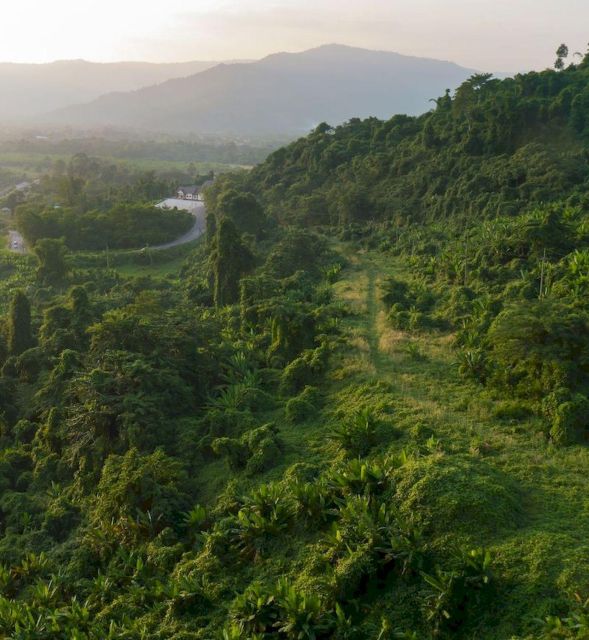
Wear proper walking shoes. This is the most important packing advice, especially because the route includes jungle sections that may be uneven or slippery.
Bring swimming clothes if you want to use the waterfall. Carry sun protection and a small day bag for water, though water is included. A light change of clothing could be useful after the walk and waterfall stop.
Dress respectfully for village visits. Simple, comfortable clothing is suitable, but avoid treating the communities as a costume opportunity. Ask permission before taking close-up photos of people or homes.
The tour includes morning coffee and tea, lunch, and water. Entrance to a temple is not included, so keep that in mind if a temple stop forms part of your wider Chiang Rai plans. The supplied details do not give a precise start time, total distance, or transport arrangement, so confirm those points before you pay.
You can reserve now and pay later, and cancellation is available up to 24 hours before the activity for a full refund. Those terms are useful if your Chiang Rai schedule is still changing.
Should you book the Akha and Lahu trek?
Book it if you want a personal, active day built around village life, bamboo cooking, and the useful plants of the jungle. The strongest moments are likely to come from the guide’s explanations, the meal prepared in bamboo, and the chance to see both Akha and Lahu communities without spending several days on a longer trek.
Think twice if you want easy walking, polished sightseeing, or grand valley viewpoints. Also keep the Lahu village sales encounter in mind and decide your boundaries before you go.
For most visitors with one spare day, I see this as a worthwhile choice at $87, provided you value cultural contact more than postcard scenery. Bring good shoes, swimming clothes, and an open but respectful attitude, and you will be prepared for what this day actually offers.
FAQ
Where does the Akha and Lahu trekking experience take place?
The experience takes place in Chiang Rai Province in northern Thailand, with visits to an Akha village and a neighboring Lahu village.
How long is the trekking experience?
It is a one-day trekking experience.
Which hill tribes do you visit?
The main visit focuses on the Akha people, and the return journey includes a stop at a Lahu village.
Is lunch included?
Yes. Lunch is included and is prepared using bamboo as part of the jungle cooking activity.
Are drinks included?
Yes. Water is included, along with coffee and tea in the morning.
Can I swim at the waterfall?
You can bring swimming clothes if you want to cool off at Mae Sai waterfall. The available information does not provide further details about swimming conditions.
What languages are available?
The experience is offered in English and Thai.
Is temple entrance included?
No. Entrance to the temple is not included in the price.
How much does the experience cost?
The listed price is $87 per person.
Can I reserve now and pay later?
Yes. You can reserve your place and pay later.
What is the cancellation policy?
You can cancel up to 24 hours in advance for a full refund.
Latest treks added in Chiang Rai
- Trekking with Lunch cooked by Bamboo in the Chiang Rai jungle★ 5.0 · 12 reviews
- Full Day Trekking & bamboo cooking Tour in Chiang Rai★ 5.0 · 7 reviews
- Akha private eco-trekking 2 days 1 night Chiang Rai★ 4.5 · 2 reviews
- One Day Trekking Chiang Rai Jungle Adventure and Bamboo Cooking★ 3.5 · 3 reviews
- Cultural trekking and boat trip★ 5.0 · 5 reviews
- Chiangrai: Group Trekking with Bamboo Cooking★ 4.8 · 5 reviews
- Chiang Rai: The Adventure of Trekking & Bamboo Cooking★ 5.0 · 3 reviews
- Chiang Rai Jungle Trek & Bamboo Tube Cooking Adventure★ 5.0 · 5 reviews
Homestay & Village Treks, compared.
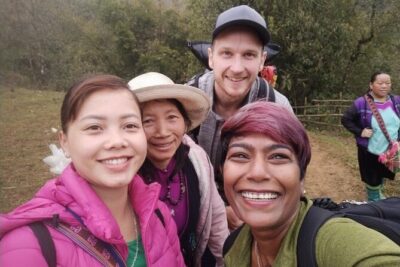
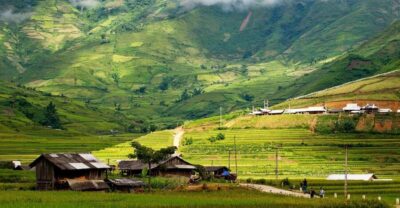
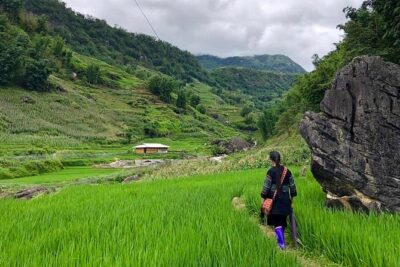
Number one top rated ethical cultural trekking and homestay by ETHOS
Read our review →
2-Day Sa Pa Ethnic Homestay Tour & Trek with Limousine Bus
Read our review →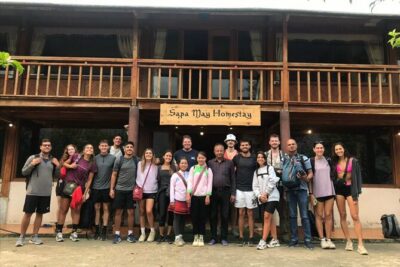
Sapa 3 Day 2 Night Trekking With Hotel & Homestay
Read our review →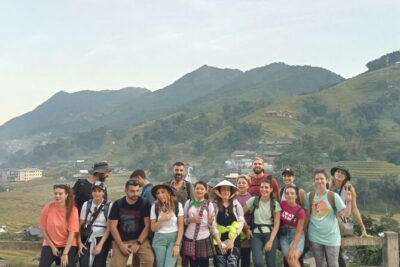
Sapa 2 Days 1 Night Overnight At Local Homestay
Read our review →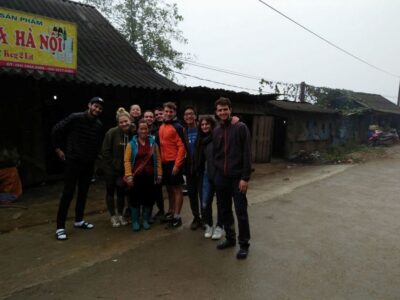
2-Day Trekking Trip with Ethnic Minority Homestay
Read our review →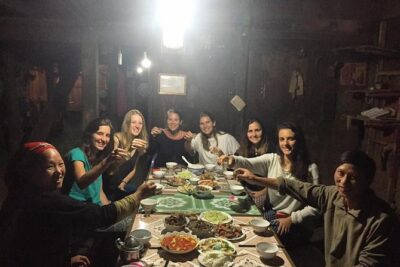
2-Day Trek & Heartwarming Homestay with an Ethnic Family
Read our review →Browse the lists this tour appears in