
REVIEW · CUSCO
Cusco: Machu Picchu Inca Trail 4-Day Trek
The 4-day Inca Trail earns its fame honestly: you walk an ancient mountain route, sleep at three campsites, and enter Machu Picchu through the Sun Gate rather than simply arriving by train. Along the way, the trail shifts from farmland beside the Urubamba River to high passes, stone ruins, and a cloud-forest setting thick with orchids, bromeliads, and ferns.
I like the small group limit of 14 and the practical support system. Porters carry the tents, food, and cooking gear, while the chef prepares three breakfasts, lunches, dinners, snacks, hot drinks, and even a pre-dinner happy hour. The main drawback is the price structure: at $750, the trek includes a lot, but the train back, onward transfer, sleeping bag, and trekking poles are extra.
Key points to know before you book
- Reach Machu Picchu through the Sun Gate: The final approach gives you a proper walking arrival at the citadel, with wide views before the guided visit.
- Prepare for a serious mountain trek: The route covers about 45 kilometers, with the toughest climb on Day 2 and a high point of 4,200 meters.
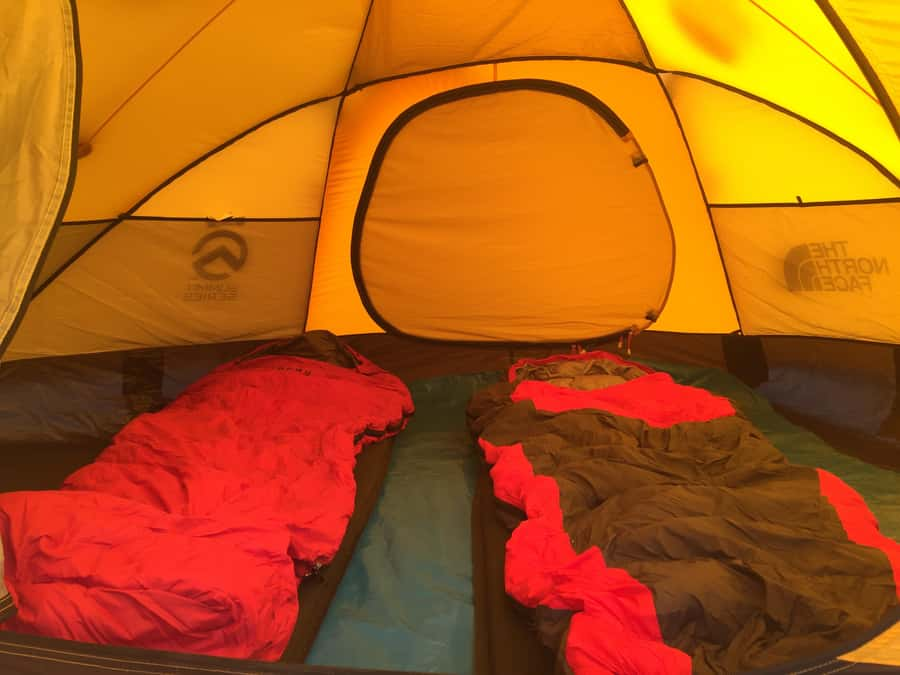
- Sleep outdoors for three nights: Campsites at Wayllabamba, Pacaymayo, and Wiñayhuayna make this a genuine trek, not a series of day walks.
- Let porters handle camp logistics: They carry tents, food, cooking gear, and other camping equipment, but not your personal luggage.
- Book well ahead: Inca Trail permits are limited, and booking at least six weeks before departure is recommended.
- Budget for the return journey: The train to Ollantaytambo and bus to Cusco are available as add-ons, along with a sleeping bag and trekking poles.
Why the classic Inca Trail still matters
The Inca Trail is not simply a scenic route to a famous ruin. Its appeal comes from the gradual change in place and mood. You begin among farmland and river valleys, climb into colder high country, pass carved stone sites, and finish in a forested zone before reaching Machu Picchu on foot.
That progression gives the trip a strong sense of purpose. You are not dropped at the citadel for a quick look and a photograph. You earn the arrival over four days, with the best views often appearing after the hardest work.
The distance is about 45 kilometers, or 28 miles. That figure may not sound extreme by itself, but mountain stairs, altitude, and repeated climbs make this much harder than a flat four-day walk. The activity is not suitable for people with a low level of fitness, mobility impairments, heart problems, or wheelchair users. Children under eight and pregnant women should not join.
The published price is $750 per person. I see that as a fair package for anyone who wants the classic route with the major arrangements handled. It covers the Inca Trail and Machu Picchu entrance fees, guides, camping equipment, porters, meals, water, transfers to the trailhead, and a guided tour of Machu Picchu.
Still, you need to read the inclusions carefully. The return train and transfer from Ollantaytambo to your hotel are not part of the base price. Neither are a sleeping bag, trekking poles, or an extra porter for up to 7 kilograms. Those additions can affect the final cost, especially if you do not already have suitable equipment.
More Inca Trail Treks in Cusco
- Salkantay Trek Challenge – 3 Days / 2 Nights
★ 5.0 · 101 reviews - Choquequirao Trek 4 days and 3 nights
★ 5.0 · 81 reviews - Machu Picchu: 5-Day Salkantay Trek with Panoramic Train
★ 5.0 · 79 reviews
Day 1: From Cusco to Wayllabamba
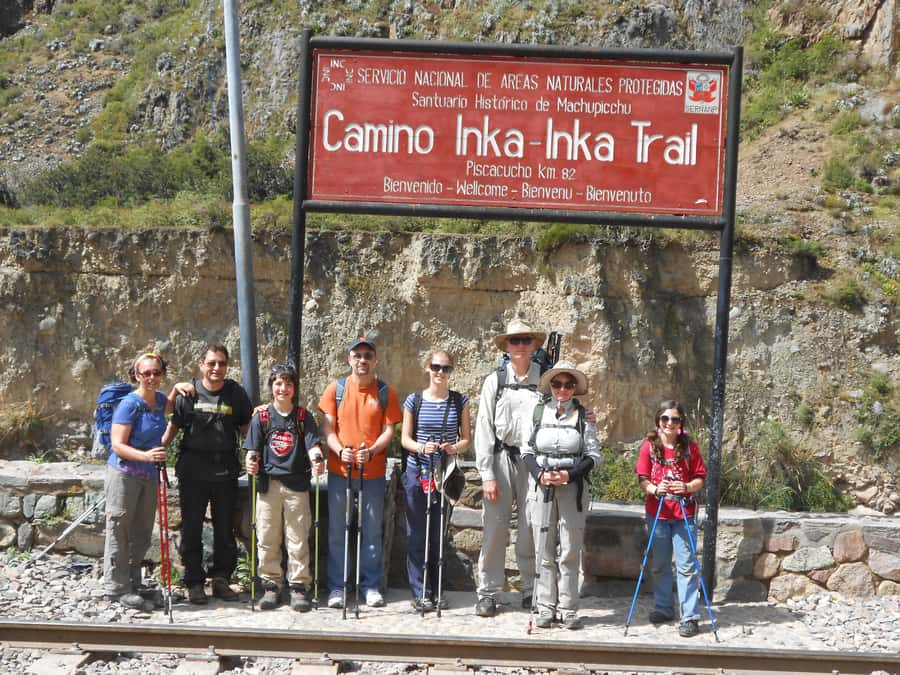
The first morning begins with hotel pickup in Cusco. You stop in Ollantaytambo for last-minute supplies, then continue to Kilometer 82, the official starting point for this section of the Inca Trail.
Breakfast is not included on the first day, so plan ahead. The Ollantaytambo stop may be useful for supplies, but it is not a substitute for knowing what you need before leaving Cusco.
From Kilometer 82, you walk for about three hours through farmland alongside the Urubamba River. This opening section gives you time to settle into the rhythm of the trek. It also makes a gentle contrast with the demanding days ahead.
Lunch is served near the Llactapata archaeological site. The chef and porter prepare the meal, so you are not carrying cooking equipment or trying to assemble food beside the trail. After lunch, you walk another three hours to Wayllabamba.
The first day covers about 12 kilometers. The maximum altitude is 3,000 meters, with daytime temperatures listed between 10 and 23 degrees Celsius. The campsite gives you your first night outdoors, along with dinner and mountain views.
This is a useful first day because it is long enough to test your boots and clothing without immediately throwing you into the hardest climb. Keep your personal day pack light. The porters carry camping equipment and food, not your entire suitcase or loose luggage.
Day 2: The hard climb to Pacaymayo
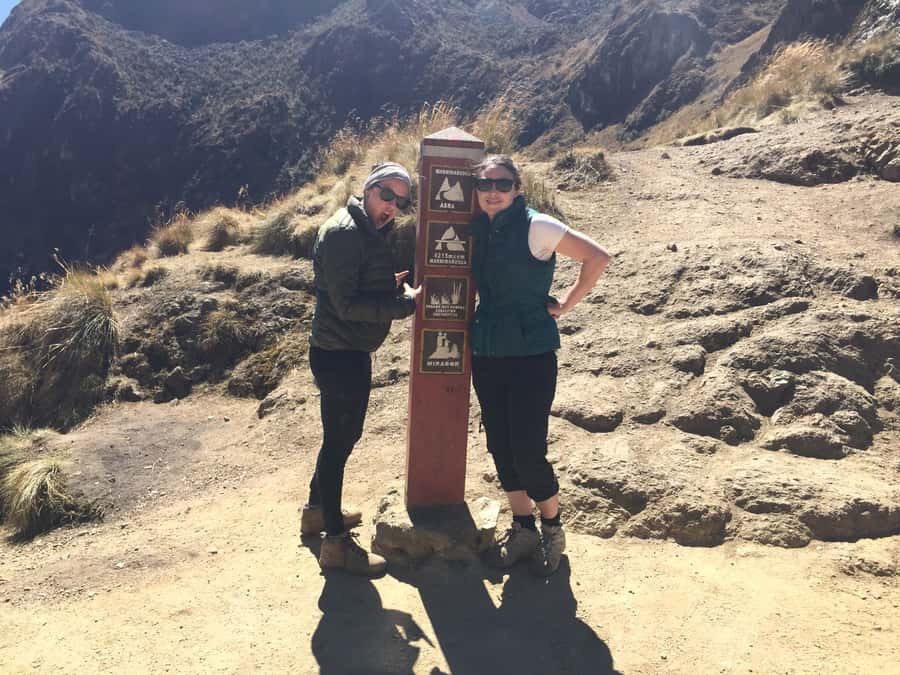
Day 2 is the test. From Wayllabamba, you climb about 7 kilometers uphill. This is identified as the hardest part of the route, and the numbers explain why: the day reaches 4,200 meters, or 13,779 feet.
At this height, even a manageable slope can feel slow. You should expect to pace yourself, take breaks, and protect your energy for the rest of the day. Comfortable clothes and proper hiking shoes matter much more here than stylish travel gear.
The reward comes in the form of broad views over the mountains and valleys. After reaching the high point, you descend about 3 kilometers to the Pacaymayo campsite, where lunch is waiting.
The total distance is about 10 kilometers. Temperatures may range from 3 to 20 degrees Celsius, so layers are essential. The morning can feel cold, while the climb and midday sun can make you warm quickly.
The afternoon is set aside for relaxing at camp. That pause is valuable. You do not need to spend every spare minute walking around, and you should not treat rest as wasted time. A good recovery here helps you handle Day 3, which combines steep stone stairs, archaeological sites, and a long descent.
The altitude is the main concern, not the mileage alone. The activity includes an emergency oxygen bottle in the first-aid kit, but that should not be mistaken for a solution to poor preparation or serious medical problems. Anyone with heart issues should not book this trek.
Day 3: Ruins, stone stairs, and cloud forest
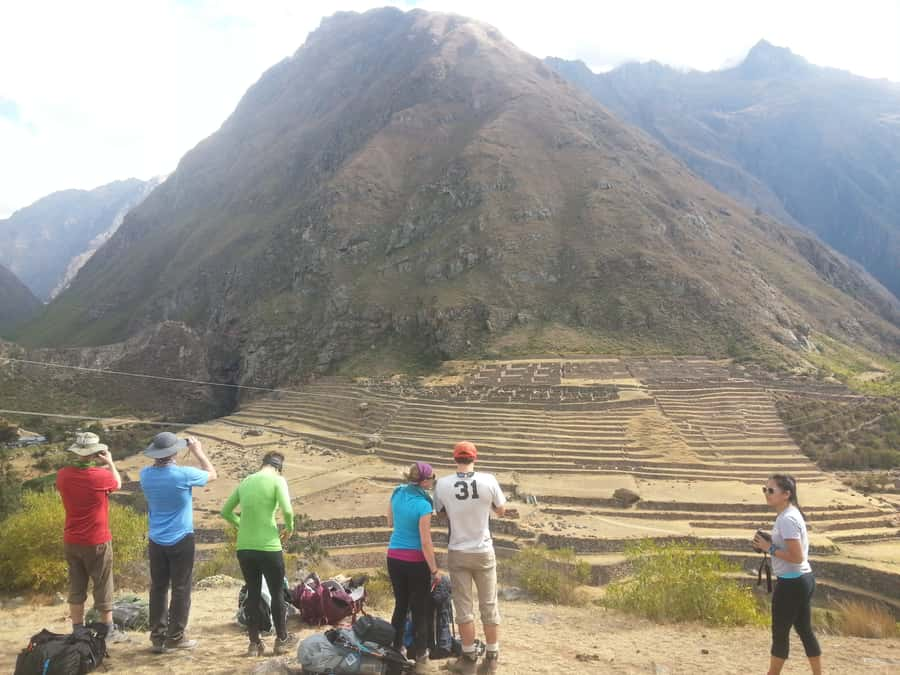
Day 3 begins with a view from the Inca lookout at Runcurakay. The site overlooks the mountain passes below and gives you a chance to connect the scenery with the route’s older purpose. The guide explains the historical significance of the place while you take in the views.
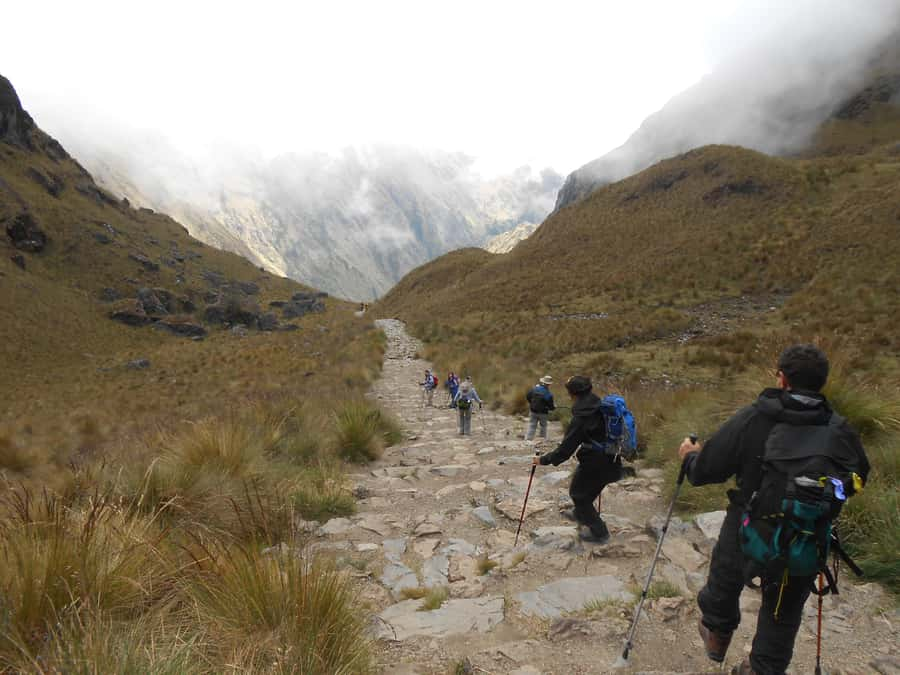
From there, you descend for about an hour and a half on stairs to Sayacmarca, which sits high on a ridge. This section is memorable, but stone stairs can be tiring on knees and ankles. Trekking poles are available as an add-on and may be worth considering if you prefer extra support on descents.
Lunch is served near Puyupatamarca, known as the City Above the Clouds. The name fits the setting described for this part of the trail, where high mountain views give way to a different kind of scenery.
The route then keeps descending into rainforest. Orchids, bromeliads, and ferns replace the open high-country feel of Day 2. This change is one of the best features of the trek because the route never settles into one repeated view.
The day ends at Wiñayhuayna, a Quechua name translated as forever young. The archaeological site is a fitting final camp before Machu Picchu. You sleep outdoors for the third night, with the next morning’s walk to the Sun Gate still ahead.
The supplied details do not give a total distance or maximum altitude for Day 3. You should still expect a demanding day because of the long descent and the many steps. Your guide, available in English or Spanish, leads the group through the sites and helps keep the pace organized.
Another trail to compare in Cusco:
- From Cusco: 7 Lakes Ausangate Trek with Breakfast and Lunch
★ 4.8 · 360 reviews - Cusco: Full-Day Rainbow Mountain & Red Valley Trekking Tour
★ 4.5 · 121 reviews - From Cusco: Rainbow Mountain Trek
★ 4.5 · 98 reviews - Ancascocha Trek To Machu Picchu 4 Days And 3 Nights
★ 5.0 · 77 reviews
Day 4: Entering Machu Picchu through the Sun Gate
The final day begins at Wiñayhuayna with a two-hour walk to the Machu Picchu archaeological site. The stated distance is about 6 kilometers, and the maximum altitude is 2,900 meters.
The key moment is passing through Inti Punku, the Sun Gate. Instead of approaching Machu Picchu from the town below, you see the citadel from the trail after four days of walking. The panoramic view is the emotional payoff of the route, even if clouds or weather affect what you can see.
A guided tour follows, along with time for photographs. The visit is not just a finish-line photo stop. Your guide takes you through the archaeological site, giving structure to the final hours after the long trek.
The day’s temperatures may range from 10 to 27 degrees Celsius. The range is wide, so carry a light layer and sun protection. Lunch on the last day is not included, another small cost to remember.
After Machu Picchu, the return connection takes about 1.5 hours by train to Ollantaytambo and another 1.5 hours by bus to Cusco. Both the train and the onward transfer are available as add-ons. Confirm exactly what you are buying before departure, since arranging the return is part of your practical planning.
Meals, camping, and porter support
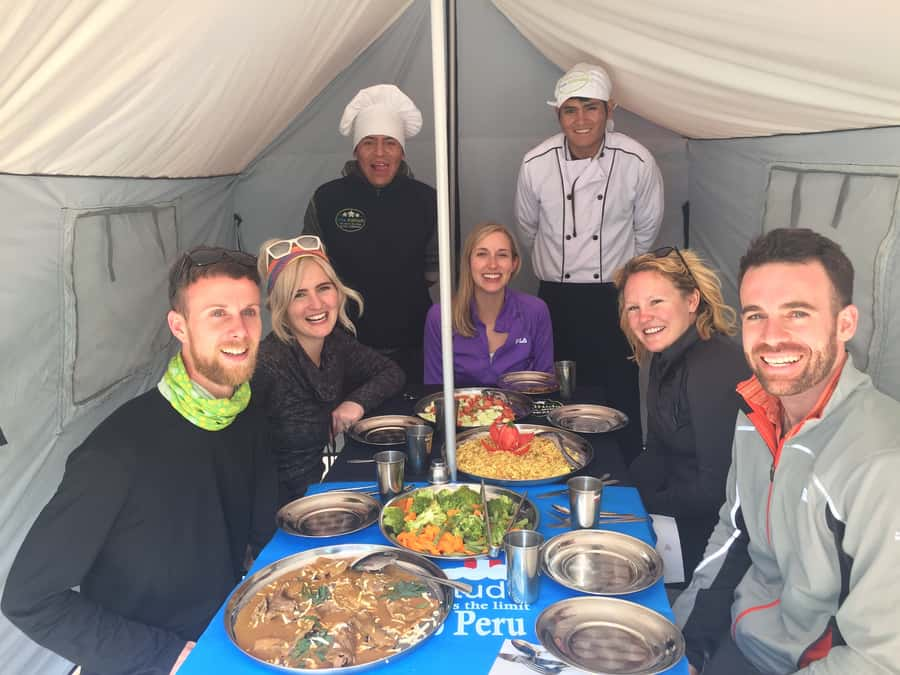
The food plan is one of the strongest practical parts of this trip. You receive three breakfasts, three snacks, three lunches, and three dinners, along with hot drinks and a happy hour before dinner.
Vegetarian and special diet options are available. You should state your needs when booking rather than waiting until the trail. Boiled drinking water is provided, which reduces the need to carry a large supply for the entire trek.
A tent and air mat are included. The sleeping bag is not. If you do not bring your own suitable bag, add one to the booking. The same goes for trekking poles.
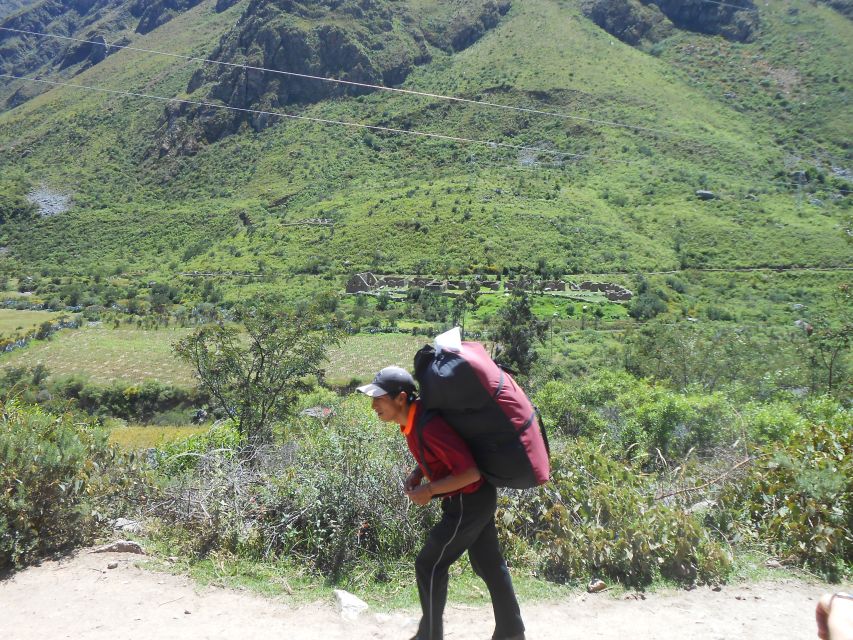
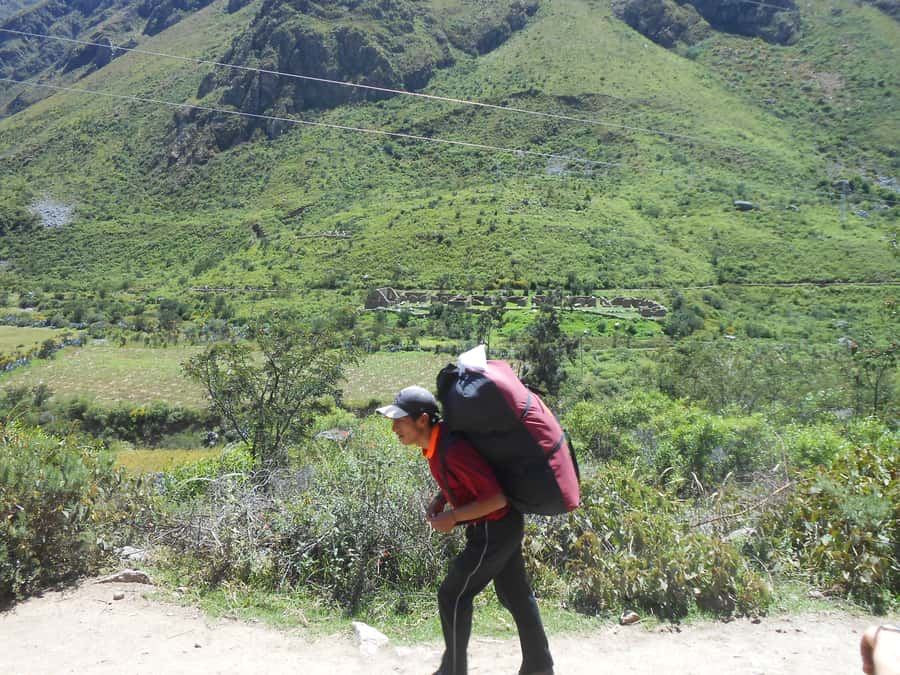
Porters carry the camping equipment, tents, food, and cooking gear. That makes the trek more manageable, but it does not mean you can arrive with a large suitcase. Luggage and large bags are not allowed, and an extra porter for 7 kilograms can be added if you need help with more personal gear.
I like this setup because it keeps the group moving without turning the experience into a self-supported expedition. You still need to carry your day-to-day essentials, water, clothing layers, and anything you may need while walking.
Group size, guides, and preparation
The group is limited to 14 participants. That is small enough to make trail communication easier and should feel more personal than a large procession.
A bilingual English and Spanish-speaking guide leads the trek. Groups larger than 10 receive two guides. That is a sensible arrangement on a mountain route where the front and rear of a group can spread out.
A pre-departure briefing takes place in Cusco. Use it to confirm pickup details, equipment, meals, passport information, and the return journey. Hotel pickup is available from downtown Cusco hotels. If you stay in a private accommodation, provide your address and phone number so a nearby meeting point can be arranged.
Bring your passport or ID card, hiking shoes, comfortable clothing, and hiking pants. Weapons, sharp objects, smoking, drones, luggage, and large bags are not allowed.
Your passport deserves special attention. The Ministry of Culture issues the Inca Trail permit, and once that permit is issued, the date, name, and passport number cannot be changed. Your passport must be valid for the trek dates. Book at least six weeks ahead because entry permits are limited.
The activity is non-refundable, so check your dates and fitness carefully before paying. Weather can affect the experience, and the local partner does not accept responsibility for weather conditions during the trek.
Is this $750 trek a good value?
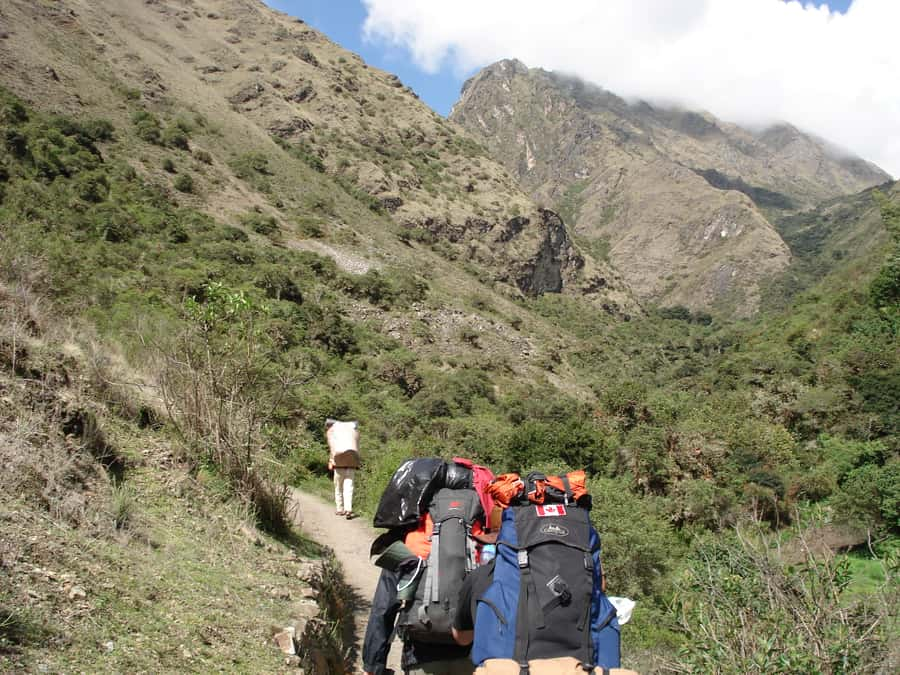
For the right person, yes. You are paying for a tightly organized four-day route with permits, entrance fees, guides, porters, food, camping equipment, drinking water, transport to the trailhead, and the Machu Picchu tour.
The price is less attractive if you already have a tent, cooking setup, permits, and strong independent trekking experience. In that case, the convenience still has value, but you should compare the final price after adding the train, bus transfer, sleeping bag, poles, and possible extra porter.
The clearest praise attached to this experience is a five-star rating and the simple verdict Love it. That matches the basic appeal: the route offers the famous arrival through the Sun Gate, while the food and porter support take care of much of the camp work.
Should you book this Inca Trail trek?
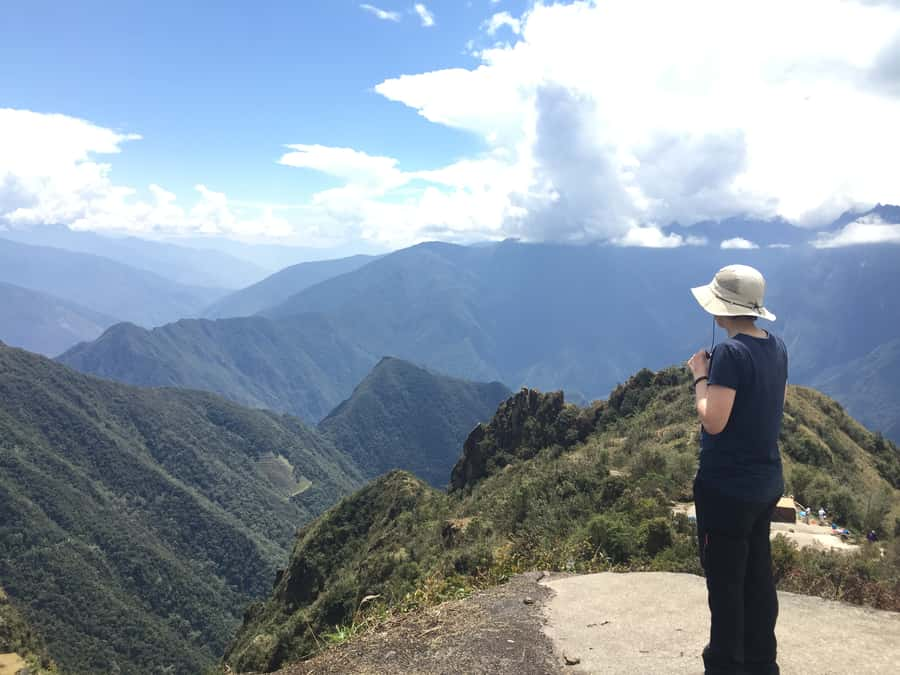
Book it if you want the classic four-day route, can handle high-altitude hiking, and value having meals, permits, guides, porters, and campsites organized in one package. The combination of Runcurakay, Sayacmarca, Puyupatamarca, Wiñayhuayna, and the Sun Gate gives you much more than a short visit to Machu Picchu.
Think twice if you have limited fitness, medical concerns, need full luggage support, or dislike sleeping outdoors. Also price the return train, bus transfer, equipment rentals, and final lunch before deciding.
If you are fit, prepared, and willing to accept a non-refundable booking, this is a strong choice for experiencing Machu Picchu as the end of a real mountain journey rather than as a stand-alone attraction.
FAQ
How long is the Inca Trail trek?
The trek lasts four days and covers approximately 45 kilometers, or 28 miles, of mountain trails.
What is the highest altitude on the route?
The highest listed point is 4,200 meters, or 13,779 feet, on Day 2 between Wayllabamba and Pacaymayo.
Does the tour include camping equipment?
Yes. A camping tent and air mat are included. A sleeping bag is available as an add-on.
Are meals included?
The tour includes three breakfasts, three snacks, three lunches, and three dinners, plus hot drinks and a pre-dinner happy hour. Breakfast on the first day and lunch on the last day are not included.
Are vegetarian and special diets possible?
Yes. Vegetarian and special diet options are available.
Does the price include the train back to Cusco?
No. The train from Machu Picchu to Ollantaytambo and the transfer from Ollantaytambo to your hotel are available as add-ons.
What languages are available for the guided trek?
The live guide service is available in English and Spanish.
How far ahead should I book?
Booking at least six weeks ahead is recommended because Inca Trail entry permits are limited. Your passport must be valid for the trek dates, and permit details cannot be changed after issuance.
More four-day treks in Cusco
- 4 Day Inca Trail Trek to Machu Picchu Multi day tour
★ 5.0 · 70 reviews - Salkantay Trek 4 Days to Machu Picchu by Glamping Sky Lodge Dome
★ 5.0 · 68 reviews - Salkantay Trek to Machu Picchu in 4 days
★ 4.5 · 50 reviews - 4-Day Lares Trek to Machu Picchu from Cusco
★ 5.0 · 47 reviews
Latest treks added in Cusco
- Small Group: 4-Day Inca Trail Trek to Machu Picchu★ 5.0 · 33 reviews
- Salkantay Trek: 5 Days to Machu Picchu★ 5.0 · 33 reviews
- 5 Day – Salkantay trek to Machu Picchu – Group Service★ 4.5 · 27 reviews
- Humantay Lake Full-Day Adventure: Scenic Trek and Stunning Views★ 4.5 · 39 reviews
- Inca Trail Trek to Machu Picchu – 2 Days (Small Group or Private)★ 5.0 · 31 reviews
- Salkantay 5-Day Trek To Machu Picchu★ 5.0 · 39 reviews
- Ausangate and Rainbow Mountain Trek – 3 Days / 2 Nights★ 5.0 · 35 reviews
- 6 day Rainbow Mountain x Ausangate Trek – FlashpackerConnect★ 5.0 · 30 reviews
Machu Picchu & Inca Trail Treks, compared.
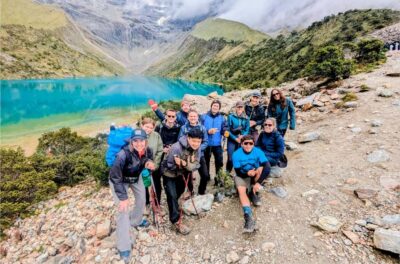
Machu Picchu: 5-Day Salkantay Trek with Panoramic Train
Read our review →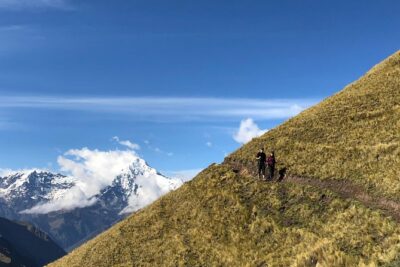
Ancascocha Trek To Machu Picchu 4 Days And 3 Nights
Read our review →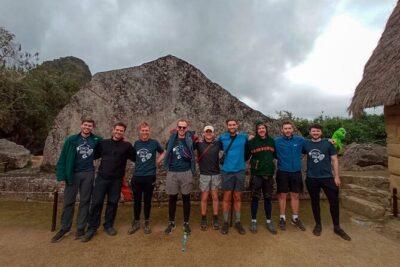
4 Day Inca Trail Trek to Machu Picchu Multi day tour
Read our review →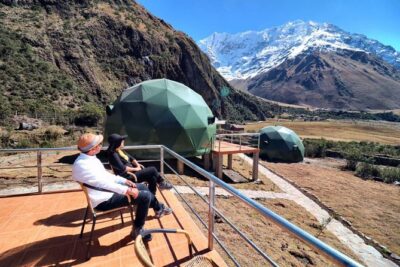
Salkantay Trek 4 Days to Machu Picchu by Glamping Sky Lodge Dome
Read our review →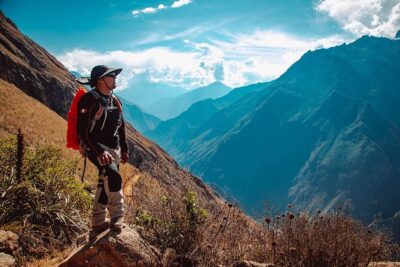
Browse the lists this tour appears in