
REVIEW · INDIA
Har Ki dun Trek by Himalaya Shelter
Har Ki Dun is a fine choice if you want a Himalayan trek without arranging every moving part yourself. The route leads from Sankri through Osla and Kalkatidhar to the Har Ki Dun valley, with a side trip to Marinda Tal, while guides, cooks, tents, meals, and transport are handled for you. The small group, capped at 11 people, helps keep the trip personal.
I especially like the all-in-one setup and the steady help from guides such as Surendra Rana, Sonu, and Rocky Rana. The food also gets unusually strong praise for a high-altitude trek, and warm sleeping bags and tents have made cold nights easier for past groups. The main catch is the long road journey: eight hours each way between Dehradun and Sankri, plus several days at altitude, so this is not a quick mountain outing.
Key points to know before you book
- The trek reaches 3,510 meters at Har Ki Dun and 3,794 meters at Marinda Tal, making steady pacing and basic fitness important.
- Transport runs from Dehradun to Dehradun, but your journey to Dehradun and any Dehradun hotel stay are your responsibility.
- Meals begin with dinner on day one and finish with breakfast on day seven, with a cook traveling with the group.
- Tents, sleeping gear, and camping equipment are supplied, so you do not need to carry your own camp setup.
- Groups are limited to 11 people, a useful size for a remote route and a guide-led mountain trip.
- Marinda Tal is an additional outing from Har Ki Dun, and conditions may affect whether it is possible.
What the Har Ki Dun Trek really offers
This is a guided mountain journey built around access and simplicity. You meet near an egg and Maggi stall on Saharanpur Road in Dehradun at 6:30 a.m., then leave the city behind for Sankri, the roadhead settlement used for the trek.
At $231 per person, the price covers a great deal: transport from the Dehradun meeting point and back, guide and cook fees, meals, camping equipment, forest entry charges, and insurance for Indian citizens. You still need to pay for your own journey to Dehradun, personal medicines, tips, phone calls, and accommodation in Dehradun.
I see the value in this arrangement because remote Indian trekking can become expensive and confusing when you book each part separately. The price also takes away some of the usual worries about finding a vehicle, hiring a guide, carrying a tent, or arranging food in mountain villages.
Still, you should not read the price as a luxury package. You are going into a remote mountain area with camping, long drives, early starts, and basic outdoor conditions. The supplied equipment makes the trip easier, but it does not turn the route into a hotel-based holiday.
More Trekking Tours in India
- Half day trekking (munnar valley Trekking & Tours )
★ 5.0 · 310 reviews - Nag Tibba 2 Days Trek (Pantwari to Pantwari)
★ 5.0 · 274 reviews - Bhrigu Lake and Alpine Meadow Trek
★ 5.0 · 121 reviews
Day 1: The long road from Dehradun to Sankri
The first day is mostly about getting into the mountains. The drive to Sankri takes about eight hours, so the early meeting time matters. If you are arriving in Dehradun that morning, allow enough time to reach the meeting point without rushing.
This road day can feel long, but it serves a practical purpose. Sankri is the gateway for the walking section, and reaching it on day one lets you begin the trek from a proper mountain base instead of trying to combine a long drive with a hard hike.
The Sankri stop is also useful for getting organized. The experience includes a stay in Sankri as part of the mountain arrangements, and the company provides warm rental gear for the route. You should use this time to check your personal layers, medicines, water supply, and daypack.
The drawback is simple: eight hours in a vehicle can be tiring before you take your first serious step. If you are prone to motion sickness, bring your own medication, since personal medicines are not included.
Day 2: Sankri, Osla, and your first real walking day
Day two begins with a short one-hour drive, followed by a five to six-hour trek to Osla at about 2,700 meters. This is where the trip changes from road journey to mountain walking.
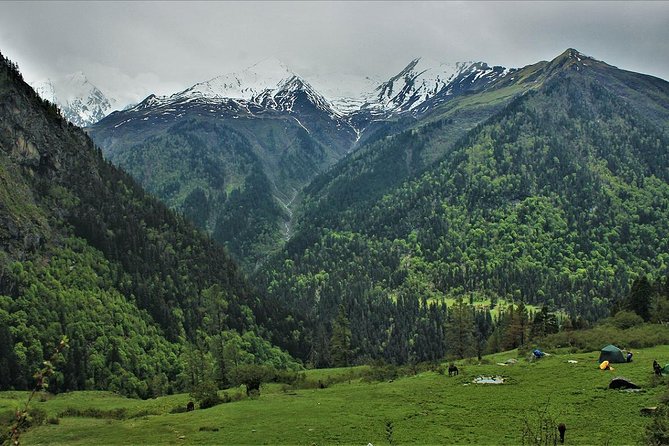
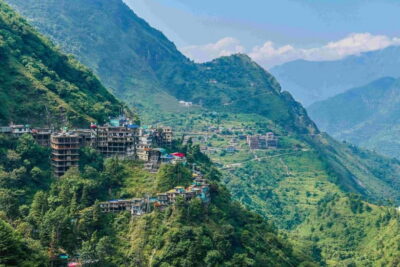
Osla is important not only as an overnight stop but also as a place where the route connects with local village life. The walk gives you a first taste of the valley, forest paths, open views, and the rhythm of moving through a remote Himalayan region.
The distance and altitude gain are moderate by trekking standards, but the day will still test you if you have little walking experience. The company asks for a moderate level of physical fitness, and that is a fair description. You do not need to be an expedition athlete, but you should be comfortable walking for several hours over uneven ground.
Your guide matters here. A good guide keeps a group moving at a sensible pace, watches for tired walkers, and helps with route decisions. The team associated with this trek has received repeated praise for careful guidance, especially from people trekking in the Himalayas for the first time.
Day 3: Osla to Kalkatidhar at 3,300 meters
The route from Osla to Kalkatidhar takes about three hours. Compared with day two, this is a shorter walking day, which gives you time to settle into the altitude and enjoy the surroundings without rushing.
Kalkatidhar becomes the base for the main Har Ki Dun outing. At about 3,300 meters, it is also a useful point for noticing how your body reacts to height. Headaches, unusual tiredness, or poor sleep should not be ignored. Tell your guide promptly if you feel unwell.
This is one of the places where the supplied camping equipment earns its keep. Past groups have praised the sleeping bags and tents for keeping them warm in cold conditions, with one account noting that the gear was suitable even around minus 10 degrees Celsius. Exact conditions vary, so you should still pack proper thermal layers, gloves, a warm hat, and dry socks.
Food is another practical strength. The cook fees and all meals are included, and the food has been praised for variety, taste, and quantity at altitude. Special diets have also been accommodated in some cases, but you should state your needs before departure rather than assume every request can be met in camp.
Another trail to compare in India:
- Wild Elephant Anakulam & Waterfalls Tour(munnar valley Trekking)
★ 5.0 · 98 reviews - Friendship Peak Trek
★ 5.0 · 94 reviews - Half Day Hiking in Munnar Trekking Tour
★ 5.0 · 89 reviews - Singalila Trek from Darjeeling
★ 5.0 · 79 reviews
Day 4: Har Ki Dun and the optional climb to Marinda Tal
Day four is the centerpiece. You walk from Kalkatidhar to Har Ki Dun at 3,510 meters, then continue toward Marinda Tal at 3,794 meters before returning to Kalkatidhar.
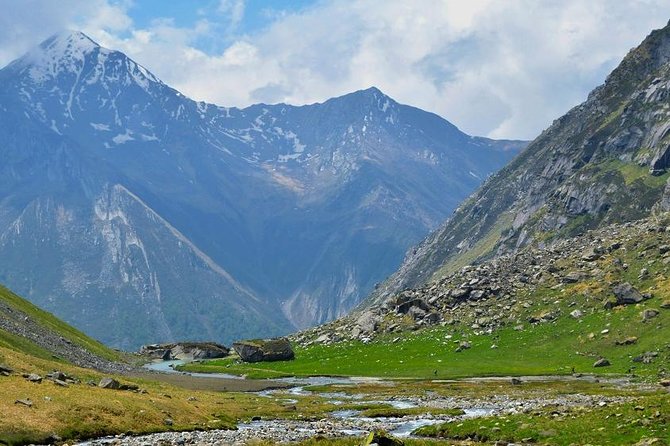
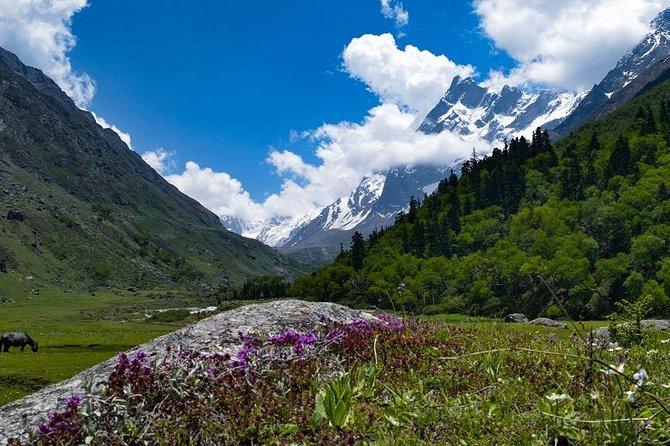
Har Ki Dun is known for its broad mountain valley and views toward snow-covered peaks and glaciers. The route also gives you a chance to see the local villages and mountain way of life that make this more than a simple high-altitude walk.
Marinda Tal adds a tougher section to an already demanding day. The itinerary lists it as part of the route, while individual accounts describe it as optional in practice. That distinction matters. You should let the guide judge the weather, trail condition, daylight, and your own energy before committing to the higher point.
This is the day when the guide’s judgment becomes especially valuable. The team has adjusted plans around weather and made safety arrangements when conditions required it. You should expect the final call on Marinda Tal to depend on the mountain, not on a fixed promise.
The return to Kalkatidhar makes the day feel full. You are not simply walking to a viewpoint and stopping. You reach the high point, take in the valley, and then retrace your route to camp. Keep your daypack light, carry only what you need, and protect your water from freezing in colder conditions.
Day 5: Returning from Kalkatidhar to Osla
The walk back to Osla takes about three hours. This is a welcome reduction in effort after the long fourth day, but downhill walking can still tire your knees and feet.
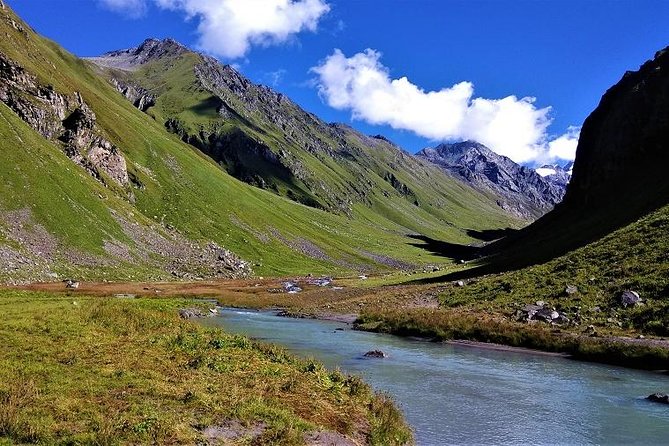
The return route lets you see familiar ground differently. Mountain paths often look completely new when you approach them from the opposite direction, and the slower pace gives you another chance to notice village details and changing views.
This is also a good day to make practical checks. Dry your socks, recharge anything you can, inspect your footwear, and tell the team about blisters before they become a serious problem. The route is remote, so small problems are easier to manage when you deal with them early.
Day 6: Osla to Sankri, then back to the road
Day six combines four to five hours of trekking with a one-hour drive. You walk back to Sankri first, then continue by vehicle.
After several days on foot, this final trek section may feel easier mentally, but do not treat it casually. Tired legs are more likely to stumble, particularly on uneven ground. A steady pace is better than trying to finish quickly.
Returning to Sankri gives you a transition from camp life to road travel. It also brings you back to the place where the walking section began, which makes the seven-day route feel complete rather than like a one-way transfer.
Day 7: Eight hours back to Dehradun
The final day is another long drive, about eight hours, ending at the same Dehradun meeting point. The activity begins and ends there, so plan your onward transport with the full drive time in mind.
I would not book a tight train, flight, or separate tour immediately after the scheduled return unless you have a generous buffer. Mountain roads and weather can affect timing, and the itinerary itself already involves a full day in the vehicle.
The return arrangement is one of the package’s useful features. You are not left to find your own ride from Sankri after finishing the trek. Transport support runs from the first-day pickup through the final drop-off.
Guides, cooks, and the human side of the trek
The service is one of the strongest reasons to choose this trip. Guides including Surendra Rana, Sonu, Rocky Rana, and Megha have been singled out for friendly support, route knowledge, patience, and careful handling of first-time trekkers.
Names can change by departure, so you should not assume one particular guide will lead your group. Still, the repeated praise for the guiding team points to an organized operation rather than a simple vehicle-and-tent booking.
The cook is just as important. Sanju has been praised for keeping groups well fed, and meals are included from dinner on day one through breakfast on day seven. That removes one of the less pleasant tasks of a remote trek: carrying enough food and trying to plan every meal yourself.
The food is not a restaurant experience, and it should not be judged by that standard. In the mountains, hot, filling, varied meals matter more than presentation. You should still bring personal snacks if you have strong preferences or need extra energy between meals.
One environmental concern deserves attention. A past account raised the issue of plastic waste being dropped in the mountains. You should carry your own rubbish, ask how waste is handled, and expect the crew to follow careful low-impact habits. On a route this remote, small bits of plastic do not simply disappear.
Camping gear, comfort, and what to pack
You do not need to bring your own tent or camping equipment. Rental camping gear is included, and warm sleeping gear has been praised by people who completed the trek in cold weather.
That does not mean you can pack lightly like you are staying in a lodge. Bring warm clothing, rain protection, sturdy walking shoes, personal medicines, toiletries, and a small daypack. The provided gear covers camp basics, not every personal need.
The experience also includes forest entry charges, which is helpful because you do not have to arrange those separately. Insurance is included for Indian citizens only, so international visitors should check their own coverage before booking.
Your accommodation in Dehradun is not included. You also pay for personal expenses such as tips, phone calls, medicines, and any transport not specifically listed in the package.
Is $231 a good price?
For seven days, $231 is a strong value if you need a guided, supported trek from Dehradun. The package includes the costly and awkward pieces: two long transfers, a guide, a cook, meals, camping equipment, forest fees, and support in a remote area.
The value is best for someone who would otherwise need to arrange transport to Sankri, hire local staff, rent gear, buy food, and manage permits or entry charges. You also gain the safety of a small organized group, with no more than 11 people.
The price is less attractive if you already own camping gear, have your own transport, or prefer independent trekking. You may save money on paper by organizing things yourself, but you would take on more planning and more responsibility.
Free cancellation is available if you cancel at least 24 hours before the local start time. Within 24 hours, the payment is not refunded, and late changes are not accepted.
Who should book this Har Ki Dun trip?
I would point this trip toward you if you want a first or early Himalayan trekking experience with support close at hand. It also suits people who value meals, tents, transport, and route guidance more than total independence.
The trip is a good match for:
- People with moderate physical fitness
- First-time Himalayan trekkers who want a guide
- Small groups of friends or families
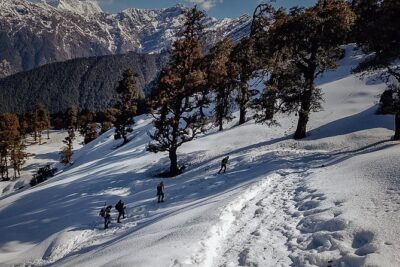
- Hikers who want village views, high valleys, and snow-covered mountain scenery
- Anyone who prefers a set seven-day plan
I would be more cautious if you dislike long road transfers, camping, cold nights, or several hours of walking on consecutive days. You should also think twice if you expect private rooms, easy access to shops, or a flexible luxury schedule.
Should you book it?
Book this trek if your priority is a well-supported route into Har Ki Dun without having to organize every detail yourself. The combination of small groups, included meals, supplied camping gear, and highly praised guides gives you solid practical value for the price.
Before paying, make sure you can reach Dehradun for the 6:30 a.m. start, have enough time for the two eight-hour drives, and are comfortable with moderate trekking at altitudes up to 3,794 meters. If you are, Himalaya Shelter offers a sensible way to experience this remote valley with the difficult logistics already handled.
FAQ
Where does the Har Ki Dun Trek begin?
The trek begins at an egg and Maggi stall near Saharanpur Road in Lakkhi Bagh, Dehradun, Uttarakhand. The meeting time is 6:30 a.m.
Where does the tour finish?
The activity ends back at the same Dehradun meeting point used for departure.
How long is the Har Ki Dun Trek?
The experience lasts approximately seven days, including the drives from Dehradun to Sankri and back.
How many people can join the group?
The group can have a maximum of 11 travelers.
What level of fitness do I need?
You should have a moderate level of physical fitness. The itinerary includes trekking days of three to six hours, with longer mountain days at higher altitude.
Are meals included?
Yes. Meals are included from dinner on day one through breakfast on day seven. Guide and cook fees are also included.
Is camping equipment provided?
Yes. Camping equipment is rented as part of the experience. Warm sleeping gear and tents have also been provided on past departures.
Is transport from Dehradun included?
Yes. Transport support is provided from pickup on day one through drop-off on day seven. Your journey to Dehradun, accommodation there, and transport not specifically included are your responsibility.
Latest treks added in India
- Jogini Waterfall Trek from Manali★ 5.0 · 2 reviews
- Prashar Lake Trek★ 5.0 · 7 reviews
- Kasol + Kheerganga Trek 3D/2N, all inclusive with BanBanjara★ 3.5 · 3 reviews
- 8 Days Markha Valley Trek: Shared Tour with Meals Included★ 5.0 · 3 reviews
- Ladakh Sham Valley Trek★ 5.0 · 7 reviews
- Ladakh One Day Trek- Gyamtsa to Phyang Village★ 5.0 · 4 reviews
- 1 Day Activity Adventure Trekking Kerala★ 5.0 · 5 reviews
- Kolukkumalai Trekking with Night stay in Tent★ 5.0 · 2 reviews
Rishikesh Trekking Tours, compared.
Browse the lists this tour appears in