
REVIEW · INDIA
Chopta Trek
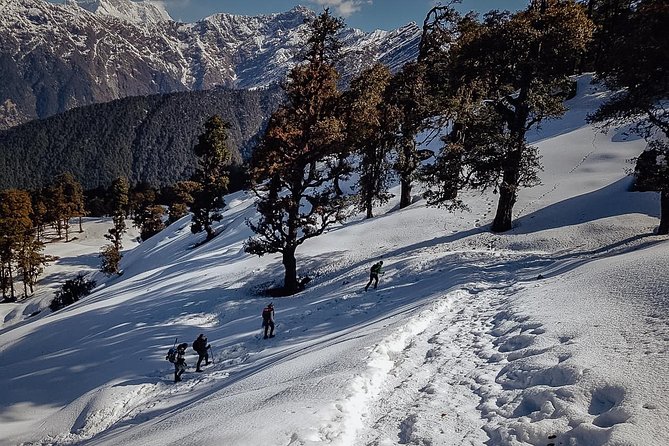
Chopta gives you a real Himalayan taste without asking you to spend a week on the trail. The prize moments are the forest walk to Deoria Tal and the pre-dawn climb toward Tungnath and Chandrashilla, where clear weather can reveal Nanda Devi and other huge Himalayan peaks.
I like the private transport and guide, which keep the trip flexible, and the mix of family homestays and camping, which feels more personal than a standard hotel circuit. The catch is the early start, high altitude, long road journey, and only moderate comfort. This is a short trek, not an easy sightseeing tour.
The best parts of the Chopta trek
- Sunrise from Chandrashilla: Start around 4 a.m. for a high mountain sunrise, with views toward Nanda Devi when conditions cooperate.
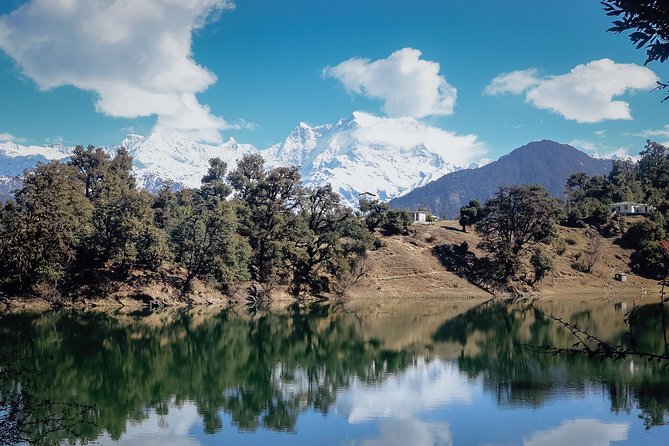
- Deoria Tal at 2,438 meters: Walk about 2.5 kilometers through forest to a calm alpine lake framed by snowy Himalayan peaks.
- A working mountain village: Sari sits at 2,011 meters, with orchards, rhododendrons, and farming still central to daily life.
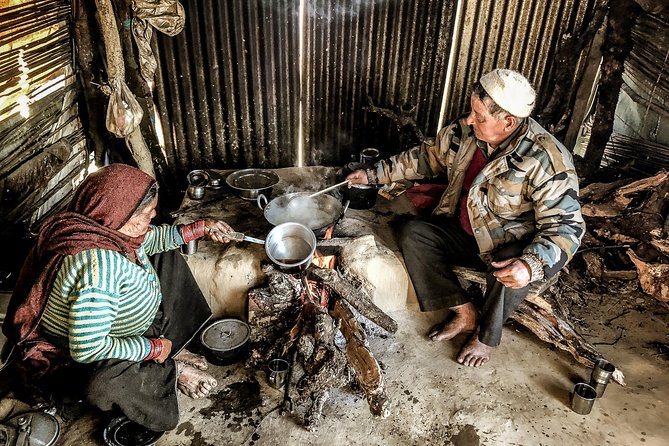
- Local stays instead of hotels: Two nights are spent in a family homestay, followed by one night at a campground.
- A private four-day format: You get round-trip transport from Rishikesh, all listed meals, and a guide for your own group.
- Good value for a short Himalayan trip: At $201, the price covers transport, permits, camping gear, sleeping bags, guide support, and meals.
Why this short Himalayan trip works
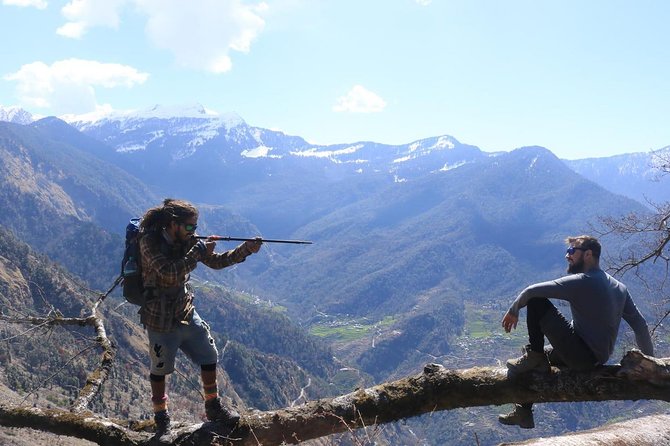
Many Himalayan treks require a long commitment, complicated transfers, and several nights in basic camps. This one keeps the walking portion compact while still giving you a taste of village life, forest trails, meadows, a high temple, and a mountain sunrise.
The four-day schedule begins and ends in Rishikesh. You travel by private vehicle, so you are not tied to a large group or a fixed coach schedule. That matters on mountain roads, where a small group makes stops at places such as Devprayag easier and gives you more room to discuss pace with your guide.
The tour is private, meaning only your group participates. That is especially useful on the pre-dawn walk to Chandrashilla. You can discuss your speed and rest needs with the guide instead of trying to keep up with strangers.
The experience is best for someone with moderate physical fitness. The trail is described as manageable for beginners from a technical point of view, but that does not make it effortless. You will walk at altitude, rise around 4 a.m., and spend about five hours on the Tungnath and Chandrashilla portion. Warm clothing is important, even if Rishikesh is mild.
More Trekking Tours in India
- Half day trekking (munnar valley Trekking & Tours )
★ 5.0 · 310 reviews - Nag Tibba 2 Days Trek (Pantwari to Pantwari)
★ 5.0 · 274 reviews - Bhrigu Lake and Alpine Meadow Trek
★ 5.0 · 121 reviews
Day 1: Devprayag and the village of Sari
The first notable stop is Devprayag, where the Alaknanda and Bhagirathi rivers meet to form the Ganges. You have about 30 minutes here. It is a short stop, but it gives the drive a strong sense of place: this is not simply a transfer into the hills, but a route through one of the important river junctions of Uttarakhand.
Do not expect a long visit at Devprayag. Half an hour is enough to look around and take in the meeting of the rivers, but not enough for a broad exploration. Treat it as a scenic and cultural pause rather than a full sightseeing stop.
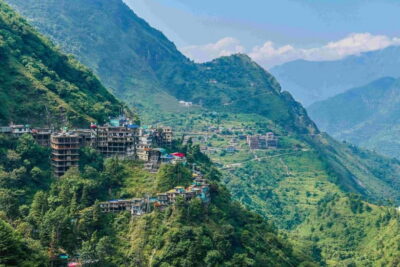
The day continues to Sari village in the Chamoli district. At about 2,011 meters, Sari is a small agricultural settlement with roughly 1,000 residents. Peach and apple orchards, farming, and rhododendron trees shape the setting. This is one of the more valuable parts of the trip because you get a glimpse of ordinary life in the mountains, not just a trail designed for visitors.
The village is described as largely untouched by modern development. That does not mean you should expect polished facilities. The family homestay arrangement is part of the point. You get a more local setting, but comfort may be simple, and the quality of rooms can vary.
This first day is also the point to settle into the pace of the journey. You are moving from Rishikesh into much higher country, so drink water, eat the included meals, and avoid treating the first day as a race. The guide can help you adjust your walking rhythm before the longer mountain section.
Day 2: Forest trail to Deoria Tal
After breakfast, you begin the walk toward Deoria Tal. The route covers about 2.5 kilometers and reaches the lake at 2,438 meters. The distance is not extreme, but the climb and altitude make it more than a casual stroll for some people.
The trail passes through forest, with greenery around the lake and snow-covered Himalayan peaks visible behind it. Deoria Tal is the kind of stop where the setting does most of the work. You get an hour at the lake, enough time to pause, take photographs, and enjoy the contrast between still water, forest, and high peaks.
The lake stop also shows why the tour is a good introduction to trekking. You do not need to commit to a remote multi-day route to see an alpine setting. At the same time, you are still walking uphill at altitude, so suitable shoes and a steady pace matter.
From Deoria Tal, the itinerary takes you onward toward Chopta, passing through Rohini Bugyal. Bugyal means a high meadow, and this one is described as a quiet meadow within the Chopta Valley forest. The stop lasts about an hour.
Rohini Bugyal is likely to appeal most to people who enjoy open mountain spaces after a wooded trail. It is less about a single famous sight and more about the change in scenery. You move from village and forest into a broad, quiet meadow setting before the next day’s high walk.
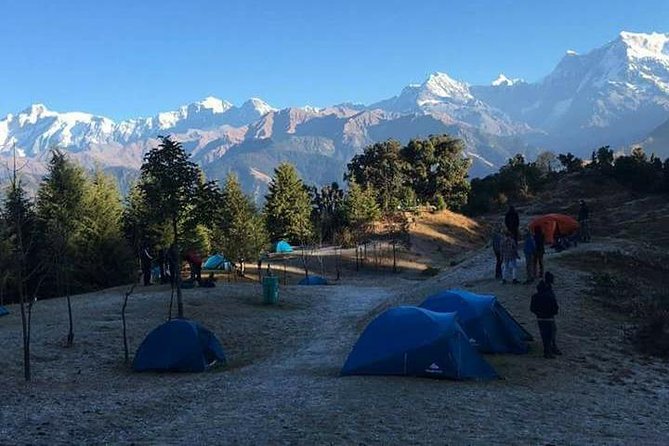
The accommodation pattern includes two nights at family homestays and one night at a campground. The schedule places you among local families as well as in a more basic outdoor setting. That mix adds character, but you should not book this expecting resort-style rooms, private hotel bathrooms, or a highly polished camping operation.
Day 3: Tungnath and the Chandrashilla sunrise
The main physical challenge arrives early. You wake at about 4 a.m., have chai, and begin walking toward the top of Chandrashilla Peak. The goal is to reach the high point around sunrise, with Tungnath Temple forming a major stop along the way.
The total stop is listed at about five hours, so plan for a serious morning rather than a quick photo walk. The early hour is not a gimmick. It gives you a chance to see the first light spread across the Himalayan peaks, but it also means cold temperatures and limited daylight at the beginning of the hike.
Tungnath is an important draw in its own right. The temple sits high in the mountains, and the route adds a cultural element to what could otherwise be only a mountain walk. Chandrashilla takes you higher still, where clear visibility can open views toward Nanda Devi, described here as India’s second-highest peak.
The views depend on weather. Clouds, haze, or poor visibility can block the distant peaks, so you should regard Nanda Devi as a possible reward rather than a guarantee. The sunrise itself is also weather-dependent, but the early walk remains the central adventure of the trip.
Warm layers are essential. One German-language review specifically praised the sunrise over the high Himalayan peaks and advised bringing warm clothes. That is sound advice. You will be standing or walking at altitude before the day has warmed up, and a thin jacket will not be enough for everyone.
The route is considered technically suitable for beginners, but you still need stamina. The difference matters. You do not need advanced climbing skills, ropes, or technical equipment based on the information provided, but you do need to handle several hours of walking, uneven mountain paths, an early start, and altitude.
This is also where a private guide earns their keep. A guide such as Ankush has been associated with the experience, and his friendly, good-humored approach has received particular praise. If he is assigned to your group, you may appreciate having someone who can add local context while keeping the long morning walk relaxed. Guide assignments should be confirmed when booking.
Another trail to compare in India:
- Har Ki dun Trek by Himalaya Shelter
★ 5.0 · 102 reviews - Wild Elephant Anakulam & Waterfalls Tour(munnar valley Trekking)
★ 5.0 · 98 reviews - Friendship Peak Trek
★ 5.0 · 94 reviews - Half Day Hiking in Munnar Trekking Tour
★ 5.0 · 89 reviews
Day 4: The long return to Rishikesh
After breakfast, you drive back to Rishikesh. The journey takes about six to seven hours, so the final day is mostly a road transfer rather than another trekking day.
That long drive is the main practical drawback of the schedule. It is the price of reaching the Himalayan foothills from Rishikesh and returning within four days. If you have a flight, train, or fixed appointment in Rishikesh, leave a generous buffer after the stated return time.
The private vehicle helps here. You have more control than you would on a shared group departure, but the mountain roads still set the pace. Traffic, road conditions, and stops can affect the timing, so do not plan an important same-day connection too tightly.
Homestays, camping, and included meals
The accommodation is designed to keep the trip close to local life. You spend two nights in a family homestay and one night at a campground. This is more atmospheric than staying in a standard hotel, but it also means you should be comfortable with basic facilities and changing levels of comfort.
Camping equipment and sleeping bags are included. Forest entry fees and permissions are also covered, so you do not need to budget separately for those listed items.
Meals included are four breakfasts, four lunches, and three dinners. That covers the main schedule, but extra snacks, drinks, and any food outside the included meals are your responsibility. Bring money for those purchases, as well as for souvenirs if you want them.
The meal plan is one reason the $201 price has solid value. You are not paying only for a guided walk. The package includes private transportation from Rishikesh, a guide, camping equipment, sleeping bags, permissions, and most meals. For a private four-day Himalayan outing, that keeps the cost fairly controlled.
Insurance is not included. That is worth taking seriously, since this is a mountain trip with altitude, uneven trails, and long road transfers. Arrange your own cover if you want protection for medical problems, cancellation, or other disruptions.
What the $201 price really buys you
At $201, this experience sits in a useful middle ground. You get more support than you would by arranging a village stay and local trek independently, but you avoid the cost and time of a longer expedition.
The strongest value comes from the private format. A shared tour can cost less, but a private group gives you personal attention and more flexibility. That can be useful if one person needs a slower pace, if you want extra time at Deoria Tal, or if you prefer not to hurry through Devprayag.
The price also removes several small decisions. Transport is arranged, food is mostly covered, permits are included, and camping gear is supplied. Those details add up quickly when planning a short mountain trip on your own.
Still, value depends on what you expect. If you want luxury lodging, a relaxed schedule, or very short drives, this is not the right product. If you want a guided introduction to the Himalayan foothills with local accommodation and a major sunrise walk, the package is more convincing.
Who should book this trek
I would recommend it to you if you want a compact Himalayan experience from Rishikesh and are comfortable with early mornings, basic accommodation, and moderate physical effort. It suits people who want a private trip rather than a large group departure.
It is also a good fit for first-time trekkers who do not need technical climbing. The route gives you a clear introduction to mountain walking without committing to a long, multi-night trail.
You should think twice if you dislike cold mornings, shared or simple accommodation, or long road journeys. The 4 a.m. start and five-hour Tungnath and Chandrashilla outing are not minor details. They are the heart of the trip.
The 98 percent recommendation rate and 4.9 rating from 52 recorded ratings suggest a strong level of satisfaction, especially around the scenery, guiding, homestays, and sunrise. Use those figures as encouragement, not as a substitute for matching the trip to your own fitness and comfort preferences.
Booking details to know before you go
Pickup is offered from Rishikesh, and the activity returns to the same meeting point. Confirmation is provided at booking, and a mobile ticket is accepted.
The experience operates Monday through Sunday during the stated operating period, from September 27, 2019 through February 21, 2027, with hours listed from 7 a.m. to 11:30 p.m. The exact pickup time should be confirmed before departure.
Service animals are allowed, and the meeting point is near public transportation. The tour is a private activity for your group only.
You can cancel for a full refund up to 24 hours before the experience begins. Changes or cancellations made less than 24 hours before the start time are not accepted for a refund.
Should you book the Chopta trek?
Book it if your priority is mountain scenery with a manageable time commitment. The combination of Sari village, Deoria Tal, Rohini Bugyal, Tungnath, and Chandrashilla gives you a varied four-day route, while private transport and included meals keep planning simple.
I would not book it for luxury or complete ease. You need moderate fitness, warm layers, patience for a six-to-seven-hour return drive, and a willingness to sleep in homestays and a campground. For the right person, though, $201 buys a personal, well-supported introduction to the Himalayan foothills, with a sunrise that can be the trip’s lasting memory.
FAQ
How long is the Chopta Trek?
The experience lasts approximately four days and returns to Rishikesh on the fourth day.
Where does the tour start and end?
It starts in Rishikesh, Uttarakhand, India, and ends back at the same meeting point.
Is transportation from Rishikesh included?
Yes. Private transportation and round-trip travel from Rishikesh are included.
Are meals included?
Yes. The package includes four breakfasts, four lunches, and three dinners. Additional food and drinks are not included.
Where will I sleep?
You will spend two nights at a family homestay and one night at a campground. Camping and sleeping bags are included.
How physically difficult is the trek?
A moderate level of physical fitness is required. The Tungnath and Chandrashilla outing lasts about five hours, begins around 4 a.m., and reaches high mountain terrain.
Is the tour private?
Yes. Only your group participates in this private activity.
Can I cancel for a full refund?
Yes, if you cancel at least 24 hours before the experience starts. Cancellations or changes made less than 24 hours before the start time are not accepted for a refund.
Latest treks added in India
- Jogini Waterfall Trek from Manali★ 5.0 · 2 reviews
- Prashar Lake Trek★ 5.0 · 7 reviews
- Kasol + Kheerganga Trek 3D/2N, all inclusive with BanBanjara★ 3.5 · 3 reviews
- 8 Days Markha Valley Trek: Shared Tour with Meals Included★ 5.0 · 3 reviews
- Ladakh Sham Valley Trek★ 5.0 · 7 reviews
- Ladakh One Day Trek- Gyamtsa to Phyang Village★ 5.0 · 4 reviews
- 1 Day Activity Adventure Trekking Kerala★ 5.0 · 5 reviews
- Kolukkumalai Trekking with Night stay in Tent★ 5.0 · 2 reviews
Rishikesh Trekking Tours, compared.
Browse the lists this tour appears in