
REVIEW · KATHMANDU
Private Multi Day Nepal Poon Hill Trekking Tour
Poon Hill gives you one of Nepal’s finest mountain sunrises without asking you to spend weeks on the trail. You climb through stone stairways, farm villages, and rhododendron forest to a viewpoint facing Annapurna, Dhaulagiri, Nilgiri, Gangapurna, and Machhapuchhre. I like the private guide and flexible pace, especially on a route where the uphill steps can test your legs. I also like that meals, lodging, park fees, and road transfers are bundled into the price.
The catch is simple: baby trek does not mean easy trek. The route has long walking days, a very early start for Poon Hill, and a demanding climb to Ulleri and Ghorepani. Road travel also takes up much of the first and last days, so you are paying for a compact mountain experience rather than six full days on foot.
Key points to know before booking
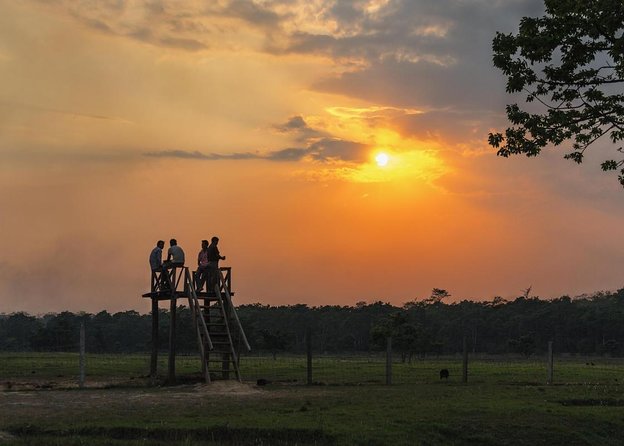
- Poon Hill sunrise reaches about 3,200 meters, with a wide view toward several major Himalayan peaks.
- The private format lets you adjust your pace, which matters on the stone steps to Ulleri and the early climb from Ghorepani.
- Gurung and Magar villages shape the route, offering a look at mountain farming, local Buddhist influence, and Hindu traditions.
- The six-day plan starts and ends in Kathmandu, with road connections through Pokhara and Birethanti.
- Meals, accommodation, permits, taxes, and a professional guide are included, while drinks, a porter, personal gear, and domestic flights are not.
- The strongest praise goes to the guides, particularly Buddhi and Thakur Dahal, who are described as patient, kind, and professional.
Why Poon Hill works for a short Nepal trek
Poon Hill is a smart choice if you want a Himalayan walking trip but do not have the time, equipment, or appetite for a long expedition. The route reaches a serious height, yet it remains a village-to-village trek with lodge accommodation rather than a camping trip.
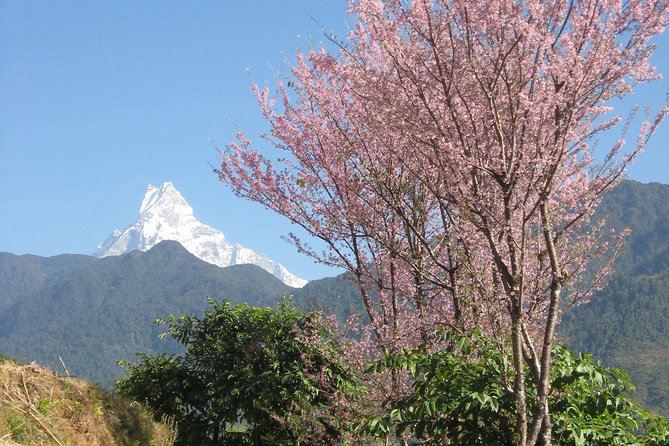
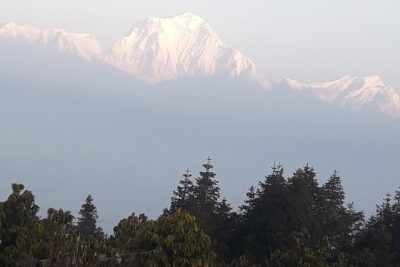
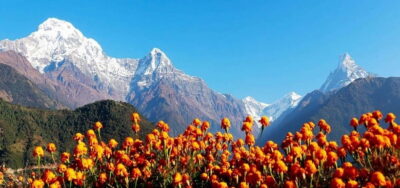
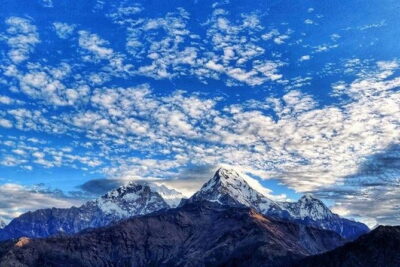
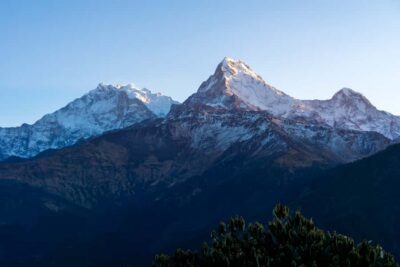
The reward is the view. From Poon Hill, you can look across roughly 350 degrees of mountain country, with the Annapurna range and Dhaulagiri among the main sights. The route description also identifies Annapurna I, Annapurna South, Gangapurna, Annapurna III, and Machhapuchhre, the distinctive peak also known as Fishtail.
That broad view is the reason to accept the effort. The walking itself is not merely a way to reach a lookout. You pass terraced fields, waterfalls, forest, and settlements connected by older mountain routes. You also move through several climate zones, from warmer lower hills to cooler forest around Ghorepani.
I would not choose this trip if your main goal is an easy country stroll. The climb from Tikhedhunga to Ghorepani involves many stone steps, and the early morning walk to Poon Hill adds another uphill push before sunrise. A private guide helps, but it does not remove the physical work.
More Poon Hill Treks in Kathmandu
- 4 Days Poon Hill Trek
★ 5.0 · 94 reviews - Ghorepani(Poonhill Trek)
★ 5.0 · 81 reviews - 4-day Poon Hill Trek
★ 5.0 · 74 reviews
Day 1: Kathmandu to Pokhara by road
The first day links Nepal’s capital with Pokhara, the main base for treks in the Annapurna region. This is a transfer day, not a mountain walking day, and the private bus arrangement keeps the group together.
Pokhara is important here because it places you closer to the trailhead. The route then heads toward Nayapul and Birethanti, where the walking portion begins. Since the trip includes a road journey at both ends, you should think of the package as a six-day regional journey with three main walking days and a sunrise hike, not as six consecutive days of trekking.
The exact amount of time spent on the road can affect how the day feels. A start time of 6:00 am is listed, so prepare for an early beginning. Your confirmation should make clear where pickup takes place and which hotel drop-off is covered, since hotel drop-off is limited to selected hotels.
Day 2: Pokhara to Tikhedhunga and the first village paths
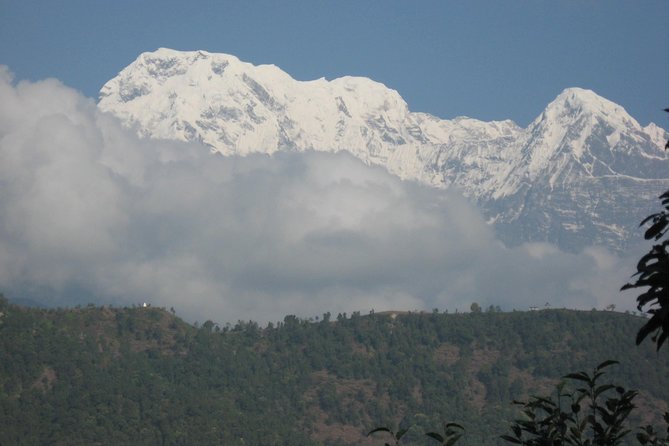
The next stage takes you from Pokhara toward Tikhedhunga, at about 1,577 meters. The road passes through the Pokhara valley and along the Baglung, Beni, and Pokhara highway, with views toward the Annapurna range when conditions allow.
The walking route begins around Nayapul or Birethanti. From there, the trail follows the Modi River, which is fed by glaciers in the Annapurna Himalaya. That gives the opening walk a pleasant rhythm: river country, green hills, farm plots, and settlements rather than an immediate mountain slog.
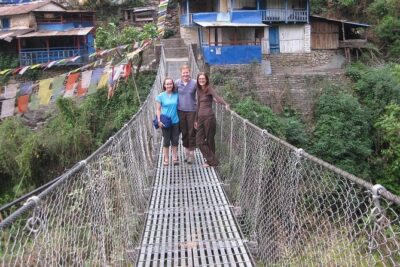
This section moves through the warmer lower hills. You pass traditional Gurung farm villages and terraced fields, with waterfalls and wooded slopes along the way. The route follows part of an old Trans-Himalayan salt trade route, a useful reminder that these paths were once working links between communities, not just hiking trails.
Tikhedhunga is a practical overnight point. It sets you up for the harder climb ahead, but it also means the day has a mix of vehicle travel and walking. If you want a trip made almost entirely of trail time, this schedule may feel short. If you want an organized introduction to the Annapurna area, it keeps the logistics manageable.
Day 3: Tikhedhunga to Ulleri and Ghorepani
This is the day to respect. The route rises through Ulleri, a village reached by a long run of stone steps. The climb is the clearest reason not to treat Poon Hill as a casual walk.
Your guide can help set a steady rhythm, and that is one of the best reasons to book privately. You are not tied to the speed of a large group. A slower pace can make the stairs more manageable, while a stronger group can avoid unnecessary waiting.
As you gain height, the air becomes cooler and the vegetation changes. Pine and oak forest replace the warmer lower-country feel, and the route begins to take on an alpine character. The trail then reaches Ghorepani, described at roughly 2,855 to 2,874 meters in the route details.
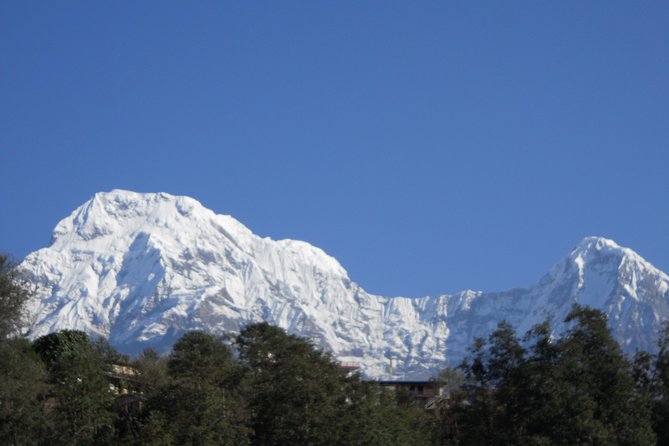
Ghorepani is one of the key stops because it combines a high mountain setting with access to the sunrise viewpoint. You can expect an overnight lodge stay here. The view includes Dhaulagiri, Nilgiri, and Annapurna South, though cloud and weather will decide how much you see.
The included meals are useful on this stage. Food costs add up on a trek, and having breakfast, lunch, and dinner arranged removes one more decision after a tiring climb. Drinks are not included, and alcoholic drinks are extra, so budget separately for those.
Another trail to compare in Kathmandu:
- Everest Base Camp Trek – 14 Days
★ 5.0 · 1,499 reviews - Everest Base Camp Trek
★ 5.0 · 842 reviews - Everest Base Camp Trekking
★ 5.0 · 485 reviews - Annapurna Circuit Trek with Tilicho Lake
★ 5.0 · 368 reviews
Day 4: Poon Hill before sunrise, then down to Ghandruk
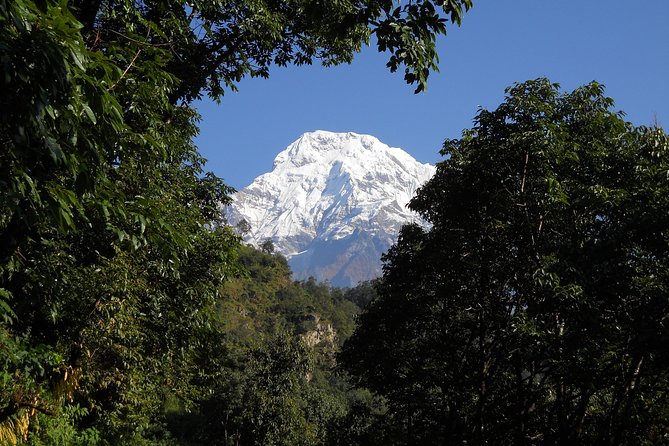
The early climb from Ghorepani to Poon Hill is the signature moment of the trip. The trail passes through rhododendron forest before reaching the high point, given in the route information as about 3,190 to 3,210 meters.
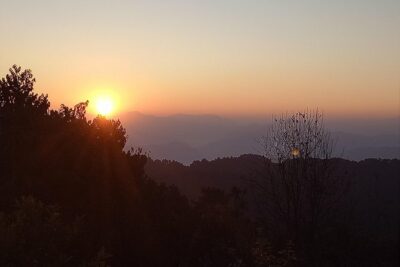
You should expect a pre-dawn start. The aim is to reach the viewpoint in time for sunrise over the Himalaya. On a clear morning, the panorama can stretch across about 350 degrees, with more than 400 kilometers of mountain views described along the range.
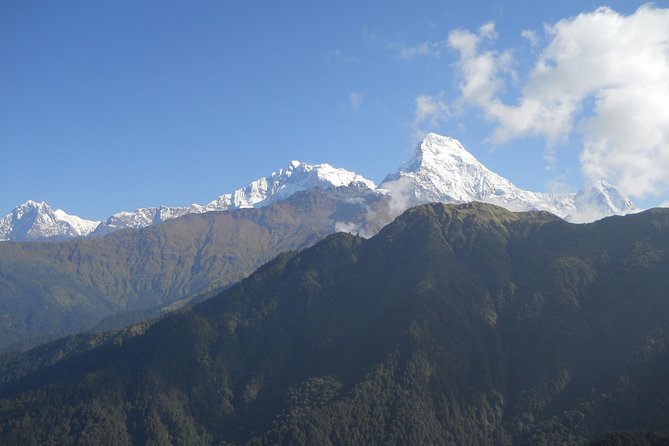
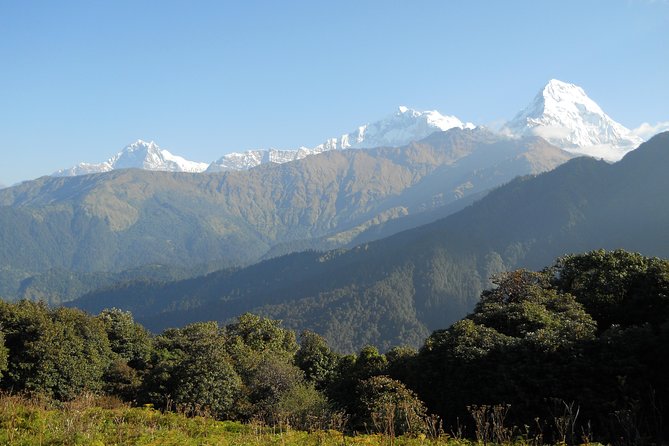
The named peaks give the view real scale. Annapurna I rises to 8,091 meters, Annapurna South to 7,219 meters, Gangapurna to 7,455 meters, Annapurna III to 7,555 meters, and Machhapuchhre to 6,997 meters. You will not see every peak on every morning, but the viewpoint is designed for a broad sweep rather than a single dramatic summit.
This is also where weather matters most. The trip requires good weather, and poor conditions can lead to a different date or a full refund if the operator cancels the experience. That protection is useful, but it does not guarantee a clear sunrise on a day when the trip operates.
After Poon Hill, the route continues to Ghandruk at about 1,960 meters. The descent changes the mood of the day. You trade the high viewpoint for village paths, forest, and lower hills, with a substantial amount of walking still ahead. Ghandruk is a strong overnight stop because it gives you another chance to see Gurung village life rather than rushing straight back to the road.
Day 5: Ghandruk to Birethanti and back to Pokhara
The route descends from Ghandruk toward Birethanti, at about 1,040 meters, before the return to Pokhara. This is a valuable final walking day because it links the mountain villages with the lower river corridor instead of ending the trek immediately after the Poon Hill sunrise.
The descent may sound easier than the ascent, but downhill stone paths can be hard on knees and ankles. Your private guide can help you manage the pace, and you should not feel pressured to rush. The trip is designed for a private group, so the walking rhythm can suit your party better than a fixed large-group schedule.
Birethanti marks the transition from trail to road. From there, the private bus transfer returns you to Pokhara. The day combines a real final hike with a practical connection, though the road portion means the schedule may feel full.
Day 6: Pokhara to Kathmandu
The last day reverses the opening transfer. You return by private bus from Pokhara to Kathmandu, with hotel drop-off available at selected hotels.
Because the journey ends in Kathmandu, this is not a good plan if you need to board an onward flight immediately after arrival. The provided details do not give a precise arrival time, so allow flexibility when arranging anything later that day.
Domestic flights are not included. That matters because some visitors may assume Pokhara and Kathmandu are connected by air within the package. Here, the quoted arrangement is based on round-trip private bus transfers.
What the $900 price really covers
At $900 per person, the price is not just payment for a guide and a trail. It includes accommodation as arranged in the itinerary, six nights of lodging, breakfast, lunch, dinner, coffee or tea, national park fees, local taxes, other taxes and handling charges, and private road transfers.
That bundle can offer solid value if you want someone else to handle the main pieces. You are not separately arranging permits, meals, lodge stops, or the Kathmandu to Pokhara connections. A private tour also gives you more control over pace and conversation than a shared departure.
Still, the price has limits. Personal trekking equipment is not included. A porter is also not included, so you should expect to carry your own belongings unless you arrange and pay for porter support separately. Drinks, alcohol, souvenir photos, hotel upgrades, and domestic flights cost extra.
There is also an odd detail worth checking before you pay: the trip is described as six days, while the inclusions refer to six nights of accommodation. The day-by-day route begins in Kathmandu and ends there, so ask the operator to confirm exactly which nights are covered and where each overnight stay occurs.
The private guide makes the biggest difference
The most consistently praised part of this experience is the guide service. Buddhi is described as especially kind and professional, while Thakur Dahal is singled out for patience, warmth, and professionalism.
Those qualities matter more here than polished commentary. On a trek, a good guide helps you keep a sensible pace, understand the villages and mountain cultures, and handle a tiring day without making you feel hurried. The private format also means you can ask questions about Gurung and Magar communities, Buddhist customs, Hindu influences, farming, and the older trade route.
The tour may be operated by a multilingual guide. If language is important to you, confirm which language your guide will use before departure. Names are not guaranteed in advance, so Buddhi and Thakur Dahal are useful examples of the standard you should hope for, not a promise that one of them will lead your group.
Who should book this trek
I would recommend it to a reasonably active hiker who wants a first taste of Nepal’s mountain routes without organizing every detail alone. It suits couples, families with older children, and small private groups who value a flexible walking pace.
The minimum age is nine, but children must be accompanied by an adult. That does not mean every nine-year-old will enjoy the stone steps or the early morning climb. Parents should judge fitness and patience carefully.
You should also be comfortable with basic lodge accommodation and a route that includes both road travel and uphill walking. Personal gear is your responsibility, and a porter is not part of the package. If you want upgraded hotels or a more luxurious trek, you will need to ask about paid upgrades.
The tour is less suitable for anyone looking for a gentle holiday, a fully urban Nepal itinerary, or a long, remote high-altitude expedition. Poon Hill gives you a strong mountain reward in a short period, but the schedule is active and the ascent is real.
Booking details worth checking first
Confirmation is provided at booking, and passport name, passport number, expiry date, and country are required for everyone in the group. The start time is 6:00 am, so check the pickup point carefully.
Only selected hotels receive drop-off, and food during the bus journey is not included. The experience requires a minimum number of participants, even though the tour itself is private for your group. If that minimum is not met, a different date or experience, or a full refund, is offered.
The cancellation rule is strict. The experience is non-refundable and cannot be changed for any reason if you cancel or request an amendment. I would wait until your dates, health, and transport plans are firm before booking.
Should you book it?
Book this Poon Hill trek if you want a well-organized Himalayan walk with a private guide, village scenery, included meals, and a strong sunrise viewpoint. The route gives you more than a photo stop: you walk through Gurung and Magar communities, cross changing climate zones, and experience the Annapurna foothills at a useful pace.
Before committing, be honest about the stone steps, early start, road transfers, and extra costs for gear and porter service. If those conditions suit you, the $900 package offers a practical way to see a memorable part of Nepal without carrying the full planning burden yourself.
FAQ
How long is the Poon Hill trekking tour?
The tour lasts approximately six days. The route begins in Kathmandu, travels to Pokhara, reaches Poon Hill, returns to Pokhara, and finishes back in Kathmandu.
What is the highest point on the route?
Poon Hill is the highest point. Its elevation is given as approximately 3,190 to 3,210 meters in the route details.
Are meals and accommodation included?
Yes. Breakfast, lunch, dinner, coffee or tea, and accommodation are included. The inclusions also refer to six nights of accommodation, so confirm the exact overnight schedule before booking.
Is this a private tour?
Yes. Only your group participates, and a professional guide accompanies the private tour. The guide may be multilingual.
Is a porter included?
No. Porter service and personal trekking gear are not included. Drinks, alcoholic drinks, souvenir photos, hotel upgrades, domestic flights, and food during the bus journey are also extra.
What happens if bad weather cancels the trip?
If the experience is canceled because of poor weather, you are offered a different date or a full refund. If the minimum number of participants is not met, you are offered a different date or experience, or a full refund.
Latest treks added in Kathmandu
- Private Manaslu Circuit Trek at Himalayas★ 5.0 · 3 reviews
- Ghorepani Poonhill Trek★ 5.0 · 5 reviews
- Ghorepani Poon Hill Trek★ 5.0 · 16 reviews
- Upper Mustang Trekking★ 3.0 · 2 reviews
- Amazing 1 Day Trekking Experience in Kathmandu Nepal★ 5.0 · 24 reviews
- Upper Mustang Trekking★ 5.0 · 2 reviews
- Upper Mustang Trek★ 5.0 · 5 reviews
- Upper Mustang Trekking★ 5.0 · 4 reviews
Poon Hill Treks, compared.
4-Day Ghorepani, Poonhill & Ghandruk Mountain Trek
Read our review →
Browse the lists this tour appears in