
REVIEW · CUSCO
4-Day Salkantay Trek to Machu Picchu
The big draw here is the change in scenery: snowy Andes, high mountain lakes, tropical valleys, and Machu Picchu in one four-day trip. I like the small-group format, which can make a hard climb feel less mechanical, and I like that the cooking team serves local Peruvian food rather than generic trail fare.
The catch is the physical demand. You will camp at 3,920 meters, cross a 4,650-meter pass, and walk as much as 24 kilometers in a day. The $810 price covers a lot, but permits, bottled water, optional train rides, sleeping bag rental, tips, and some meals still cost extra.
Key points to know
- Humantay Lake comes on the first day, after an early pickup and a steep high-altitude walk.
- The Salkantay Pass reaches 4,650 meters, making day two the hardest and coldest hiking challenge.
- The scenery changes quickly, from snow-capped peaks to warmer jungle valleys and tropical plants.
- Aguas Calientes hotel night replaces a second night of camping, giving you a proper bed before Machu Picchu.
- Small groups average about four people and never exceed 16, with pack animals carrying camping gear and up to seven kilos per person.
- The price includes transport and meals but not every major cost, so budget for permits, water, tips, and optional upgrades.
Why this route feels different from a standard Machu Picchu visit
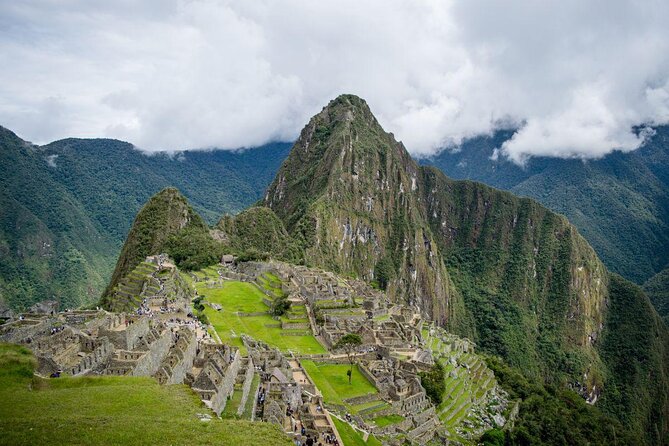
A direct Machu Picchu trip gets you to the ruins faster. This route makes the journey the main event. You begin in Cusco, climb into the high Andes, pass beneath Salkantay and Humantay, then descend toward warmer valleys before reaching Aguas Calientes.
That variety is the strongest reason to choose it. One morning you may be looking at snow and thin mountain air. A day later, you are walking beside streams, waterfalls, tropical plants, and fruit trees. The route gives you a much broader picture of southern Peru than a train ride alone.
The tradeoff is time and effort. This is not a gentle sightseeing package with a short walk at the end. You need to be in strong physical condition, and altitude changes from roughly 4,000 meters to 2,000 meters can affect your energy, sleep, and comfort.
More Inca Trail Treks in Cusco
- Salkantay Trek Challenge – 3 Days / 2 Nights
★ 5.0 · 101 reviews - Choquequirao Trek 4 days and 3 nights
★ 5.0 · 81 reviews - Machu Picchu: 5-Day Salkantay Trek with Panoramic Train
★ 5.0 · 79 reviews
Day 1: Humantay Lake and a cold night at 3,920 meters
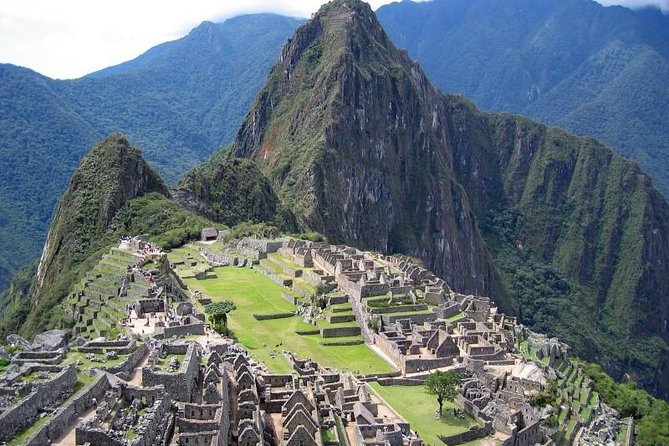
Pickup begins at 5:30 am, so prepare for a very early start. A tourist-class bus takes you from Cusco toward Mollepata at 2,900 meters, where you can stretch, buy snacks, and make one last check of your supplies. From there, a car continues to Challacancha, the walking starting point.
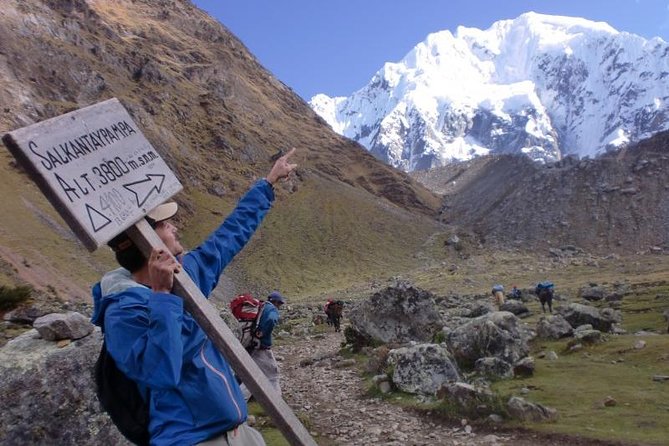
The first main walk takes about three hours to Soraypampa, at 3,920 meters. Lunch comes with broad views of snow-capped mountains, but do not mistake the meal stop for the end of the day. The hike to Humantay Lake takes about an hour and a half each way, and the altitude makes the climb feel harder than the distance suggests.
Humantay Lake is the visual reward of day one. The water sits below the mountain peaks, and the setting gives you an immediate sense of the scale of the Andes. Your guide can help with the pace and point out good places to stop, which matters when the air is thin and every uphill section feels personal.
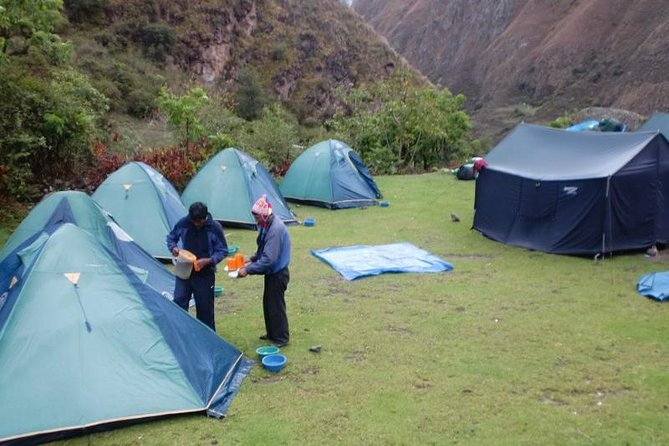
You then return to camp for dinner and an early night. This is the highest and coldest campsite of the trip, so bring warm layers, gloves, and a hat. A foam sleeping mat and tent are included, but a sleeping bag is an optional $15 rental, so confirm what you plan to use before leaving Cusco.
Day one covers about 14 kilometers and six hours of walking. Breakfast is not included, so bring money or food for the first meal. Two snacks are included during the trip, but bottled water is not, and you should plan carefully for hydration.
Day 2: The 4,650-meter Salkantay Pass
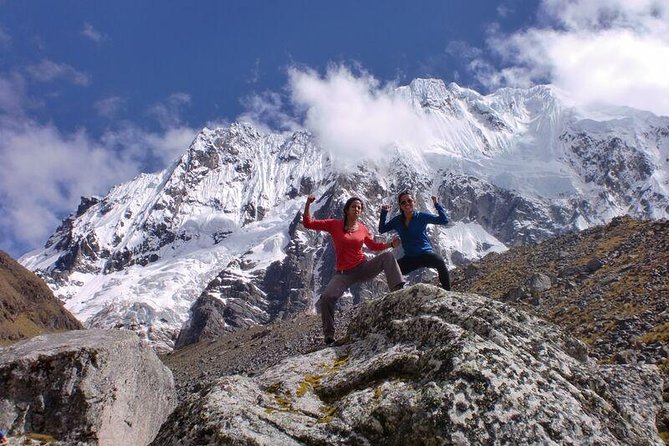
Day two is the toughest section for most people. Breakfast is scheduled around 6:00 am, followed by roughly four hours of uphill walking to the highest point of the route, the Salkantay Pass at 4,650 meters.
The pass lies between Salkantay Mountain and Humantay Mountain. Snow is possible, and the views across the high Andes are the sort you work for rather than simply stop beside on a bus tour. This is where a local guide can make a real difference. Guides such as Junior, Percy, Francisco, and Cesar have been praised for setting a manageable pace, offering encouragement, and explaining local geography, plants, culture, and Inca history.
If the climb becomes too much, horse rental is available for the ascent at about 100 to 120 soles. That option is not included, and it is wise to think of it as a practical backup rather than a failure. Altitude can surprise fit people, and saving strength for the rest of the day is sensible.
After the pass, you walk downhill for about two hours to Huayracpampa for lunch. The day is not over after eating. Another three hours takes you toward Challhuay or Colcapampa, near the start of the high jungle, at about 2,900 meters.
The listed distance is 22 kilometers, although the schedule gives an unclear walking-time notation. Plan for a long day. The downhill section may feel easier on your lungs, but it can be demanding on knees and feet. Trekking poles would be useful, though they are not listed among the included equipment.
Day 3: From mountain paths to Aguas Calientes
Day three changes the mood of the trip. After breakfast at about 6:30 am, you walk through the upper jungle, cross the Santa Teresa River, and pass small streams, waterfalls, tropical plants, and fruit trees.
Lunch is at La Playa, around 2,200 meters. From there, cars take you to Santa Teresa at 1,700 meters, then continue to the Hydroelectric Station. The drive from Santa Teresa to the station takes about 40 minutes.
At the Hydroelectric Station, you can either walk for about three hours to Aguas Calientes or pay $30 for the optional train transfer. The walk is part of the route, but after two demanding days, the train may be worth considering if your legs are worn out. The train cost is separate, and prices for optional services can change.
The full day is listed at 24 kilometers and about nine hours, including the walking and transfers. That makes day three longer than its warmer, greener setting might suggest. You will likely appreciate the hotel at the end. One night in a three-star hotel in Aguas Calientes gives you a real bed, a shower, and time to prepare for Machu Picchu.
Aguas Calientes has internet cafes, cafes with board games and cards, shops, and places to rest. Dinner is included, but day four lunch and dinner are not, so save some money for food in town or during the return journey.
Another trail to compare in Cusco:
- From Cusco: 7 Lakes Ausangate Trek with Breakfast and Lunch
★ 4.8 · 360 reviews - Cusco: Full-Day Rainbow Mountain & Red Valley Trekking Tour
★ 4.5 · 121 reviews - From Cusco: Rainbow Mountain Trek
★ 4.5 · 98 reviews - Ancascocha Trek To Machu Picchu 4 Days And 3 Nights
★ 5.0 · 77 reviews
Day 4: Early buses and two hours inside Machu Picchu
The final morning starts early again. The first buses to Machu Picchu leave around 5:30 am, allowing you to reach the site as morning mist lifts. The early timing is useful, but do not expect solitude. Machu Picchu can still feel crowded, especially around the main viewpoints and narrow paths.
Your bilingual guide leads an approximately two-hour walking tour. This is a valuable part of the package because the ruins are easier to understand when you know what you are looking at. Guides on recent departures, including Francisco and Percy, have been praised for explaining Inca culture, geology, and the site itself in clear English.
After the guided visit, you explore on your own. Huayna Picchu is available for an extra fee and must be booked ahead. Only 400 people are allowed up each day. Machu Picchu Mountain is another optional climb, also listed at PEN200, while Huayna Picchu is listed at PEN200 in the tour information. Confirm current prices and availability before departure.
You return to Aguas Calientes by bus, with departures about every 15 minutes from the entrance, or walk down for about an hour. The included return journey uses the train to Ollantaytambo, followed by a bus to Cusco. Drop-off is late at Plaza San Francisco, and you make your own way to your accommodation.
Breakfast is included on this final day. Lunch and dinner are not, and no guide accompanies you through the bus and train transfers, so keep your tickets and pay attention to the meeting instructions.
What the guides and small groups add
The strongest part of this trip is the human support. The guide is not only there to point toward Machu Picchu. On a demanding route, a good guide controls the pace, checks how people are handling the altitude, explains the setting, and keeps the group moving when the path feels long.
The named guides connected with recent departures include Cesar, Percy, Junior, Ruth, Francisco, and Chino. Their reported strengths vary from humor and encouragement to detailed explanations of local plants, geography, Peruvian culture, and Inca history. You should not assume a particular guide will lead your departure, but the pattern is clear: guide quality matters greatly on this trek.
The group size is capped at 16, with an average of four. That is a useful balance. A tiny group can adjust its pace more easily, while a maximum of 16 still gives the company enough structure to operate transport, meals, camps, and luggage support.
A horseman and mules carry cooking and camping equipment, plus up to seven kilos per person. That allowance includes three kilos for a sleeping bag and mattress and four kilos for personal items. Pack carefully. The weight limit is helpful, but it is not a reason to bring a full suitcase.
Food, camping, and the practical comfort level
Three breakfasts, three lunches, three dinners, and two snacks are included. Vegetarian meals are available if you request them at booking. The food has earned repeated praise, especially the local Peruvian dishes prepared by the cooking team.
Do not expect luxury meals in the mountains, but you should expect the food to be part of the experience rather than an afterthought. A cook such as Geraldo or Bennie has been credited with serving satisfying meals during difficult days. That matters when you are climbing at altitude and need more than packaged snacks.
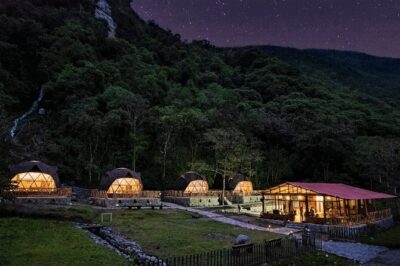
Camping is basic. The included tent is for two people, and single hikers share with another person. Couples receive their own tent or room. One hotel night in Aguas Calientes breaks up the camping, but three nights in the mountains still require a tolerance for cold, simple facilities, and early starts.
Emergency oxygen and a first aid kit are included. That is reassuring, but neither replaces preparation. Spend time in Cusco before the trek if possible, eat properly, drink water, and be honest with your guide if altitude symptoms become serious.
Is $810 a fair price?
At $810 per person, the trip includes a lot of moving parts: pickup from Cusco, road transfers, camping, a hotel night, a bilingual guide, cooking support, mules, meals, the Machu Picchu bus, the train to Ollantaytambo, and the bus back to Cusco.
That makes the price reasonable for a supported four-day route, particularly if you value having transport and camp logistics arranged. The small average group size also adds value, since the guide can adjust the walking pace more easily than on a large departure.
Still, calculate the real cost before booking. The Salkantay trekking permit is listed at PEN133, and the Machu Picchu charge at PEN48. Bottled water, day one breakfast, day four lunch and dinner, tips, and optional services are extra. The optional Hydroelectric Station train costs $30, while Huayna Picchu or Machu Picchu Mountain requires an additional entrance fee.
Tips are optional. Suggested amounts are 40 to 60 soles per trekker for the guide, 30 to 40 soles for an assistant guide, 60 to 80 soles for each horseman from the whole group, and 150 to 200 soles for the cook from the whole group. These figures are guidelines, not mandatory charges.
Who should book this trek?
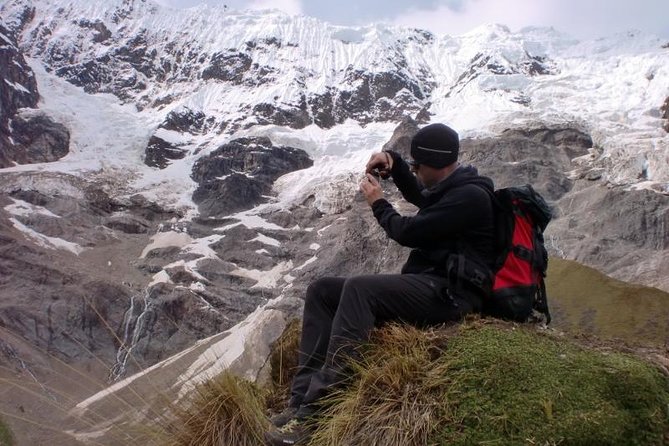
You should consider this trip if you want Machu Picchu as part of a bigger mountain journey. It suits hikers who can handle long days, steep climbs, cold camping, and a major altitude change. It also works well for people who value local food, a small group, and a guide who can explain more than the route itself.
It is less suitable if you want a relaxed holiday, dislike camping, or have not prepared for high altitude. The 5:30 am starts, 4,650-meter pass, 22-kilometer second day, and 24-kilometer third day are not minor details.
The minimum age is seven, but the stated physical requirement is strong fitness. For a child or older family member, the adults in the group need to judge ability carefully. The horse option can help on the steepest climb, but it does not turn the trip into an easy walk.
Should you book the Salkantay Trek?
I would book this route if the mountain scenery matters as much to you as Machu Picchu itself. The combination of Humantay Lake, the Salkantay Pass, high jungle paths, local meals, and a small group gives you a fuller Peruvian experience than simply taking the train in and out.
I would skip it if you mainly want comfortable sightseeing. The route is demanding, the cancellation policy is strict because the experience is non-refundable and cannot be changed, and the extra costs need attention.
Before paying, confirm the current permit charges, your Machu Picchu entry details, the sleeping bag plan, and whether your preferred optional mountain climb is available. If you are fit, prepared, and happy to trade comfort for scenery, this is a strong four-day way to reach Machu Picchu.
FAQ
How long is the Salkantay Trek to Machu Picchu?
The trip lasts four days. It includes three nights in the trekking area and one night in a three-star hotel in Aguas Calientes.
What time does the trek begin?
Pickup starts at 5:30 am in Cusco on day one. The final morning also begins early, with the first buses to Machu Picchu scheduled around 5:30 am.
How high does the route go?
The highest point is the Salkantay Pass at 4,650 meters. The first campsite is at about 3,920 meters.
Is the trek physically difficult?
Yes. You need a strong fitness level for long walking days, steep climbs, cold camping, and altitude changes between roughly 4,000 and 2,000 meters.
What meals are included?
The package includes three breakfasts, three lunches, three dinners, and two snacks. Day one breakfast, day four lunch, and day four dinner are not included.
Can I request vegetarian food?
Yes. A vegetarian meal option is available, but you should request it when booking.
How much luggage can the mules carry for each person?
The included allowance is seven kilos per trekker. This includes three kilos for a sleeping bag and mattress and four kilos for personal belongings.
Is the train from Hydroelectric Station to Aguas Calientes included?
No. The usual plan is a three-hour walk from the Hydroelectric Station to Aguas Calientes. An optional train transfer costs $30 per person.
Is the tour refundable if I cancel?
No. The experience is non-refundable and cannot be changed for any reason.
More four-day treks in Cusco
- 4 Day Inca Trail Trek to Machu Picchu Multi day tour
★ 5.0 · 70 reviews - Salkantay Trek 4 Days to Machu Picchu by Glamping Sky Lodge Dome
★ 5.0 · 68 reviews - Salkantay Trek to Machu Picchu in 4 days
★ 4.5 · 50 reviews - 4-Day Lares Trek to Machu Picchu from Cusco
★ 5.0 · 47 reviews
Latest treks added in Cusco
- Small Group: 4-Day Inca Trail Trek to Machu Picchu★ 5.0 · 33 reviews
- Salkantay Trek: 5 Days to Machu Picchu★ 5.0 · 33 reviews
- 5 Day – Salkantay trek to Machu Picchu – Group Service★ 4.5 · 27 reviews
- Humantay Lake Full-Day Adventure: Scenic Trek and Stunning Views★ 4.5 · 39 reviews
- Inca Trail Trek to Machu Picchu – 2 Days (Small Group or Private)★ 5.0 · 31 reviews
- Salkantay 5-Day Trek To Machu Picchu★ 5.0 · 39 reviews
- Ausangate and Rainbow Mountain Trek – 3 Days / 2 Nights★ 5.0 · 35 reviews
- 6 day Rainbow Mountain x Ausangate Trek – FlashpackerConnect★ 5.0 · 30 reviews
Machu Picchu & Inca Trail Treks, compared.
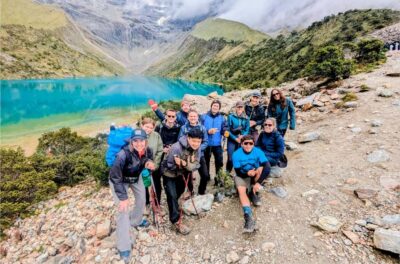
Machu Picchu: 5-Day Salkantay Trek with Panoramic Train
Read our review →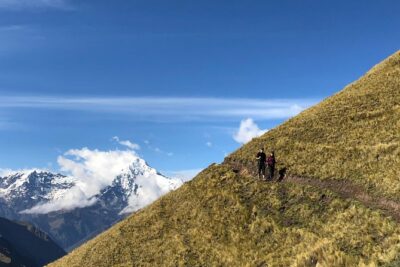
Ancascocha Trek To Machu Picchu 4 Days And 3 Nights
Read our review →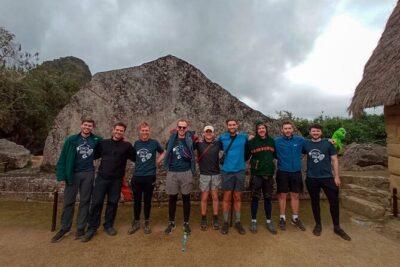
4 Day Inca Trail Trek to Machu Picchu Multi day tour
Read our review →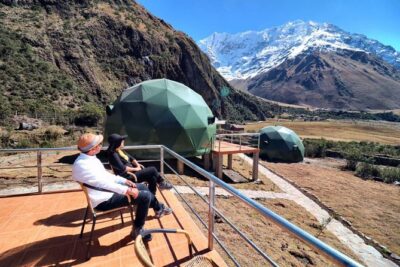
Salkantay Trek 4 Days to Machu Picchu by Glamping Sky Lodge Dome
Read our review →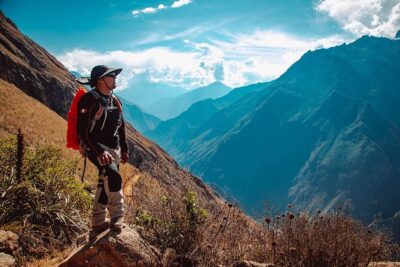
Browse the lists this tour appears in