
REVIEW · SUCRE
Sucre: 1-Day Trek in the Crater of Maragua and Inca Trails
The remarkable part of this day is the mix: an old Inca road, boldly colored mountains, a Jalqa village, and real dinosaur footprints, all within reach of Sucre. I especially like the downhill Inca Trail, which gives you a good five hours of walking without turning the day into a punishing trek. I also like that the tour connects scenery with living culture, including a possible meeting with a Jalqa weaver.
The main trade-off is the road travel. You spend about four hours in a private jeep or SUV, and the roads can be bumpy. The vehicle may be older, too, so this is best for you if remarkable sights matter more than a silky-smooth ride.
Key points at a glance
- Chataquilla start: Begin at a colonial chapel before walking the old Inca route.
- Downhill hiking: Most of the trekking is at 2,800 to 3,000 meters, with a manageable downhill section.
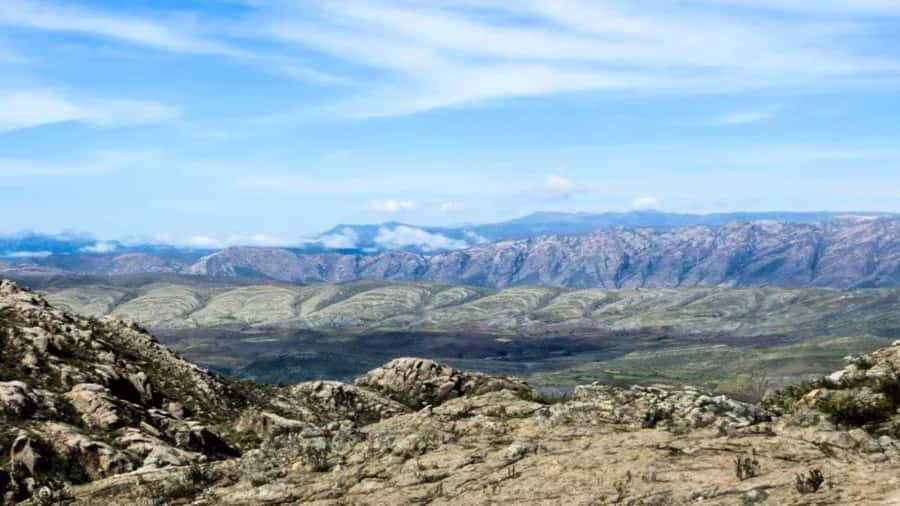
- Maragua Crater: See the striking folds and colors of the mountains, then visit La Garganta del Diablo.
- Jalqa culture: Learn about traditional villages and, if a weaver is available, see textile work explained firsthand.
- Dinosaur footprints: Spend two hours at a major afternoon stop that adds a prehistoric twist to the day.
- Good value at $94: Private transport, guide, lunch, and $10 in entrance tickets are included.
Why this Sucre day trip is more than a crater visit
Many day trips give you one headline sight and a lot of filler. This one has a better shape. You start with colonial and Inca-era remains, move through remote mountain country, stop for a local meal, then finish with geology and dinosaur tracks.
That variety is the reason I would recommend it to you if your time in Sucre is short. You are not simply driving to take a few photos of Maragua Crater. The route gives you several ways to understand the Chuquisaca Department: ancient roads, present-day Jalqa traditions, unusual rock formations, and fossils preserved in stone.
The experience lasts about 10 hours, with pickup in Sucre at 8:30 in the morning. Expect a full day rather than a casual outing. The walking totals roughly five hours, though the itinerary breaks it into separate sections and includes substantial vehicle travel.
More Volcano Treks in the world
- Mount Etna: Trek to 3000m with cable car and 4×4
★ 4.6 · 3,823 reviews - Mount Etna: Summit Crater Trek with Cable Car
★ 4.8 · 1,875 reviews - La Palma: Tajogaite Volcano Guided Trek
★ 4.8 · 1,810 reviews
Leaving Sucre for Chataquilla
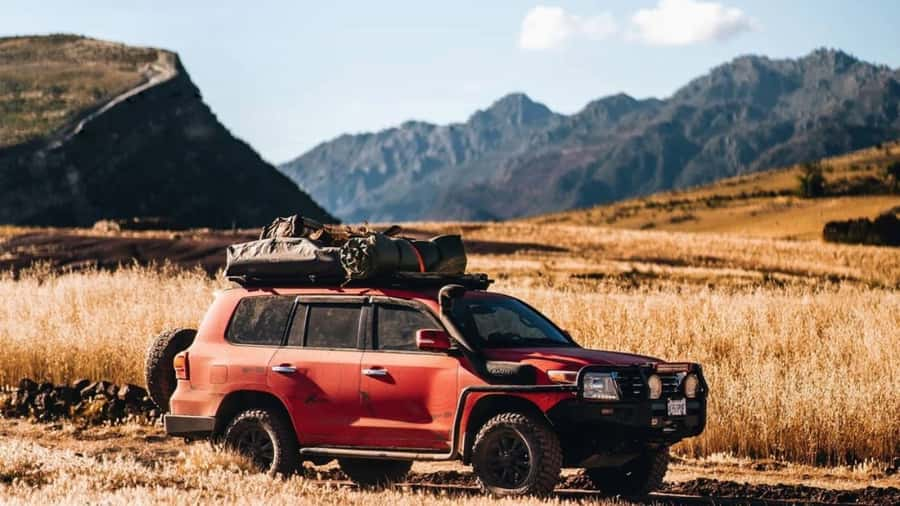
The day begins with hotel pickup. You should be ready in the lobby about five minutes before the scheduled time, since the exact departure can shift with the weather. The drive to Chataquilla takes about an hour in a private jeep or SUV.
Chataquilla is the first proper stop, centered on a colonial chapel. It is a useful place to begin because the tour does not throw you straight onto a trail with no context. Your guide can set up the route, the local culture, and the older paths that follow.
The stop is listed as about 30 minutes, including a photo stop and guided visit. Bring your camera, but do not treat this as the main event. The chapel is the quiet opening scene before the long walk.
Walking the 12th-century Inca trail
From Chataquilla, you start the main hike along a 12th-century Incan trail. Allow roughly two to two and a half hours here, depending on the pace and the day’s exact schedule.
This is the strongest part of the tour for many visitors, and I can see why. The route gives you a physical sense of how people moved through the region before modern roads. You are not looking at a paved exhibit behind glass. You are following an actual mountain path, with wide views over the colorful folds around Maragua.
The hike is mostly downhill, which makes it more approachable than a route that asks you to climb for hours. Still, downhill walking can work your knees and requires sure footing. Wear proper hiking shoes, not casual sneakers with smooth soles. At this altitude, between about 2,800 and 3,000 meters, the effort can also feel greater than it would at sea level.
You will want sunscreen even on a cool day. The supplied packing advice also calls for a flashlight and a waterproof bag. The flashlight is a sensible precaution for a long outing, while the waterproof bag protects documents and small electronics if the weather turns.
Guides can make a major difference on this stretch. Pablo has been described as an English, French, and Spanish-speaking guide, while guides such as Walter, Lizandro, Dinelsa, Carlos, Lee, and others have led departures. Names can vary by date, but the consistent strength of the better guiding is interpretation: plants, animals, local life, and the purpose of the trail become part of the walk rather than background scenery.
Chaunaca and the change from trail to jeep
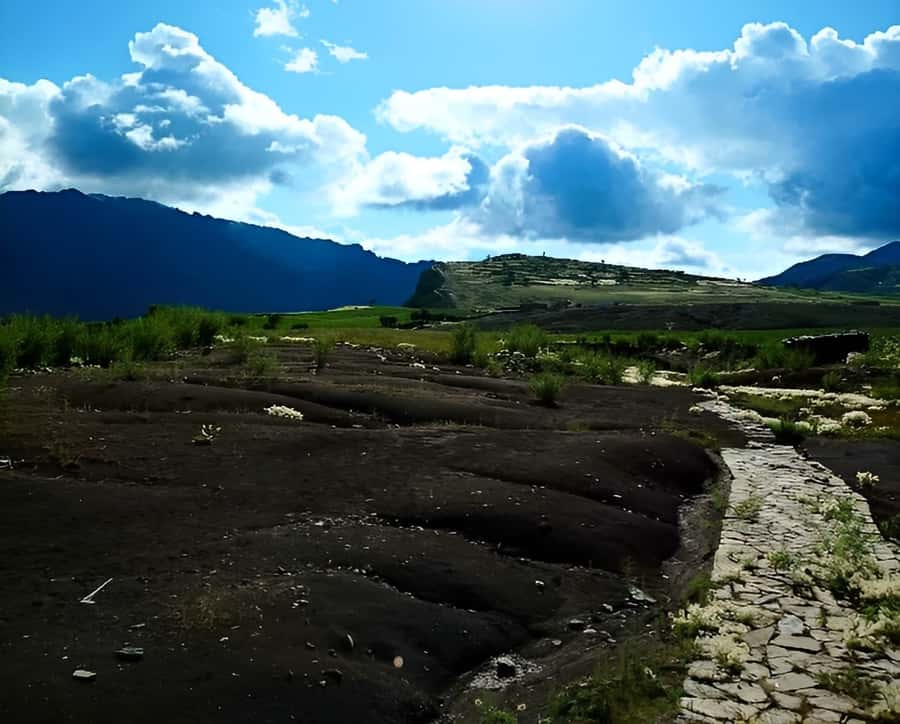
After the Inca trail, you reach Chaunaca for a short guided stop of about 15 minutes. This is not a long village visit, but it helps break up the walking and driving.
From there, the private vehicle takes you onward for roughly 40 minutes. This is where the tour’s mixed format becomes clear. You get a substantial walk, but you do not have to hike every mile between the stops. For you, that means a better balance than a hard one-day trek, especially if you want to see the crater and dinosaur footprints without arriving back in Sucre completely spent.
The downside is road comfort. The route can be rough, and one vehicle has been described as old. I would not book this expecting a polished coach ride. The private jeep is valuable because it reaches the scattered sites, but the price of that access is bouncing over uneven roads.
More one-day treks in the world
- From Sapa: 1-Day Guided Trek to Lao Chai & Ta Van with Lunch
★ 4.9 · 416 reviews - Sapa 1 Day Long Trek: Trek to Hau Thao and Sa Seng Villages
★ 4.6 · 344 reviews - Doi Inthanon National Park with Nature Trail Trekking 1-Day Tour
★ 4.5 · 230 reviews - 1-day Authentik trek & Panorama valley views
★ 5.0 · 189 reviews
Maragua Crater and La Garganta del Diablo
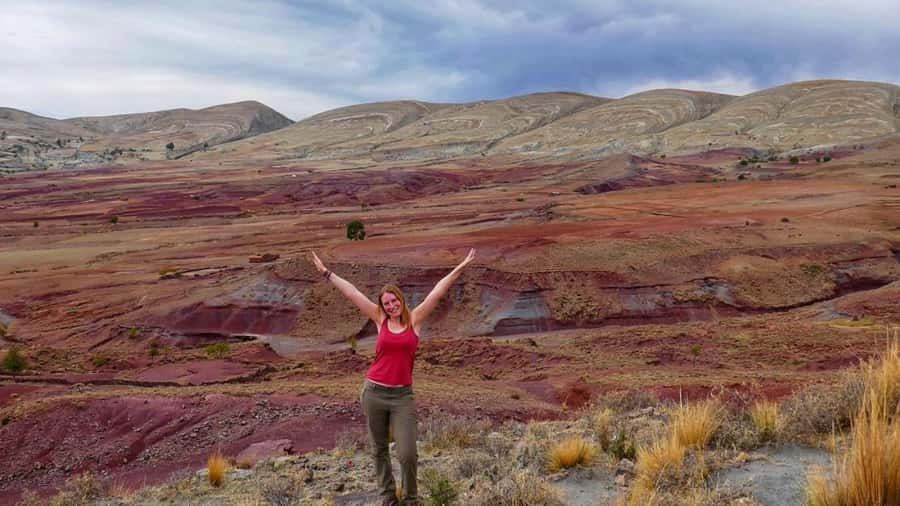
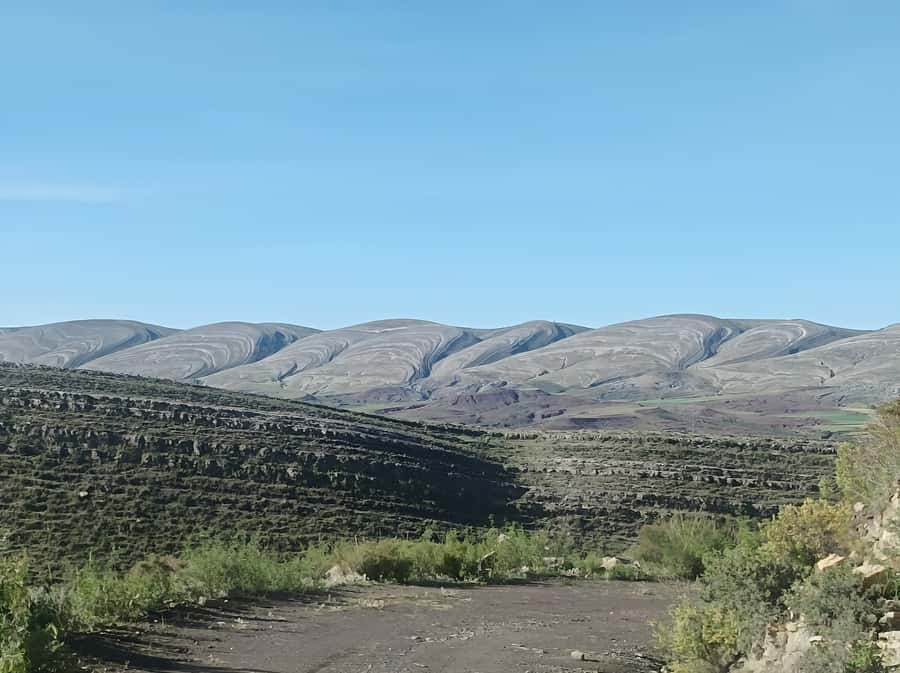
The Maragua Crater area is the visual center of the day. Its mountains are marked by strong bands and folds of color, making the setting look almost painted from a distance. The term crater can suggest a neat circular hole, so keep expectations flexible. The appeal is the broad formation and its unusual geological shapes, not a single perfect rim viewpoint.
You spend about 45 minutes visiting and walking around the crater area, then continue to La Garganta del Diablo, a dramatic rock formation. The name means Devil’s Throat, and the stop adds a more focused geological feature after the wide views of Maragua.
Lunch is included and vegetarian. That matters because this is a remote, full-day outing, and you do not have to arrange a meal between the trail and the afternoon sites. The food has been described as tasty, and one departure included a Bolivian picnic. Water is not included, so bring enough for the day. Breakfast and snacks are also your responsibility.
I like the lunch placement. It comes after the main morning hike, when you need a proper break, and it gives the day a local rhythm rather than treating the region as a drive-through photo stop.
Jalqa villages and textile traditions
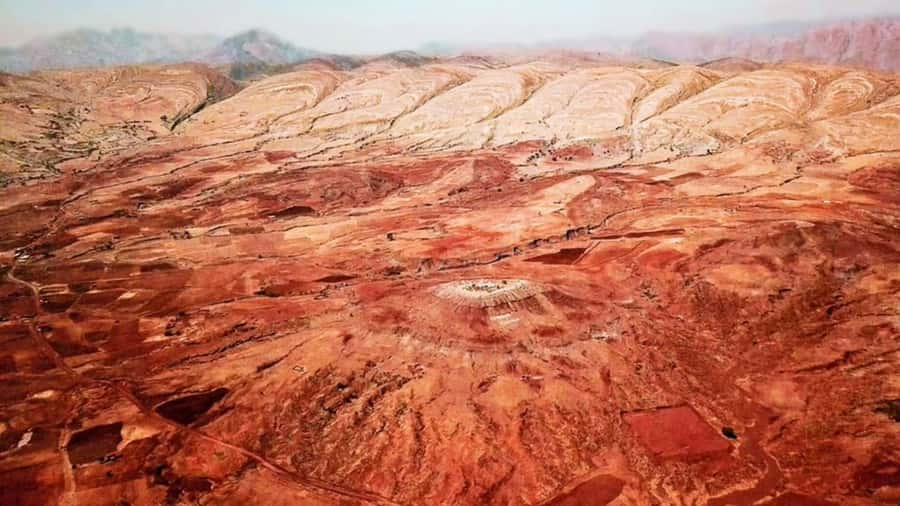
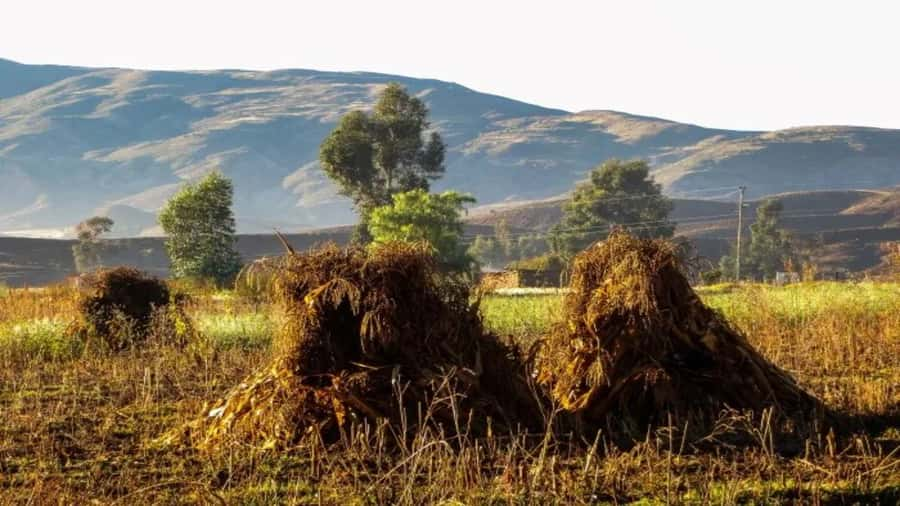
The tour also introduces you to Jalqa culture and traditional villages in the area. If a weaver is available, she can explain the art of Jalqa textile work. This part is not guaranteed, so do not book solely for a formal weaving demonstration.
Even with that limitation, the cultural element is important. A mountain trip can become a string of viewpoints unless someone explains how people live in the places you pass. A guide who discusses indigenous life and local customs gives the scenery a human frame.
The experience is also a chance to learn directly from a local craft tradition rather than only buying a souvenir. If a weaver is present, pay attention to the explanation of the work itself. The encounter may be brief, but it gives meaning to the patterns and textiles you may see elsewhere in Bolivia.
Dinosaur footprints in the afternoon
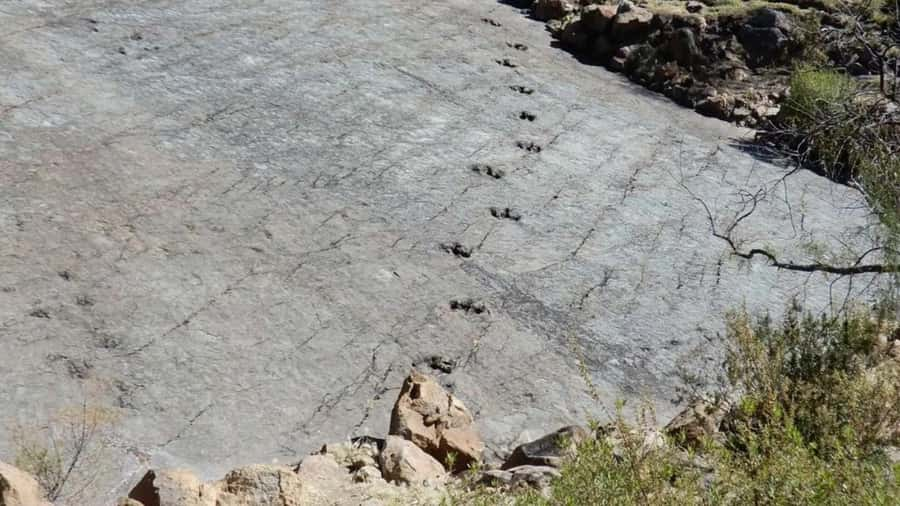
The final major stop is the dinosaur footprint site, where you spend about two hours. This is not just a quick roadside photo. The amount of time planned here lets you look carefully and hear an explanation of what you are seeing.
The dinosaur tracks are a clever complement to the Inca trail. In the morning, you follow a route shaped by human movement. In the afternoon, you see traces left by animals that crossed this region long before people. The tour’s description presents the ancient paths as routes once traversed by dinosaurs, giving the day a long sweep through time.
This stop may be especially useful for families with older children, though children under nine are not accepted. It also helps if you are not primarily interested in archaeology or hiking, since the footprints provide a separate reason to make the trip.
Keep your expectations grounded. The experience is about examining preserved footprints and understanding the site, not watching a fossil excavation or visiting a large museum. The site is one part of a varied day, and its value works best when combined with the trail and crater rather than judged alone.
The drive back to Sucre
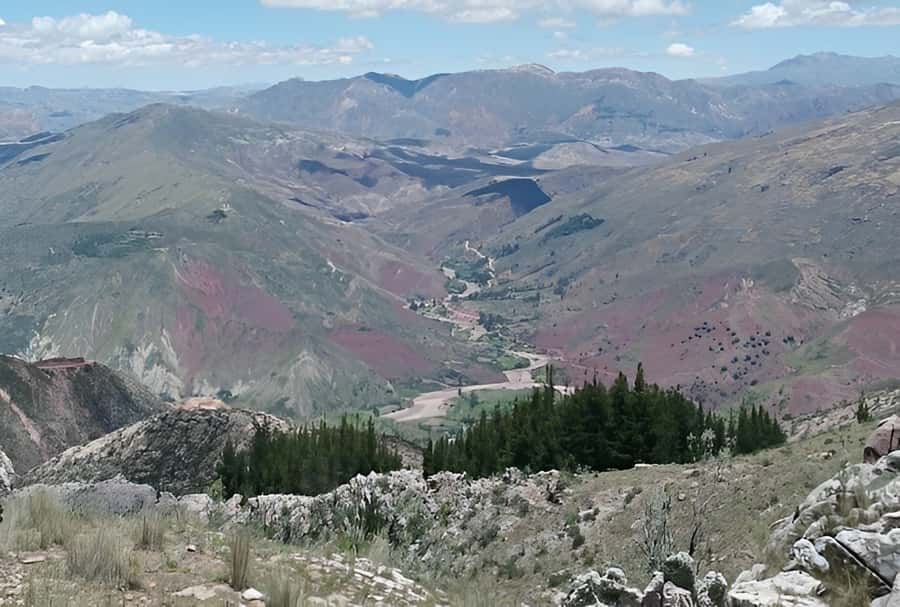
After the dinosaur footprints, the return drive takes about two hours. You should expect to reach Sucre in the evening after a long day on the road.
This final stretch is worth considering before you book. The total schedule gives you a great deal for one day, but it leaves little room for lingering at every stop. Weather can affect the departure time, and the tour runs rain or shine. Bring a waterproof bag and clothing suitable for changing conditions.
The return ride can also feel long after the hike. On the other hand, private transport is a real advantage here. You do not need to find your own way back from a remote site, and the vehicle connects places that would be difficult to combine independently in one day.
What the $94 price includes
At $94 per person, the price is reasonable for the amount packed into the day. You receive hotel pickup and drop-off, private transportation, an English or Spanish-speaking guide, lunch, a first aid kit, and entry tickets to the Inca Trail, Maragua, and dinosaur footprints. The admission tickets alone are valued at $10.
The biggest value is the private vehicle. The sites are spread out, and arranging separate transport would add both cost and hassle. The guide is also important because the appeal is not only visual. Without explanations about the trail, Jalqa culture, and local history, you would see impressive places but understand less about them.
You still need to budget for water, breakfast, and snacks. I would eat breakfast before pickup and carry extra food for the road, especially if you tend to get hungry after several hours of walking.
Free cancellation is available up to 24 hours before departure, and you can reserve now and pay later. Those terms help if your Sucre schedule is still shifting, but the main booking decision should be your comfort with the long day and bumpy roads.
Fitness, altitude, and what to pack
You do not need to be an expert trekker, but you should be comfortable walking for several hours on mountain paths. One particularly useful description of the route is good exercise without being too difficult, helped by the downhill direction.
That does not mean effortless. Uneven ground, altitude, sun, and a long return ride all add up. The tour is not suitable for children under nine, pregnant women, people with mobility impairments, or wheelchair users.
Pack:
- Hiking shoes with reliable grip
- Sunscreen
- Plenty of water
- Snacks and breakfast if needed
- A passport or copy, since identification is requested
- A flashlight
- A waterproof bag
- Clothing that can handle rain or changing conditions
The tour goes ahead in rain or sunshine, although the departure time may change because of weather. Good shoes and a waterproof layer are not optional extras here. They are what keep a memorable day from becoming an uncomfortable one.
Who should book this day trip
I would choose this tour if you want to see more than Sucre’s colonial center and have only one free day for the surrounding region. It suits you especially well if you enjoy walking, dramatic mountain scenery, local culture, and unusual archaeological or fossil sites in equal measure.
It is also a strong choice for anyone who wants a guided experience rather than a self-drive outing. The route is spread across several locations, and the guide’s explanations add much of the value. Guides such as Pablo, Walter, and Lizandro have been praised for clear English and friendly, thoughtful support, though your assigned guide will depend on the date.
I would think twice if you dislike long vehicle rides, rough roads, or full schedules. The tour is not wheelchair accessible, and it is not designed for people who want a slow morning and an early return. The chance to meet a weaver is also dependent on availability.
Should you book the Maragua Crater and Inca Trails tour?
Yes, if you want a full day that combines the best-known sights near Sucre with more meaningful local context. The Inca trail and colored mountains are the main reasons to go, while the Jalqa connection, vegetarian lunch, and dinosaur footprints make the day feel varied rather than repetitive.
Book it knowing that the jeep ride is part of the deal, not an annoying gap between attractions. At $94, the private transport, guide, lunch, and entry fees make the price fair. For a short stay in Sucre, this is one of the most efficient ways to reach the countryside and return with a real sense of the area.
FAQ
How long does the Sucre Maragua Crater tour last?
The tour lasts about 10 hours, beginning with hotel pickup in Sucre at around 8:30 in the morning and returning to Sucre after the dinosaur footprint visit.
How much walking is involved?
You will walk for approximately five hours in total, including the Inca trail, the Maragua Crater area, and the dinosaur footprint site. Much of the main trail is downhill.
What altitude should I expect?
Most trekking takes place between 2,800 and 3,000 meters above sea level.
Is lunch included?
Yes. A vegetarian lunch is included. Water, breakfast, and snacks are not included, so you should bring or buy those yourself.
Is the tour offered in English?
Yes. Live guiding is available in English or Spanish. Some departures may have guides who speak additional languages, but English and Spanish are the stated options.
What happens if it rains?
The tour operates rain or shine, although the departure time may vary depending on the weather. Bring a waterproof bag and suitable hiking clothing.
Latest treks added in the world
- 5 Days Desert Trekking from Marrakech★ 5.0 · 16 reviews
- 3 days Toubkal Trek from Marrakech★ 5.0 · 4 reviews
- Elite Experience Atlas Mountains Day Trekking★ 5.0 · 7 reviews
- Morocco Desert Trek 4 Days: 2 days on foot in Morocco★ 5.0 · 2 reviews
- Atlas Mauntains and 3 Valleys Trek★ 5.0 · 6 reviews
- 3 Days Berber Villages Trek – Authentic Atlas Mountain Experience★ 5.0 · 4 reviews
- Atlas Mountains Valley Trek – 3 Days★ 5.0 · 29 reviews
- 5-day Jebel M’goun trek★ 5.0 · 2 reviews
Volcano Treks, compared.
Mount Etna: Trek to 3000m with cable car and 4×4
Read our review →
Etna: summit craters trekking with volcano guide 3350mt
Read our review →
Mount Etna Trekking Tour Beyond the Tourist Trails
Read our review →
Mount Etna: Guided Trek 3,000 Meters to the Summit
Read our review →
Etna Sunset Tour: Volcano trek, Cave & tasting from Catania
Read our review →
Browse the lists this tour appears in