
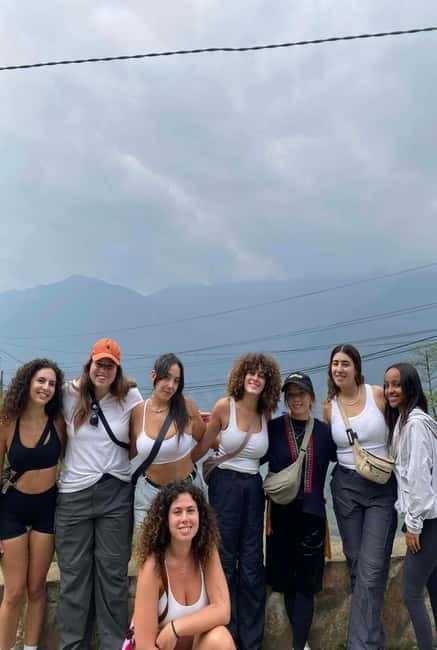
REVIEW · SAPA
SAPA: 2-DAY 1-NIGHT TREKKING & CULTURE WITH HMONG GUIDE LINH
Sapa’s best moments often come on foot, and this trek takes you well beyond the town’s stone church into the rice terraces of Muong Hoa Valley. You’ll pass Black Hmong, Giay, and Red Dao villages, sleep in a family homestay, and learn to make spring rolls with your hosts. The overnight stay and the local guide’s stories give the walk a human touch that a quick viewpoint stop cannot match.
I like the small-group feel and the generous amount included: four meals, village entry fees, a guide, and a night in a family home. The main caution is the trail itself. Nineteen kilometers over two days is manageable for a reasonably fit person, but mud, steep steps, hot sun, and slippery paths can turn an easy walk into hard work.
The essential details at a glance
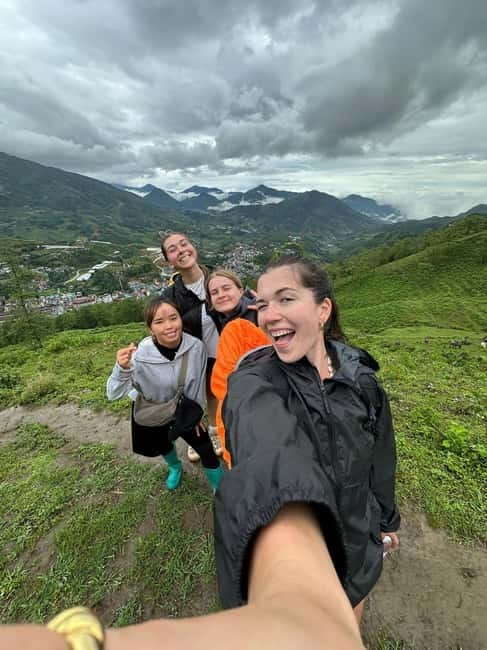
- Two days on foot: Walk about 12 kilometers on Day 1 and 6 kilometers on Day 2, with roughly 5 to 6 hours of trekking followed by 3 to 4 hours.
- Three local communities: Meet Black Hmong in Y Linh Ho and Lao Chai, Giay and Hmong families in Ta Van, and Red Dao people near Giang Ta Chai.
- A real family homestay: Sleep in a simple, welcoming home with basic facilities, home cooking, and time for an evening meal and spring-roll lesson.
- A guide with local connections: Linh leads the experience, while some departures have also been handled by Lala, Mia, Mimi, or additional family guides. Confirm your guide’s name before setting out.
- Good value, with a payment detail to check: The advertised price is $6 per person, but a final payment of 700,000 VND per person is due after the trek, in addition to the 160,000 VND booking fee.
- Come prepared for weather: Bring sturdy hiking shoes, water, sun protection, insect repellent, and a change of clothes. Rain can alter the route.
Starting at Sapa Stone Church
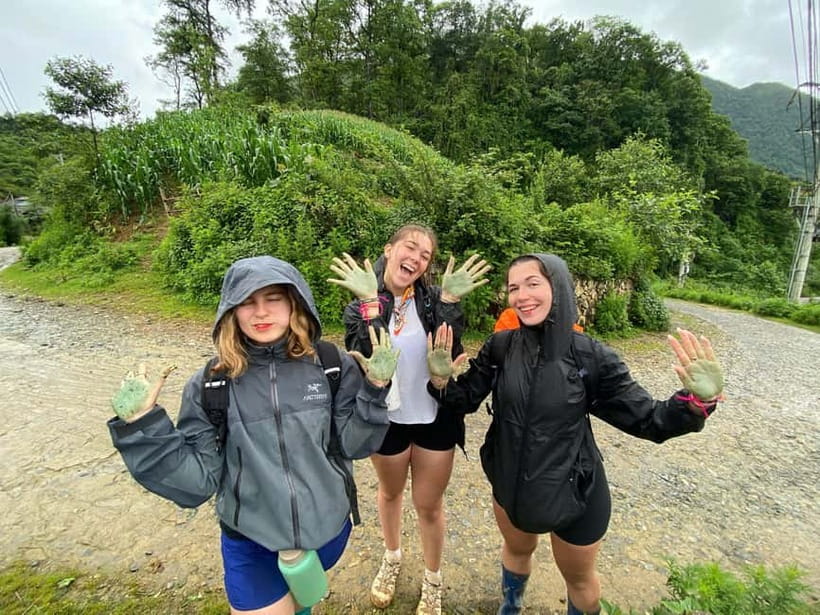
Your morning begins at Sapa Stone Church at 9:00. The meeting point sits beside the central square on Núi Hàm Rồng Street, so it is easy to reach from central Sapa. Look for your guide at the entrance with a name tag or sign.
The listed guide is Linh, a Hmong woman who speaks English. Some descriptions and past arrangements use the names Lala, Mia, or Mimi, and several departures have included a husband, daughter, or second guide. That is not necessarily a problem, but I would confirm the exact guide and pickup details before the morning of the trek.
The trek starts southeast of town, quickly leaving Sapa’s traffic and shops behind. At first, you gain views over the valley and the town. Then the route becomes more rural, with paths leading through fields, village lanes, and mountain slopes.
You do not need specialist climbing skills, but you do need sure footing. The trail is natural rather than paved, and the condition changes with the season. In dry weather, heat and dust can be the issue. After rain, expect mud and slick stones. Walking poles are not listed as included, so bring your own if you use them.
More evening departures in Sa Pa
- From Sapa: 2 Days 1 Night Trek Over Night At Homestay
★ 5.0 · 68 reviews - Sapa: 2-Day Local Guided Valley Trek with Night Homestay
★ 5.0 · 27 reviews - Hanoi: Sapa Trekking 2 Days 1 Night – Sleeper Bus from Hanoi
★ 4.6 · 18 reviews
Day 1: Muong Hoa Valley, Y Linh Ho, and Lao Chai
Muong Hoa Valley is the visual centerpiece of the first day. Its rice terraces fold across the hillsides, with misty peaks and scattered villages beyond. The view changes with the farming calendar. Green fields, harvested plots, standing water, and fog each give the valley a different look.
The first major stop is Y Linh Ho, a Black Hmong village surrounded by terraces. This is a useful early introduction to the area because the route is not only about scenery. You see wooden and bamboo homes, farming areas, and the way village life fits around the steep slopes.
Your guide adds value here. Linh can explain local customs, rice planting, and daily work in the valley, while also helping you read the trail. The cultural side is best approached with patience and respect. Ask before photographing people, especially children, and listen when your guide explains what you are seeing.
The trail continues to Lao Chai, one of the larger Hmong communities in the area. Here you get a stronger sense of valley life, with more homes, paths, and cultivated slopes. Ancient stone carvings are another point of interest, though this is not a museum visit with long formal explanations. Their meaning and age may be discussed briefly as you pass.
Lunch breaks the walking day. The included meals make the price easier to justify, but meal timing can be relaxed. One account describes lunch taking about an hour to arrive, so do not plan a tight afternoon appointment. Carry a snack in case you need extra fuel.
Ta Van and an evening with the host family
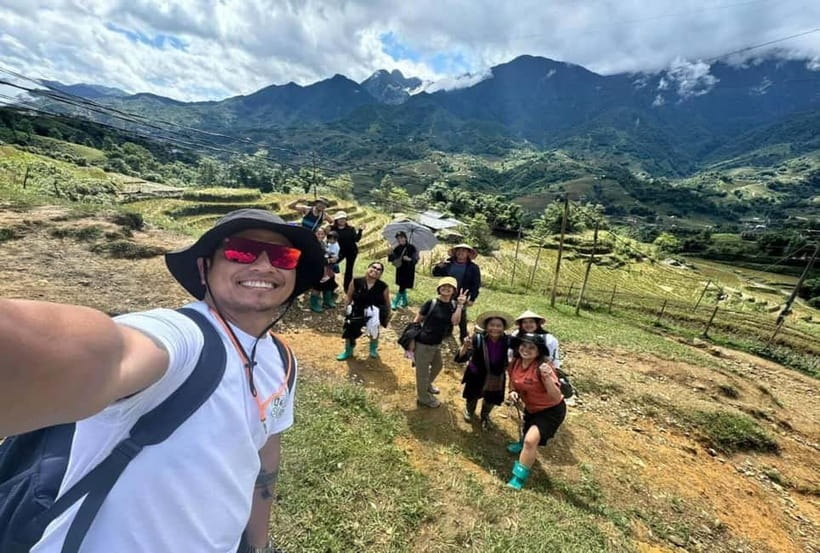
The afternoon route leads toward Ta Van, where Giay and Hmong communities live among green slopes and narrow valley paths. Suspension bridges, small streams, and cultivated plots add variety after the long terrace sections.
Ta Van is where the overnight part becomes important. Instead of returning to Sapa after taking photos, you stay near the communities you have walked through. The homestay is simple but intended to be comfortable, with basic toilets and showers. Some groups have had a private room, while the arrangement can vary.
Do not expect resort service. Facilities are basic, and hot water or room arrangements may depend on the family home. That is part of the exchange: you gain a closer look at rural life, but you give up the polish and privacy of a hotel in Sapa.
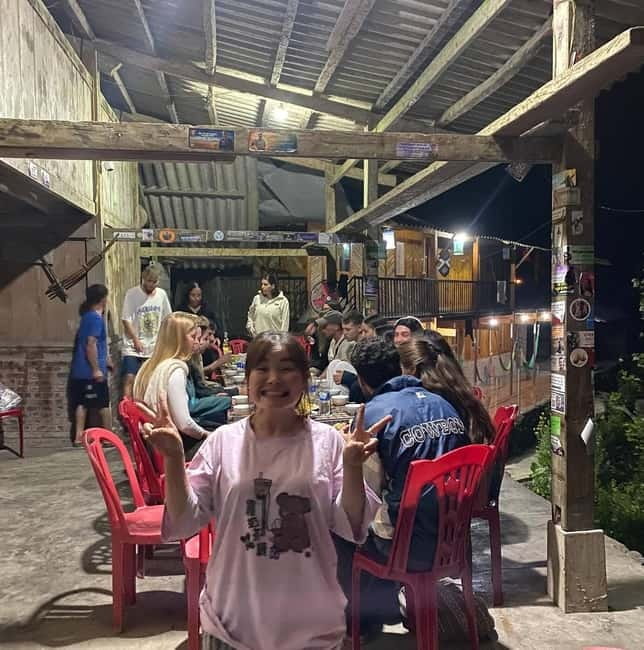
The evening meal is one of the strongest parts of the trip. Food is cooked by the host family, with generous portions and vegetarian options available. A spring-roll cooking class gives you something to do beyond sitting at the table, and it turns dinner into a shared activity rather than a standard restaurant stop.
Afterward, the mood may become lively, with games, karaoke, and happy water, the local term often used for rice liquor shared at social meals. You can join in or keep things quiet. If you prefer an early night, tell your guide and host. The schedule may leave a few free hours between arrival and dinner, so bring a book or a deck of cards if that sort of downtime suits you.
Sunrise views from the homestay are possible, but weather controls the show. Fog and rain can hide the mountains, while clear mornings may reveal the valley in soft early light.
Day 2: Giang Ta Chai, bamboo forest, and Supan
Day 2 begins with breakfast at the homestay before a shorter walk toward Giang Ta Chai. The route feels different from Day 1. Instead of spending most of the time looking across wide rice terraces, you move through bamboo forest, near waterfalls, and along greener, more enclosed paths.
Giang Ta Chai is associated with the Red Dao, known for red headdresses and herbal bathing traditions. Your guide can help explain the difference between the communities you meet. That matters because the villages are not interchangeable. Clothing, customs, language, and daily routines vary from one group to another.
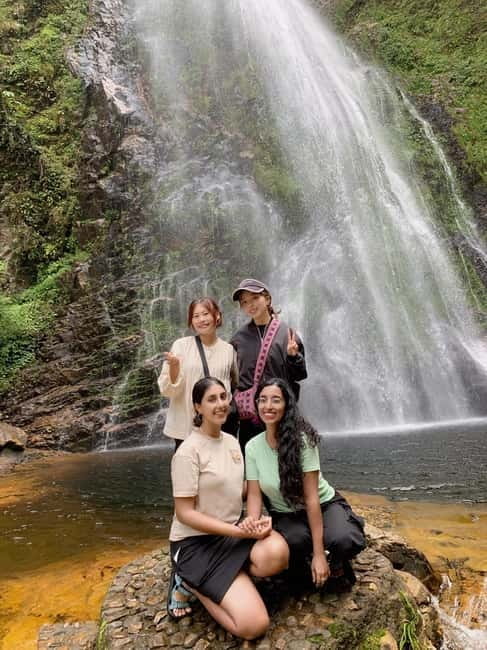
Waterfalls and suspension bridges give this section a more playful feel. Swimming may be possible at a waterfall or pool, depending on conditions and the route chosen, so pack a swimsuit if you would like that option. It is also wise to keep a dry change of clothes in an accessible part of your bag.
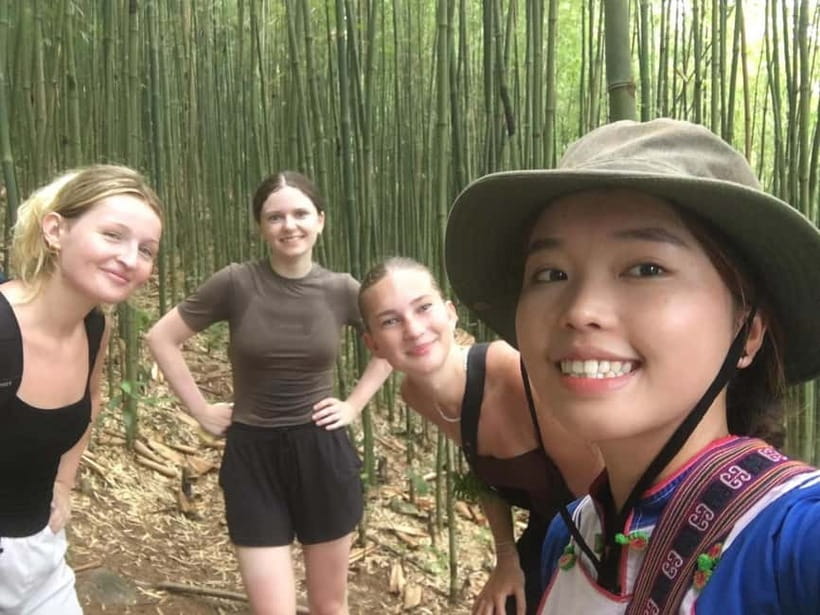
The bamboo section can be slippery after rain. Children from nearby villages may appear along the route, and the walk can feel social and informal. Local people may sometimes help visitors on steep or awkward parts of the trail. If someone assists you, your guide can explain local expectations.
Supan is the final village stop before lunch and the return journey. This quieter hilltop community provides broad valley views and a chance to catch your breath. Lunch takes place at a small family restaurant, followed by transport back to Sapa Stone Church at about 14:30.
The return transfer is useful. You do not need to walk all the way back to town, and the shuttle gives your legs a break after two days outside. The activity ends at the original meeting point.
More two-day treks in Sa Pa
- EXPLORE SAPA: 2D1N TREKKING & HMONG CULTURE WITH DINH
★ 4.9 · 191 reviews - Sa Pa: 2-Day Trekking Trip with Ethnic Minority Homestay
★ 4.7 · 145 reviews - Sapa : 2-Day Trek & Heartwarming Homestay with an Ethnic Family
★ 5.0 · 143 reviews - 2 Days Fansipan Trekking
★ 5.0 · 84 reviews
What the $6 price really means
At first glance, $6 per person seems almost too low for a two-day trip with meals and lodging. The payment terms explain the difference. The booking fee is 160,000 VND, and a final payment of 700,000 VND per person is due after the tour. Check the current total carefully before booking, since the headline price does not appear to be the full amount.
Even at the stated total, the package offers solid value. You receive an English-speaking guide, one night at a family homestay, four meals, village and attraction entry fees, and transport back to Sapa. You are also supporting a local family and guide rather than paying only for a scenic transfer.
Drinks are extra, including soft drinks and alcohol. Bottled water is not clearly included, and one practical complaint was the lack of water at the homestay. Bring enough for the day and buy more before leaving Sapa.
Bag storage is available if you already have a hotel in town. For early arrivals, a motorbike can carry up to two large backpacks to the homestay for 50,000 VND per bike. The simplest plan is to leave your main luggage at your Sapa hotel and take only what you need for one night.
Weather, heat, and the right footwear
Sapa’s conditions can change quickly. Clear skies bring excellent views but also strong heat, especially on exposed paths through the terraces. Cloud, fog, and light rain reduce the views but can make the walk cooler and atmospheric.
I would not attempt this in sandals. Wear hiking shoes with grip, and bring a light raincoat or jacket even if the forecast looks fair. A hat, sunglasses, sunscreen, and insect repellent are useful. A swimsuit, dry clothes, and a small towel make sense if the waterfall stop allows swimming.
The trek is rated moderate, not easy. You will walk 19 kilometers in total, climb and descend uneven ground, and spend several hours outside each day. The route is not suitable for babies under one year, and children under four are free if arranged in advance. The upper age restriction is listed as 95, but fitness and balance matter more than the number.
Bad weather can lead to a changed route. That is a sensible safety measure, though it may mean missing a particular village, viewpoint, or waterfall. Keep your schedule flexible rather than booking an important evening connection immediately after the 14:30 return.
The cultural experience, with a few boundaries
The best part of this trek is the chance to spend time with people who live in the valley, not just look at their homes from a bus. Cooking with the family, eating at the homestay, and hearing about Hmong, Giay, and Red Dao life give the walk more meaning.
The interaction should still be respectful. Some local women may accompany visitors over difficult sections and later offer handmade bracelets, scarves, or other goods. Prices may be reasonable, but the sales approach can feel persistent. You do not need to buy anything. A polite no is enough, and your guide can help if you feel uncomfortable.
Ask before taking close-up photos. Keep your voice low around homes, do not enter private areas without permission, and remember that the village is a workplace and home, not a stage set.
Who will enjoy this trek most?
I would choose this trip if you want a strong first taste of rural Sapa and do not mind basic accommodation. It suits solo visitors especially well because the group setting, shared meals, and evening activities make it easy to meet people. Couples and small groups also get plenty of time with the guide and host family.
It is a good match for you if:
- You want terraces and villages rather than only Sapa’s town sights.
- You enjoy walking for several hours on natural trails.
- You value local meals and conversation over hotel comfort.
- You can handle changing weather and a flexible route.
- You want a trip with a social evening, not an early, silent night.
I would think twice if you have knee, balance, or mobility problems, or if you dislike muddy trails, long walks, shared spaces, and simple facilities. The route is described as moderate, but hot sun and slippery ground can make it feel strenuous.
Should you book the Linh trek?
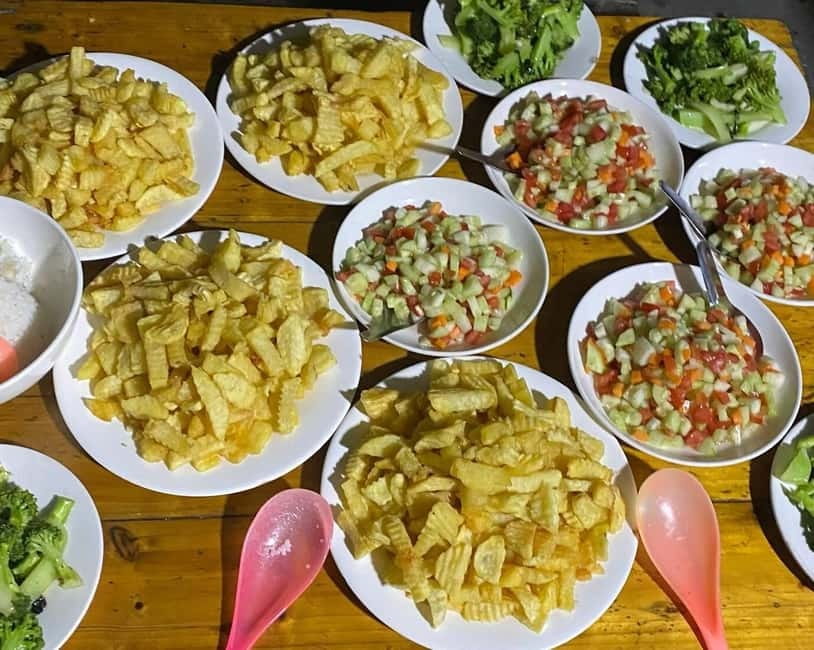
Book it if your priority is people, scenery, and value in one compact trip. Linh and the other local guides connected with this experience are praised for warmth, humor, English communication, and careful support on the trail. The family meal, spring-roll lesson, bamboo forest, and waterfall give the two days a good mix.
Before paying, confirm the full cost, the guide’s name, luggage plan, and whether your group will have a private room or shared sleeping space. Pack serious shoes, water, sun protection, and rain gear. If you do that, this is a practical way to see Sapa from the valley floor rather than from behind a coach window.
FAQ
How long is the trek?
The full route covers about 19 kilometers over two days. Day 1 is approximately 12 kilometers and takes 5 to 6 hours. Day 2 is about 6 kilometers and takes 3 to 4 hours.
Where does the trek start?
You meet at Sapa Stone Church at 9:00. The church is on Núi Hàm Rồng Street near Sapa’s central square.
Which villages are included?
The route includes Y Linh Ho, Lao Chai, Ta Van, Giang Ta Chai, and Supan. You meet Black Hmong, Giay, and Red Dao communities.
What meals are included?
The package includes lunch and dinner on Day 1, plus breakfast and lunch on Day 2. Additional drinks are not included.
What is the homestay like?
The homestay is simple, authentic, and family-run, with basic facilities. Some arrangements include a private room, but room setup can vary.
Is the trek suitable for beginners?
It is rated moderate. You should be ready for 19 kilometers of walking, steep sections, uneven paths, and possible mud. Comfortable hiking shoes are important.
Can I cancel the booking?
You can cancel up to 24 hours before the tour for a full refund. Bookings should be made at least 48 hours in advance, and the route may change if weather creates safety concerns.
Latest treks added in Sa Pa
- Soob Sapa Trekking Tour★ 4.3 · 3 reviews
- Sapa: Y Linh Ho – Lao Chai, and Ta Van Trekking Day Tour★ 5.0 · 25 reviews
- Sapa Trekking Private Tour With Ethnic Female Tour Guide★ 4.9 · 24 reviews
- Sapa Trekking – Waterfalls And H’mong Villages★ 5.0 · 2 reviews
- Sapa Trekking Guide Francophone 2 days – 1 night★ 5.0 · 2 reviews
- Sapa: Trekking Through Terraced Rice Fields & Valley 1 Day★ 4.8 · 4 reviews
- Sapa: Ta Phin Village Trek with Lunch and Bathing Experience★ 4.7 · 13 reviews
- Sapa small groupe activities: 1 Day trek – Meet the locals★ 4.7 · 3 reviews
Evening Experiences, compared.
Stromboli: Sunset Trekking at Sciara del Fuoco
Read our review →
Etna Sunset Tour: Volcano trek, Cave & tasting from Catania
Read our review →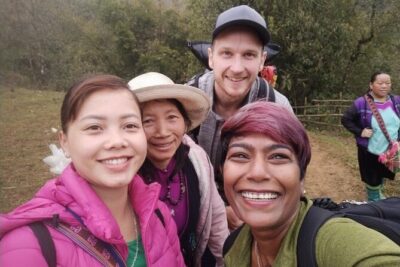
2-Day Mt. Toubkal Trek with 1-Night Stay & Meals
Read our review →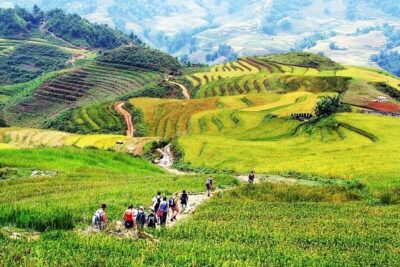
Sapa 3 Days 2 Nights Trekking Tour (1 Night In Ta Van Village, 1 Night In Hotel)
Read our review →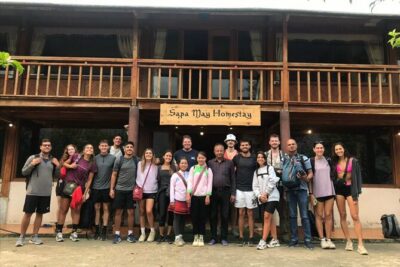
Sapa 3 Day 2 Night Trekking With Hotel & Homestay
Read our review →
Browse the lists this tour appears in