
REVIEW · CHILE
Puerto Natales: Base of the Towers Trekking Experience
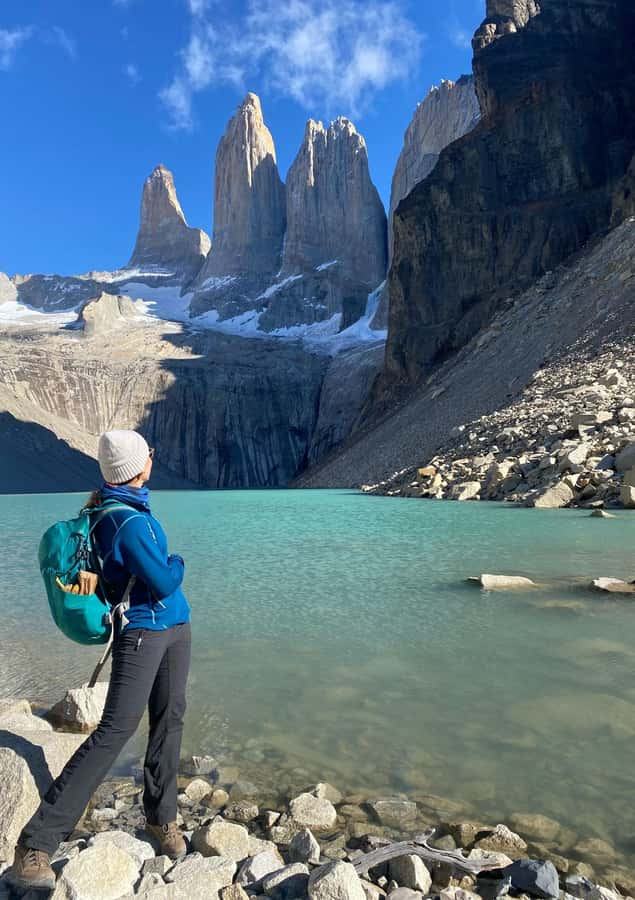
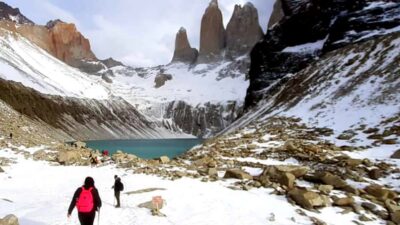
The reward here is one of Patagonia’s great mountain views: the three granite towers above a pale moraine basin. Reaching the Base of the Towers viewpoint takes real effort, though. This is roughly a 20 to 23-kilometer return hike, with a long uphill section and a full day on your feet.
I like the hotel pickup and return transfer, especially since the day starts around 6:15 to 6:45 AM and ends near 9:30 PM. I also like the guides’ steady support. Guides including Sebastian, Daniel, Pablo, Ramiro, Leo, and Francisco are repeatedly praised for pacing groups, lending a hand, and keeping morale up. The catch is simple: this is not a casual park walk. It can feel like a hard endurance hike, and cloud or snow may hide the towers.
Key points to know before you book
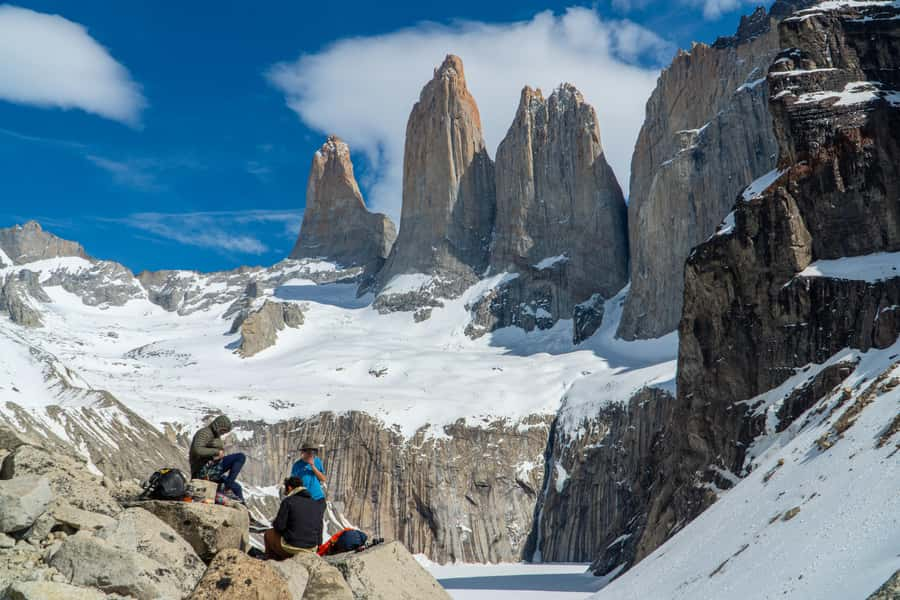
- The viewpoint sits at 890 meters: The final approach climbs over steep, loose moraine rather than a smooth walking path.
- Plan on 10 to 12 hours of hiking and travel: The full outing lasts about 14 hours, including two-hour drives each way.
- Guides and poles are included: Certified local guides carry a first aid kit and provide hiking poles, which help on rocky ground.
- Weather can change the payoff: Rain, snow, and cloud have hidden the towers for some groups, even when the hike itself remained worthwhile.
- Food and park entry cost extra: Bring lunch, snacks, and water, and budget separately for the national park entrance.
- Fitness matters more than age: The route has helped some older hikers reach the viewpoint, but it is not suitable for people with low fitness or limited mobility.
Why the Base of the Towers is worth the effort
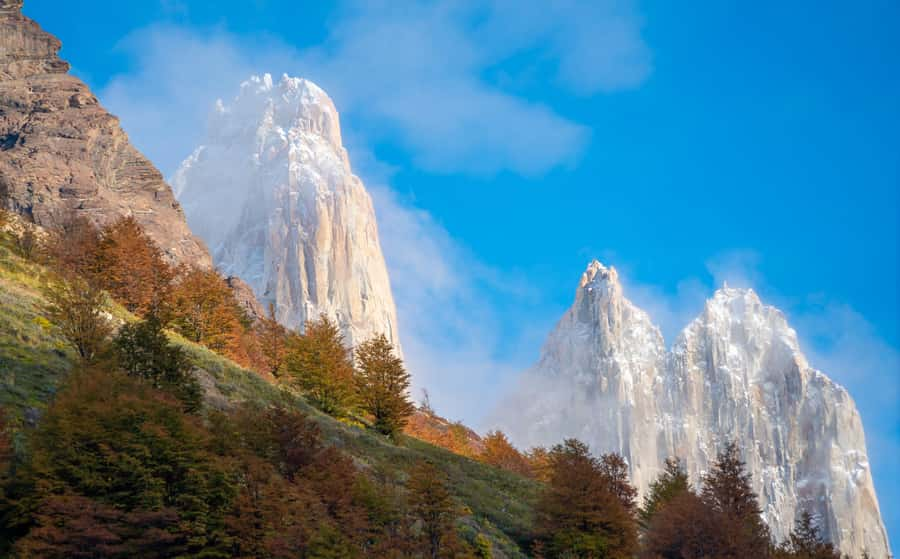
Torres del Paine is famous for three tall granite spires rising above a mountain basin. The Base of the Towers trek takes you to the foot of that view rather than leaving you at a roadside lookout. That makes the day feel earned, but it also means you must accept a demanding route.
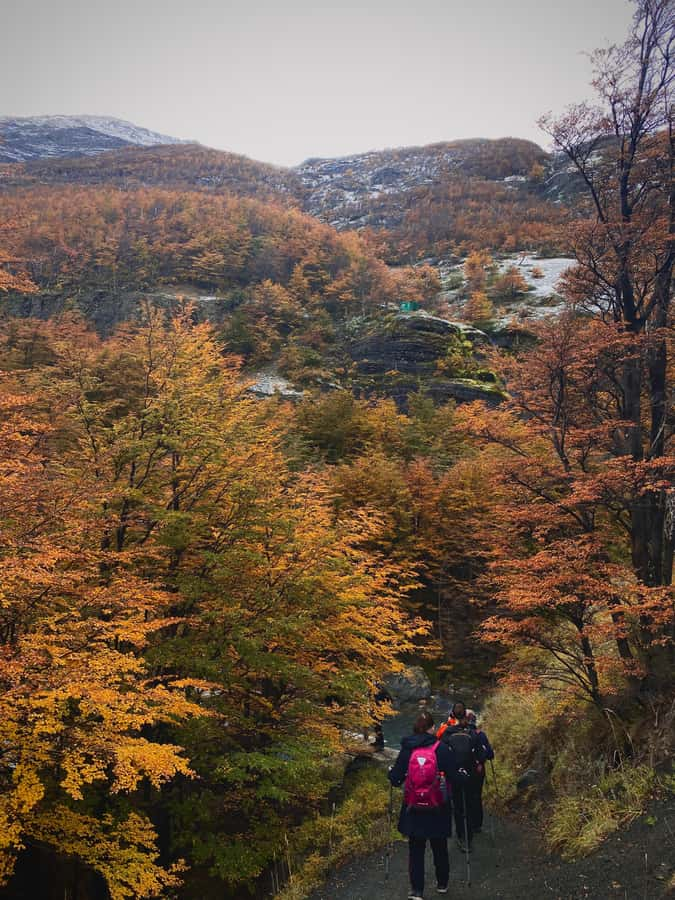
The setting changes as you climb. The trail begins near Hotel Las Torres and follows the Asencio River Valley. After about two hours, you reach El Chileno, a camping area with food, drinks, and bathrooms. That stop can be a major relief, especially if you started the morning with little time for breakfast.
From El Chileno, the path enters thicker forest. A small stream flowing from Almirante Nieto Peak adds a pleasant detail to this part of the walk. The forest offers shade and shelter, but it also hides the larger mountain views for stretches. You are trading open scenery for a more protected trail before the final climb.
The last section is the hard one. The trail reaches a moraine, and the slope steepens toward the viewpoint. Here, trekking poles are more than a nice extra. They help with balance on uneven ground and give your legs support during the descent. The guides provide poles, which is one reason this tour offers better value than simply paying for transport and managing the whole route alone.
At the top, you get time to rest, eat lunch, and take photographs if the weather cooperates. The three towers may appear sharply against the sky, or they may be partly covered by cloud. Patagonia controls that part of the experience. A clear view is a huge reward, but the scenery along the route still has value when the summit is hidden.
More Trekking Tours in the world
- Mount Etna: Trek to 3000m with cable car and 4×4
★ 4.6 · 3,823 reviews - Bali: Mount Batur Sunrise Trek With Guide and Breakfast
★ 4.8 · 3,461 reviews - From Chania: Full-Day Samaria Gorge Trek Excursion & Guide
★ 4.6 · 3,191 reviews
The early pickup from Puerto Natales
Pickup runs between 6:15 and 6:45 AM from accommodation in Puerto Natales city. You need to provide your hotel name and address when booking. This early start is necessary because the route is long and the drive to the park takes about two hours.
I see the included transfer as one of the strongest practical features. You do not need to arrange a separate ride to the park before dawn, and you can return directly to your accommodation after a tiring day. The drive back is scheduled for roughly 9:30 PM, though the exact time depends on the group and conditions.
That late arrival matters. Do not schedule a tight evening connection, dinner reservation, or another paid activity. One group had to wait after a slower section, and another dealt with a blown tire on the return drive. The staff handled the problem, but a remote mountain day rarely runs with city-tour precision.
The vehicle ride also makes this a better choice for someone staying briefly in Puerto Natales. You lose much of the day, but the transport removes a layer of planning. If you are comfortable with an early start and a late finish, it is an efficient way to reach the park’s most famous viewpoint.
The first two hours through the Asencio Valley
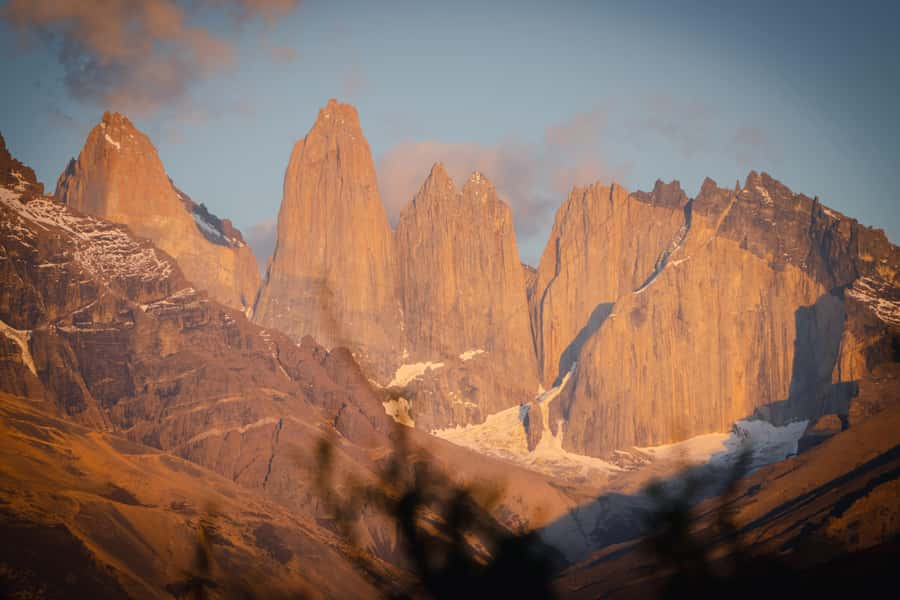
After the safety briefing at Hotel Las Torres, the walking begins in the Asencio River Valley. The first two hours set the tone for the day: steady uphill movement, changing views, and a pace designed to keep the group together.
The guides are central to the experience here. People who hiked with Sebastian, Daniel, Pablo, Ramiro, Leo, and others describe them as encouraging and attentive. Some groups were split by speed, with one guide staying behind while another continued toward the viewpoint. That system helps stronger hikers keep moving without abandoning anyone who needs more time.
Still, a guided group has limits. If one or two people are much slower, the rest of the group may need to wait. That is part of the tradeoff for joining a shared excursion. You gain support, safety, and companionship, but you give up some control over timing.
The route is not aimed at beginners who rarely walk uphill. You should expect long periods of exertion, not a gentle nature stroll. One useful way to judge it is this: if a 20-kilometer day with a steep final climb sounds manageable, you are considering the right kind of outing. If that description already sounds unpleasant, choose a shorter park visit.
El Chileno, the useful halfway break
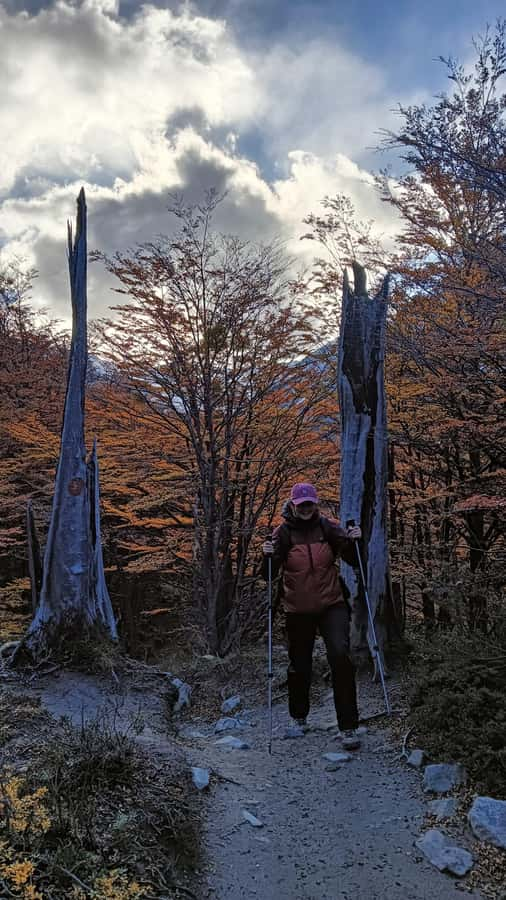
After about two hours, you reach El Chileno camping area. This is where the trek becomes more manageable for many people. Food, drinks, and bathrooms are available there, so you can refill, eat something, and take care of basic needs before entering the forest.
The stop is also a good place to check your clothing and pack. If you are too warm, remove a layer before the next climb. If rain is coming in, put on waterproof gear now rather than waiting until the trail becomes exposed. Patagonia weather can shift quickly, and you need to stay comfortable for several more hours.
You should bring your own food because meals are not included. Pack a lunch that is easy to eat during the break at the viewpoint, plus snacks for the route. Water is important too. One useful piece of advice is to carry more than you think you need for a normal half-day walk, since this is much longer and harder.
El Chileno does not turn the hike into an easy one. It simply gives you a practical reset before the forest and moraine. Think of it as a halfway aid station, not the end of the difficult part.
Another trail to compare in the world:
- Mount Etna: Summit Crater Trek with Cable Car
★ 4.8 · 1,875 reviews - La Palma: Tajogaite Volcano Guided Trek
★ 4.8 · 1,810 reviews - Etna: summit craters trekking with volcano guide 3350mt
★ 4.7 · 1,712 reviews - From Rethymno: Samaria Gorge Full-Day Trek, Pickup & Guide
★ 4.5 · 1,610 reviews
Forest, stream, and the approach to the moraine
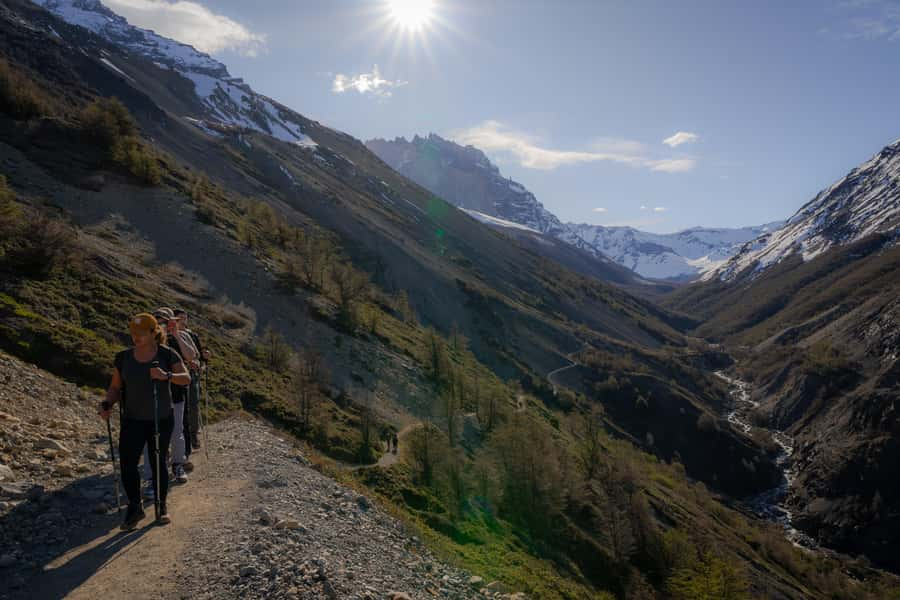
Beyond El Chileno, the trail enters a dense forested section. This part feels different from the exposed mountain country shown in many photographs of Torres del Paine. Trees close in around the route, and the walk becomes more about footing, steady breathing, and gradual progress.
You can also see a small stream fed by Almirante Nieto Peak. It is a modest feature, but it helps explain the mountain environment around you. Water running from the high peaks shapes the valleys below, and the trail gives you a closer look at that connection.
The forest section can be easier psychologically than the final moraine because the goal is less visible. You move from one stretch to the next, with the guides setting a practical rhythm. Several guides are praised for making regular breaks and adjusting to mixed fitness levels. That is especially useful if your group includes both strong hikers and people who need more time.
Once the trail reaches the moraine, the character changes again. The ground becomes rougher, the slope grows steeper, and the final climb demands concentration. This is where low fitness, poor footwear, or a lack of preparation can turn a beautiful day into an uncomfortable one.
The final climb to the 890-meter viewpoint
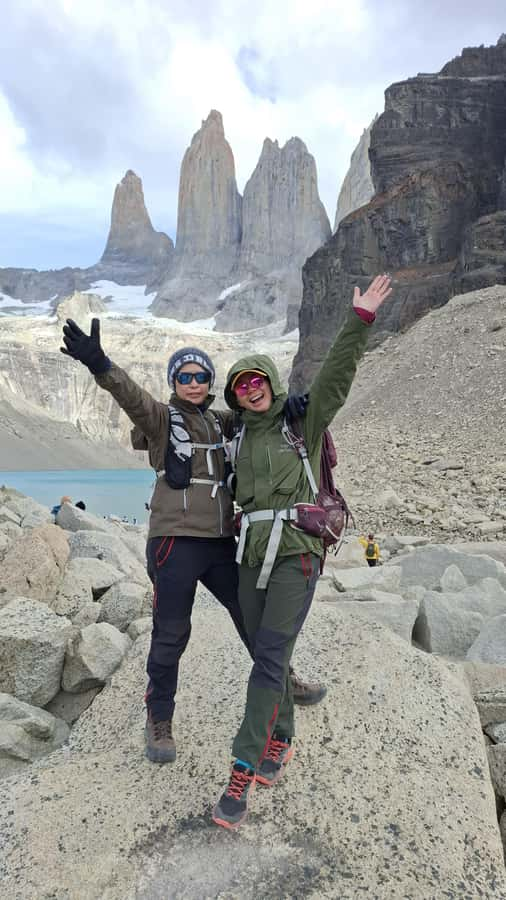
The last approach is the reason this excursion needs an honest warning. You are not simply walking to a viewpoint. You are climbing over steep moraine terrain to a platform at about 890 meters above sea level.
Use the poles. Keep your steps short. Follow the guide’s pace rather than trying to race the people ahead. If you need a brief rest, say so early. The guides have helped people with different abilities, but they cannot remove the climb from the route.
This is also the section where weather has the biggest effect. Wind, rain, snow, and cloud can make the final rocks harder to cross and can hide the towers when you arrive. One experienced hiker reached the base during rain and snow and saw the towers covered by cloud, yet still found the day memorable because of the route, scenery, and group.
That is the right attitude for booking this excursion. You are paying for the chance to reach the viewpoint, not a guaranteed clear photograph. If the sky opens, the reward can be spectacular. If it does not, the hike remains a demanding national park experience, but the main visual payoff may be missing.
Time at the Base of the Towers
At the viewpoint, the three towers rise above the basin. This is the moment the day has been building toward, so take time to rest before rushing into photographs. You will have a planned break of about 45 minutes for lunch and pictures.
The viewpoint can feel exposed and cold, even after a hard climb. Warm clothing, sunglasses, sunscreen, and rain gear all belong in your day pack. Layering is the safest approach because you may start cold, work up heat on the climb, and then need protection while sitting still.
Do not count on a restaurant or included meal at the top. Food is not provided by the tour. Bring a lunch you can handle with tired hands and snacks that do not require much preparation.
Clear conditions make the viewpoint unforgettable. Cloudy conditions can be frustrating, especially after so many hours of walking. You should decide before departure that the goal is the full mountain route, with the famous view as a possibility rather than a promise.
The return walk and late ride back
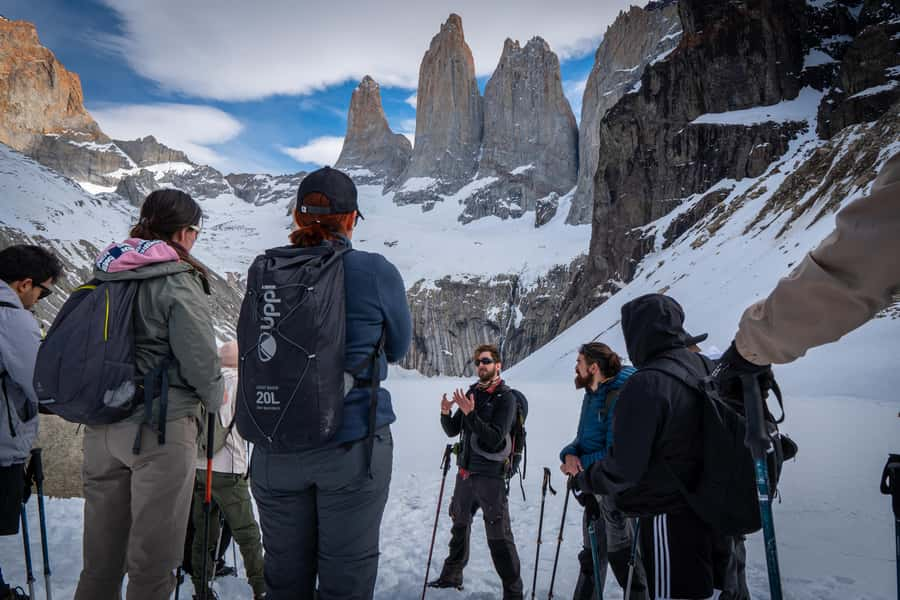
The return follows the same route. That means the familiar trail can feel very different after the summit, because your legs are tired and the downhill sections can be hard on knees and ankles.
Keep using the poles on the descent. Loose and uneven ground is often more troublesome when fatigue sets in. Stay with the group and keep your waterproof layer handy. A clear morning does not guarantee a dry afternoon.
You return to the park’s welcome center, where the bus waits. From there, the drive back to Puerto Natales takes about two hours. The expected arrival is around 9:30 PM, but a slower group, bad weather, or a vehicle problem can push that later.
The late return is not a flaw so much as a fact you need to plan around. I would keep the evening free, carry a small snack for the ride, and avoid booking anything that cannot be changed.
What the $95 price really covers
At $95 per person, the tour includes return transportation from your Puerto Natales accommodation, a certified local guide, hiking poles, and a first aid kit. Those inclusions matter on a route that starts before breakfast and ends after dark.
The transfer alone saves you from arranging early transport to the park and finding your way back after a long hike. The guide support adds value for solo visitors, mixed-ability groups, and anyone who wants help with pace and trail decisions. Poles are also useful equipment to receive rather than rent or carry from home.
You still need to pay the Torres del Paine National Park entrance fee. Food, personal medical costs, and travel insurance are also separate. Once you add those expenses, the final day cost is higher than the advertised price, so budget honestly.
A self-guided option may cost less in some cases, but this tour gives you a driver, a group, route support, and a first aid kit. If you are traveling alone or do not want to manage an early public transport connection, the extra cost can be sensible.
Who should book this trek
I would recommend it to fit hikers who want Torres del Paine’s signature viewpoint in one very long day from Puerto Natales. It also suits solo visitors who prefer a guide and group rather than tackling the route alone.
You do not need to be an elite mountaineer. Guides have supported beginners with reasonable fitness and older hikers who were willing to move steadily. But you should be comfortable with a long day, steep uphill sections, uneven moraine, and changing weather.
This is not suitable for children under 10, pregnant women, wheelchair users, people with mobility impairments, or people with low fitness. Trekking shoes are mandatory. Waterproof footwear is strongly needed, and warm layered clothing is more useful than a single heavy coat.
The experience is offered in English and Spanish. If you need detailed explanations in English throughout the hike, confirm the language arrangements when booking, since one group found that the guides used more Spanish than expected.
Final verdict: book it if the hike matters most
Book this trek if reaching the Base of the Towers is high on your list and you accept that the day will be tough. The guides are the strongest part of the operation, the included transfer is genuinely useful, and the route gives you a full mountain experience rather than a quick photo stop.
Skip it if you want a relaxed park outing, have a tight evening schedule, or would be very disappointed by cloud at the viewpoint. At 14 hours, this is a serious commitment. For a fit person prepared with food, layers, waterproof shoes, and realistic expectations, it can be one of the most memorable days in Patagonia.
FAQ
How long does the Base of the Towers experience last?
The full experience lasts about 14 hours. Pickup is scheduled between 6:15 and 6:45 AM, with an expected return to Puerto Natales around 9:30 PM.
How long is the drive from Puerto Natales to Torres del Paine?
The drive takes about two hours each way. Return transportation from accommodation in Puerto Natales is included.
How difficult is the hike?
It is a hard hike with a steep uphill section and rough moraine terrain near the viewpoint. The full route is about 20 to 23 kilometers according to the supplied tour information and guest details.
Are hiking poles provided?
Yes. Hiking poles are included, along with a first aid kit.
Is food included?
No. You need to bring your own lunch, snacks, and water. Food and drinks may be available at El Chileno camping area, which you reach after about two hours of hiking.
Is the Torres del Paine entrance fee included?
No. The national park entrance fee is not included in the $95 price.
What languages are available?
The tour is offered with live guides in English and Spanish. You should confirm your preferred language when booking.
What should I wear and bring?
Bring your passport or ID card, warm layered clothing, sunglasses, sunscreen, hiking shoes, and rain gear. Waterproof footwear is recommended, and trekking shoes are mandatory.
Can I cancel the booking?
You can cancel up to 24 hours in advance for a full refund. The reserve now and pay later option lets you book without paying immediately.
Latest treks added in the world
- 5 Days Desert Trekking from Marrakech★ 5.0 · 16 reviews
- 3 days Toubkal Trek from Marrakech★ 5.0 · 4 reviews
- Elite Experience Atlas Mountains Day Trekking★ 5.0 · 7 reviews
- 3 Days Berber Villages Trek – Authentic Atlas Mountain Experience★ 5.0 · 4 reviews
- Morocco Desert Trek 4 Days: 2 days on foot in Morocco★ 5.0 · 2 reviews
- Atlas Mauntains and 3 Valleys Trek★ 5.0 · 6 reviews
- Atlas Mountains Valley Trek – 3 Days★ 5.0 · 29 reviews
- 5-day Jebel M’goun trek★ 5.0 · 2 reviews
Chile Trekking Tours, compared.
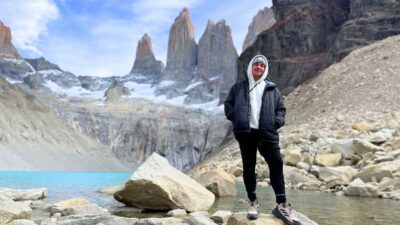
Puerto Natales: Base Torres Small Group Trekking
Read our review →
Trekking Base Torres – Torres del Paine trek from Puerto Natales
Read our review →
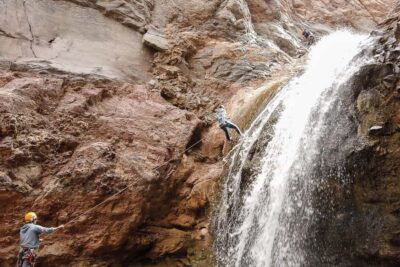
San Pedro de Atacama: Desert Tour with Canyoning & Trekking
Read our review →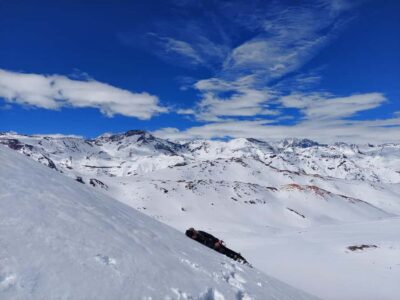
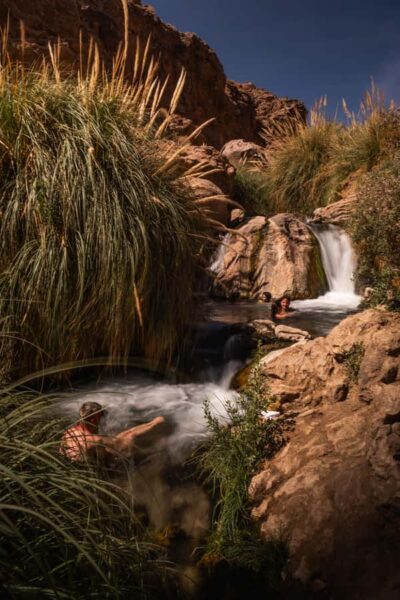
San Pedro de Atacama: Canyon Swimming Pools Trekking Trip
Read our review →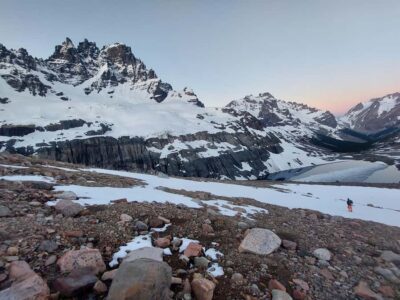
Cerro Castillo: Patagonia Mountain Trekking to the Lagoon
Read our review →Browse the lists this tour appears in