
REVIEW · NEPAL
Pokhara: Poon Hill Trek
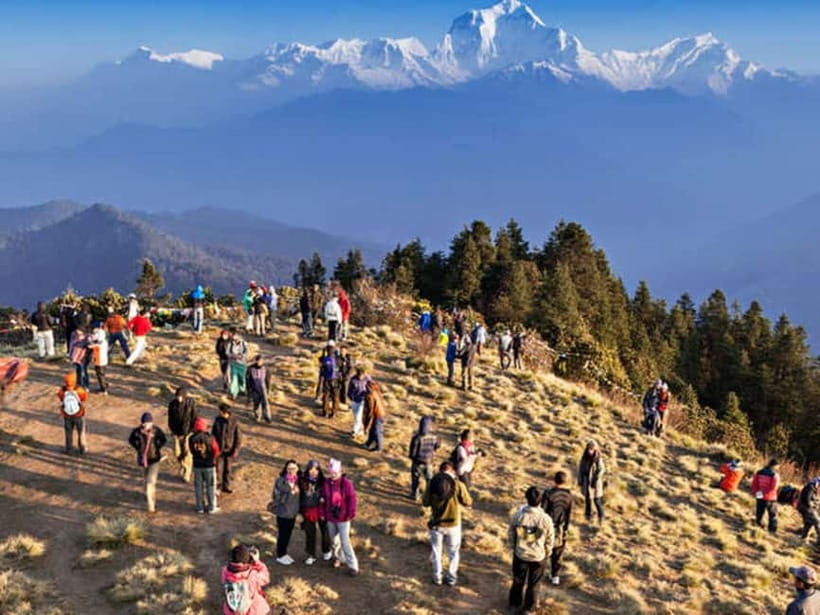
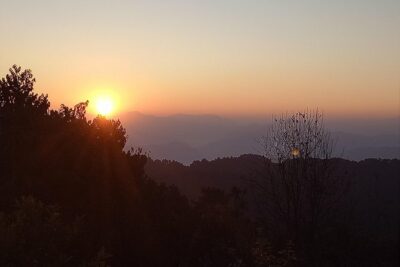
Poon Hill earns its reputation before breakfast. You leave Ghorepani in the dark, climb to 3,210 meters, and watch the first sunlight touch Annapurna, Dhaulagiri, Machapuchare, and other high peaks. It is a big mountain view reached by a trek that fits neatly into four days.
I like the Ghandruk village stay, where Gurung traditions remain part of daily life, and I like the steady mix of forest trails, stone steps, and mountain scenery. Guide Gobinda has also shown a notably caring approach, even helping with bags and a cramped foot when needed. The main drawback is the climbing: repeated stairs and an early Poon Hill start can make this short trek feel demanding.
Key points to know before you book
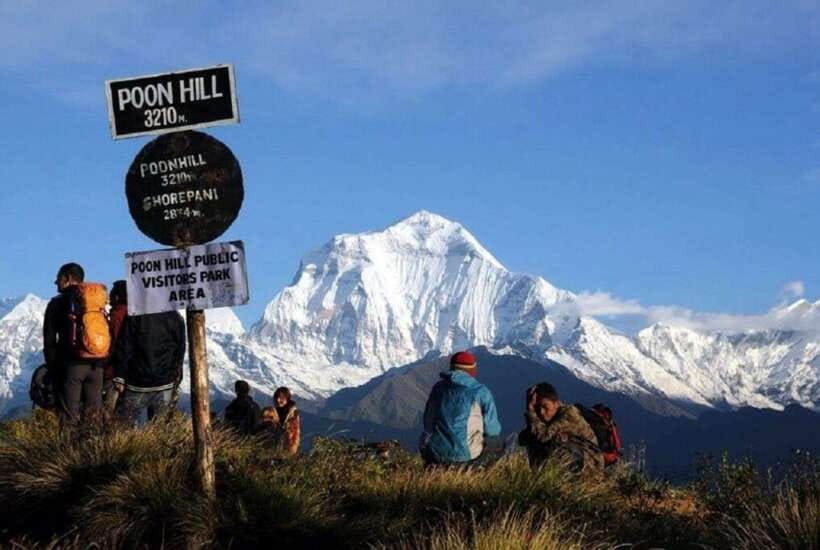
- The sunrise climb begins from Ghorepani: You hike to Poon Hill before breakfast, then return to the lodge to eat.
- Ghandruk gives the trek its cultural heart: This Gurung village is known for preserved traditions and a traditional breakfast.
- The route includes two distinct communities: Ulleri offers time with the Magar community, while Ghandruk is a Gurung settlement.
- The scenery changes each day: Expect forest, village paths, stone steps, and wide views of the Annapurna and Dhaulagiri ranges.
- The price covers important basics: Transportation, permits, TIMS, guide costs, accommodation, and pickup are included.
- Food is extra: Budget about $20 per person per day for meals purchased along the route.
Why Poon Hill works as a four-day Himalayan trek
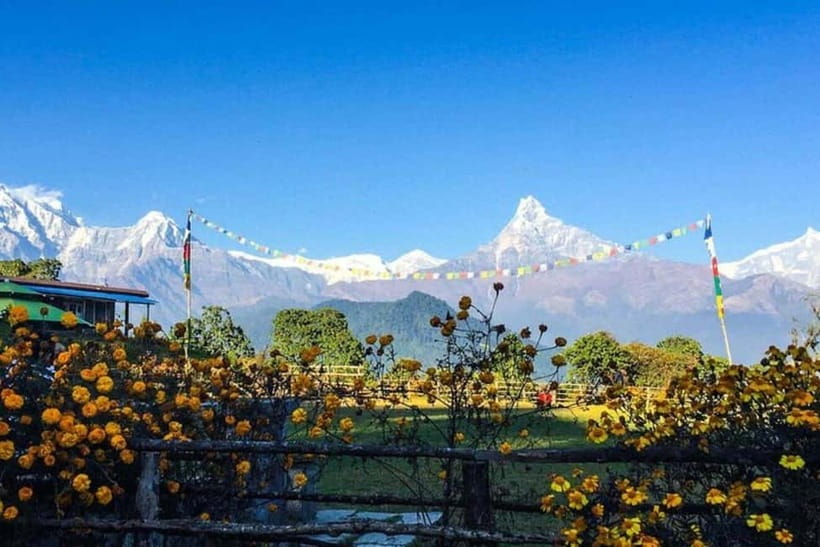
The Poon Hill Trek is a compact introduction to Nepal’s Annapurna region. You do not need to commit to a long expedition to see snowy peaks, mountain villages, and high-altitude sunrise views. In four days, the route gives you a clear sense of village life and mountain travel.
At $208 per person, the package offers solid value if you want the practical work handled for you. It includes private tourist-standard lodge accommodation, round-trip transport from Pokhara, government permits, TIMS, taxes, a registered guide, first aid, and some trekking equipment if required. Your guide’s food, lodging, insurance, salary, transport, and equipment are also covered.
The advertised price does not include meals. Plan on approximately $20 per person per day, or around $80 for the trek. That brings your likely base cost to roughly $288 per person before any optional gratuity or personal spending. For a private four-day trip with transfers and permits included, that is a reasonable package, especially if you do not want to arrange each piece yourself.
The word short should not be confused with easy. The route involves steep stone steps, several hours of walking each day, and a pre-dawn climb to Poon Hill. It is described as manageable for beginners, but you still need to be comfortable walking for five to six hours and handling uneven uphill and downhill sections.
More Poon Hill Treks in Nepal
- Poon hill Trek 3 days
★ 5.0 · 176 reviews - Pokhara: 4-Day Ghorepani, Poonhill & Ghandruk Mountain Trek
★ 5.0 · 132 reviews - Ghorepani – Poon Hill Trek 3N-4D
★ 5.0 · 125 reviews
Day 1: Pokhara to Nayapool and uphill to Ulleri
Your day begins with breakfast at your hotel in Pokhara. Pickup is available from any hotel in Lakeside Pokhara or from the airport, and a vehicle takes you to Nayapool, the roadhead for the trek.
From Nayapool, you walk toward Ulleri, a Magar village at about 2,070 meters. The walking time is listed at roughly five to six hours. This first day sets the pattern for the trip: a road transfer in the morning, followed by a proper mountain walk in the afternoon.
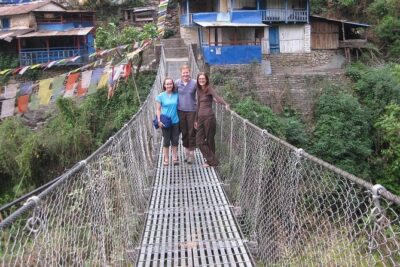
Ulleri is more than a place to sleep. It is your first chance to see how the trail connects villages and local communities. The Magar culture gives the stop a distinct character, and the overnight stay lets you experience the hospitality of a mountain settlement rather than simply passing through it.
Dinner and accommodation are arranged in Ulleri. The lodging is described as tourist-standard rather than luxury, so you should expect a simple teahouse-style stay. That is part of the value of this trek, but it also means you should bring realistic expectations about comfort.
The first day may be the one that tests your legs most directly. You have just arrived from Pokhara, and a five to six-hour walk with uphill sections can feel long. If you are new to trekking, use this day to settle into a steady pace instead of trying to keep up with a faster walking partner.
Day 2: Rhododendron forest on the way to Ghorepani
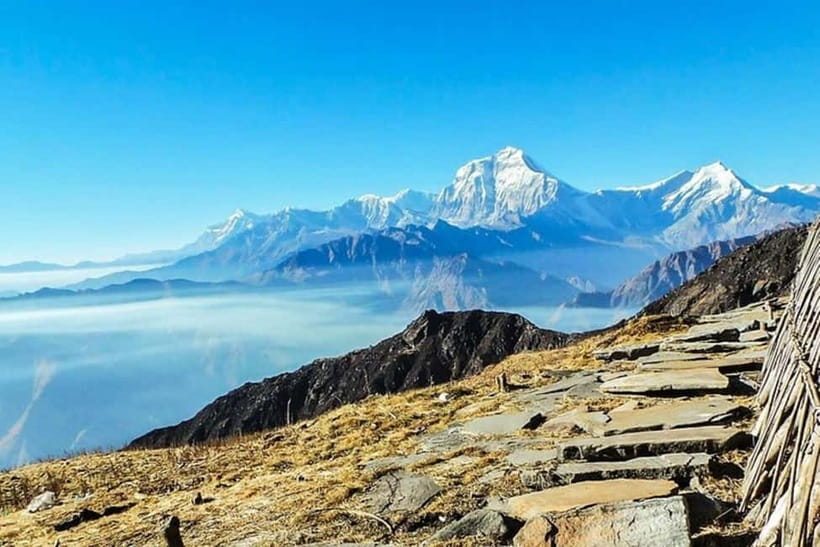
After breakfast, the trail continues from Ulleri to Ghorepani, which sits at approximately 2,850 meters. The walking time is again around five to six hours, with lunch arranged at Nangethati.
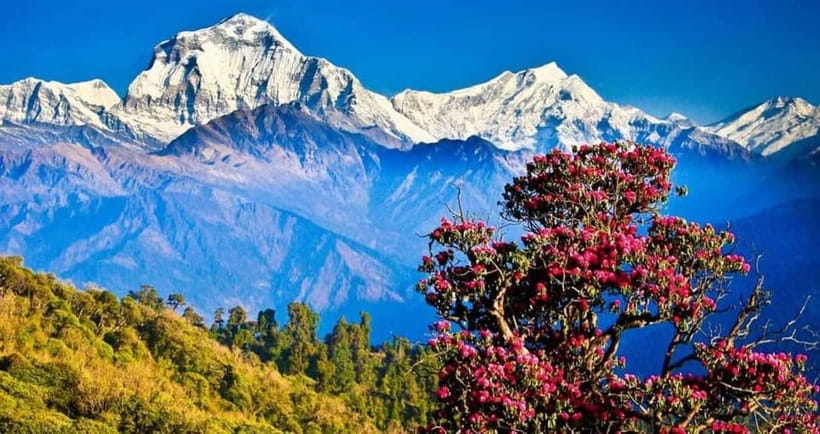
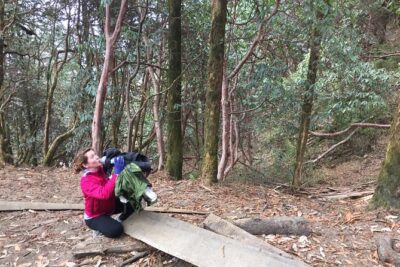
This is the forest day. The route passes through rhododendron country, one of the most appealing features of the Poon Hill area. In the flowering season, the forest can add strong color to the walk. Even outside peak bloom, the trees provide a change from open village paths and offer a more shaded section of the route.
You may also come across Himalayan wildlife along the way. The activity information does not promise a particular animal, so treat any sighting as a bonus rather than a reason to book the trek. The main reward here is the combination of forest, mountain air, and gradual change in elevation.
Ghorepani is an important overnight stop because it positions you for the early morning climb to Poon Hill. The village is scenic and sits high enough to make the next morning’s sunrise possible without moving camp. You return to the lodge after the viewpoint, have breakfast, and continue to Ghandruk.
The elevation gain matters. Ulleri is at about 2,070 meters, while Ghorepani is around 2,850 meters. You may feel the thinner air, particularly on stairs or steep stretches. Walk slowly, drink regularly, and tell Gobinda if you need a pause. A private group makes it easier to set a sensible pace than a large fixed group.
Day 3: Poon Hill sunrise and the long walk to Ghandruk
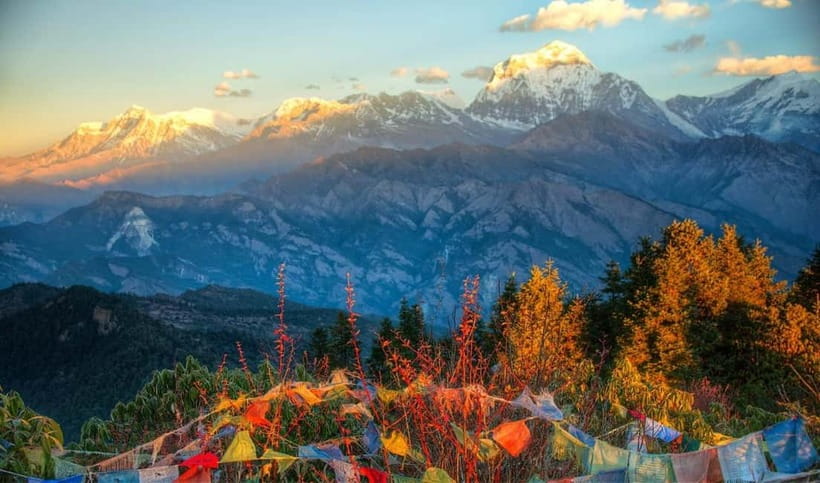
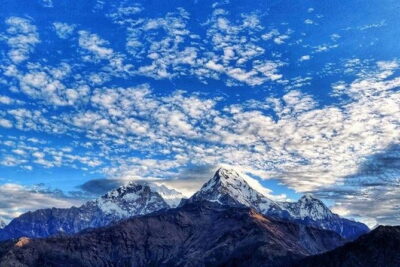
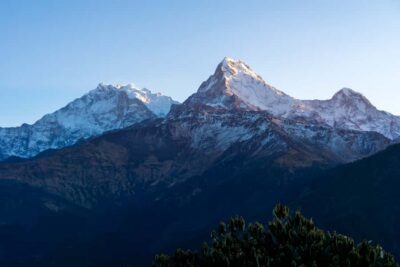
Day three is the highlight for most people. You rise early at Ghorepani and walk to Poon Hill at 3,210 meters for sunrise. The morning is cold and dark at first, but the payoff is the broad mountain view as the light reaches the peaks.
From Poon Hill, you can see Annapurna I at 8,091 meters, Dhaulagiri I at 8,167 meters, Annapurna South at 7,219 meters, Machapuchare at 6,993 meters, Hiunchuli, Annapurna III, Dhampus Peak, Dhaulagiri II, and other high summits. The viewpoint looks toward both the Annapurna Massif and the Dhaulagiri range, giving you a wide sweep of Nepal’s mountain country from one position.
This is a good place to keep your camera ready, but do not spend the whole sunrise looking at a screen. The light changes quickly, and the best view may last only a short time. A small headlamp would be useful for the early walk, although the supplied information specifically asks you to bring a passport and passport-sized photo rather than listing personal trekking gear.
After sunrise, you return to the lodge for breakfast. Then the day continues toward Ghandruk, with lunch arranged at Tadapani. The total walking time is about five to six hours, but the timing can feel longer because of the early start and the descent from Poon Hill followed by continued trail walking.
Ghandruk sits at approximately 1,940 meters, considerably lower than Ghorepani. That descent gives your lungs a break, but downhill stone steps can be tough on knees and tired legs. If you have experienced muscle cramps or trouble with long stair climbs, let your guide know early. Gobinda has been particularly helpful with tired hikers, including carrying bags and giving a foot massage when severe cramping became a problem.
Ghandruk is one of the strongest reasons to choose this route. It is a Gurung village with ancient traditions and culture still preserved. The village is not just a photo stop, but a place where you spend the night and see the rhythm of a mountain community. That overnight stay gives the cultural part of the trek more weight than a quick walk through.
More Trekking Tours in Nepal
- Everest Base Camp Trek – 14 Days
★ 5.0 · 1,499 reviews - Everest Base Camp Trek
★ 5.0 · 842 reviews - Everest Base Camp Trekking
★ 5.0 · 485 reviews - Annapurna Circuit Trek with Tilicho Lake
★ 5.0 · 368 reviews
Day 4: Traditional breakfast and the descent to Nayapool
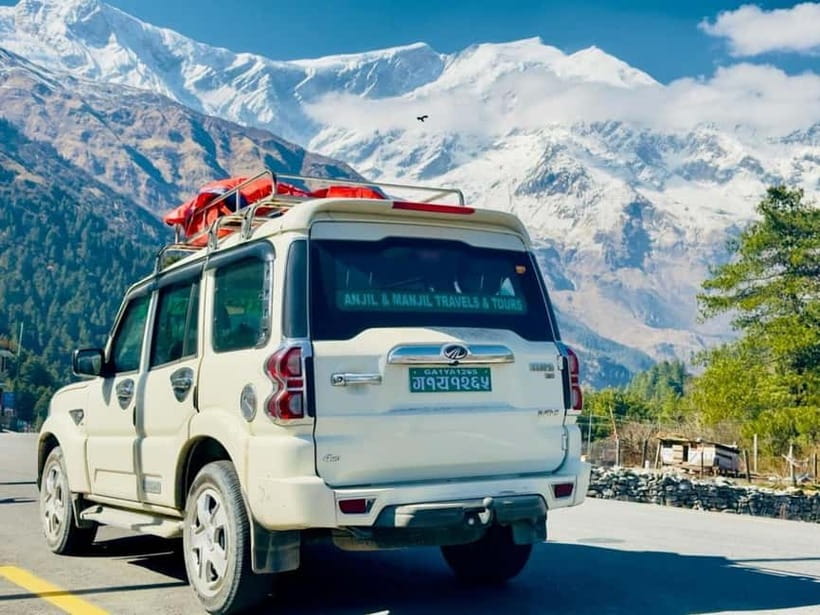
The final morning begins in Ghandruk. You can enjoy the first sunlight over the village and have a traditional Gurung breakfast before starting downhill.
The walk continues from Ghandruk to Nayapool, where a vehicle waits to take you back to your hotel in Pokhara. The supplied schedule does not give a precise walking time for this final day, so you should ask the operator for the expected departure and arrival times before setting other plans in Pokhara.
The final descent can feel easier because the major high point is behind you, but do not underestimate it. Four days of stairs and uneven ground can leave your legs tired. Trekking poles are available if required, and they can be useful on downhill sections. A duffel bag or trekking bag may also be provided if needed, while luggage storage is available in Pokhara during the trek.
Ending in Ghandruk rather than returning directly from Poon Hill gives the trip a satisfying balance. You get the famous sunrise, but you also finish with village life, local food, and time to appreciate the Gurung setting.
Guides, porters, and the private-group advantage
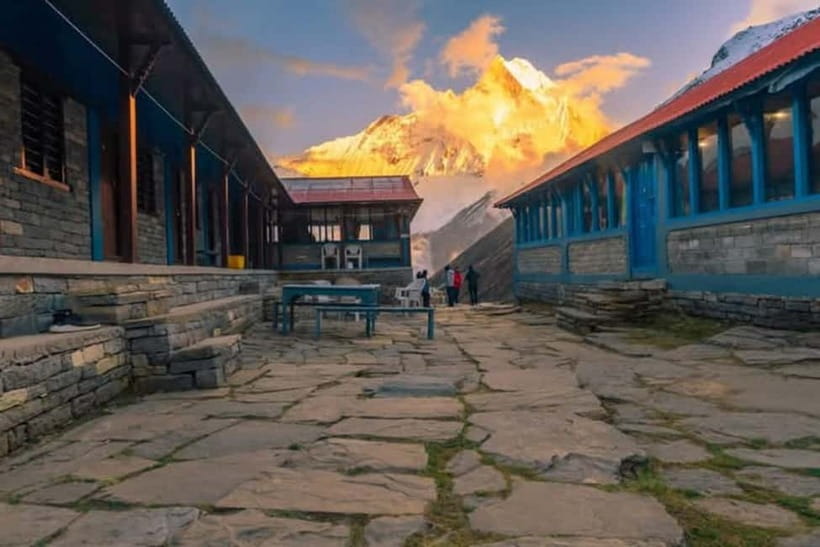
The trip includes a government-registered English-speaking guide and operates as a private group. That private setup is useful on a route where walking speed varies widely. You can ask for pauses, adjust the pace, and spend more time in a village without waiting for a large party.
Gobinda is the named guide associated with this experience. His role has gone beyond leading the route. He has helped carry bags when hikers were struggling and assisted with a foot cramp, which tells you something useful about the level of personal support available. A guide cannot remove the stairs or the altitude, but a responsive one can make the hard parts more manageable.
Sundeep is identified as a porter who carried a bag of clothing. Porter support is especially helpful if you want to walk with a light day bag rather than carry everything yourself. Ask before departure how much luggage can be handed over and what you should keep with you during the day.
The operator also provides first aid and can supply trekking poles, a duffel bag, or trekking bag if required. These inclusions reduce the amount of equipment you need to arrange in Pokhara. Still, bring suitable walking shoes, warm layers, rain protection, and personal items because the provided list is not a full packing guide.
What the $208 price really covers
The $208 price is strongest for someone who values convenience. You are not only paying for four days of guiding. You are also getting hotel pickup and drop-off, transport between Pokhara and the trail, accommodation, permits, TIMS, taxes, and the guide’s own costs.
Government permits and TIMS are included, which saves you from handling those arrangements separately. The experience also includes luggage storage in Pokhara, a useful detail if you are continuing elsewhere in Nepal with a larger suitcase.
Meals are the main extra cost. Food is available for purchase, with an estimated total of $20 per person per day. Gratuity is optional. Since lodge meals and personal snacks are not included, leave some room in your budget instead of treating $208 as the full cost.
The package does not describe deluxe hotels or private rooms with special facilities. Accommodation is tourist-standard lodge lodging. If your priority is a private guide, simple local stays, and a smooth transfer system, the price makes sense. If you want high-end accommodation or included meals, you should compare the full cost carefully.
Best seasons and practical preparation
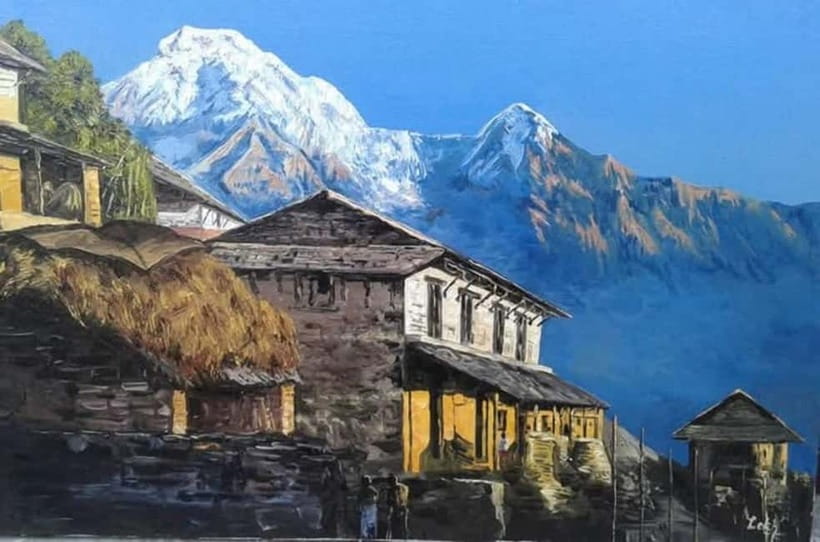
Spring and autumn are identified as the best seasons for this trek. These periods are favored for mountain views and walking conditions, but the exact experience still depends on weather. Sunrise at Poon Hill is the main scenic target, so clear conditions matter.
Bring your passport, or a copy if accepted, plus a passport-sized photo. Large bags are not allowed on the activity, though luggage storage is provided in Pokhara. Pets are not allowed, except for assistance dogs.
This trek is not suitable for pregnant women or wheelchair users. Those restrictions reflect the steep, uneven trail and the number of stairs. You also need enough fitness for five to six hours of walking on the first three days, along with the early morning climb to Poon Hill.
Responsible trekking matters here. Carry waste until you find a proper disposal point, respect village customs, and keep noise low around homes and forest areas. The value of the route comes from seeing communities and mountain environments in a direct, unhurried way, so treat both with care.
Who should book the Poon Hill Trek
I would recommend this trek to you if you want a first taste of Nepal’s Annapurna region without spending a week or more on the trail. It suits hikers who want a private guide, manageable daily stages, village accommodation, and a major sunrise viewpoint.
It is also a good fit if Ghandruk matters as much to you as the mountains. The Gurung village stay and the Magar community at Ulleri give the trek a human side that a viewpoint-only tour would miss.
I would think twice if you dislike early starts, steep steps, or basic lodge accommodation. The distance is short, but the route is not flat, and day three begins before breakfast. Ask about current trail conditions, expected walking times on day four, and luggage arrangements before paying.
FAQ
How long is the Poon Hill Trek?
The trek lasts four days, starting and ending in Pokhara.
What is the highest point on the trek?
Poon Hill is the highest listed point, at approximately 3,210 meters or 10,530 feet.
Is hotel pickup included?
Yes. Pickup and drop-off are included from any hotel in Lakeside Pokhara or from the airport.
Are meals included in the price?
No. Meals are available for purchase, with an estimated cost of about $20 per person per day.
What accommodation is provided?
The package includes private accommodation in tourist-standard lodges.
Is a guide included?
Yes. A government-registered English-speaking trekking guide is included. The named guide is Gobinda.
Are permits and TIMS included?
Yes. Government permits, TIMS, and taxes are covered.
Can I cancel for a full refund?
Yes. You can cancel up to 24 hours in advance for a full refund. You can also reserve now and pay later.
Should you book this trek?
Book it if you want a well-organized four-day route with a strong sunrise payoff, genuine village stays, and help from a private guide. The combination of Poon Hill, rhododendron forest, Ulleri’s Magar community, and Ghandruk’s Gurung culture gives you more than a mountain photo stop.
The best reason to choose this particular arrangement is the practical support: transport, permits, lodge accommodation, luggage storage, equipment options, and a guide who has shown real care when the trail gets hard. Just budget separately for meals, prepare for long stair sections, and arrive ready for an early morning climb. If those conditions suit you, this is a compact and worthwhile way to meet the Annapurna mountains.
Latest treks added in Nepal
- Private Manaslu Circuit Trek at Himalayas★ 5.0 · 3 reviews
- Ghorepani Poonhill Trek★ 5.0 · 5 reviews
- Ghorepani Poon Hill Trek★ 5.0 · 16 reviews
- Upper Mustang Trekking★ 3.0 · 2 reviews
- Amazing 1 Day Trekking Experience in Kathmandu Nepal★ 5.0 · 24 reviews
- Upper Mustang Trekking★ 5.0 · 2 reviews
- Upper Mustang Trek★ 5.0 · 5 reviews
- Upper Mustang Trekking★ 5.0 · 4 reviews
Poon Hill Treks, compared.
4-Day Ghorepani, Poonhill & Ghandruk Mountain Trek
Read our review →
Browse the lists this tour appears in