
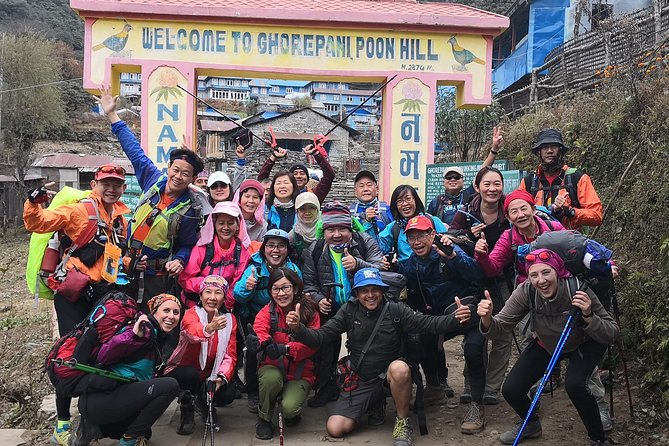
REVIEW · KATHMANDU
9 Days GHOREPANI POONHILL TREK
Poon Hill gives you a big Himalayan payoff without the long, high-altitude commitment of an Everest trek. This nine-day route combines Annapurna views with Gurung villages, rhododendron forest, waterfalls, and a sunrise walk to one of Nepal’s best-known mountain lookouts. I especially like that the guide arranges meals, lodging, transport, and gear, so you can focus on walking rather than sorting out each night’s stay.
I also like the human scale of the trip. You sleep in places such as Ulleri, Ghorepani, Tadapani, and Ghandruk instead of rushing through them, and the itinerary includes time in Kathmandu and Pokhara. The main drawback is the long road travel: the bus rides between Kathmandu and Pokhara take about six to seven hours, and some trekking days include plenty of stone steps and steady climbing.
Key points at a glance
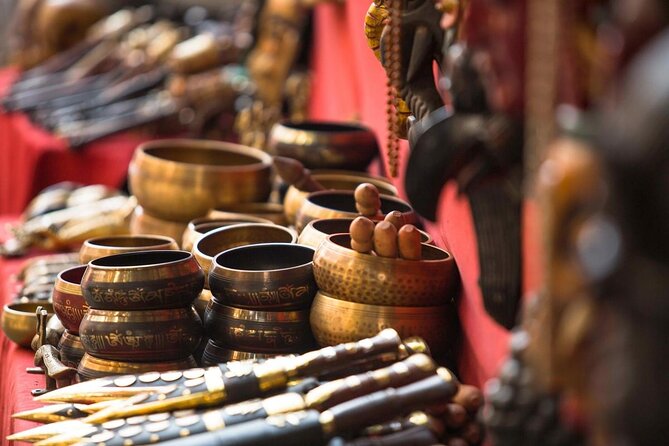
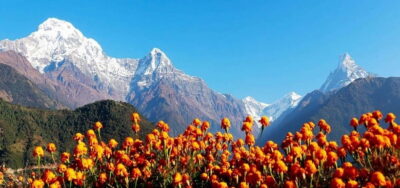
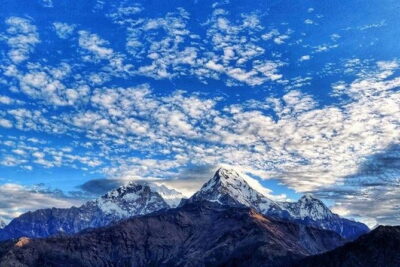
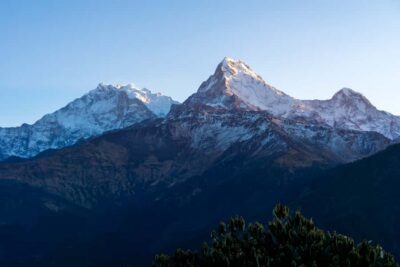
- Sunrise at Poon Hill: Reach the viewpoint early for views of Annapurna I, Annapurna South, Hiunchuli, Nilgiri, and other snow peaks.
- A private group experience: Only your party takes part, with an English-speaking guide and first-aid kit included.
- Five days of trek meals: Breakfast, lunch, and dinner are provided during the trekking portion, with nine breakfasts listed overall.
- Useful cold-weather gear: Sleeping bags and down jackets are supplied at no extra charge if you need them.
- Gurung village life: Spend nights in Ulleri, Ghorepani, Tadapani, and Ghandruk, with time for a monastery, temples, and a local museum.
- A strong price for an organized trek: At $439 per person, the package covers major costs, but you should confirm the exact transport and lodging arrangements before paying.
What the $439 price really covers
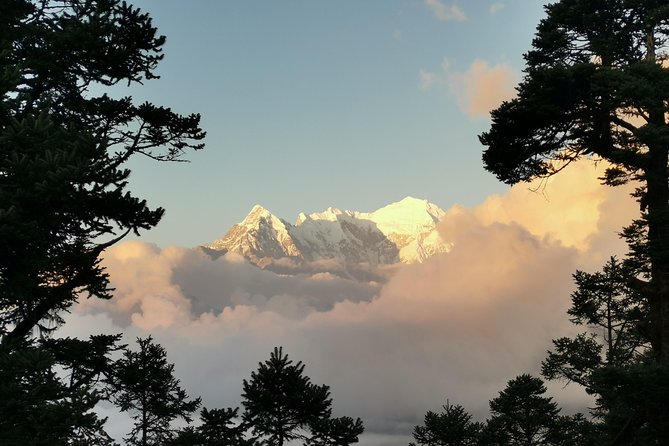
At $439 per person, this is priced as a practical, organized introduction to the Annapurna region rather than a luxury mountain holiday. You get airport pickup, Kathmandu and Pokhara hotel stays, transport, an English-speaking guide, meals during the trek, permits and taxes, a first-aid kit, and the use of sleeping bags and down jackets.
That package can represent good value because the costs that usually cause confusion are grouped together. You are not left arranging every meal or searching for a bed after a six-hour walk. The guide also handles the route and the day-to-day logistics, which matters on trails where weather, road conditions, and village availability can affect plans.
There is one point I would clarify before booking. The highlights describe tourist bus transport to and from Pokhara, while the inclusions mention private transportation. Those descriptions may refer to different parts of the journey, but the wording is not perfectly clear. Ask whether the Kathmandu to Pokhara legs use a shared tourist bus, a private vehicle, or a mix of both.
The meal count is also worth checking. The package lists nine breakfasts, five lunches, and five dinners. That fits the trekking days and the hotel stays in broad terms, but it does not clearly explain which meals are covered in Kathmandu and Pokhara. You should also budget for your Nepal visa, travel insurance, and tips for your guide, porters, and drivers.
More Poon Hill Treks in Kathmandu
- 4 Days Poon Hill Trek
★ 5.0 · 94 reviews - Ghorepani(Poonhill Trek)
★ 5.0 · 81 reviews - 4-day Poon Hill Trek
★ 5.0 · 74 reviews
Days 1 and 2: Kathmandu streets, then the road to Pokhara
Your arrival day begins at Tribhuvan International Airport, where a company representative meets you and takes you to your hotel in Thamel. The afternoon is open for a gentle start. Thamel gives you easy access to Newari art, local architecture, shops, restaurants, and the general noise and color of central Kathmandu.
This first night is useful for more than sightseeing. It gives you time to meet the guide, check your equipment, and get ready for the walking days ahead. If you need a sleeping bag or down jacket, confirm the arrangement early rather than waiting until the trailhead.
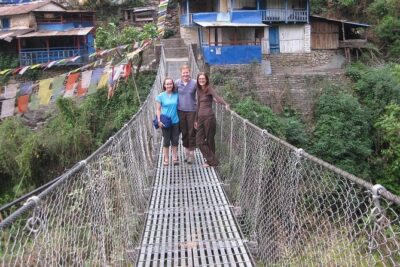
Day two is a road day. The tourist bus follows the Prithvi Highway through the green hills west of Kathmandu. The trip takes about six hours, with a lunch stop at Dumre and a crossing near Muglin over a suspension bridge. You follow the Trishuli River area and gradually trade the capital’s crowded streets for open hills.
Pokhara is the reward at the end of the ride. On a clear day, you may get a distant first look at Annapurna and Machhapuchhre, the famous fishtail peak. Do not treat this as a sightseeing day packed with stops. It is mainly transport, and road conditions can make the ride feel long. The benefit is that the trek begins at a lower, more relaxed pace the next morning.
Day 3: From Nayapul to Ulleri and the first real climb
From Pokhara, you ride to Nayapul through Lumle. The drive gives you a gradual change in vegetation before you begin walking beside the Bhurungdi Khola. The route passes through Birethanti and Hile, where you stop for lunch before continuing toward Tikhedhunga and Ulleri.
This is your first serious trekking day, around six hours in the itinerary. You cross suspension bridges and pass waterfalls, with Annapurna South appearing close by in good conditions. The route is scenic, but the approach to Ulleri is not a soft introduction. The stone steps and uphill sections ask for a steady pace, especially if you are still adjusting to Nepal’s trails.
Ulleri is a useful first night because it breaks the journey into manageable sections. The village setting also gives you an early taste of the simple mountain accommodation used along the route. Expect function over comfort, and listen to your guide about water, walking speed, and the next day’s climb.
Day 4: Rhododendron forest and Ghorepani
The walk from Ulleri to Ghorepani takes about four hours, making it shorter than the day before. You climb through rhododendron and oak forest, along stone-paved paths and green slopes. The steepest section reaches the ridge near Nangethanti before the trail continues to Ghorepani.
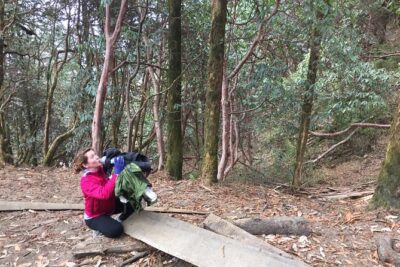
The forest is one of the pleasures of this route. In season, rhododendrons add color to the trail, while the oak and bamboo sections provide shade. The walk is not only about reaching a viewpoint. You get a sense of how the vegetation changes as the path rises through the Annapurna Conservation Area.
Ghorepani is the key staging point for Poon Hill. It is also a place where the local Gurung culture is part of the experience, not just scenery outside the guesthouse. Keep the evening quiet and prepare for an early start. The next morning’s viewpoint walk is the main event, and you will enjoy it more with warm clothes, water, and a headlamp if you have one.
Another trail to compare in Kathmandu:
- Everest Base Camp Trek – 14 Days
★ 5.0 · 1,499 reviews - Everest Base Camp Trek
★ 5.0 · 842 reviews - Everest Base Camp Trekking
★ 5.0 · 485 reviews - Annapurna Circuit Trek with Tilicho Lake
★ 5.0 · 368 reviews
Day 5: Poon Hill sunrise, then onward to Tadapani
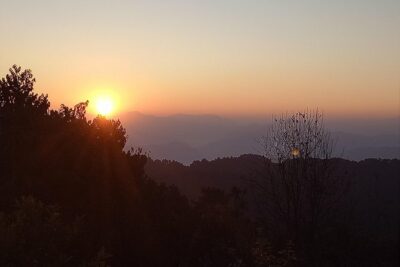
The Poon Hill walk begins early. You climb stairs and stony paths to reach the viewpoint, where the reward is a broad line of Himalayan peaks. The listed views include Nilgiri, Hiunchuli, Annapurna I, and Annapurna South, along with other snow-capped summits.
Annapurna I rises to 8,091 meters, while Annapurna South reaches 7,219 meters. Those numbers matter less than the setting: you are standing at a relatively reachable hilltop looking across a major mountain range. Sunrise conditions are never guaranteed, so keep your expectations realistic. Clouds can soften or block the peaks, but the early walk still gives the day a memorable rhythm.
After returning to Ghorepani, you continue toward Tadapani through Deurali and Banthanti. The full day takes about six hours and includes forested sections with rhododendron and bamboo. This is a good example of the trek’s appeal: the mountain views are important, but the trail between viewpoints is just as much the experience.
Tadapani is another mountain settlement rather than a large base. The walking day can feel long because it begins before sunrise, so use the return to Ghorepani as a chance to eat and refill your energy.
Day 6: Descending through forest to Ghandruk
The route from Tadapani to Ghandruk takes about seven hours. You descend through rhododendron forest, cross small rivers, and follow sloping trails near Bhaise Kharka. The day features views of Annapurna South and Machhapuchhre, but the downhill sections deserve attention. Descending can be hard on knees, especially after the early start at Poon Hill.
Ghandruk is one of the most interesting stops on the route. It is the second-largest Gurung village in the itinerary and has views north toward the mountains. You can visit a local museum, a monastery, and nearby temples, giving the village a cultural layer that a quick pass through would miss.
I like the overnight here because it breaks up the return walk and gives you time to see more than the trail outside the settlement. Ask your guide what is open during your visit and how much time you have after arrival. The seven-hour estimate leaves less free time than the shorter Ghorepani day.
Day 7: The final trail to Nayapul and an evening by Phewa Lake
After breakfast, you walk beside the Modi Khola toward Syauli Bazaar and Birethanti. From Birethanti, the route continues to Nayapul, where a vehicle takes you back to Pokhara. The walking and driving together make this another long day, listed at about seven hours.
The final trail gives you a different feel from the higher forest paths. You are moving toward roads and larger settlements, and the route follows the river through lower country. It can feel less dramatic than Poon Hill, but it completes the trek in a clear, gradual way.
Pokhara offers a welcome change after several nights in mountain guesthouses. The itinerary leaves the evening open for a walk around Phewa Lake. That is a good time to slow down, eat well, and sort your bags before the long return to Kathmandu. The plan does not promise a boat ride or a specific lakeside activity, so consider this free time rather than a guided excursion.
Day 8: The long return to Kathmandu
Day eight retraces the road toward the capital, passing Dumre and Muglin and following the Trishuli River. You also pass settlements associated with Brahmin and Chhetri communities, which adds a human view of the countryside to the mountain scenery.
The drive is listed at about seven hours, including a lunch stop at Muglin and the approach to Kathmandu through Thankot. This is the least active day, but it is not necessarily restful. Nepal’s hill roads can make long journeys tiring, and traffic can affect arrival times.
Plan to keep this day flexible. It is wise not to schedule an important evening appointment immediately after the drive. You spend the night in Kathmandu, which also gives you a buffer before your flight.
Day 9: Airport transfer and the small details that matter
On the final day, the company drops you at the airport two hours before your scheduled flight. The itinerary says the transfer day is listed as seven hours, but the actual airport ride may be much shorter or longer depending on traffic and your hotel.
The stated meeting point is Tribhuvan International Airport, with a start time of 7:45 a.m. Because arrival and departure times can vary, confirm the exact pickup plan directly with the operator. The tour offers pickup, a mobile ticket, and confirmation at booking, which keeps the arrival process simple.
Guides, equipment, and support on the trail
The guide speaks English and has expenses covered. A first-aid kit is included, and sleeping bags and down jackets are available at no extra charge. Those inclusions are useful because mountain nights can feel cold even on a moderate trek, and renting gear locally can take time.
The company’s wider trekking team has included people named Saran, Bikki, Kumar, and Rosni on different journeys. Bikki is described as meeting one group at the airport, while Saran handled planning for another. That does not guarantee any particular guide for your departure, so ask who will lead your group and whether porters are included.
Porter tips are not included. The same applies to tips for guides and drivers. Travel insurance is also your responsibility, and it should cover trekking in Nepal and any relevant medical or evacuation costs. The tour specifically advises buying insurance before departure.
The activity is private, so only your group participates. That is a plus if you prefer to walk at your own pace and ask questions without keeping up with a large mixed party. It also means the social atmosphere depends on the people in your own booking.
Who should book this Poon Hill trek?
I would recommend it to someone who wants a first Himalayan trek with a clear support system and a moderate schedule. You need to be ready for several hours of walking, repeated climbs and descents, stone steps, suspension bridges, and basic mountain accommodation. The itinerary says most people can participate, but it does not remove the need for reasonable fitness.
This route suits you if you want several kinds of Nepal in one trip: Kathmandu streets, Pokhara’s lakefront, hill roads, conservation-area forest, mountain villages, and a major sunrise viewpoint. It is less suitable if you want luxury hotels, short road transfers, or complete certainty about mountain weather.
The strongest parts are the organized logistics, the variety of scenery, and the time spent in Ghandruk and Ghorepani. The weakest parts are the long bus rides and the unclear wording around private transportation. Ask those questions before booking, and you will have a better idea of what the $439 package actually delivers.
Should you book it?
Book this trek if you want an affordable, guided introduction to the Annapurna region and value having meals, lodging, transport, and cold-weather gear arranged for you. Poon Hill offers a real mountain experience without requiring an extended high-altitude itinerary.
I would pause only if you dislike long road journeys or need upscale accommodation. Before payment, confirm the guide’s name, the exact vehicle used between Kathmandu and Pokhara, the hotel and guesthouse standard, and which meals are covered in each city. With those details clear, this is a sensible nine-day plan for a first Nepal trek.
FAQ
How long is the Ghorepani Poon Hill trek?
The experience lasts approximately nine days, including time in Kathmandu and Pokhara, the trek, transport between cities, and the airport transfer.
Where does the experience begin?
It begins at Tribhuvan International Airport in Kathmandu, Nepal. The stated start time is 7:45 a.m.
Is airport pickup included?
Yes. A company representative meets you at Tribhuvan International Airport and takes you to the hotel in Kathmandu.
Is the tour private?
Yes. Only your group participates in this private activity.
Are meals included?
Yes. The inclusions list nine breakfasts, five lunches, and five dinners. The tour also states that meals are included while you are trekking.
Is accommodation included?
Yes. Accommodation is included in Kathmandu and Pokhara, as well as during the trekking route.
Is transportation included?
Yes. Transportation is included, with tourist bus transport described for the journey to and from Pokhara. The inclusions also refer to private transportation, so confirm the exact arrangements before booking.
Are sleeping bags and down jackets provided?
Yes. Complimentary sleeping bags and down jackets are available if needed.
What costs are not included?
Nepal visa fees, travel insurance, and tips for guides, porters, and drivers are not included.
Latest treks added in Kathmandu
- Private Manaslu Circuit Trek at Himalayas★ 5.0 · 3 reviews
- Ghorepani Poonhill Trek★ 5.0 · 5 reviews
- Ghorepani Poon Hill Trek★ 5.0 · 16 reviews
- Amazing 1 Day Trekking Experience in Kathmandu Nepal★ 5.0 · 24 reviews
- Upper Mustang Trekking★ 5.0 · 2 reviews
- Upper Mustang Trekking★ 3.0 · 2 reviews
- Upper Mustang Trek★ 5.0 · 5 reviews
- Upper Mustang Trekking★ 5.0 · 4 reviews
Poon Hill Treks, compared.
4-Day Ghorepani, Poonhill & Ghandruk Mountain Trek
Read our review →
Browse the lists this tour appears in