
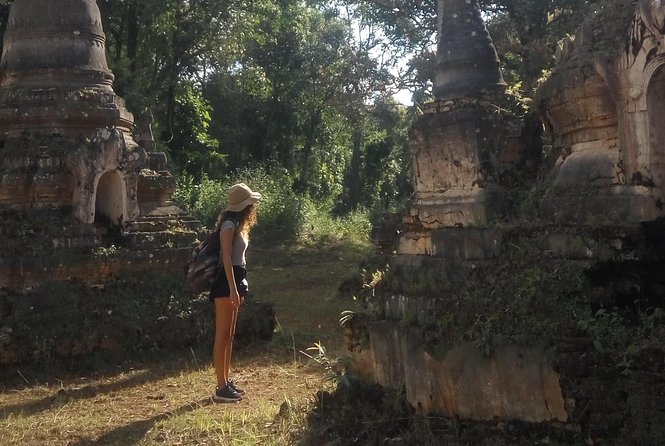
REVIEW · KALAW
3Days Less Touristic Way Trekking from Kalaw To Inle
The best part of this trek is the route itself. Instead of racing between major sights, you walk through vegetable fields, rain forest, small villages, and hill country where daily life remains close at hand. The two homestays give you a simple, direct way to meet local families.
I like the backpack transfer, which lets you walk with a lighter day bag, and I like the careful local guiding. Rohit, Robin, and Min Min are named as guides connected with the experience, and the strongest praise centers on their patience, village connections, plant knowledge, and ability to adjust the pace. The main catch is weather: heavy rain may close the rain forest section, and the walking days still require steady effort.
Key points at a glance
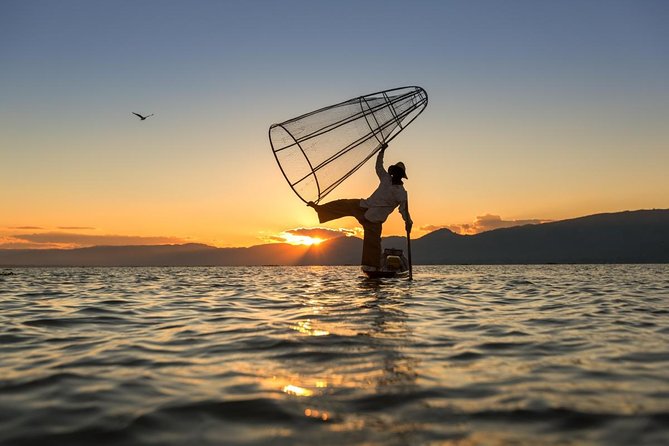
- Two village homestays: Sleep in local homes instead of standard hotels on both nights.
- A less-used route: Walk through farms, forest, and villages away from the busiest Kalaw to Inle path.
- Backpack transfer included: Your main luggage is moved ahead, so you carry less.
- Three days of meals: Breakfast, lunch, dinner, and water are provided during the trek.
- Small groups: The maximum group size is 10, with private departures also possible according to the experience details.
- Boat finish at Inle: After walking to the western jetty, take a boat to your Inle Lake hotel.
Why this Kalaw to Inle walk feels different
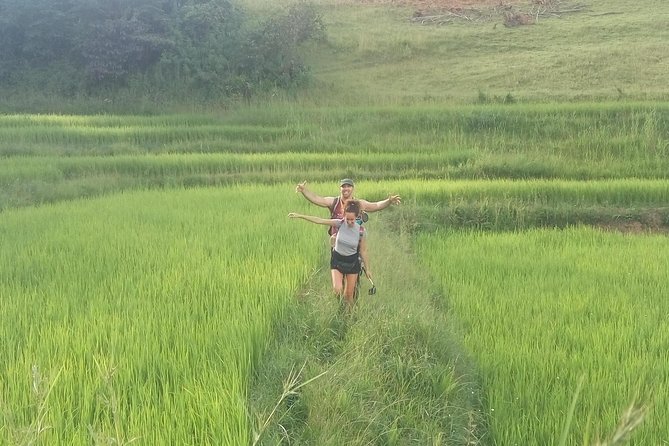
Many people use Kalaw as a cool hill-town stop before heading to Inle Lake. This trip turns the transfer into the main event. You spend three days on foot, moving through working farmland and settlements rather than simply looking out of a vehicle window.
That matters because the pace is slow enough for small details. You might see seasonal vegetable planting, pass people working in the fields, or stop while your guide talks with villagers. The guide’s role is more than leading the way. Rohit has been praised for explaining plants used for seasoning and medicine, while also stopping to speak with people he knows along the route.
The route is called less touristic, but that does not mean untouched or remote in a dramatic wilderness sense. You are walking through lived-in country. The appeal is the mix of nature and ordinary village life, not a string of grand viewpoints.
Groups are limited to 10 people. That is a useful size for a walking tour because you can hear the guide, ask questions, and keep a shared pace without forming a long procession. Some departures may be much smaller, including private trips for two people.
More three-day treks in the world
- Sapa 3 Days 2 Nights Trekking Tour (1 Night In Ta Van Village, 1 Night In Hotel)
★ 5.0 · 699 reviews - 3-Day Trekking Adventure of Sapa from Hanoi – Stay Ta Van Village
★ 5.0 · 611 reviews - From Marrakech: 3-Day Mount Toubkal Climbing Trek
★ 4.7 · 597 reviews
Day 1: Kalaw, rain forest, and Palaung village life
The walk begins with a hotel pickup in Kalaw at about 7:30 in the morning. The first section heads toward rain forest, with the exact route depending on weather. If rain makes the forest unsafe or impassable, this part may be changed.
That weather note is important. You should not book this as a rigid sightseeing schedule with every trail guaranteed. The area can be wet, and the operator may need to protect the group from poor conditions. Ask about the expected weather and route when you book, especially during a rainy spell.
The day continues toward Hin Kha Gone, a village associated with the Palaung ethnic community. You then stop for lunch before carrying on toward places identified as Myin Taik, Station, and Ywar Pu. The names may be less useful than the experience itself: this is a day of moving between forest, cultivated land, and village roads.
The supplied schedule does not give a firm distance for Day 1. Expect a full walking day rather than a casual stroll. Breaks can be arranged, and the guide is expected to watch the group’s pace. That is where a local guide makes a real difference. You do not want to be pushed to match the fastest walker, nor do you want the day slowed without warning.
Your first night is at a homestay. This is basic community accommodation, not a hotel replacement with polished facilities. You should expect a local setting and a chance to see how families host visitors. The value is the contact and sense of place, while the tradeoff is that comfort and privacy may be simpler than you are used to.
Dinner is included, as are water and the other scheduled meals. A cook or support member handles food on the route, and the main backpack transfer keeps your overnight belongings moving separately.
Day 2: Vegetable fields, hill villages, and a monastery
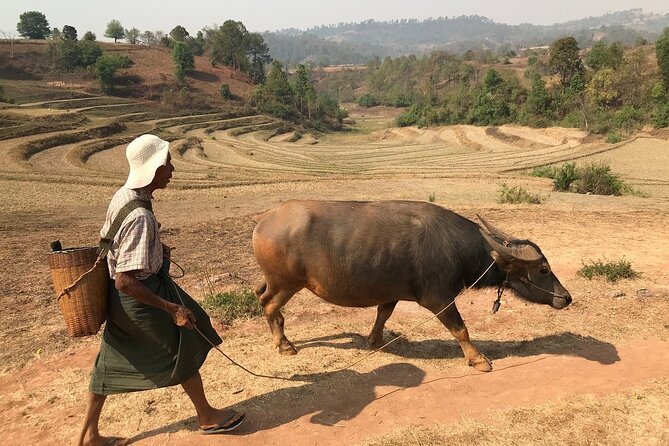
After breakfast, you continue through the countryside. This is the day when seasonal farming becomes especially visible. The route passes different vegetable plantations, although what you see depends on the time of year.
The path includes Lamine, Pinn Nwe, and Khone Hla, where lunch is scheduled. After eating, you continue toward Hti Tain monastery. The schedule describes broad country views, village walking, and changing farmland rather than one single headline sight.
I like this middle day because it gives the trek its steady rhythm. You walk, stop, eat, talk, and walk again. The scenery is not presented as a parade of famous monuments. Instead, the interest comes from how the land is used and from conversations along the way.
The guides appear to be a strong part of that rhythm. Rohit is described as friendly, quick to answer questions, and able to explain the route before departure. Robin is praised for identifying useful plants and speaking with villagers, while Min Min is noted for attending to group needs and knowing people in the settlements along the route. The guide assigned to you may vary, so confirm the name when booking.
The second night is another homestay. Two nights in village homes give you more than a one-time photo stop. You get a better sense of the difference between a short visit and a stay, even though the accommodation remains modest.
A homestay also supports the communities along the route. Your money is spread beyond a large hotel or city operator, and the arrangement gives local families a direct reason to keep welcoming walkers. You should still bring patience and respect. This is someone’s home, not a purpose-built resort.
Day 3: The first Inle views and the final boat
The last morning begins after breakfast with a walk through villages toward views of Inle Lake. The route then descends toward the western part of the lake and a jetty or boat station.
This is the clearest physical finish to the trip. After two days among hills and farms, the lake appears ahead, and the walking route changes into a water transfer. The final walking distance is given as roughly 15 to 16 kilometers, taking about four hours, though the exact time can vary.
That distance is manageable for many people who are used to walking, but it is not trivial after two days on foot. Wear shoes you trust and keep water close. Since your main backpack is transferred, you can focus on the final walk with a lighter load.
Lunch is scheduled at the jetty area. After lunch, you take a boat to your hotel on Inle Lake. The boat is included in the package details, but the day-by-day information marks the boat stop as not including an admission ticket. The experience also lists all fees and taxes as excluded, so ask what extra charges might apply before departure.
The boat transfer is more than a convenient end point. It saves you from arranging separate transport from the western shore and gives the trek a natural finish. You begin on foot near Kalaw and arrive at your lake accommodation by water.
More Trekking Tours in the world
- Mount Etna: Trek to 3000m with cable car and 4×4
★ 4.6 · 3,823 reviews - Bali: Mount Batur Sunrise Trek With Guide and Breakfast
★ 4.8 · 3,461 reviews - From Chania: Full-Day Samaria Gorge Trek Excursion & Guide
★ 4.6 · 3,191 reviews - Mount Etna: Summit Crater Trek with Cable Car
★ 4.8 · 1,875 reviews
What the $31 price really covers
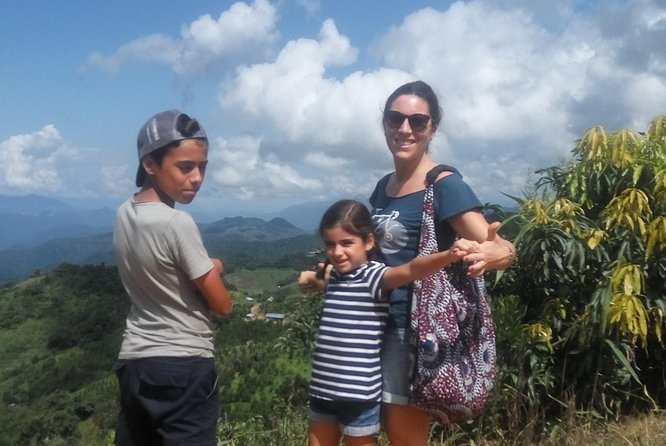
At $31, this is priced far below many organized multi-day walking experiences. The value comes from how much is bundled into that small fee: two homestays, three breakfasts, three lunches, two dinners, water, backpack transfer, guiding, and the boat ride.
That is a strong package if all inclusions operate as described. You are not paying only for a path and a guide. You are also paying for food preparation, local accommodation, luggage handling, and the final transfer to your hotel.
Still, the low price means you should check the details. All fees and taxes are excluded, and the boat entry line is not perfectly clear. Confirm whether the quoted amount includes every required local charge, and ask if your Inle hotel lies within the boat transfer area.
The food is another major part of the value. Several accounts describe the meals as excellent, with lunch served in scenic places. Do not expect restaurant choice or a custom menu at every stop. Instead, expect provided food that keeps the schedule simple. Tell the operator about dietary needs before you set out, since the supplied details do not explain special meal arrangements.
The homestays: useful, simple, and local
The homestays are central to the character of this trek. You spend two nights in villages, with dinner and breakfast included. This gives you contact with local people at the quietest point of the day, after the walking is done.
I would choose this trip partly for that reason. A hotel room in Kalaw or Inle Lake is easy to arrange, but it will not give you the same connection to the villages between them. The homestay may also make the trip feel more personal than a larger group route.
The practical side needs equal attention. The accommodation is described as authentic, but no details are provided about room style, bathroom arrangements, bedding, or hot water. Ask before booking if those basics matter to you. Pack a small toiletry kit, a light layer, and anything you need to sleep comfortably.
You should also be ready for limited privacy. The point is to stay in a local home, and local homes vary. Approach the arrangement with flexibility rather than hotel expectations.
How hard is the trek?
The available information confirms three days of walking and gives a final-day distance of about 15 to 16 kilometers. It does not give total elevation gain, exact distances for the first two days, or a formal difficulty rating.
That makes it hard to label the route precisely. I would treat it as a moderate multi-day walk that suits people who can walk for several hours on uneven country paths. You do not need to be an athlete, but you should be comfortable with repeated walking days.
Your guide can adjust the pace and arrange breaks. That is especially helpful if the group includes different fitness levels. The small maximum group also makes it easier to discuss concerns before they become a problem.
Pack light, even with the backpack transfer. Carry water, sun protection, a rain layer, basic medicine, and a change of walking socks in your day bag. Keep important valuables with you rather than sending them ahead.
Who should choose this route?
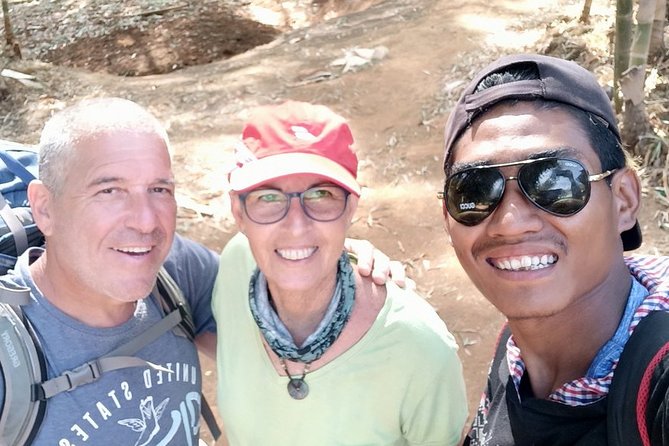
This is a good match for you if you want to:
- Walk between Kalaw and Inle Lake instead of taking a direct transfer
- Meet local people in village homes
- See working farms and seasonal crops
- Travel in a group of no more than 10
- Have meals and luggage handling arranged
- Prefer local contact over polished accommodation
- Finish directly at an Inle Lake hotel by boat
It is less suitable if you need guaranteed dry weather, detailed hotel-level comfort, or a fully fixed route. The rain forest section may change, and the available schedule leaves some practical details open.
It also may not suit you if you want a short, easy walk. The final day alone covers roughly 15 to 16 kilometers, and the first two days are full trekking days as well.
Booking, timing, and weather notes
Pickup begins around 7:30 in the morning from your Kalaw hotel. Confirmation is provided at booking, and the start point is near public transportation.
The experience requires good weather. If poor conditions cancel the trek, you can receive a different date or a full refund. You can also cancel for a full refund up to 24 hours before the local start time. A cancellation inside that window is not refundable, and late changes are not accepted.
Because the route may shift in wet conditions, ask three questions before you pay:
- Which guide will lead my departure?
- What exactly is included in the boat transfer and local fees?
- What are the homestay sleeping and bathroom arrangements?
Those answers will tell you more about fit than the low price alone.
Should you book the Kalaw to Inle trek?
I would book this trip if your priority is local contact, a quieter route, and good value. The combination of village homestays, meals, backpack transfer, and a boat to your hotel is hard to match at $31.
Choose it with sensible expectations. You are buying a community-based trek, not a luxury escape. Weather may alter the forest route, homestay facilities may be basic, and the final day is a proper walk. If you can accept those limits, this is a practical and memorable way to connect Kalaw and Inle Lake.
FAQ
How long is the Kalaw to Inle trekking experience?
The trek lasts approximately three days and ends at Inle Lake.
What time does the trek start?
Pickup begins at about 7:30 am from your hotel in Kalaw.
How many people can join the trek?
The maximum group size is 10 people.
Where do you sleep during the trek?
You spend both nights in homestays in local villages.
Are meals included?
Yes. The package includes three breakfasts, three lunches, and two dinners.
Is backpack transfer included?
Yes. Your backpack is transferred during the trek, so you do not need to carry your main luggage throughout the walk.
Is the boat ride to Inle Lake included?
The included services list a boat transfer to your Inle Lake hotel. All fees and taxes are excluded, and the boat stop is marked as not including an admission ticket, so confirm any additional charges before booking.
How far do you walk on the final day?
Day 3 covers about 15 to 16 kilometers and takes roughly four hours, followed by lunch and a boat transfer.
What happens if bad weather affects the trek?
The rain forest section may be changed if rain makes it unsuitable. If poor weather cancels the experience, you can be offered another date or a full refund.
Latest treks added in the world
- 5 Days Desert Trekking from Marrakech★ 5.0 · 16 reviews
- 3 days Toubkal Trek from Marrakech★ 5.0 · 4 reviews
- Elite Experience Atlas Mountains Day Trekking★ 5.0 · 7 reviews
- 3 Days Berber Villages Trek – Authentic Atlas Mountain Experience★ 5.0 · 4 reviews
- Morocco Desert Trek 4 Days: 2 days on foot in Morocco★ 5.0 · 2 reviews
- Atlas Mauntains and 3 Valleys Trek★ 5.0 · 6 reviews
- Atlas Mountains Valley Trek – 3 Days★ 5.0 · 29 reviews
- 5-day Jebel M’goun trek★ 5.0 · 2 reviews
3-Day Experiences, compared.
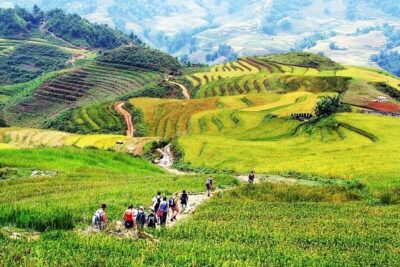
Sapa 3 Days 2 Nights Trekking Tour (1 Night In Ta Van Village, 1 Night In Hotel)
Read our review →
3-Day Trekking Adventure of Sapa from Hanoi – Stay Ta Van Village
Read our review →

3-Day Ethical Orangutan Jungle Trek | Bukit Lawang, Sumatra
Read our review →
Sapa 3 Day 2 Night Trekking With Hotel & Homestay
Read our review →
Monkey Business 3 days – 2 nights Jungle trekking (including rafting)
Read our review →
3 Days Small Group Trekking And Motorbike Combine + Private room
Read our review →
Browse the lists this tour appears in