
REVIEW · KIRUNA
Kiruna: Snowshoe Trek with Warm Beverage and Sandwich
Kiruna’s winter woods become a quiet storybook when you travel on snowshoes. Instead of simply looking at the snow, you learn to read it for signs of moose, reindeer, foxes, and hares, then stop high on the mountain for a hot drink and a sandwich.
I like the warm gear included, since cold-weather clothing can be costly and awkward to pack. I also like the calm, personal side of the outing: guides answer questions about Kiruna and the surrounding area, and the outdoor break may include a campfire.
The main drawback is the uphill section, which lasts about 45 minutes. You do not need previous snowshoe experience, but this is still an active winter walk, not a short photo stop. The activity also does not include hotel pickup, and children under 10, pregnant women, and people with mobility impairments cannot join.
Key points to know before booking
- About 45 minutes uphill: The trek reaches the mountain on foot before the outdoor food break.
- Wildlife tracking: Look for prints and other signs left by moose, reindeer, foxes, and hares rather than expecting a guaranteed animal sighting.
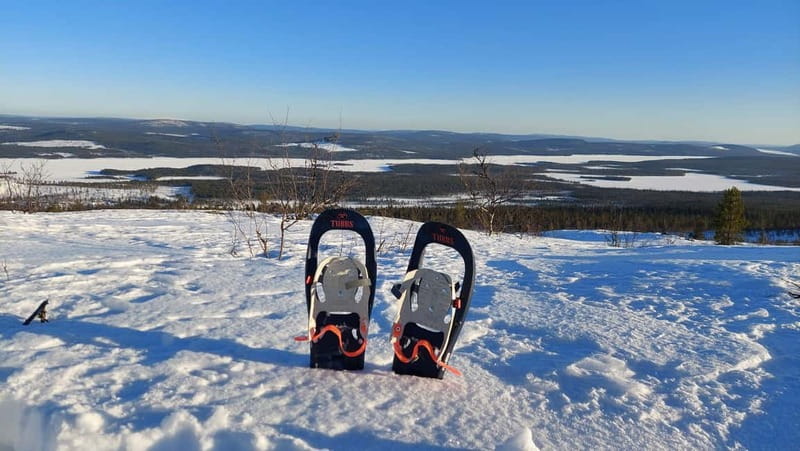
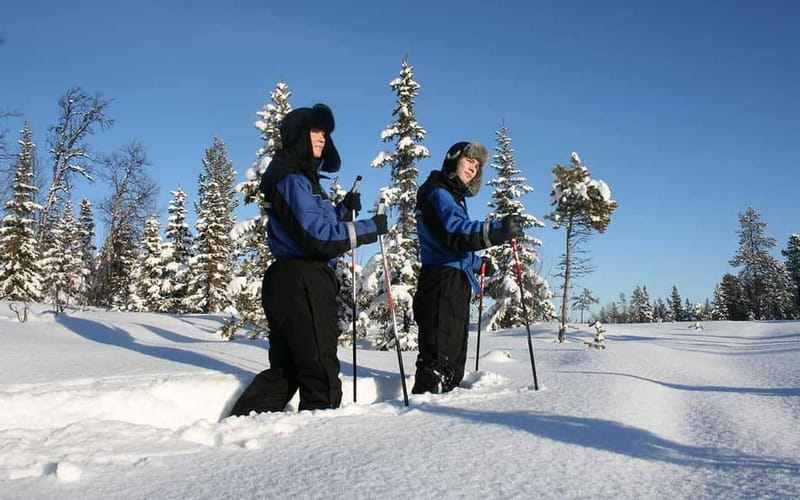
- Warm equipment supplied: Overalls, boots, snowshoes, and poles are included.
- Beginner-friendly format: No previous snowshoe experience is required, and the minimum age is 10.
- Food in the snow: A sandwich and warm beverage are served during the break, with a campfire possible.
- City-centre meeting point: Meet at Kiruna Guidetur’s office near Scandic Hotel, not at your hotel.
Starting near Scandic Hotel in Kiruna
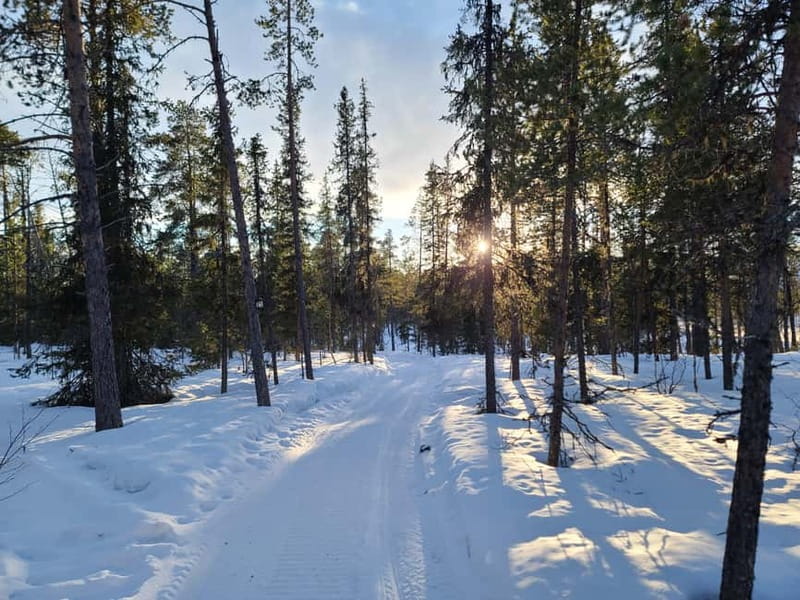
Your day begins at the Kiruna Guidetur office in the new city centre, close to Scandic Hotel. Plan to arrive 20 to 30 minutes before the stated starting time. That early arrival matters because you need to meet the guide, get fitted out, and prepare for the transfer to the trailhead.
This is a meeting-point activity, so you need to make your own way to the office. Hotel pickup and drop-off are not included. The three-hour time frame includes transportation to and from the starting point, which means the actual snowshoe time is shorter than the full booking length.
Round-trip transfers from the Kiruna office are included once the outing begins. That is useful in winter, when road conditions and unfamiliar trails can make independent access difficult. It also keeps the day simple: arrive in town, get dressed, ride to the starting area, and let the guide handle the route.
The start time varies by date, so check availability before booking. The meeting point is easy to connect with if you are staying near the new centre, but leave enough time to walk there in winter clothing and snow.
More winter activities in the world
- Etna South: High Altitude Winter Trek with an Alpine Guide
★ 4.8 · 27 reviews - Kiruna: Snowshoe Trek with Aurora Hunt and Warm Beverage
★ 4.5 · 20 reviews - Polar Night Snowshoe Trek
★ 5.0 · 12 reviews
Warm overalls, boots, snowshoes, and poles
At the office, you receive warm overalls and boots, along with snowshoes and poles. This equipment is one of the strongest reasons to consider the outing, especially if you are visiting Kiruna for only a few days.
Snowshoeing requires a little more gear than an ordinary winter walk. Snowshoes spread your weight across the surface, helping you move across deeper snow instead of sinking with every step. Poles help with balance, especially on the uphill part and during the return.
You should still wear comfortable clothing beneath the supplied overalls. Bring warm layers, water, and snacks if you need more than the included sandwich. Comfortable shoes are also listed as something to bring, although the provided boots are used for the trek.
No previous snowshoe experience is required. The guide fits you with the equipment and sets the pace, making this a reasonable introduction for a first-time snowshoer. Still, beginner-friendly does not mean effortless. Snow and an uphill route make the walk more tiring than a flat stroll through town.
Forty-five minutes into the snowy mountains
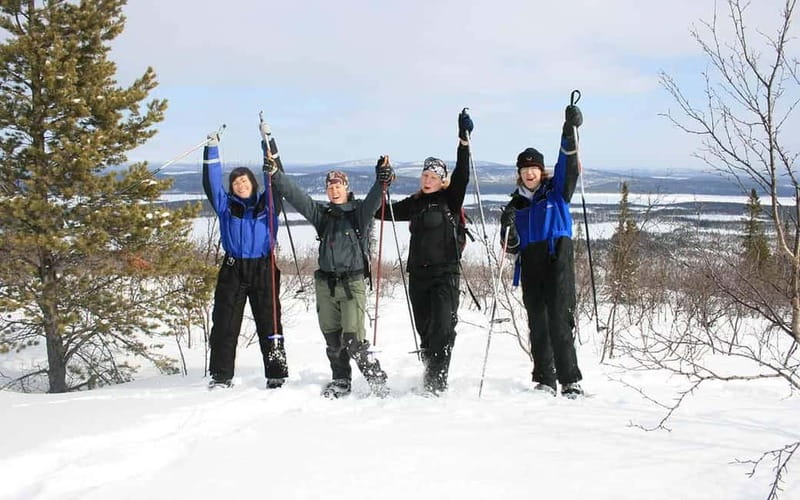
The main walk takes you uphill for about 45 minutes. This is where the outing earns its place as an outdoor activity rather than a quick winter excursion.
You will move through snowy mountain surroundings and watch for traces of wildlife. Moose, reindeer, foxes, and hares are all named possibilities, but the focus is on signs rather than guaranteed sightings. Tracks and other marks in the snow can show which animals passed through, even when the animals themselves stay out of view.
That distinction is important. If you want a sure animal encounter, this is not the right type of tour. If you enjoy learning how to notice small clues in a quiet setting, the tracking element adds purpose to the walk.
The guide also provides information about Kiruna, the natural surroundings, and the area. One of the best details from the outing is the chance to ask questions along the way. The guide is not only leading you from point to point, but helping you understand what you are seeing.
The walk has a steady physical demand. You should be comfortable walking uphill in cold weather and wearing unfamiliar equipment. Poles help, but they do not remove the effort. People with mobility impairments are advised not to book, and the activity is not suitable for pregnant women.
Reading tracks instead of chasing wildlife
Snow changes how you see the outdoors. A normal forest walk can pass without any clear sign of animals, but fresh snow records movement. A line of prints, a disturbed patch, or a trail crossing the route may tell you more than a quick glance into the trees.
The guide can point out traces of moose, reindeer, foxes, and hares. These animals occupy different parts of the region and move in different ways, so the snow becomes a kind of record. You get a more patient connection with the area than you would from simply taking photographs.
I like this part of the outing because it gives you something to do between the views. Kiruna’s winter scenery can be striking, but scenery alone can begin to feel repetitive after a while. Searching for tracks keeps your attention close to the ground and turns the walk into a small investigation.
Wildlife sightings are never promised in the tour details. Go for the chance to spot evidence of animals, not for a guaranteed moose or reindeer appearance. That expectation will make the activity feel more rewarding and less disappointing.
More snow trips in the world
- Montreux: Snowshoe Trek with Fondue and Wine
★ 5.0 · 3 reviews
A warm drink and sandwich on the mountain
After the uphill walk, you stop outdoors for a warm beverage and a sandwich. It is a simple meal, but hot food tastes better after walking through snow, and the break gives you time to rest before returning.
The setting is part of the value. You are not stopping at a café or returning to town for lunch. You eat outside in the mountain surroundings, with snow underfoot and the quiet of the forest around you. A campfire may also be part of the break, adding warmth and a natural gathering point.
The meal is not a full lunch, so bring extra snacks if you tend to get hungry during active outings. Water is also on the recommended packing list. The supplied food works best as a useful trail break rather than a reason to skip breakfast.
This pause also gives the guide time to share stories and answer questions. The guide’s explanations about Kiruna and the surrounding area are an important part of the outing, particularly if you want more than a basic snowshoe lesson.
What the guide adds to the day
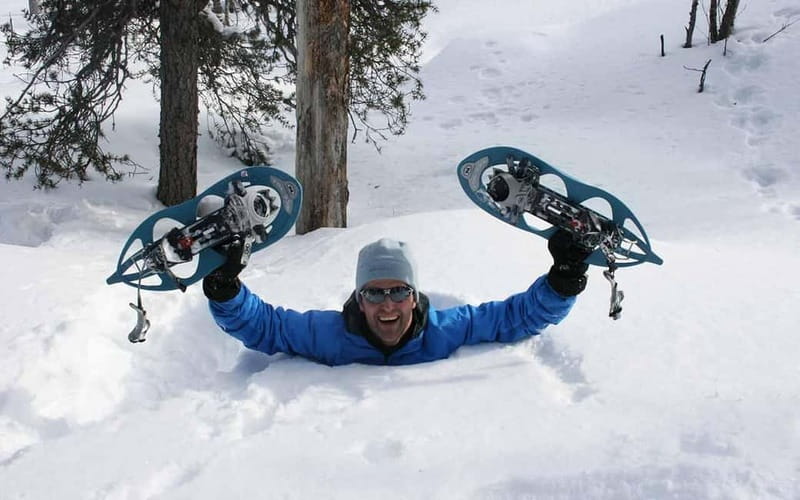
The guide leads in English and stays with you through the equipment fitting, transfer, trek, wildlife tracking, and food break. Because the route takes place in snowy mountain terrain, having someone familiar with the area is useful.
A good guide can help you walk safely in snowshoes, explain how to use the poles, and point out details you might miss alone. The guide also shapes the mood of the break. The outing can feel quiet and reflective, or more social if the group gathers around a fire and asks questions.
Specific guide names are not provided, so you cannot request a particular person when booking. What you can expect is an English-speaking guide who explains the area and answers questions about Kiruna and nature.
The guide’s role is especially useful for first-time snowshoers. You do not need to arrive knowing how to move in snowshoes. Listen to the instructions, keep a steady pace, and tell the guide if your boots or equipment need adjustment.
Is $143 a fair price?
At $143 per person, this is not a cheap walk, but the price covers more than a guide and a trail. You receive warm overalls, boots, snowshoes, poles, the guide’s time, transfers to and from the trailhead, a sandwich, and a hot drink.
The clothing and equipment make the price easier to understand. If you are flying into Swedish Lapland, buying or renting every cold-weather item separately can add up quickly. The included gear also saves you from packing bulky overalls and winter boots for a single outing.
The three-hour schedule is another point to consider. About 45 minutes is spent walking uphill, while the full period also includes transfers, preparation, the break, and the return. If you want a long day in the snow, this may feel brief. If you want a manageable introduction to snowshoeing without giving up most of your day, the length works well.
The holiday supplement matters too. For tours from December 24 through January 6, add 300 SEK per person to the tour price. That extra cost can affect the value during the busiest holiday period, so check the total before confirming.
Free cancellation is available until 24 hours before the activity for a full refund, and you can reserve now and pay later. Those terms help if your Kiruna schedule depends on weather or other winter activities.
Who will enjoy this Kiruna outing?
This trek suits you if you want to spend time outdoors, learn a little about local wildlife, and try snowshoes without buying specialist gear. It is also a good fit for visitors who prefer a guided activity over finding a winter route on their own.
Families with older children can consider it, but the minimum age is 10. Every child should be ready for a cold, uphill walk, not just a scenic ride and a snack. The activity is not suitable for children under 10.
You will probably enjoy it most if you like a slower pace and do not need constant entertainment. The appeal is in the snow, animal traces, mountain views, guide stories, and simple outdoor meal. It is less suitable if you want a fast-paced adventure, a guaranteed wildlife sighting, or a long technical trek.
People with mobility impairments should choose another activity, and pregnant women should not book this one. The snowshoes, uphill route, and uneven winter surface make those restrictions important rather than minor fine print.
Practical packing advice for a cold day
Wear warm layers beneath the supplied overalls. Even with good outer clothing, you may feel cold while standing during the wildlife talk or meal break, so gloves, a hat, and other personal winter layers are sensible additions.
Bring water and snacks. A sandwich and warm beverage are included, but they may not be enough if you are hungry after the uphill walk. Comfortable footwear is listed among the items to bring, and smoking is not allowed during the activity.
Arrive early, but do not expect to meet the group at your hotel. Go to the Kiruna Guidetur office near Scandic Hotel 20 to 30 minutes before the start time. The earlier arrival gives you time to get fitted without rushing.
Keep your expectations realistic. You are heading outdoors for a guided snowshoe walk in cold conditions. The reward is not a long list of attractions, but the chance to move quietly through the snow, notice wildlife traces, and take a warm break far from a café table.
Should you book the snowshoe trek?
I would book this if you want a well-supported first snowshoe outing in Kiruna. The included equipment, transfers, English-speaking guide, wildlife tracking, and outdoor food break give the $143 price real substance.
I would skip it if an uphill winter walk sounds tiring, if you need hotel pickup, or if you are hoping to see animals at close range. For the right person, though, this is a practical way to meet Swedish Lapland on foot, with enough guidance and warmth to make the cold manageable.
FAQ
How long does the Kiruna snowshoe trek last?
The total activity lasts three hours, including transfers to and from the starting point of the trek.
Where do I meet the guide?
Meet at the Kiruna Guidetur office in Kiruna’s new city centre, close to Scandic Hotel.
Is hotel pickup included?
No. Hotel pickup and drop-off are not included. You need to reach the Kiruna Guidetur office yourself.
Do I need previous snowshoeing experience?
No. The activity is suitable for people who have never snowshoed before.
What equipment is provided?
Warm overalls and boots, snowshoes, and poles are provided. A guide, warm beverage, and sandwich are also included.
What is the minimum age?
The minimum age is 10 years. Children under 10 cannot join.
What should I bring?
Bring comfortable shoes, warm clothing, snacks, and water. Smoking is not allowed during the activity.
Latest treks added in the world
- 5 Days Desert Trekking from Marrakech★ 5.0 · 16 reviews
- 3 days Toubkal Trek from Marrakech★ 5.0 · 4 reviews
- Elite Experience Atlas Mountains Day Trekking★ 5.0 · 7 reviews
- 3 Days Berber Villages Trek – Authentic Atlas Mountain Experience★ 5.0 · 4 reviews
- Morocco Desert Trek 4 Days: 2 days on foot in Morocco★ 5.0 · 2 reviews
- Atlas Mauntains and 3 Valleys Trek★ 5.0 · 6 reviews
- Atlas Mountains Valley Trek – 3 Days★ 5.0 · 29 reviews
- 5-day Jebel M’goun trek★ 5.0 · 2 reviews
Winter Activities, compared.
Etna South: High Altitude Winter Trek with an Alpine Guide
Read our review →
Kiruna: Snowshoe Trek with Aurora Hunt and Warm Beverage
Read our review →
Browse the lists this tour appears in