
REVIEW · BISHKEK
Horse Trek to Kel Suu Lake
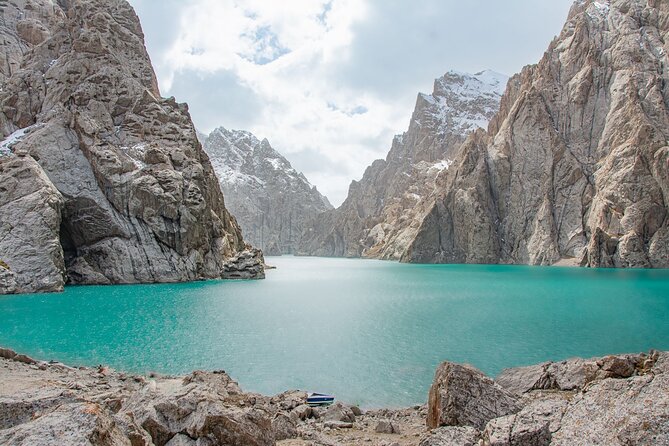
Kel-Suu Lake is the star here: a remote turquoise lake ringed by steep rock walls, reached on horseback rather than by a quick roadside stop. I like the way this trip combines real time in the mountains with contact with Kyrgyz horsemen and homestay or yurt-based hospitality. I also like the small group limit of eight, which should make river crossings, riding instruction, and camp routines easier to manage.
The trade-off is the amount of time spent in a vehicle. You drive about 315 kilometers between Bishkek and Naryn, then make another long transfer before the return. This is a serious mountain trip, not a soft sightseeing holiday, and you need moderate fitness, patience with basic conditions, and a willingness to ride for several hours.
Key points to know before booking
- Kel-Suu is reached on horseback: The riding days cover 13, 18, and 12 kilometers, with mountain passes rising as high as 3,791 meters.
- The group is capped at eight: A small party suits a remote trip where guides and horsemen need to keep everyone together.
- Sanjar leads the trip: He is paired with driver Milran and local horsemen, creating a team that covers guiding, transport, and horse care.
- The first and last days are long: Each includes roughly 315 kilometers by road, so the journey to the riding country is part of the experience.
- Camping supplies are provided, but not everything: Tents, mats, cooking gear, and gas are included. You bring your own sleeping bag and helmet.
- The price reflects logistics: At $1,400 per person, the fee covers transport, horses, permits, meals, staff costs, and remote-area planning, but not drinks, insurance, or personal spending.
Why Kel-Suu is worth the effort
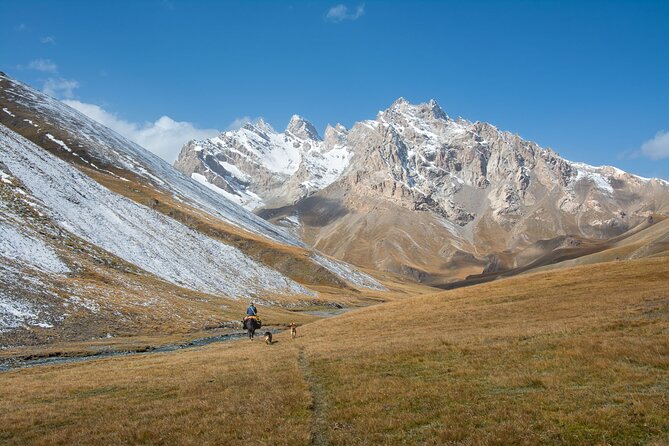
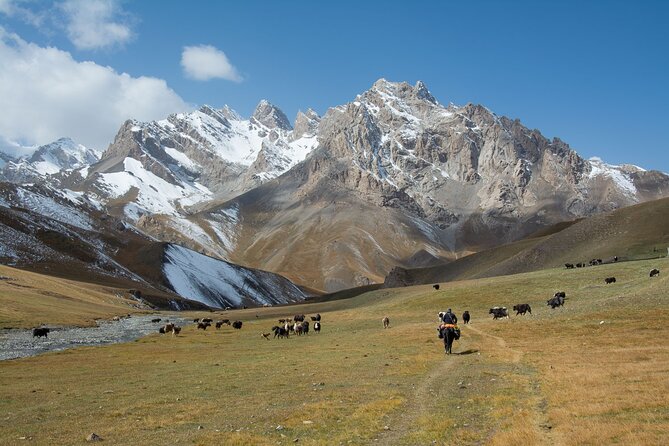
I think Kel-Suu suits people who want a mountain experience with some genuine work built into it. The lake is not treated as a simple photo stop. You spend days reaching it through Kok-Kiya Valley, crossing streams, climbing passes, and riding into increasingly remote country.
The setting is unusually dramatic. The water is turquoise, the cliffs are steep, and the high Tian Shan scenery gives the trip a strong sense of distance from ordinary life. The route also passes through broad valleys and snow-capped mountain country, so the payoff begins well before the lake itself.
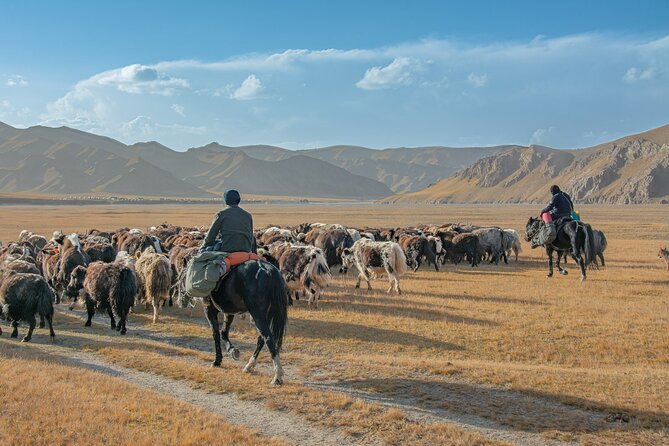
The cultural side matters just as much. You stay with or near local communities in homestays and traditional yurts, and meals and hospitality form part of the experience. Kyrgyzstan is a horse culture, and riding with local horsemen gives you a better connection to the country than looking at mountain scenery through a minibus window.
More horse riding trips in the world
- Cardrona High Country Pub Trail Horse Trek (Intermediate level+)
★ 5.0 · 269 reviews - Rubicon Valley Horse Treks – 2 Hour River Trail Horse Trek
★ 5.0 · 196 reviews - Guided Horse Trekking from Rotorua
★ 5.0 · 159 reviews
Day 1: Bishkek to Naryn, with 315 kilometers of road
The trip begins after breakfast from 573 Frunze Street in Bishkek. The first day is mainly a transfer to Naryn, with about six hours of driving and accommodation in a homestay.
That may sound like a quiet start, but it puts the next days in context. You pass through valleys and small towns, with a stop at Burana Tower along the way. The tower is one of Kyrgyzstan’s best-known historic sights, so this is a useful introduction before the trip turns toward the high country.
The drawback is simple: Day 1 is long. If you arrive in Bishkek on the same morning, you should avoid planning a late night beforehand. The minibus ride is part of the price of reaching Kel-Suu, but it is still a full day on the road.
A homestay also sets the tone for the rest of the journey. You should expect local hospitality rather than hotel polish. Meals in Bishkek before and after the tour are not included, so plan those separately.
Day 2: Naryn, Bosogo Pass, and the wide Ak-Sai Valley
After roughly an hour of driving from Naryn, the road climbs over the switchbacks of Bosogo Pass. The scenery opens into the Ak-Sai Valley, framed by snow-capped peaks. From here, the trip feels properly remote.
The drive to Kok-Kiya Valley covers about 140 kilometers and takes around three hours. That timing leaves room to stop and take in the views rather than rushing from one point to another. The changing scale is part of the appeal: roads, towns, and cultivated valleys give way to open high-country scenery.
This day is also your buffer before the riding begins. Use it to ask about the route, check your clothing, and make sure the gear you need is easy to reach. There is no benefit in burying your warm layers at the bottom of a bag once the temperature drops at altitude.
Day 3: Your first ride through Kok-Kiya Valley
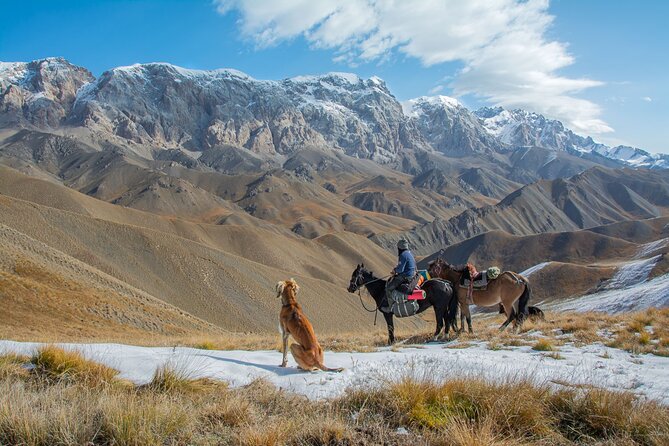
After breakfast, you meet your horse and receive a short riding briefing. The route covers about 13 kilometers, with 514 meters of ascent and 414 meters of descent, and takes around six hours.
That distance may not sound large, but mountain riding is not measured like a road trip. You cross rivers, follow narrow trails, and move through a valley where the surface can change often. You spend time learning how your horse responds, how to balance on uneven ground, and how to keep a steady pace.
This is the day when the tour reveals whether you enjoy its basic rhythm. You are not sitting back while someone else does all the work. Even a well-trained horse requires attention, and six hours in the saddle can feel long if you have little riding experience.
The guide and horsemen are important here. Sanjar leads the group, while local horsemen handle the horses and help with the practical side of the ride. The trip’s strong reputation rests heavily on this team approach, with Sanjar also praised for his humor, care, and ability to explain what is happening around you.
More Trekking Tours in the world
- Mount Etna: Trek to 3000m with cable car and 4×4
★ 4.6 · 3,823 reviews - Bali: Mount Batur Sunrise Trek With Guide and Breakfast
★ 4.8 · 3,461 reviews - From Chania: Full-Day Samaria Gorge Trek Excursion & Guide
★ 4.6 · 3,191 reviews - Mount Etna: Summit Crater Trek with Cable Car
★ 4.8 · 1,875 reviews
Day 4: Crossing Car Pass at 3,791 meters
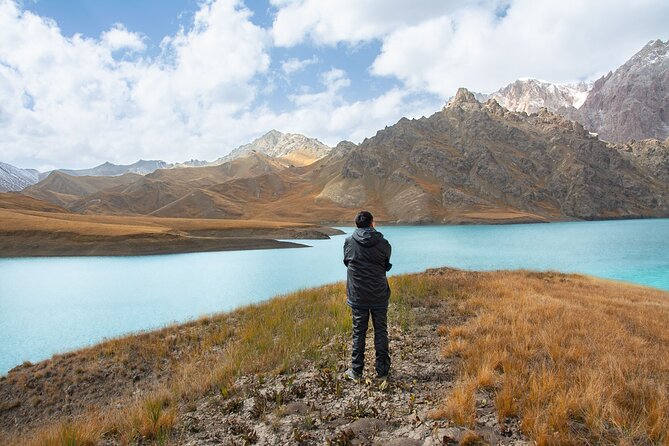
Day 4 is the biggest riding day. You cover about 18 kilometers and cross Car Pass at 3,791 meters, with 470 meters of climbing and 488 meters of descent. From the pass, you get wide views over the surrounding high country before continuing toward Kel-Suu Lake.
This is the kind of day that explains the tour’s price and duration. A remote route requires horsemen, equipment, food, permits, and careful transport planning. You are not simply paying for a lake visit. You are paying for a small support operation in difficult terrain.
Altitude and weather are the key concerns. The tour requires good weather, and conditions can change quickly in mountain country. You should be comfortable with a schedule that may need adjusting if the weather turns poor. The cancellation terms allow a full refund when the operator cancels for bad weather, but once you are on the route, flexibility is part of the deal.
The pass also brings the physical demand into focus. Moderate fitness is required, and the ascent and descent figures are significant even though the daily riding distances are manageable. If you have knee, back, or balance problems, you should think carefully before booking.
Day 5: Kel-Suu Lake, then the long road back
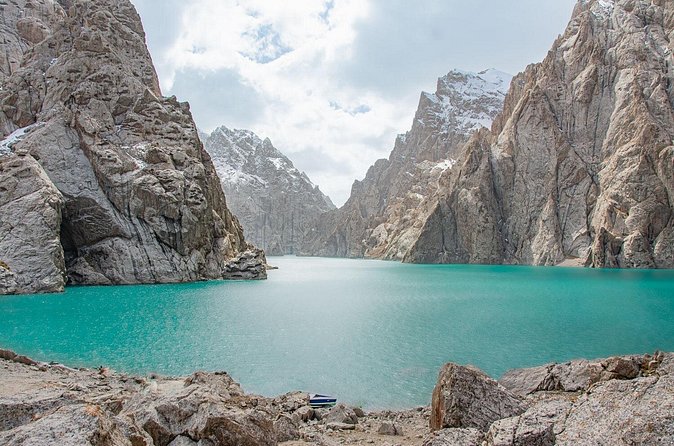
The final riding section covers about 12 kilometers and takes around three hours. You ride toward Kel-Suu Lake, where turquoise water meets sheer mountain walls and the quiet feels earned.
This is likely the visual high point of the trip, but it is not a slow final day. After the ride, you drive about 140 kilometers. The listed elevation change for the riding section is 180 meters up and 261 meters down, making this a less demanding horseback day than Day 4, though you still need energy for the transfer.
Keep your camera and warm clothing handy. The lake is the place for photographs, but the approach is part of its appeal. The route gives you time to see the valley open around you rather than delivering you to a parking area beside the water.
Do not expect a resort-style lake outing. The appeal is remoteness, silence, and mountain setting. Facilities are basic, and the provided equipment points to a camping arrangement rather than a comfortable lodge stay.
Day 6: Returning to Bishkek
After breakfast, you begin the roughly 315-kilometer drive back to Bishkek. The journey takes about five hours, with scenic breaks and photo stops along the way, and you should arrive by early afternoon.
That early arrival is useful if you are staying another night in Bishkek. Still, do not schedule a tight onward flight without checking the exact departure time. Mountain roads and weather can affect a long transfer, even when the planned timing looks comfortable.
The tour ends where it began, at 573 Frunze Street. Pickup from Bishkek is offered, and the activity returns to the same meeting point.
What the $1,400 price really covers
At $1,400 per person, this is not a budget horse ride. It is also not an inflated fee for a simple half-day outing. The price includes transport from and back to Bishkek, horses, horsemen, a border permit, staff meals, and five breakfasts, five lunches, and five dinners.
The equipment package includes tents, mats, gas, and cooking dishes. Those details matter in a remote area, because carrying and organizing camp supplies is a real part of the operation.
You still need to pay for personal expenses, bottled water, coffee, soda, and alcoholic drinks. Insurance is not included, and neither are sleeping bags or helmets. Check your own equipment before departure, especially for a cold-weather mountain trip.
I see the value in the price if you want a supported route rather than trying to arrange horses, transport, permits, food, and mountain staff yourself. The value is weaker if you mainly want to see Kel-Suu quickly. In that case, the long road transfers and three riding days may feel like too much time and money.
Horses, guides, and the human side of the trip
Sanjar is the main guide named for this experience. He is described as combining humor, passion, and careful attention, and as someone who takes an active role in making the journey run well. That matters on a six-day trip, where the guide shapes the mood as much as the scenery.
Milran handles the driving, and local horsemen support the riding sections. This division of work is practical. You have one person focused on the road and another team focused on horses, trails, and camp needs.
The experience also gives you contact with Kyrgyz hosts and herders. Hospitality is not an extra performance added to the route. It is part of how a trip through this part of Kyrgyzstan works, especially when accommodation and meals are tied to homestays, yurts, and camp routines.
What to pack and what to expect
The operator requires moderate physical fitness. You should be ready for several hours on horseback, uneven trails, river crossings, mountain climbs, and a high pass above 3,700 meters.
Pack for changeable conditions and bring the items not supplied:
- Sleeping bag
- Riding or protective helmet
- Warm layers
- Sturdy shoes
- Personal water supply
- Insurance documents
- Small personal items and toiletries
The exact camp setup is not described in detail, so you should ask about sleeping arrangements before departure. The equipment list confirms tents and mats, while the wider route includes homestay and yurt accommodation. Clarifying which nights are spent in each type of lodging will help you pack sensibly.
A phone may be useful for photos, but do not treat this as a normal connected holiday. The remote setting is part of the appeal, and the practical focus is on horses, food, shelter, and the route.
Who should book this six-day route?
I would recommend it to you if you:
- Want a real horseback journey, not a short ride for photographs
- Enjoy high mountain scenery and remote valleys
- Are comfortable with basic camping or homestay conditions
- Have moderate fitness and can handle long days
- Value local guides, horsemen, and Kyrgyz hospitality
- Prefer a small group, with a maximum of eight people
I would hesitate if you dislike long drives, have never ridden and do not want to learn, or need predictable hotel comfort. You should also avoid booking without insurance, since insurance is not included and the route is remote.
The strongest praise centers on the scenery, well-trained horses, organization, and the personal care provided by Sanjar, Milran, and the horsemen. Those are the parts that make the trip feel like a complete expedition rather than a transport service to a famous lake.
Should you book the Horse Trek to Kel-Suu Lake?
Book this trip if the journey matters as much to you as the destination. Kel-Suu is beautiful, but its real appeal comes from reaching it through Kok-Kiya Valley, across Car Pass, and alongside Kyrgyz horsemen.
At $1,400, it asks for a serious commitment of money, time, and energy. In return, you get horses, road transport, meals, permits, camp equipment, and a small support team for six days. I think it is a strong choice for an adventurous rider who wants Kyrgyzstan beyond the main roads.
If you want comfort, speed, or a simple lake excursion, choose something shorter. If you want mountain silence, local hospitality, and a route that feels earned, this is the better fit.
FAQ
Where does the Horse Trek to Kel-Suu Lake start and end?
The trip starts at 573 Frunze Street in Bishkek, Kyrgyzstan, and ends back at the same meeting point.
How long does the tour last?
The experience lasts approximately six days.
How large is the group?
The tour has a maximum of eight travelers.
What is included in the price?
The price includes transport from and to Bishkek, horses, horsemen, a border permit, staff meals, five lunches, five breakfasts, five dinners, tents, mats, gas, and cooking dishes.
What do I need to bring?
Sleeping bags, helmets, insurance, personal expenses, bottled water, alcoholic drinks, coffee, and soda are not included. You should arrange or bring those items as needed.
Can I cancel for a full refund?
Yes. You can cancel at least 24 hours before the experience start time for a full refund. Cancellations or changes made less than 24 hours before the start are not accepted for a refund. If poor weather or an insufficient number of participants causes cancellation, you will be offered another date or experience, or a full refund.
Latest treks added in the world
- 5 Days Desert Trekking from Marrakech★ 5.0 · 16 reviews
- 3 days Toubkal Trek from Marrakech★ 5.0 · 4 reviews
- Elite Experience Atlas Mountains Day Trekking★ 5.0 · 7 reviews
- 3 Days Berber Villages Trek – Authentic Atlas Mountain Experience★ 5.0 · 4 reviews
- Morocco Desert Trek 4 Days: 2 days on foot in Morocco★ 5.0 · 2 reviews
- Atlas Mauntains and 3 Valleys Trek★ 5.0 · 6 reviews
- Atlas Mountains Valley Trek – 3 Days★ 5.0 · 29 reviews
- 5-day Jebel M’goun trek★ 5.0 · 2 reviews
Horses, compared.
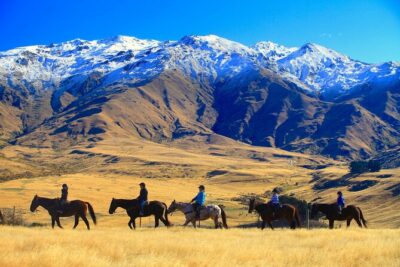
Cardrona High Country Pub Trail Horse Trek (Intermediate level+)
Read our review →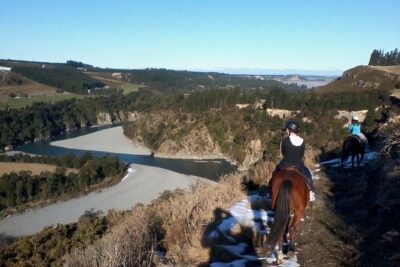
Rubicon Valley Horse Treks – 2 Hour River Trail Horse Trek
Read our review →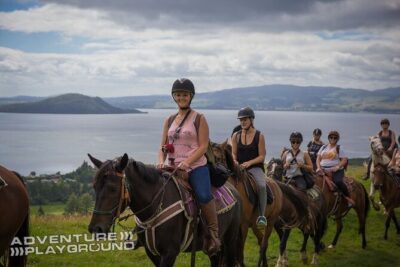
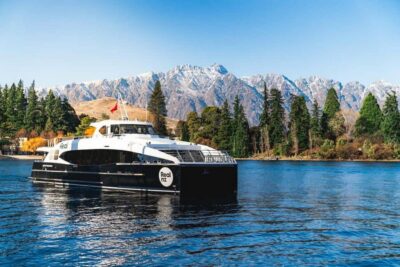
Queenstown: Walter Peak Horse Trek & Queenstown Lake Cruise
Read our review →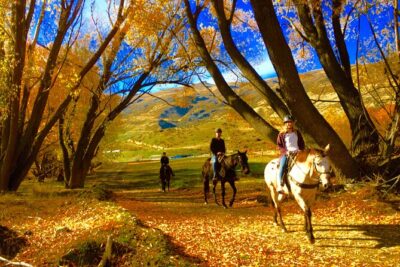
Gold Discovery Trail Horse Trek Cardrona – Most popular!
Read our review →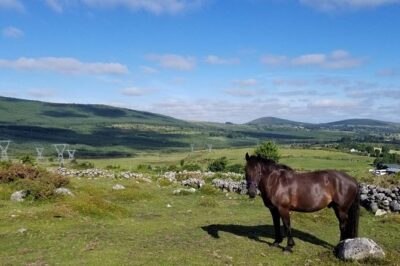
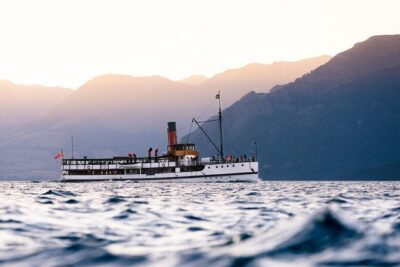
Half Day Walter Peak Horse Trek and Cruise from Queenstown
Read our review →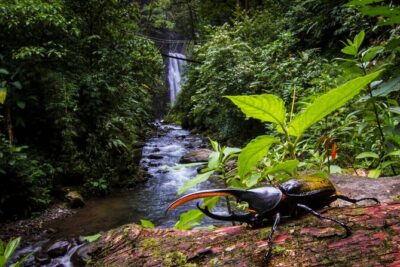
3-in-1 Monteverde Cloud Forest Waterfalls, Wild Trekking and Horseback Riding
Read our review →Browse the lists this tour appears in