
REVIEW · NEPAL
Annapurna Base Camp Trek (8 days)
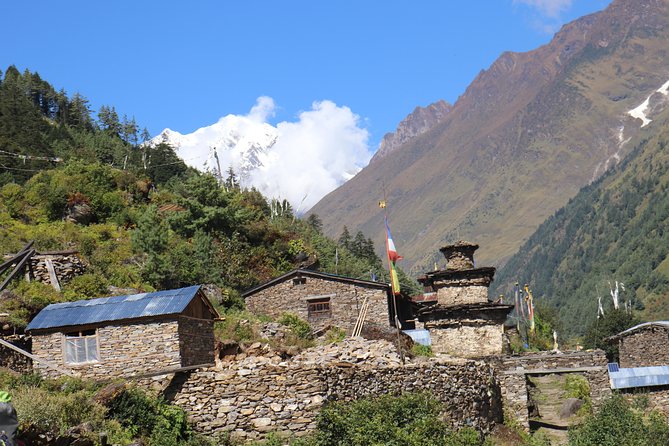
Annapurna Base Camp gives you a fine Himalayan goal without committing to a month-long expedition. Over about eight days, you walk through forest and mountain trails toward the sanctuary, sleep in tea houses, and aim for sunrise at Annapurna Base Camp, with Machapuchare, the famous Fishtail Mountain, rising nearby.
I like two things here. First, Madu’s local guidance comes with more than ten years of trekking experience and a real focus on Gurung culture, food, and daily life. Second, the price includes permits, tea-house lodging, private transportation, and meals. The main caution is that the schedule is flexible enough that an eight-day booking may finish in five or six days, with no stated compensation for unused time.
Key points to know before booking
- Machapuchare is a major part of the scenery: The route includes views toward Fishtail Mountain as well as Annapurna South and other peaks.
- You travel with a private group: Only your own party participates, so the pace and route can be adjusted.
- Madu is the main local guide: He is also known as Madhav and has more than ten years of trekking and guide experience.
- The package covers the big daily costs: Tea-house lodging, meals, TIMS, and Annapurna Conservation Area Project permits are included.
- You need your own trekking gear: Porter service is not included, though help arranging one is available.
- Eight days is an estimate, not a guarantee: One recorded December trek finished in five days, so confirm the planned walking schedule before you pay.
What the Annapurna Base Camp trek is really like
This is a classic mountain trek with a clear destination. You are not simply walking from village to village with no finish line. Each day takes you farther into the Annapurna Sanctuary, where forest trails give way to higher mountain country and the peaks begin to feel close enough to touch.
The main reward is the change in scenery. You start among the green, wooded parts of the Annapurna area, then work your way toward high mountain views. At the top of the route, Annapurna South, Machapuchare, and other Annapurna peaks form the backdrop.
I also like the human side of this trip. Tea houses give the trek a simple local rhythm. You walk, eat, rest, and meet other people following the same mountain paths. Madu’s role goes beyond leading the way. He is expected to explain the surrounding nature and introduce you to Gurung food, culture, and everyday life.
The route is described as fully customizable. You can ask about a shorter or longer version, or about adding Poon Hill, the Annapurna Circuit, or Mardi Himal. Those options are not automatically part of the $650 package, so you should settle the revised route and price before booking.
More Annapurna Treks in Pokhara
- Trekking in Annapurna/Langtang/Everest/Upper Mustang regions
★ 5.0 · 161 reviews - Kathmandu/Pokhara: 5-Day Annapurna Base Camp (ABC) Trek
★ 4.9 · 72 reviews - Annapurna Panorama trek
★ 5.0 · 71 reviews
The walk through the Annapurna Sanctuary
The central stop is the Annapurna Base Camp Trek itself. The name covers the whole journey from the Pokhara area into the sanctuary, not just the final viewpoint.
You should expect a mix of jungle, forest, and mountain trails. The description does not provide a village-by-village day plan, so you should not assume exact overnight stops or walking hours until the operator confirms them. That is not a serious flaw for a private trek, but it does mean you need to ask for a detailed schedule if you want to plan carefully.
The forest sections make the walk feel less like a bare high-altitude march. You will have changing surroundings, with trees and mountain paths leading toward wider views. The route is still a physical undertaking, and the operator asks for a moderate fitness level. That is a useful warning. You do not need to be described as an elite mountaineer, but you should be comfortable walking on mountain trails for several days.
The trek is designed around tea-house lodging. This is important because you are not carrying a full camping setup or sleeping in tents arranged by the operator. Tea houses provide the basic overnight structure, while the included meals keep the main food costs under control.
The experience is private, which changes the feel of the walk. You are not locked into a large group’s pace. If you want more time for photographs, a slower morning, or extra cultural conversation, you can discuss that with your guide. At the same time, private travel does not remove the physical demands of the trail. You still need sensible gear and enough stamina for repeated walking days.
Machapuchare and the high mountain views
Machapuchare is listed as a separate stop, and it deserves that attention. Known as Fishtail Mountain, it is one of the defining peaks in the Annapurna region. Its shape gives the route a strong visual marker, especially as you move toward the sanctuary.
The views are not limited to Machapuchare. The trip is also built around Annapurna South and other peaks in the Annapurna range. The stated highlight is sunrise at Base Camp, when the light reaches across the Himalayan summits.
You should keep your expectations practical. Mountain weather can affect visibility. One December trek had sunny weather but very cold conditions, while another account described fog that blocked some views. That is normal mountain reality, not a defect in the route. Clear skies can produce spectacular scenery, but no guide can promise perfect visibility.
The season also affects comfort. December can offer sunny days while still bringing serious cold in the mountains. Bring proper warm clothing and do not treat the included lodging as a substitute for personal cold-weather equipment. Your guide can manage permits and route logistics, but you remain responsible for your own gear.
Madu, Madhav, Shree, and the guiding style
The experience is presented around Madu, also known as Madhav, a local guide from Pokhara with more than ten years of trekking and guiding experience. His strongest role is practical: organizing the trek, helping with logistics, and keeping an eye on your comfort.
The guiding style described through the experience is personal rather than rushed. Madu has been praised for making the journey feel relaxed, offering encouragement, and paying attention to individual needs. That matters on a multi-day trek, where a guide who pushes too hard can turn a beautiful route into a miserable one.
You may also be assigned another guide from the team. Shreedhar and Shree are both named in connection with other Annapurna treks. If having Madu specifically is important to you, ask for confirmation before booking. The published information presents him as the main contact, but it does not promise that every departure will be led by him personally.
The cultural side is another strong point. You can learn about Gurung food, lifestyle, and local traditions as you go. That is more useful than receiving a short lecture at the end of the trip because the information comes while you are seeing the villages, lodging, and food associated with the area.
Madu’s wider experience also includes Poon Hill, Annapurna Circuit, Manaslu, Australian Camp, Muktinath, and customized routes. That does not change the ABC itinerary, but it suggests you can discuss route changes with someone familiar with several parts of Nepal.
Another trail to compare in Pokhara:
- Poon hill Trek 3 days
★ 5.0 · 176 reviews - Pokhara: 4-Day Ghorepani, Poonhill & Ghandruk Mountain Trek
★ 5.0 · 132 reviews - Ghorepani – Poon Hill Trek 3N-4D
★ 5.0 · 125 reviews - From Pokhara: 3-Day Ghorepani Poon Hill Trek with Guide
★ 4.9 · 68 reviews
What the $650 price includes
At $650 per person, the price is attractive because it covers several costs that can quickly add up on an independent trek:
- Private transportation
- TIMS permit
- Annapurna Conservation Area Project permit
- Tea-house lodging
- All meals during the trek
The permits are especially useful to have handled for you. You avoid sorting out the paperwork yourself, and the guide can deal with the logistics connected to the trek.
Meals are included throughout the trek, which makes budgeting easier. You will still want money for personal expenses, and the package specifically excludes those costs. It also excludes all fees and taxes, so ask for the final amount before booking. That phrase can mean extra charges beyond the advertised rate.
The biggest omission is gear. You are expected to bring your own trekking equipment. Porter service is also not included. If you do not want to carry your own load, the operator can help you find porter services, but you should arrange that in advance and confirm the extra cost.
Private transportation is included, and pickup is offered. The information does not specify every transfer point or vehicle schedule, so confirm where pickup occurs in Pokhara and which transport days are covered. The value is strongest if you want a private trek with the main permits, lodging, and food arranged in advance.
The eight-day schedule needs clarification
The advertised duration is approximately eight days. That should be treated as a planning framework rather than a fixed guarantee.
One December booking for an eight-day ABC trek finished in five days. The account says there was no compensation for the unused time and suggests five or six days may be normal for some versions of the route. This is the most important practical issue to clear up before you book.
Ask these questions directly:
- How many walking days are planned?
- Which nights are included?
- Is the return transport part of the schedule?
- What happens if the group reaches Base Camp early?
- Can extra sightseeing or rest days be added?
- Does a revised itinerary change the price?
A shorter trek may suit you perfectly if you want a compact Himalayan trip. But if you have built an eight-day holiday around this activity, you will want a firm day-by-day plan. The private format makes changes possible, yet it also means the exact schedule may depend on your guide, pace, and preferences.
The route can also be extended or combined with Poon Hill, the Annapurna Circuit, or Mardi Himal. These are possible additions, not included promises. Get the final route in writing.
Tea houses, meals, and daily comfort
Tea-house lodging gives you a practical way to experience the mountains without carrying camping equipment. It also places you in the same simple accommodation system used along many Nepal trekking routes.
The package includes all meals during the trek. That is a real convenience, particularly when you are walking for several days and do not want to negotiate every meal separately. You can also use the meals as a chance to try local food, one of the cultural elements the guide emphasizes.
The information does not specify private rooms, bathrooms, heating, hot showers, Wi-Fi, or charging facilities. Do not assume those extras are included. If comfort matters to you, ask what kind of tea-house rooms are arranged and what you should pay for separately.
The trip is not marketed as a luxury holiday. Its appeal is the combination of mountain scenery, basic local lodging, guided logistics, and time on foot. You should be comfortable with a straightforward trekking setup.
Who should book this trek
I would consider this a good fit for you if you want:
- A private trek rather than a large organized group
- A clear Himalayan goal at Annapurna Base Camp
- A local guide based in Pokhara
- Meals and tea-house lodging included
- Help with permits and transport
- A route that can be adjusted
- Cultural context alongside mountain scenery
It is less suitable if you want a fixed luxury itinerary, guaranteed sunrise views, or every equipment cost included. It also may not suit you if you have low fitness or dislike several days of walking on mountain trails.
The trip asks for moderate physical fitness and your own gear. That means you should take the preparation seriously. Do not rely only on the guide to solve problems caused by poor clothing, unsuitable footwear, or an overloaded pack.
Booking, weather, and cancellation details
Confirmation is provided at booking. Service animals are allowed, and the activity is private, with only your own group participating.
You can cancel for a full refund if you do so at least 24 hours before the local start time. Cancellations or changes made inside that window are not refunded or accepted. The trek also depends on good weather. If poor weather causes cancellation, you are offered another date or a full refund.
The weather clause is worth noting because clear mountain views are central to the experience. A change of date may be preferable to forcing a route in bad conditions, but you should allow some flexibility in your Nepal plans if possible.
Should you book the Annapurna Base Camp trek?
I would book this trek if you want a reasonably priced, private route with the main permits, meals, lodging, and transport arranged for you. The best part is the combination of a major Himalayan destination and local guidance from Madu or another member of his team.
Before paying, confirm three things: who will guide your group, the exact eight-day schedule, and the full cost after taxes, fees, gear, and any porter service. Also ask whether the trek is likely to finish in five or six days.
If you are happy with a simple tea-house trek and can handle moderate mountain walking, this offers a strong way to reach Annapurna Base Camp without managing every detail yourself. If you need a rigid itinerary or a guaranteed eight full days, get the schedule clarified first.
FAQ
How long is the Annapurna Base Camp trek?
The advertised duration is approximately eight days. One recorded itinerary finished in five days, so you should confirm the planned number of walking and overnight days before booking.
Where does the trek take place?
The experience is based in Pokhara, Nepal, and travels through the Annapurna Sanctuary to Annapurna Base Camp. Machapuchare, also called Fishtail Mountain, is included as a featured stop.
What is included in the price?
The price includes private transportation, TIMS and Annapurna Conservation Area Project permits, tea-house lodging, and all meals during the trek.
Are trekking gear and porter services included?
No. You are expected to bring your own trekking gear, and porter services are not included. The operator can help you find porter services if needed.
Is this a private trek?
Yes. Only your own group participates in the activity, and the route is described as customizable.
What level of fitness do I need?
You should have a moderate level of physical fitness. The trek involves mountain trails, forest paths, and several days of walking.
Can I cancel for a full refund?
Yes, if you cancel at least 24 hours before the local start time. Cancellations or changes made less than 24 hours before the start are not refunded. If poor weather causes the experience to be canceled, you are offered another date or a full refund.
Latest treks added in Pokhara
- Pokhara: Majestic Mardi Base Camp Guided Trek with HotSpring★ 5.0 · 6 reviews
- Pokhara: 9-Day Annapurna Base Camp Trek with Poon Hill★ 5.0 · 6 reviews
- Pokhara: 5-Day Ghorepani and Poon Hill Private Trek★ 5.0 · 4 reviews
- Pokhara: 5-Day Trek to Annapurna Base Camp and Hot Springs★ 5.0 · 4 reviews
- Pokhara: 7-Day Annapurna Base Camp Trek & Hot Spring★ 4.0 · 3 reviews
- Pokhara:4-Day Ghorepani Poon Hill Guided Trek via Ghandruk★ 5.0 · 3 reviews
- Pokhara: 4-Day Poon Hill and Ghandruk Guided Trek★ 5.0 · 14 reviews
- Pokhara: 4-Day Beautiful Ghorepani Poon Hill & Ghandruk Trek★ 4.8 · 21 reviews
Annapurna Base Camp Treks, compared.




Trekking in Annapurna/Langtang/Everest/Upper Mustang regions
Read our review →


Kathmandu to Annapurna Base Camp (ABC) 5-Day Trek
Read our review →Browse the lists this tour appears in